Understanding the Cost of Flagstone Per Square Foot — Comprehensive Guide & Pricing Factors
Understanding the Cost of Flagstone Per Square Foot: A Practical Guide
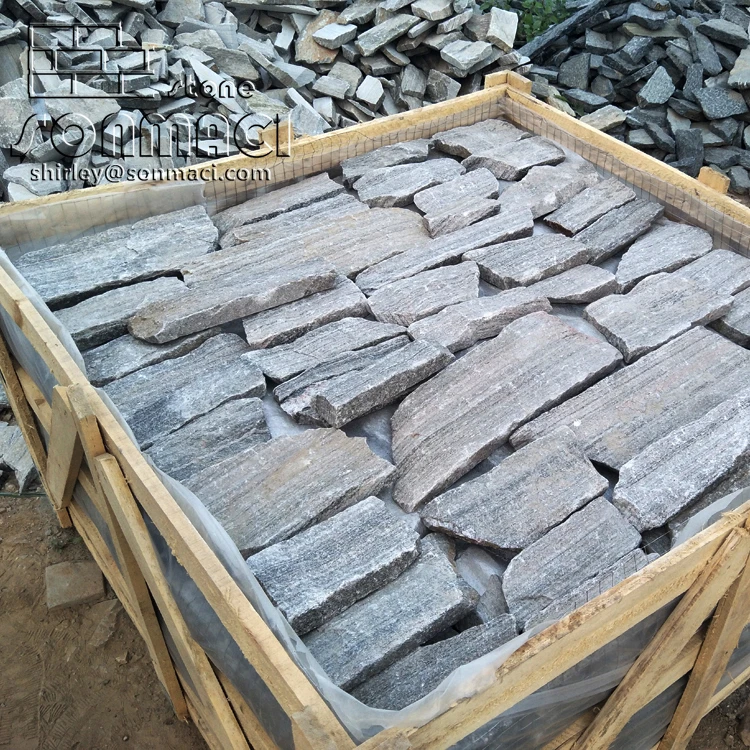
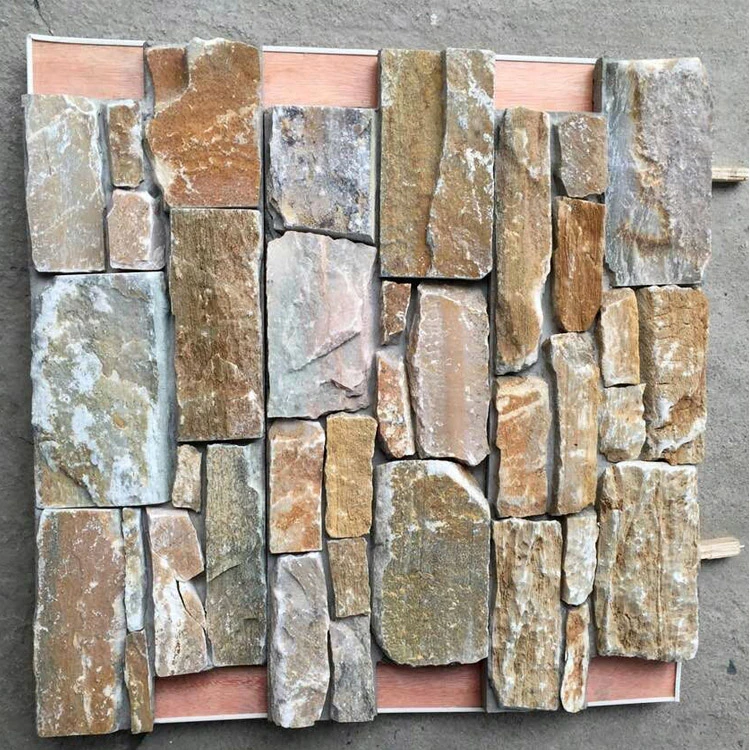
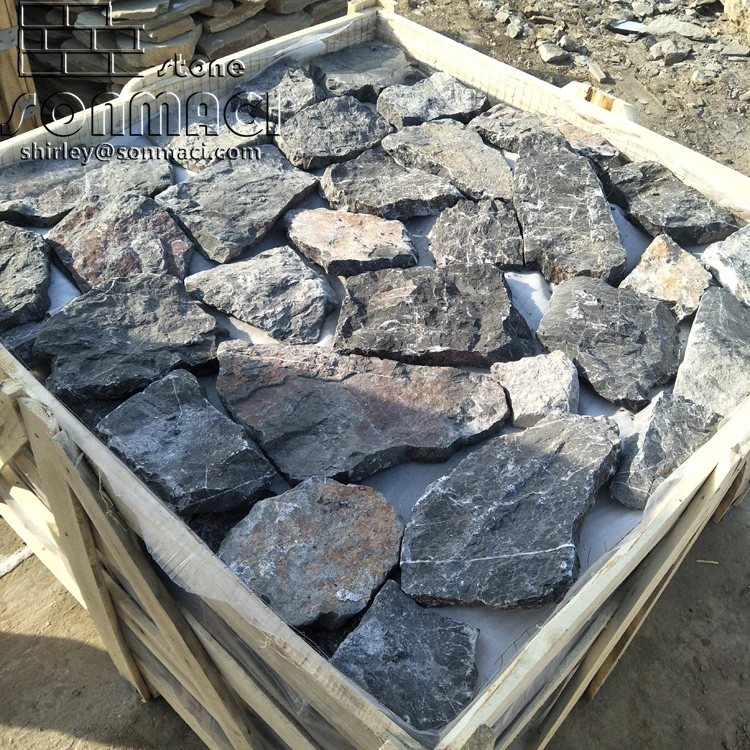
Flagstone has long been cherished for creating timeless outdoor spaces—from patios and walkways to garden accents. But when we talk about the cost of flagstone per square foot, it's more than just a price tag. It reflects the art of balancing aesthetics, durability, and budget constraints. Given its widespread use worldwide in landscaping and construction, understanding these costs is quite valuable—not just for homeowners or landscapers but also for architects and builders who have to balance design impact and financial realities.
Why the Cost of Flagstone Matters Globally
Interestingly, the demand for natural stone like flagstone isn’t just regional; it’s a global phenomenon. According to the International Organization for Standardization (ISO), natural stone products have seen steady growth, especially in urban landscape development. The World Bank data reveals that infrastructure and residential construction are expanding, particularly in emerging markets, which naturally hikes the consumption of resilient materials like flagstone.
Yet, a common challenge arises: managing costs while ensuring quality. Customers and professionals alike wrestle with deciding which flagstone types and installation methods offer the best long-term value without causing sticker shock. This is exactly where knowing the cost of flagstone per square foot plays a crucial role.
What Exactly Does Cost of Flagstone Per Square Foot Mean?
In simple terms, the “cost of flagstone per square foot” is literally the price you pay to cover one square foot of surface area with flagstone—including materials and often installation. This metric helps estimate the budget for projects anywhere from a small garden path to massive public plazas.
It ties directly into modern building needs because flagstone is prized for its natural durability and low maintenance, making it an excellent choice for sustainable urban development and humanitarian projects alike, which often seek materials combining environmental responsibility with functionality.
Key Factors Affecting the Cost of Flagstone Per Square Foot
1. Type and Source of Stone
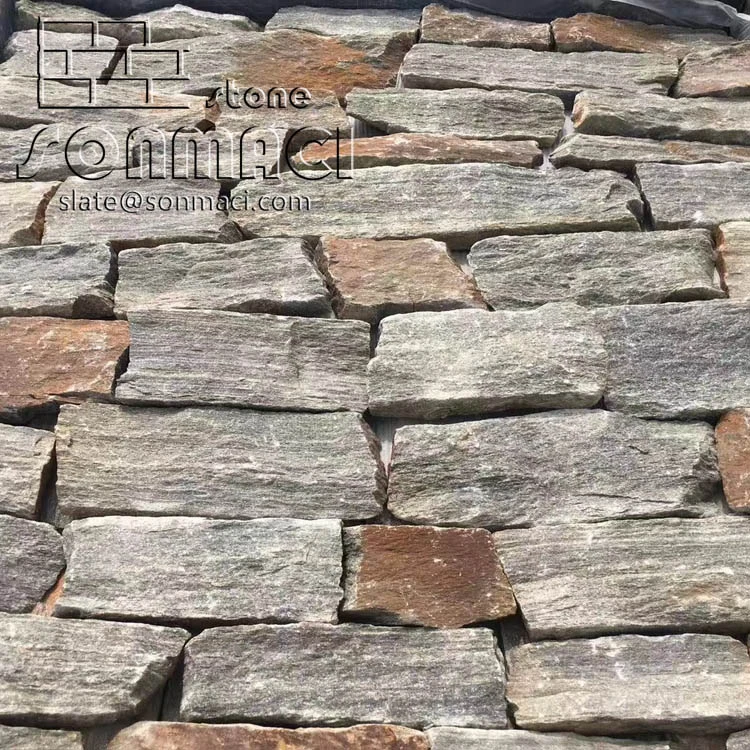
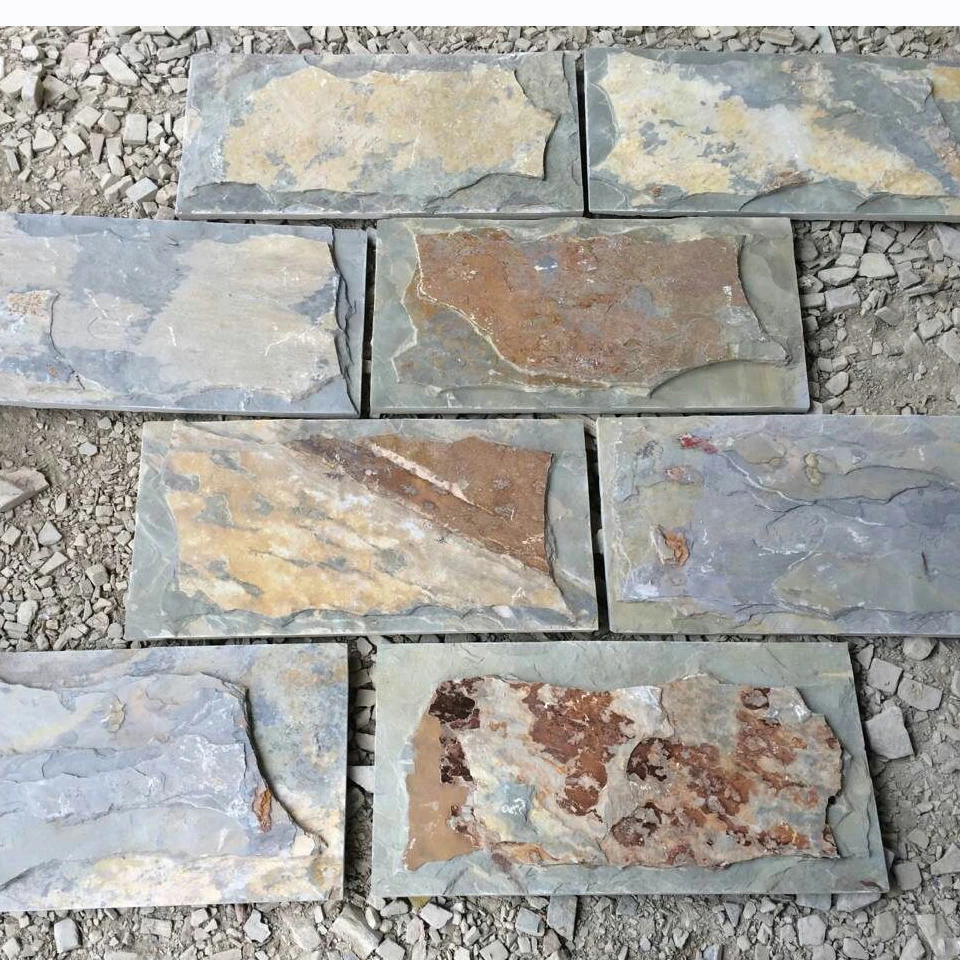
The species of flagstone—be it sandstone, limestone, bluestone, or slate—significantly influences cost. For instance, imported stone can cost more due to transport and tariffs, whereas locally quarried stone often costs less but might have limited color or texture options.
2. Stone Thickness and Size
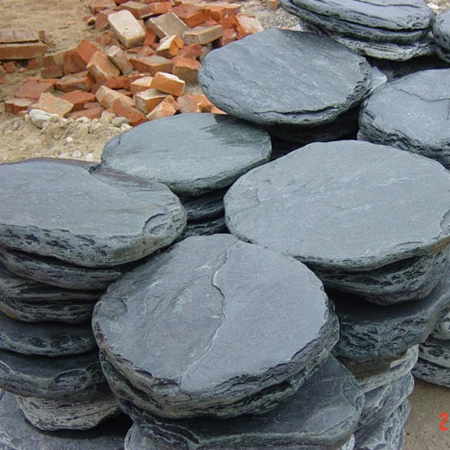
Thicker slabs generally cost more but offer superior durability. Larger flagstones cost more upfront but reduce installation complexity (fewer joints), affecting labor costs.
3. Installation Complexity
Labor expenses vary greatly. For example, creating intricate patterns or cutting stones to fit curves demands skilled craftsmen and time, raising costs.
4. Site Preparation
Proper site prep—like removing old material, ensuring level ground, and laying a base—affects total outlay. Poor prep leads to costly repairs later.
5. Geographic Location
Costs differ regionally due to material availability, labor wages, and transportation expenses. For example, flagstone prices in urban U.S. markets often differ sharply from those in rural parts of Asia or Europe.
6. Supply and Demand
During construction booms or in remote areas, prices can spike because of limited supply or higher delivery charges.
Flagstone Cost Specification Table
| Flagstone Type | Price Range (USD/sq ft) | Typical Thickness (inches) | Common Use |
|---|---|---|---|
| Sandstone | $3 – $6 | 1–2 | Patios, walkways |
| Limestone | $4 – $7 | 1–1.5 | Garden paths, outdoor flooring |
| Bluestone | $5 – $10 | 1–2 | Driveways, patios |
| Slate | $6 – $12 | 0.75–1.5 | Walkways, walls |
Mini takeaway: The exact cost depends on the type and thickness of flagstone, and around these ranges, budgeting becomes manageable when you weigh other related costs.
How Different Vendors Compare on Flagstone Pricing
| Vendor | Average Price/sq ft | Material Origins | Installation Services |
|---|---|---|---|
| StoneWorld | $5.50 | Domestic quarries | Available |
| GlobalStone | $7.20 | Imported | Limited |
| EcoStone Supplies | $6.00 | Local, sustainable sources | Yes, focused on green installs |
Global Applications & Use Cases of Flagstone
Flagstone finds its way into many projects worldwide beyond just decorative patios. In Mediterranean countries, it’s a classic choice for pedestrian zones due to its texture and slip resistance. In North America, urban planners favor flagstone for public plazas where both durability and aesthetic appeal are paramount. And oddly enough, in post-disaster relief efforts, flagstone’s ruggedness can prove valuable for rebuilding community spaces where local materials are preferred.
In remote industrial zones, flagstone’s natural resistance to weather and wear makes it preferable for walkways and facility areas—sometimes outperforming concrete by far.
Mini takeaway: The cost of flagstone per square foot is a vital factor in project feasibility across various global sectors, from landscaping to emergency infrastructure.
Advantages & Long-Term Value of Opting for Flagstone
- Durability: Flagstone can withstand harsh weather, minimizing future maintenance costs.
- Sustainability: Many flagstones are quarried responsibly, and their natural longevity reduces environmental footprints.
- Versatility: From rustic to modern designs, flagstone fits many architectural styles.
- Emotional Value: The feeling of natural stone underfoot adds to a property’s charm and user experience.
Emerging Trends in Flagstone Use & Costs
Interestingly, technological advances in extraction and processing are slowly driving costs down or enhancing quality. Eco-friendly quarrying and increased use of digital design tools now allow custom shapes without huge extra costs. Moreover, some regions incentivize sustainable materials, potentially offsetting flagstone’s upfront cost through tax rebates or grants.
Challenges & Solutions in Managing Flagstone Costs
Of course, challenges exist—like the variable quality of stone from different suppliers and the labor intensity of installation. Solutions include:
- Using local sources to reduce transport expenses and ecological impact.
- Hiring experienced installers to minimize waste and mistakes.
- Opting for modular or pre-cut flagstones to speed up installation.
FAQ: Frequently Asked Questions About Cost of Flagstone Per Square Foot
Q1: What factors should I consider when budgeting for flagstone installation?
A: Besides the stone cost, include labor, site prep, delivery fees, and any necessary sealing or finishing products. These can collectively add 30–50% to material costs.
Q2: How does stone choice affect long-term maintenance costs?
A: Harder stones like bluestone or slate resist weathering better, reducing maintenance, while softer sandstone may require more care over time.
Q3: Is flagstone an eco-friendly building material?
A: Generally, yes—if locally sourced and responsibly quarried. It’s natural, long-lasting, and recyclable, which scores well on sustainability.
Q4: Can I expect prices to drop if I buy flagstone in bulk?
A: Often yes, bulk purchases reduce per square foot cost, but storage and transport logistics might increase complexity and costs.
Conclusion
Ultimately, the cost of flagstone per square foot is a multifaceted issue blending material choices, regional factors, and project needs. But when done right, flagstone offers timeless durability, environmental benefits, and a certain natural flair that’s hard to beat. If you’re planning a landscaping or construction project, factoring in these costs with a careful eye can make a world of difference.
For a deeper dive and personalized estimates, do check out our website—it’s a great resource for comparing materials, learning installation tips, and navigating procurement.
One last thought: investing in quality flagstone often pays for itself through years of beauty and resilience. Kind of a no-brainer, really.