Retention Wall Stones – Durable, Sustainable Solutions for Slope Stabilization
Retention Wall Stones: A Durable Solution for Modern Infrastructure
Retention wall stones often go unnoticed yet play a critical role in shaping and supporting landscapes worldwide. Whether stabilizing hillside roads or creating garden terraces, these stones are the unsung heroes that hold back earth and water. Understanding retention wall stones means grasping more than just rocks stacked in place—it’s about resilience, sustainability, and clever engineering. Globally, as urbanization accelerates and climate change triggers more erosion and flooding, retention wall stones are part of the frontline defense.
Why Retention Wall Stones Matter Globally
From steep mountain highways in Nepal to flood-prone zones in Louisiana, retention wall stones have global importance. According to the United Nations climate reports, rising occurrences of heavy rainfall and land degradation mean that effective retaining structures are more than just nice-to-have—they’re essential. The World Bank estimates billions in infrastructure damages annually from slope failures, many preventable with solid retention solutions.
Yet, there’s a challenge. Retention walls must balance durability with environmental impact, cost, and adaptability. That’s why innovations in stone choice, design techniques, and installation methods continue to evolve rapidly, shaping how engineers and communities manage slopes and water flow. So, if you’ve ever wondered what keeps roads intact after a storm or why terraces don’t slide downhill — retention wall stones are often the answer.
Mini takeaway: Retention wall stones provide a vital, cost-effective barrier against erosion and landslides, crucial as climate risks intensify worldwide.
What Exactly Are Retention Wall Stones?
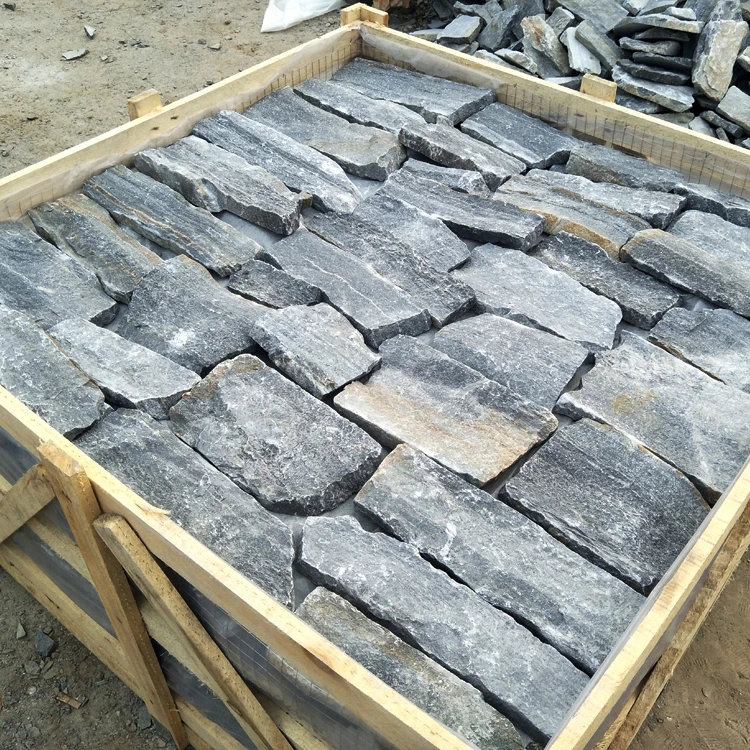
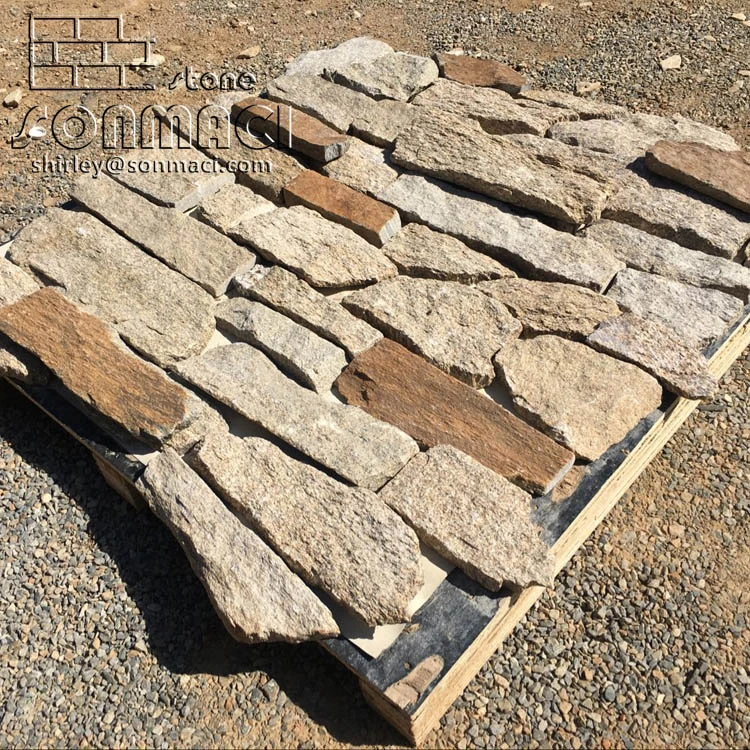
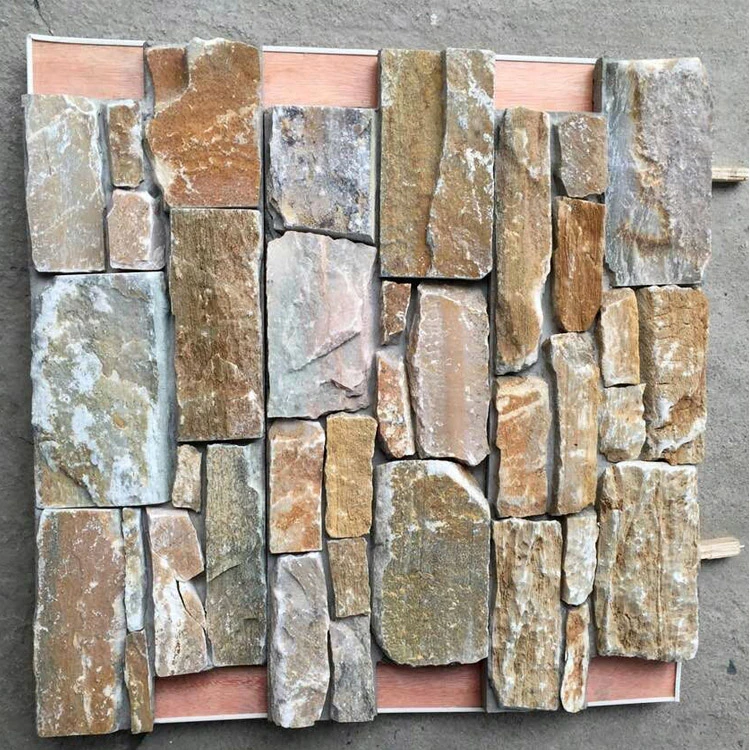
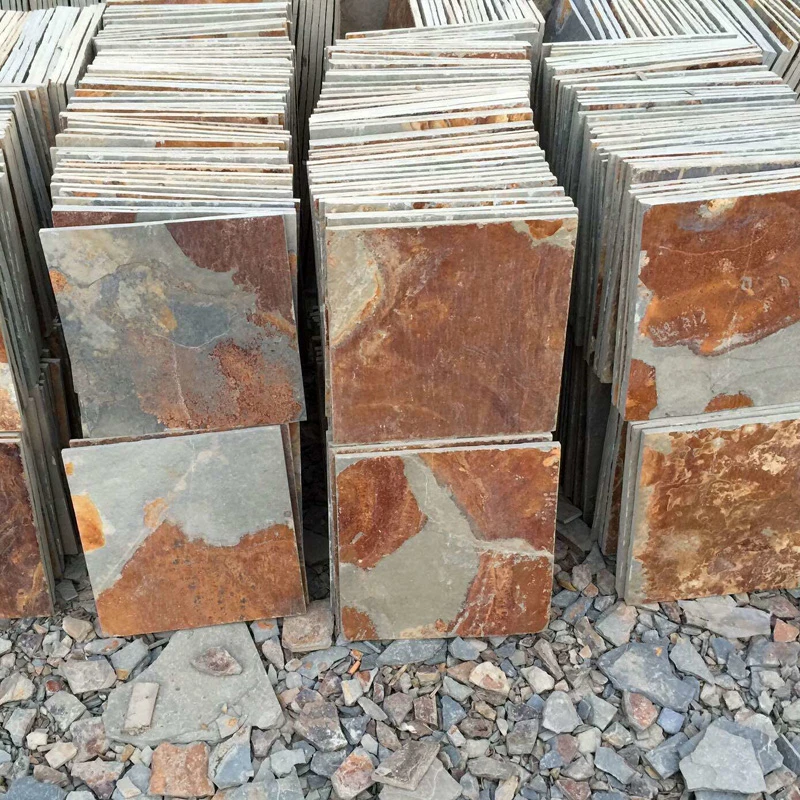
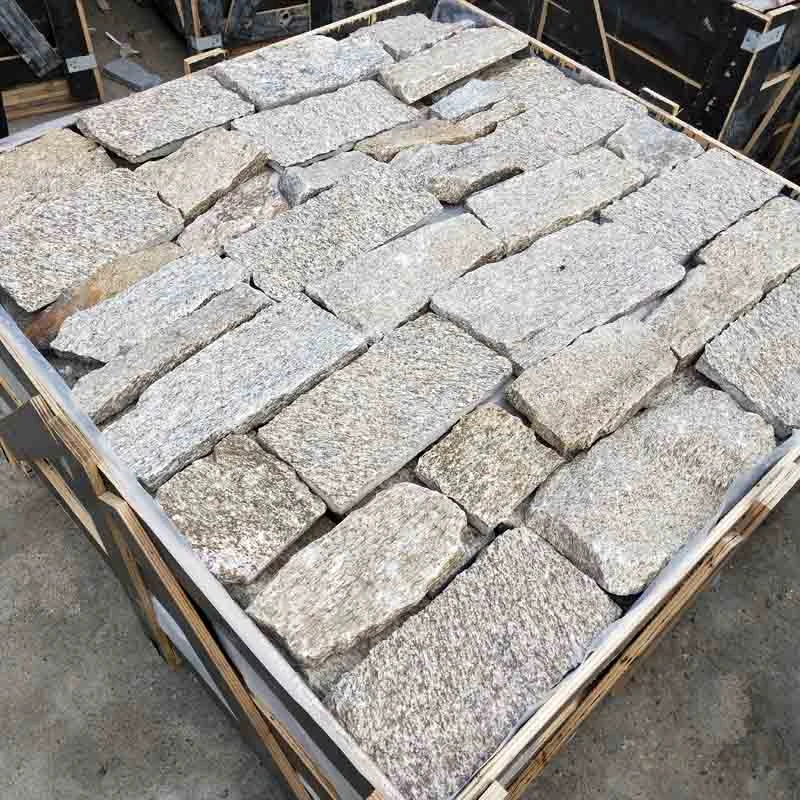
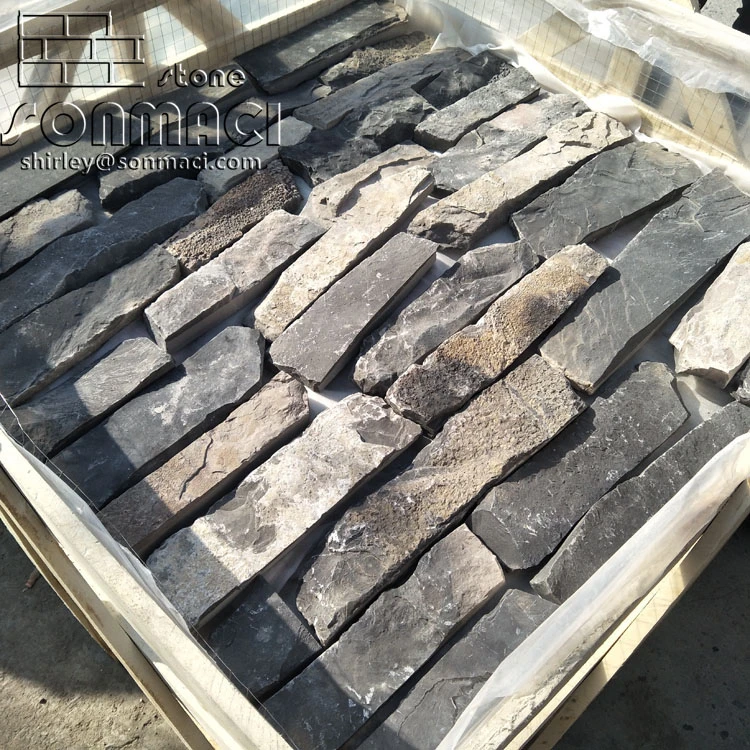
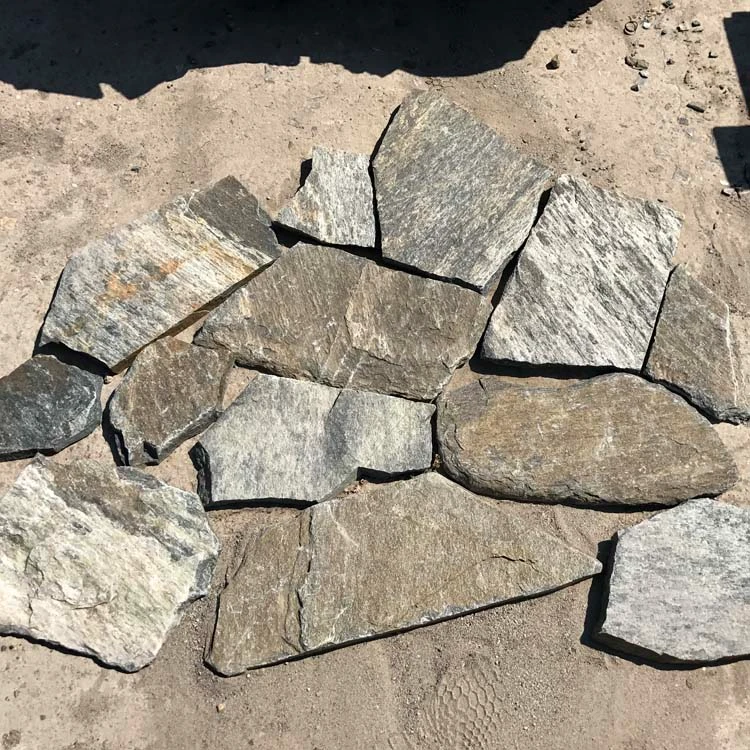
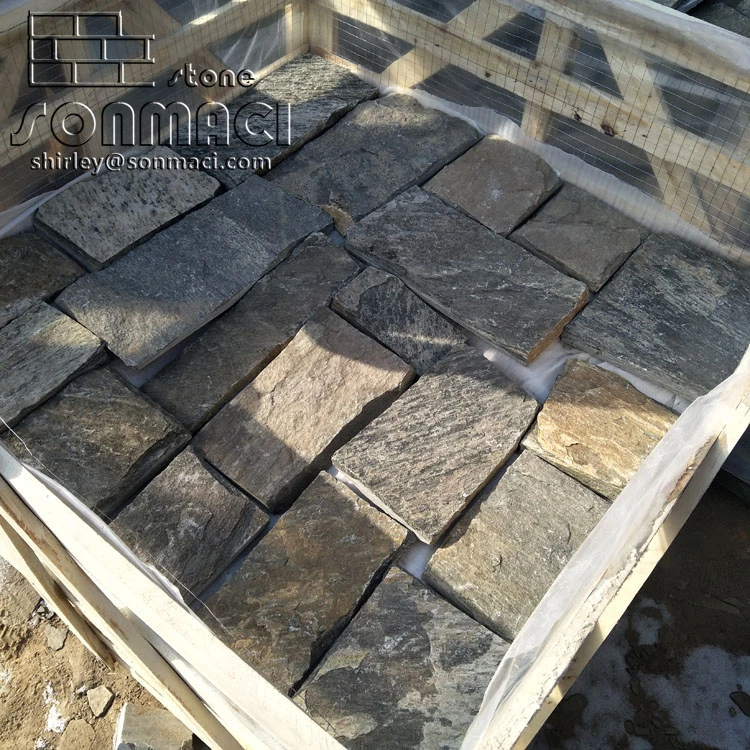
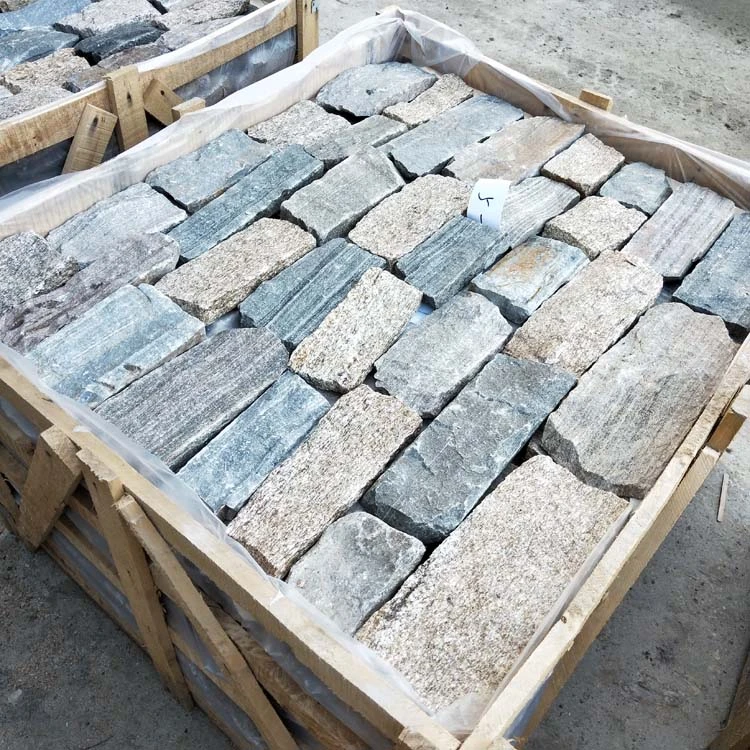
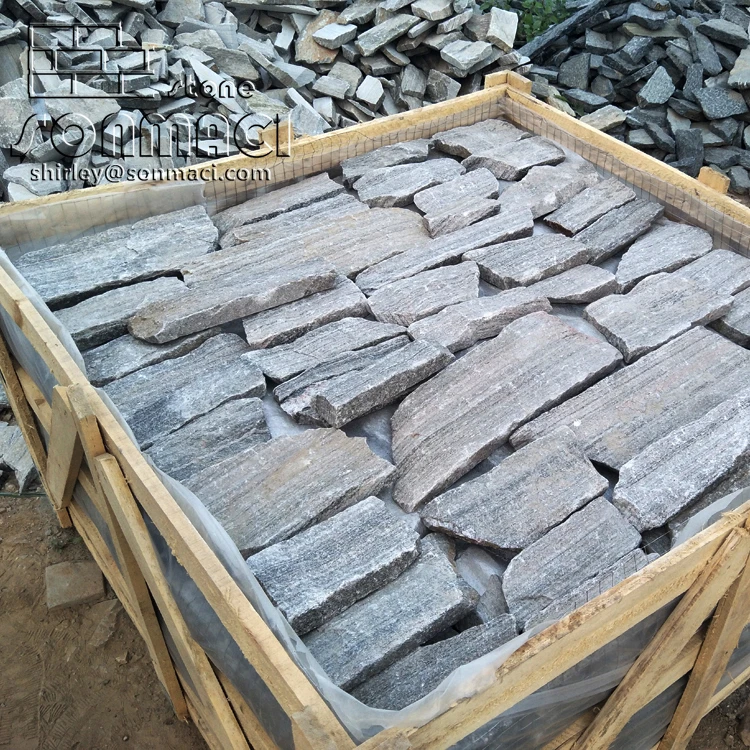
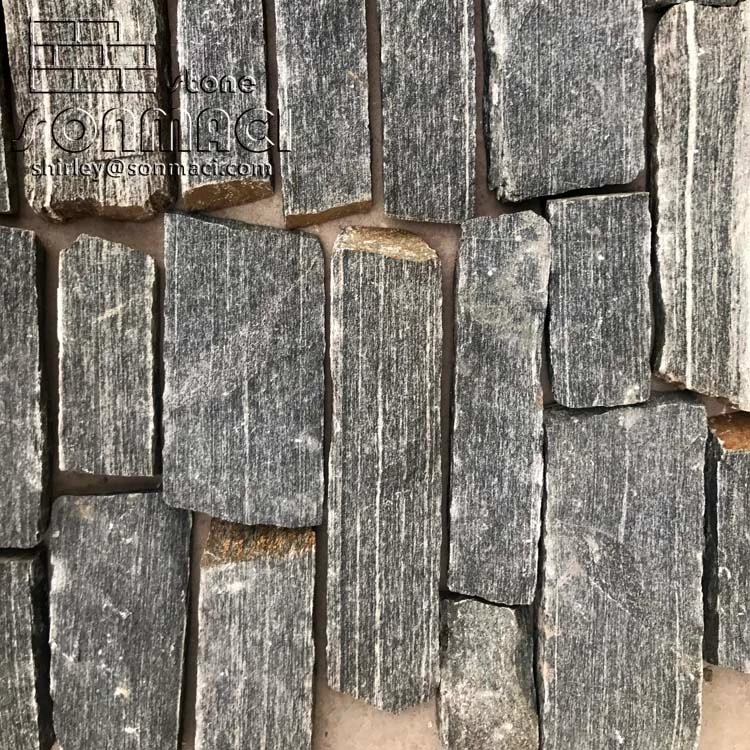
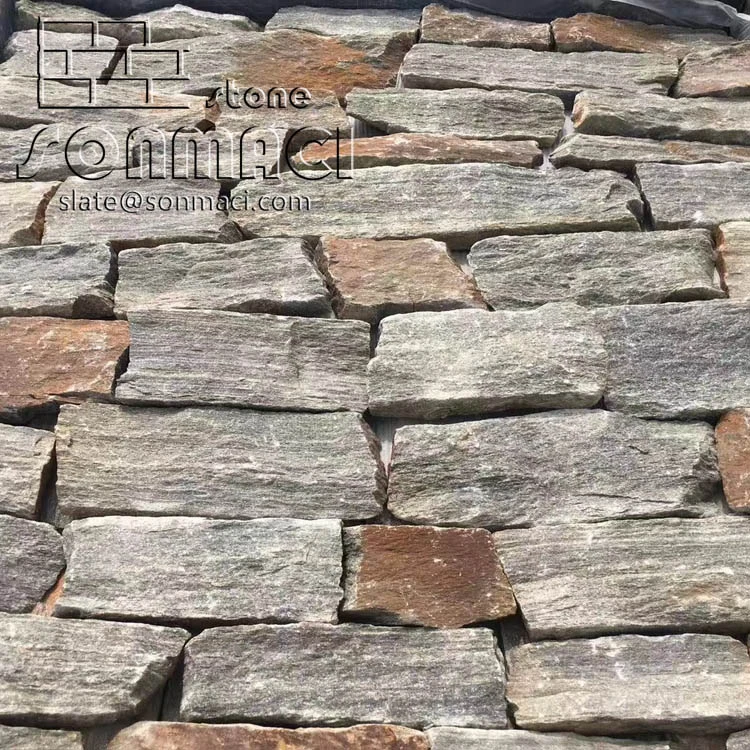
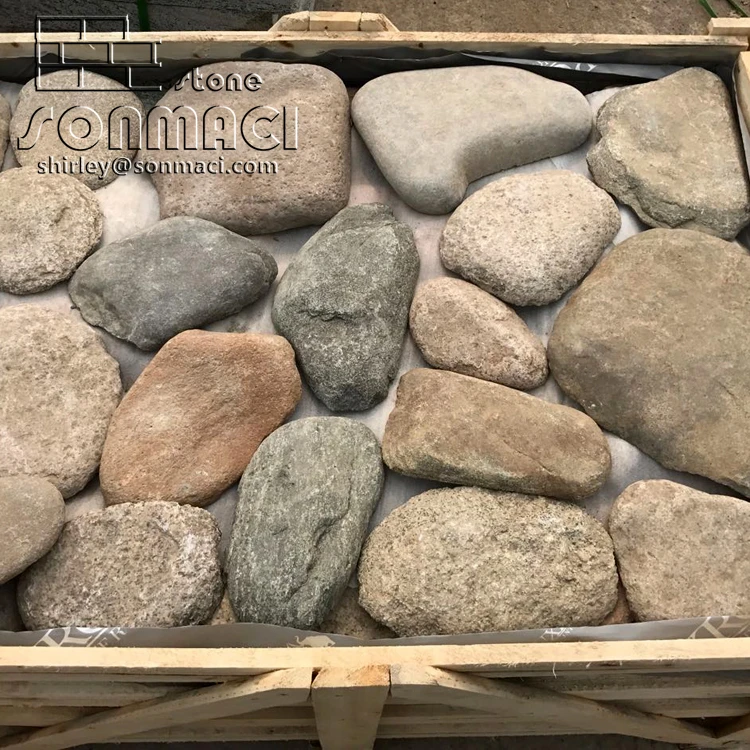
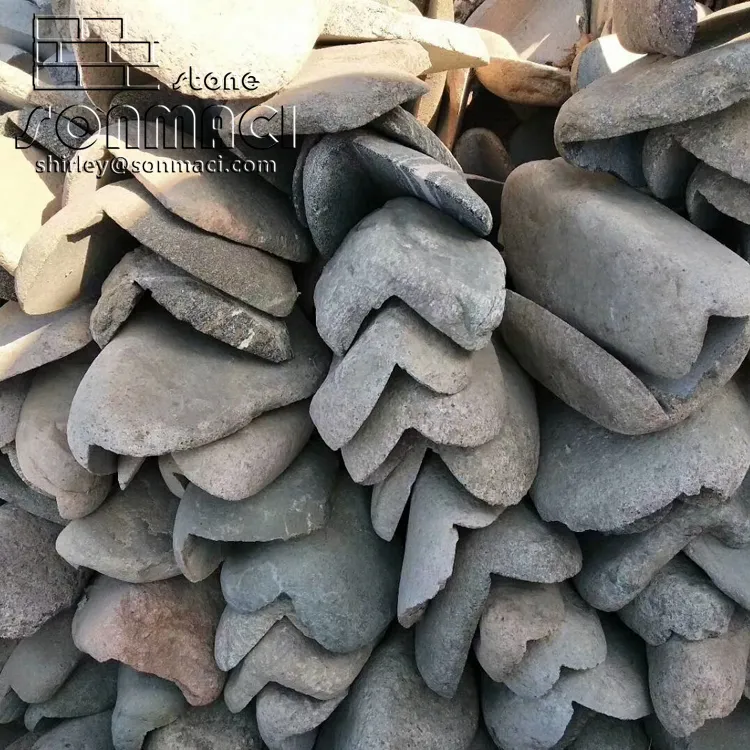
Simply put, retention wall stones are natural or manufactured stone blocks used to build walls that hold back soil or water. Unlike decorative stones, these have to withstand substantial pressure, weather exposure, and sometimes seismic forces. They are fundamental in civil engineering projects where soil stabilization is vital, such as road embankments, landscaping, and flood defenses.
In modern industry and humanitarian contexts, retention wall stones aren’t just a construction material—they’re an integral part of disaster resilience. NGOs and governments rely on these stones to quickly restore stability to vulnerable zones after landslides or heavy rains, ensuring roads and homes stay safe.
Retention wall stones vary widely, from granite blocks quarried in Canada to engineered concrete stones produced with recycled aggregates, reflecting advances in material science.
Core Components and Key Factors of Retention Wall Stones
Durability
The ability of retention stones to resist weathering, freeze-thaw cycles, and mechanical wear is paramount. For instance, granite and basalt stones offer remarkable longevity, often lasting a century or more with minimal maintenance.
Scalability
From small garden walls to highway embankments spanning hundreds of meters, retention wall stones must be scalable. Modular block designs facilitate rapid construction and future modifications.
Cost Efficiency
Raw stone can be expensive to quarry and transport, so many projects seek locally sourced materials or alternative composites. Innovative designs, like dry-set retaining walls, cut down on mortar use, trimming expenses.
Environmental Impact
Mining stone can disrupt ecosystems, but advances in using recycled or manufactured stones mitigate these effects. Also, permeable retaining walls using interlocking stones enhance water drainage and reduce erosion more naturally.
Ease of Installation
Time is often money in construction. Systems emphasizing manageable stone sizes and shapes allow crews to build retention walls swiftly, which is critical in post-disaster settings or tight deadlines.
Aesthetic Flexibility
While function is critical, retention walls also define landscapes. Stones that blend naturally or can be customized in color and texture provide both form and function.
Mini takeaway: The success of retention wall stones hinges on a balance of durability, cost, environmental care, and installation ease.
Retention Wall Stones in Real-World Applications
Retention wall stones are everywhere—from the sun-drenched hillsides of Tuscany's vineyards to the challenging terrains of the Indian Himalayas. They stabilize slopes prone to landslides and create usable, safe land where otherwise none would exist.
- In infrastructure projects: Retaining walls prevent road collapse on steep highways, especially in places with heavy monsoon or winter rainfall.
- Post-disaster relief: NGOs use modular retention stones to repair damaged earthworks rapidly—for example, after typhoons in the Philippines or floods in Bangladesh.
- Environmental conservation: Retention walls help regenerate degraded landscapes by controlling erosion on fragile hillsides in African drylands.
- Urban landscaping: Cities worldwide build retaining features in parks, residential zones, and commercial developments to manage slopes and aesthetic boundaries.
Notably, Japan uses volcanic stones in retention walls for both durability and local availability, showcasing regional adaptation strategies. Meanwhile, some Scandinavian projects integrate digital modeling to optimize stone placement, minimizing material use and maximizing strength.
Retention Wall Stones: Product Specification Table
| Specification | Typical Range | Notes |
|---|---|---|
| Stone Type | Granite, Basalt, Concrete Block | Granite offers highest durability |
| Size | 150-600 mm length | Modular sizes aid installation |
| Weight | 20-80 kg per block | Heavier stones offer stability but need machinery |
| Compressive Strength | 80-200 MPa | Important for load-bearing walls |
| Water Permeability | Varies by installation (permeable or sealed) | Permeable walls reduce hydrostatic pressure |
Advantages and Long-Term Value of Retention Wall Stones
If you’ve ever stood by a sturdy stone retaining wall, maybe in a park or alongside a ridge trail, you’ve felt its quiet assurance. Retention wall stones deliver real value:
- Cost savings: Though upfront quarrying can be pricey, these walls require minimal upkeep compared to alternatives like poured concrete.
- Sustainability: Many stones are locally quarried or made from recycled materials, aligning with green building trends.
- Safety: They provide physical barriers preventing dangerous landslides or floods.
- Aesthetic appeal: Stones offer a timeless, natural look that plastic or treated wood can’t match.
- Longevity: These walls outlive many modern materials, often lasting generations.
Emotionally, a well-built retention wall embodies trust — an engineer’s silent promise that the earth won’t give way beneath your feet.
Global Vendors of Retention Wall Stones: A Quick Comparison
| Vendor | Material Options | Lead Time | Sustainability Certifications | Price Range |
|---|---|---|---|---|
| StoneWorks Intl. | Granite, Limestone | 2-4 weeks | ISO 14001 | $$$ |
| EcoStone Solutions | Recycled Concrete | 1-3 weeks | LEED Certified | $$ |
| Mountain Rock Ltd. | Basalt, Granite | 3-5 weeks | None listed | $$$ |
Future Trends & Innovations in Retention Wall Stones
It’s an exciting time for retention walls. Innovations often feel incremental but are set to transform the field:
- Smart walls: Sensors integrated inside stones are beginning to monitor pressure and moisture, allowing proactive maintenance.
- Eco-friendly composites: Combining recycled plastic waste with stone dust reduces quarrying impact.
- 3D modeling and drones: For accurate site scans and precisely planned stone placement, greatly improving efficiency.
- Green walls: Retention structures that incorporate plant growth for erosion control and aesthetics, blending nature with engineering.
Underlying all is a broader focus on sustainability and climate adaptation, something increasingly demanded by governments and communities alike.
Common Challenges & Solutions in Using Retention Wall Stones
Of course, no material is perfect. Retention wall stones face hurdles like:
- Heavy weight: Large stones require cranes or heavy machinery, sometimes unavailable in remote areas.
- Cost and sourcing: High-quality stone isn’t cheap or everywhere.
- Installation complexity: Proper drainage and foundation setup demand specialist knowledge.
Innovative solutions include modular block designs that workers can handle manually, use of lighter engineered stones, and extensive training programs for local crews. Plus, hybrid systems with geogrids or anchors enhance stability without over-relying on sheer mass.
FAQ: Frequently Asked Questions About Retention Wall Stones
- What makes retention wall stones preferable to concrete retaining walls?
- Retention wall stones often offer better drainage, aesthetic appeal, and durability without cracking. They require less maintenance and blend with natural settings more harmoniously.
- How long do stone retaining walls typically last?
- With proper construction, stone retaining walls can last 50 to 100 years or more, outliving many alternative materials thanks to their innate strength and weather resistance.
- Are retention wall stones environmentally sustainable?
- It depends on the stone source. Locally quarried stone or using recycled materials improves sustainability, while excessive quarrying can harm ecosystems. Modern practices increasingly emphasize green credentials.
- Can retention wall stones be used in earthquake-prone areas?
- Yes, especially when combined with seismic-resistant designs like flexible mortar joints or geogrids, stone walls can perform well in such settings.
- How can I find reliable vendors for retention wall stones?
- Look for suppliers with certifications like ISO 14001 or LEED, request samples, check lead times, and review customer feedback. Local availability also matters to reduce transport emissions.
Conclusion
Retention wall stones encapsulate an elegant solution for a very practical problem: holding earth in place securely and sustainably. They blend timeless natural strength with modern engineering to protect communities and infrastructure against erosion and natural disasters. With innovations on the horizon and growing global demand for eco-conscious construction, these stones will only become more relevant.
Want to explore top-quality retention wall stones for your next project? Visit our website at Sonmacistone.com and discover durable, sustainable options that have been engineered with both environment and economy in mind.
Mini takeaway: Retention wall stones are a cornerstone of sustainable, resilient infrastructure — simple yet powerful.