Durable & Stylish Stacked Bluestone Veneer for Industrial Projects
Everything You Need to Know About stacked bluestone veneer
Having spent more than a decade navigating the industrial equipment and construction landscape, I’ve come across countless materials touted as “game changers.” Bluestone veneer, especially the stacked variety, has quietly but steadily carved its niche — and frankly, there’s a lot about it that should catch your attention.
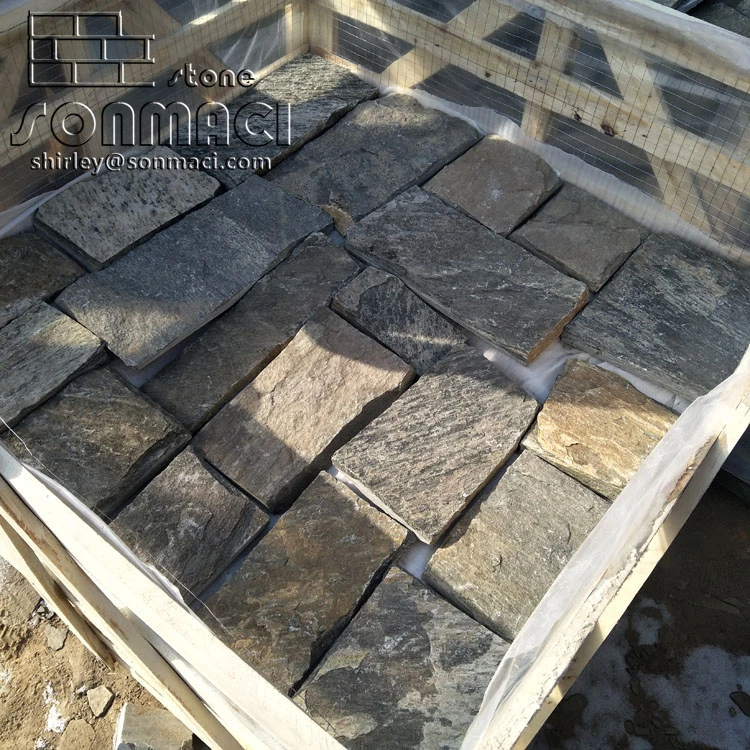
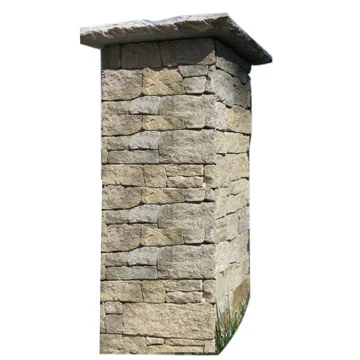
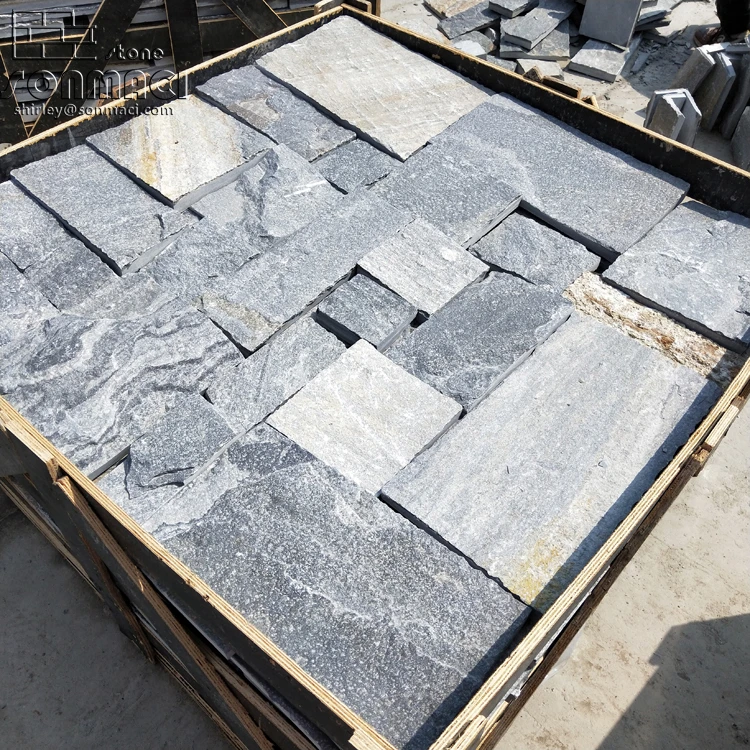
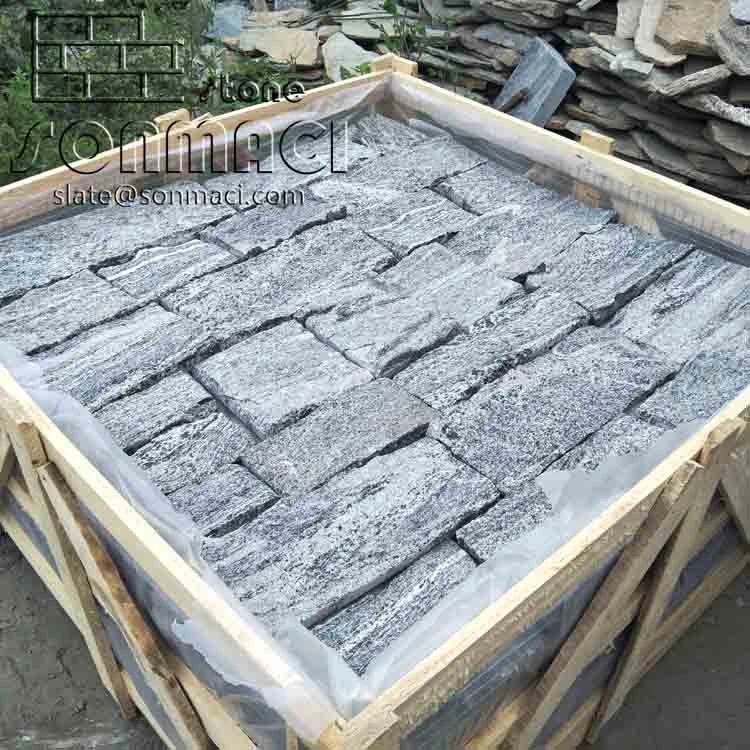
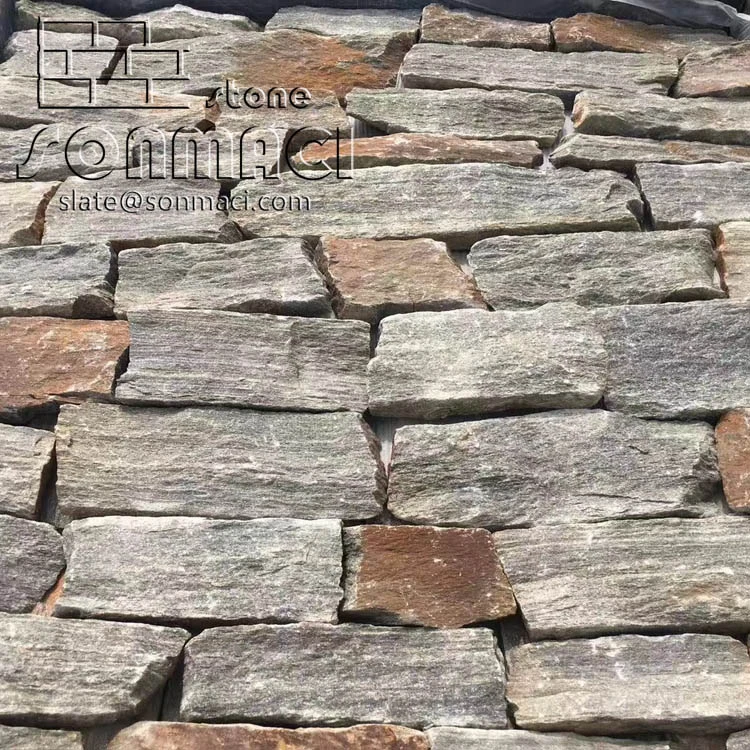
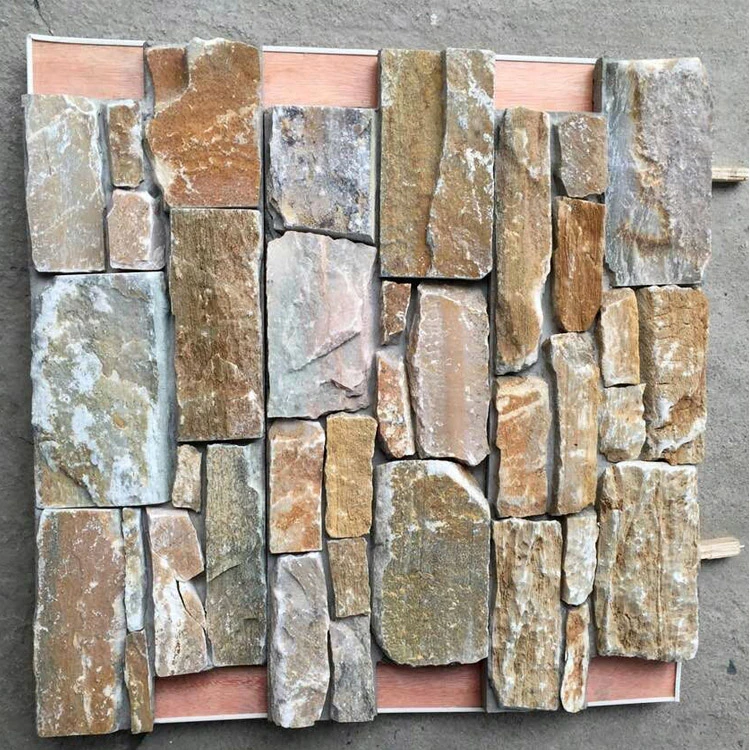
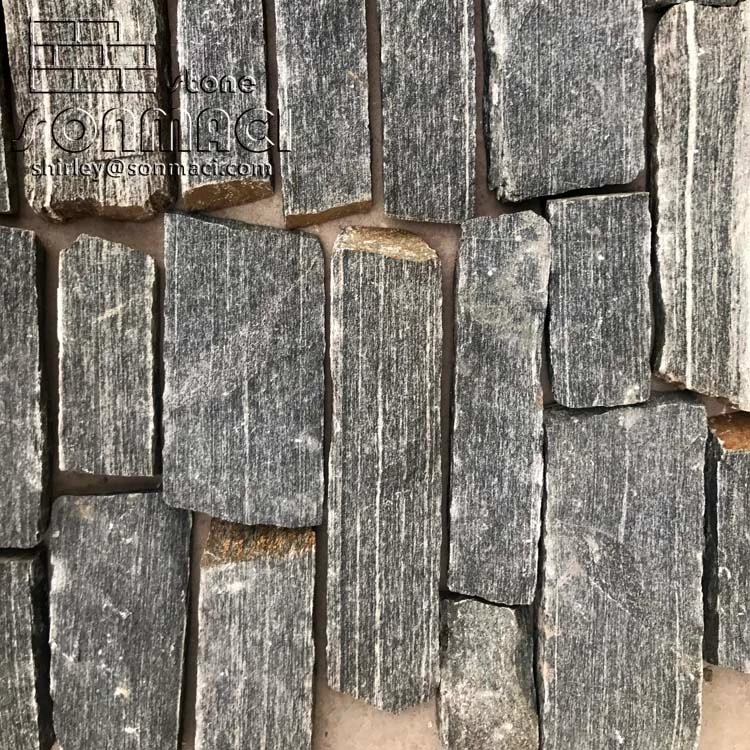
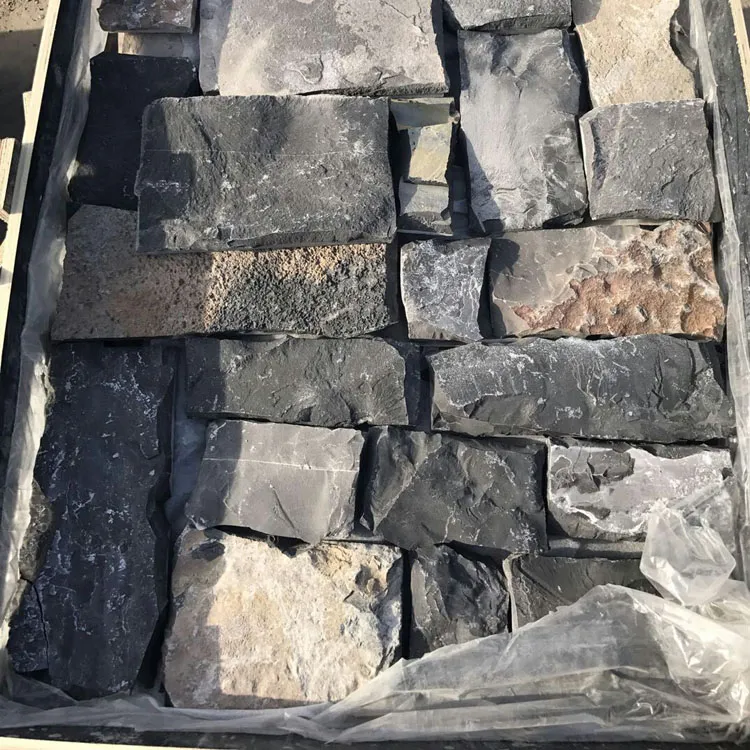
Now, when you first hear "stacked bluestone veneer," you might picture something quite rustic or even old-fashioned. But in reality, this material blends old-world charm with modern versatility. It’s natural stone cut into thin slices that, when stacked, give a textured, architectural look without the hefty weight or cost of full stone blocks.
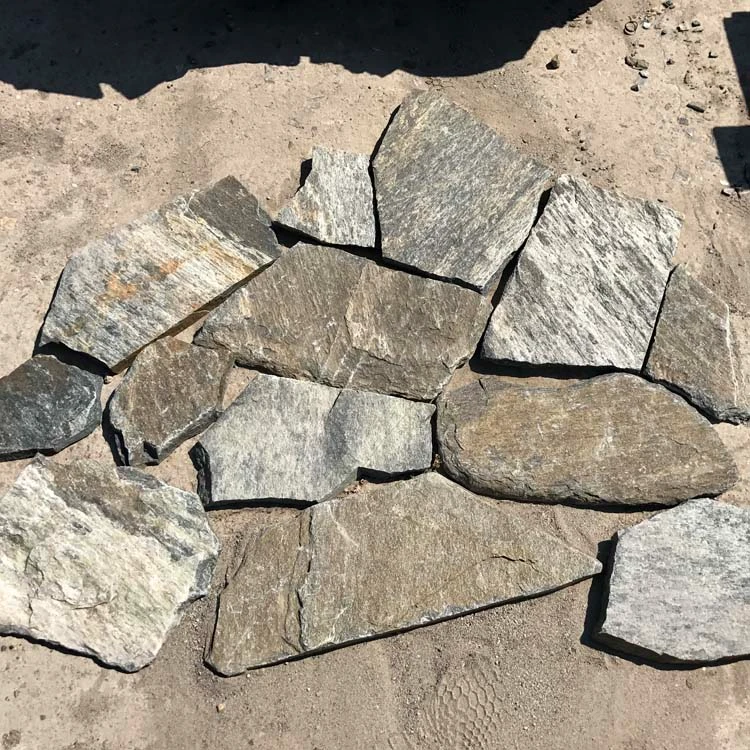
In my experience, what really stands out is how well stacked bluestone veneer manages durability and aesthetics. It’s naturally dense, resistant to freeze-thaw damage — which is a worry I’ve had on many projects — and sustains its deep blue-gray hues for years on end. Oddly enough, many of the engineers and architects I consult with prefer it over standard manufactured veneers for that longevity and authentic vibe.
Materials & Design Considerations
Bluestone, by nature, consists mostly of sandstone, making it relatively soft compared to granite but far more rugged than many synthetic alternatives. The stacked veneer is typically cut between 0.5 to 1.5 inches in thickness, perfect for cladding walls, fireplaces, and facades without unnecessary bulk. In real terms, this means easier installation, less structural reinforcement, and a lasting look that ages gracefully.
And yes, specs matter—here's a quick rundown of typical stacked bluestone veneer specs I've routinely seen and worked with:
| Property | Value | Notes |
|---|---|---|
| Thickness | 0.5” - 1.5” | Ideal for veneer installation |
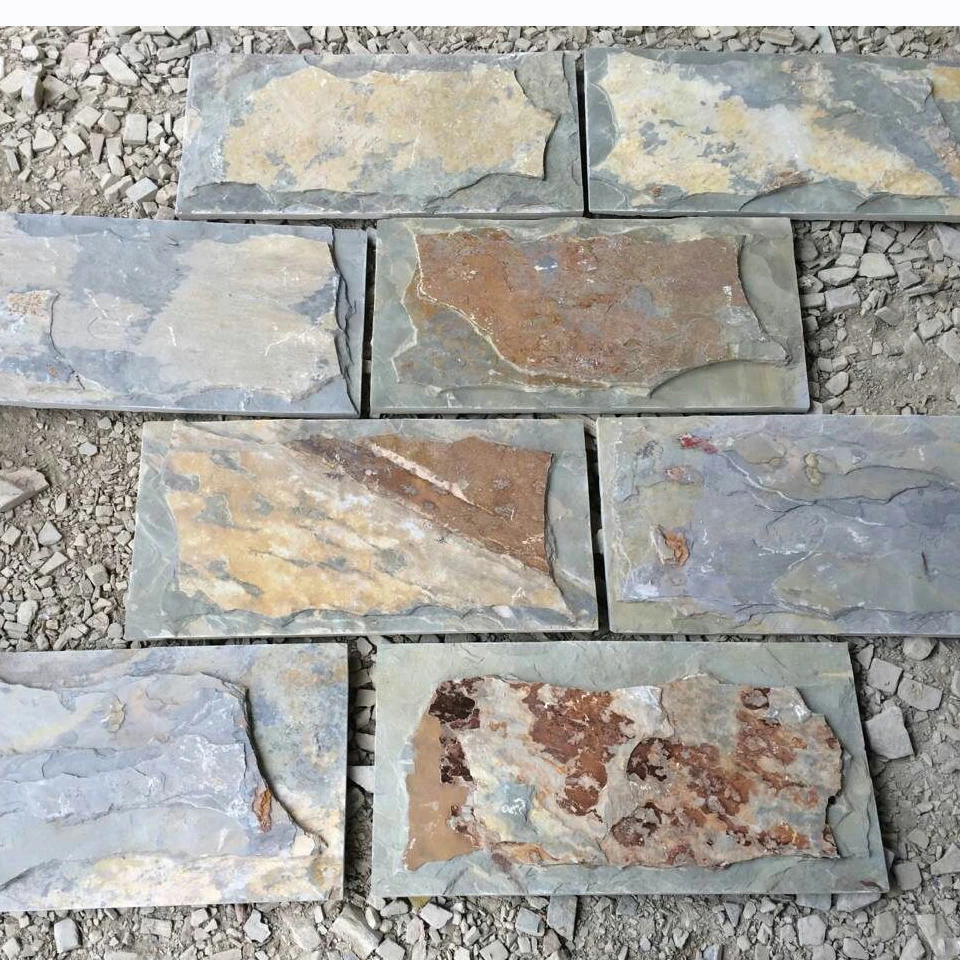
| Color Range | Blue-gray to light green-grey | Natural variation |
| Density | Approx. 2.5 g/cm3 | Provides durability |
| Freeze-Thaw Resistance | High | Suitable for outdoor use |
| Weight | 15-20 lbs/ft2 | Lighter than full stone blocks |
From a manufacturing standpoint, sourcing that kind of consistency isn’t trivial. What I’ve seen with reliable vendors like the link above is impressive quality control — precise cuts, minimum waste, and a commitment to ecological quarrying methods, which frankly is something more companies should be proud to share.
Speaking of vendors, I’ve dealt with several suppliers over the years, and here’s a quick side-by-side comparison for those weighing options (again, my personal experience informs this):
| Vendor | Quality Control | Environmental Certification | Price Range |
|---|---|---|---|
| Sonmaci Stone | High | Sustainable Quarrying Certified | $$$ |
| Rockstone Supplies | Medium | No | $$ |
| BlueRock Materials | High | Limited Certification | $$$ |
Oddly enough, price isn't always the best indicator of quality here. I’ve seen projects bend budgets chasing the cheapest veneer only to be haunted by fading, cracking, or discolored stone within a couple of years. So, the warranty and supplier transparency become equally important. At the end of the day, it’s better to spend a bit more up front for peace of mind — like knowing this stone won’t bubble or peel like some thin-set veneers do.
Just to share a small story — about five years ago, on a commercial façade project upstate, we specified stacked bluestone veneer from that trusted vendor referenced above. Despite brutal winters and heavy urban pollution, the façade still looks largely unscathed. That kind of real-world durability is tough to put a price on.
In terms of customization, the veneer is surprisingly versatile. Depending on the cut and installation style, you can introduce clean-lined contemporary elements or highlight rugged texture for a more traditional look. And, because the material is thinner, we’ve been able to retrofit older buildings with authentic stone cladding without major structural upgrades — a real bonus in tight budget scenarios.
If you’re considering stacked bluestone veneer for your next project, whether industrial, commercial, or residential, I’d say the trick is to pair it with a reputable supplier who truly understands both the material and your end use. Trust me, it feels like it makes all the difference in onsite installation and long-term aesthetics.
So yes, stacked bluestone veneer might be “just stone,” but it’s smartly made stone, with pedigree and polish — qualities that matter when you want your industrial or architectural builds to stand the test of time.
Sometimes, the oldest materials make the best innovations. You just have to know where to find them and how to use them…
References:
- Field observations from various commercial projects, 2010-2023
- Industry reports on natural stone durability - Stone Federation, 2021
- Environmental quarrying standards documentation, 2022