Thin Stack Fieldstone: Durable, Sustainable Natural Stone Veneer Solutions
Understanding Thin Stack Fieldstone: A Modern Solution Rooted in Tradition
If you're curious about a building material that combines rustic charm with modern efficiency, thin stack fieldstone might just surprise you. Globally, the use of natural stone in construction dates back millennia, but today, thin stack fieldstone offers a fresh take tailored for contemporary architectural challenges. Why does this matter? Well, as the world increasingly prioritizes sustainability, durability, and aesthetic appeal in building materials, understanding products like thin stack fieldstone becomes essential for developers, architects, and even humanitarian organizations.
Introduction: The Global Significance of Thin Stack Fieldstone
Globally, construction consumes nearly 40% of energy-related carbon emissions (IEA), prompting a search for more sustainable materials. Thin stack fieldstone stands out because it blends natural stone’s longevity with a relatively lightweight, easy-to-install profile. This is especially relevant in regions prone to natural disasters or where traditional masonry labor is scarce. Oddly enough, despite its ancient roots, it solves many modern problems, from reducing transportation emissions to accelerating building times without sacrificing strength.
However, one challenge remains: balancing the rustic aesthetics that homeowners love with the structural standards that engineers demand. Thin stack fieldstone addresses this by offering thinner segments that stack efficiently without bulky mortar joints, ensuring both beauty and practicality.
What Exactly Is Thin Stack Fieldstone?
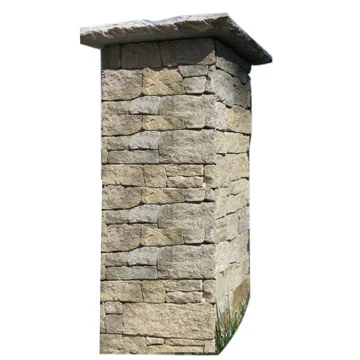
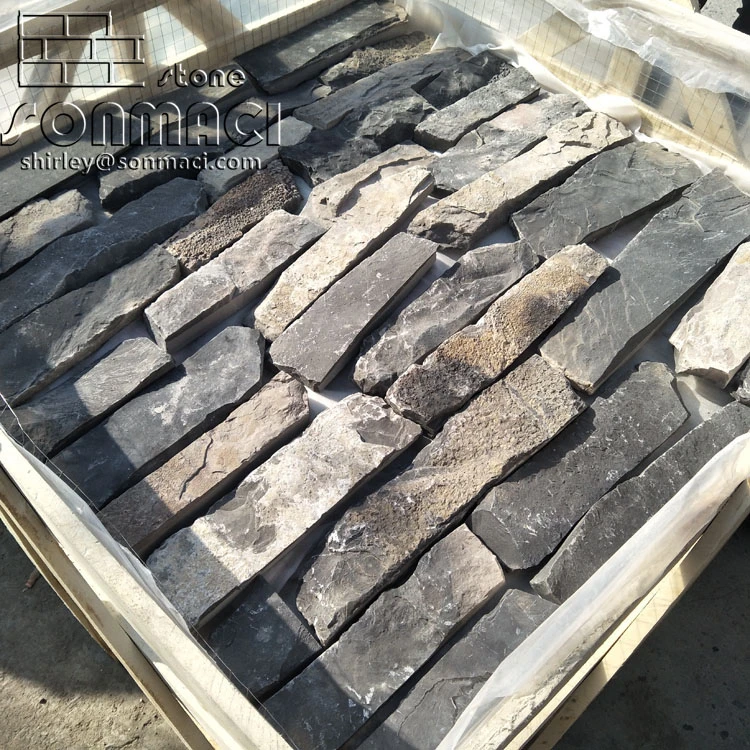
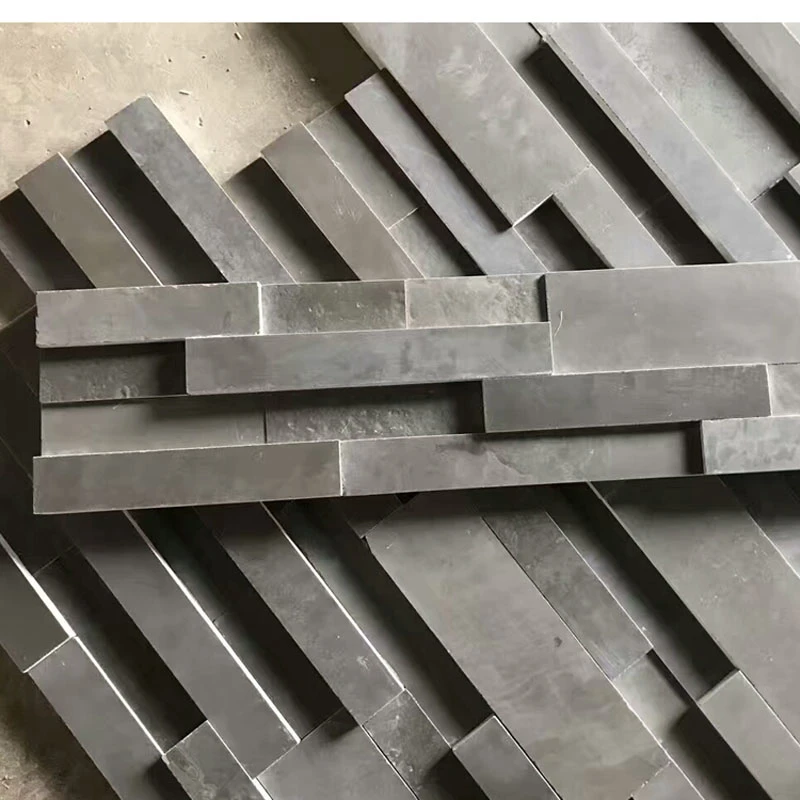
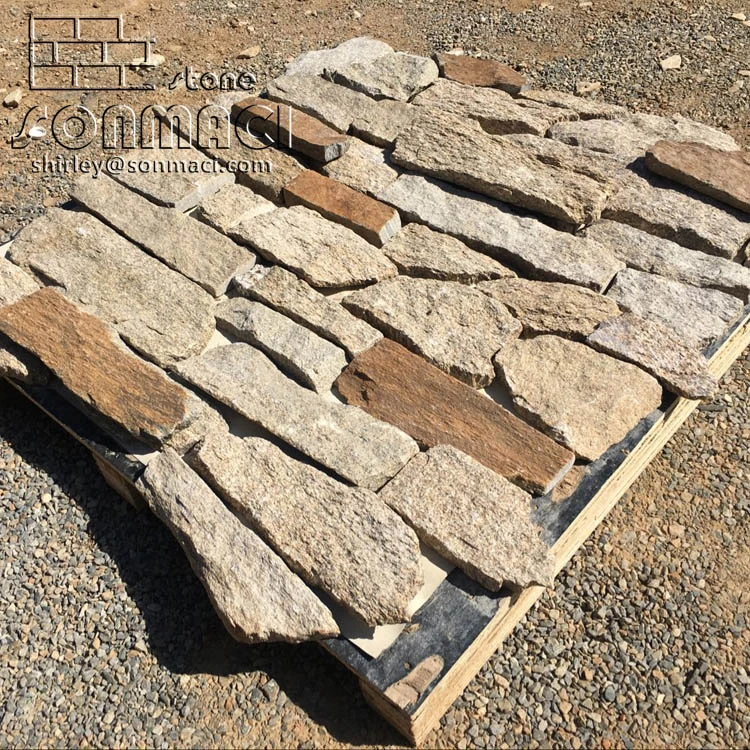
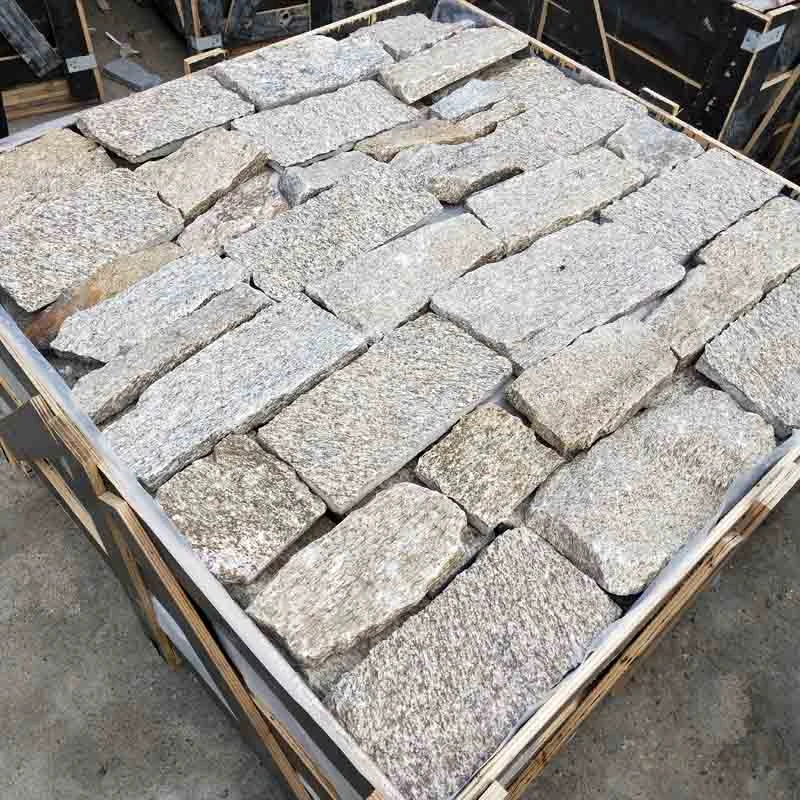
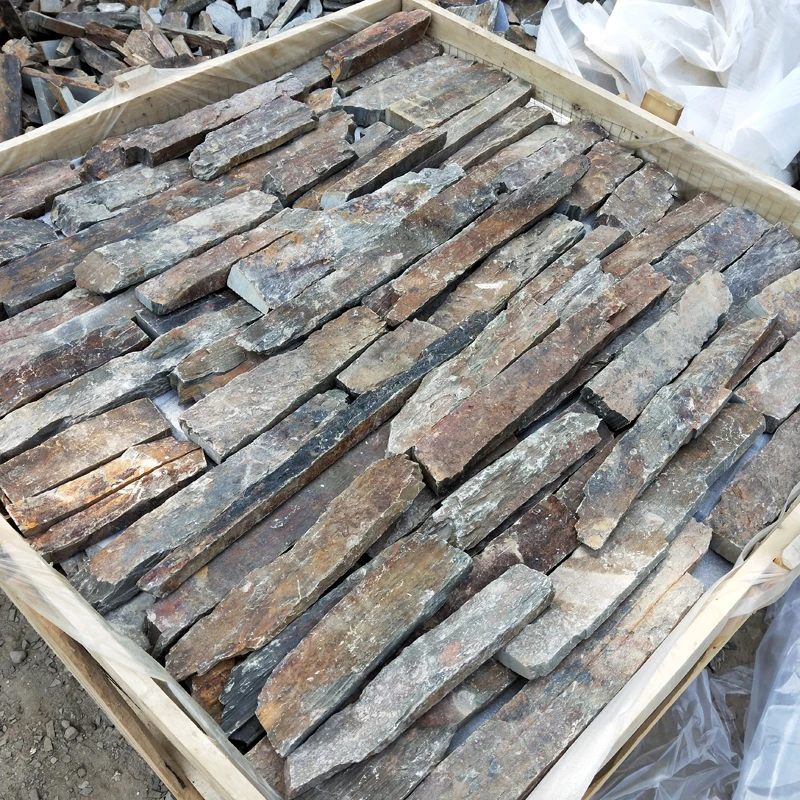
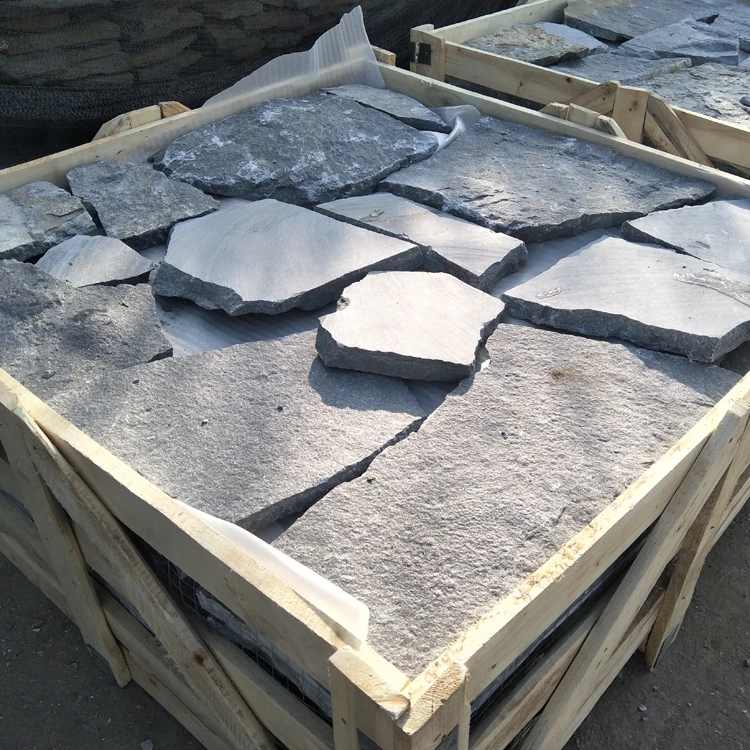
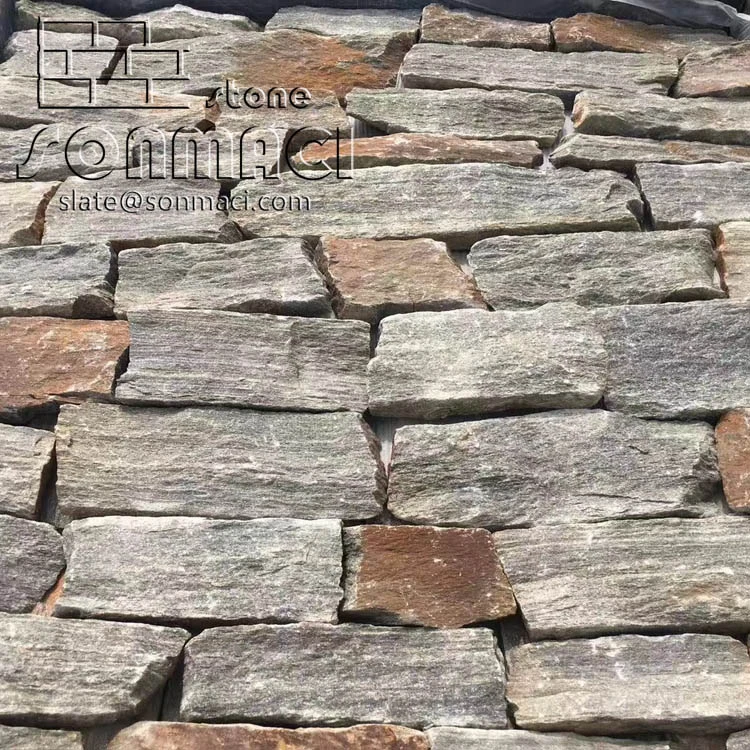
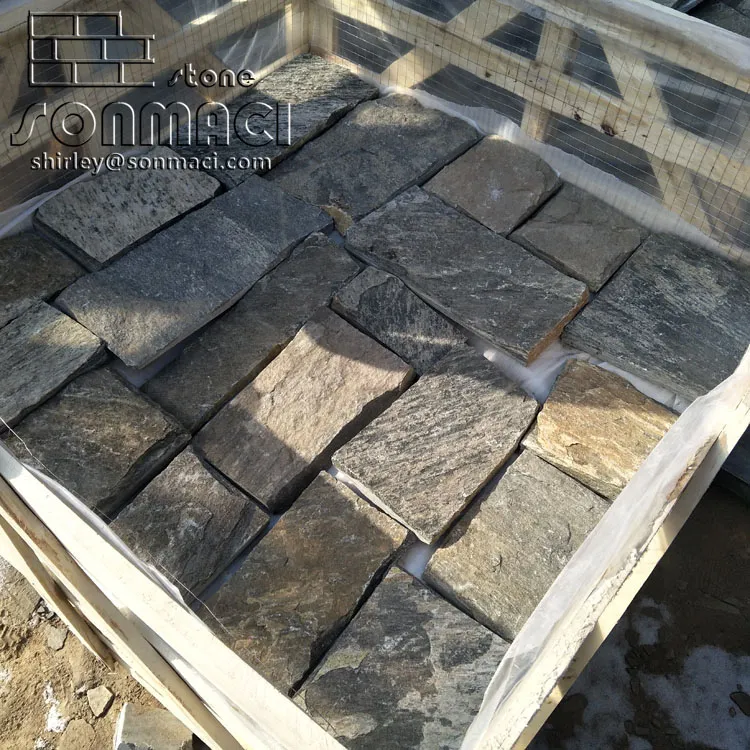
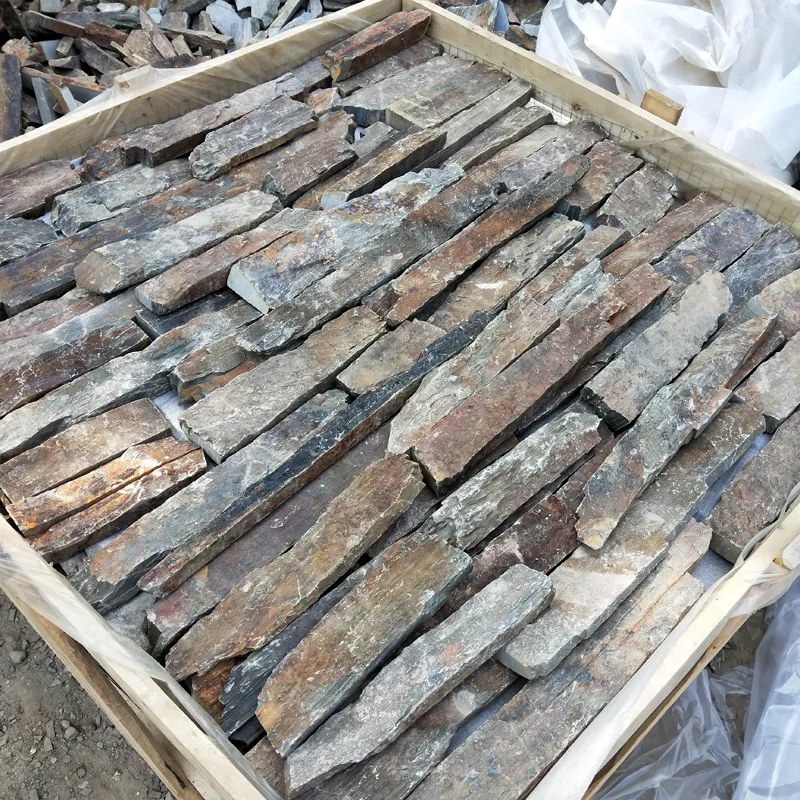
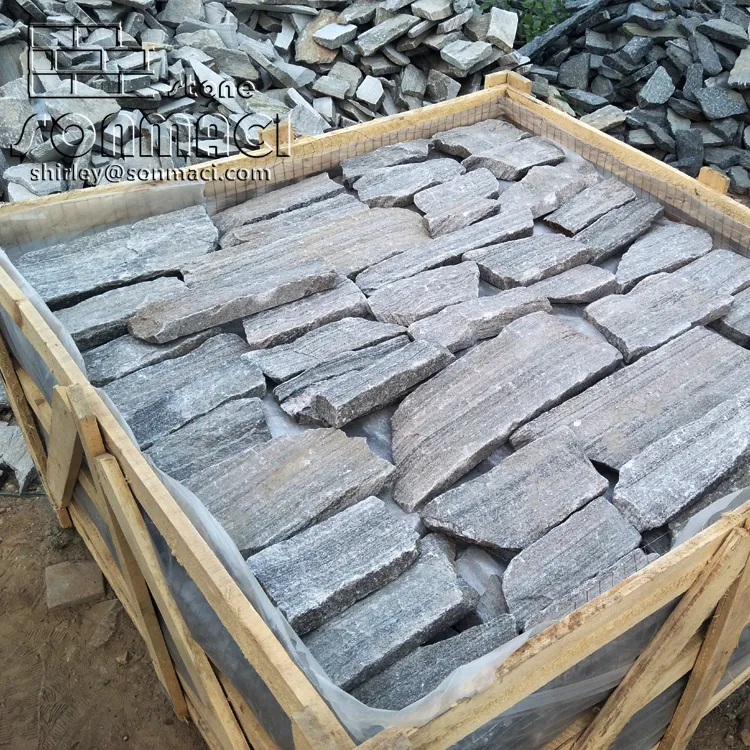
Simply put, thin stack fieldstone is natural stone cut or split into thin veneer pieces, typically 1 to 2 inches thick, designed for easy, mortar-light installation. Unlike traditional fieldstone walls that rely on thick, heavy stones and deep mortar joints, thin stack fieldstone creates the illusion of old-world rockwork but with modern installation efficiency.
This veneer maintains the raw textures and color variations of quarried fieldstone but reduces weight, making it ideal for facades, landscaping walls, and interior feature walls alike. It’s connected closely to the construction industry's push towards materials that are renewable, durable, and visually compelling.
Core Components That Define Thin Stack Fieldstone
- Durability: Thin stack fieldstone uses dense, natural rock varieties like quartzite, granite, or sandstone, providing resistance against weathering, freeze-thaw cycles, and erosion.
- Installation Efficiency: Because the pieces are thin and uniform, installation requires less mortar and expert labor, speeding up build times and reducing costs.
- Aesthetic Versatility: The stones’ textures and palettes vary widely, providing architects with options for rustic, contemporary, or transitional styles.
- Environmental Impact: Using natural stone reduces reliance on synthetic materials; sourcing local stone further cuts the carbon footprint.
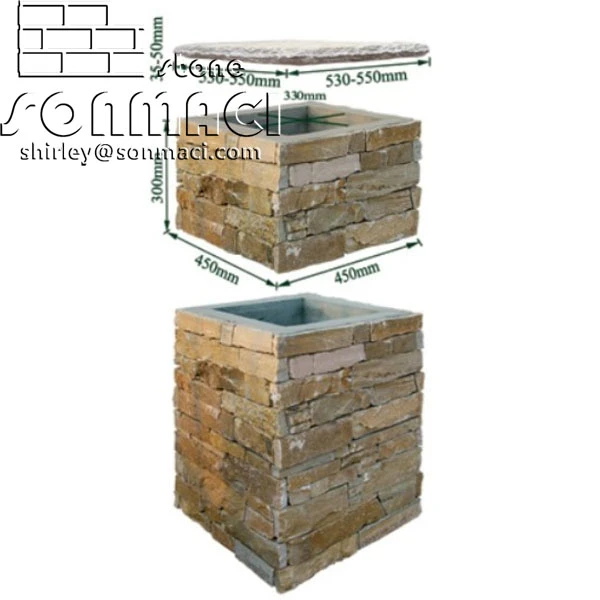
- Structural Compatibility: Suitable as an exterior cladding or interior accent, thin stack fieldstone balances weight with wall support systems, often applied to steel or wood frames.
Mini takeaway: Thin stack fieldstone isn’t just about looks — it’s a thoughtfully engineered natural material balancing durability, aesthetics, and environmental sense.
Global Applications and Real-World Use Cases
From the mountainous regions of Europe to remote industrial outposts in North America, thin stack fieldstone has marked its presence. In post-disaster areas, rapid restoration of homes using thin stone veneers provides not only shelter but a sense of permanence and dignity. For instance, NGOs working after earthquakes find thin stack fieldstone makes for quick, cost-effective facades that resist further damage.
Urban designers in cities like Vancouver or Portland incorporate thin stack fieldstone into green building projects, marrying natural stone’s thermal mass with modern insulation techniques. Oddly enough, even hospitality sectors favor it to give boutique hotels that rugged, natural ambiance guests crave. The versatility is undeniable — whether as garden walls, fireplaces, or commercial building accents, the material adapts well.
Advantages and Long-Term Value of Thin Stack Fieldstone
When you invest in thin stack fieldstone, you’re in it for the long haul. The cost savings are twofold: installation is faster and less labor-intensive, and the material rarely requires replacement or heavy maintenance compared with wood sidings or synthetic veneers. People often overlook the emotional value in construction materials: stone feels solid, timeless, and trustworthy — a significant psychological benefit for homeowners or businesses aiming to exude longevity.
Environmentally, the stone’s natural longevity means less frequent replacement, and since it’s often locally sourced, transportation emissions shrink. Plus, it’s impermeable to pests and fire-resistant, adding layers of security that frankly, synthetic substitutes struggle to match.
Product Specification of Thin Stack Fieldstone
| Specification | Details |
|---|---|
| Stone Thickness | 1 to 2 inches (2.5 to 5 cm) |
| Stone Types | Quartzite, Granite, Sandstone, Limestone |
| Installation Method | Dry stack or mortar thin veneer |
| Typical Panel Size | 6-12 inch height x variable length |
| Weight | Approx. 8-12 lbs per sq ft |
| Maintenance | Low; resealing recommended every 5-7 years |
Vendor Comparison: Leading Thin Stack Fieldstone Suppliers
| Vendor | Stone Variety | Price per Sq Ft | Lead Time | Sustainability Claims |
|---|---|---|---|---|
| Sonmacistone | Quartzite & Sandstone | $12–$18 | 2-4 weeks | Locally sourced, low-waste manufacturing |
| RockStone Supply Co. | Granite & Limestone | $14–$20 | 3-6 weeks | Recycled stone options available |
| Natural Veneers LLC | Sandstone only | $10–$16 | 1-3 weeks | Certified sustainable quarrying |
Looking Ahead: Future Trends and Innovations
The field of thin stack fieldstone isn’t static. With the green building movement pushing hard, expect more stone sourced through eco-conscious quarries certified by ISO 14001 environmental management standards. Some vendors are developing ultra-thin laminates bonded to stone composites, making installation even lighter without losing authenticity.
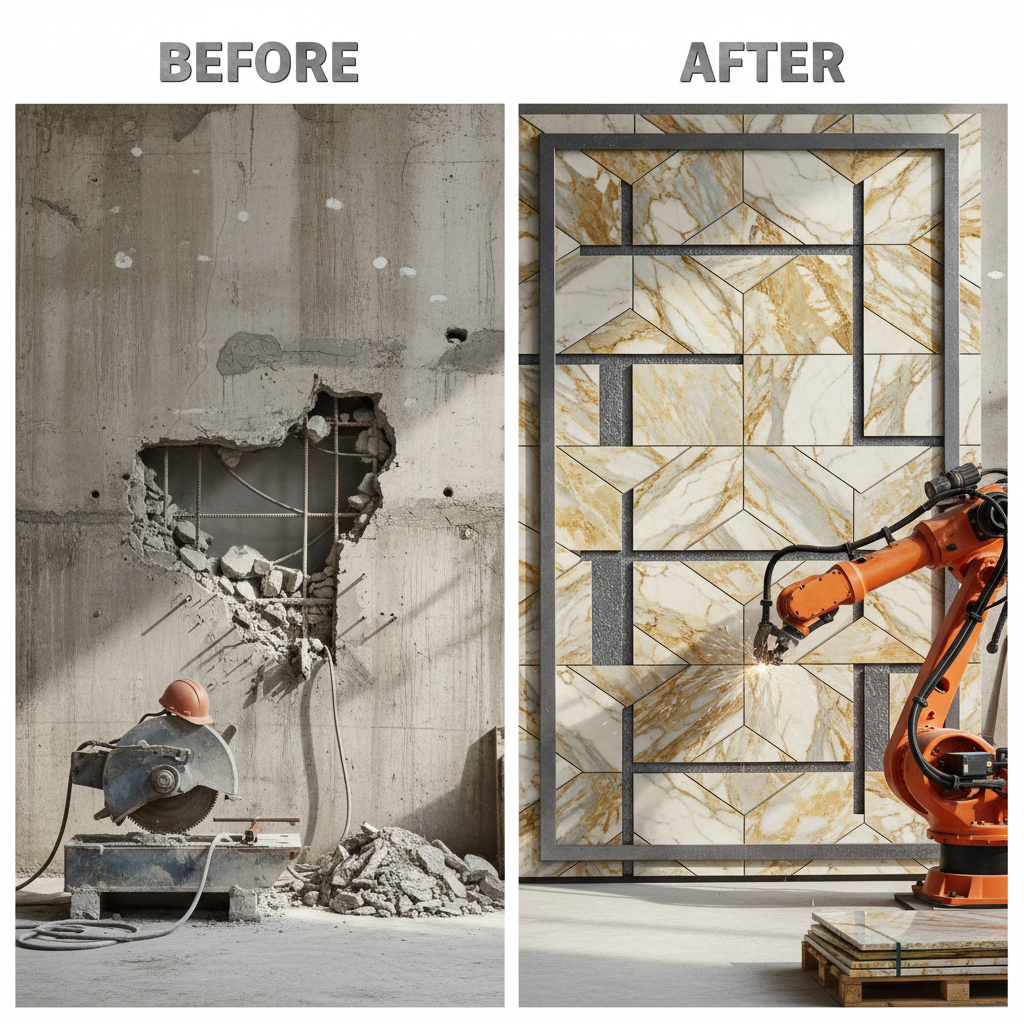
There’s also growing integration into digital building workflows. Architects model stunning thin stack textures using BIM (Building Information Modeling) software, facilitating more precise fabrication and waste reduction. Automation in cutting and finishing promises consistent quality, and frankly, it feels like the industry is merging timeless natural beauty with tomorrow’s tech.
Challenges and Expert Solutions
Thin stack fieldstone is fantastic — but it’s not without problems. For instance, improper installation can cause water infiltration behind walls, leading to damage. Also, cost can be higher upfront than synthetic siding alternatives, which deters some buyers. However, many experts suggest investing in professional installation and proper weather-proofing membranes to extend lifespan dramatically.
Another issue is availability. Some regional quarries can’t supply consistent stone quality or quantities, creating project delays. Here, sourcing from certified vendors with robust logistics like thin stack fieldstone suppliers alleviates risks, ensuring steady inventory and sustainable practices.
FAQ: Frequently Asked Questions About Thin Stack Fieldstone
- Q: How does thin stack fieldstone improve installation speed over traditional stone?
- A: Its uniform thinness means less mortar and simpler fitting compared to thick stones. Installers can dry stack panels or use veneer techniques, cutting labor time by up to 50% in many cases.
- Q: Is thin stack fieldstone suitable for seismic zones?
- A: While natural stone is heavy, thin veneers reduce load. When applied to properly reinforced structures, they meet building codes for seismic safety. Consult local regulations for specifics.
- Q: Can thin stack fieldstone contribute to LEED certification?
- A: Yes, especially if sourced locally or from sustainable quarries. Its longevity and low lifecycle impact help contribute to several LEED credit categories.
- Q: How is the maintenance of thin stack fieldstone managed?
- A: Regular cleaning and resealing every 5–7 years protects the stone from moisture and staining. It’s generally low maintenance compared to wood or cement-based sidings.
- Q: Are there eco-friendly alternatives to thin stack fieldstone?
- A: Alternatives include manufactured stone veneers made from recycled aggregates, but these often lack the authentic feel and durability of natural stone.
Conclusion
In real terms, thin stack fieldstone offers a harmonious blend of aesthetic charm, durability, and environmental mindfulness. Whether your project demands rustic elegance or streamlined efficiency, this material stands out as a trusted choice. For those considering a stone veneer with real historical character but modern sensibility, the benefits are clear: strong investment value, sustainability, and design versatility.
To discover more about thin stack fieldstone and related products, feel free to visit our site: thin stack fieldstone. I suppose in a world chasing quick fixes, it’s refreshing to see how something so grounded can still innovate and inspire.
Quick takeaway: Thin stack fieldstone feels like nature’s own layered story—timeless, durable, and surprisingly adaptable for the challenges of modern building.
References: