Comprehensive Guide to Building Stone Supply: Trends, Challenges & Benefits
Understanding Building Stone Supply: A Cornerstone of Global Construction
At first blush, building stone supply might seem like an old-school topic. But frankly, it’s one of those quietly essential industries fueling everything from modern skyscrapers to historic restoration projects worldwide. The health of building stone supply chains profoundly influences sustainable construction, cultural heritage preservation, and disaster recovery efforts in both wealthy urban centers and remote communities. Knowing how this supply functions—especially in today’s interconnected global economy—is key to planning durable infrastructure that stands the test of time.
Global Context: Why Building Stone Supply Matters
The global construction materials market was valued at over $1 trillion in 2023, and natural stone products contribute a significant but often underestimated slice of that pie. According to the United Nations Environment Programme, sustainable sourcing of construction aggregates—including stone—is critical as natural resources face acute pressure. Building stone supply is far more than just quarrying rocks; it’s about delivering consistent quality materials internationally, with minimal environmental impact, while meeting the enormous demands of global urbanization.
However—here’s the challenge—transporting heavy stone materials is costly and carbon-intensive. Add geopolitical tensions or supply chain disruptions, and the industry must innovate rapidly to remain resilient. This issue crops up from Asia’s booming mega-cities to Africa’s fast-growing urban regions, where infrastructure needs outpace local quarries.
What Is Building Stone Supply?
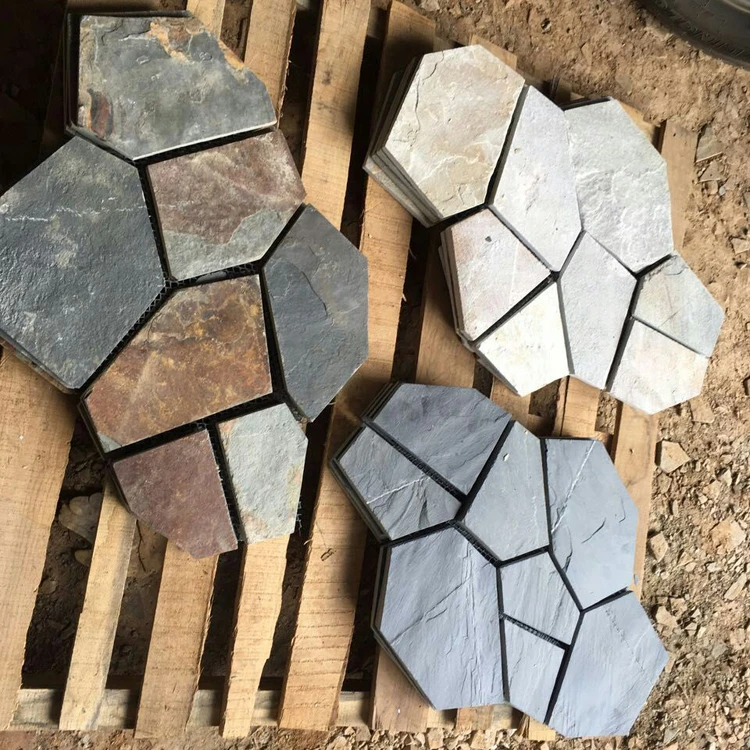
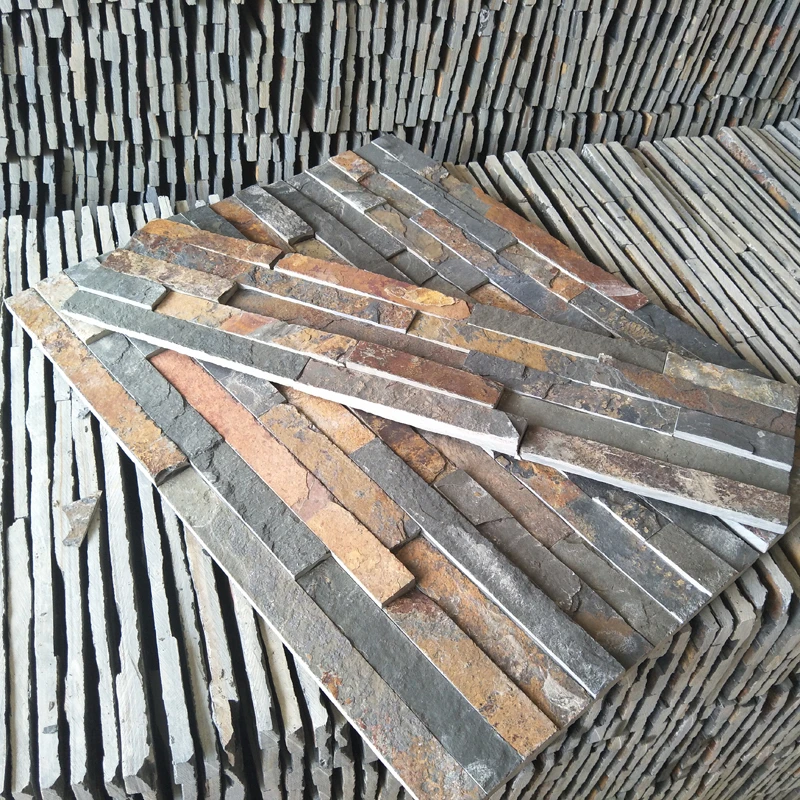
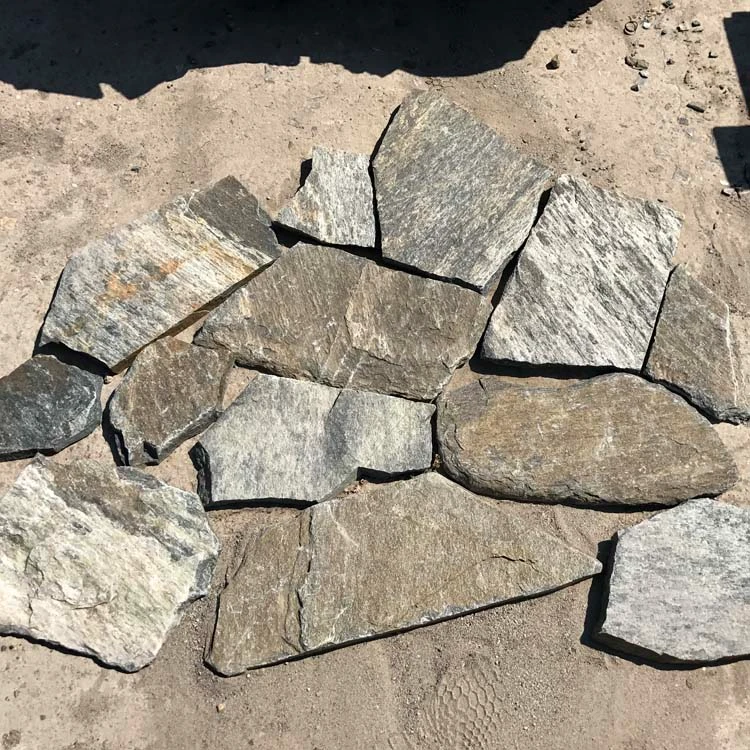
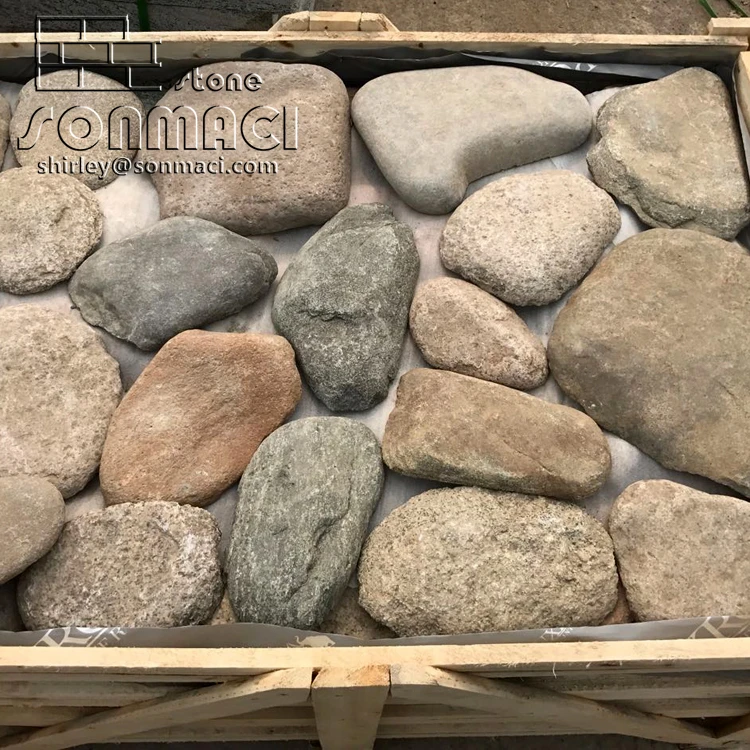
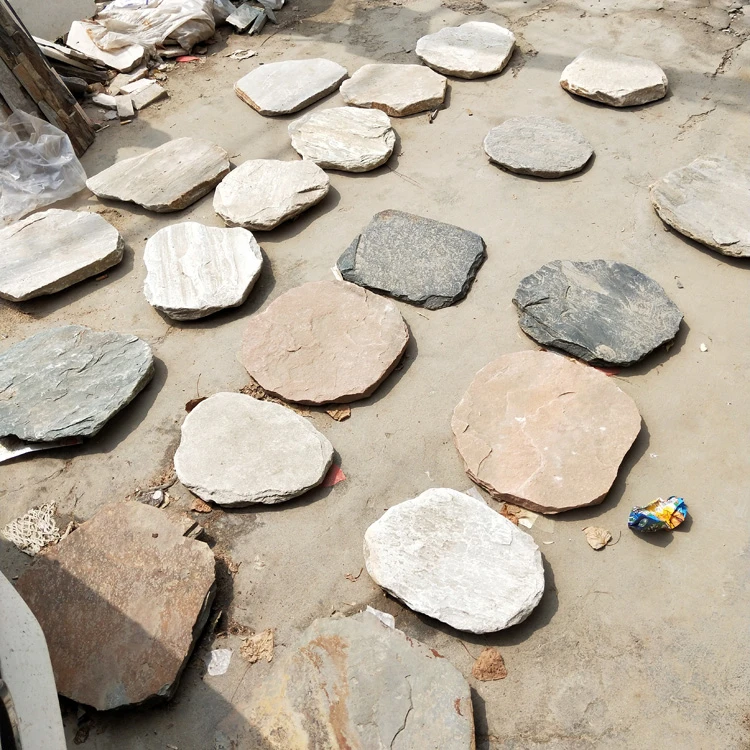
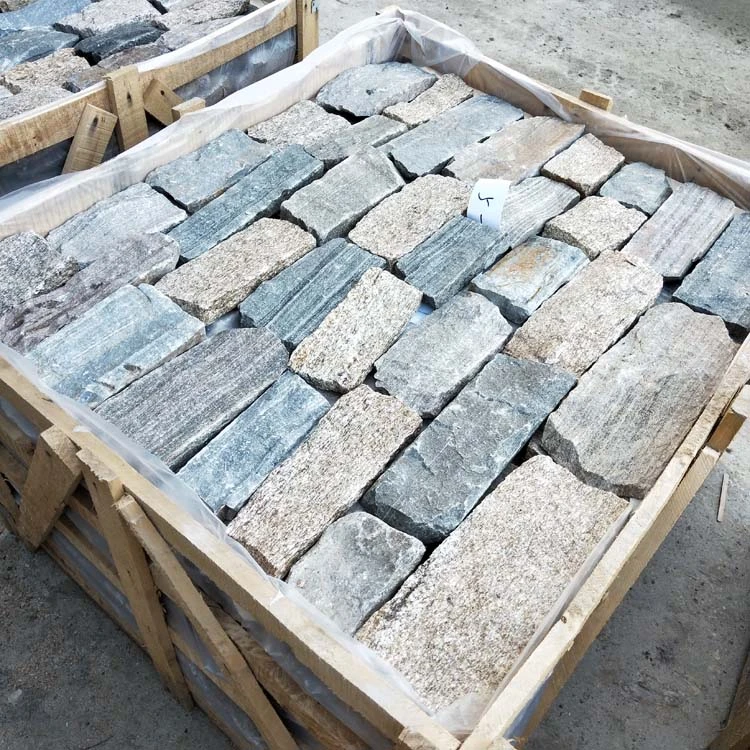
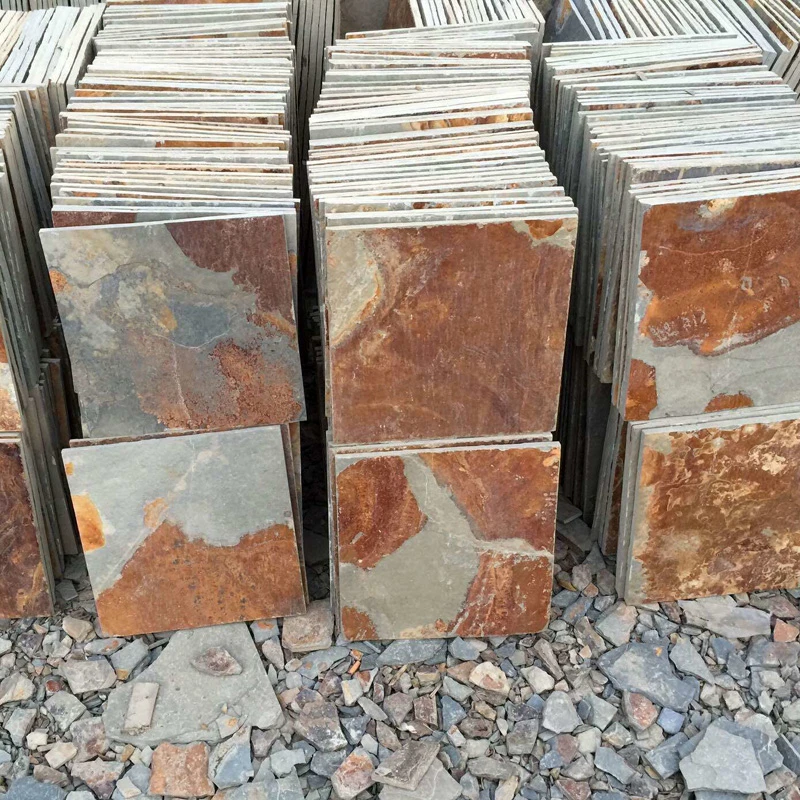
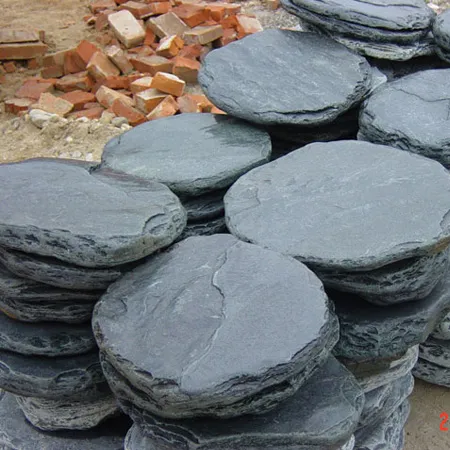
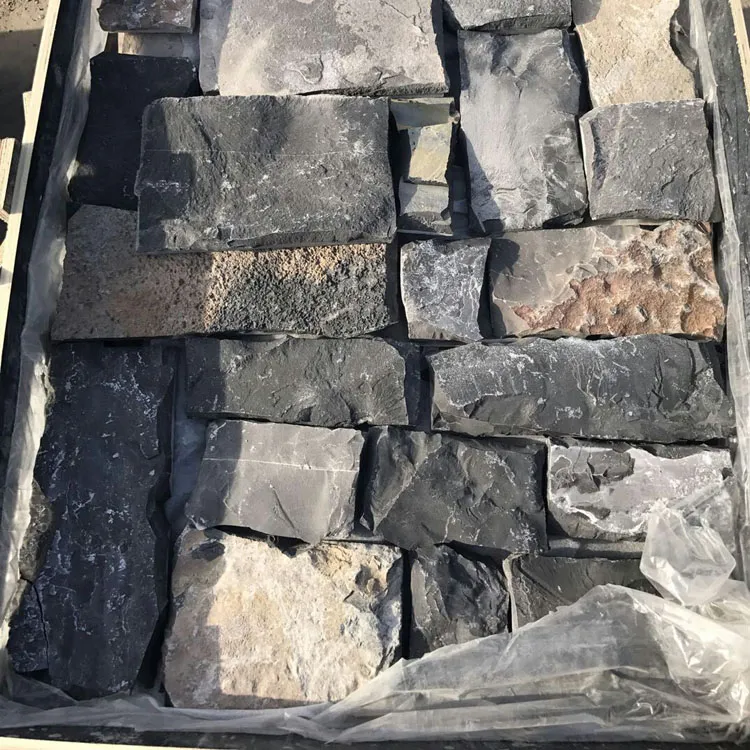
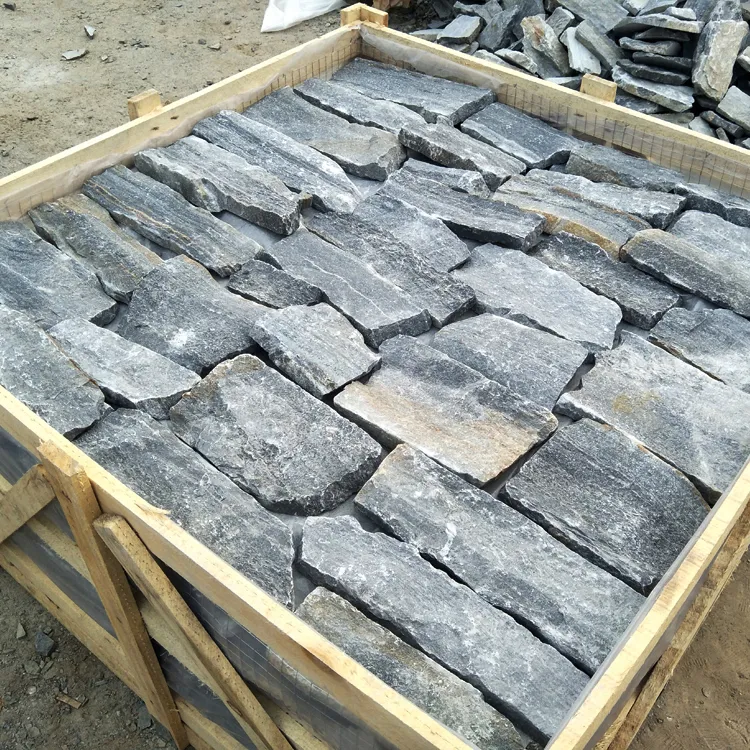
Simply put, building stone supply refers to the sourcing, processing, and distribution of natural stones—granite, limestone, marble, sandstone, and the like—for construction use. Think of walkways, facades, foundations, or ornamental details in public buildings. It’s the link between raw quarries and final construction sites. Well-managed stone supply chains ensure materials meet architectural and engineering standards for strength, durability, and aesthetic appeal.
In modern construction or humanitarian settings, building stone supply bridges resource availability and development goals. Where wood or concrete options falter—either due to climate or sustainability considerations—stone often shines as a robust alternative that lasts centuries.
Key Factors in Effective Building Stone Supply
Durability and Quality
Stone’s natural durability is a big selling point. But not all stones are created equal—meeting specific strength, porosity, and weathering characteristics matters, so engineers rarely accept just any “rock.” Quality control at extraction and processing stages is vital.
Scalability of Supply
Large-scale projects need consistent quantities over time. Some quarries exhaust quickly or produce uneven batches, so scalable sourcing networks or stockpiling strategies come into play. This factor is critical for big governments and developers.
Cost Efficiency
Transporting stone—which can be extremely heavy—is an expensive affair. Optimizing logistics routes, using bulk shipping, or locating quarries near demand centers can help reduce costs. Plus, using local stone when possible supports regional economies and cuts carbon footprints.
Environmental Impact
More projects now demand “green” materials. Responsible quarrying, reclamation of sites, minimizing waste, and sourcing from certified suppliers have become non-negotiable. Industry standards from ISO or the Natural Stone Council guide these efforts.
Customization & Aesthetic Variety
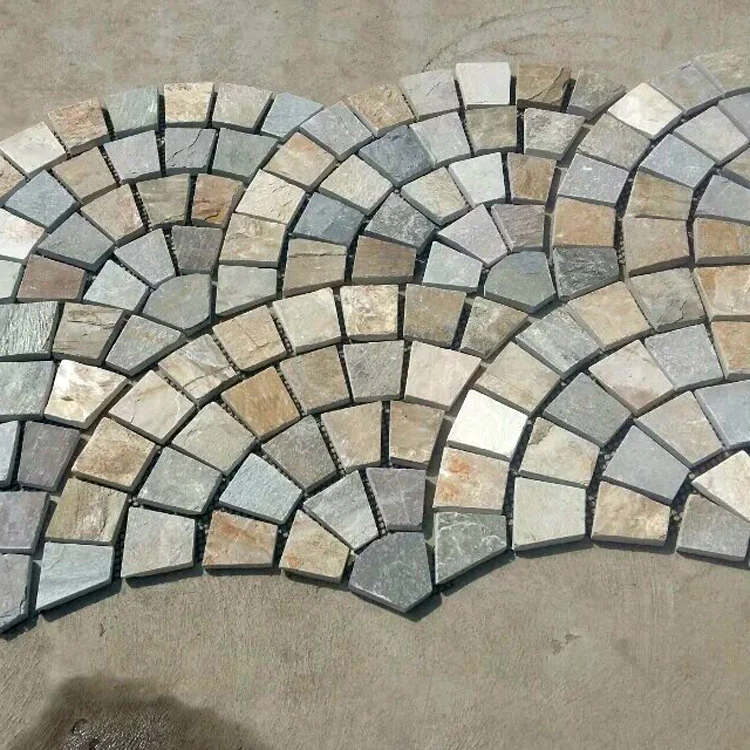
Beyond function, stone’s beauty matters with finishes, colors, and patterns. Supply chains must be flexible enough to meet architectural design trends, from rustic to ultra-modern.
Building Stone Supply in Real-World Contexts
In Asia, rapid urbanization drives massive demand for granite and marble in commercial districts. Governments in the Middle East rely on vast limestone reserves to fuel affordable housing projects. Meanwhile, in post-disaster relief operations, durable stone helps rebuild infrastructure with longevity, often in areas where timber is scarce or less resilient.
Remote industrial zones, like mining towns or offshore platforms, also rely on stone as a stable base material adaptable to harsh settings.
Advantages & Long-Term Value of Building Stone Supply
- Longevity: Stone structures can last hundreds of years, reducing need for repeated replacement.
- Sustainability: When responsibly sourced, stone is among the greenest building materials due to its natural origin and recyclability.
- Economic Impact: Supports local economies when quarries are operated sustainably, providing jobs and infrastructure revenue.
- Aesthetic & Social Benefits: Stone lends dignity and cultural heritage to buildings, enriching community pride.
- Reliability: Performs well under extreme weather and geological conditions.
It feels like stone carries more than its weight—not just physically but emotionally for many places and people.
Building Stone Supply: Specification Table
| Stone Type | Density (kg/m³) | Compressive Strength (MPa) | Common Uses |
|---|---|---|---|
| Granite | 2600 - 2800 | 130 - 230 | Foundations, countertops, facades |
| Limestone | 2200 - 2500 | 30 - 250 | Walls, flooring, monuments |
| Marble | 2600 - 2800 | 70 - 140 | Decorative facades, sculptures |
| Sandstone | 2200 - 2400 | 20 - 170 | Cladding, paving, landscaping |
Vendor Comparison: Building Stone Supply Providers
| Supplier | Global Reach | Sustainability Certifications | Custom Fabrication | Typical Lead Time |
|---|---|---|---|---|
| StoneSource Global | Europe, Americas, Asia | ISO 14001, FSC Stone | Yes | 4-6 weeks |
| EcoQuarry Supplies | North America, Africa | LEED, Green Seal | Limited | 6-8 weeks |
| Heritage Stone Co. | Asia, Middle East | Local Sustainability | Extensive | 3-4 weeks |
Future Trends & Innovations in Building Stone Supply
Advancements like automated quarrying drones, AI-driven logistics optimization, and eco-friendly processing technologies are changing the game. Oddly enough, some startups are exploring 3D printing with stone composites, blending tradition with digital precision. Green building certifications increasingly push suppliers to prove lower carbon footprints, recycling stone waste into new aggregate products. These innovations underscore a bigger trend: building stone supply is no longer just “rocks on trucks” but a tech-enabled, environmentally conscious industry.
Challenges & Solutions
Challenges include quarry site depletion, environmental degradation, and inconsistent supply quality. But new policies enforcing reclamation, ISO-aligned quality standards, and improved transport logistics provide practical solutions. Moreover, fostering local quarry economies reduces reliance on long-haul imports, lowering emissions and strengthening regional resilience.
FAQ: Building Stone Supply
- Q: What factors should I consider when choosing a building stone supplier?
A: Look beyond price—evaluate sustainability certifications, production capacity, quality control measures, and lead times. Also, inquire about customization options to meet your project’s aesthetic and structural needs. - Q: How can building stone supply chains be made more sustainable?
A: Key practices include sourcing from certified quarries, implementing quarry reclamation plans, reducing transportation distances, and recycling stone waste effectively. - Q: Are natural stone materials suitable for earthquake-prone areas?
A: Yes, many natural stones like granite and basalt have excellent compressive strength and durability, but architects should integrate modern engineering techniques to ensure seismic resilience overall. - Q: How long does it usually take to receive building stone orders internationally?
A: Lead times vary by supplier and distance but average between 3 to 8 weeks, accounting for quarrying, fabrication, certification, and shipping.
Conclusion
Building stone supply remains a foundational part of global construction—combining tradition with cutting-edge innovation to meet growing demands sustainably. For anyone involved in infrastructure, restoration, or large-scale development, paying attention to this sector’s dynamics pays dividends in quality, cost, and environmental impact. Feel free to explore more about reliable building stone supply options and how they may support your next project.
One takeaway: Whether in ancient cathedrals or modern eco-cities, stone simply endures—and that’s why its supply chain deserves our attention.