What You Need To Know About Building Stone Supplies: Sustainable Materials for Modern Construction
Understanding Building Stone Supplies: Foundations of Sustainable Construction
Building stone supplies — the very base upon which civilization stands, quite literally — are often underrated in global discussions about construction and infrastructure. Yet, these natural materials play a pivotal role worldwide, not just in architectural aesthetics but in durable, sustainable, and cost-efficient building solutions. Whether you’re a developer in an urban hub or part of a humanitarian mission in a disaster-affected region, understanding what goes into building stone supplies can shape better, smarter decisions.
Global Context: Why Building Stone Supplies Matter
Globally, the demand for sustainable construction materials is on the rise. The United Nations Environment Programme reports that the building sector accounts for approximately 39% of global carbon emissions, pushing the industry to revisit traditional materials with a modern focus on eco-friendliness and longevity. Building stones, naturally quarried and processed, offer a low-carbon alternative compared to energy-intensive synthetic materials.
Oddly enough, the challenges of supply chain disruptions, resource depletion, and environmental regulations make accessing high-quality building stone supplies a growing concern. This is especially true in regions undergoing rapid urbanization or in zones devastated by natural catastrophes.
Mini takeaway: Sustainable building initiatives worldwide increasingly depend on reliable, eco-conscious building stone supplies.
What Are Building Stone Supplies?
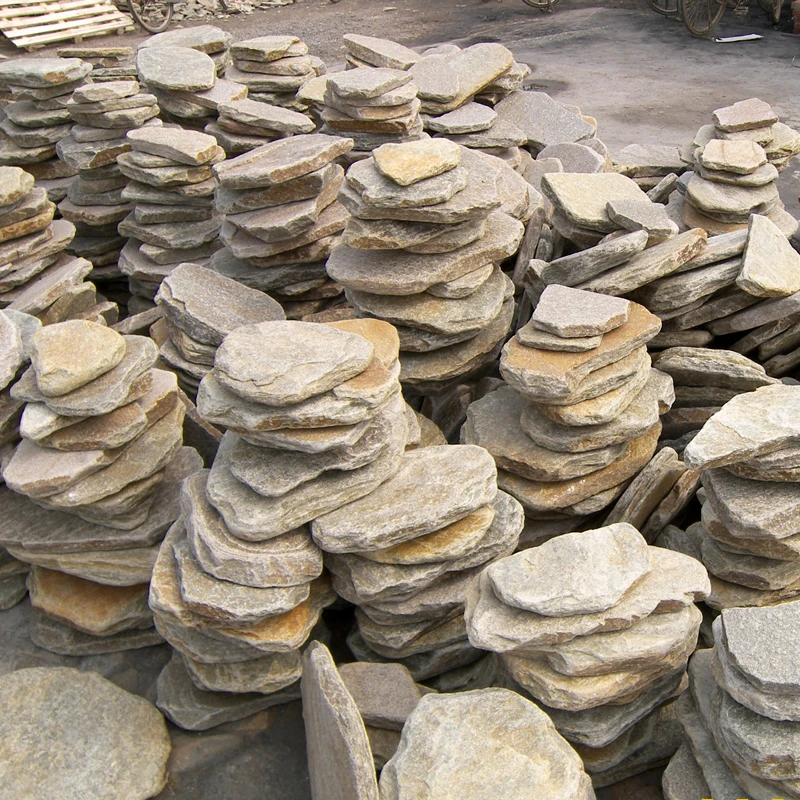
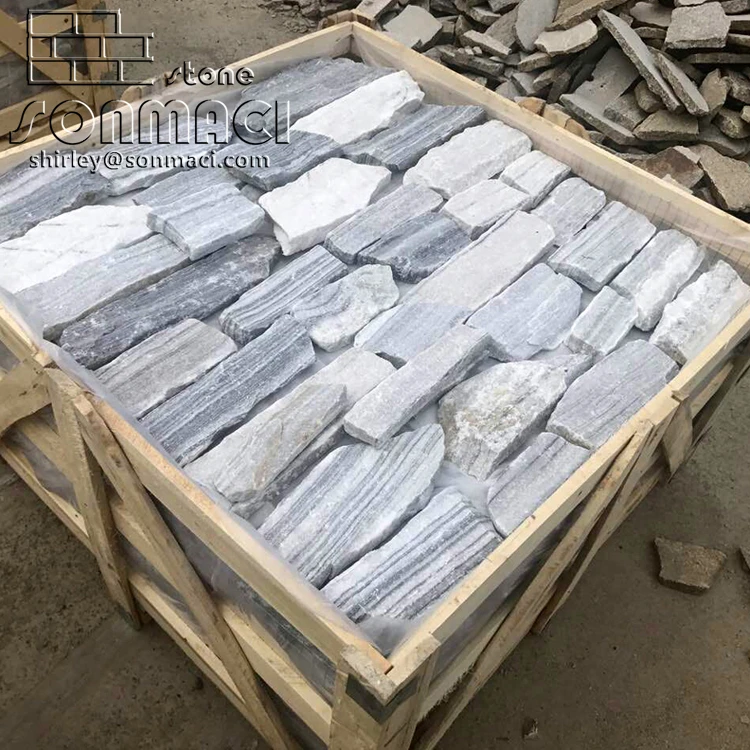
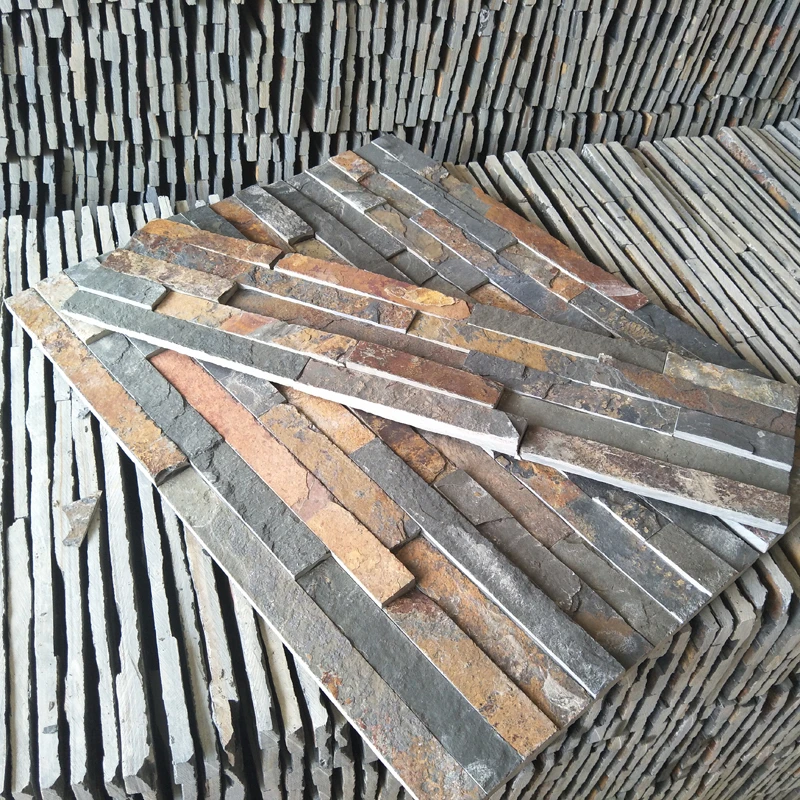
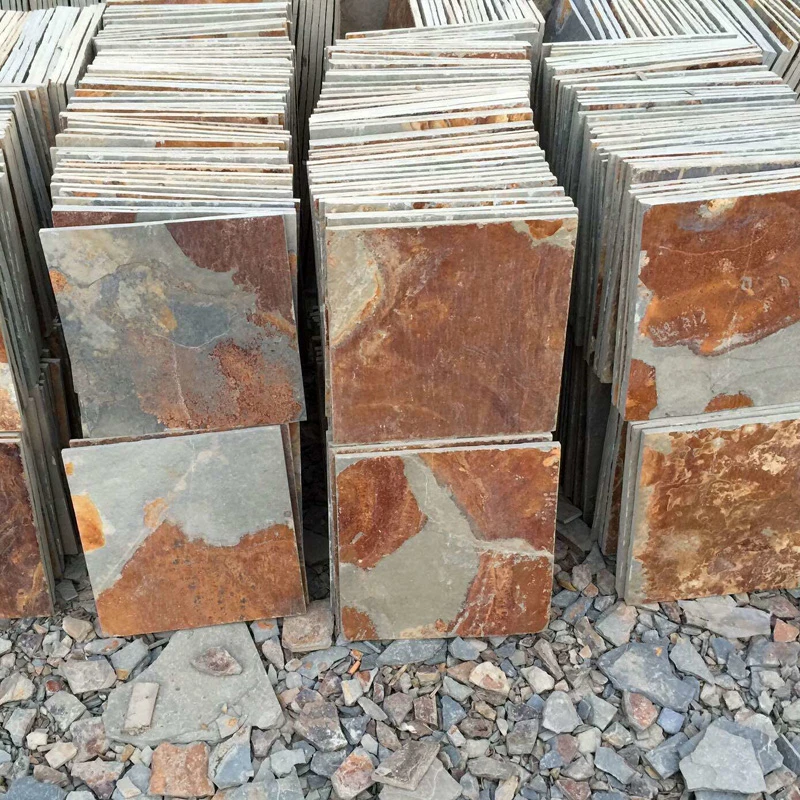
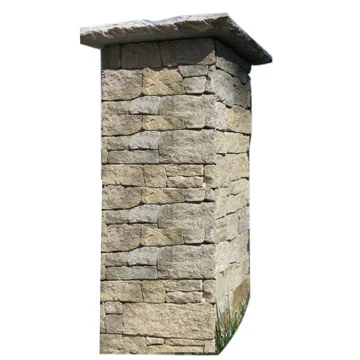
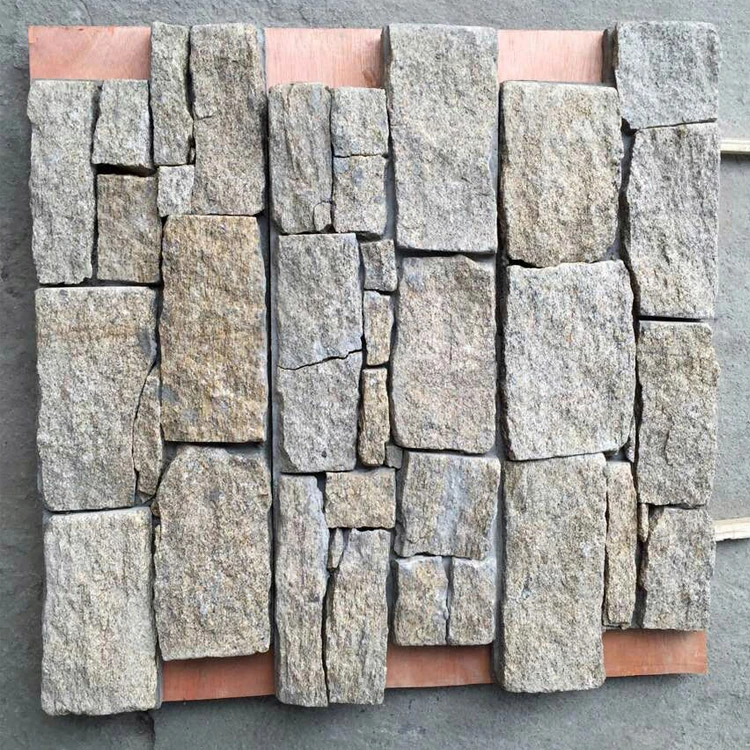
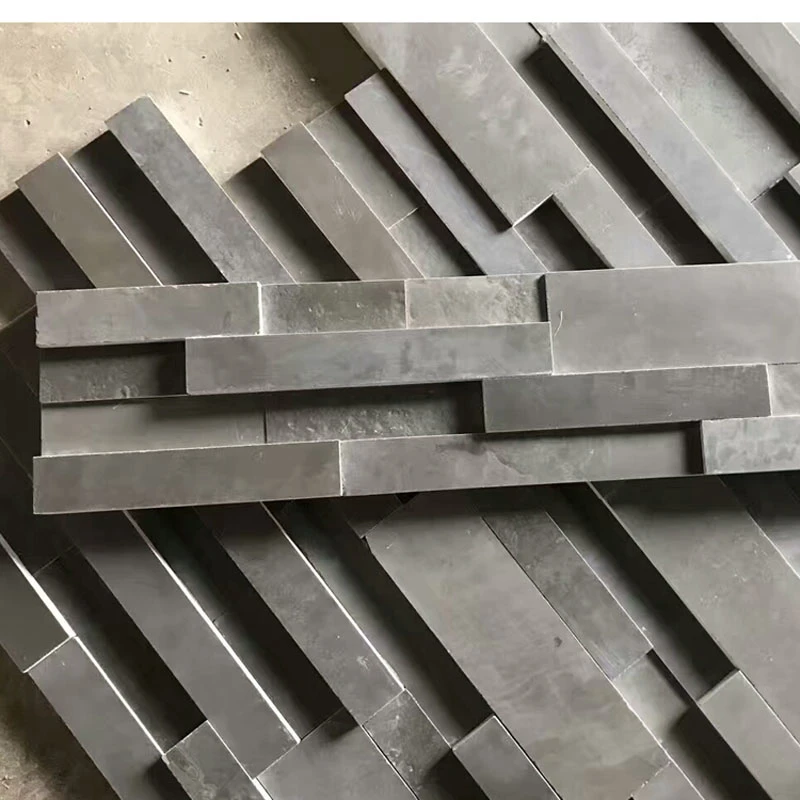
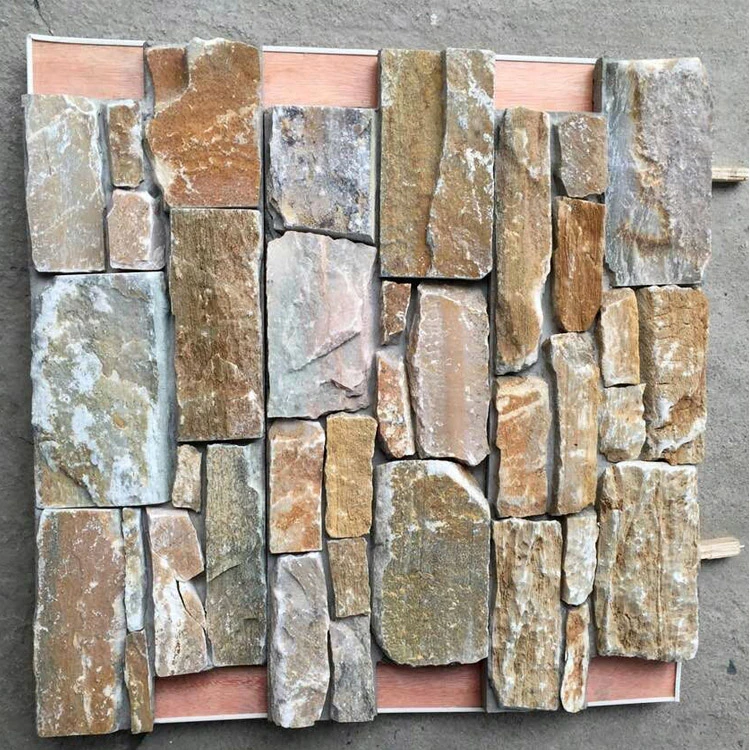
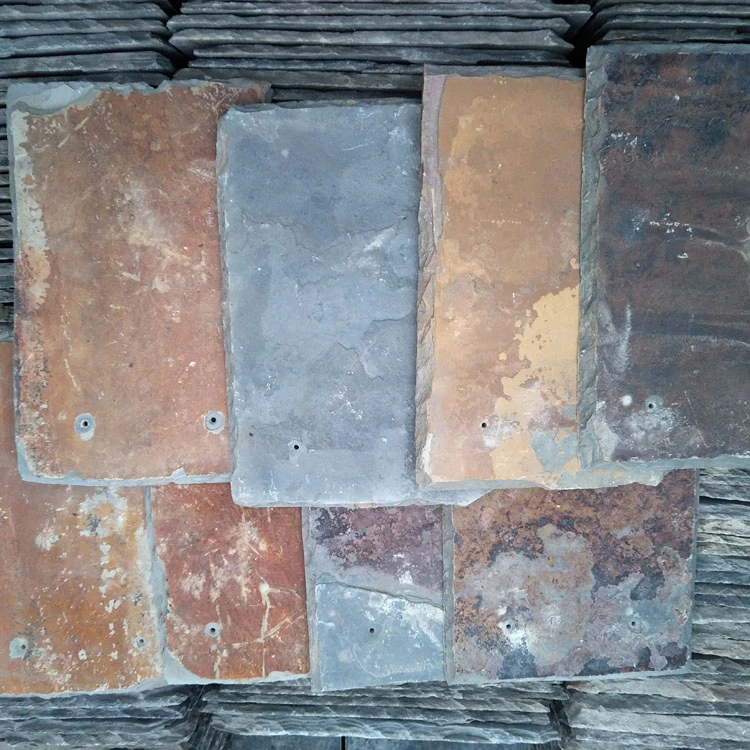
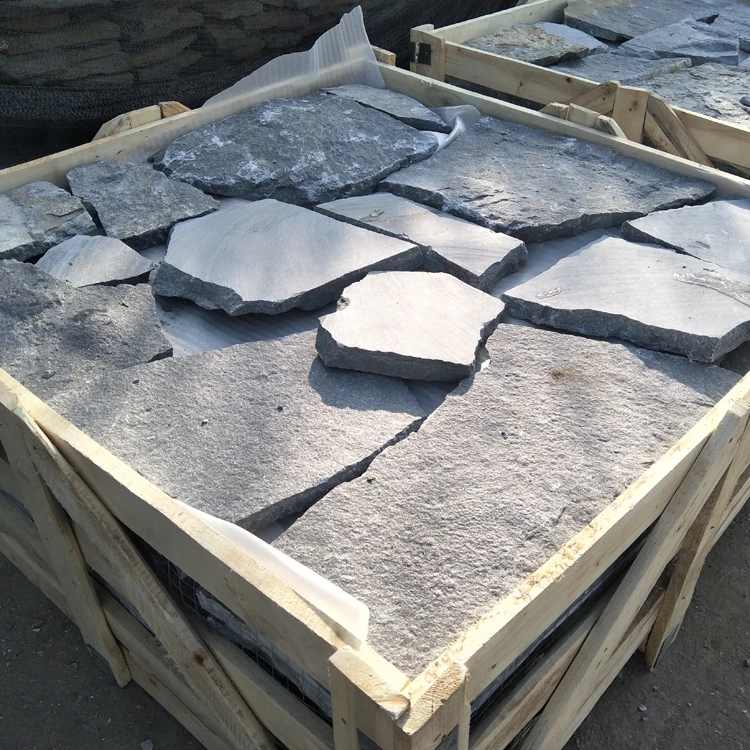
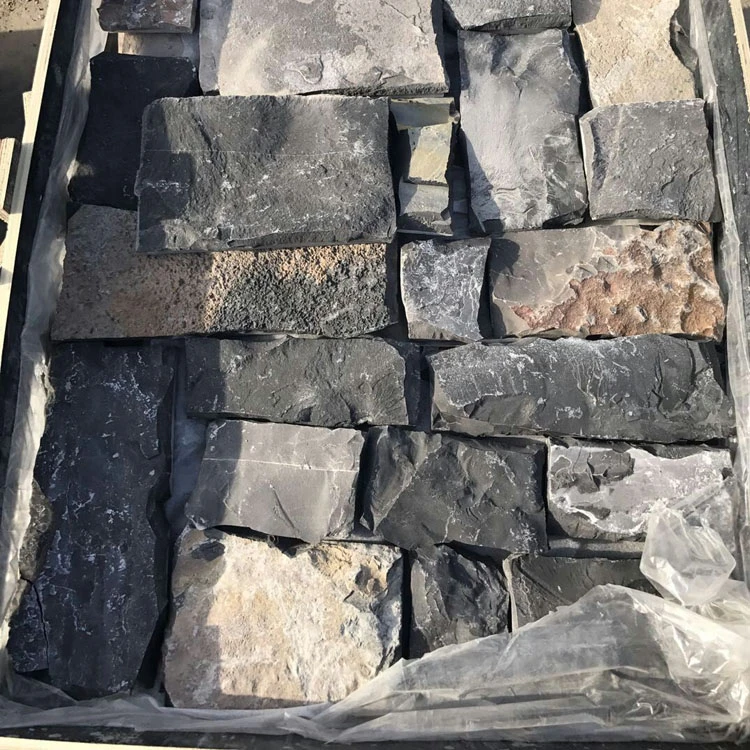
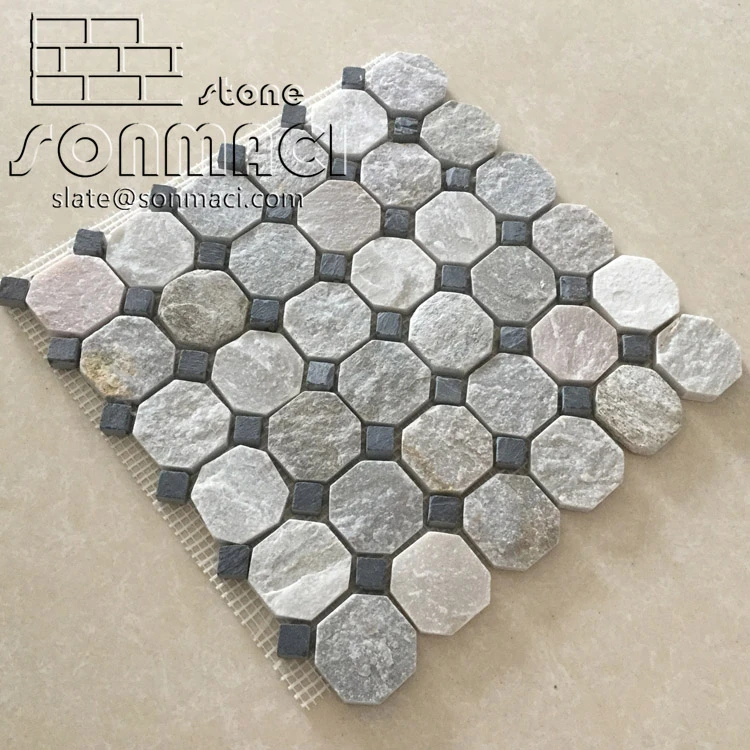
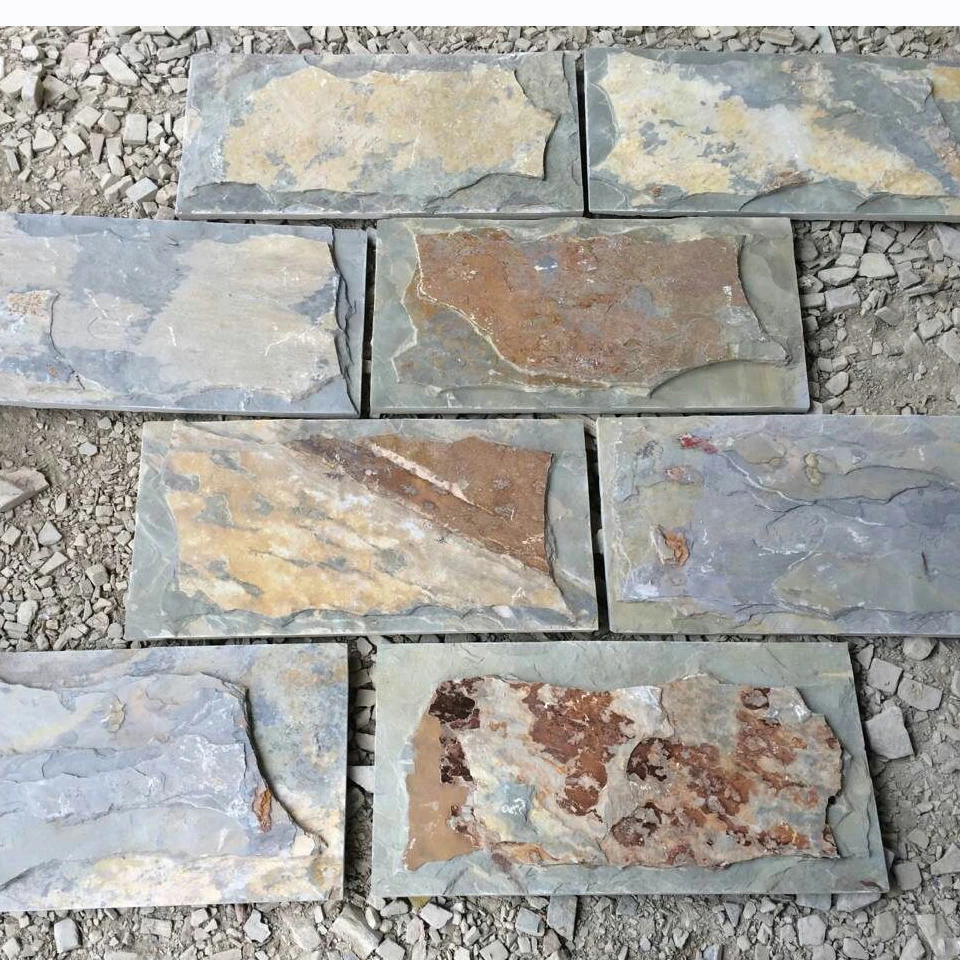
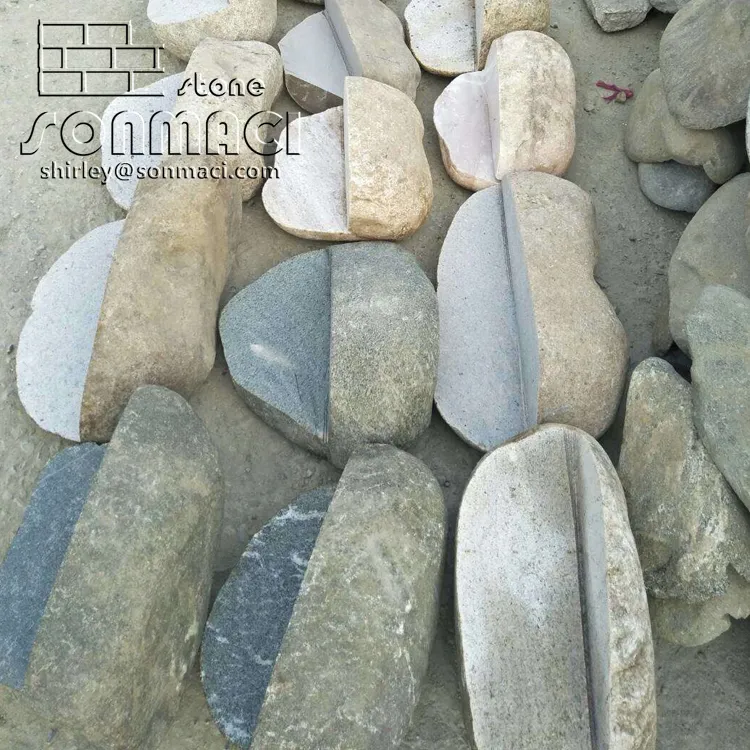
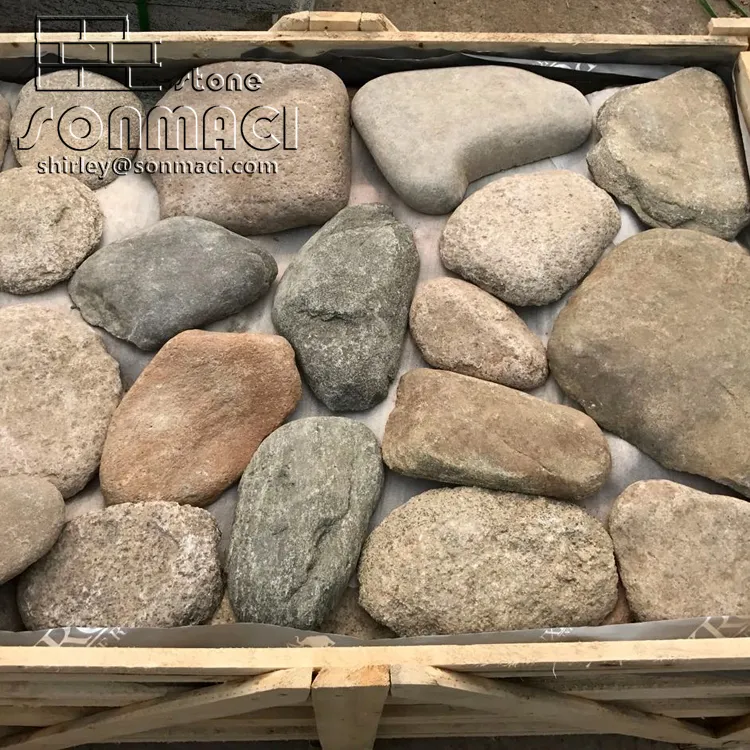
Simply put, building stone supplies encompass natural rock materials extracted from quarries and processed for use in construction. This includes granite, limestone, sandstone, marble, and other varieties that have stood the test of time. These stones are more than just decorative elements; they form the core of long-lasting infrastructures such as bridges, monuments, roads, and housing.
Their role connects deeply to modern industries — not only in commercial projects but in humanitarian efforts like shelters and community rebuilding, where durability and availability matter immensely.
Key Components of Quality Building Stone Supplies
1. Durability
The first quality engineers and architects scout for is stone’s resistance to weathering and wear. Granite, for example, is prized for its strength, while limestone is celebrated for its workability but tends to weather faster. Durability directly influences maintenance costs and life cycle performance.
2. Scalability and Availability
No matter how great the stone is, it needs to be available in the volumes required. Scalability involves consistent quarrying practices and reliable logistics. This factor is crucial for large-scale construction or rapid deployment projects.
3. Cost Efficiency
Stones vary greatly in cost — from locally sourced aggregates to imported marbles. Affordability influences project feasibility, especially in developing regions or emergency contexts.
4. Environmental Sustainability
Building stones have a natural edge in terms of sustainability; they require minimal processing compared to synthetic materials. However, responsible quarrying practices and transportation logistics still need focus to minimize ecological impact.
5. Aesthetic Versatility
Architects love stone for its timeless beauty and texture. The ability to match color, grain, and finish allows buildings to blend tradition with innovation.
Mini takeaway:
- Durability and cost balance are the deciding factors for stone selection.
- Scalability and sustainability directly affect project timelines and environmental footprint.
Global Applications & Use Cases of Building Stone Supplies
You’ll find building stone supplies at work everywhere — from the sprawling urban centers of Europe, where centuries-old cathedrals still stand, to remote industrial zones in Africa and Asia linking infrastructure to economic growth.
In post-disaster relief operations, for instance, rapid access to durable stone materials can mean the difference between temporary shelters and lasting community rebuilding. Certain NGOs prioritize sourcing locally to reduce costs and support regional economies.
Meanwhile, developing countries often use stone in public infrastructure projects such as highways and public buildings, favoring granite or basalt for roads due to their compressive strength.
Advantages and Long-Term Value of Building Stone Supplies
The benefits of opting for natural stone go beyond just longevity. Cost savings manifest in lower maintenance needs over decades. There’s an emotional comfort found in stone’s permanence — something that instills a sense of security and heritage.
From a sustainability perspective, stone’s ability to reflect heat, reduce urban heat islands, and its inert chemical nature contribute positively to healthy living environments.
Logically, it’s also a sound investment; many buildings and monuments built centuries ago with natural stone still look impressive, showcasing stone’s unmatched reliability.
Building Stone Supplies — Product Specifications
| Stone Type | Compressive Strength (MPa) | Typical Uses | Cost Range (USD/m³) |
|---|---|---|---|
| Granite | 130-300 | Roads, structural facades, monuments | 150 - 300 |
| Limestone | 30-250 | Walls, flooring, decorative cladding | 50 - 200 |
| Sandstone | 35-170 | Paving, walls, ornamental details | 70 - 250 |
| Marble | 70-140 | Interior flooring, facades, sculptures | 200 - 400 |
Building Stone Suppliers: A Quick Comparison
| Vendor | Range of Stone Types | Sustainability Practices | Global Reach | Price Competitiveness |
|---|---|---|---|---|
| Alpha Stone Co. | Granite, Limestone, Sandstone | ISO 14001 Certified | North America, Europe | Medium |
| Global Stone Supplies | Marble, Granite, Local Varieties | Focus on Local Sourcing | Asia, Africa, South America | Variable |
| EcoBuild Minerals | Limestone, Sandstone | Sustainable Quarrying & Green Logistics | Europe | High |
Future Trends & Innovations in Building Stone Supplies
The horizon looks promising for building stone supplies. Technologies like 3D scanning and precision cutting reduce waste dramatically, ensuring more efficient use of quarried stone. Additionally, automation in quarrying and transport is starting to reshape supply logistics.
Material innovations also involve treatments that improve stone's resistance to pollution and weathering, extending architectural life spans.
Oddly enough, the circular economy is becoming integrated: crushed stone from demolition projects can be recycled as aggregates, reducing extraction pressure.
The growing push towards green energy and sustainability standards (ISO 50001, for example) encourages vendors and customers alike to favor stone choices aligned with environmental responsibility.
Challenges & Solutions
Not all that glitters is stone — there are real challenges, including environmental degradation from quarrying, fluctuating costs due to logistics, and inconsistent quality in some regions.
However, industry experts advocate certified sustainability standards for quarry management, supplier transparency, and increased use of digital tools for supply chain monitoring.
On the innovation front, engineered stone composites offer hybrid solutions combining natural beauty with improved performance.
FAQ: Frequently Asked Questions About Building Stone Supplies
- Q: What factors determine the choice of building stone for a project?
A: Key factors include the stone’s durability, availability in required quantities, cost, aesthetic suitability, and environmental impact. Project location and expected weather conditions also guide selection. - Q: How sustainable are natural stone materials compared to synthetic alternatives?
A: Natural stones typically have a lower carbon footprint since they require less processing. Quarrying impacts can be mitigated with certified sustainable practices and recycling of stone waste. - Q: Can building stone supplies be sourced locally during emergency relief efforts?
A: Ideally yes — local sourcing reduces transport costs and delays, supports the local economy, and expedites rebuilding. However, suitability must be ensured in terms of quality and availability. - Q: What innovations are improving the durability of building stones?
A: New sealants and treatments, often nanotechnology-based, protect stone surfaces from pollution and moisture, significantly extending lifespan without altering appearance. - Q: How do regulations affect building stone supply chains?
A: Environmental and trade regulations can impact quarrying permits, export-import logistics, and quality control, necessitating compliance and proper certifications from vendors.
Conclusion
Building stone supplies aren’t just raw materials; they are the bedrock of resilient, sustainable infrastructure that echoes through generations. Their unique blend of durability, environmental friendliness, and timeless aesthetic makes them indispensable in today’s construction landscape.
If you’re ready to explore reliable sources or learn more about how stone can enhance your projects, visit our website: building stone supplies. Because, well, great buildings start at the very foundation.
It feels like the humble stone, sometimes overlooked, quietly anchors not just buildings but communities and histories — a reminder of where we came from and where we can go sustainably.