Dry Stack Veneer: Durable Stone Cladding Solutions for B2B Professionals | SonMacIStone
Dry Stack Veneer is a key solution in the industry, specifically within professional building and facade applications. This article explores how https://www.sonmacistone.com supports professionals with durable, high-performance products, and explains why this product is an ideal choice for businesses in these sectors.
Table of Contents
- Dry Stack Veneer Overview
- Benefits & Use Cases of Dry Stack Veneer
- Cost, Maintenance & User Experience
- Sustainability & Market Trends
Dry Stack Veneer Overview
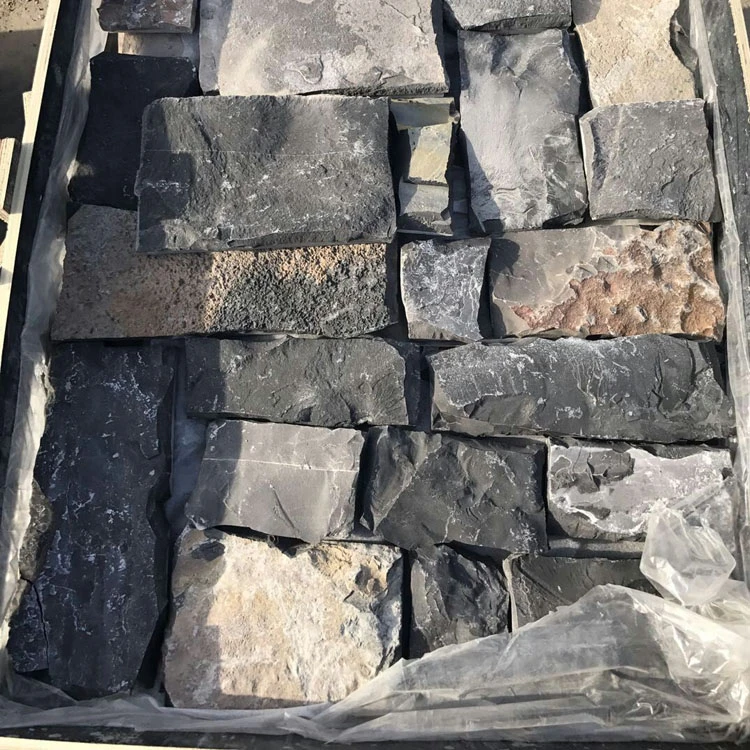
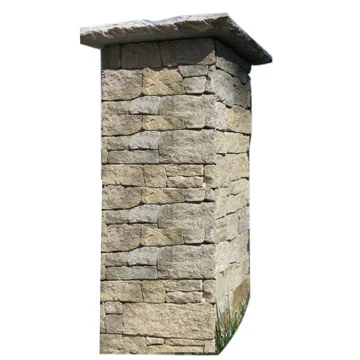
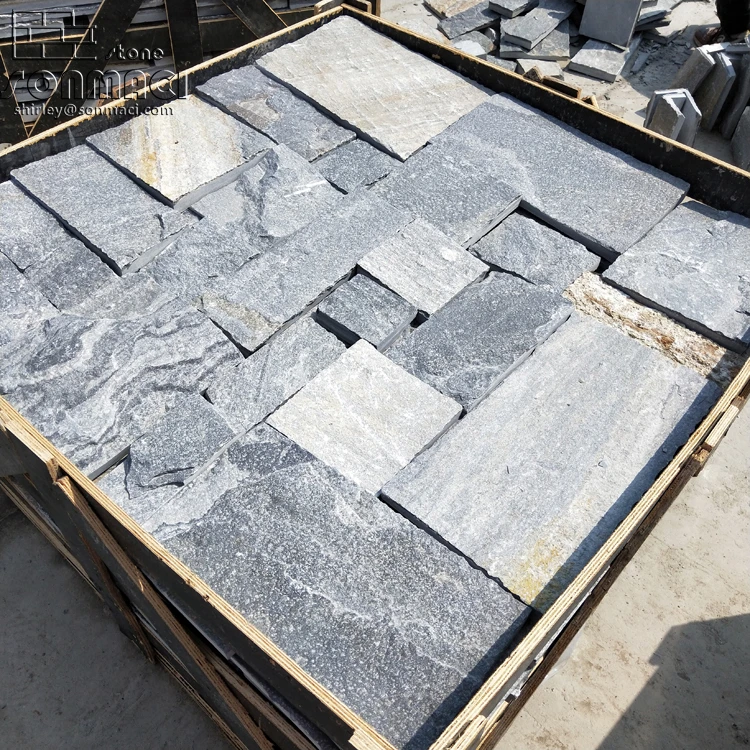
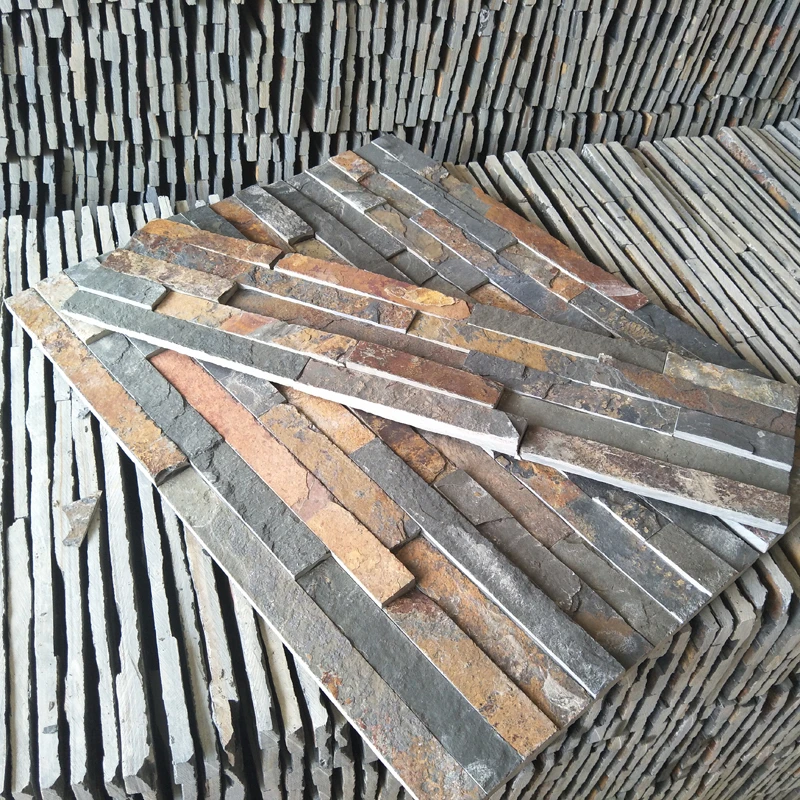
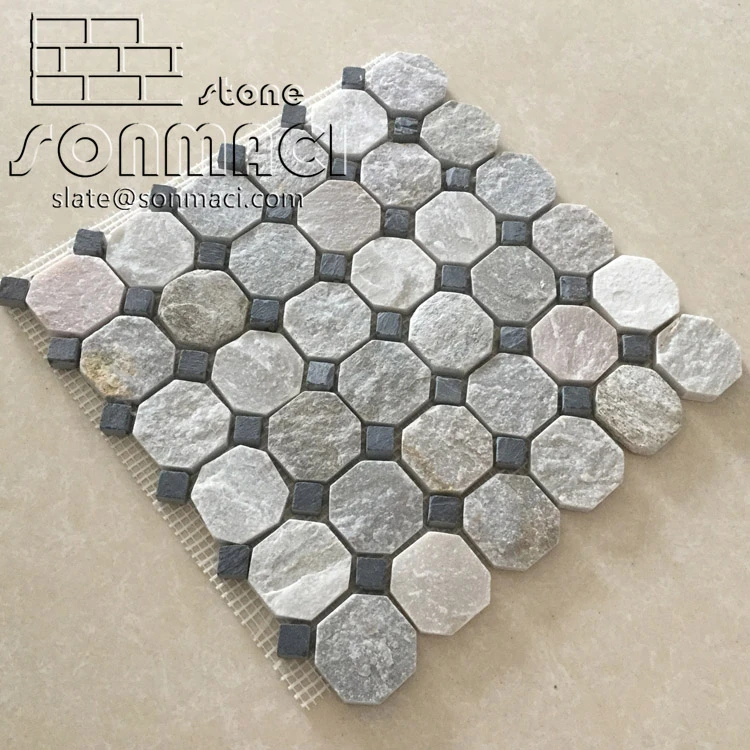
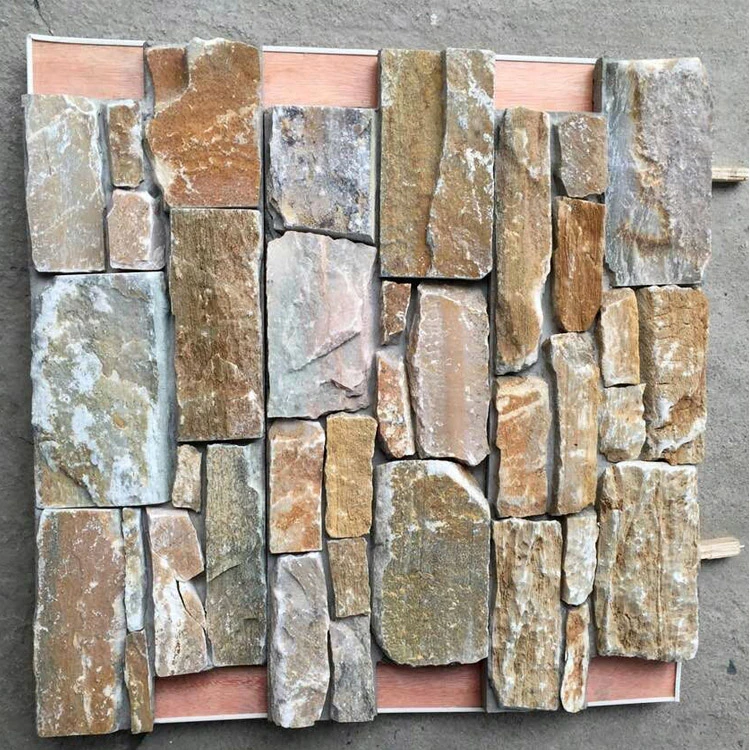
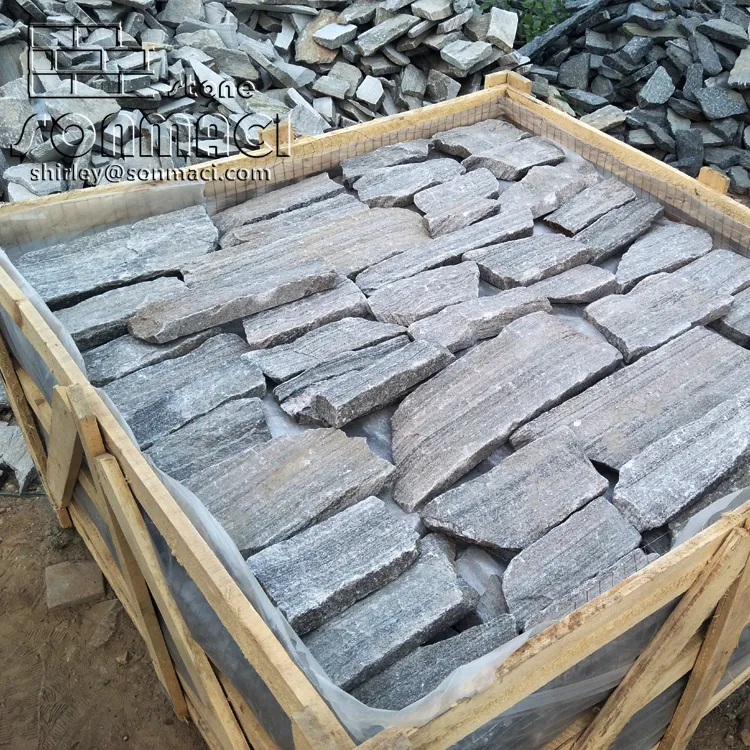
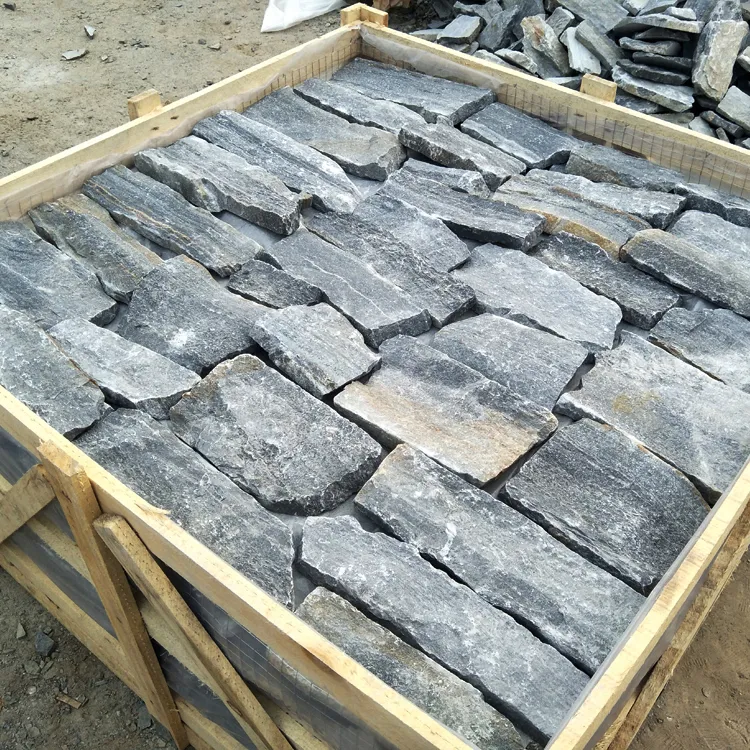
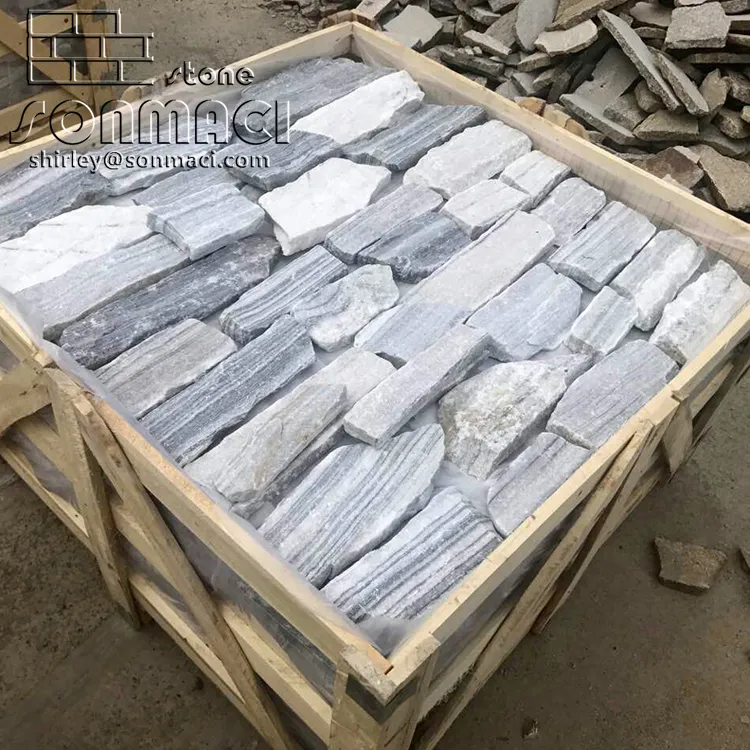
Dry stack veneer, simply put, is a type of natural stone cladding that is laid without visible mortar joints. That clean, mortarless look? It’s what architects and builders love for creating contemporary and traditional facades with an authentic stone appearance. Frankly, it feels like you’re stacking stones one by one — but with the benefit of precision manufacturing.
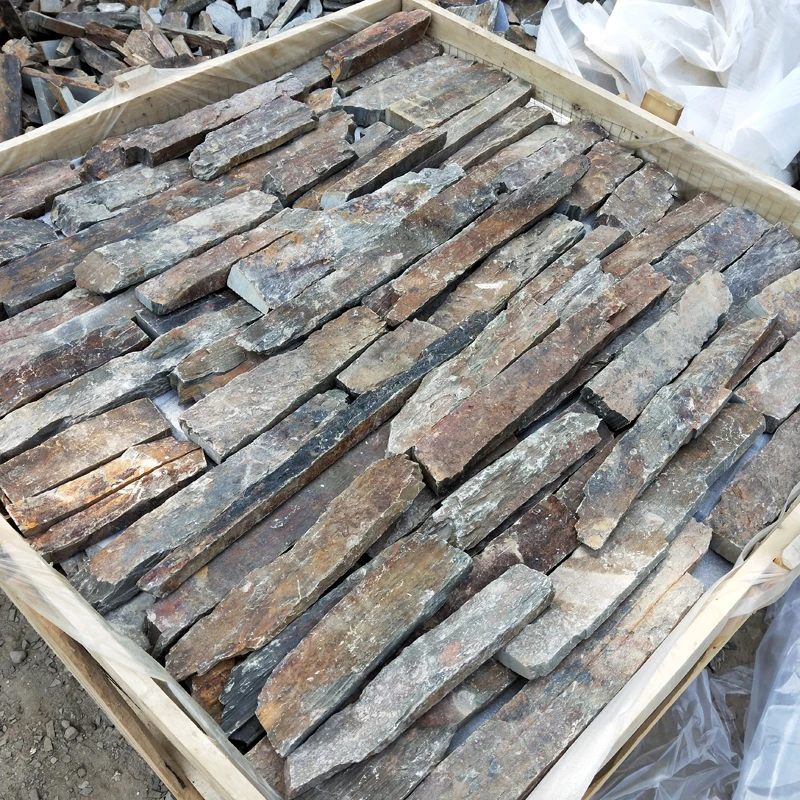
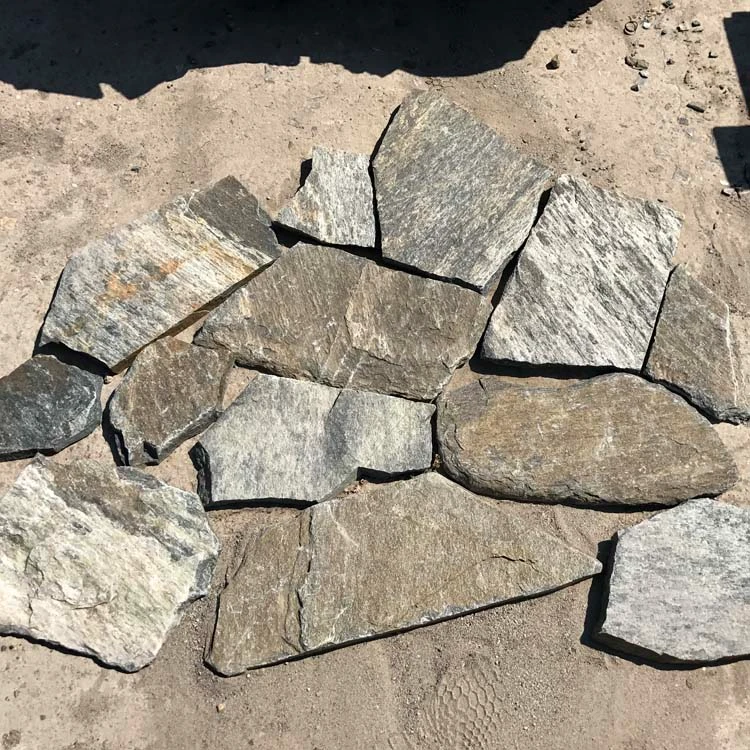
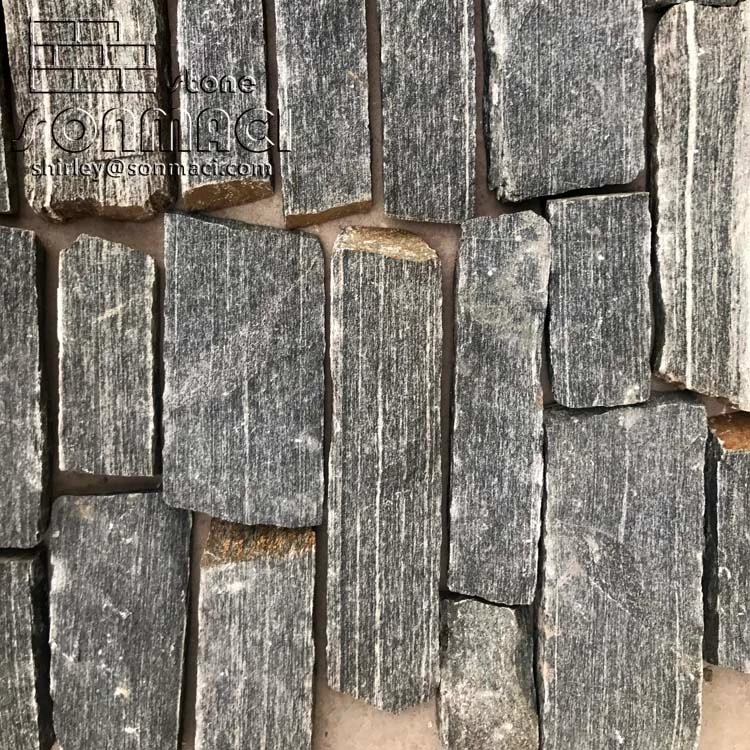
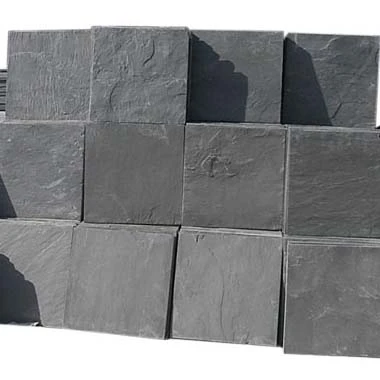
Technically, these veneers are cut thin – around 1 to 2 inches thick – with tight tolerances to ensure they fit perfectly. The stones are typically quartzite, slate, or sandstone, valued for their durability and weather resistance. SonMacIStone’s dry stack veneer adheres to strict ASTM standards for strength and freeze-thaw resistance. For instance, one commercial project used this veneer system and reported excellent longevity with minimal maintenance after 5 years exposed to varying climates – a testament to the product’s reliability.
| Specification | Details |
|---|---|
| Stone Types | Quartzite, Slate, Sandstone |
| Thickness | 1" to 2" |
| Dimensions | Custom sizes available up to 24" x 48" |
| Weight | 8-12 lbs/sq ft |
| Weather Resistance | Freeze-thaw resistant, UV stable |
Benefits & Use Cases of Dry Stack Veneer
In real terms, the dry stack method removes the mortar joints, reducing potential cracking issues and creating a sleek, modern facade that's not just pretty on the surface but built to last. Many construction managers appreciate how this veneer simplifies installation, especially on commercial buildings or upscale residential projects demanding that “natural stone” look but faster turnaround.
Uses tend to cluster around exterior cladding, landscape walls, fireplaces, and accent walls. Oddly enough, despite being ‘dry’, these veneers offer excellent waterproofing when installed correctly with proper flashing and drainage. SonMacIStone’s products stand out for their uniform thickness and color consistency — something designers and contractors praise as a real time-saver on-site, cutting down labor headaches and reducing waste.
Cost, Maintenance & User Experience
When you look beyond sticker price, dry stack veneer proves to be a smart investment. The total cost of ownership often comes out favorable thanks to reduced labor costs – since the dry installation is faster and neater – and almost negligible maintenance. Unlike traditional mortar set veneers, you don’t have to worry about cracked joints or frequent repointing, which tends to hike up expenses later.
Feedback from B2B users often highlights the durability in harsh environments. For example, a recent client in the hospitality sector mentioned how their building’s exterior has maintained its integrity despite exposure to moisture and temperature swings, all without the usual upkeep struggles associated with natural stone facades. It’s that kind of user confidence that really counts in material selection – and frankly, that’s why dry stack veneer is catching on more and more.
Sustainability & Market Trends
Sustainability is no longer an afterthought. It’s front and center — and the veneer market reflects that shift. Dry Stack Veneer, especially from suppliers like SonMacIStone, typically uses quarried natural stone that’s responsibly sourced and durable enough to outlast many synthetic alternatives. This longevity reduces the environmental impact by minimizing replacement frequency.
Additionally, the dry installation method lowers the use of cement-based mortar, which is a significant carbon footprint contributor. As environmental regulations tighten globally, many companies are leaning into stone veneers that align with green building certifications such as LEED or BREEAM. Market trends suggest growing demand from commercial projects aiming for both aesthetic appeal and low environmental impact, which bodes well for dry stack veneer’s future adoption.
| Vendor | Materials Offered | Customization | Lead Time | Sustainability Focus |
|---|---|---|---|---|
| SonMacIStone | Quartzite, Slate, Sandstone | Full size and finish customization | 3-4 weeks | High – responsible sourcing & low waste |
| Competitor A | Limestone, Granite | Limited sizing | 5-6 weeks | Medium |
| Competitor B | Quartzite only | Standard sizes only | 4 weeks | Low |
Frequently Asked Questions about Dry Stack Veneer
- What is Dry Stack Veneer and how does it work?
- Dry stack veneer is a natural stone cladding system installed without visible mortar joints. Stones are cut to uniform thickness and stacked tightly, creating a dry, layered appearance. The system relies on gravity and a hidden fastening method to stay in place, offering a clean modern look.
- What are the main benefits of using Dry Stack Veneer in industrial applications?
- Key benefits include reduced installation time, enhanced aesthetic appeal without mortar lines, greater durability, and lower long-term maintenance costs. The system withstands weathering well, which is crucial for industrial buildings exposed to harsh elements.
- How does Dry Stack Veneer compare to traditional alternatives?
- Compared to traditional mortar-set veneers, dry stack veneer offers a neater appearance and quicker installation. It also avoids typical mortar cracking and staining issues, enhancing building durability. However, it requires precise stone sizing and proper drainage planning.
- What industries can benefit most from Dry Stack Veneer implementation?
- Industries such as commercial construction, hospitality, luxury residential, and landscaping benefit most. Each leverages the product’s durability and aesthetics — for example, hotels use dry stack veneers on facades and interiors for a premium look with minimal upkeep.
Conclusion on Dry Stack Veneer from china
To sum it up, dry stack veneer stands out as an exceptionally appealing material for modern cladding solutions — combining durability, ease of installation, and real aesthetic impact. The balance of traditional stone charm and contemporary construction benefits makes it increasingly popular, especially when sourced from trusted vendors like SonMacIStone. If you’re considering a façade upgrade or new project, it’s definitely worth giving them a look.
- Recap the value of Dry Stack Veneer.
- - Visit our website: https://www.sonmacistone.com
A quick thought — in the evolving building landscape, products that combine elegance with sustainability, like dry stack veneer, aren’t just trends, they’re part of how we shape lasting, responsible structures.
References:
1. ASTM International standards on stone cladding
2. LEED Certification guidelines
3. SonMacIStone product documentation and case studies (2023)