Comprehensive Guide to Building Veneers: Types, Benefits, and Global Trends
Building Veneers: A Critical Element in Modern Construction
When we talk about building veneers, what we’re really exploring is one of the unsung heroes of architecture and construction worldwide. These thin layers of material, attached to the exterior or interior of structures, don’t just give buildings their style and personality but also perform essential practical roles. Globally, as urban populations swell and sustainable construction becomes a must, understanding veneers is more important than ever. They impact everything from insulation efficiency to cost control — which, frankly, affects millions of people’s living conditions.
The Global Context: Why Building Veneers Matter
The construction industry consumes nearly 40% of global energy, with huge carbon emissions tied to material manufacturing and energy loss in buildings. According to the International Energy Agency (IEA), improving building materials like veneers can reduce energy demand by up to 30%. Oddly enough, such a seemingly simple element has a huge ripple effect on climate change mitigation, urban comfort, and economic sustainability.
But it’s not just environmental challenges — rapid urbanization in Asia and Africa demands quick yet durable construction solutions. Building veneers address a long-standing problem: how to make buildings both resilient and beautiful, without breaking budgets or stretching timelines.
What Exactly Are Building Veneers?
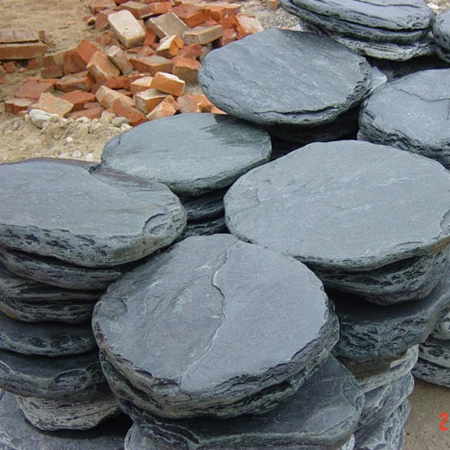
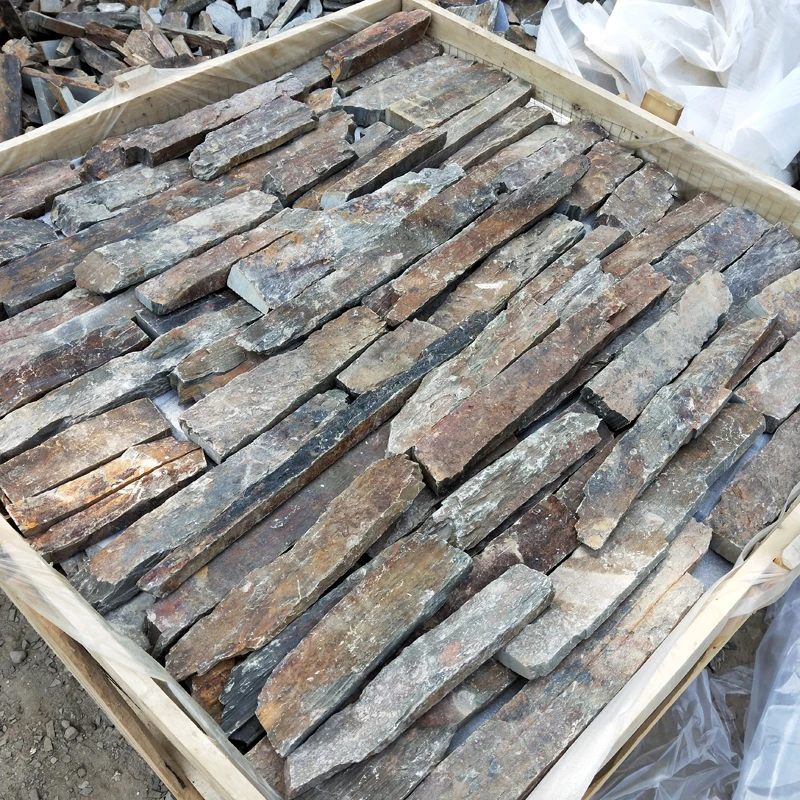
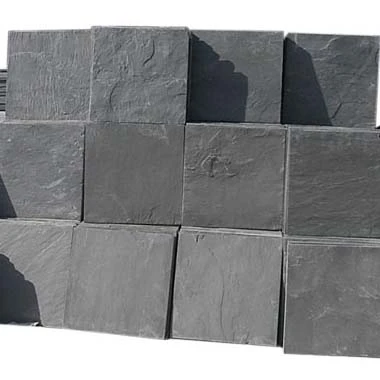
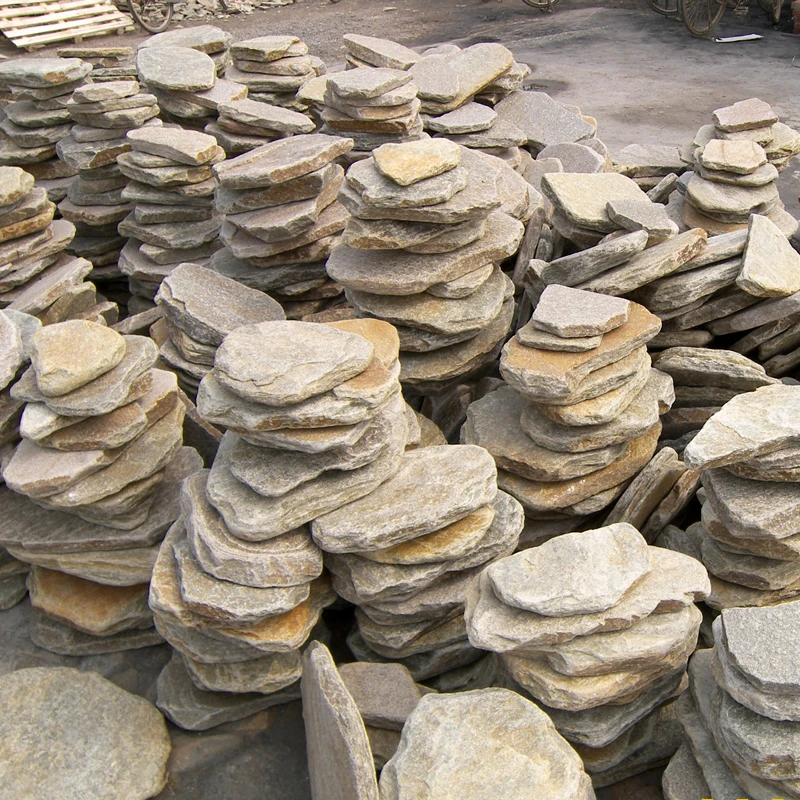
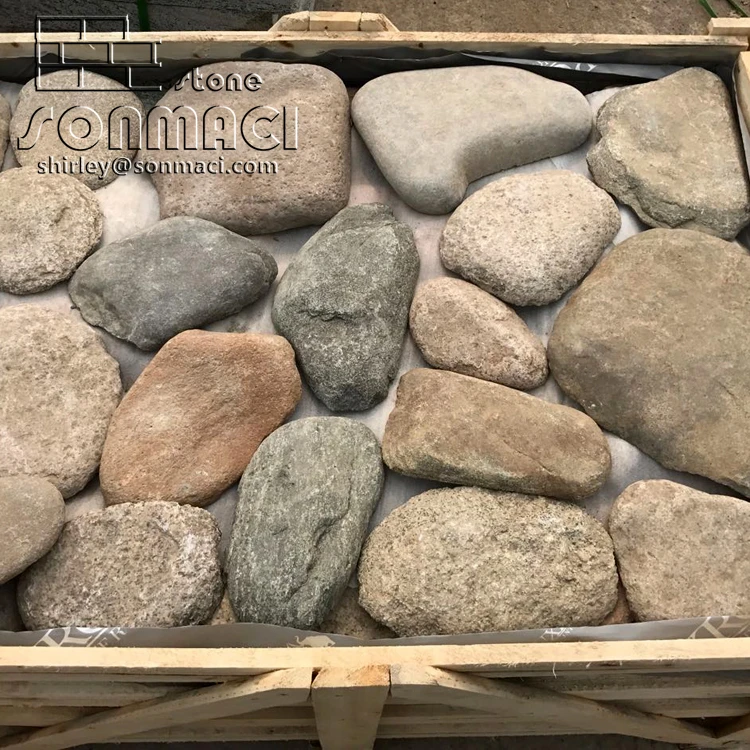
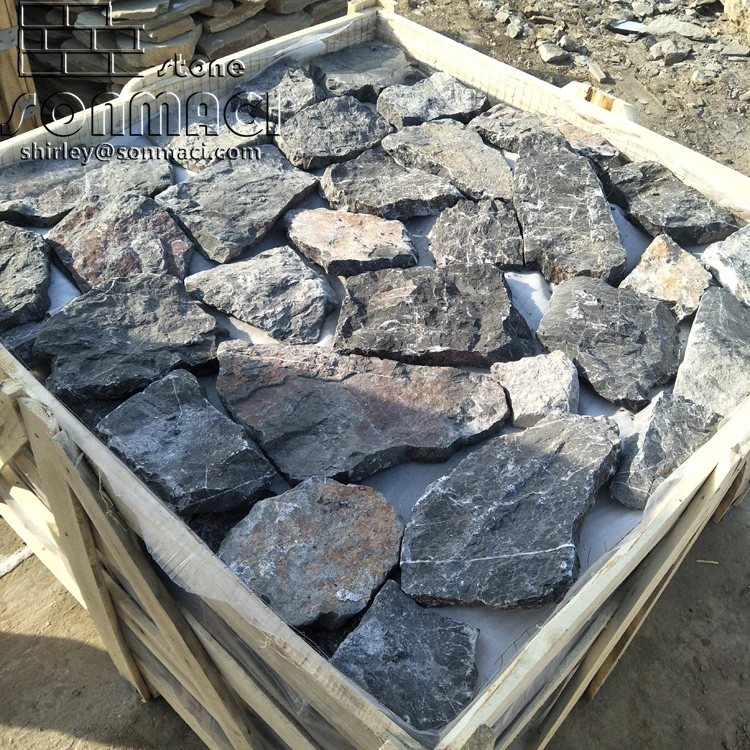
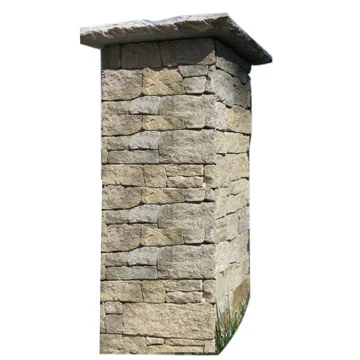
Simply put, a building veneer is the outermost layer attached to the structural walls of a building. It can be made of brick, stone, metal, wood, composite panels, or even glass. Unlike load-bearing walls, veneers mostly serve as a protective and decorative “skin” — think of it as a building’s coat of armor that also enhances thermal performance and sound insulation.
In humanitarian settings or fast-growing urban zones, these veneers can be prefabricated or modular, allowing quick assembly. They have become crucial in modern construction, especially for retrofitting older buildings with better energy efficiency or aiding quick, massive housing construction.
Key Factors in Building Veneers
Durability
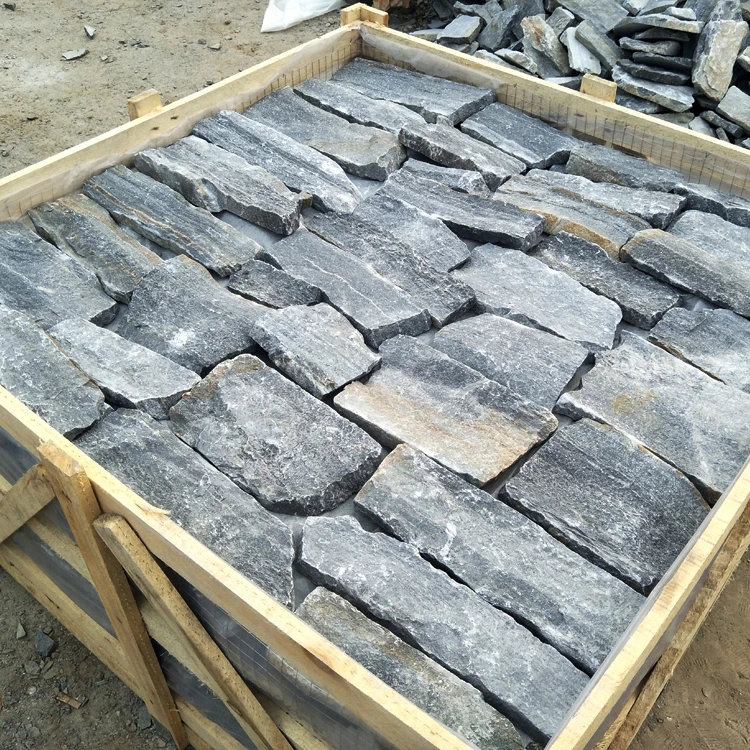
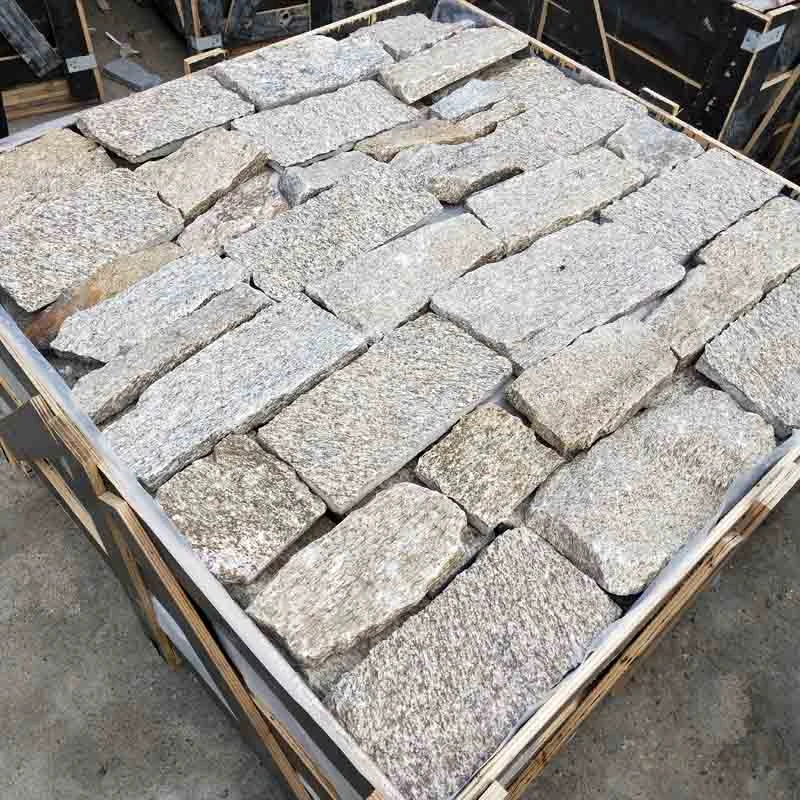
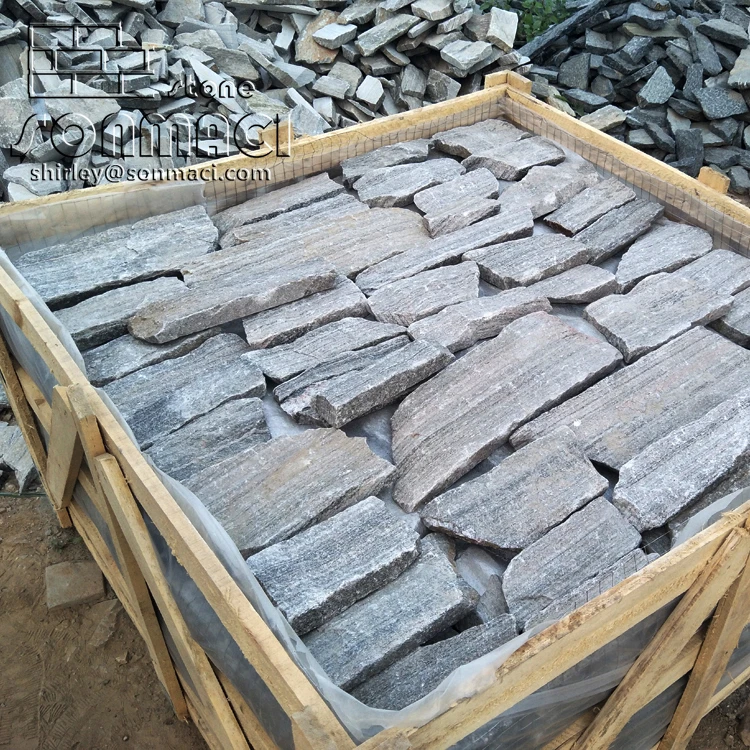
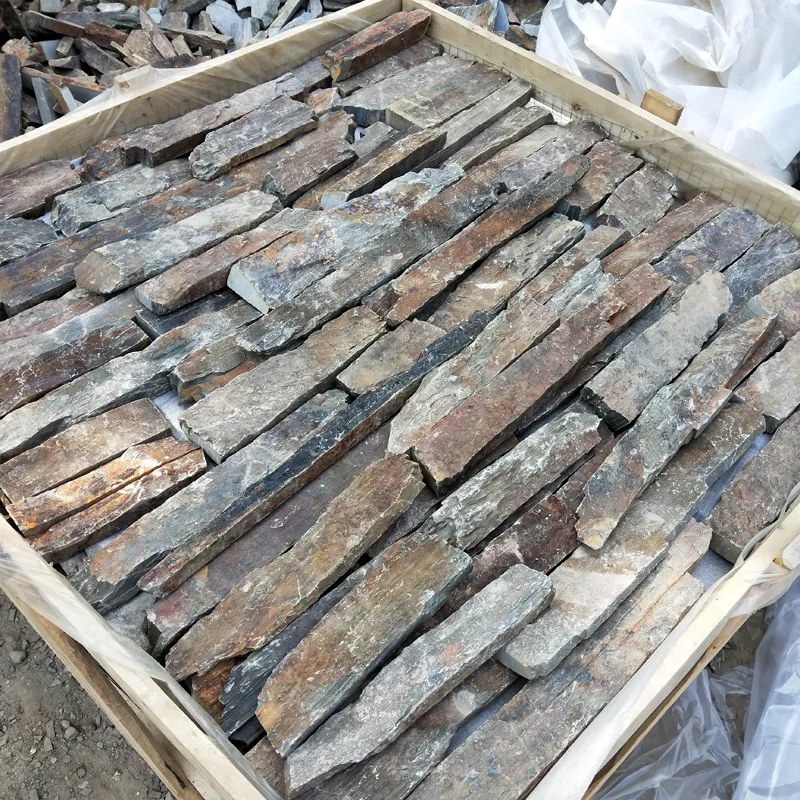
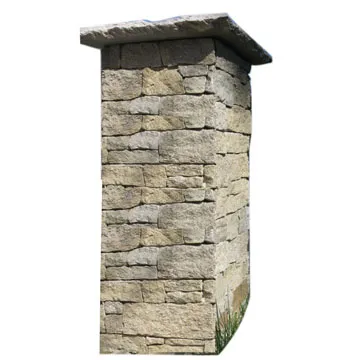
Not all veneers are created equal. Durability determines how well the material withstands weather, moisture, and time. Stone veneers are famously long-lasting but heavier and more expensive. Metal panels resist corrosion with proper coatings and are favored in industrial or coastal environments.
Thermal Efficiency
Energy codes worldwide push for better insulation, and veneers play a role. Some composite panels come with insulated cores that significantly reduce heat loss or gain, making buildings more economical to run.
Cost Efficiency
Budget-conscious projects often balance aesthetic appeal with price. Brick veneers offer traditional warmth at a moderate price, while newer materials can be cheaper but might require more frequent maintenance.
Scalability & Installation
Speed matters. Prefabricated veneers and panels enable rapid construction and reduce labor costs. In disaster recovery, this can mean the difference between months and years of waiting.
Customization and Aesthetic Appeal
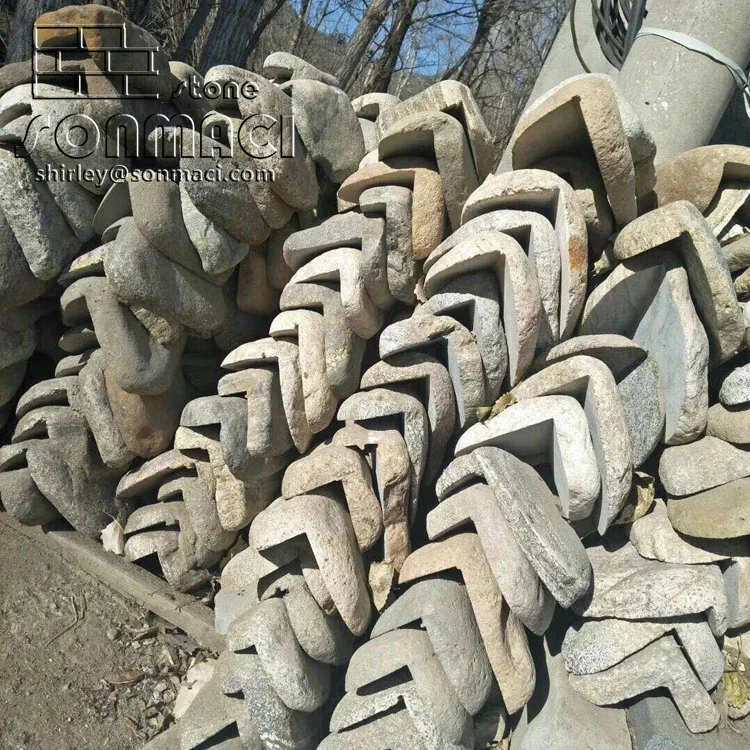
From rustic wood-look finishes to sleek metal surfaces, veneers are key to architectural expression. Many suppliers offer customizable patterns, colors, and textures to achieve almost any design vision.
Environmental Impact
Eco-friendly veneers are increasingly sought after. Materials with recycled content or those that are recyclable themselves help meet green building certifications (LEED, BREEAM).
| Material | Thickness (mm) | Thermal Conductivity (W/m·K) | Estimated Lifespan (Years) | Typical Cost ($/m²) |
|---|---|---|---|---|
| Brick Veneer | 90–100 | 0.6–1.0 | >50 years | 25–45 |
| Stone Veneer | 20–40 | 1.7–2.5 | >60 years | 50–75 |
| Metal Panel | 30–50 | 5.5–7.0 | 20–40 years | 30–60 |
| Composite Panels (Insulated) | 40–80 | 0.03–0.05 | 25–40 years | 40–70 |
Global Applications & Use Cases
Building veneers show up everywhere you’d expect — urban commercial towers, suburban homes, even industrial warehouses. But what’s interesting is how their use scales across sectors and geographies:
- Post-Disaster Relief: Modular veneer panels help NGOs construct shelters fast enough to house displaced families after earthquakes or floods.
- Rapid Urbanization in Asia: Affordable brick and stone veneers support millions of residential buildings in growing megacities without sacrificing style.
- Remote Industrial Zones: Corrosion-resistant metal veneers protect infrastructure in harsh climates, like oil facilities in Siberia.
- Retrofit and Green Renovations: Composite insulated veneers reduce energy bills and carbon footprints in Europe’s aging housing stock.
So you see, building veneers are more than just decoration; they’re key players in resilience and efficiency worldwide.
| Vendor | Material Range | Customization Options | Global Reach | Sustainability Certifications |
|---|---|---|---|---|
| StoneCo International | Natural Stone, Brick | Limited Patterns | Europe, Middle East | ISO 14001 |
| MetalWall Solutions | Aluminum, Steel Panels | High Color & Texture | North America, Asia | LEED, ENERGY STAR |
| EcoComposite Systems | Recycled Composite Panels | Fully Customizable | Global | BREEAM, FSC |
| BrickArtisans Ltd. | Traditional Bricks | Standard Colors | Asia, Africa | ISO 9001 |
Advantages and Long-Term Value
Sure, veneers add style — but their long-term value is just as impressive. Let’s break it down:
- Cost Savings Over Time: Properly chosen veneers reduce energy bills by improving insulation, so they pay for themselves.
- Environmental Responsibility: Using sustainable materials and reducing construction waste aligns with global climate goals (see ISO standards).
- Social Impact: Durable, weather-resistant veneers protect families and workers from the elements, improving health and wellbeing.
- Reliability: Minimal maintenance means buildings keep their integrity longer, increasing value for owners and investors.
There’s also the emotional side of it — a well-crafted veneer feels like care made visible, a trust signal from builder to occupant.
Future Trends & Innovations in Building Veneers
Looking ahead, the veneer world is buzzing with innovation. Here are some paths that stand out:
- Smart Veneers: Materials embedded with sensors to monitor structural health or regulate indoor temperatures.
- Green Materials: Biodegradable or carbon-sequestering veneers that actively reduce building carbon footprints.
- Digital Fabrication: 3D printed veneer components offering custom geometry and textures impossible before.
- Integration with Renewable Energy: Veneers that incorporate solar cells (building-integrated photovoltaics) to generate power.
All this means building veneers are evolving fast — no longer just passive coverings but active contributors to sustainability and smart infrastructure.
Challenges & Expert Solutions
Despite all this promise, there are hurdles:
- Cost Barriers: Some advanced veneers remain pricey, limiting adoption in lower-income regions.
- Maintenance Complexity: Especially for composite or metal veneers exposed to harsh climates, upkeep can be tricky.
- Installation Expertise: Poor installation leads to moisture ingress, reducing lifespan drastically.
- Supply Chain Constraints: Global shortages or tariffs can delay projects.
The solution? Greater training for local contractors, innovation in modular prefabrication, and multi-vendor sourcing strategies. Many engineers now emphasize designing with lifecycle cost in mind, not just upfront savings.
FAQ: Building Veneers Explained
- Q: How do building veneers improve energy efficiency?
- A: Building veneers, especially insulated composite panels, reduce heat transfer through walls, keeping indoor temperatures stable. This cuts heating and cooling costs, aligning with energy efficiency regulations.
- Q: Are stone veneers suitable for earthquake-prone areas?
- A: Stone veneers are heavier and can pose risks during seismic events unless engineered carefully with flexible attachments. Lightweight alternatives such as composite veneers are often preferred in such zones.
- Q: Can building veneers be customized to match historical architecture?
- A: Absolutely. Brick and stone veneer suppliers often offer custom colors and textures, making it possible to replicate traditional aesthetics alongside modern building standards.
- Q: What is the typical lifespan of metal panel veneers?
- A: With proper coatings and maintenance, metal panel veneers can last 20–40 years, making them cost-effective for industrial or commercial buildings.
- Q: How do NGOs procure prefabricated veneers internationally?
- A: NGOs often partner with manufacturers offering global shipping, use consolidated logistics, and comply with import regulations to deploy prefabricated veneers quickly in disaster zones.
Conclusion: Why Building Veneers Should Be Your Go-To
In the long run, mastering the right choice and application of building veneers pays dividends not just in looks but in comfort, sustainability, and cost savings. Whether you’re an architect, a builder, or just curious about construction, veneers unlock potential that’s both tangible and inspiring.
If you’re interested, I invite you to explore more on this topic and browse high-quality products at Sonmacistone. Your next project deserves the edge that the right veneer brings.
Mini takeaway: Even the thinnest building veneer has an outsized role in shaping how we live, work, and build for the future — a small detail powering big change.
References:
1. International Energy Agency – iea.org
2. ISO – Environmental Management Standards – iso.org
3. Wikipedia – Building Veneer – wikipedia.org