Comprehensive Guide to Exterior Building Stone: Properties, Applications & Trends
Understanding Exterior Building Stone: Durability Meets Design
At first glance, exterior building stone might seem like just another construction material, but it’s so much more. From ancient cathedrals to modern skyscrapers, stone’s role in architecture is both timeless and evolving. In the global context, understanding exterior building stone is crucial—not only for its aesthetic appeal but for sustainability, resilience, and cost efficiency. As cities grow and climate challenges mount, knowing the benefits and applications of natural or engineered stone on building exteriors can shape better choices worldwide.
Why Does Exterior Building Stone Matter Globally?
Globally, the construction industry consumes over 40% of raw materials (UN Environment Programme, 2021), and exterior finishes are central to buildings' longevity and energy performance. The choice of materials affects heat regulation, weather resistance, and even cultural heritage preservation. Exterior stone surfaces also reflect a region’s geological identity and can promote local economies through quarrying and manufacturing. Yet, challenges like urban pollution and climate change stress the demand for tougher, sustainable materials. Frankly, without good exterior stone solutions, buildings can wear down faster or miss opportunities for better energy savings.
What Is Exterior Building Stone?
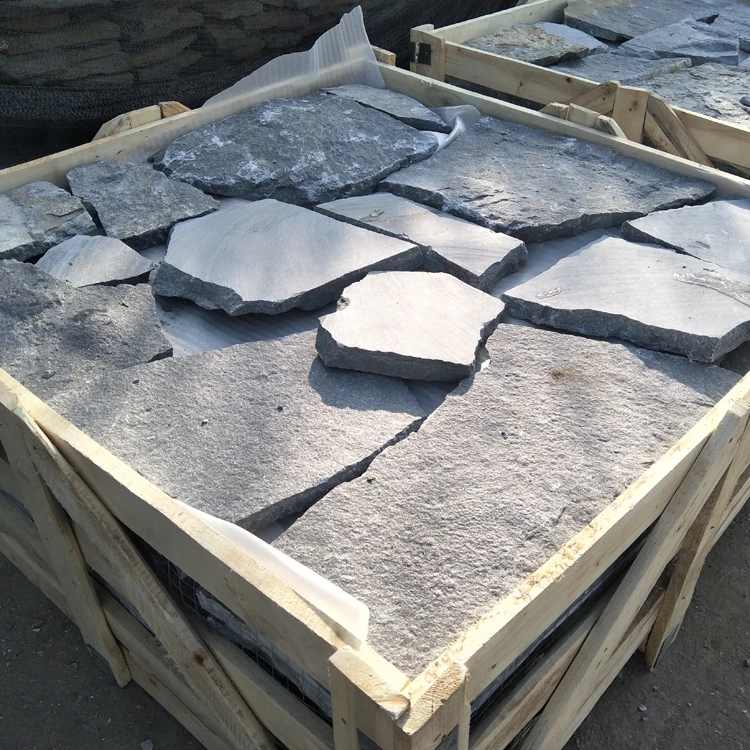
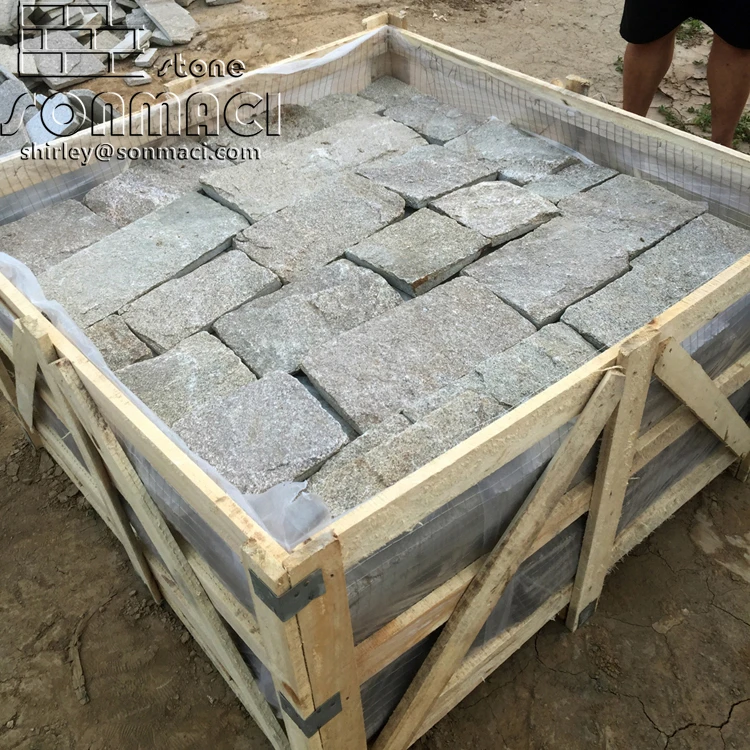
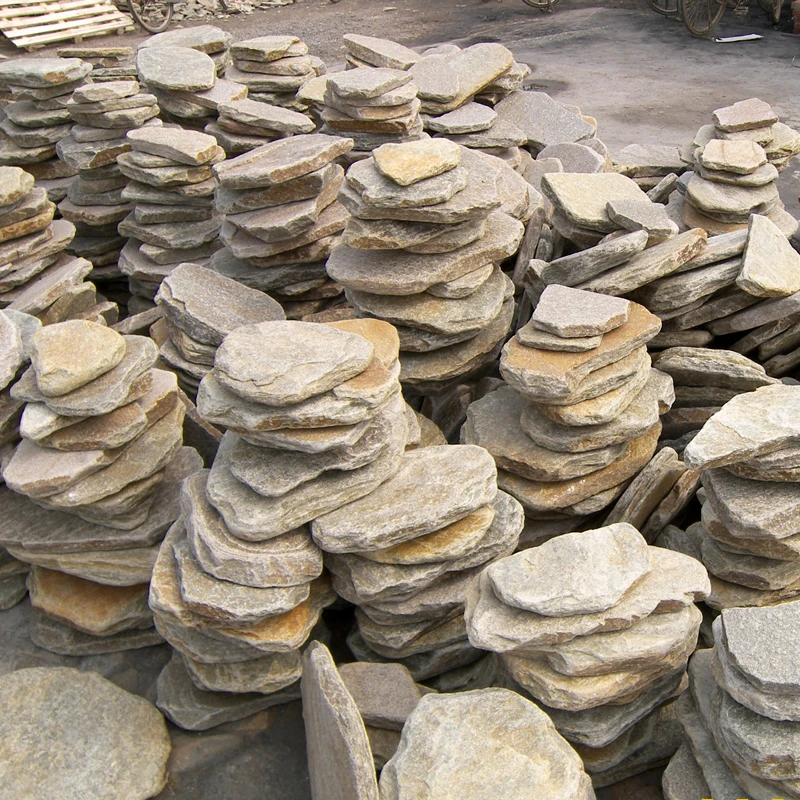
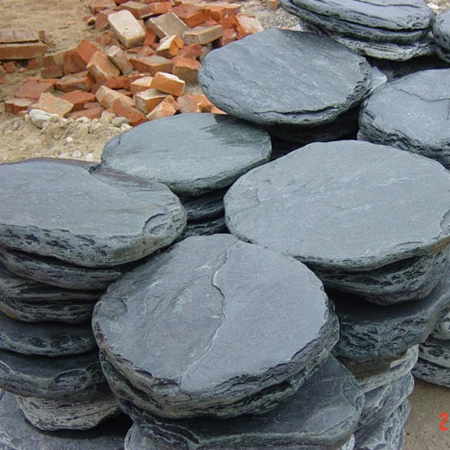
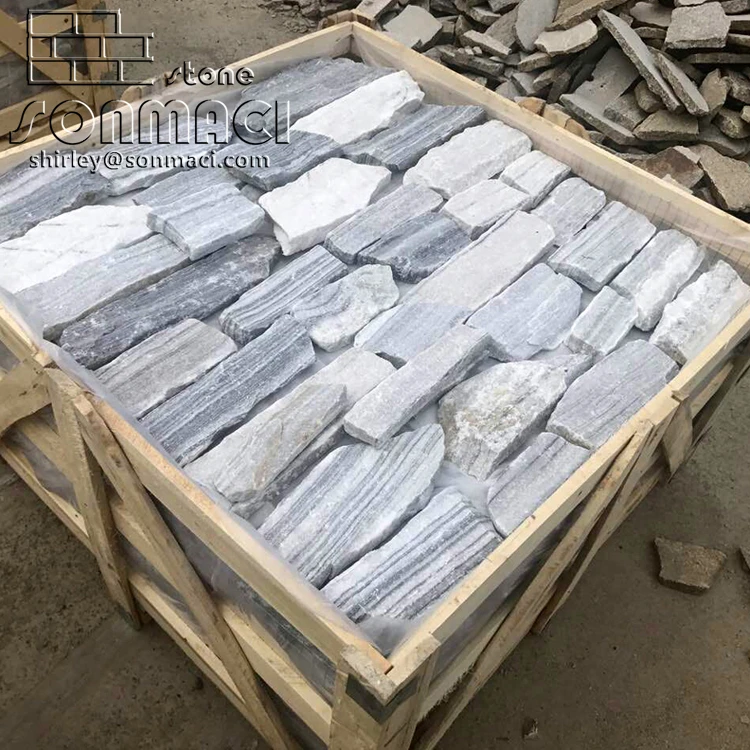
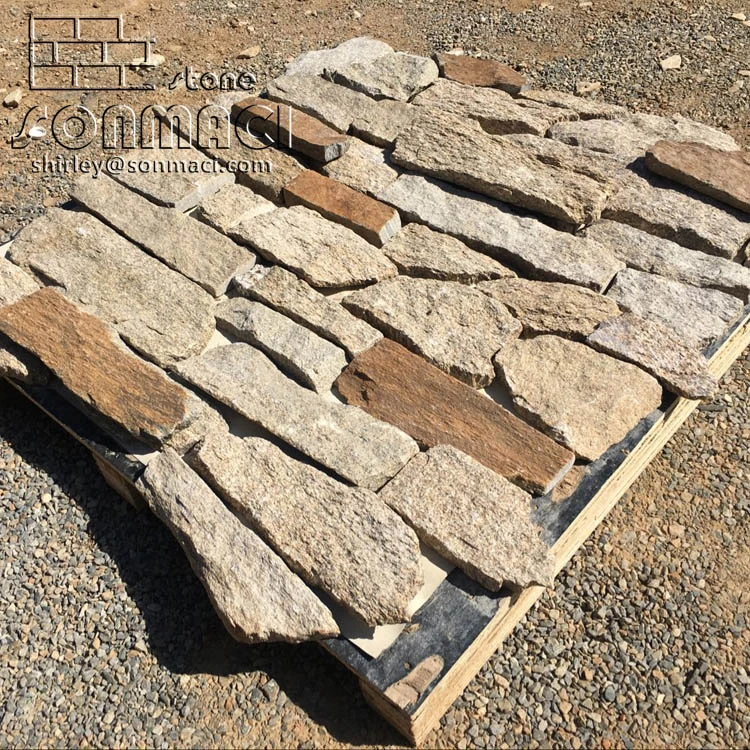
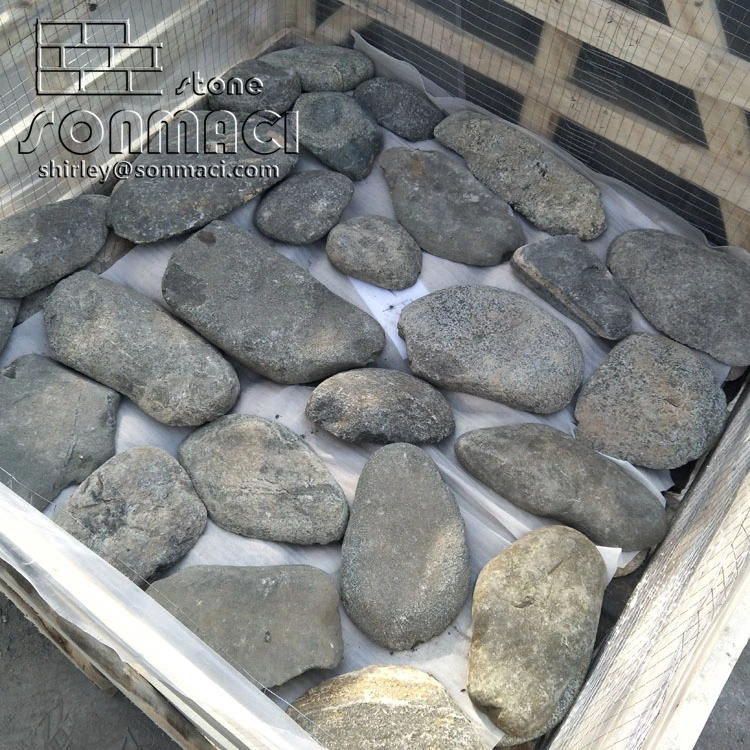
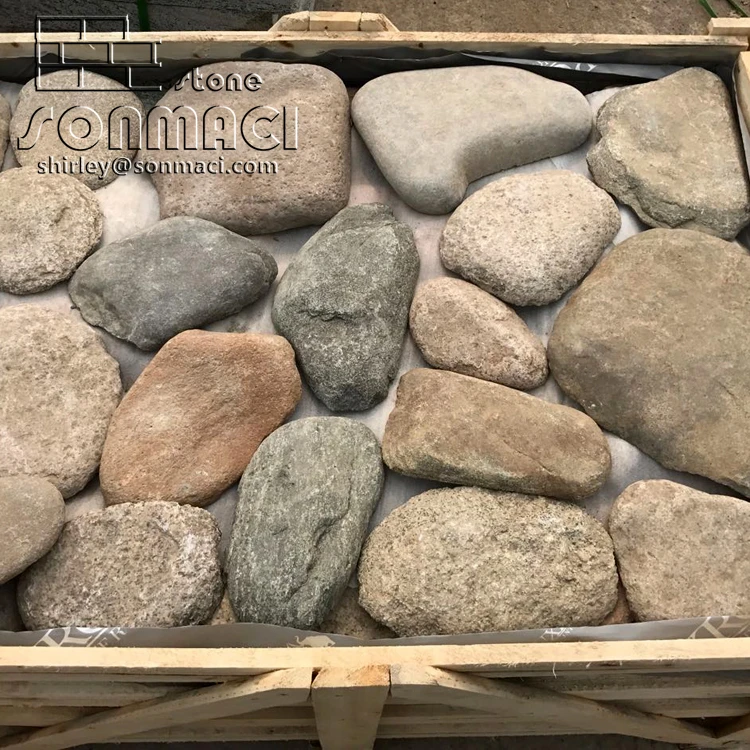
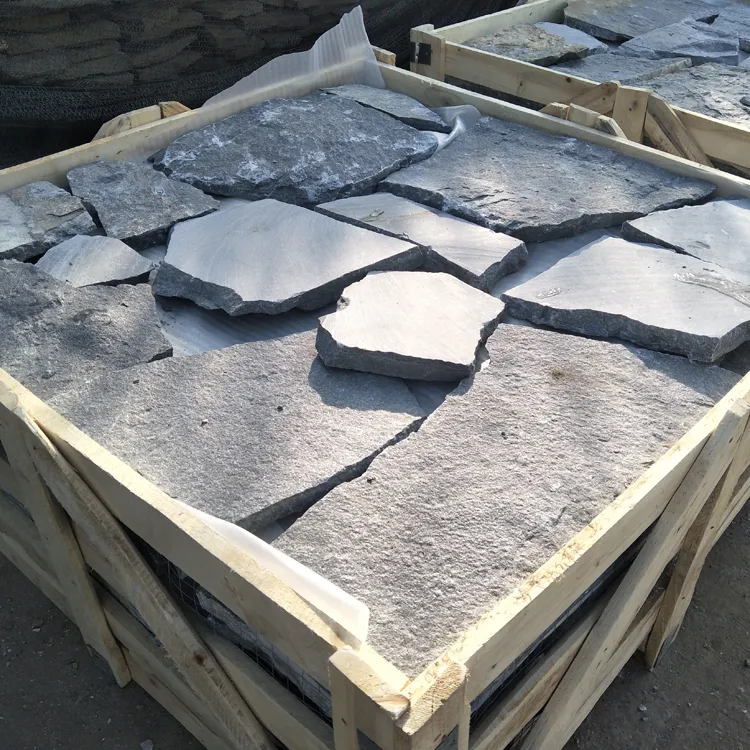
Simply put, exterior building stone refers to natural or processed rock materials specifically selected to clad or cover the outside surfaces of buildings. This might be granite, limestone, sandstone, or engineered stone composites. The key characteristics are durability against weather, fire resistance, and visual appeal. Importantly, it bridges architectural beauty with engineering demands. In humanitarian contexts, rugged yet affordable stone materials sometimes enable more stable shelter solutions in challenging environments.
Core Components of Exterior Building Stone
Durability
Stone’s natural toughness is what makes it ideal for the exterior facade. Resistant to erosion, UV fading, and temperature swings, the right stone endures decades—even centuries—without losing integrity.
Weather Resistance
From coastal salt air in Southeast Asia to freezing winters in Scandinavia, exterior stone must handle it all. This resistance helps minimize maintenance costs and protects interior structures over time.
Thermal Performance
Stone has a high thermal mass, meaning it can absorb, store, and slowly release heat. This slightly levels temperature spikes inside buildings, contributing to energy efficiency—especially when paired with modern insulation.
Aesthetic Versatility
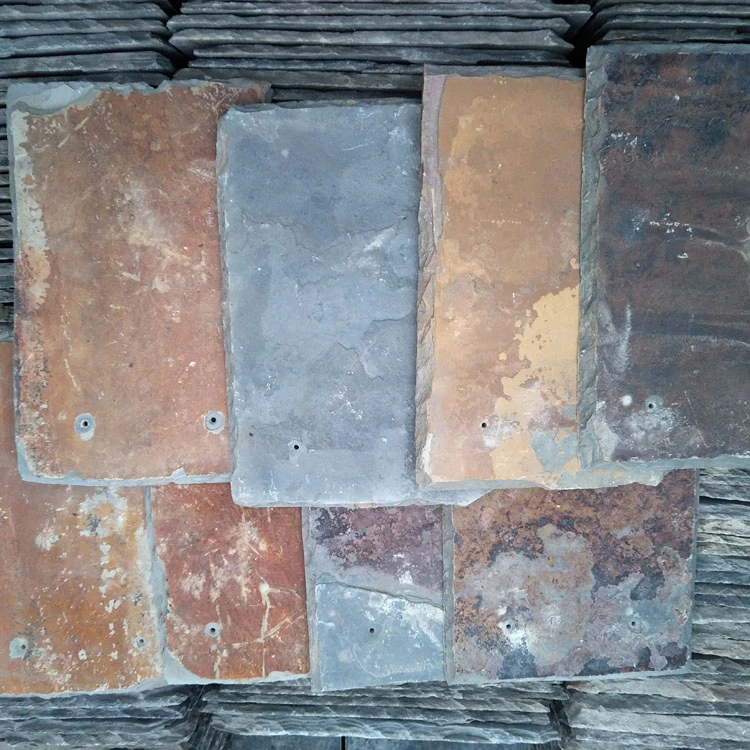
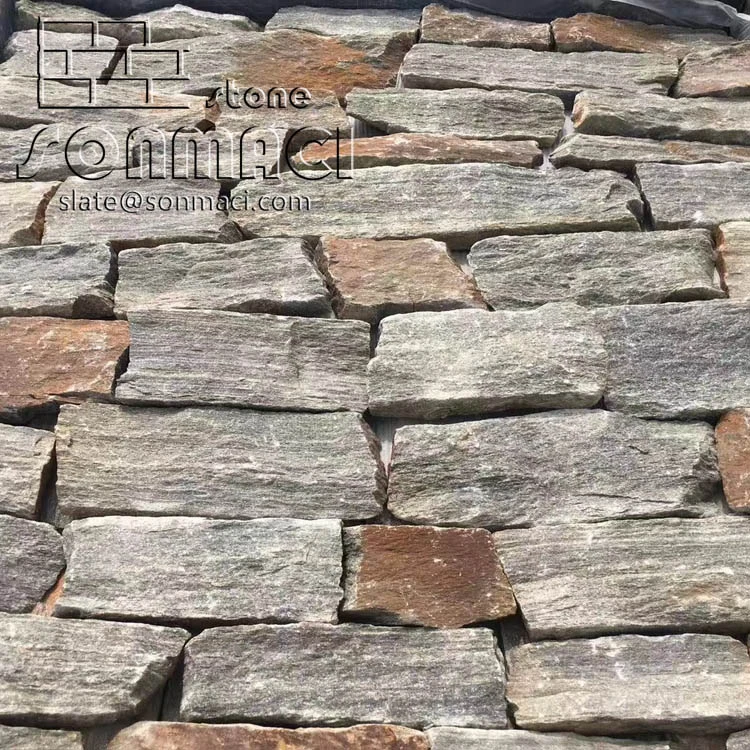
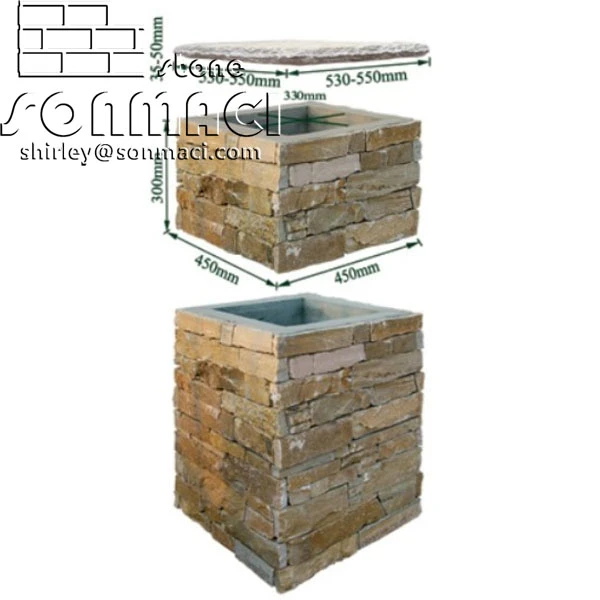
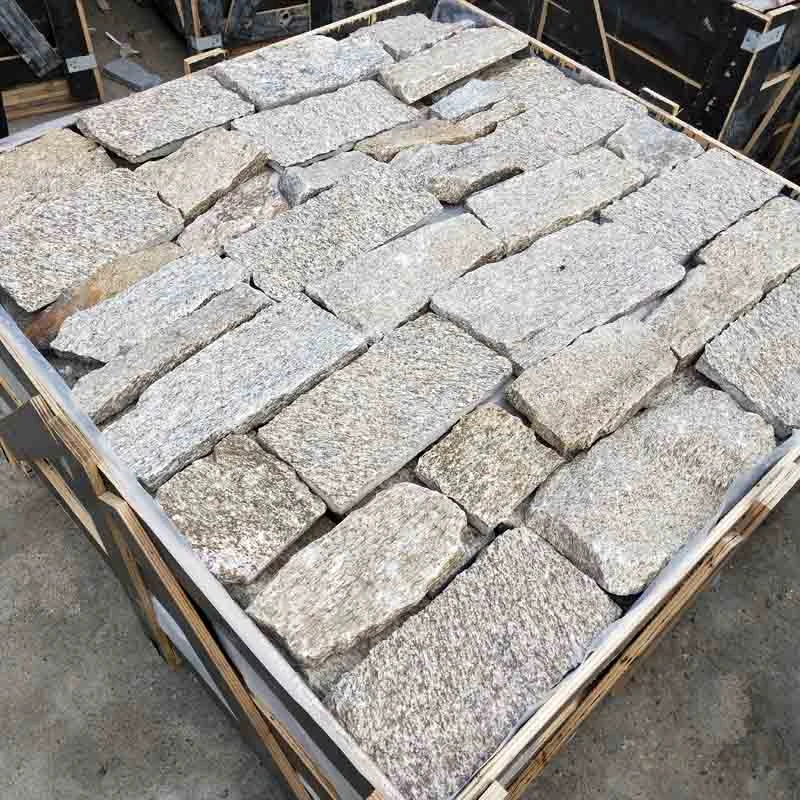
Exterior stone offers a range of textures, colors, and finishes, allowing architects to blend tradition with modernity. It’s why you’ll find it on everything from rustic cottages to sleek urban towers.
Cost Efficiency
While initial costs might be higher than alternatives like stucco or vinyl siding, stone often pays off through longevity and minimal upkeep. There’s less repainting, staining, or patching, which adds up over years.
Product Specification Snapshot
| Specification | Granite | Limestone | Sandstone |
|---|---|---|---|
| Density (kg/m³) | 2700 | 2200 | 2300 |
| Compressive Strength (MPa) | 130-240 | 30-250 | 40-170 |
| Water Absorption (%) | 0.4 | 1.5 | 1.0 |
| Typical Use | Commercial & high-traffic facades | Residential, historic restoration | Decorative wall cladding |
Global Applications & Use Cases of Exterior Building Stone
In practice, exterior building stone is everywhere but often silently admired. In Europe, centuries-old cathedrals use massive limestone blocks; in urban Asia, granite panels clad sleek office towers. Interestingly, humanitarian organizations sometimes opt for fast-procured stone panels in post-disaster rebuilding, lending a sense of permanence and dignity to shelters. In remote industrial zones—like mining camps in Australia or Canada—stone’s maintenance-free nature reduces costs and logistical hassle.
For a more specific example, look at exterior building stone products being adopted in Middle Eastern infrastructure projects—where extreme heat demands materials that won’t degrade or warp.
Vendor Offerings Comparison
| Vendor | Stone Types Available | Sustainability Certifications | Lead Time (weeks) | Customization Options |
|---|---|---|---|---|
| StoneCraft Ltd. | Granite, Marble, Limestone | ISO 14001, FSC | 4–6 | Color, Finish, Cut Size |
| EcoStone International | Engineered Stone, Sandstone | LEED, Cradle to Cradle | 6–8 | Patterns, Texture |
| Global Stone Works | Granite, Sandstone, Slate | ISO 9001 | 3–5 | Cut Precision |
Applications summary:
- Urban High-rises: Leveraging granite’s robustness
- Historic Preservation: Using limestone to replicate original textures
- Humanitarian Relief: Stone panel solutions for durable shelters
- Remote Industrial Camps: Low-maintenance sandstone cladding
Advantages & Long-Term Value of Exterior Building Stone
Okay, here’s the thing – when you think long term, few materials can compete with stone’s combination of strength, resistance, and sheer timelessness. There's a psychological angle here too: stone on a building’s exterior inspires trust and permanence. It feels safe, reliable, and somehow dignified.
From a sustainability standpoint, natural stone, especially locally sourced, often has a much lower embodied carbon footprint than synthetic alternatives. This makes it a smart choice for green building certifications. Plus, its thermal properties can help reduce heating or cooling demands year-round, which though sometimes overlooked, add up in energy savings.
Looking Ahead: Future Trends in Exterior Building Stone
Oddly enough, the future of exterior building stone isn't just about quarrying but innovating. Smart facades that combine stone with embedded sensors and solar materials are gaining traction. Digital fabrication technologies like CNC cutting allow unprecedented customization, reducing waste. Policies are also steering sourcing toward certified sustainable quarries. On top of that, engineered stone composites are evolving—aimed at matching natural aesthetics while improving weather resilience and reducing weight.
Challenges & Solutions
Nevertheless, there's no perfect material. Stone’s weight presents transportation and installation challenges, especially in high seismic zones. Weathering, while slow, can still cause discoloration or moss growth if not treated or maintained properly. Cost remains higher than some alternatives.
Innovative solutions are emerging, such as lightweight stone veneer panels, hydrophobic sealants that extend stone life, and modular design approaches that speed installation. Many engineers recommend hybrid systems to achieve a balance between performance and cost.
FAQ: Frequently Asked Questions About Exterior Building Stone
- Q1: How long does exterior building stone last on average?
- A1: Properly installed and maintained, natural stone facades can last over 100 years. Granite tends to be among the most durable, while softer stones like limestone may require periodic restoration.
- Q2: Is exterior stone cladding suitable for all climates?
- A2: Generally yes, but specific stone types perform better in certain conditions. For instance, granite resists freezing-thawing cycles well, while sandstone suits dry, warm climates better. Consultation with material experts is recommended.
- Q3: What maintenance does exterior building stone require?
- A3: Maintenance is usually minimal but includes cleaning to remove dirt and pollutants and occasional sealing to prevent moisture ingress depending on stone type and environment.
- Q4: Are there eco-friendly exterior stone options?
- A4: Absolutely. Locally sourced natural stones with sustainability certifications reduce environmental impact. Engineered stone products may also offer recycled content and lower carbon footprints.
- Q5: Can exterior stone help with energy efficiency?
- A5: Yes. Stone’s thermal mass helps moderate interior temperature swings, reducing heating and cooling energy use when combined with adequate insulation and design.
Wrapping It Up: Why Exterior Building Stone Still Matters
In the end, exterior building stone is not just a source of strength and style. It embodies a bridge between heritage and innovation, permanence and sustainability. Its use offers tangible benefits: long-term cost savings, energy efficiency, and unmatched aesthetic appeal. If you’re involved in architecture, design, or construction, this is a material worth understanding deeply. For more insights or quotes, feel free to visit our website.