Durable Dry Stone Walling Supplies for Sustainable Construction | Sonmacistone
Understanding Dry Stone Walling Supplies: Timeless Craft Meets Modern Needs
Dry stone walling supplies might at first sound like something niche or old-fashioned, but the reality is a bit richer and far more significant globally than you might expect. This ancient craft, which involves stacking stones without any mortar or cement, has survived centuries because of its inherent strength, sustainability, and versatility. Today, understanding dry stone walling supplies isn’t just for heritage restorers or countryside landscapers — it resonates deeply with modern construction projects, ecological preservation efforts, and even humanitarian infrastructure in developing or disaster-hit regions.
Globally, aging infrastructure and increasing awareness of sustainable materials have pushed traditional stone craftsmanship back into the spotlight, particularly with materials that are weather-resistant, locally sourced, and low impact. Plus, as communities seek more eco-friendly construction practices, dry stone techniques bridge a gap between old wisdom and modern needs.
Why Dry Stone Walling Supplies Matter Worldwide
Around the world, dry stone walls are valued for their environmental benefits and resilience. The United Nations’ Sustainable Development Goals (UN SDG 11 and 15) emphasize sustainable infrastructure and land conservation, making the use of dry stone techniques and their supplies particularly apropos. For example, dry stone walls don't require cement, which is a significant emitter of CO2 during production. Also, by using local stone, communities reduce the carbon footprint associated with heavy transport.
Yet, a problem persists: finding quality dry stone walling supplies that meet safety, durability, and scalability demands. Many builders struggle with supplies that either don’t fit traditional specifications or fail under modern load requirements. So addressing this supply gap is critical for expanding dry stone walling’s benefits beyond its historic foothold.
What Exactly Are Dry Stone Walling Supplies?
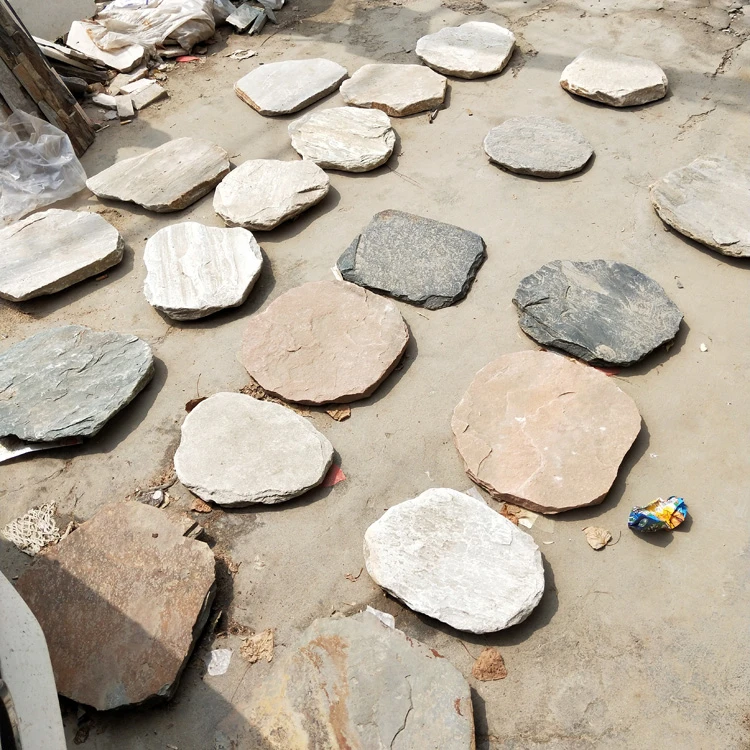
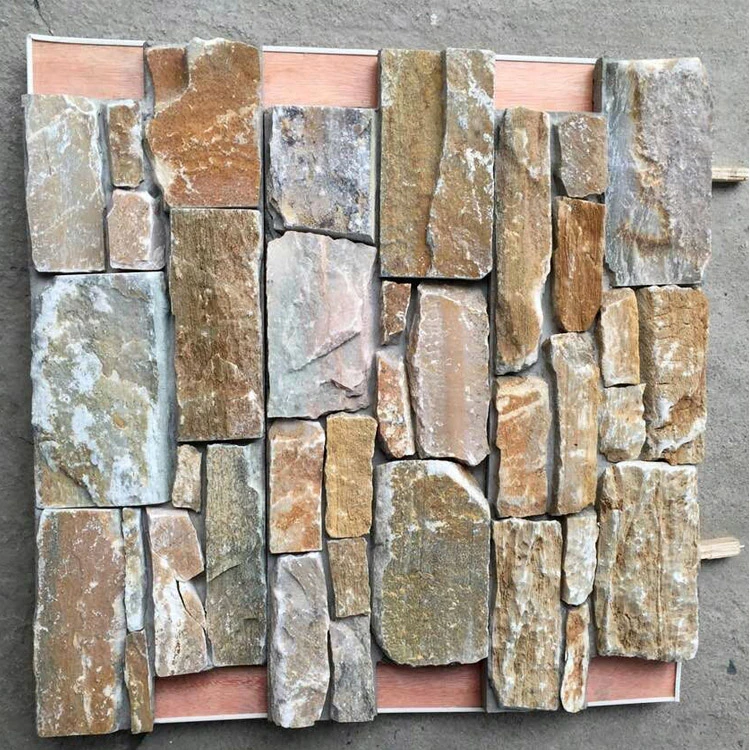
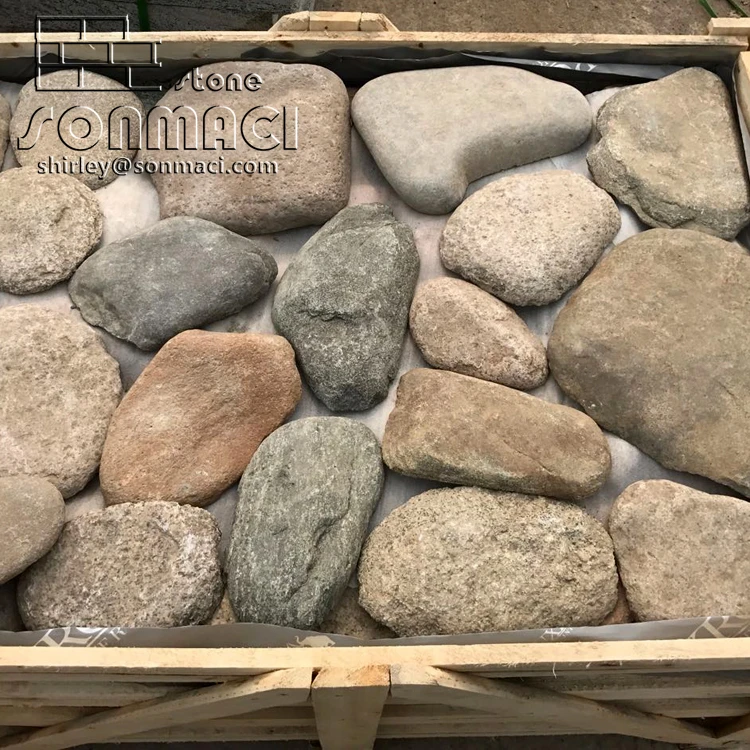
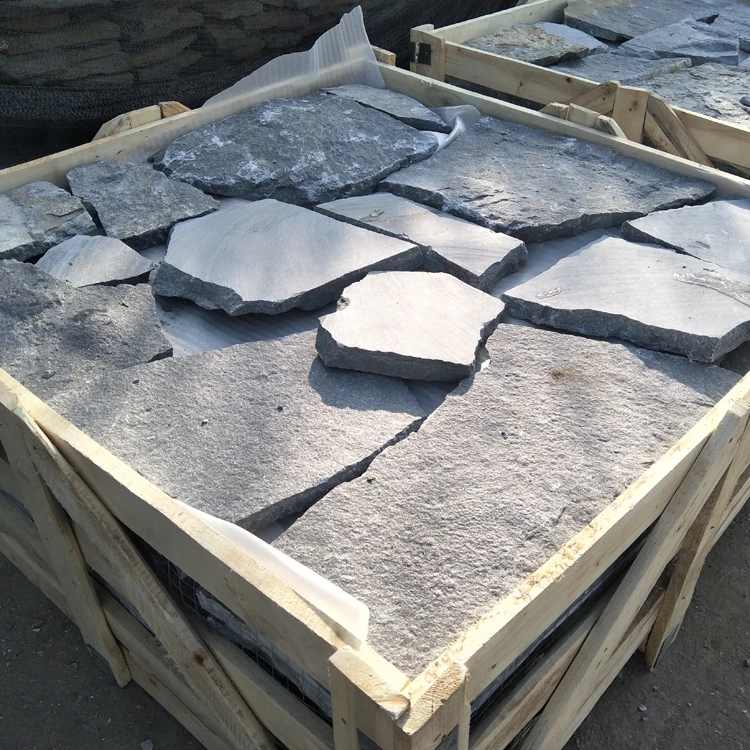
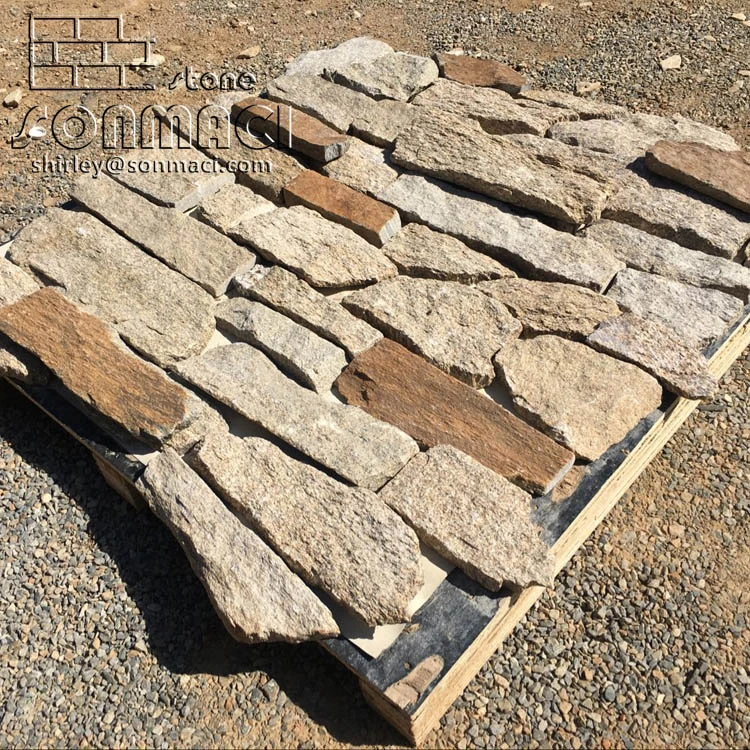
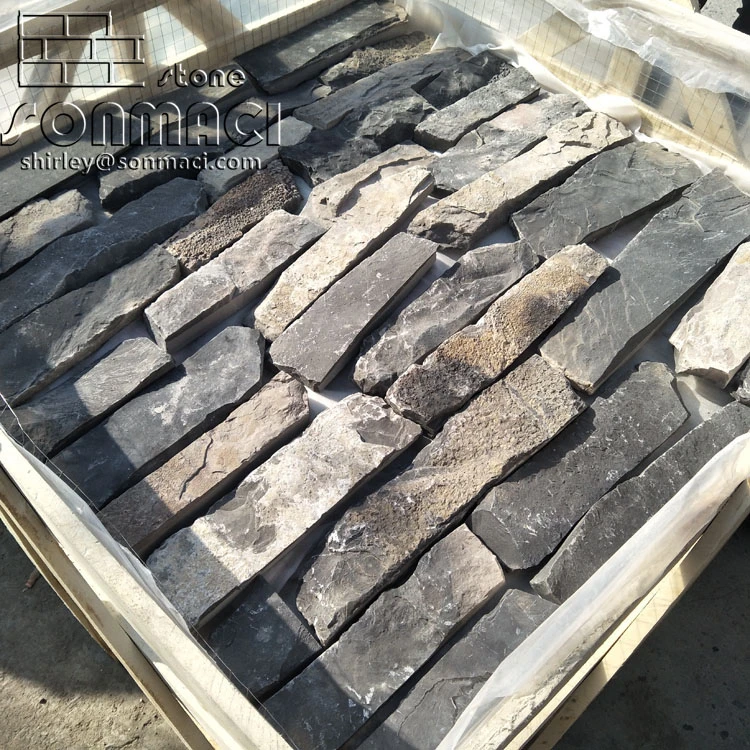
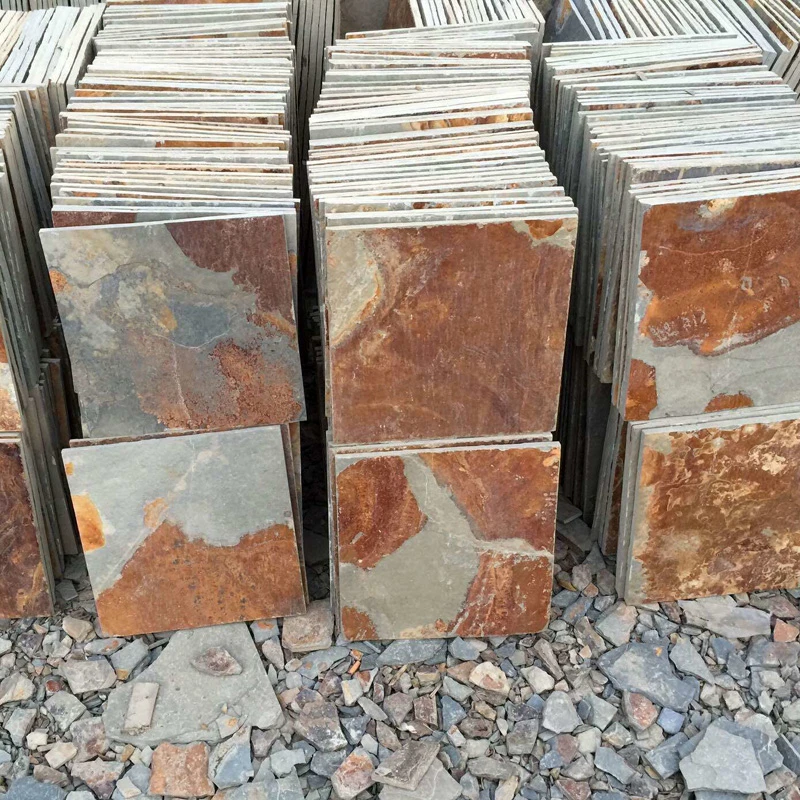
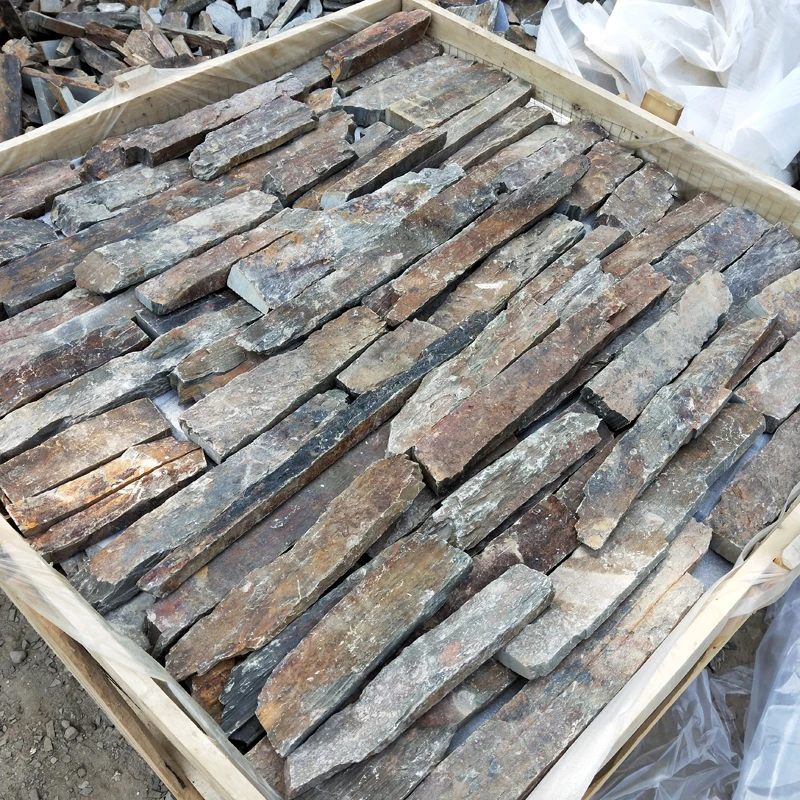
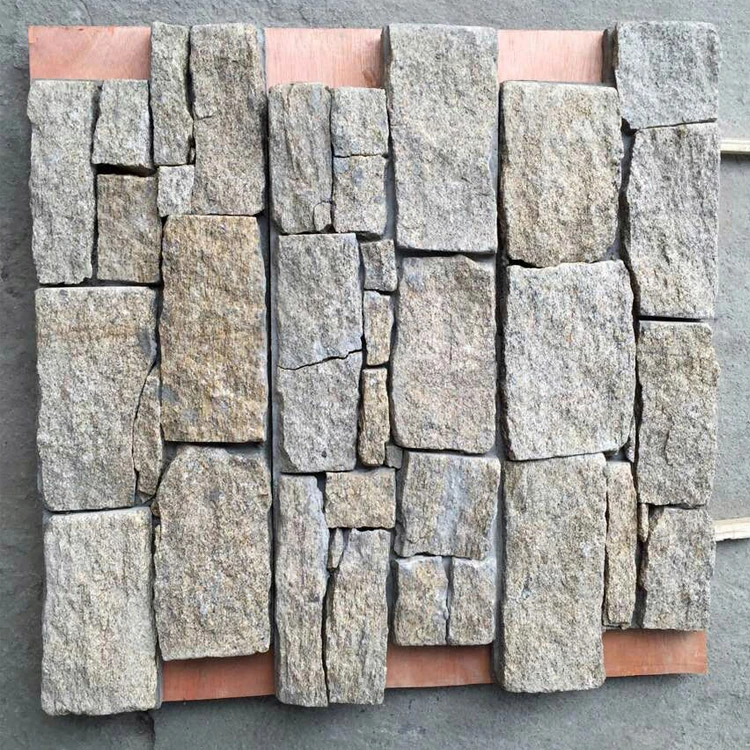
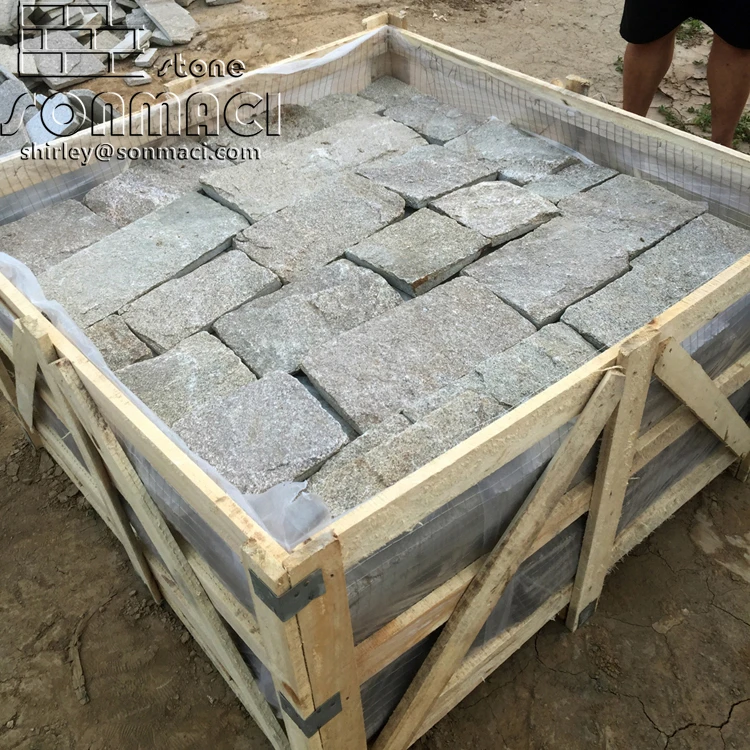
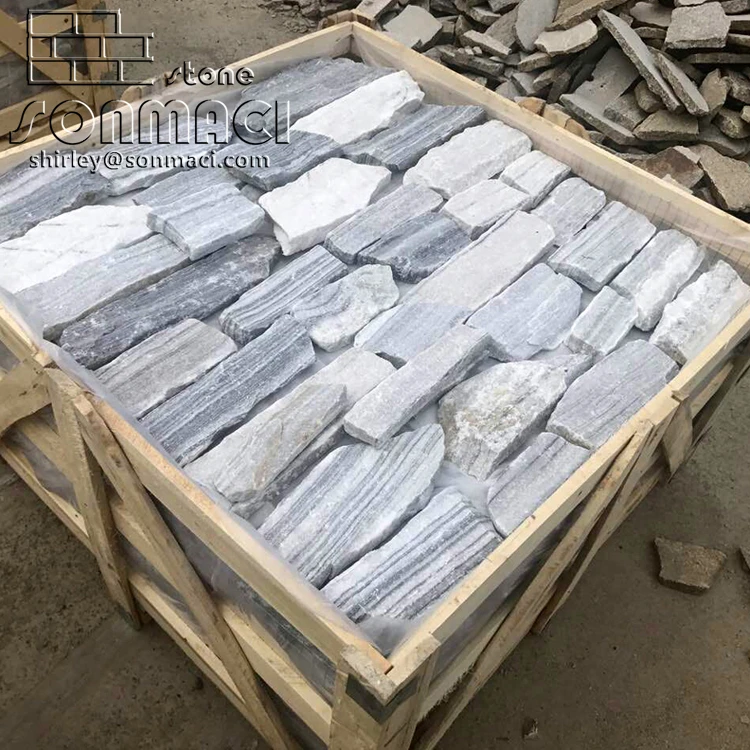
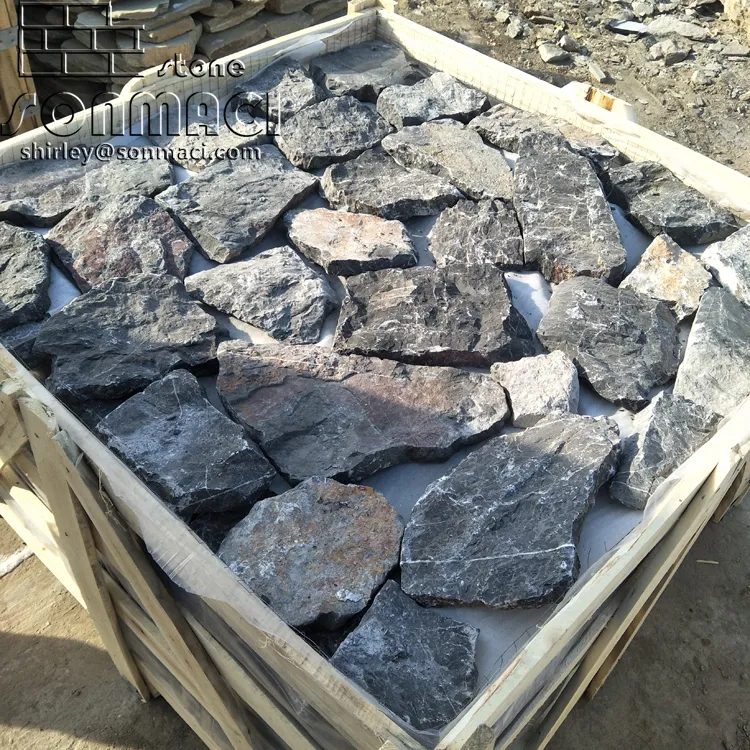
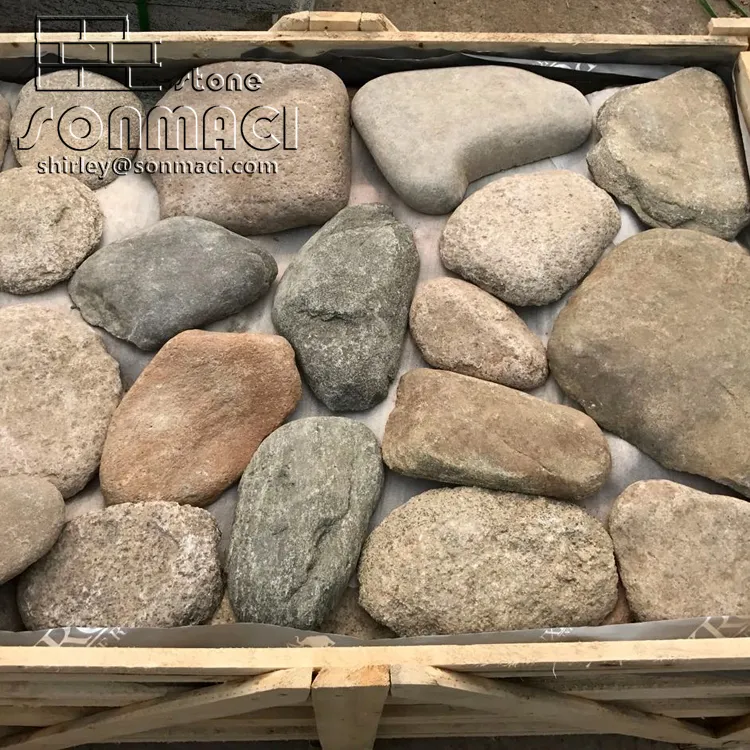
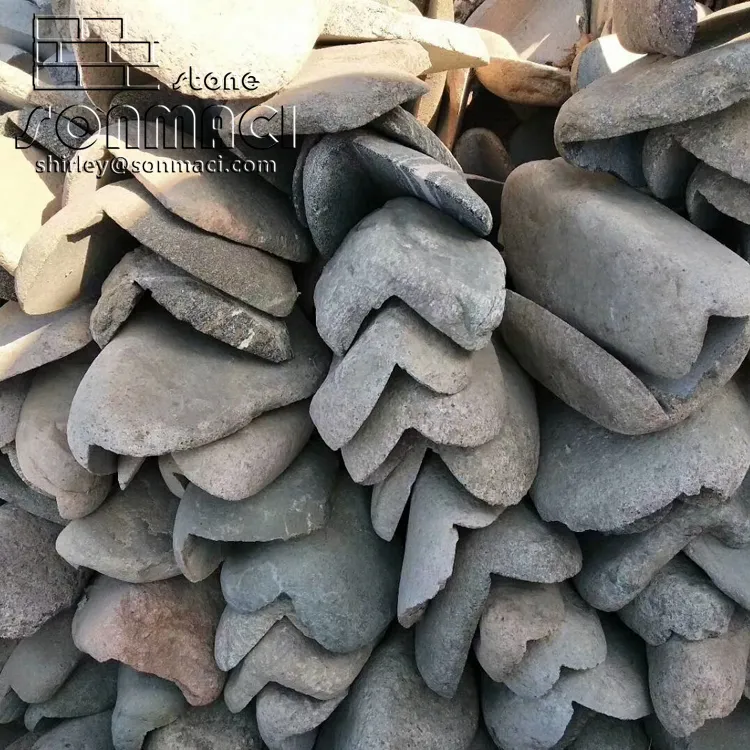
Simply put, dry stone walling supplies are the materials and tools used to construct walls by carefully placing and interlocking stones without mortar. This includes approved stone types that provide structural integrity, the often underappreciated chinking stones that fill gaps, and supportive tools like stone hammers, chisels, and string lines for straight edges.
So while it sounds straightforward, the right supplies must meet some pretty strict standards in shape, size, weight, and durability to ensure the finished wall is stable and long-lasting.
And though its roots are ancient, dry stone walling is relevant in modern industry — civil engineering projects use dry stone retaining walls for hillside stabilization, while environmental NGOs often employ dry stone techniques to manage erosion sustainably and improve habitat connectivity.
Core Components That Make Dry Stone Walls Work
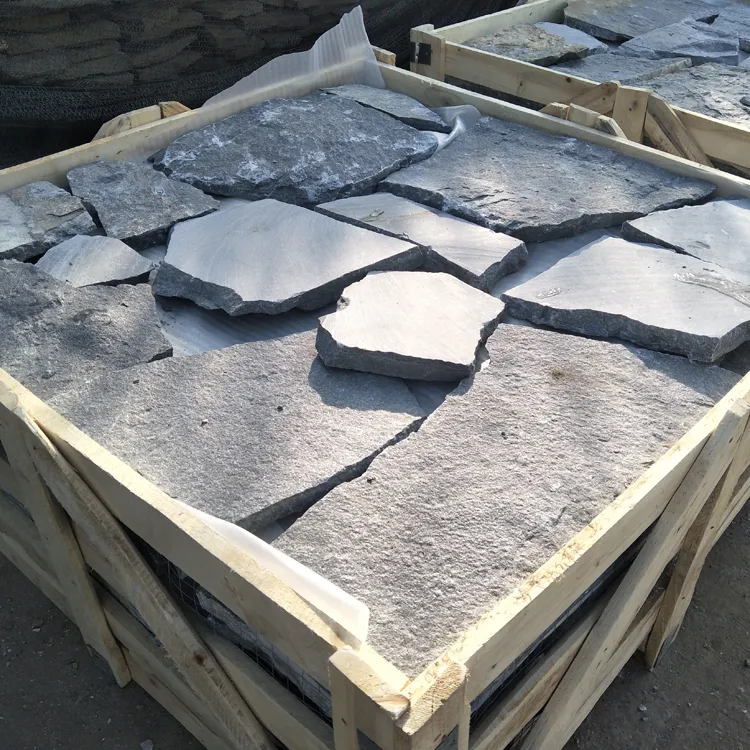
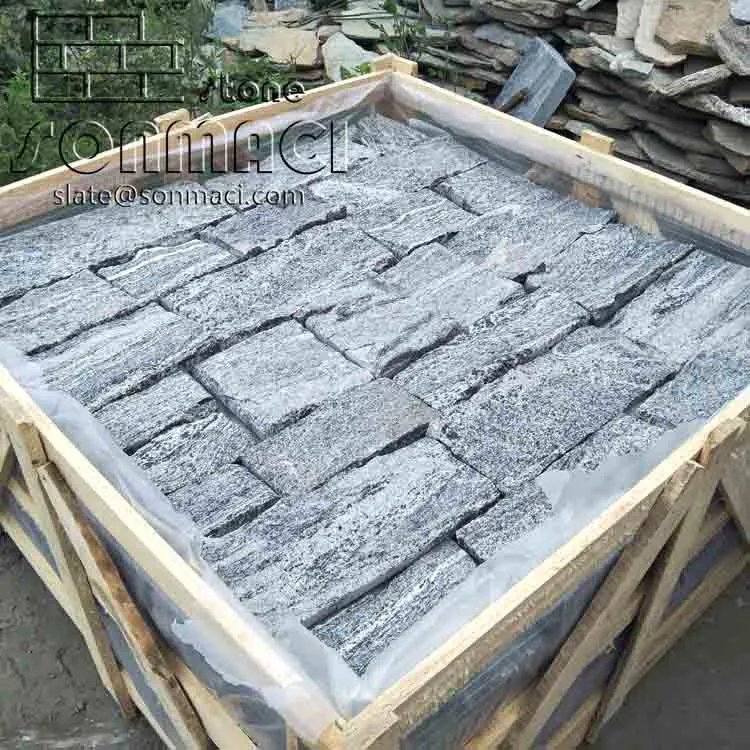
- Durability: Stones must be weather-resistant and structurally sound, typically granite, limestone, or sandstone, chosen according to climate and function.
- Precision Size & Shape: The stones need to fit snugly, minimizing gaps without cement. Irregular but interlocking shapes are prized!
- Supply Accessibility: Local sourcing reduces costs and environmental impact – often a crucial factor for remote communities.
- Tools & Supporting Materials: From chisels to levels, every bit counts for wall longevity and appearance.
- Skilled Craftsmanship: Even with the best supplies, the skill of the waller decides the fate.
So when you're shopping for dry stone walling supplies, just grabbing any stone won’t cut it. It’s this careful selection and the right ancillary tools that elevate a pile of rocks to a structure that resists weather, strain, and time.
Real-World Applications and Use Cases
You see dry stone walling supplies popping up in all kinds of projects worldwide — from rural land boundaries in the UK to hillside terraces in Nepal. In Ireland and Scotland, centuries-old stone fencing marks farmlands and serves as wildlife corridors. The design and supplies directly impact longevity and environmental integration.
Oddly enough, in the rocky terrain of arid regions like the Australian Outback, dry stone walls help with water management and soil erosion control. Governments and NGOs have been incorporating dry stone techniques, combining traditional supplies with modern quality tests, to fortify infrastructure in disaster-prone areas.
Here's a quick tabulation highlighting typical product specifications for dry stone walling supplies in commercial projects:
| Specification | Typical Value | Notes |
|---|---|---|
| Stone Type | Granite, Limestone, Sandstone | Depends on local geology |
| Stone Size Range | 15–40 cm diameter (irregular shapes) | For stability and aesthetic |
| Moisture Content | Usually dry | Prevents wall weakening |
| Tools Included | Masonry hammers, wedges, chisels, string lines | Essential for skilled construction |
Mini takeaway: Genuine dry stone walling supplies blend material science with craftsmanship — the quality of stones and their fit are as important as the hands building the wall.
Vendor Comparison: Navigating the Market for Dry Stone Walling Supplies
If you’re hunting for suppliers, here’s roughly how some leaders stack up. Many manufacturers claim to offer “dry stone quality” stones, but there's a gap between marketing and reality. Little factors — like delivery logistics, certification, and technical support — can make all the difference.
| Vendor | Stone Range | Pricing | Certifications | Support & Training |
|---|---|---|---|---|
| Sonmacistone Ltd. | Granite & Sandstone Varieties | Mid-range, volume discounts | ISO 9001, Environmental Protocols | On-site training available |
| Stonemaster Supplies | Primarily Limestone | Budget-friendly, smaller batches | Limited external certification | Basic online resources |
| Heritage Rockworks | Wide range, including Sandstone & Granite | Premium pricing | ISO & Heritage Trust Certifications | Consultation and workshops |
Why Choose Dry Stone Walling Supplies? The Lasting Benefits
Frankly, the advantages go beyond just aesthetics. Dry stone structures breathe. They allow subtle water drainage, reducing hydrostatic pressure — making them ideal for retaining walls and erosion control. And since no mortar is used, repairs are simple: just reposition or replace stones without costly demolition.
From an emotional angle, communities often take pride in walls built this way — it represents a connection to heritage, local geology, and sustainable practices. It’s a trust built stone by stone, literally.
Future Trends: Technology Meets Tradition
The future of dry stone walling supplies is unexpectedly high-tech. Innovations in 3D scanning and digital modeling optimize stone selection and placement. Emerging eco-certifications ensure all supplies meet strict environmental standards. Meanwhile, some manufacturers are experimenting with engineered stone composites designed to keep the dry stone aesthetics but with enhanced strength and lighter weight.
Automation? It seems counterintuitive for such a hands-on craft, but I noticed pilot projects testing robotic arms that sort and position stones under human supervision—perhaps a few decades from now there’ll be a harmonious blend of tradition and machine precision.
Common Challenges and How to Solve Them
There are hurdles, no doubt. Finding stones that perfectly match the local environment and structural needs is tricky, and transport logistics can add hidden costs. Plus, skilled labor shortages threaten project scale-ups. But solutions are emerging — like mobile training units dispatched by leading suppliers and collaborative networks sharing locality-specific sourcing data online. Also, hybrid dry stone walls integrating hidden reinforcement rods can increase load-bearing for infrastructure needs while maintaining appearances.
FAQ: Frequently Asked Questions About Dry Stone Walling Supplies
- Q: How do I choose the right type of stone for my dry stone wall?
A: Consider factors like local geology, wall purpose (retaining or boundary), and exposure to elements. Granite and sandstone offer high durability, while limestone is easier to shape. Local suppliers often provide guidance matching stones to your conditions. - Q: Are dry stone walls suitable for modern construction?
A: Absolutely. Dry stone walls are commonly used in landscaping, erosion control, and even retaining walls in civil engineering projects thanks to their strength, drainage, and sustainability. - Q: Can dry stone walling supplies be sourced sustainably?
A: Yes, especially when stones are locally quarried with low environmental impact. Look for vendors with ISO or environmental certifications that prioritize sustainable extraction. - Q: What tools are essential for dry stone walling?
A: At minimum, stone hammers, chisels, wedges, and string lines for alignment. Some projects might also use levels and plumb bobs. Training on correct tool use improves wall durability. - Q: How long can a dry stone wall last?
A: Many ancient walls have lasted hundreds of years, and properly built modern walls can easily last decades with minimal maintenance.
Wrapping Up: The Timeless Appeal of Dry Stone Walling Supplies
So: investing in quality dry stone walling supplies isn’t just about stones. It’s about sustainability, community ties, and building structures that are both functional and beautiful. The balance between tradition and innovation is delicate but rewarding. Next time you consider landscaping or infrastructure projects, give dry stone walling some real thought–it’s more than just rocks.
To explore curated and certified dry stone walling supplies, visit our website: https://www.sonmacistone.com, where craftsmanship and quality meet modern needs.
References:
1. Wikipedia: Dry stone wall
2. United Nations Sustainable Development Goals - https://sdgs.un.org/goals
3. ISO 9001 Quality management systems - https://www.iso.org/iso-9001-quality-management.html