Stone Mosaic Wall Tiles: Durable & Aesthetic Solutions for Industrial Use
Stone Mosaic Wall Tiles: A Practical Look from the Industrial Side
Having spent quite a few years navigating the ups and downs of the industrial equipment world, I can tell you that stone mosaic wall tiles are one of those materials that quietly transform spaces without much fanfare. Oddly enough, they combine rugged durability with artistic flair—something that doesn’t happen very often in industrial materials.
Now, you might wonder why an equipment veteran like me would care much about wall tiles. Well, in real terms, many of us end up involved in projects where aesthetics meet heavy-duty use—like commercial kitchens, upscale retail spaces, or even industrial lobbies. That’s where stone mosaic wall tiles prove invaluable.
Material and Design Insights
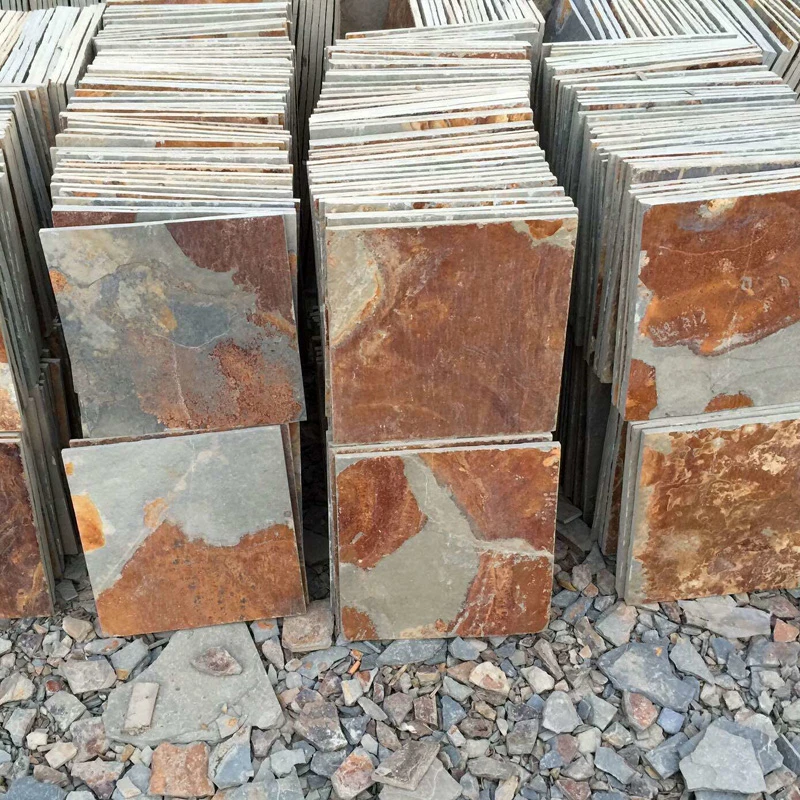
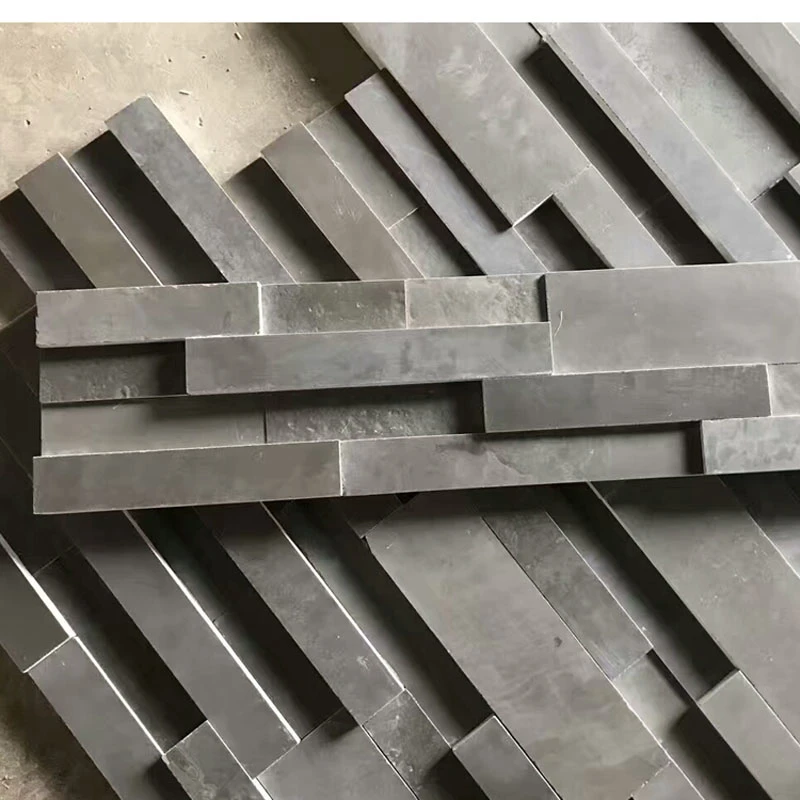
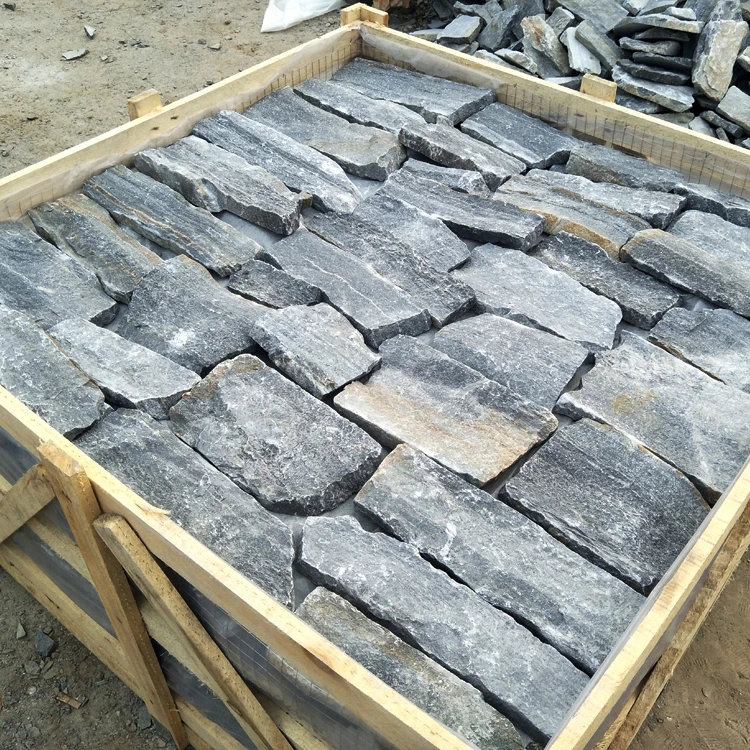
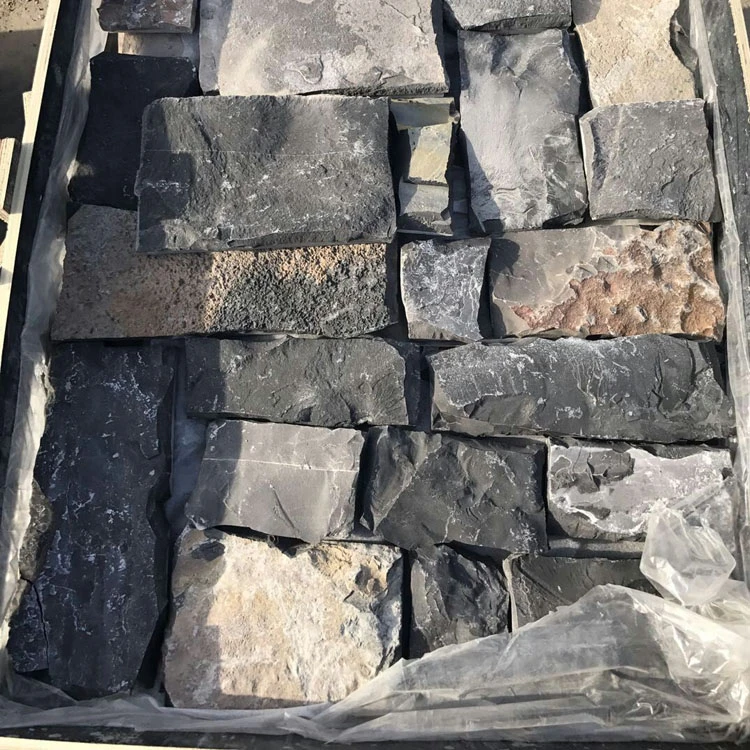
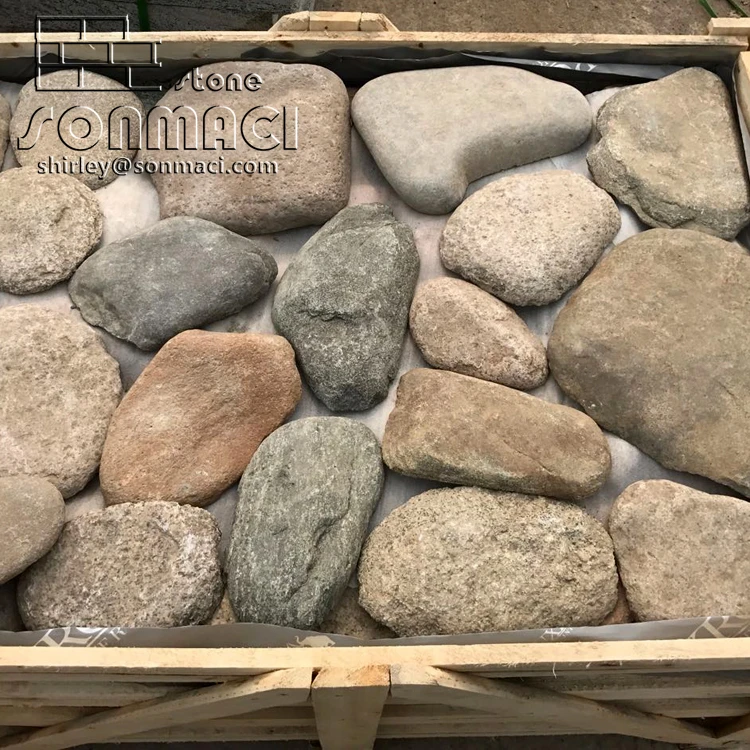
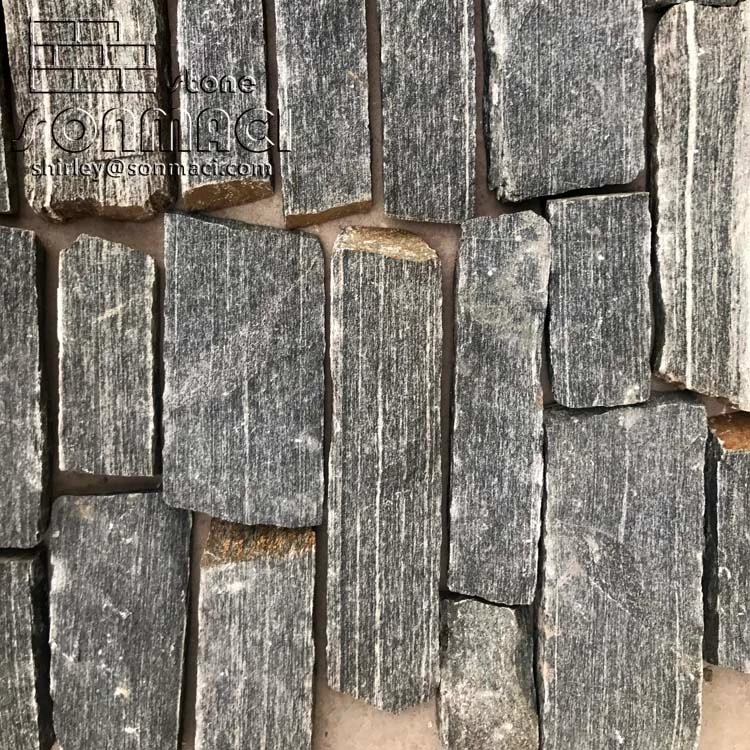
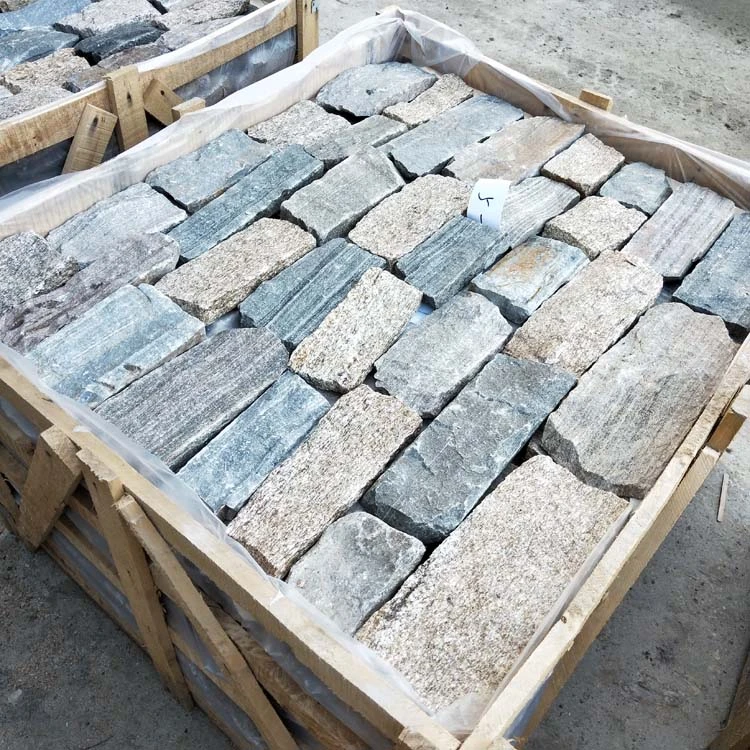
Stone mosaics typically use natural stones: marble, travertine, granite, or slate. What struck me early on is how each stone type brings a unique texture and color palette, but also different mechanical properties. For example, granite offers better scratch resistance while marble carries that timeless, softer elegance.
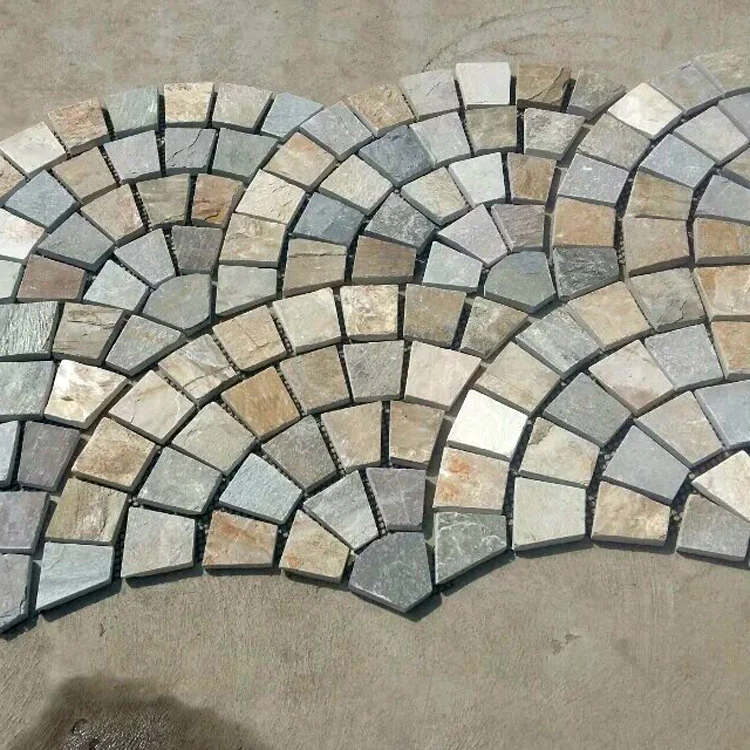
One key advantage is customization — you can mix various stone pieces into intricate patterns or simple grids. This flexibility suits both modern minimalist designs and traditional lavish arrangements. Frankly, I’ve seen installers spend hours meticulously arranging tile sheets like an artist with a brush.
Performance and Durability
Durability is a vital metric, obviously. Stone mosaics are pretty tough but their installation quality really matters. Poor grouting or substandard adhesives can cut their lifespan short. That’s why many projects specify high-grade materials and verified installers.
From my experience on-site, stone mosaic walls handle humidity and temperature fluctuations better than ceramic alternatives, which sometimes crack or chip. This makes them popular in climate-challenging zones — say, hotel lobbies by the coast, spas, or even busy restaurant kitchens.
Stone Mosaic Wall Tiles: Product Specification
| Specification | Details |
|---|---|
| Material Types | Marble, Granite, Travertine, Slate |
| Tile Size | 300x300 mm sheets (custom cuts available) |
| Thickness | 10-15 mm |
| Finish | Polished, Honed, Tumbled |
| Usage | Interior walls, backsplashes, accent walls |
| Installation Method | Thin-set mortar with grout joints |
Comparing Vendors: Who’s Who in the Mosaic Market
When you pick a vendor — and, come on, this makes or breaks the project — three things usually come to mind: quality consistency, portfolio variety, and lead time. I’ve sat through meetings with a few major players, and here’s the gist.
| Vendor | Product Range | Average Lead Time | Price Range |
|---|---|---|---|
| Sonmacistone | Extensive: Multiple stone types & custom designs | 2-3 weeks | Mid-range |
| StoneArt | Focused on Marble & Granite | 3-4 weeks | High-end |
| TileWorks | Standard packs, limited customization | 1-2 weeks | Budget-friendly |
A Quick Story from the Field
I recall a restaurant project where the client insisted on a unique mosaic backsplash made from mixed travertine and slate. We were skeptical about the installation timeframe because of the complex design, but the supplier (hint: it was Sonmacistone) delivered on time, and the installer loved working with the pre-mounted sheets. The end result? A highly durable surface that still gets compliments years later—a nice reminder that the right stone mosaic tile can elevate a space well beyond standard expectations.
Final Thoughts
In my view, stone mosaic wall tiles remain a quietly powerful material choice. They balance industrial resilience with customizable beauty — and that’s a rare combo worth considering for any wall treatment that needs to stand the test, especially in commercial environments. If you're serious about quality and aesthetics, look into trusted vendors like stone mosaic wall tiles. You won’t regret it.
References:
1. Industry Installation Manuals, Natural Stone Institute
2. “Stone as Architectural Material,” Construction Science Quarterly, 2021
3. On-site reports and vendor consultations, 2018-2023