Sandstone for Building Walls: Sustainable, Durable Stone Solutions
Understanding Sandstone for Building Walls: Durable, Natural, and Sustainable
Sandstone for building walls has been around longer than most of us realize, yet its importance today is as relevant as ever. With sustainability pushing architecture and construction toward greener materials, sandstone emerges as a classic choice that brings strength, beauty, and ecological advantages to modern building projects around the world.
Globally, millions of tons of sandstone are extracted and used annually—particularly in regions rich in natural deposits such as India, Australia, and parts of Europe. According to the International Organization for Standardization (ISO), the stone’s consistent quality and versatile nature make it a staple in both heritage restoration and contemporary construction.
Why does this matter? Well, as urbanization escalates, the demand for materials that blend durability, aesthetics, and environmental responsibility grows. Sandstone answers many of these demands—and we'll dig into the how and why ahead.
What Is Sandstone for Building Walls?
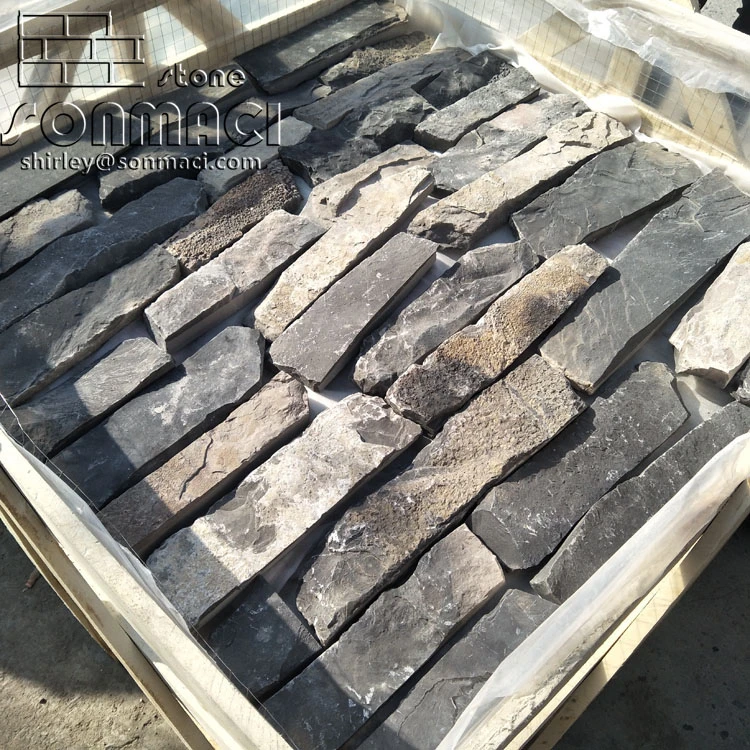
Simply put, sandstone is a sedimentary rock composed mainly of sand-size mineral particles or rock fragments. When selected and cut properly, it serves as an excellent material for building walls due to its inherent strength, porosity, and natural appeal. It can be carved into blocks or slabs and laid in a variety of structural or decorative ways.
In the modern context, sandstone is not just about looks. It plays a meaningful role in industries focused on sustainable construction, especially in humanitarian efforts where local sourcing and low-tech applications are critical. For example, in housing solutions following natural disasters, sandstone walls can provide quick, efficient shelter with a low carbon footprint.
Core Components that Make Sandstone Ideal for Walls
Durability and Strength
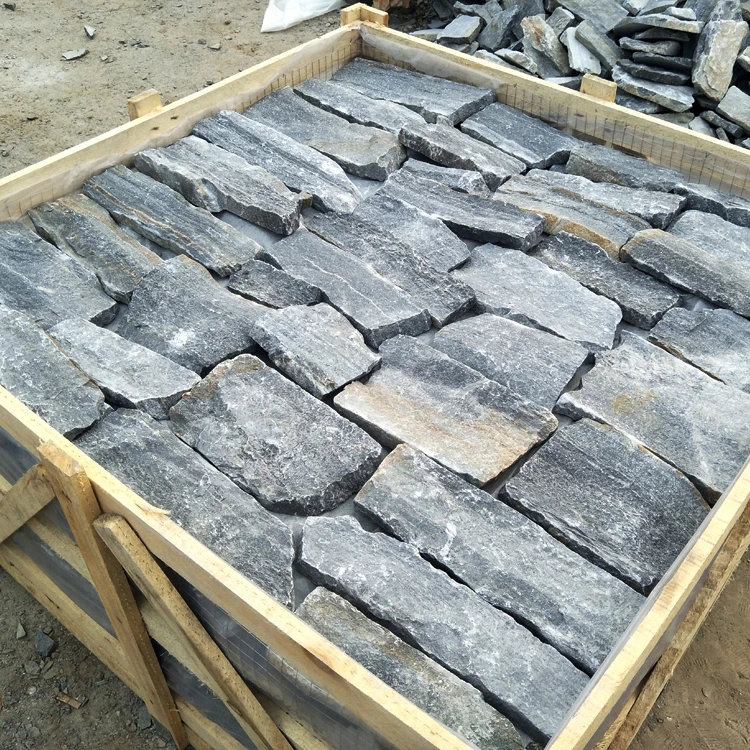
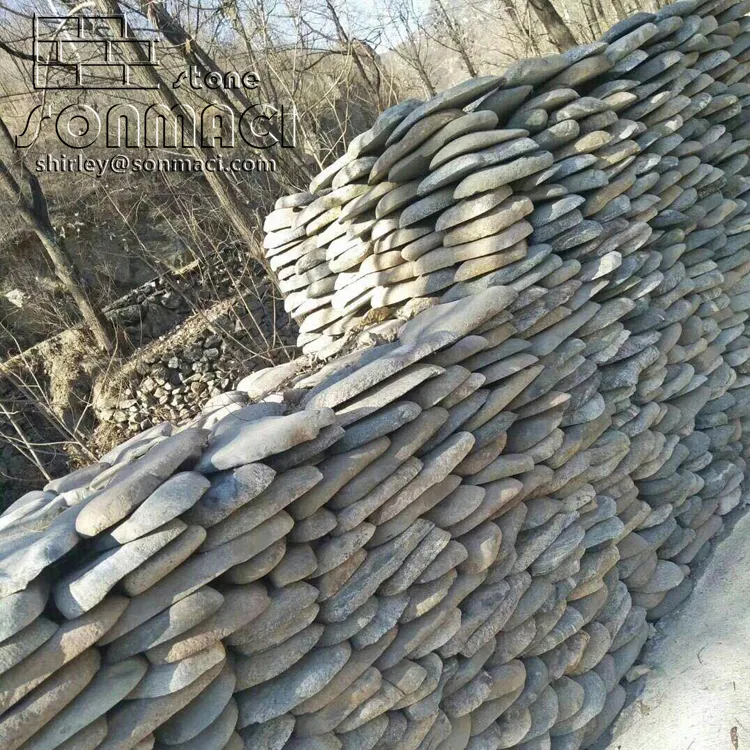
Unlike some softer stones, sandstone offers impressive compressive strength, making it reliable for load-bearing walls. Its layered formation tends to give it good weather resistance, which is why it dates back centuries in historic buildings.
Porosity and Breathability
This rock’s natural porosity allows moisture to escape, preventing mold or damp buildup inside walls. That’s important for longevity and indoor air quality—something many modern synthetic materials lack.
Aesthetic Versatility
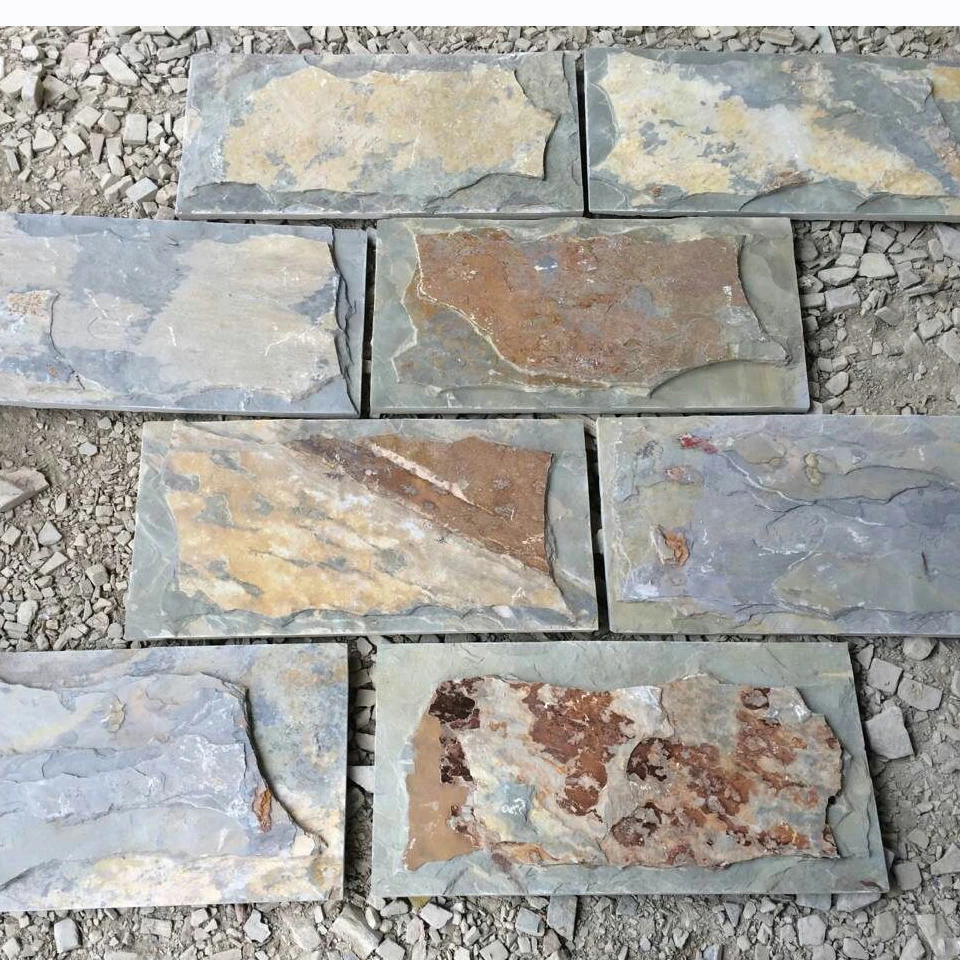
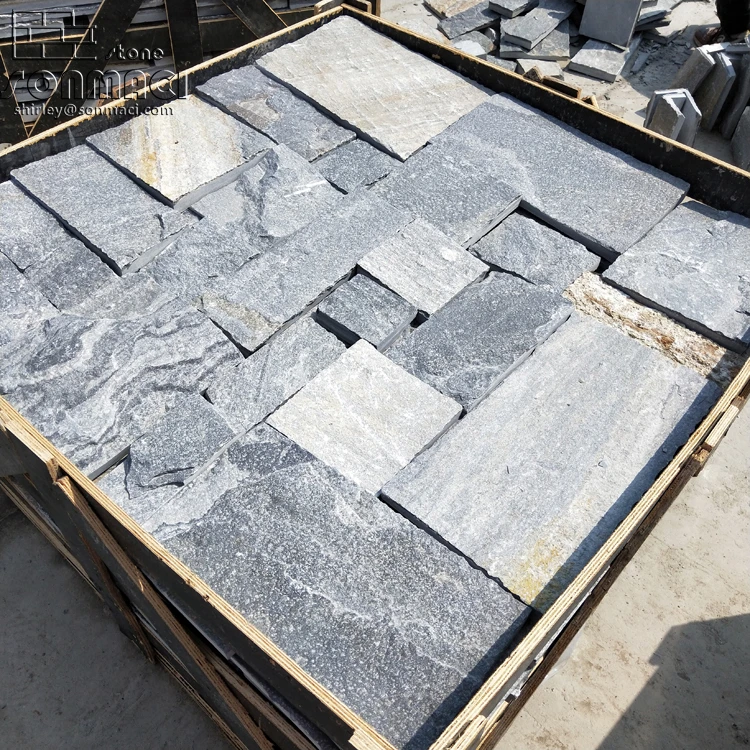
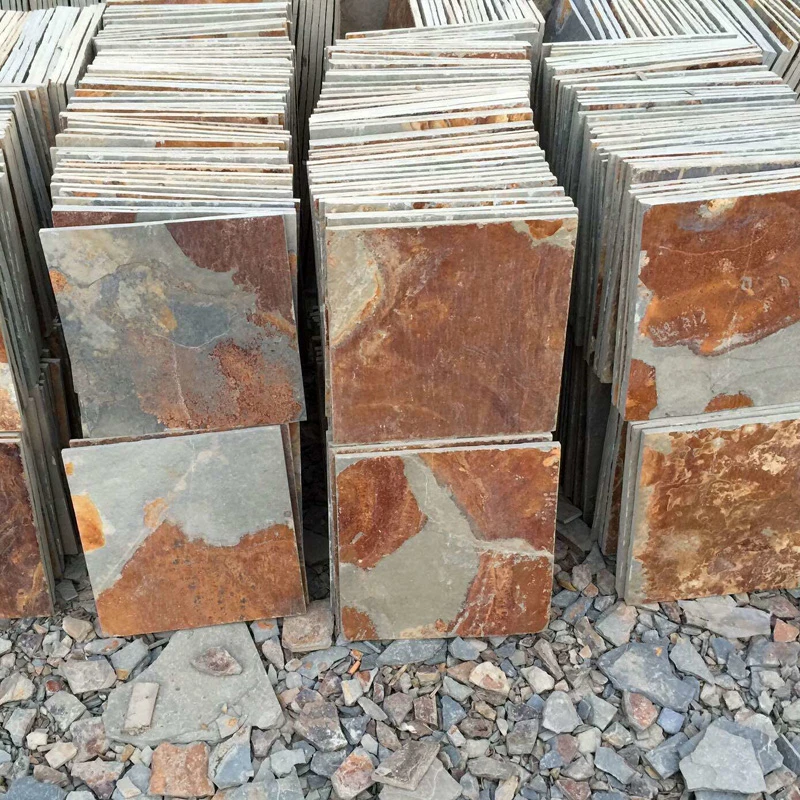
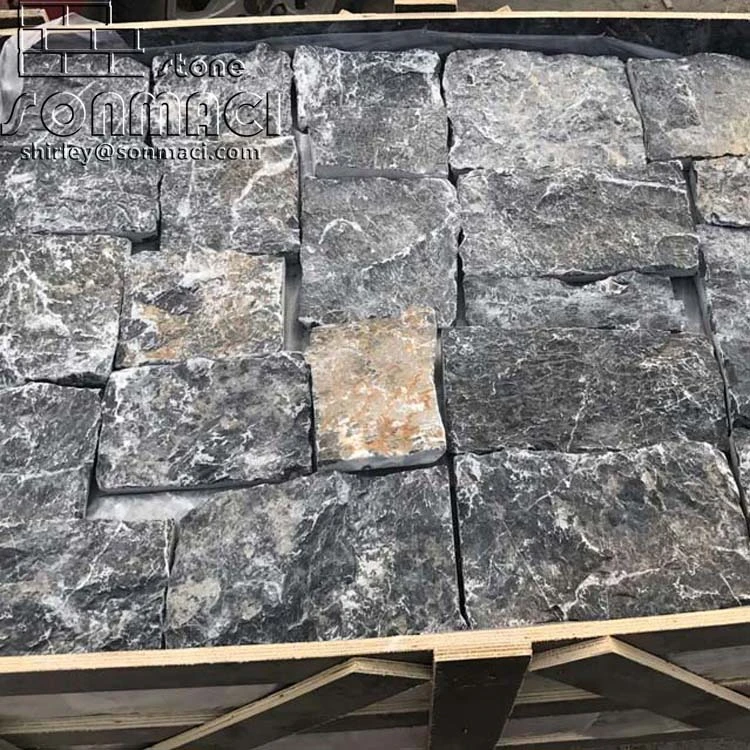
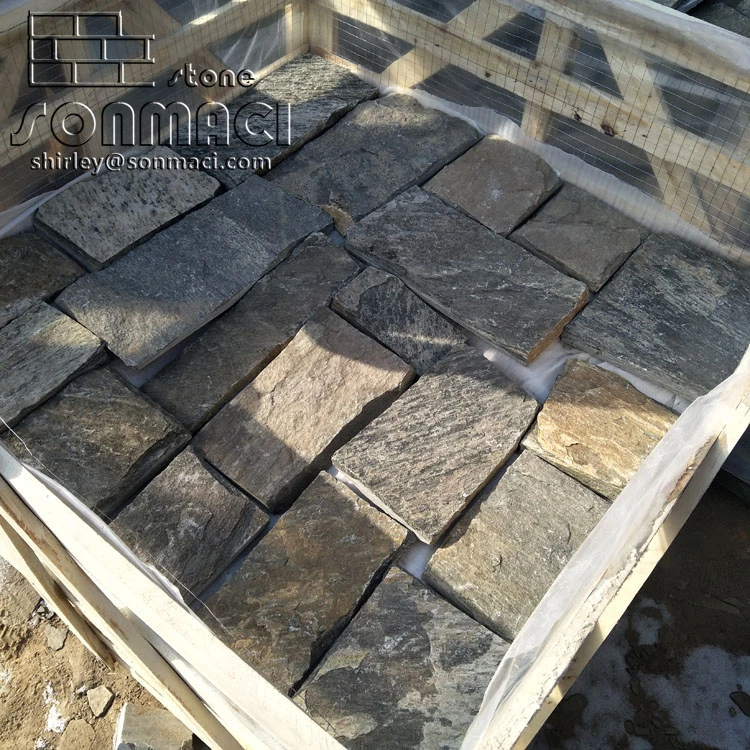
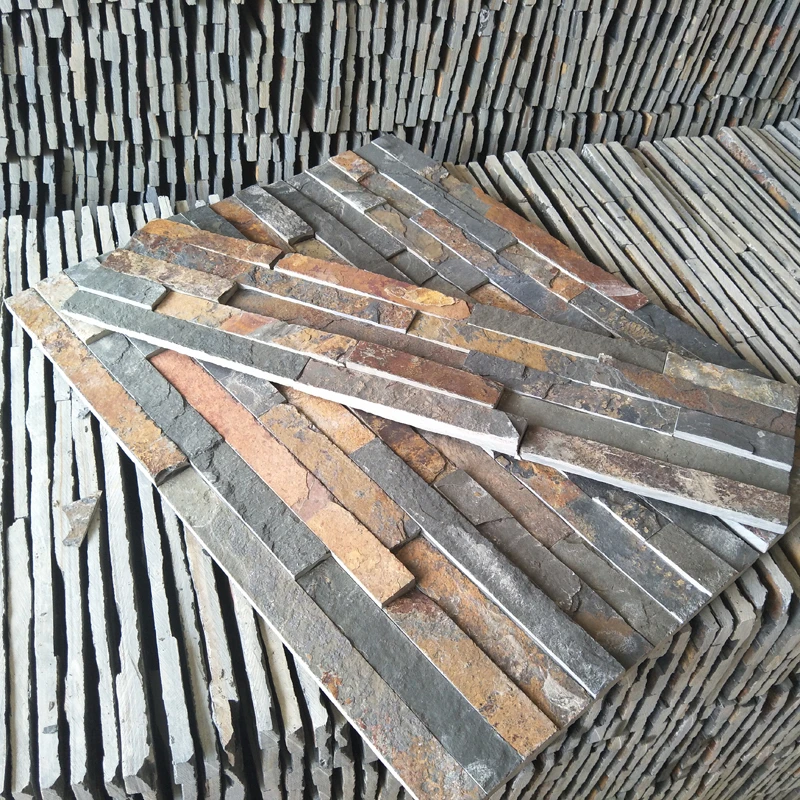
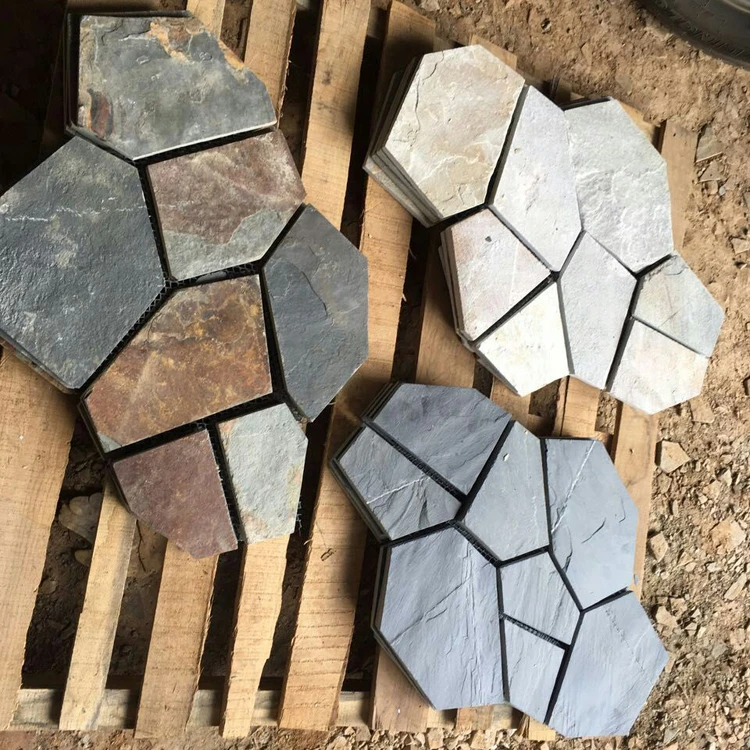
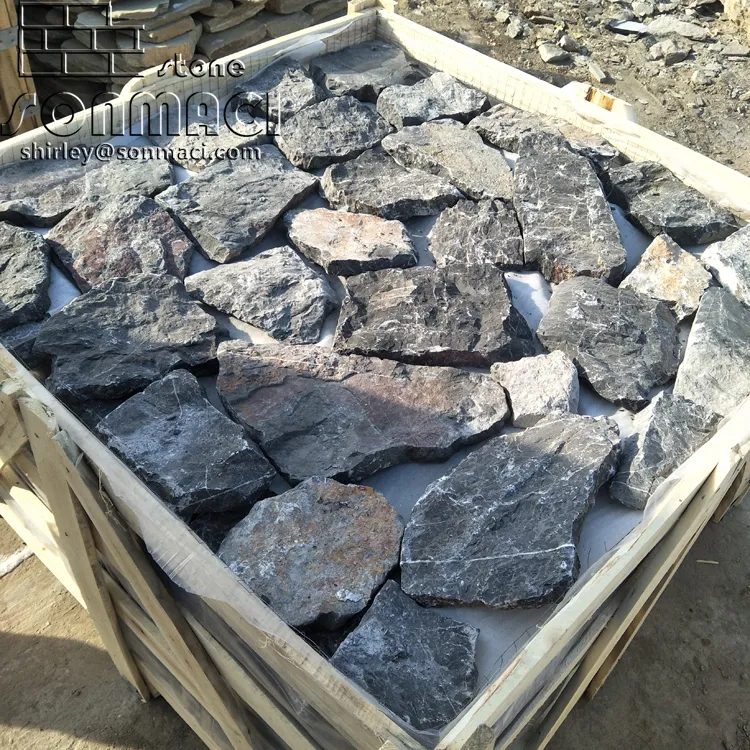
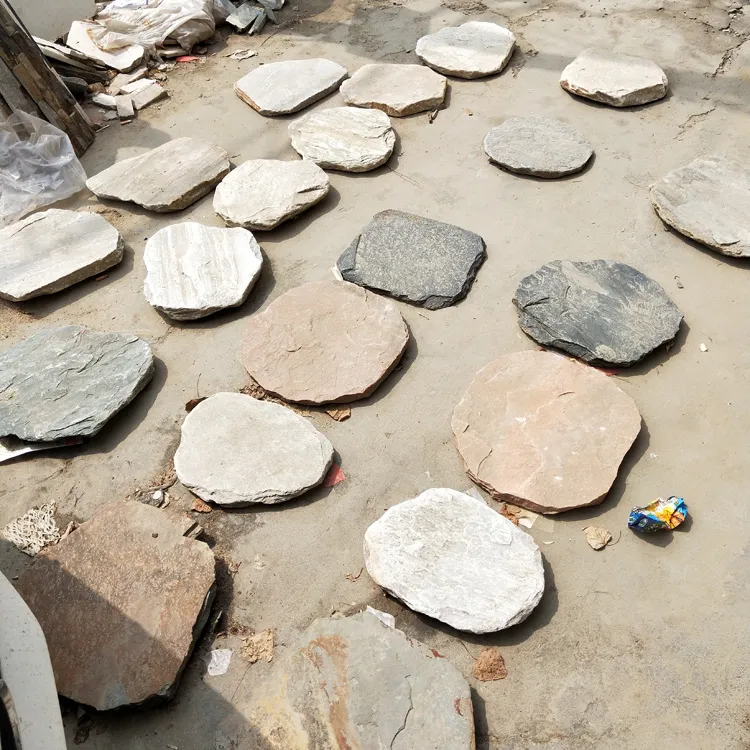
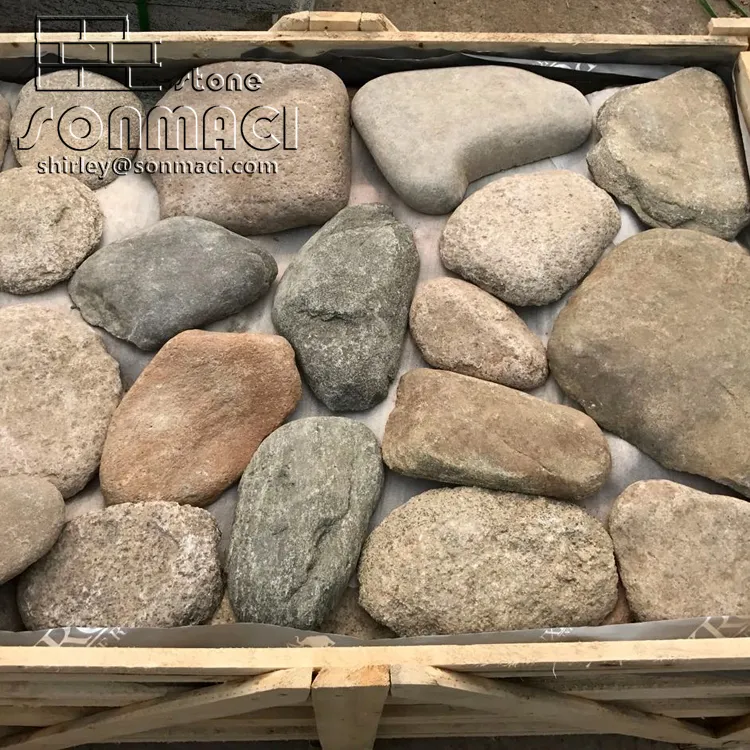
Sandstone comes in various colors—from creamy whites to rich reds and browns—offering architects freedom in design without artificial coloring.
Cost Efficiency
Locally sourced sandstone reduces transport costs and supports regional economies. Furthermore, its longevity means less frequent repairs, which translates into long-term savings.
Eco-Friendliness
Being a natural material, sandstone is recyclable and has a lower embodied energy compared to manufactured alternatives like concrete or brick.
Scalability and Availability
In many parts of the world, vast sandstone quarries ensure a steady supply, allowing building projects of all scales to proceed without material shortages—a crucial factor for large infrastructure or mass housing programs.
Sandstone in Action: Global Applications and Use Cases
Oddly enough, sandstone isn’t just for old castles or monuments. Countries like India use it extensively in affordable housing projects, where its thermal insulation properties keep homes cooler in hot climates. In Australia, sandstone has been crucial in governmental buildings that demand both heritage sensitivity and structural resilience.
Post-disaster relief operations often rely on sandstone for building walls because of its local availability and ease of use without specialized machinery. Remote industrial zones use it similarly—sometimes as protective barriers or office structures where logistics complicate material delivery.
Advantages and Long-Term Value of Building with Sandstone
- Cost-effective durability: It lasts decades, sometimes centuries, requiring minimal maintenance.
- Environmental sustainability: Low embodied energy and natural composition help reduce a project's carbon footprint.
- Enhanced safety: Non-combustible and resilient to weather extremes, sandstone walls offer robust shelter options.
- Aesthetic and cultural value: Many communities associate sandstone with tradition and architectural heritage, boosting social pride.
The combination of these factors means that investing in sandstone walls delivers not only practical returns but also emotional satisfaction related to trust and the dignity of long-lasting homes.
Product Specifications Snapshot
| Specification | Typical Range or Value |
|---|---|
| Compressive Strength | 20–170 MPa |
| Water Absorption | 3–10% |
| Thermal Conductivity | 0.6–1.3 W/m·K |
| Density | 2200–2600 kg/m³ |
| Color Range | Cream, Red, Brown, Yellow |
Comparing Leading Sandstone Vendors
| Vendor | Source Country | Grade Options | Average Cost (USD/m²) | Sustainability Certification |
|---|---|---|---|---|
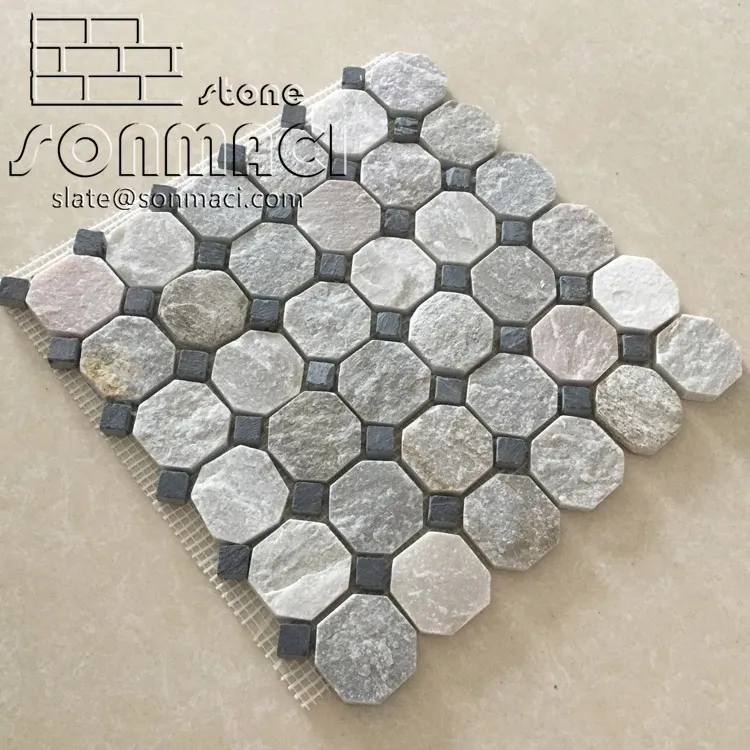
| Sonmac Stone | India | Premium, Standard | $55 | ISO 14001 |
| Quartex Ltd. | Australia | Standard, Economy | $60 | None |
| EuroStone | Germany | Premium only | $70 | FSC Certified |
Emerging Trends and Innovations
In recent years, sandstone has been part of green building certifications and digital transformation efforts—like using 3D scanning to evaluate existing sandstone walls for restoration, or precision cutting to reduce waste. Innovations in sealants that maintain breathability while resisting pollution are also gaining traction.
Moreover, the push towards low-carbon construction encourages combining sandstone with eco-friendly mortars and insulation, creating composite walls that perform excellently in thermal regulation without sacrificing natural aesthetics. These trends reflect an industry moving beyond just utility to holistic solutions.
Challenges and How Experts Overcome Them
True, sandstone’s porosity means it can suffer erosion in extremely wet climates unless properly sealed or maintained. Transport costs can add up if quarries are far from the project site. Also, variations in sandstone quality demand expert sourcing and testing.
Many engineers recommend targeted sealing combined with design strategies—like protective overhangs—to shield walls from excessive rain. Modular sandstone blocks have been developed to simplify and speed construction, which also addresses some cost and labor concerns.
FAQ: Frequently Asked Questions About Sandstone for Building Walls
- Q: How long can sandstone walls last in harsh climates?
A: With proper maintenance and sealing, sandstone walls can last 100+ years even in variable climates, thanks to their natural resistance and strength. - Q: Is sandstone better than brick in terms of thermal insulation?
A: Sandstone generally offers better breathability and moderate thermal insulation, keeping interiors cooler in summer, which can reduce energy costs. - Q: Can sandstone be sourced sustainably?
A: Yes, many vendors follow ISO 14001 environmental management standards and provide certification confirming sustainable quarrying practices. - Q: What colors are commonly available for sandstone walls?
A: Colors typically range from creams and tans to reds and browns, depending on mineral content and quarry location.
Conclusion
Sandstone for building walls is more than just a stone—it’s a timeless material balancing durability, sustainability, and beauty. As construction turns greener and smarter, sandstone stands out for its natural elegance and proven performance. If you’re considering materials for your next project or restoration, exploring sandstone for building walls might be your best move.
Visit our website: Sonmac Stone for quality sandstone solutions.
Oddly enough, choosing the right stone is often as much about connecting with the local environment as it is about engineering specs…