Masonry Stones: Durable, Sustainable Solutions for Global Construction
Masonry Stones: Timeless Foundations for Modern Construction
Whether you’re casually admiring an old cathedral or considering the best materials for a new eco-conscious building, masonry stones remain the unsung heroes of construction worldwide. These natural or engineered stones have fortified human habitats for millennia — their versatility and strength mean we’re still relying on them today, in everything from urban landmarks to humanitarian housing projects.
Understanding masonry stones is more than just an architectural curiosity — it has profound global implications. Around 30% of the world’s built environment incorporates masonry materials, according to ISO reports, underscoring the lasting trust in their durability and aesthetics. Yet, as urban populations swell and climate demands grow urgent, the challenges of sourcing, sustainability, and technological integration are forcing fresh conversations around these tried-and-true materials.
Why Masonry Stones Matter Globally
Oddly enough, stones — these literal foundations — still hold the key to affordable, sustainable housing across continents. In low-resource settings or disaster zones, masonry stones offer resilience against weather, fire, and time, often outperforming synthetic or steel materials in both cost and environmental footprint. Institutions like the United Nations emphasize masonry’s role in rebuilding and preserving cultural heritage, highlighting how understanding their properties can mean safer homes and stronger communities worldwide.
What Exactly Are Masonry Stones?
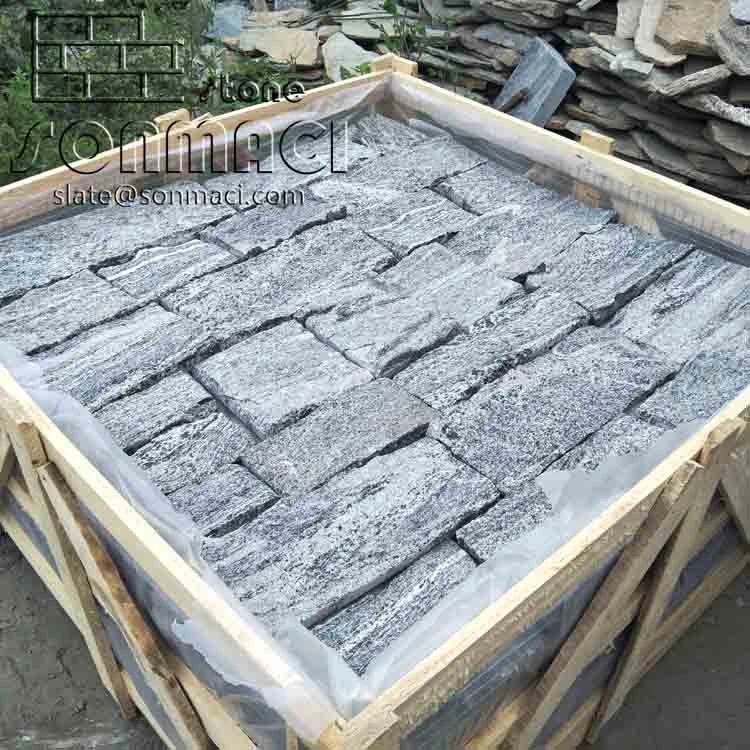
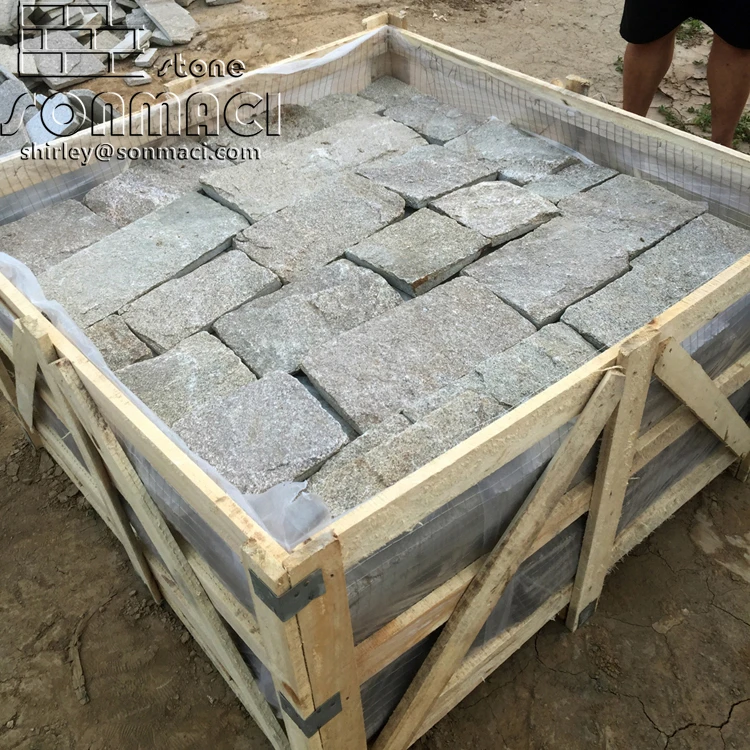
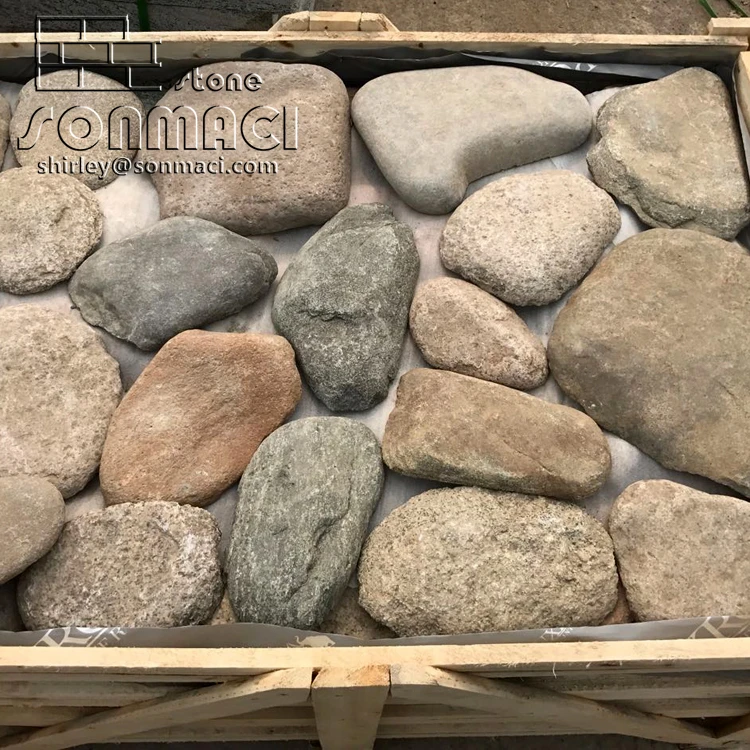
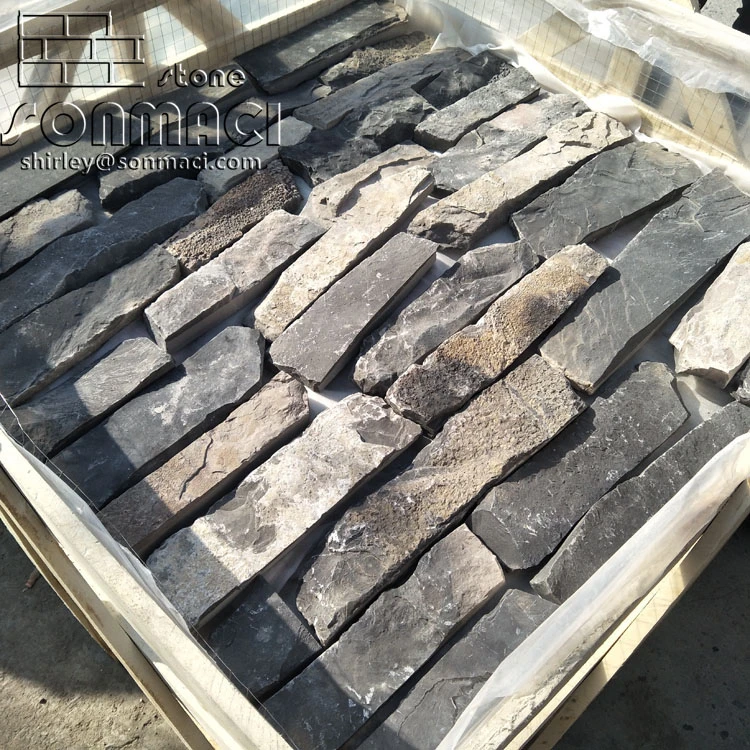
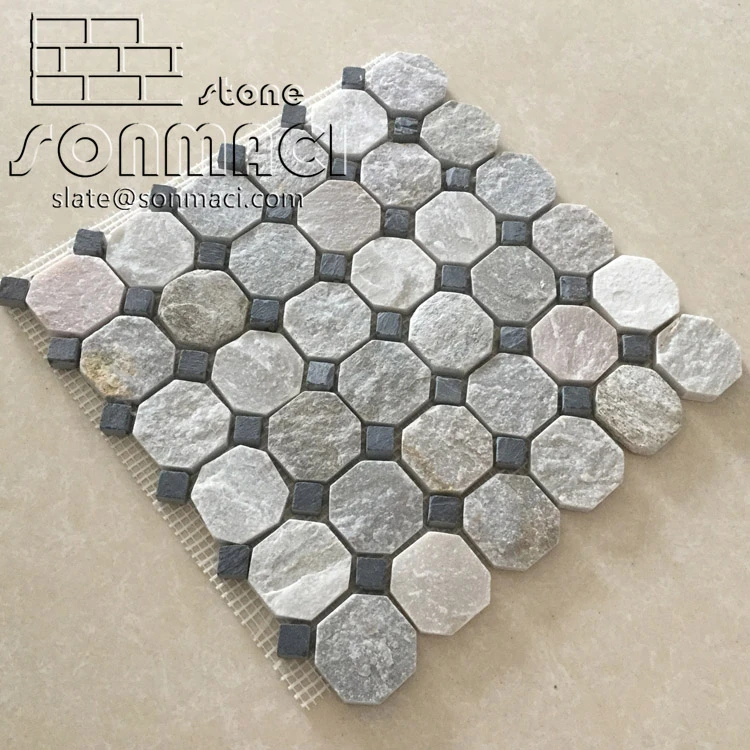
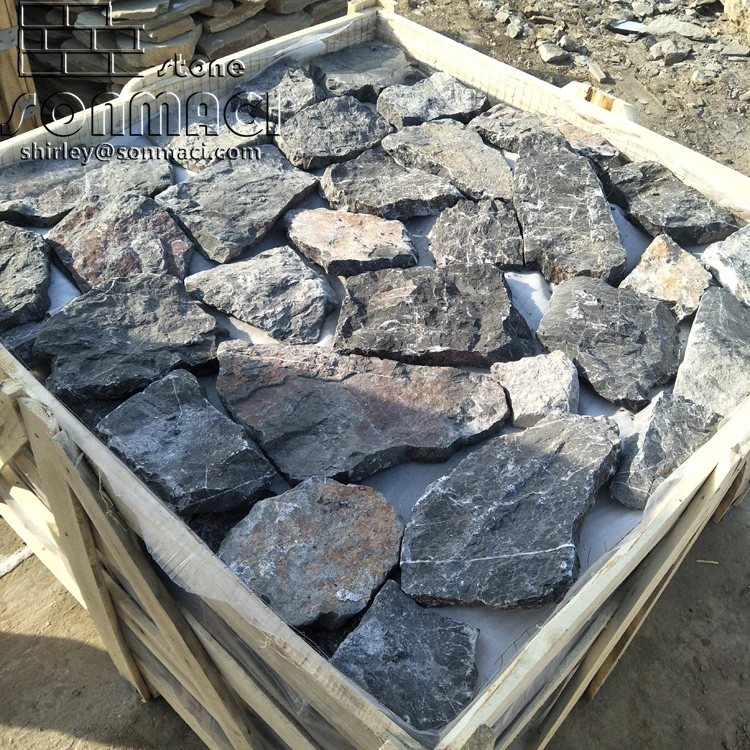
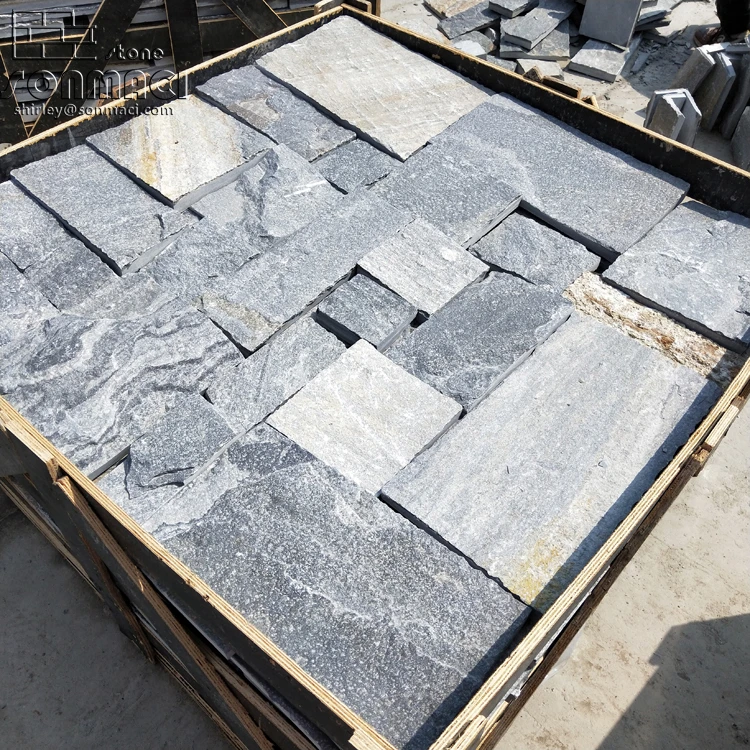
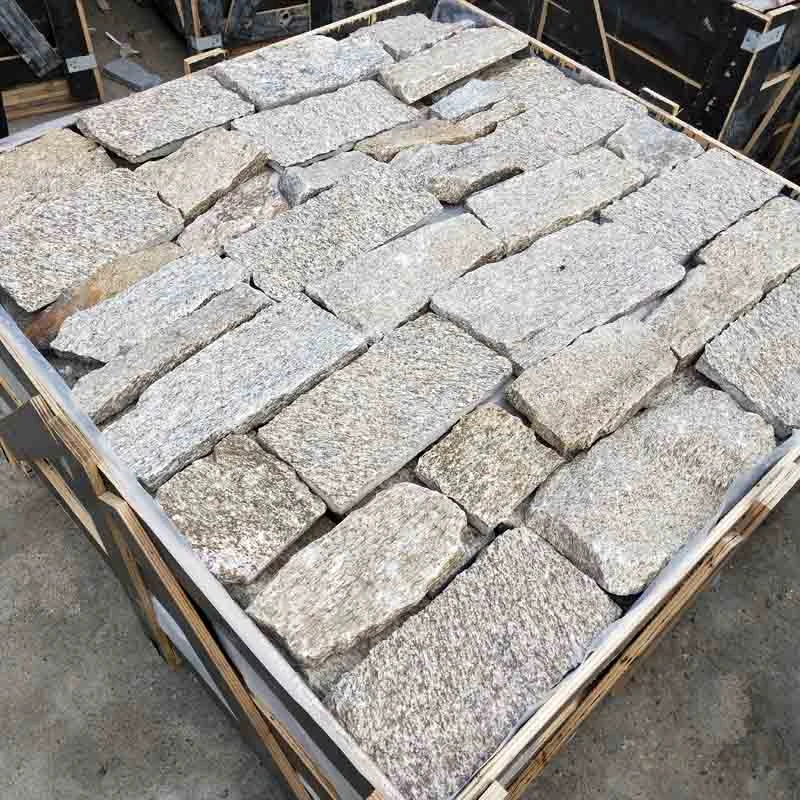
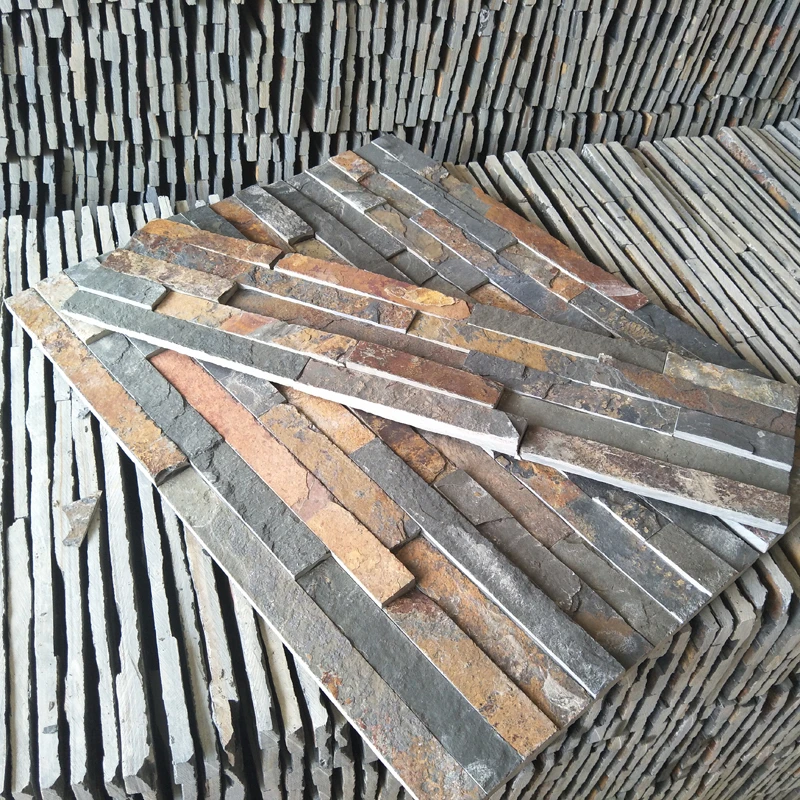
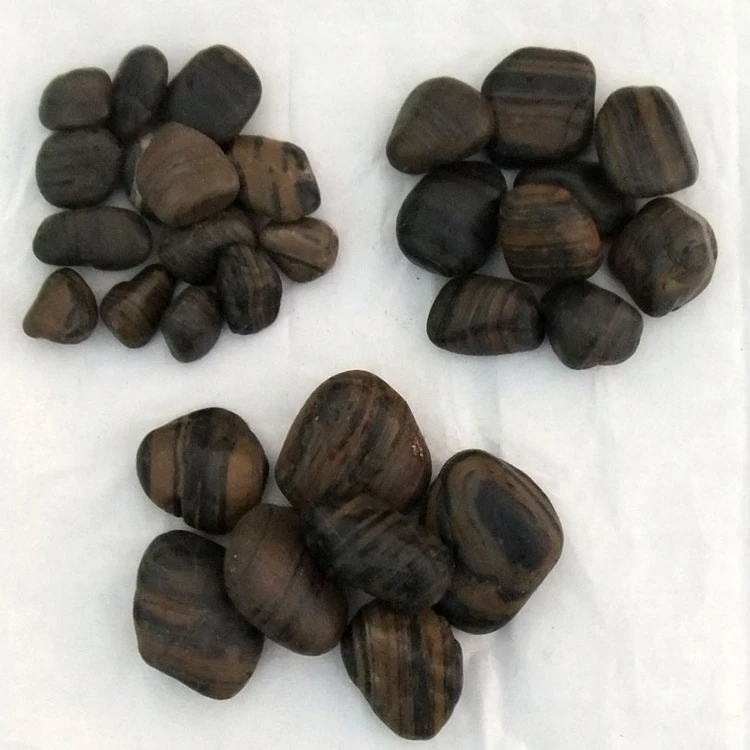
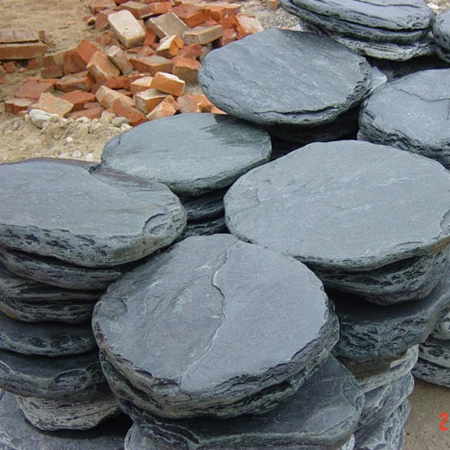
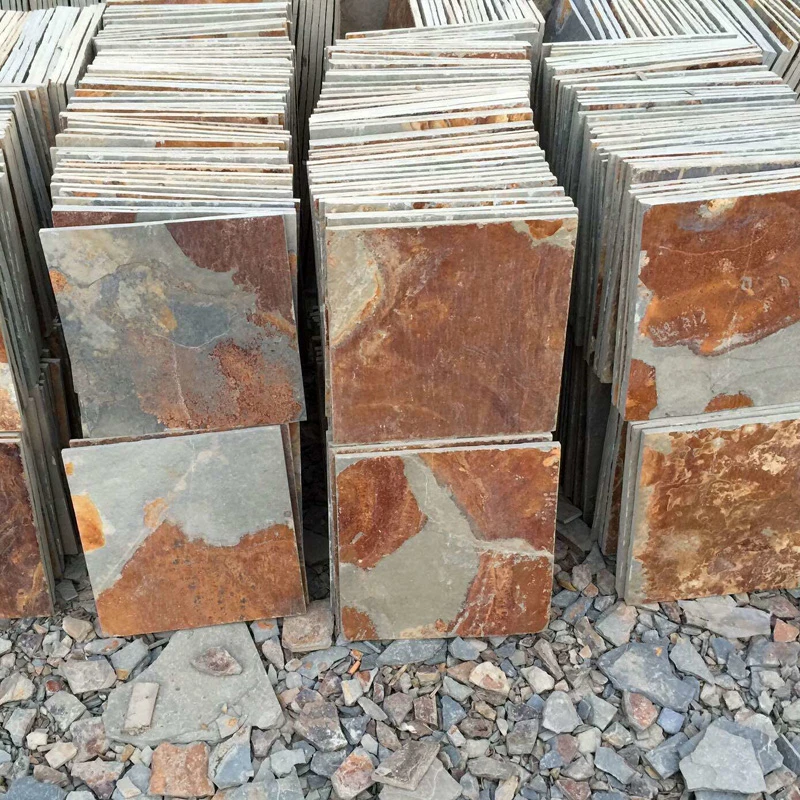
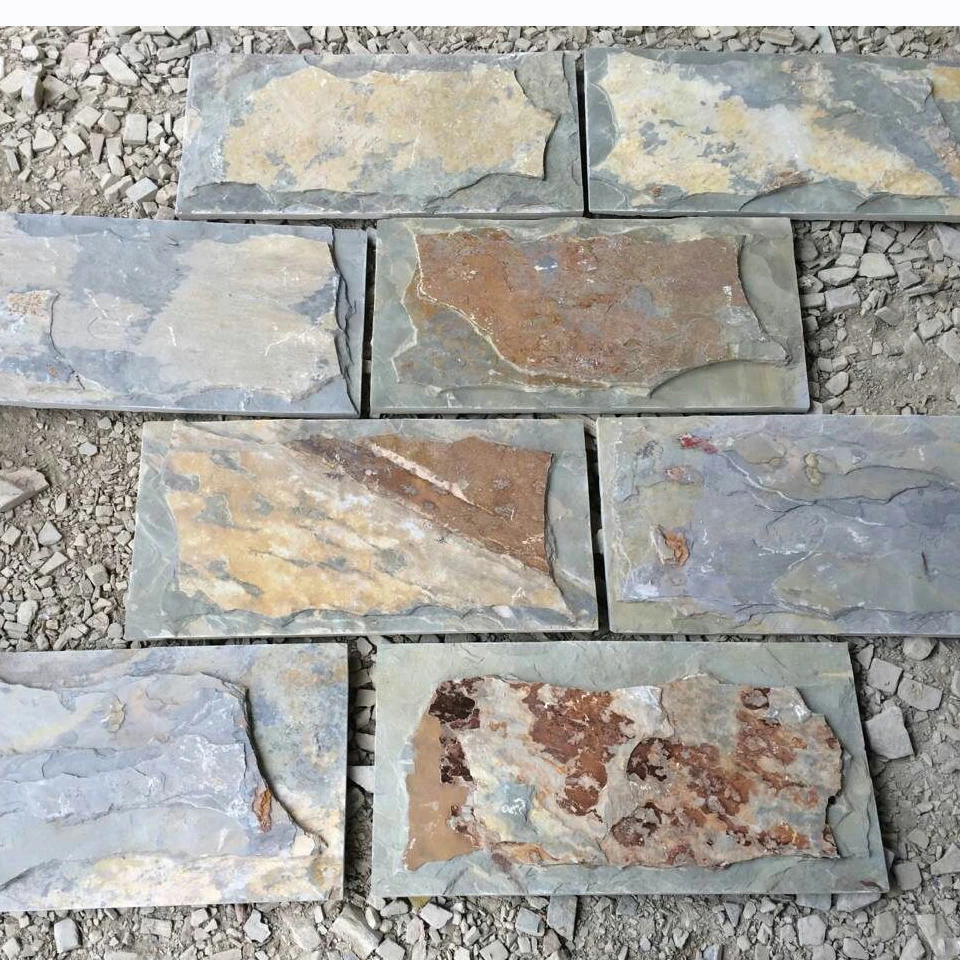
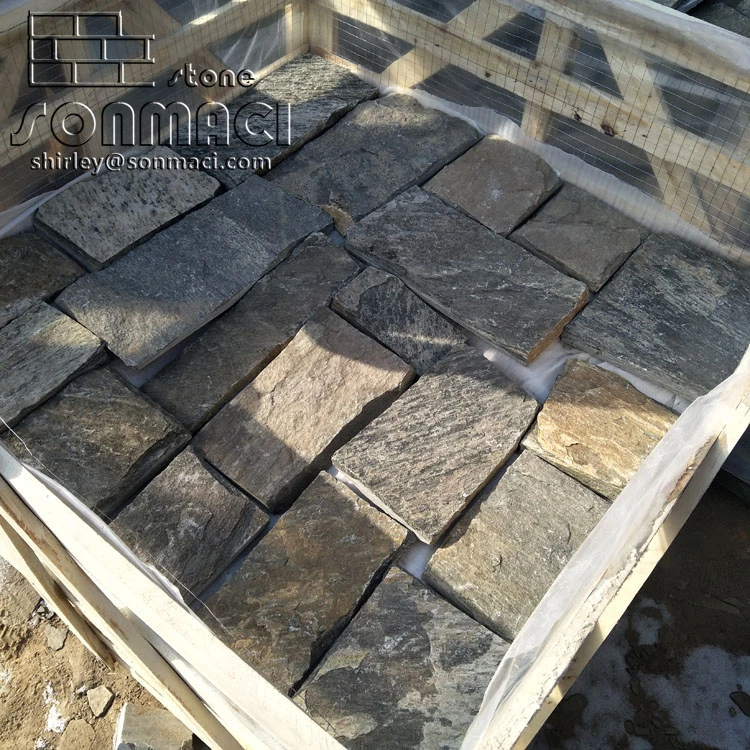
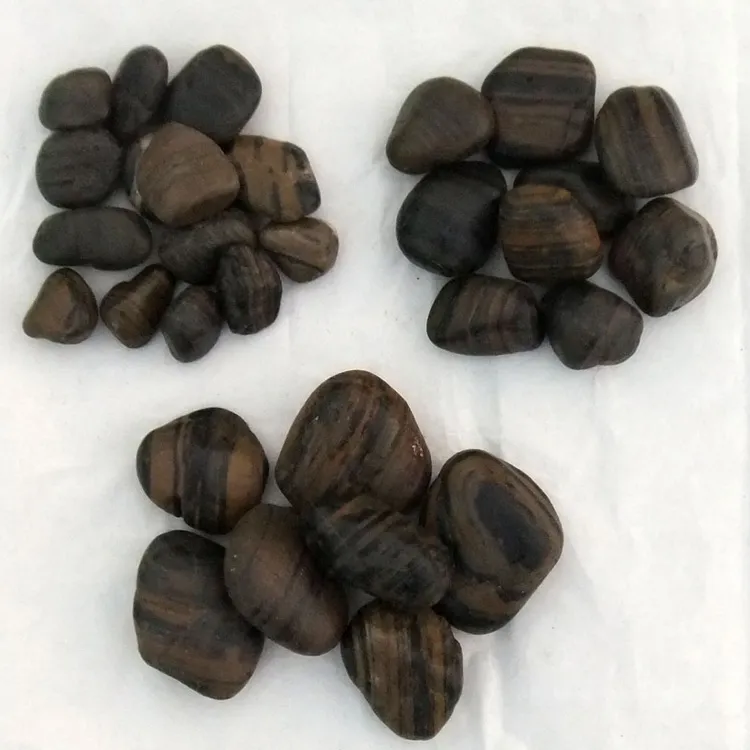
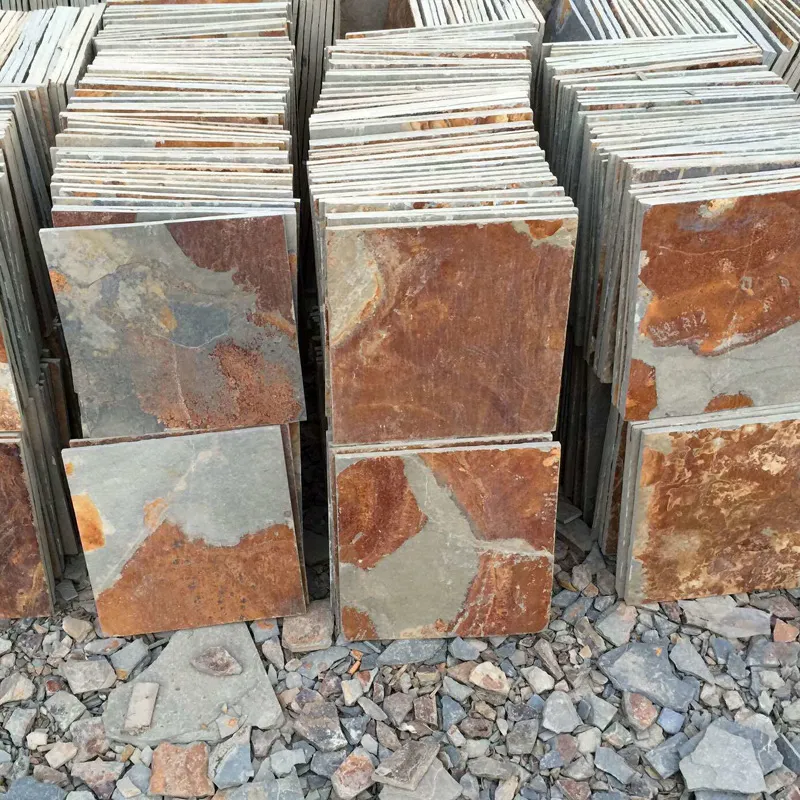
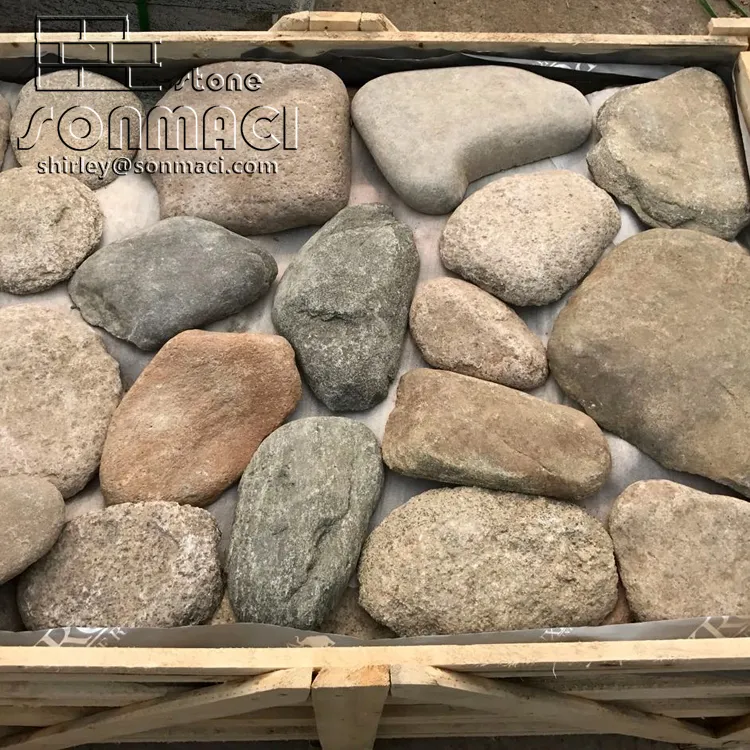
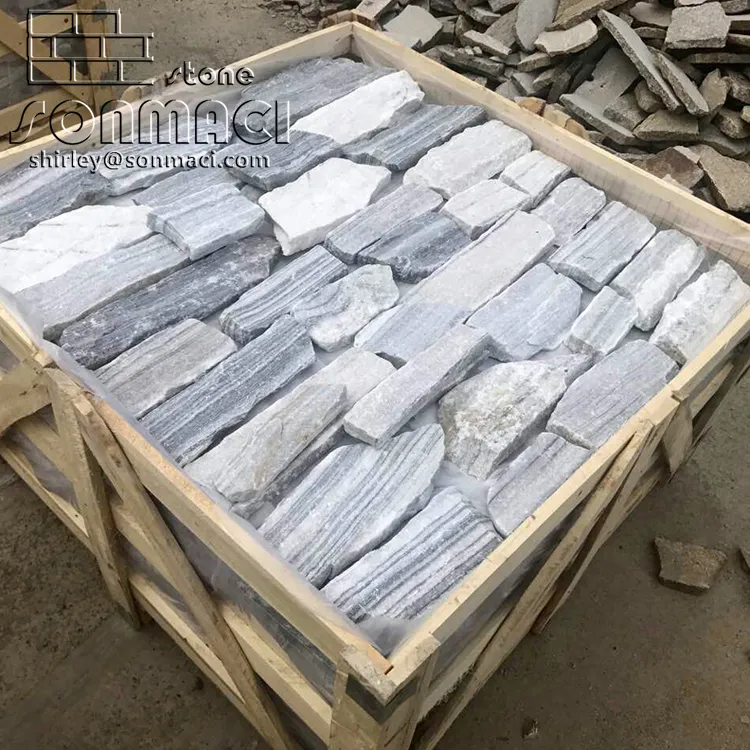
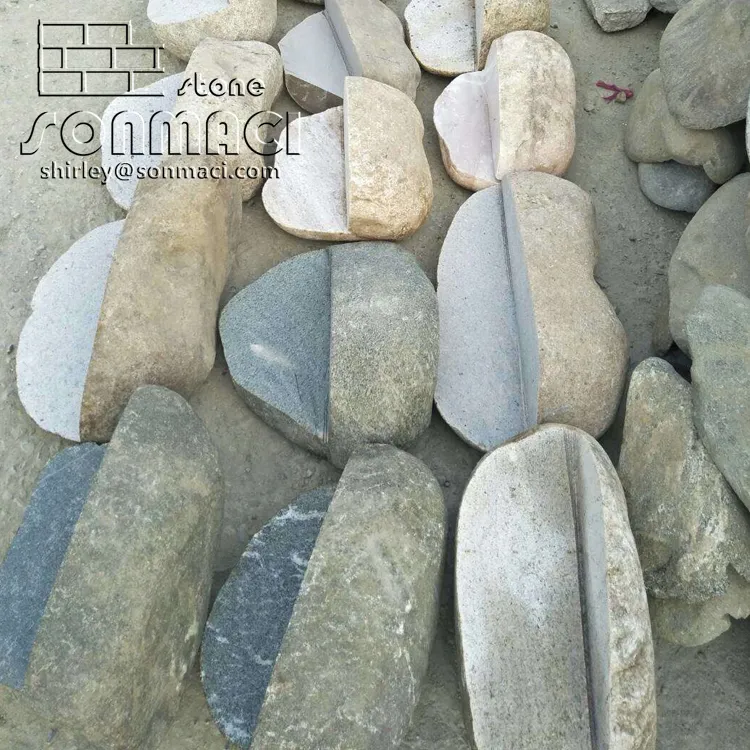
At its core, masonry stones are natural or man-made stones used in construction for walls, pavements, and structural elements. Think granite blocks, sandstone bricks, limestone slabs, or even engineered concrete stones. They connect ancient techniques with modern needs — providing not only strength but also thermal regulation, fire resistance, and aesthetic appeal. Today, they’re pivotal in both traditional crafts and innovative modular designs, linking heritage with humanitarian responses.
Core Aspects of Masonry Stones
1. Durability
One defining feature is their long lifespan. Masonry stones resist weathering, pests, and fire far better than many alternatives. For homes meant to last generations, this durability translates into cost savings and reduced maintenance headaches.
2. Scalability
From tiny artisan projects to massive infrastructures, masonry stones scale. Whether used in a garden wall or a skyscraper facade, their modular nature allows for flexibility in design and construction.
3. Cost Efficiency
Though initial procurement and labor can be higher than some materials, the long-term benefits — low maintenance, energy savings — often tip the scales. Local availability of stones also affects economics substantially.
4. Sustainability
Natural stones boast low embodied energy compared to concrete or steel. Plus, modern quarrying increasingly adopts environmentally conscious methods, tying masonry stones closely to green building trends.
5. Thermal Performance
Masonry naturally regulates indoor temperatures, reducing reliance on HVAC systems. This passive benefit is especially relevant in regions with extreme temperatures, lowering energy costs and carbon footprints.
6. Aesthetic Versatility
From rough-hewn rustic blocks to sleek polished slabs, masonry stones accommodate virtually any architectural style. This adaptability ensures their ongoing demand in both restoration and cutting-edge projects.
Product Specifications of Common Masonry Stones
| Type | Compressive Strength (MPa) | Water Absorption (%) | Thermal Conductivity (W/m·K) | Typical Uses |
|---|---|---|---|---|
| Granite | 100-250 | 0.1-0.4 | 2.5-3.5 | Foundations, monuments, load-bearing walls |
| Sandstone | 30-90 | 3-7 | 1.2-2.0 | Walls, decorative facades, paving |
| Limestone | 30-150 | 1-6 | 1.3-2.2 | Walls, flooring, statues |
| Engineered Concrete Stone | 40-60 | 4-8 | 1.4-1.8 | Affordable modular housing, cladding |
Global Applications & Use Cases of Masonry Stones
- Heritage Preservation: Restoring historic buildings in Europe and Asia uses traditional masonry stones, blending craftsmanship with modern engineering.
- Disaster Relief Housing: In regions like Nepal and the Caribbean, masonry stones form the backbone for fast, durable rebuilding after earthquakes or hurricanes.
- Urban Development: In rapidly urbanizing countries such as India and Brazil, locally sourced stone walls help reduce construction costs while providing natural insulation.
- Industrial and Infrastructure Projects: Railways, bridges, and retaining walls worldwide still favor masonry stones due to their unmatched load-bearing capacity.
Many engineers say masonry’s adaptability to varied climates and economies makes it uniquely suited across these diverse environments. Indeed, organizations focused on sustainable development often prefer masonry solutions for their social value and longevity.
Vendor Comparison: Masonry Stone Suppliers
| Supplier | Stone Varieties | Sustainability Practices | Global Reach | Typical Project Scale |
|---|---|---|---|---|
| StoneCo Natural | Granite, Limestone | Certified sustainable quarrying, water recycling | Global (North America, Europe, Asia) | Large-scale infrastructure |
| EcoStone Supplies | Engineered Concrete, Sandstone | Low-carbon manufacturing, biodegradable packaging | Predominantly Asia Pacific | Modular housing and facades |
| Heritage Stones Ltd. | Sandstone, Limestone | Traditional extraction with modern environmental standards | Europe and Middle East | Restoration and cultural projects |
Advantages & Long-Term Value of Masonry Stones
To be frank, masonry stones embody a rare blend of pragmatism and poetry. They offer:
- Economic sense: Minimal upkeep and energy savings over decades.
- Environmental stewardship: Favorable carbon footprint compared to steel and concrete alternatives.
- Social impact: Durable housing fosters safety and dignity, especially post-disaster.
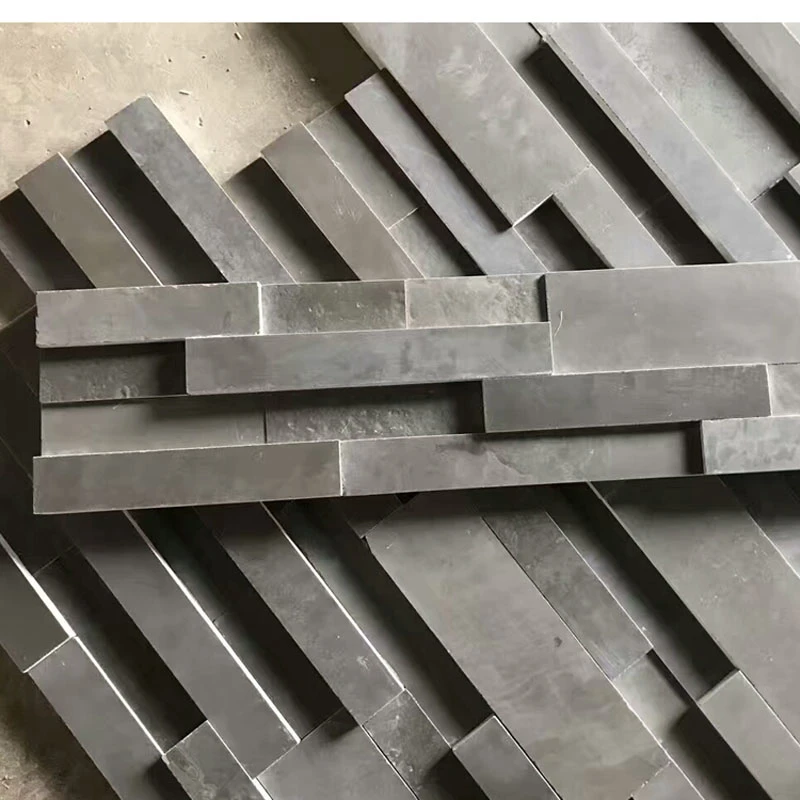
- Trust and innovation: The materials invite new technologies such as digital carving and prefabricated stone panels.
Many developers report that a well-chosen masonry stone can become a building’s character — humanizing urban space in ways concrete often fails to achieve.
Future Trends & Innovations in Masonry Stones
Looking ahead, a few promising developments are reshaping the field:
- Green quarrying: Advances reduce water waste, energy use, and habitat disruption.
- 3D stone printing and cutting: Digital tools enhance precision and customization without waste.
- Hybrid materials: Integrating natural stone with carbon-sequestering binders for ultra-sustainable blocks.
- Policy incentives: Governments increasingly reward sustainable materials, pushing masonry stones into mainstream green building codes.
It feels like the future of masonry stones is not just about tradition but the intersection of craftsmanship and innovation — quite exciting.
Challenges & Solutions in Masonry Stone Use
However, no material is perfect — sourcing stones sustainably can still be tricky, and installation demands skilled labor often in short supply. Transporting heavy materials also raises carbon emissions.
Experts suggest solutions like:
- Localized quarrying to reduce logistics emissions.
- Training programs to address labor shortages.
- Innovative prefabrication to speed up construction and reduce waste.
Frankly, addressing these challenges takes commitment, but the payoff is worth it.
FAQ: Masonry Stones
Q1: What types of masonry stones are best for earthquake-prone areas?
A1: Generally, denser stones with higher compressive strength like granite or engineered concrete stones perform better. Proper mortar and seismic design also matter hugely.
Q2: Can masonry stones provide good insulation?
A2: Yes, their thermal mass helps regulate temperature swings, making them energy-efficient, especially when paired with insulation layers.
Q3: Are there eco-friendly masonry stone options?
A3: Absolutely. Natural stones have low embodied energy, and engineered stones are increasingly made with recycled materials and green binders.
Q4: How can NGOs source masonry stones for international projects?
A4: Partnering with vendors offering global distribution and sustainable certifications is critical. Bulk purchasing and local quarry partnerships help control costs.
Conclusion
Ultimately, masonry stones remain foundational, both literally and figuratively, in construction worldwide. Their blend of strength, sustainability, and timeless beauty keeps them central to solving modern housing challenges — especially when paired with innovative methods. For anyone looking to dive deeper or source reliable masonry stone products, I recommend visiting masonry stones for expert insights and quality materials.
It’s clear: while technologies change, some materials endure, offering the bedrock of resilient, sustainable futures.
Quick takeaway: Masonry stones aren’t just about building strong walls — they’re about building trust, safety, and green futures.
References:
1. International Organization for Standardization (ISO)
2. United Nations - Disaster Relief Reports
3. Wikipedia - Masonry