Comprehensive Guide to Pebbles Landscape Supplies for Sustainable and Stylish Designs
What Exactly Are Pebbles Landscape Supplies—and Why Should You Care?
If you’ve ever wandered through a carefully tended garden or admired the crisp edge of a modern urban park, chances are pebbles landscape supplies played a starring role. These natural, often smooth stones aren’t just decorative bits tossed around for charm—they’re an essential element in landscaping, construction, and environmental management worldwide. The humble pebble is quietly shaping spaces, contributing to sustainability, and even helping communities combat erosion or water waste.
Understanding pebbles landscape supplies means appreciating more than just aesthetics. It taps into global efforts to use natural resources wisely, support resilient urban designs, and innovate cost-effective solutions for both residential and large-scale infrastructure projects. Essentially, these small stones carry big potential.
Global Context: Why Pebbles Landscape Supplies Matter Beyond Your Backyard
Globally, the landscaping sector—notably including pebbles and aggregates—accounts for a significant chunk of natural resource use and environmental impact. According to the United Nations Environmental Programme, sustainable urban landscaping, including stone material choices, can reduce heat island effects, prevent soil erosion, and improve water management.
Sadly, improper sourcing or use of landscape materials can exacerbate land degradation or contribute to unsustainable quarrying. With the world urban population expected to reach 68% by 2050 (UN World Urbanization Prospects), the demand for practical, eco-friendly, and affordable landscaping supplies is skyrocketing. Pebbles supply companies, especially those that emphasize ethical extraction and distribution, find themselves at the crux of these evolving needs.
So yes, while it might sound trivial, where and how you get your pebbles landscape supplies touches on big issues: from environmental stewardship to urban resilience.
Defining Pebbles Landscape Supplies
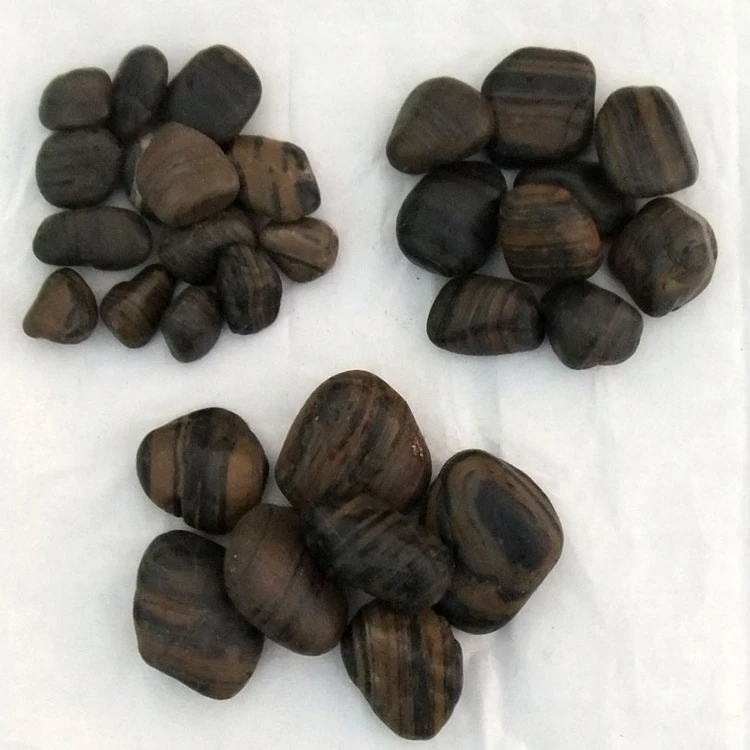
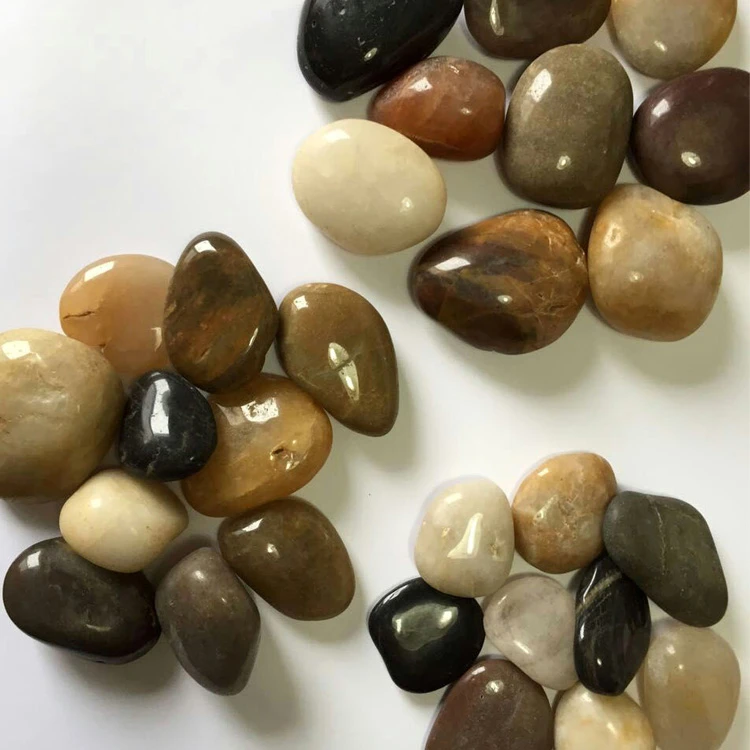
Simply put, pebbles landscape supplies refer to natural or processed small stones used primarily in landscaping projects—for paths, decorative beds, drainage solutions, or as base materials in construction. Their sizes typically range from about 2mm to 64mm, with texture and color options suiting a variety of visual and functional preferences.
These supplies connect modern landscaping to core industry demands like erosion control, baseline water filtration, and cost-effective ground covers. Humanitarian and infrastructure projects often leverage pebbles for quick terrain stabilization or green design elements that harmonize with local ecosystems.
Core Aspects of Pebbles Landscape Supplies
1. Durability and Weather Resistance
Pebbles are naturally durable and weather-resistant, making them ideal for long-term outdoor use. Unlike organic mulches, they don’t break down, preventing soil contamination or frequent replacement.
2. Aesthetic Versatility
From white quartz to river-smoothed granite, the color palette and texture variety provide wide creative freedom. Architects and landscapers appreciate this adaptability to stylistic themes.
3. Eco-Friendly and Low Maintenance
Since pebbles inhibit weed growth and reduce water evaporation from soil, they contribute to sustainable gardening practices. No fertilizers or chemicals required.
4. Drainage and Erosion Control
Bound by gravity and landscape design, pebbles help water infiltrate the soil efficiently. This is crucial in hilly or flood-prone areas.
5. Cost Efficiency
Compared with other hardscape materials, pebbles are relatively affordable to source and install, especially if locally quarried or recycled.
Mini takeaway: These components together mean pebbles landscape supplies aren’t just pretty additions—they’re practical, sustainable building blocks.
Global Applications & Real-World Use Cases
Across continents, pebbles landscape supplies find uses from quaint residential gardens in England to massive infrastructure in Australia’s outback. In coastal zones of Southeast Asia, they help reinforce mangrove areas vulnerable to rising tides. Similarly, many NGOs deploy pebble aggregates in disaster-prone zones to stabilize shelter sites rapidly.
In urban centers of Europe and North America, pebbles are integral to “green roofs” and pervious landscaping systems that mitigate stormwater runoff. Industrial zones in Latin America often use these stone supplies for affordable dust control and site demarcation.
Table 1: Typical Product Specification for Pebbles Landscape Supplies
| Specification | Typical Range | Notes |
|---|---|---|
| Size | 5mm – 40mm | Depends on application (walkways vs. drainage) |
| Material Composition | Granite, Quartz, River Stone, Basalt | Sourced locally for sustainability |
| pH Level | 6.5 – 8.5 | Neutral to slightly alkaline, plant-safe |
| Water Permeability | High | Excellent for drainage and runoff control |
| Durability (Hardness) | Mohs 6 – 7+ | Withstands heavy use and weathering |
Advantages & Long-Term Value
One of the biggest upsides, frankly, is the peace of mind pebbles provide in a landscape. They reduce maintenance—not having to mow, water, or replace mulch constantly is a small luxury in busy lives. Then there’s the environmental angle: less water usage, less chemical input, better stormwater infiltration. People don't always realize, but these little stones quietly support biodiversity too by stabilizing soils and providing habitats for tiny garden creatures.
Economically, lower replacement frequency and easy installation mean lasting cost savings for homeowners and urban planners alike. Socially, durable, beautiful landscapes—whether parks or schoolyards—contribute to well-being, a bit of daily joy in a hectic world.
Looking Ahead: Trends & Innovations in Pebbles Landscape Supplies
The field isn’t standing still. More suppliers now offer sustainably quarried or recycled pebbles, responding to ISO environmental standards. Smart landscaping integrates pebbles with advanced drainage geotextiles, sensors, and green infrastructure. For example, in some cutting-edge urban projects, pebble beds combine with solar lighting and irrigation controls—something that feels both futuristic and practical.
There’s also growing interest in coloring and surface treatments that enhance durability or produce unique textures without environmental harm, which could open up new markets in luxury landscaping or restoration projects.
Common Challenges & Practical Solutions
Of course, some challenges linger. Transporting heavy stone products can be costly and carbon-intensive if sourced far from the site. That’s why local sourcing and vendor partnerships matter—something we’ll touch on shortly.
Also, in certain climates, pebbles may retain heat or become slippery when wet. Designers often combine them with other materials or implement slight grading to offset this. Plus, education about correct installation methods prevents common drainage problems.
Vendor Comparison: Popular Pebbles Landscape Supplies Providers
| Vendor | Product Range | Sustainable Practices | Delivery Options | Customer Support |
|---|---|---|---|---|
| Sonmaci Stone | Granite, River Pebbles, White Quartz | Locally sourced; eco quarrying | Nationwide with custom bulk options | 24/7 support with landscape advice |
| GreenEarth Aggregates | Basalt, Slate, Mixed Pebbles | Recycled materials focus | Regional delivery; limited bulk | Office hours support |
| UrbanStone Pro | High-end quartz, marble pebbles | Sustainably certified; premium line | Express citywide delivery | Dedicated account managers |
FAQs About Pebbles Landscape Supplies
Q1: How do I choose the right pebble size for my garden path?
A: For garden paths, pebbles between 5mm and 15mm typically offer a comfortable walking surface and good stability. Larger pebbles may be uneven, while smaller ones can shift too easily. Consider the local climate too—larger stones drain better if rains are frequent.
Q2: Are natural pebbles better than manufactured gravel for landscaping?
A: Natural pebbles usually provide better aesthetics and durability due to their original shapes and mineral content. Manufactured gravel may have sharper edges, which could be uncomfortable for foot traffic. However, the choice depends on budget and specific use.
Q3: Can pebbles landscape supplies help with water conservation?
A: Yes, pebbles reduce soil evaporation and improve water infiltration, reducing irrigation needs. They’re especially effective in drought-prone areas or places aiming for sustainable landscape design.
Q4: How far can pebble supplies be transported without huge environmental costs?
A: Ideally, pebble suppliers source from local quarries within 50-100 km to minimize transport emissions. For larger projects, bulk shipping may be justified, but consider lifecycle costs when planning.
Q5: Is installation complicated for DIY landscapers?
A: Not particularly, but some basic prep like soil leveling, weed barrier installation, and edging is crucial for lasting results. Many vendors (like pebbles landscape supplies providers) offer how-to guides or even installation support.
Wrapping It Up: Why Pebbles Landscape Supplies Deserve Your Next Project
So, pebbles might seem like small, unassuming building blocks, but their impact is surprisingly big. They blend aesthetics with durability, sustainability with cost effectiveness, and practicality with innovation. Whether you’re a home gardener dreaming of a charming pathway or a landscape architect plotting a vast urban green space, pebbles offer reliable, low-maintenance support that stands the test of time and climate.
Thinking about the next step? Check out pebbles landscape supplies for a trusted source, quality options, and expert advice tailored to your needs.
In the end, it’s the smallest stones that often hold the greatest value...