The Lasting Charm and Strength of Yellow Building Stone | Sustainable Construction
Yellow Building Stone: More Than Just a Pretty Face in Construction
At first glance, the phrase yellow building stone might evoke images of warm sunlit façades or vintage city squares. But if you scratch just beneath that golden surface, you find a material with a surprisingly broad and impactful role in global construction, sustainability, and even humanitarian efforts. Understanding this natural resource can help industries innovate, preserve cultural integrity, and build smarter in the face of environmental challenges.
Why does yellow building stone matter beyond aesthetics? Its unique properties—durability, thermal efficiency, and natural insulating qualities—have made it a staple in many parts of the world for centuries. Yet, with modern challenges around sustainability and resource scarcity, its practical benefits are now undergoing a renaissance of sorts. More than that, yellow stones often come from regions where construction materials define economic wellbeing and resilience to climate change.
The Global Stage: Why Yellow Building Stone Still Steals the Spotlight
The global construction industry continues to evolve, but natural stones remain a cornerstone resource. According to the International Organization for Standardization (ISO), natural stones make up roughly 15% of construction materials worldwide, valued for their longevity and sustainability. Yellow building stone, in particular, is sourced in Europe, North Africa, and parts of Asia — regions that face increasing urbanization pressures and harsh climate conditions.
Here's the catch: many developing economies reliant on yellow stone face the dual problem of sustainable extraction and efficient usage. Excessive quarrying threatens ecosystems, while growing urban populations demand affordable, reliable building solutions. Thankfully, yellow stone is answering to these challenges through innovations that marry tradition with modern needs.
Mini takeaway:
- Yellow building stone connects centuries-old craftsmanship to modern sustainability efforts.
- Its global supply chain is critical but faces environmental and economic pressures.
What Exactly Is Yellow Building Stone?
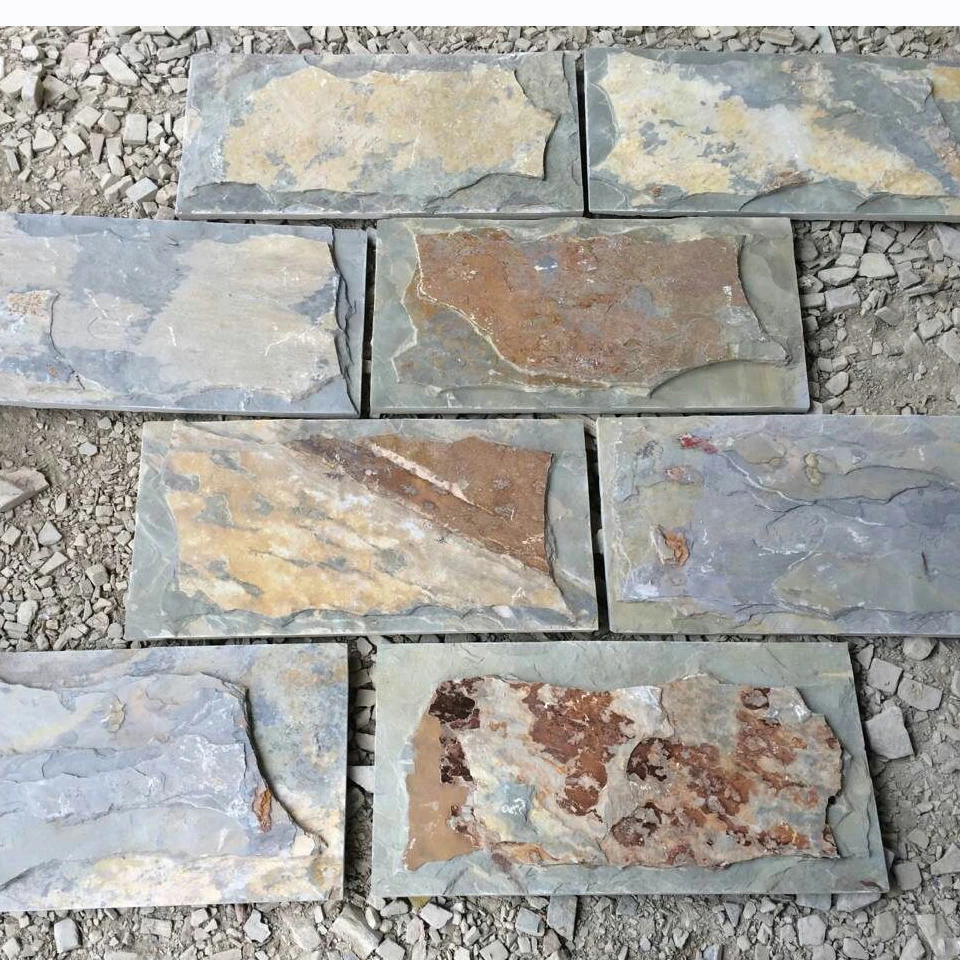
Simply put, yellow building stone refers to naturally quarried sedimentary stones—sandstone, limestone, or certain marbles—characterized by warm yellow hues. These tints come from iron oxides, organic materials, or mineral impurities. The stones are prized for their robust physical properties alongside their eye-catching color, making them popular for everything from decorative façades to load-bearing walls.
Beyond aesthetics, these stones carry a subtle promise of longevity and natural weather resistance. They often require less chemical treatment than synthetic materials, reducing environmental impact during construction. This aligns them well with both traditional architecture and the rising global focus on sustainable building practices, such as those advocated by the UN Sustainable Development Goals.
Mini takeaway:
- Yellow building stone combines visual appeal with practical durability.
- It integrates seamlessly with green building standards and cultural preservation.
Key Aspects That Make Yellow Building Stone Stand Out
1. Durability and Weather Resistance
Yellow stone is often denser and less porous than other sedimentary rocks. This means it can weather sun, rain, and frost somewhat better, a crucial feature in urban and rural settings alike.
2. Thermal Insulation
Oddly enough, the natural mineral composition of these stones helps regulate indoor temperature — keeping buildings cooler in summer and warmer in winter without complex HVAC systems.
3. Cost Efficiency Over Time
While initial quarrying and transport can be pricier than concrete or bricks, the long lifespan and minimal maintenance costs often tip the scales in favor of yellow building stone.
4. Scalability and Availability
Regions like Turkey, India, and parts of Italy have vast yellow stone deposits that economically support local industries and infrastructure projects of all sizes.
5. Aesthetic Versatility
Its palette ranges from soft buttery to deep amber, accommodating various architectural styles—from rustic cottages to sleek modern office blocks.
Mini takeaway:
- The stone’s natural qualities reduce energy usage and ongoing expenses.
- Its spectrum of colors allows creative design without sacrificing function.
Real-World Applications: Building Beyond Borders
Yellow building stone is more than a regional specialty. In post-disaster zones, these stones form the backbone of resilient housing due to their capacity to withstand seismic shocks and severe weather. For example, after wildfires in Mediterranean areas, reconstruction efforts increasingly favor local yellow sandstone to speed recovery and maintain cultural identity.
In bustling urban centers across Europe and Asia, architects choose yellow stone for eco-conscious commercial facades and public monuments. Industrial regions benefit, too—where access to concrete is limited, yellow stone provides a reliable, locally sourced alternative. Large NGOs advocating for sustainable development trace many of their affordable housing projects precisely to this material.
| Specification | Typical Range | Remarks |
|---|---|---|
| Compressive Strength | 25-60 MPa | Suitable for load-bearing walls |
| Water Absorption | 3-7% | Lower absorption aids weather resistance |
| Thermal Conductivity | 1.2-2.0 W/mK | Helps maintain eco-friendly indoor temps |
| Color Range | Pale yellow to deep amber | Varies by quarry and treatment |
The Advantages: Why Builders and Buyers Keep Coming Back
It’s not just because yellow building stone looks nice. It brings social and emotional value, too. Using natural materials helps communities feel rooted—sometimes even dignified—in their homes and public spaces. Then, there’s the logic of it: low maintenance costs, resistance to environmental degradation, and compatibility with modern sustainability standards provide financial peace of mind.
So, there’s a sort of win-win. Buyers get durable, reliable construction material. Producers and suppliers foster regional economies without creating widespread ecological distress. Stakeholders in preservation and innovation find common ground.
Emerging Trends and Innovations
The industry isn’t stuck in the past. New methods in eco-quarrying reduce environmental impact, while digital scanning tools improve stone selection and cutting precision. Some innovators combine yellow building stone with thermal insulation panels or recycled composites for hybrid solutions suitable for smart buildings.
Moreover, policy shifts favoring green construction boost demand. Look for growing certifications and standards that reward natural stone’s low carbon footprint compared to concrete or steel. It’s a quietly bullish sign for the longevity of yellow stone across multiple sectors.
Common Challenges and Practical Fixes
Of course, no material is perfect. Extraction sites sometimes cause biodiversity concerns. Transportation costs can add up if quarries are far from markets, making price volatile. And not all yellow stones are created equal — poor selection or treatment can lead to unexpected wear.
Innovative solutions include closer collaboration between geologists and architects to optimize material use, scheduled quarry rehabilitation, and leveraging regional supply chains to reduce logistics costs. The trend toward modular construction also opens doors for more standardized stone paneling, easing installation pains.
Vendor Comparison: Picking Your Yellow Building Stone Partner
| Supplier | Key Strengths | Geography | Customization | Sustainability Practices |
|---|---|---|---|---|
| StoneCraft International | Wide color range, fast delivery | Europe, MENA | High | ISO 14001 certified |
| EcoQuarry Stones | Sustainable extraction, fair trade | India, SE Asia | Medium | Carbon neutrality target 2030 |
| Mediterraneo Stones | Custom masonry support | Mediterranean region | High | Local restoration projects |
Frequently Asked Questions About Yellow Building Stone
1. How does yellow building stone compare to concrete in terms of environmental impact?
Yellow building stone typically has a lower carbon footprint because it requires less energy-intensive processing. Quarrying does have impacts, but these are often mitigated by sustainable practices and the stone’s longevity, which reduces the need for replacements.
2. Is yellow stone suitable for modern high-rise construction?
While traditional yellow stone is more commonly used in low to medium rise buildings, advances in composite stone panels and hybrid construction techniques have allowed its incorporation in some modern projects with reinforced frameworks.
3. Can yellow building stone be used in earthquake-prone areas?
Yes, but careful design is critical. Many engineers recommend combining yellow stone with flexible structural supports. In regions prone to seismic activity, stones with proven compressive strength combined with anchoring systems enhance safety.
4. How do I ensure I source sustainable yellow building stone?
Look for suppliers with international sustainability certifications (such as ISO 14001), ethical quarrying standards, and transparent supply chains. Additionally, local sourcing reduces emissions from transportation.
5. What maintenance does yellow stone require over time?
Routine cleaning and inspection for cracks or weathering is generally sufficient. Unlike synthetic materials, it often doesn’t require periodic painting or sealing if properly installed.
In Conclusion: The Timeless Appeal and Practical Promise of Yellow Building Stone
Bridging heritage and innovation, yellow building stone reminds us that durability and beauty don't have to be mutually exclusive. It’s a material that grows stronger in significance amid climate challenges and cultural preservation efforts. Whether you’re constructing a bespoke heritage building or seeking a sustainable alternative for your next commercial project, I’d say it’s worth giving yellow building stone a hard look.
For those curious to explore further and source high-quality material, do visit yellow building stone suppliers who specialize in marrying tradition and terra firma for the future.
Final mini takeaway:
- Yellow building stone offers a blend of beauty, strength, and sustainability hard to match by industrial alternatives.
- Its role in global construction is evolving, supported by smarter sourcing and innovative applications.
- If you haven’t considered it yet, maybe it’s time.