Understanding the Cost to Build a Stone Wall – Global Insights & Practical Guide
The Cost to Build a Stone Wall: Understanding Its Global Importance
Stone walls - they carry a certain gravitas, don’t they? Beyond their rustic charm or the visual poetry they lend to landscapes, the cost to build a stone wall is actually a crucial consideration for builders, architects, and communities worldwide. It’s not just about putting rough rocks together; it’s an interplay of materials, labor, location, and long-term value. Understanding this cost matters on a global scale, especially as sustainable building practices gain momentum and heritage preservation becomes a priority.
Introduction: Why the Cost to Build a Stone Wall Matters Globally
Globally, the demand for durable, cost-effective, and environmentally friendly construction methods has increased. According to reports from the International Organization for Standardization (ISO), sustainable construction is among the fastest-growing sectors in civil engineering. Stone walls, whether used for retaining soil, defining property boundaries, or even as part of ecological conservation projects, represent a fascinating intersection of tradition and modern necessity.
However, one major challenge persists: balancing upfront construction costs with longevity and environmental impact. The cost to build a stone wall directly influences decisions on whether stone masonry is chosen over alternatives like concrete or wood fencing. In regions vulnerable to climate change or natural disasters, a stone wall’s resilience is priceless, but budget constraints often limit options.
Defining the Cost to Build a Stone Wall
Simply put, the “cost to build a stone wall” encompasses all the expenses involved in planning, gathering materials, labor, and finishing a stone wall project. This covers:
- Price of stone materials (natural or quarried)
- Labor costs, especially since stonework is skilled manual craft
- Additional elements like mortar, tools, and groundwork
- Logistics such as transportation and site preparation
Modern industries, including landscaping, civil engineering, and heritage restoration, rely on accurate cost estimates to budget effectively and ensure structural integrity.
Key Factors Affecting the Cost to Build a Stone Wall
Material Quality and Type
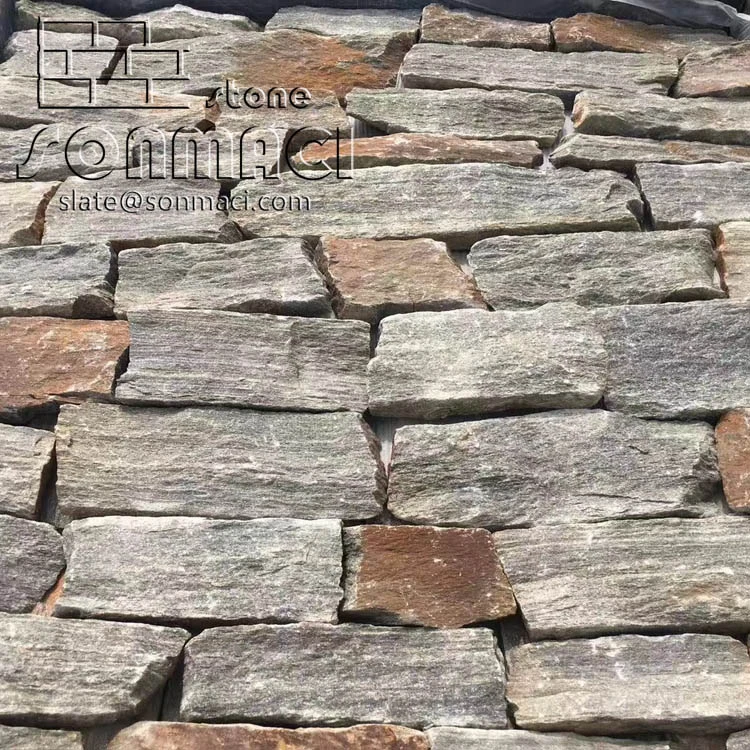
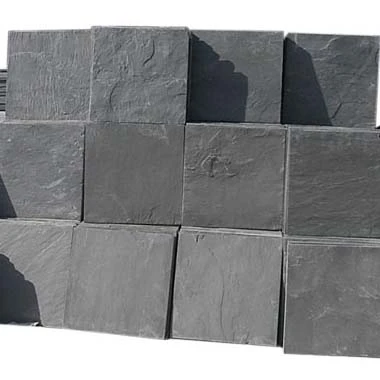
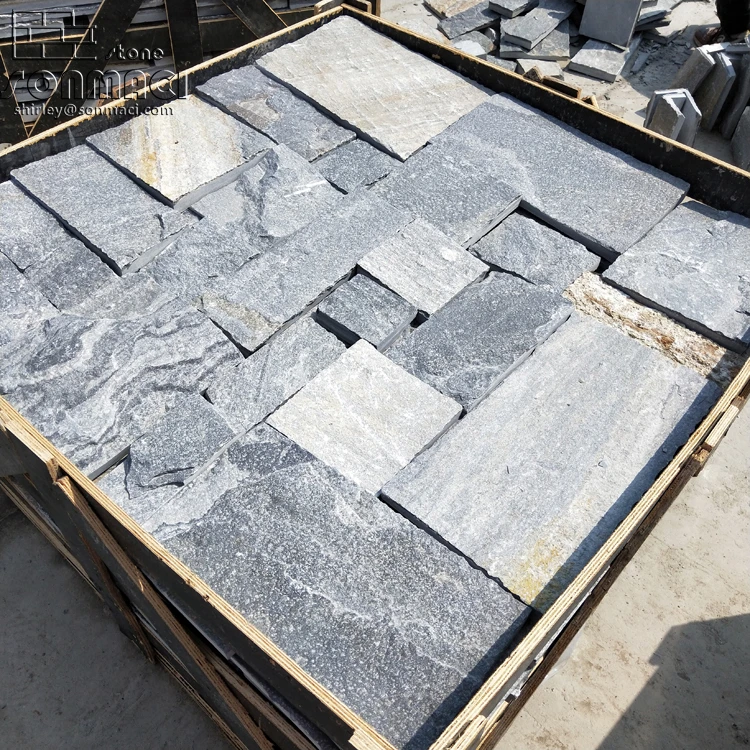
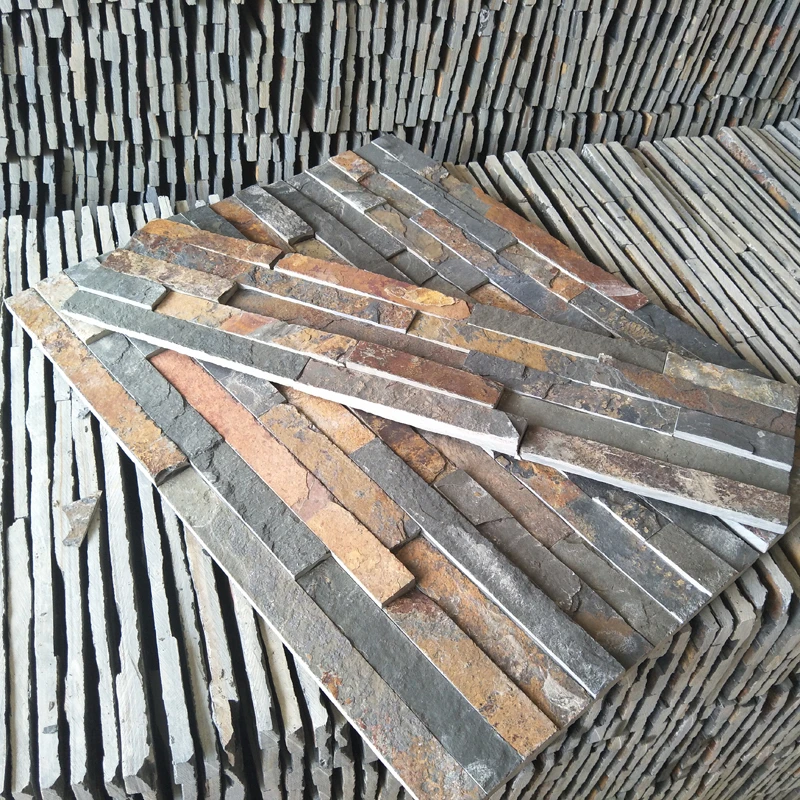
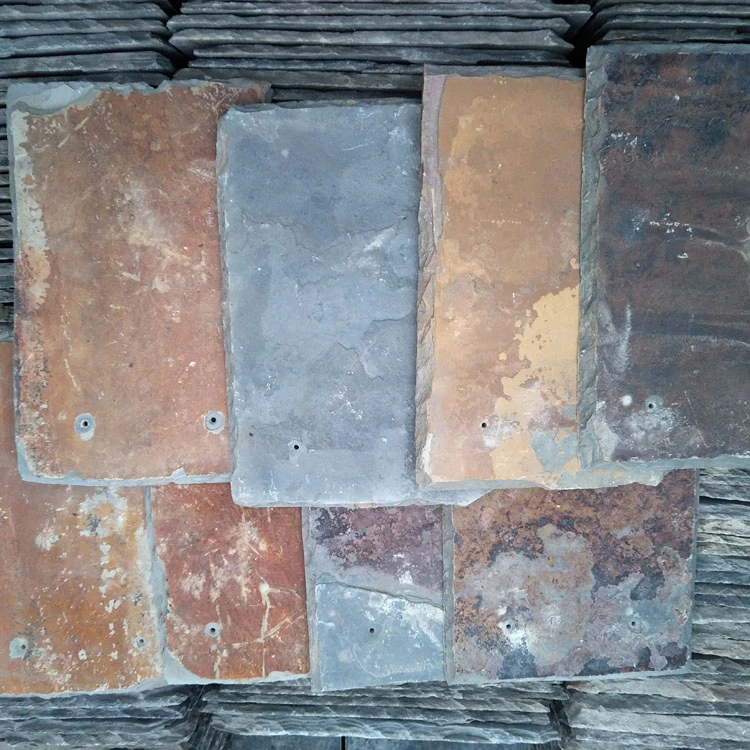
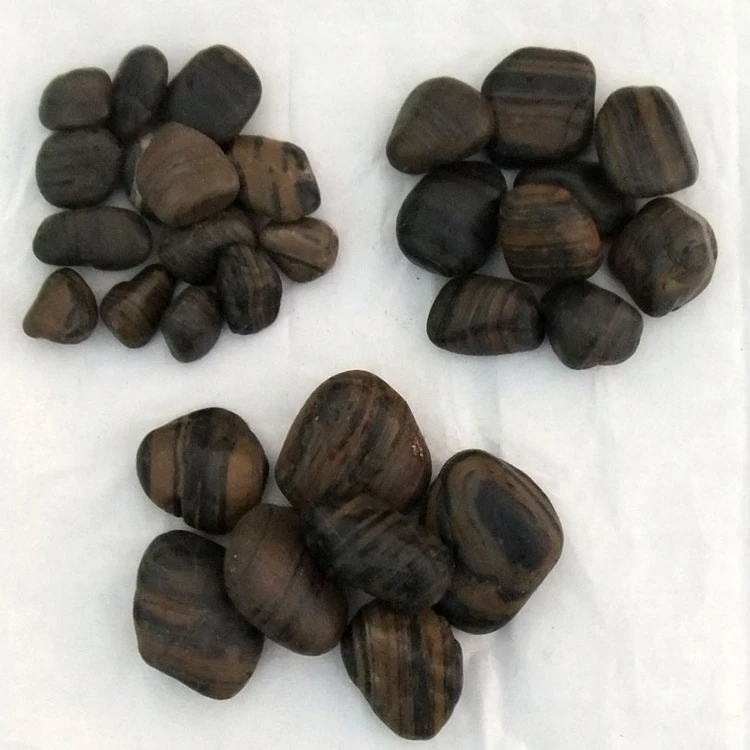
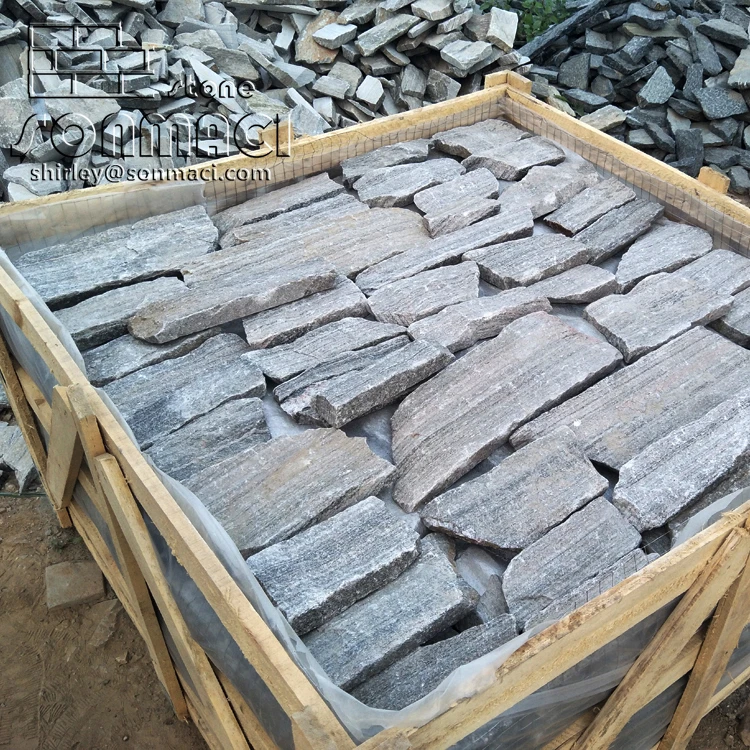
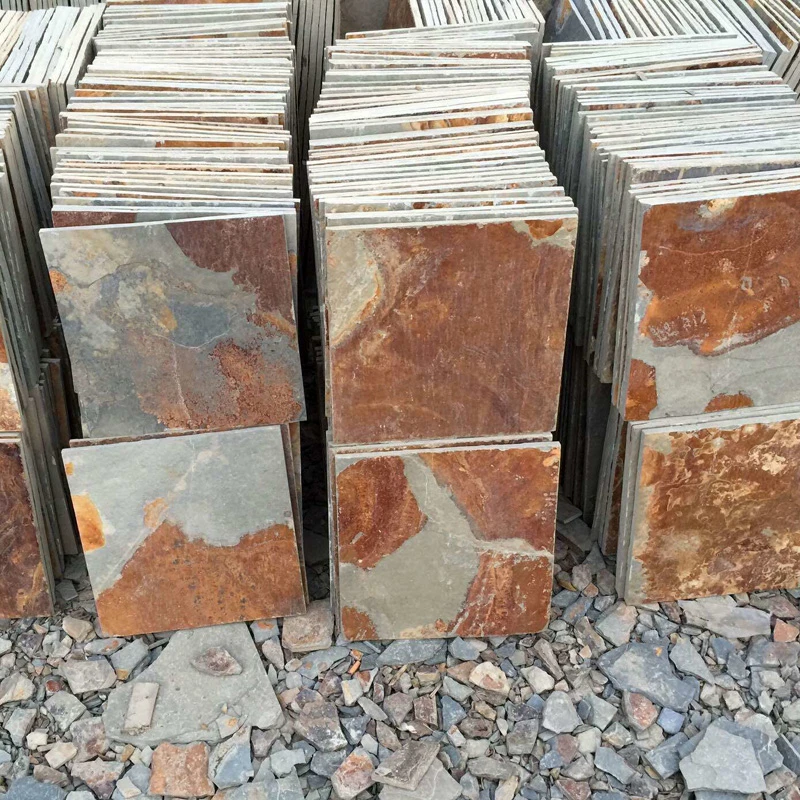
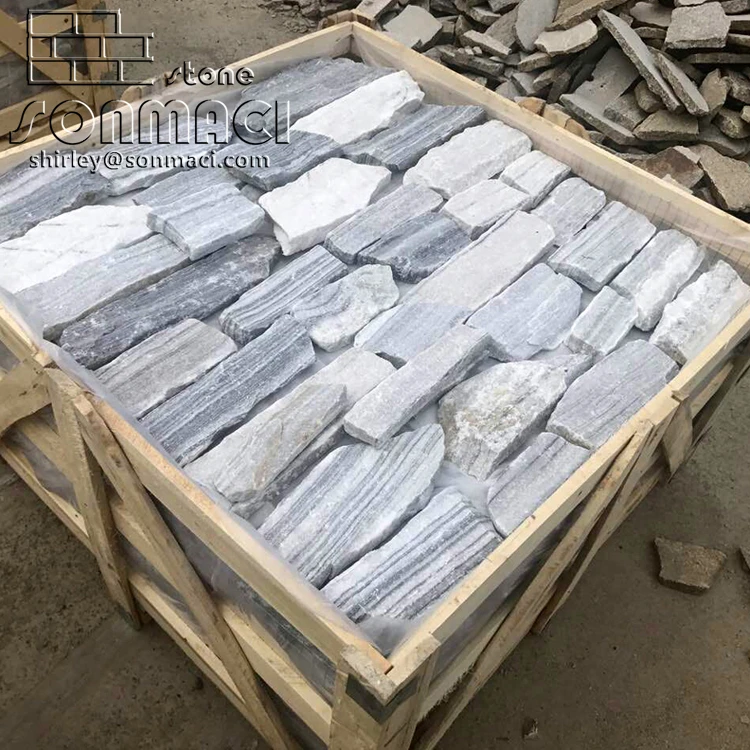
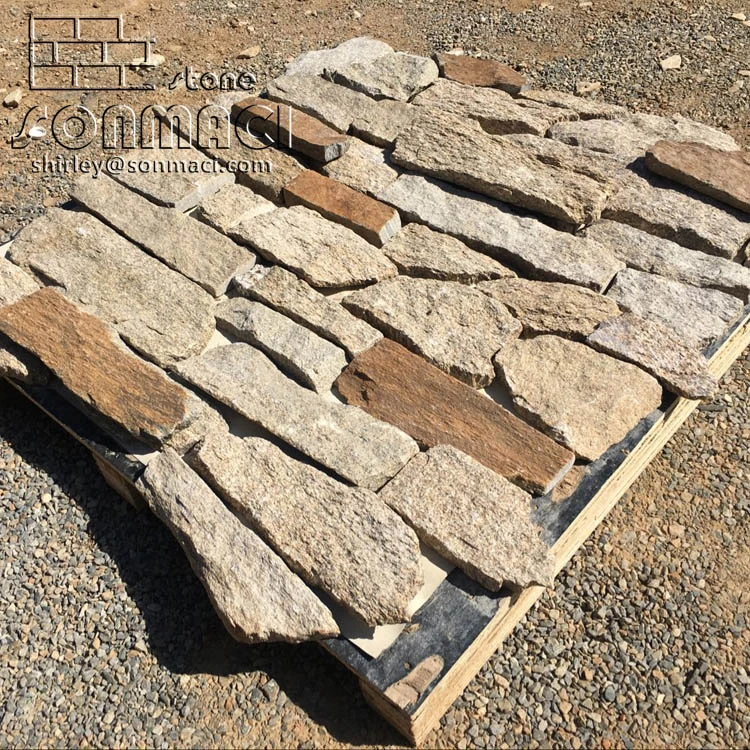
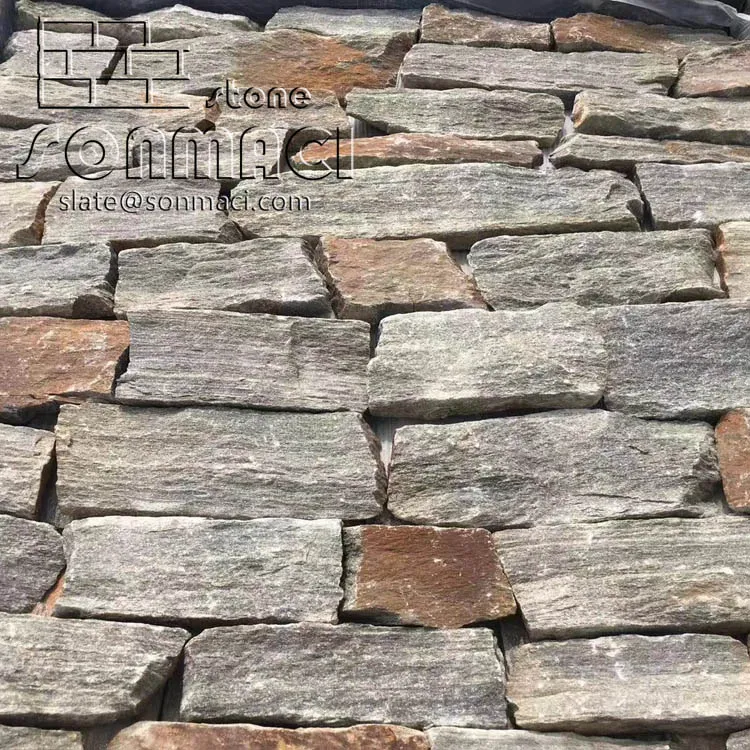
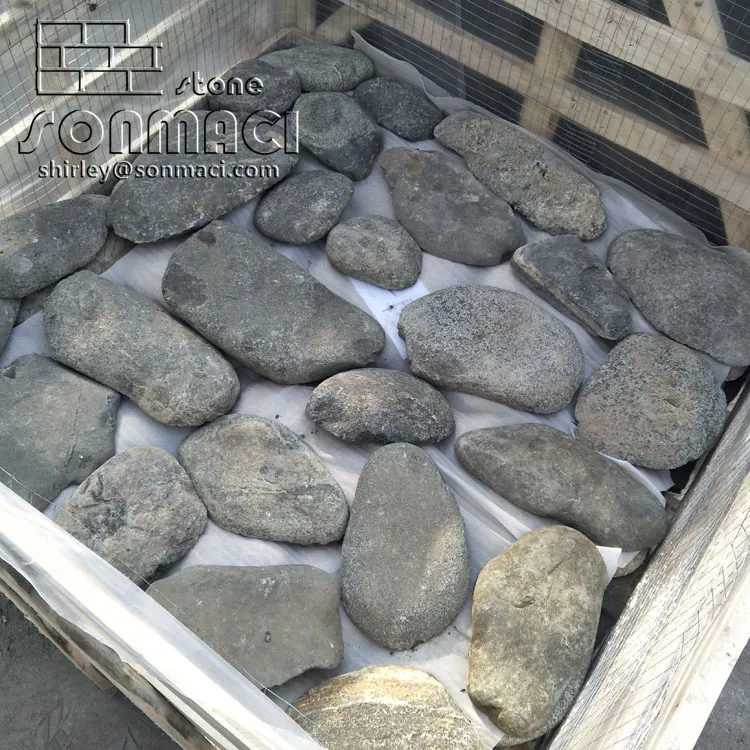
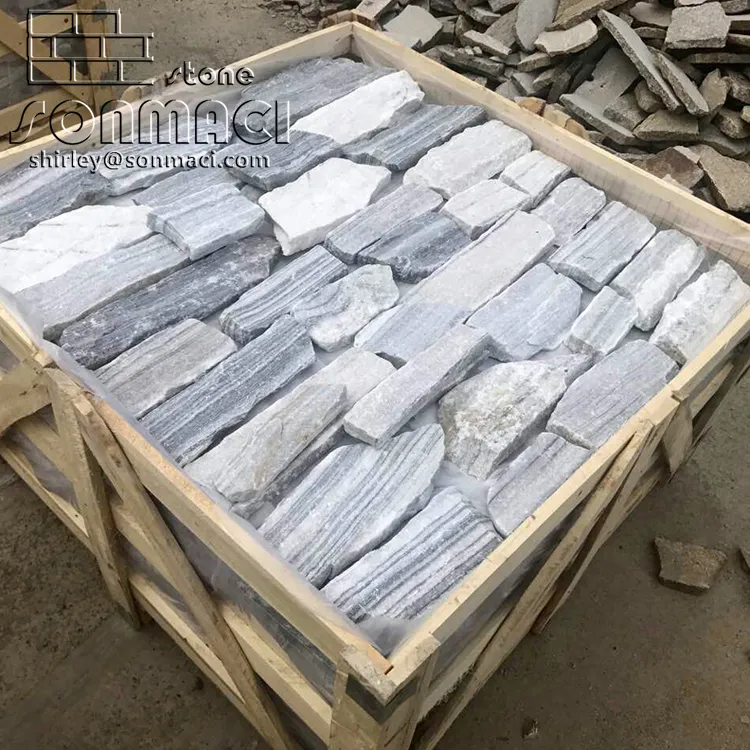
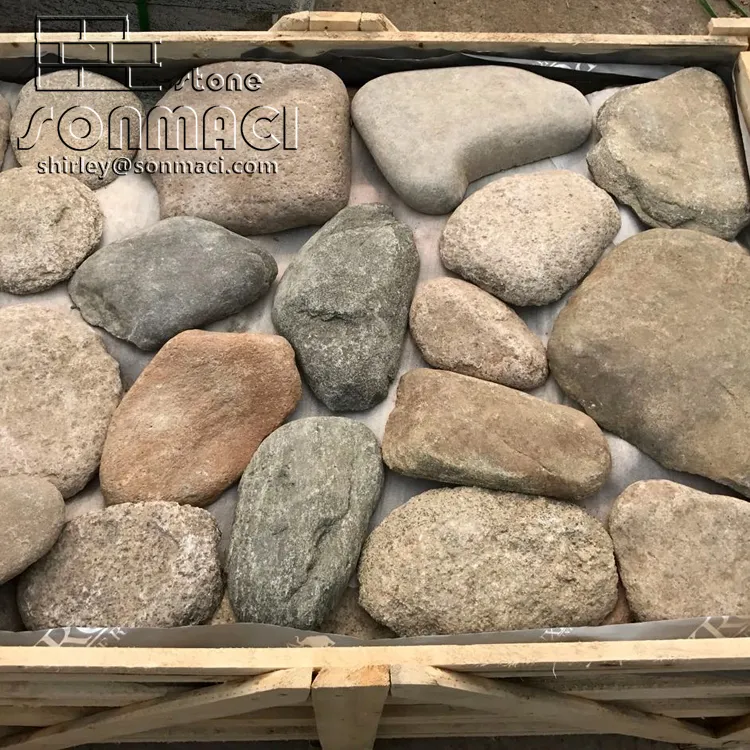
Stone varies widely: granite, limestone, sandstone, among others. Some stones are plentiful locally; others must be imported, raising costs. Hardness, porosity, and aesthetic appeal all sway the price.
Labor Intensity and Skilled Craftsmanship
Stone masonry isn’t a job for just anyone. Skilled masons’ rates reflect their expertise, the project’s complexity, and time required. Oddly enough, the skill level can sometimes outpace material cost in influencing budget.
Wall Design and Dimensions
A simple dry-stacked fence wall costs less than a load-bearing retaining wall. Height, length, and thickness affect the stone volume needed and labor time.
Site Accessibility and Preparation
Transporting heavy stone to remote or uneven terrain adds a logistical premium. Excavation or leveling might be necessary, further inflating expenses.
Durability and Maintenance Expectations
Spending a bit more upfront on quality can reduce long-term maintenance, especially in harsh climates. This muddies the waters on what to prioritize when evaluating costs.
Mini Takeaway:
Multiple intertwined components shape the cost to build a stone wall: from stone type to labor skill to design complexity. A holistic view is key for smart budgeting.
Global Applications & Use Cases of Stone Walls
The utility of stone walls stretches across continents and industries:
- Agricultural Terraces: In mountainous areas like the Andes or Southeast Asia, stone retaining walls aid soil conservation and water management.
- Heritage Conservation: European historic towns spend millions preserving ancient stone walls as cultural treasures.
- Disaster Relief Infrastructure: Post-earthquake Nepal has seen stone walls used to rebuild homes resistant to future tremors.
- Industrial Perimeters: Remote mining operations in Australia and Canada use stone walls for secure fencing combined with natural aesthetics.
Such examples highlight how understanding the cost is pivotal for project feasibility under varied contexts.
Advantages & Long-Term Value of Stone Walls
Why bother with stone walls, given the initial costs? Here are the benefits that make the difference:
- Longevity: Stone walls outlast many alternatives, potentially spanning centuries with minimal upkeep.
- Environmental Sustainability: Natural materials reduce carbon footprint compared to concrete or steel.
- Social & Cultural Significance: Stone walls contribute to local identity and heritage preservation.
- Robustness & Safety: Their mass resists weather extremes, floods, and animal intrusion better than flimsy fences.
- Economic Value Over Time: Less frequent repairs translate to cost savings in the long haul.
Frankly, it feels like investing in permanence and trustworthiness, which few building elements can claim.
Future Trends & Innovations in Stone Wall Construction
Innovation doesn’t spare stone masonry, oddly enough! For example:
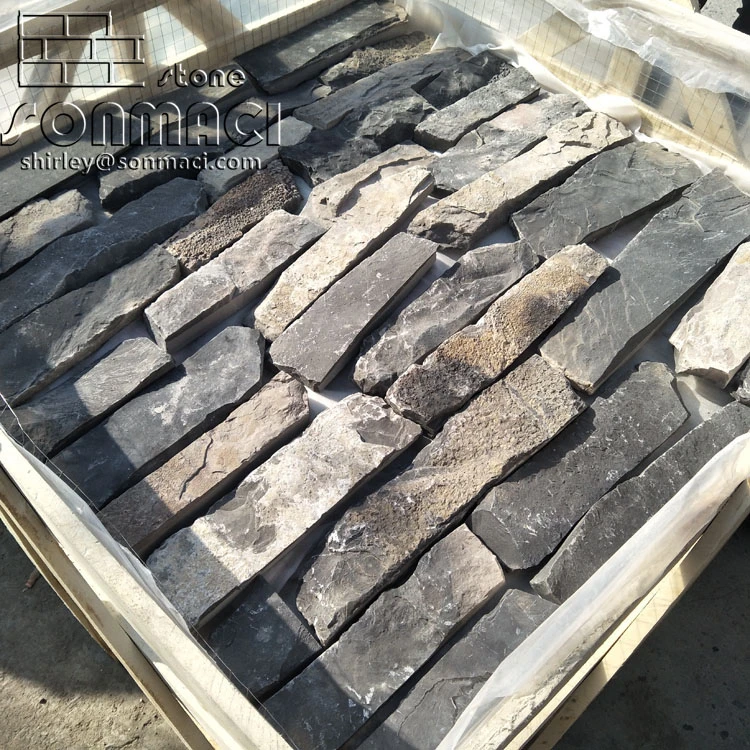
- Prefabricated Modular Stone Panels: Reducing on-site labor and speeding up timelines.
- Enhanced Masonry Techniques: Using polymer-based mortars for improved bonding, affected durability, and flexibility.
- Sustainable Quarrying Practices: ISO-certified eco-quarries minimize environmental damage.
- Digital Design Tools: BIM (Building Information Modeling) allows precise cost estimation and reduces waste.
Keeping a finger on these developments is key for architects and planners aiming to optimize cost to build a stone wall without sacrificing quality.
Challenges & Practical Solutions
Stone walls aren’t without their hitches. Common issues include:
- High Initial Costs: Compared to timber or chain-link fencing.
- Labor Shortages: Skilled masons are harder to find in some regions.
- Environmental Restrictions: Quarrying can conflict with preservation efforts.
Experts suggest blended solutions like combining local stone with concrete reinforcements or training programs to upskill workers fast. Also, community involvement can reduce labor costs and enhance social value.
Product Specification: Typical Stone Wall Components
| Component | Typical Range | Remarks |
|---|---|---|
| Stone Type | Granite, Limestone, Sandstone | Locally sourced preferred for cost-efficiency |
| Wall Thickness | 0.3m to 0.6m | Depends on structural needs |
| Mortar Type | Lime-based or cement-based | Affects flexibility and water resistance |
| Labor Time | 3-7 days per 10m wall | Varies with skill & design complexity |
| Cost Range | $50-$150 per linear foot | Inclusive of materials & labor |
Vendor Comparison Table: Typical Stone Wall Builders
| Vendor | Price per Linear Foot | Service Area | Specialty | Lead Time |
|---|---|---|---|---|
| StoneCraft Ltd. | $80 - $110 | North America | Heritage restoration | 4-6 weeks |
| EcoStone Builders | $65 - $95 | Europe | Sustainable quarrying methods | 3-5 weeks |
| MountainStone Services | $90 - $140 | Asia-Pacific | Custom terracing & retaining walls | 5-7 weeks |
FAQ: Frequently Asked Questions About the Cost to Build a Stone Wall
- What factors most affect the variability in stone wall costs?
- The main factors include the type and source of stone, complexity of design, accessibility of the build site, and labor costs. Remote locations or specialty stone types will increase price, as will more intricate masonry work.
- Is a dry stone wall cheaper than a mortared stone wall?
- Generally yes. Dry stone walls require less mortar and sometimes less labor since they rely on carefully fitted stones. However, they need skilled masons familiar with the technique, which can offset cost savings.
- How long does a properly built stone wall last?
- With proper construction and maintenance, stone walls can last hundreds of years. This longevity often makes them more cost-effective in the long term despite higher upfront expenses.
- Can stone walls be built sustainably to reduce environmental impacts?
- Absolutely. Using locally quarried stones, eco-friendly mortars, and minimizing transportation reduces carbon footprint. Certification from bodies like ISO can guide more sustainable practices.
- Where can I find reliable cost estimates specific to my region?
- Consulting local builders specialized in stone masonry or using online tools from reputable construction sites can provide tailored estimates. For example, cost to build a stone wall calculators are often regionally adapted.
Conclusion: The Enduring Promise of Stone Walls
The cost to build a stone wall is a nuanced topic, balancing tangible expenses with intangible values like durability, environmental stewardship, and cultural identity. While it may seem pricey initially, investing in quality stone construction pays dividends in reliability and aesthetic harmony that no cheap alternative quite matches.
If you’re considering a stone wall project, exploring comprehensive cost factors upfront helps avoid surprises later. And, of course, for more detailed info and tailored quotes, I recommend visiting https://www.sonmacistone.com where you’ll find real tools and expert advice to guide you through your next build.
In the end, stone walls are as much stories as structures — stories told through the interplay of earth, human hands, and time.