How Much Does It Cost to Stone Veneer a House? Your Complete Guide
Understanding the Cost to Stone Veneer a House: What You Need to Know
When considering home improvement or building projects, the cost to stone veneer a house is often a pivotal deciding factor. You might be wondering why this topic has garnered so much attention in recent years. It's because stone veneer offers a remarkably elegant, durable finish that elevates homes aesthetically and structurally. But beyond looks, understanding the costs and benefits involved can dramatically influence budgeting, long-term planning, and even sustainability objectives globally.
Why the Cost to Stone Veneer Matters Globally
Stepping back, the construction and renovation industries contribute around 13% of global CO2 emissions according to the International Energy Agency (IEA). Choosing materials wisely, including stone veneer, can help reduce environmental impacts especially since stone veneer can last decades with minimal maintenance.
Additionally, stone veneer is an affordable alternative to full natural stone facades, which means it opens enhancement options for homeowners worldwide—whether in North America, Europe, or emerging markets in Asia and Africa. However, prices vary regionally, influenced by labor costs, material sourcing, and installation techniques. This is exactly the challenge many face in practical terms: balancing cost with quality and appearance.
What Does ‘Cost to Stone Veneer a House’ Actually Mean?
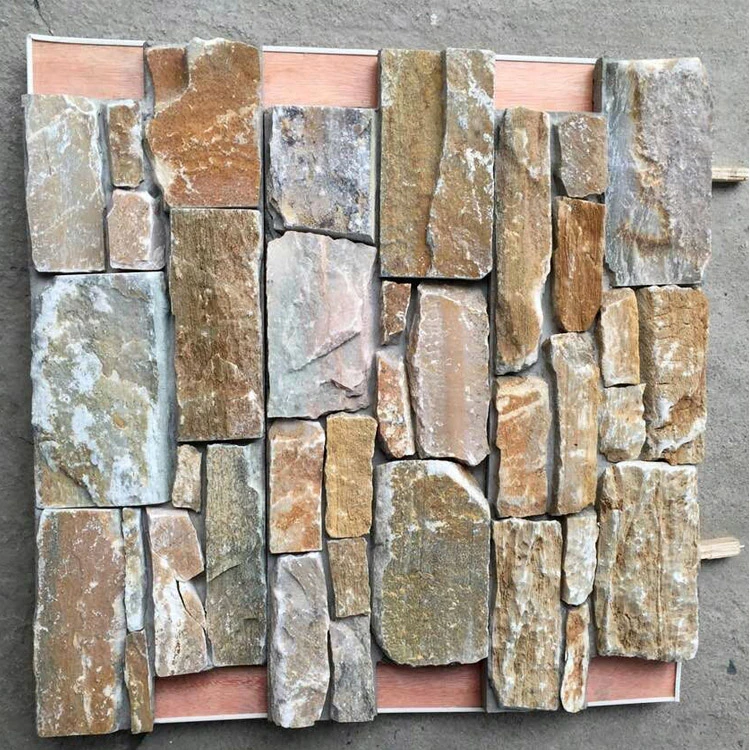
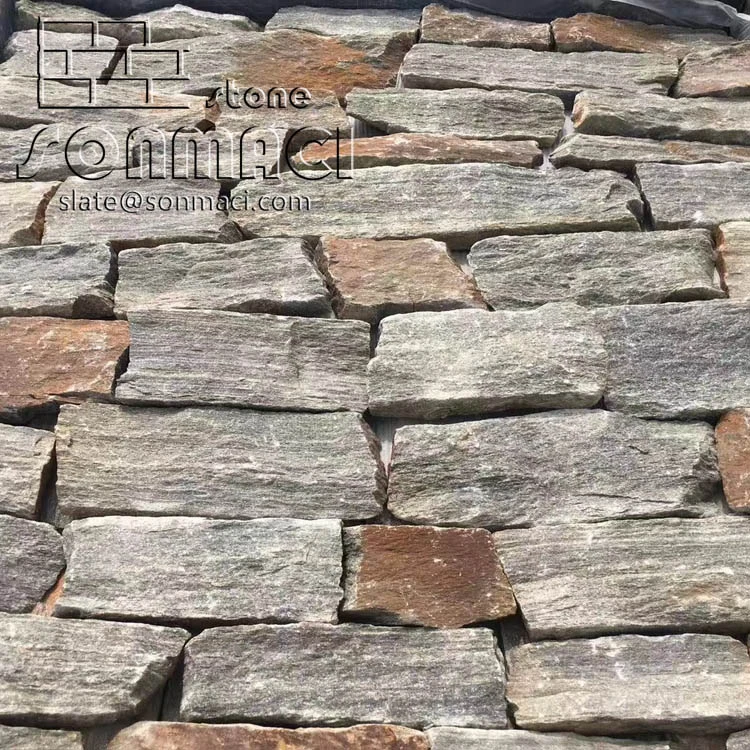
In essence, the phrase refers to the total expense involved in covering a home's exterior walls with a thin layer of stone-like material. Stone veneer mimics the look of natural stone but is much lighter and easier to install. It can be made from natural stone slices or manufactured from cement-based composites.
This cost includes the price of the stone veneer material itself, plus installation labor, surface preparation, mortar and other materials needed, and any necessary permits. It’s a crucial metric for homeowners, builders, and architects alike—and surprisingly connected with broader efforts around sustainable and efficient construction worldwide.
Key Factors Affecting Cost to Stone Veneer a House
1. Material Type
The primary cost driver is whether you choose natural stone veneer, which is pricier but authentic, or manufactured stone veneer that’s more budget-friendly but still offers a good look. Both come in varieties depending on stone types and finish quality.
2. Installation Labor
Stone veneer installation demands skilled labor. The price per square foot for installation can vary widely based on local labor costs and job complexity. Prepping surfaces for veneer is another factor here.
3. Surface Preparation
Your existing wall condition determines if additional work like waterproofing, framing, or insulation is required, which impacts cost.
4. Project Scope and Size
Larger surface areas generally decrease per-unit costs due to economies of scale, but oddly enough, very intricate features or heights can increase labor time and expense.
5. Geographic Location
Stone veneer prices and labor rates differ sharply between urban and rural areas, and country to country—making this an important budgeting consideration.
Mini takeaway: The cost to stone veneer a house hinges on material, labor, prep work, size, and location — understanding these helps you plan smartly.
Product Specification Table: Natural vs Manufactured Stone Veneer
| Feature | Natural Stone Veneer | Manufactured Stone Veneer |
|---|---|---|
| Material Weight | Heavy (15–20 lbs/sq ft) | Lightweight (6–8 lbs/sq ft) |
| Cost per sq ft | $6 to $12 | $4 to $8 |
| Durability | High — natural wear over decades | Good — resistant but may fade |
| Installation Complexity | Challenging; requires skilled masons | Easier; lighter panels speed up install |
| Appearance | Authentic stone grains & hues | Highly versatile, can mimic many stones |
Global Applications and Use Cases
Stone veneer is a go-to choice for residential facades, commercial buildings, and even humanitarian architecture projects. Oddly enough, its versatility makes it applicable in very diverse contexts:
- Urban housing renovations: Enhancing curb appeal while keeping costs manageable.
- Hospitality industry: Hotels and resorts often use stone veneer for durable, attractive exteriors.
- Disaster relief shelter upgrades: Some NGOs prefer stone veneers to upgrade temporary housing structures for longer-term use, emphasizing durability and aesthetics.
- Remote industrial facilities: Where material shipment costs are high, the lighter manufactured veneers reduce transport hassles.
In terms of geography, regions like North America and Europe have established markets while Asia-Pacific is rapidly growing due to urban expansion. The cost to stone veneer a house in these areas varies but the drivers remain consistent: quality, installation expertise, and material choice.
Mini takeaway: From city homes to disaster zones, stone veneer’s cost-effectiveness and aesthetics bring value worldwide.
Advantages and Long-Term Value
The benefits of choosing stone veneer go beyond simple looks — they strike a balance of economy and endurance that few other facades match.
- Cost Efficiency: Compared to full stone facades, veneer cuts initial expenses drastically while still offering that desirable stone finish.
- Long-lasting Durability: Stone veneers resist weather extremes, reducing repair needs and thus lifetime costs.
- Environmental Benefits: Some manufactured veneers use sustainable materials and processes aligned with green building standards (check ISO 14001).
- Emotional Impact: Homeowners often feel pride and security in a home that “looks solid” and stands up to time.
Vendor Comparison Table: Popular Stone Veneer Suppliers
| Supplier | Cost Range ($/sq ft) | Material Type | Lead Time | Special Features |
|---|---|---|---|---|
| NaturalStoneCo | $8 - $12 | 100% Natural | 2-4 weeks | Wide variety of stone types |
| EcoVeneer | $4 - $7 | Manufactured Composite | 1-2 weeks | Environmentally certified |
| StoneMaster | $5 - $9 | Mixed natural & manufactured | 2-3 weeks | Custom color options |
Future Trends & Innovations in Stone Veneer
Looking ahead, stone veneer technology is evolving. Automation in manufacturing promises more consistent quality with reduced waste. Meanwhile, advances in sustainable composites mean greener products becoming mainstream—an important consideration as stricter environmental regulations come into play globally.
Digital tools like 3D scanning and modeling also assist architects in planning veneer installation with pinpoint accuracy, reducing errors and material wastage. These trends are shaping how we think about the cost to stone veneer a house, potentially lowering prices while enhancing quality.
Challenges and How to Solve Them
Of course, the stone veneer path isn’t without hurdles. Installation mistakes can cause moisture entrapment, leading to structural damage. Also, initial costs might still feel high to some homeowners compared to siding alternatives.
Experts suggest working with certified installers and considering manufacturer warranties as good safeguards. Budgeting for appropriate surface prep and insulation improves longevity and value too. Sometimes, opting for manufactured veneer helps overcome weight or shipping issues in isolated regions.
FAQ: Common Questions About Cost to Stone Veneer a House
- Q: What is the average cost per square foot to stone veneer a house?
A: Prices range between $6 and $12 per square foot depending on the material type and labor complexity. Manufactured veneer tends to be on the lower end, while natural stone costs more due to higher material and installation demands. - Q: How long does a stone veneer installation typically take?
A: Installation time varies by project size and crew skill, but most residential homes take from a few days to two weeks. Surface prep adds to this timeline depending on wall conditions. - Q: Is stone veneer maintenance expensive?
A: Fortunately, stone veneers require minimal maintenance—occasional cleaning and inspection suffice. Natural veneers may need sealing every few years, which is not very costly relative to repair expenses. - Q: Can stone veneer improve home insulation?
A: Stone veneer itself is not a significant insulator but can be combined with insulation boards underneath to enhance thermal performance.
Conclusion & Where to Learn More
In sum, the cost to stone veneer a house remains a practical and attractive investment with benefits that extend beyond mere curb appeal. Durable, adaptable, and with a growing focus on sustainability, stone veneer continues to be a smart choice for homeowners and builders globally.
If you’re considering adding stone veneer to your home, do your research on materials and installation expertise—it’s worth the effort. For detailed pricing and product options, feel free to visit our website and explore.
Reflection: I suppose the real insight here is that cost is just one part of a bigger picture—quality, long-term value, and sustainability all knit together what makes stone veneer compelling today and tomorrow.
References: