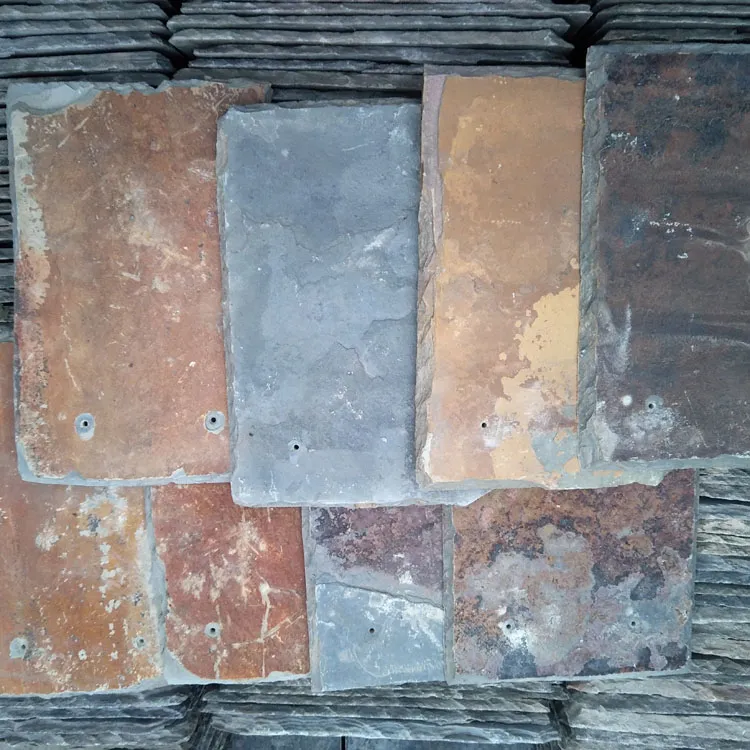
Natural Stone for House Exterior | Durable & Sustainable Building Materials
Natural Stone for House Exterior: A Timeless Choice in Modern Construction
When you think of a home’s exterior, what probably comes to mind is durability, beauty, and a certain sense of permanence. Natural stone for house exterior finishes ticks all those boxes and more — its allure has lasted centuries, and today it’s enjoying a resurgence thanks to sustainability trends and smarter building practices. But why does it still matter globally in a world rushing towards glass and steel? And how does choosing natural stone bring value beyond mere aesthetics? Let’s dig into this fascinating topic that blends geology, architecture, and even global development.
The Global Significance of Natural Stone for House Exterior
Globally, over a billion people live in stone, brick, or concrete houses, and natural stone remains one of the oldest, most widely used exterior materials available. According to the International Organization for Standardization (ISO), natural stone is also a regulated resource in many countries, reflecting its importance in construction industries worldwide.
Interestingly, the World Bank’s urban development data shows that durable, locally sourced materials like stone are critical for affordable housing projects across developing nations. They help combat climate challenges by offering natural insulation, and they withstand natural disasters better than many synthetic alternatives.
Yet there’s a challenge: supply chains for good-quality natural stone can be fragmented or expensive, meaning many builders struggle to balance cost with quality. That’s precisely where knowing the strengths and nuances of natural stone for house exterior comes in handy—it offers long-term savings despite upfront complexity.
What Exactly Is Natural Stone for House Exterior?
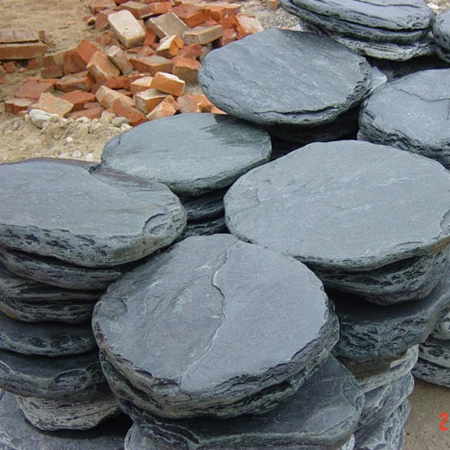
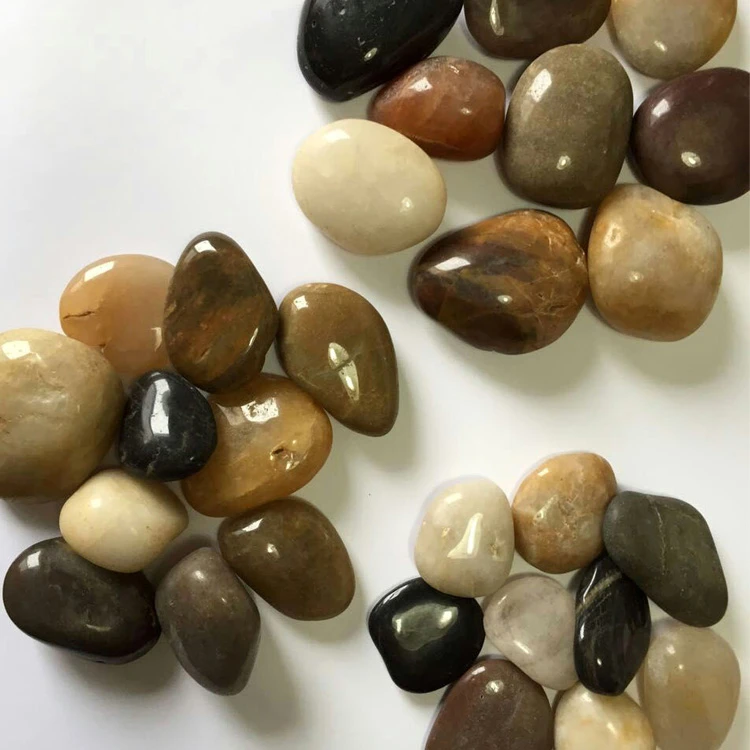
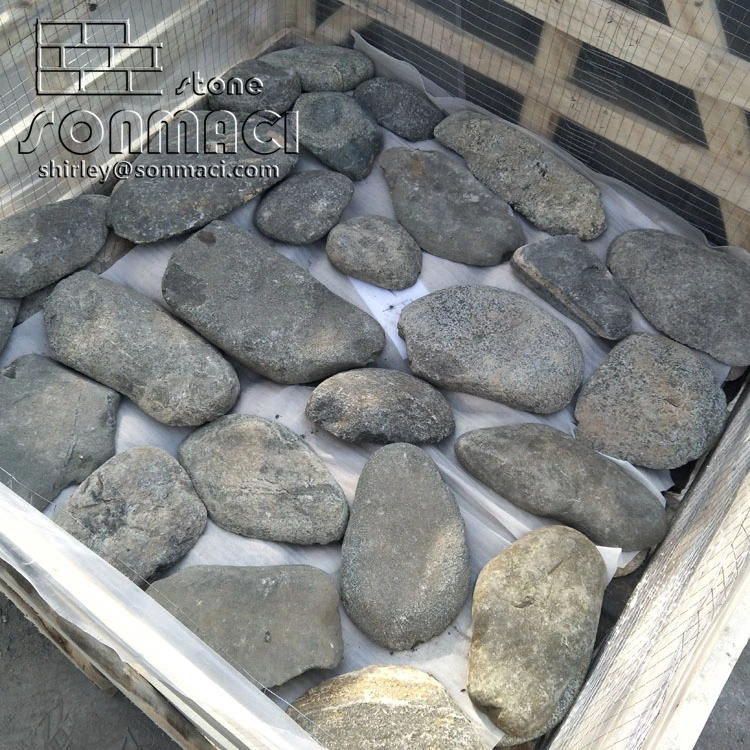
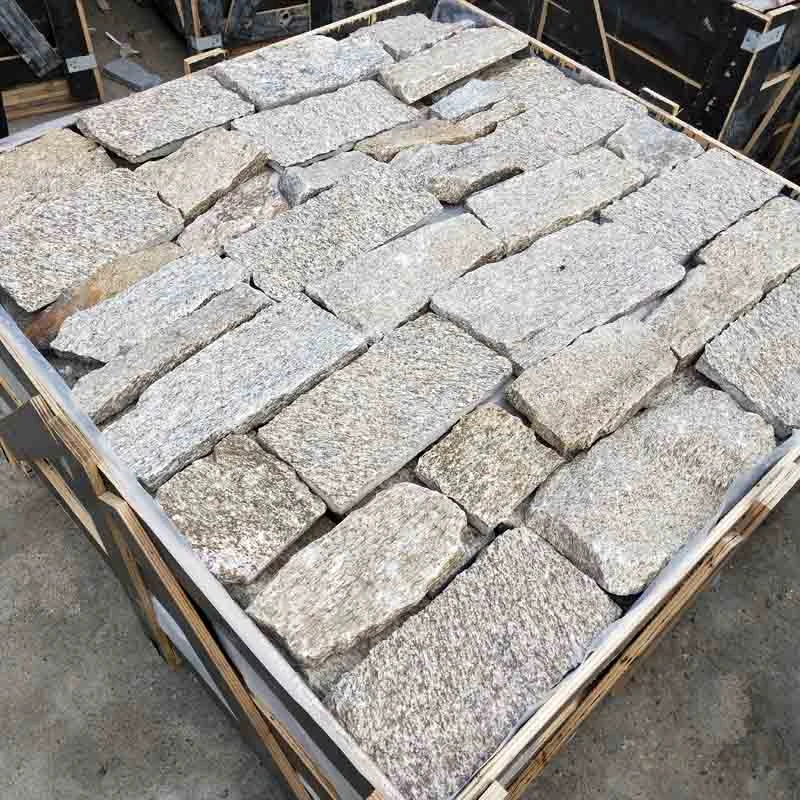
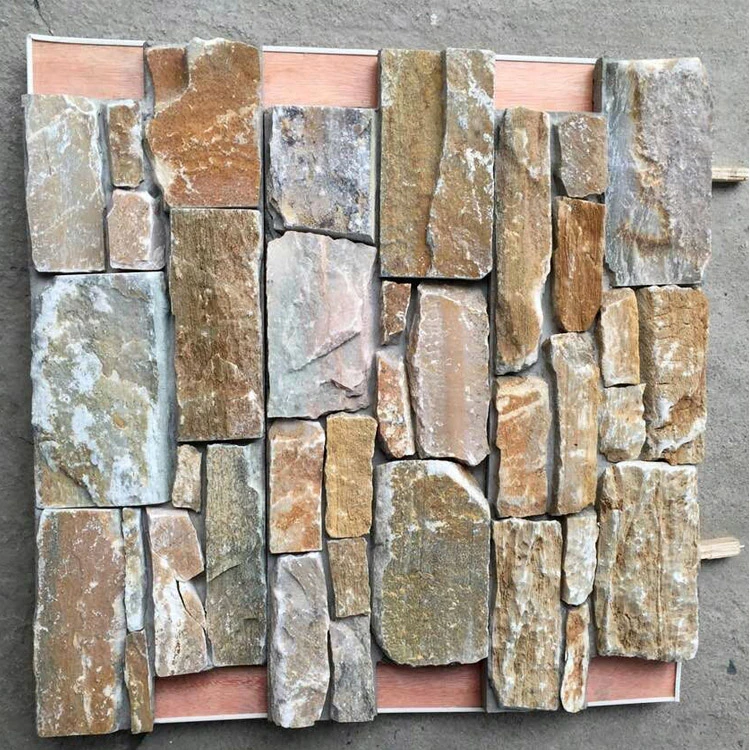
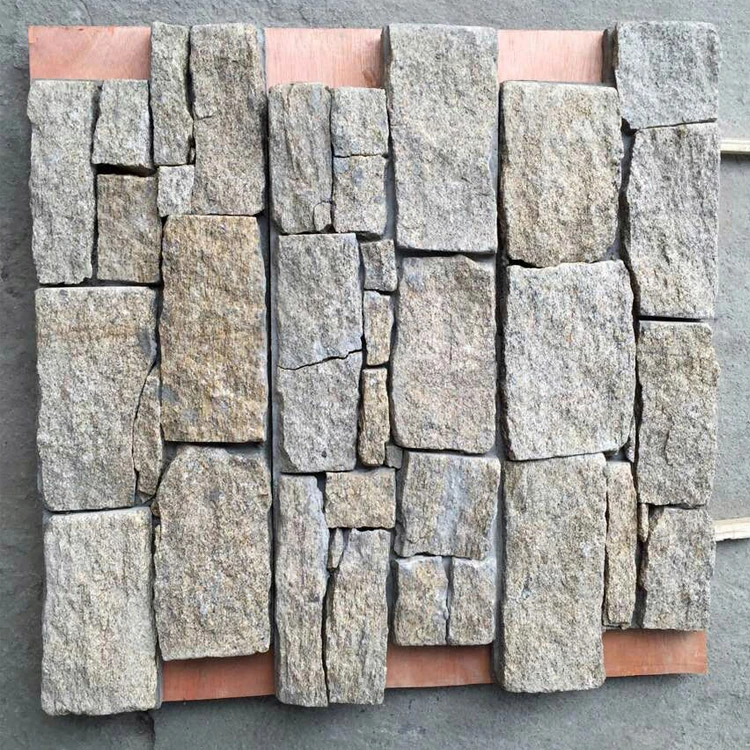
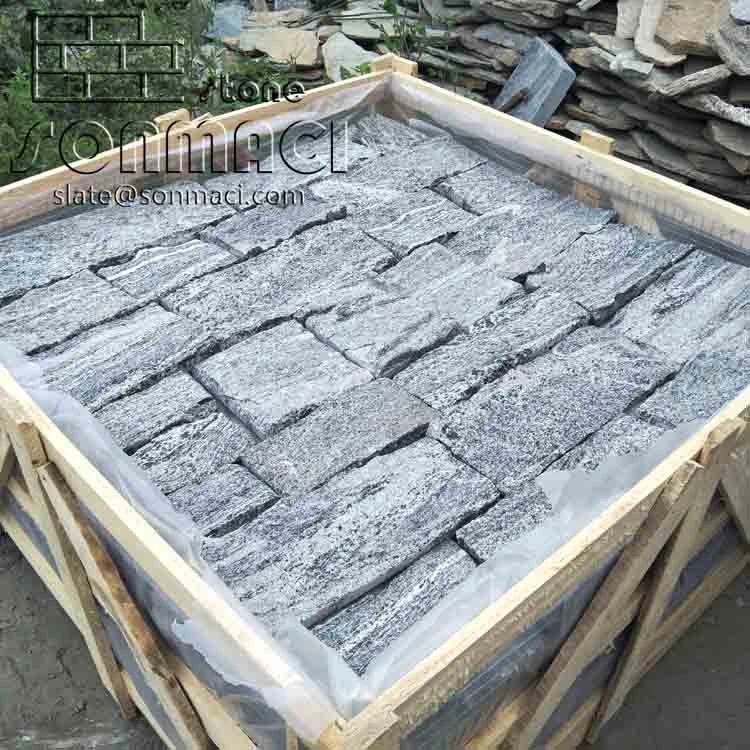
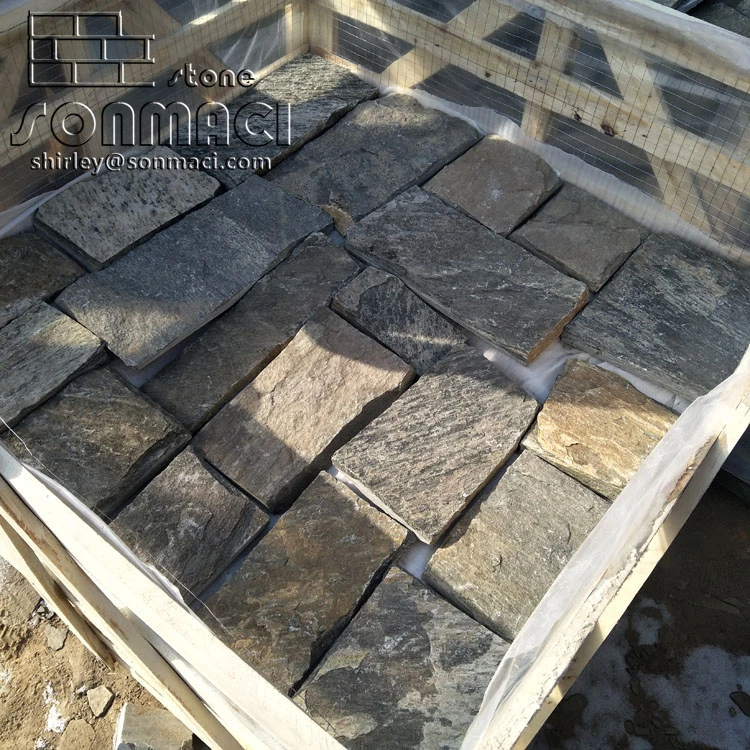
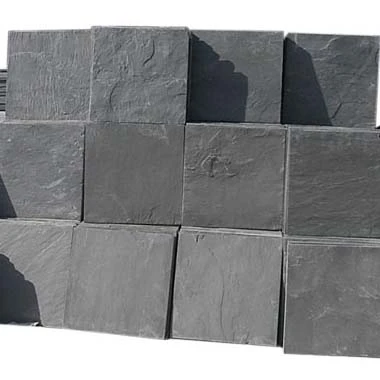
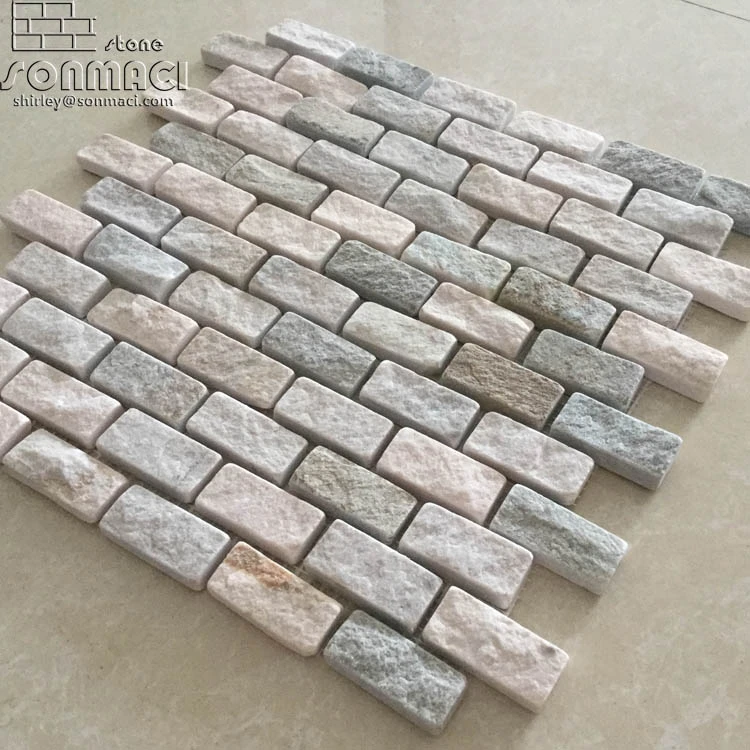
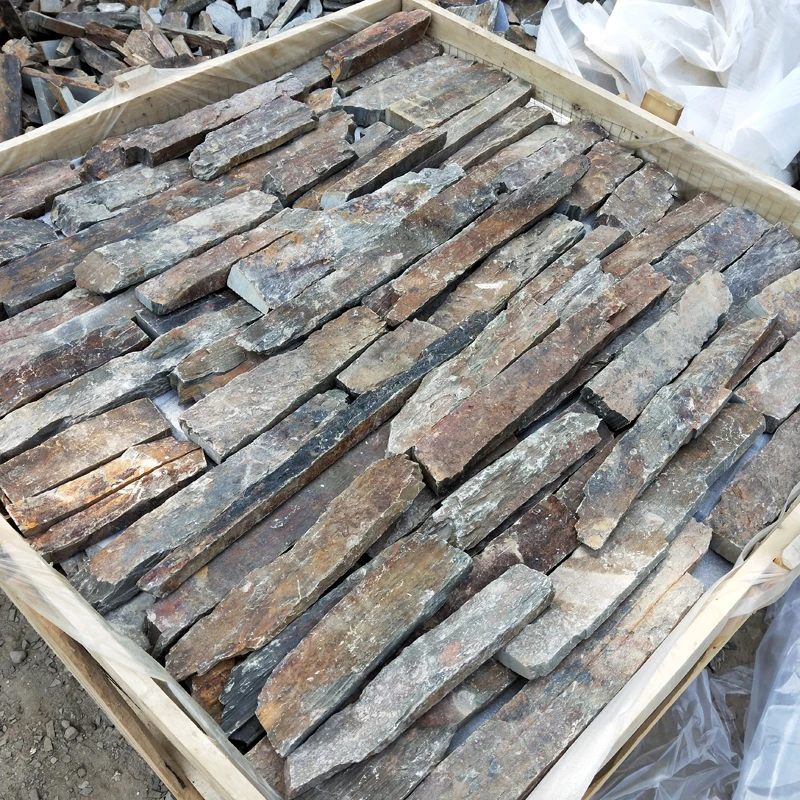
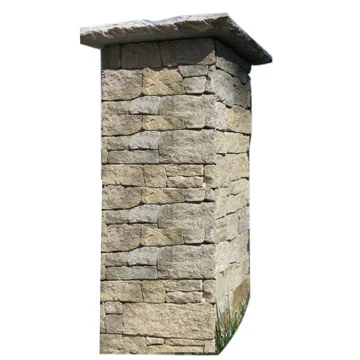
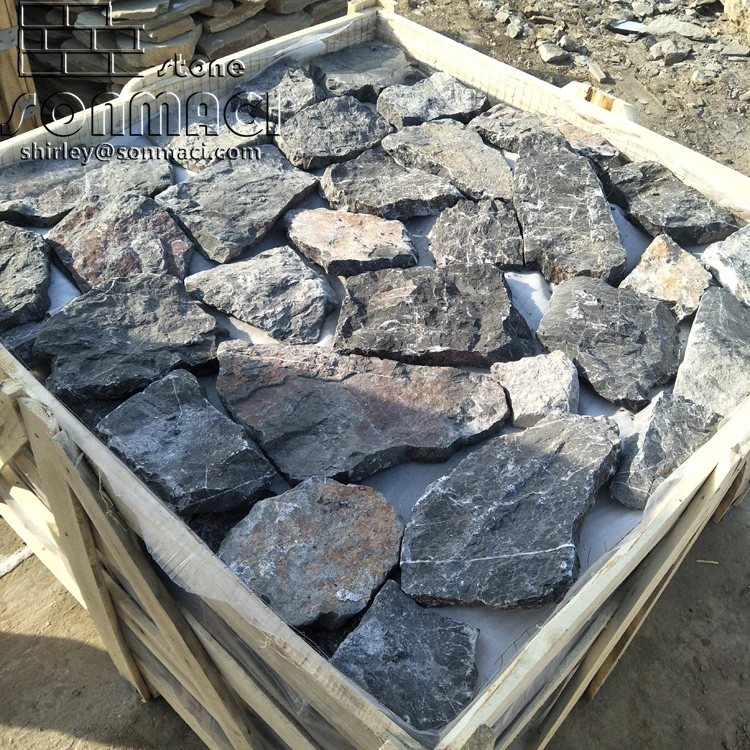
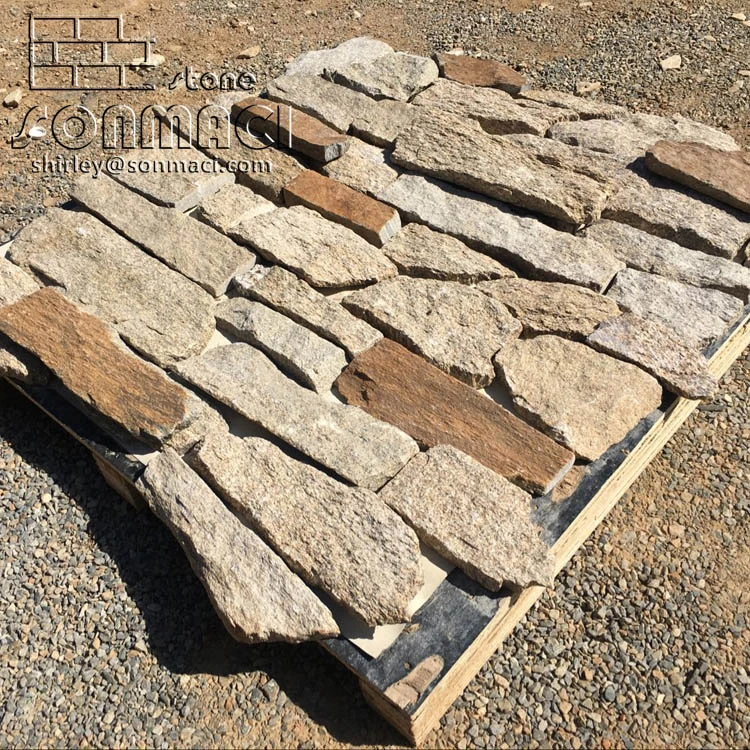
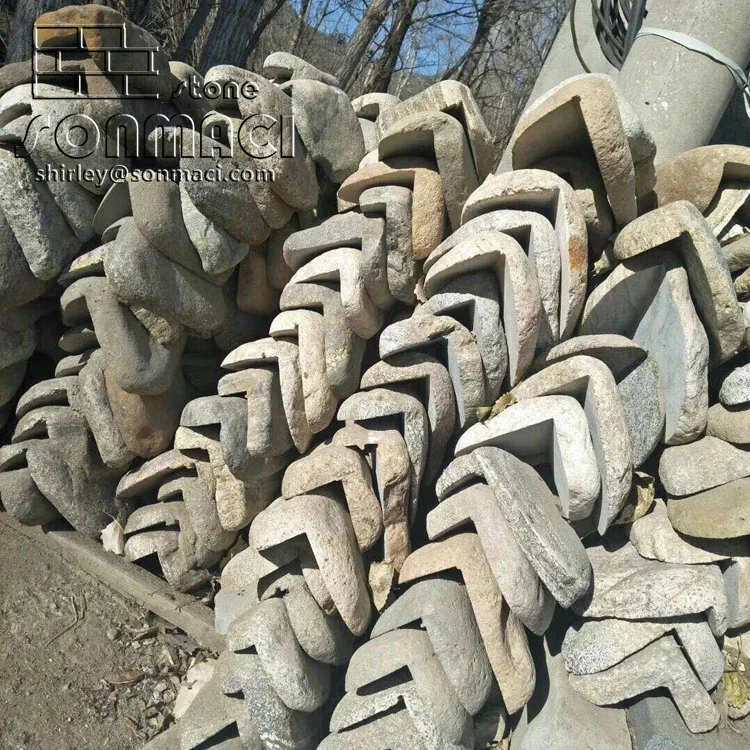
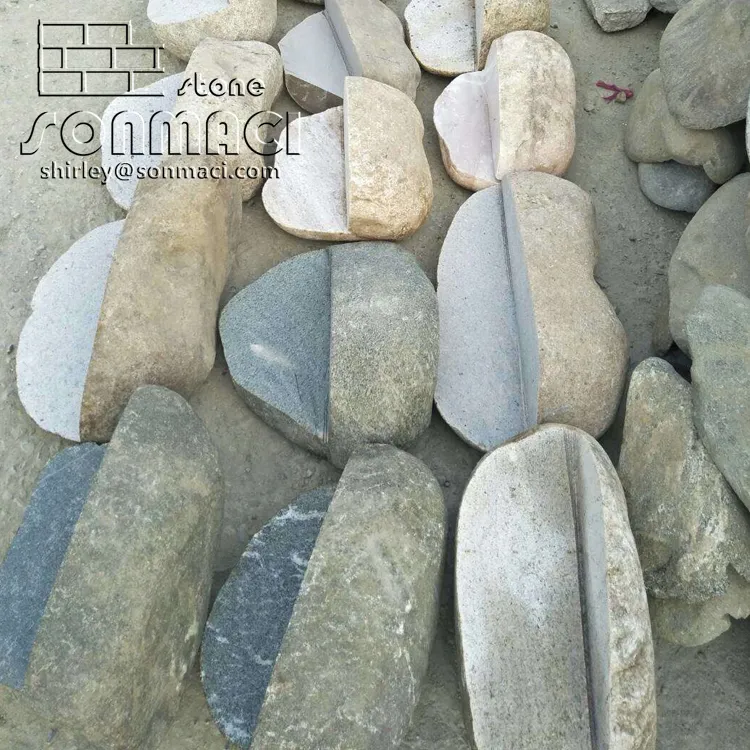
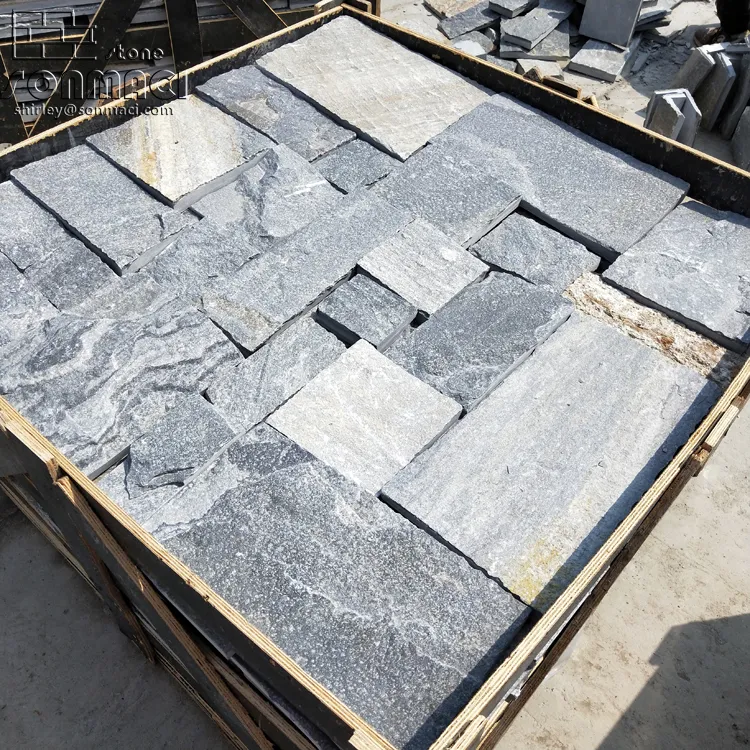
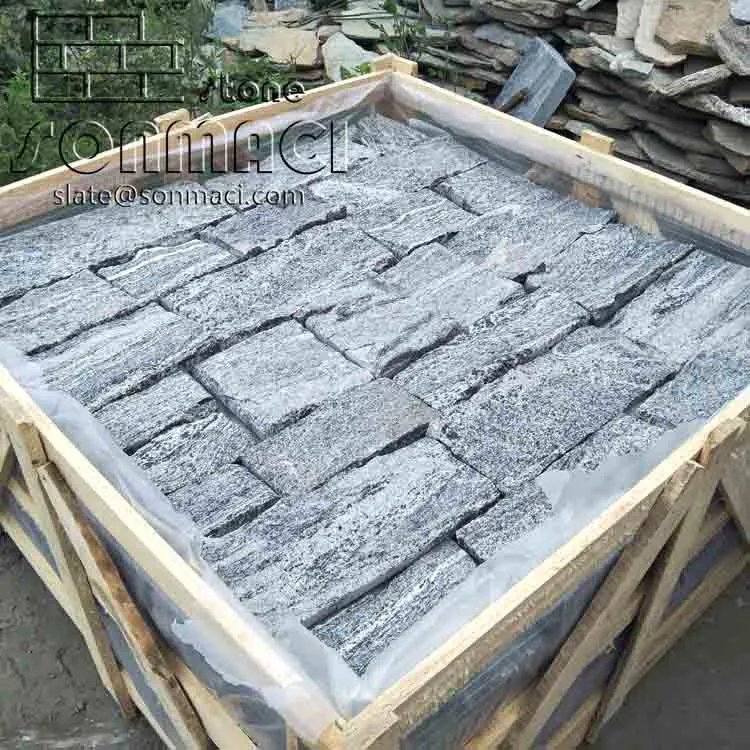
At its core, natural stone for house exterior refers to unprocessed or minimally processed rock material quarried from the earth, used as a primary or cladding material on building surfaces. Common varieties include granite, limestone, sandstone, slate, and marble.
Unlike synthetic stones or bricks, natural stones come from geology’s slow artistry. They offer unique colors, textures, and patterns that can’t quite be replicated, lending character and a bespoke feel to structures. Beyond the beauty, they connect deeply with sustainable building practices, especially when sourced locally — reducing carbon footprints unlike mass-manufactured siding.
Modern industries, from luxury housing to mass affordable developments, tap into natural stone’s versatility. Even humanitarian projects appreciate its robustness and longevity, making it a seriously practical choice worldwide.
Core Factors to Consider When Choosing Natural Stone for House Exterior
Durability and Longevity
Natural stones are famously tough. Granite, for example, resists weathering, wind erosion, and water damage. This means fewer repairs—and that quality holds over decades. In practical terms, homeowners aren’t just buying a façade; they’re investing in decades of maintenance-free peace of mind.
Thermal Insulation
Many stones offer natural insulation due to density and thermal mass. This helps maintain comfortable interior temperatures year-round, cutting down on energy bills. I’ve noticed this even in older homes — the stone walls keep the interiors cool in summer, warm in winter without mechanical help.
Cost Efficiency Over Time
Sure, natural stone can be pricier at first blush. But its durability, low maintenance, and energy savings often translate into real cost efficiency over the entire lifespan of a house. When you consider lifecycle costs, it’s a savvy investment.
Aesthetic Versatility
From rustic to contemporary, natural stone fits almost any architectural style. Each quarry offers a palette of hues and textures, so you’re not stuck with “cookie-cutter” designs. It’s why designers love it — it has character, depth, and timeless appeal.
Environmental Impact
Compared to synthetic exteriors, natural stone is low in embodied carbon—especially when sourced close to the project site. It’s recyclable and chemical-free, which ties into green building standards like LEED and BREEAM.
How Natural Stone for House Exterior Is Used Worldwide
In Europe, stone façades are ubiquitous, especially in Mediterranean homes where limestone and travertine enrich the landscape. In North America, granite and slate are popular for both traditional and modern styles. Regions with harsh climates like Scandinavia rely heavily on stone for protection and insulation.
In Asia and Africa, local stone varieties serve affordable housing and commercial projects. NGOs use stone in post-disaster recovery zones, for example, after earthquakes in Nepal or floods in the Philippines, where durable, readily available materials are essential.
Oddly enough, in remote industrial zones in Canada or Australia, natural stone cladding helps reduce dust infiltration and withstands tough weather, making working and living conditions better for onsite staff.
Major Advantages and Lasting Value
- Structural Reliability: Stone doesn’t rot, warp, or suffer insect damage, so it’s trusted for years.
- Sustainability: Low energy to source and long-lasting — less waste in the building lifecycle.
- Beauty: Every stone is unique — you end up with a form of natural art.
- Energy Savings: Keeps interiors naturally temperate with less reliance on HVAC.
- Social Impact: Using local stone supports regional economies and small quarries worldwide.
Emotionally, a stone-clad house just feels solid and safe on a deeply human level — there’s a dignity that comes with it, a connectedness to nature. It’s the sort of thing you hand down to future generations without worry.
Emerging Trends and Innovations
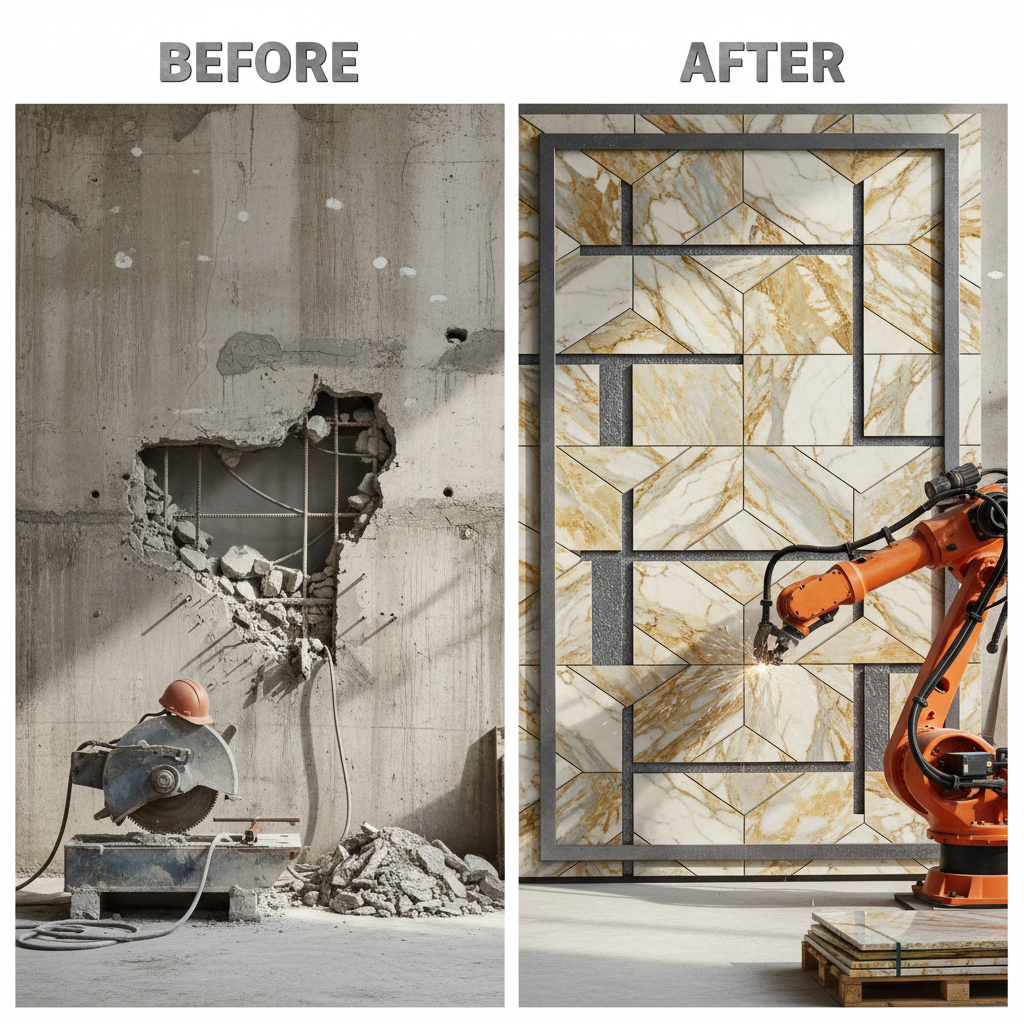
The last few years have seen some exciting innovations. For one, digital cutting technology and 3D modeling allow precise stone shaping and customization—zero waste, better fits, and new design frontiers. Then there’s the rise of “green stone” standards, certifying stones based on quarry sustainability and social responsibility.
On the policy side, countries are tightening codes to encourage natural, durable materials rather than quick-fix synthetics. This aligns with global goals, such as the UN Sustainable Development Goals, specifically good housing and climate action.
Framing natural stone as part of an energy-efficient, circular economy, in tandem with solar panels or heat pumps, will only boost appeal. Frankly, I expect natural stone’s star to keep rising in architectural trends.
Challenges in Using Natural Stone and How to Overcome Them
Stone isn’t perfect—there are obstacles. High upfront costs deter some buyers. Also, sourcing quality stone near construction sites can be a headache, especially in regions without established quarries. Installation requires skilled masons; a poor job can lead to costly failures.
But many firms offer modularized stone panels or veneer systems today, cutting time and labor. There are also innovative transport and quarrying methods reducing costs and emissions. Training local workforce on stone installation improves quality and creates jobs — a win-win.
Product Specification Table: Common Exterior Natural Stones
| Stone Type | Typical Color | Durability (Mohs Scale) | Typical Cost (USD/m²) | Thermal Insulation |
|---|---|---|---|---|
| Granite | Gray, Pink, Black | 6-7 | $50-$120 | Good |
| Limestone | Beige, Cream | 3-4 | $40-$90 | Moderate |
| Sandstone | Brown, Red, Yellow | 6-7 | $30-$80 | Moderate |
| Slate | Gray, Black, Green | 5-6 | $40-$100 | Good |
| Marble | White, Pink, Gray | 3-5 | $80-$150 | Moderate |
Vendor Comparison: Natural Stone Suppliers
| Vendor | Stone Variety | Sourcing Regions | Sustainability Certifications | Typical Clients |
|---|---|---|---|---|
| StoneWorld Inc. | Granite, Marble | Brazil, Italy | ISO 14001, FSC | Luxury Homes, Hotels |
| QuarryPlus | Limestone, Sandstone | India, USA | LEED, Green Seal | Affordable Housing, NGOs |
| GreenStone Solutions | Slate, Granite | Scandinavia, Canada | Cradle-to-Cradle, FSC | Commercial, Industrial, Residential |
Frequently Asked Questions About Natural Stone for House Exterior
1. Is natural stone more cost-effective than synthetic siding options?
While the upfront cost for natural stone is typically higher than synthetic alternatives like vinyl or fiber cement, its longevity and low maintenance translate to long-term savings. Natural stone lasts decades without repainting or major repairs, unlike synthetic sidings that may fade, crack, or need replacement every 10-15 years.
2. How does natural stone contribute to energy efficiency in homes?
Natural stone has excellent thermal mass, meaning it absorbs heat during the day and releases it slowly at night. This helps regulate indoor temperatures naturally, reducing the need for active heating and cooling, and therefore lowering energy consumption and utility bills.
3. Are there environmental concerns regarding quarrying natural stone?
Quarrying can impact the environment, but responsible vendors follow sustainable practices like land reclamation and reducing waste. Many are now certified to international environmental standards, ensuring stones are extracted with minimal ecological damage.
4. Can natural stone be used in earthquake-prone areas?
Yes, but with proper structural engineering. Using stone as a cladding or veneer attached to a properly designed frame allows for both aesthetic appeal and structural safety. Pure stone masonry without reinforcement is generally discouraged in seismic zones.
5. How do I find the right natural stone for different climates?
Choose stone types suited to your area’s weather. For example, dense granite resists freezing and thawing cycles well, while softer limestones might be better for mild climates. Consulting with local architects or suppliers knowledgeable about regional stones is wise.
Final Thoughts: Why Natural Stone Remains the Exterior Material of Choice
Natural stone for house exterior blends tradition with modern needs. It offers timeless beauty, unmatched durability, and a sustainable profile that more synthetic options can’t match. Whether you’re building in the urban sprawl or remote places, stone literally and figuratively grounds the home.
If you’re intrigued and want to explore options, including regional availability, detailed specs, or sustainable sourcing, don’t hesitate to visit our website: natural stone for house exterior. There’s a whole world of stone waiting to transform your projects into something truly enduring.
Mini Takeaway
Natural stone isn’t just a material — it’s a legacy of durability, beauty, and eco-conscious building. Balancing upfront costs with long-term benefits, it’s a smart, future-proof choice in an age pushing for greener construction.