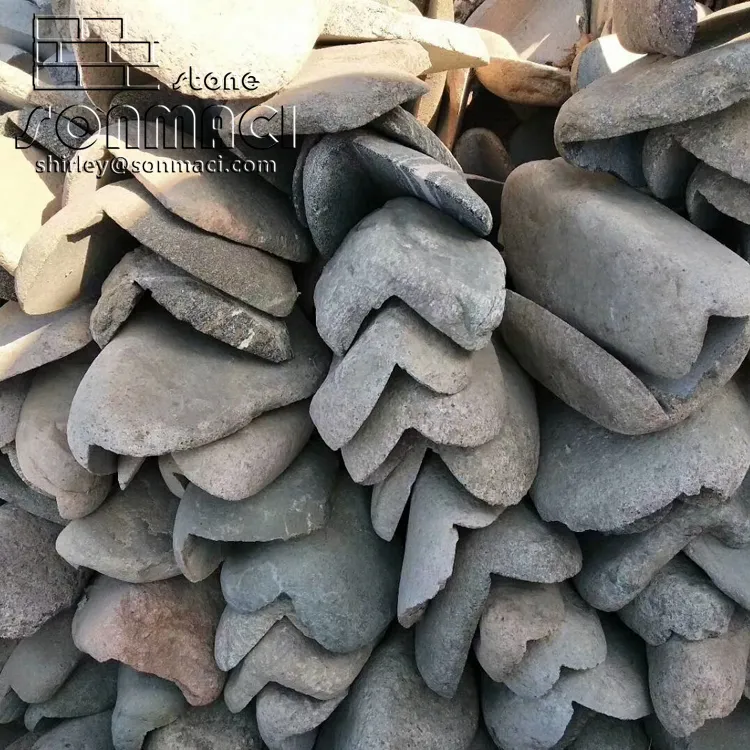
Stone Wainscot on Pole Barn – Durable & Stylish Barn Solutions
Stone Wainscot on Pole Barn: What It Is and Why It Matters
If you've ever admired a rustic pole barn cloaked with a tasteful stone wainscot, you might have wondered: why go through all that trouble? More than just aesthetics, stone wainscoting on pole barns carries deep roots in durability, climate resilience, and evolving industrial demands. Globally, with increasing environmental challenges and a booming DIY and agricultural building market, understanding how stone wainscot enhances pole barns is more relevant than ever. Not to mention, it blends tradition with smart modern building practices — a blend that’s as timeless as it is timely.
In real terms, stone wainscot adds a protective stone layer around the lower portion of the barn, offering real kickbacks against weather, pests, and impact damage. For farmers, contractors, or hobbyists worldwide, this means their investment doesn't just stand; it thrives.
The Global Context: Why Stone Wainscoting on Pole Barns Is Gaining Momentum
Looking at the big picture, global agriculture and storage systems are evolving quickly. According to the UN Food and Agriculture Organization, about 33% of food produced annually is lost or wasted, partly due to inadequate storage. Pole barns, sturdy and affordable, are a core solution in many regions to safeguard crops, equipment, and livestock.
However, challenges remain: weather extremes, soil moisture, and rodents often degrade pole barn structures prematurely, leading to costly repairs and losses. That's where stone wainscot on pole barn structures comes in as a natural defender.
ISO standards in construction materials emphasize durability and sustainability, pushing builders to use materials that last longer and reduce environmental impact. The stone protective layer aligns wonderfully with this global gravitation towards green yet durable building solutions.
Defining Stone Wainscot on Pole Barn
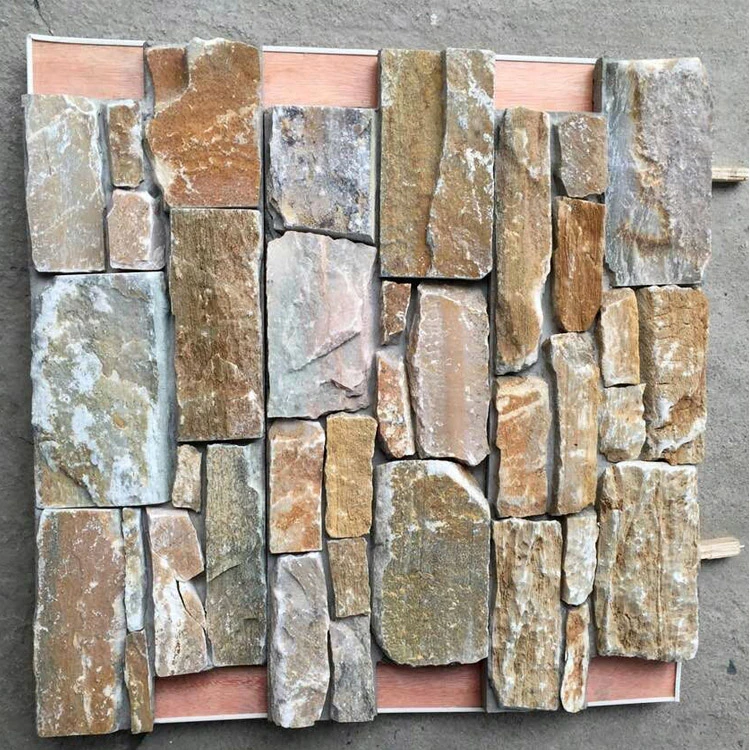
In simple words, stone wainscot on pole barns is a decorative yet functional stone veneer or cladding that covers the lower section (usually the first 3 to 4 feet) of a pole barn’s exterior walls. This additional stone layer acts both as a shield and a design element.
Imagine a barn standing firm after a heavy storm, the stone absorbing knocks and splashes that would've otherwise worn the wooden or metal frame bare. This isn’t just about looks or tradition; it’s a practical way to extend building life, reducing maintenance and environmental footprint.
In the modern construction and agricultural landscape, such features also help in compliance with strict building codes and insurance requirements, sometimes making the difference between approval and cost overruns.
Key Components of Stone Wainscot on Pole Barns
Durability
The core appeal — stone is naturally tough, weather-resistant, and can stand up to decades of rain, sun, and even physical impacts. Unlike painted wood or steel panels, stone rarely needs repainting or replacing.
Moisture Resistance
Lower barn sections often suffer moisture exposure due to splash-back, irrigation runoff, or snow melt. Stone’s dense structure prevents water penetration better than typical pole barn sidings, reducing rot and corrosion risks.
Cost Efficiency
Initial installation of stone wainscot may cost more, but when you factor in fewer repairs and longer lifespan, the long-term financial sense is clear. Plus, it can up property resale value.
Ease of Maintenance
Stone bases are easy to clean without special treatments — just a power wash or a brush. You don’t have to worry about chipping paint or rust stains.
Aesthetic Appeal
Stone wainscoting adds rustic charm and visual grounding. For businesses, this can subtly communicate stability and quality.
Environmental Impact
Using natural stone sourced locally can reduce transportation emissions and support regional quarries; plus, longevity means less waste over time.
Product Specification Table: Typical Stone Wainscot on Pole Barn
| Specification | Details |
|---|---|
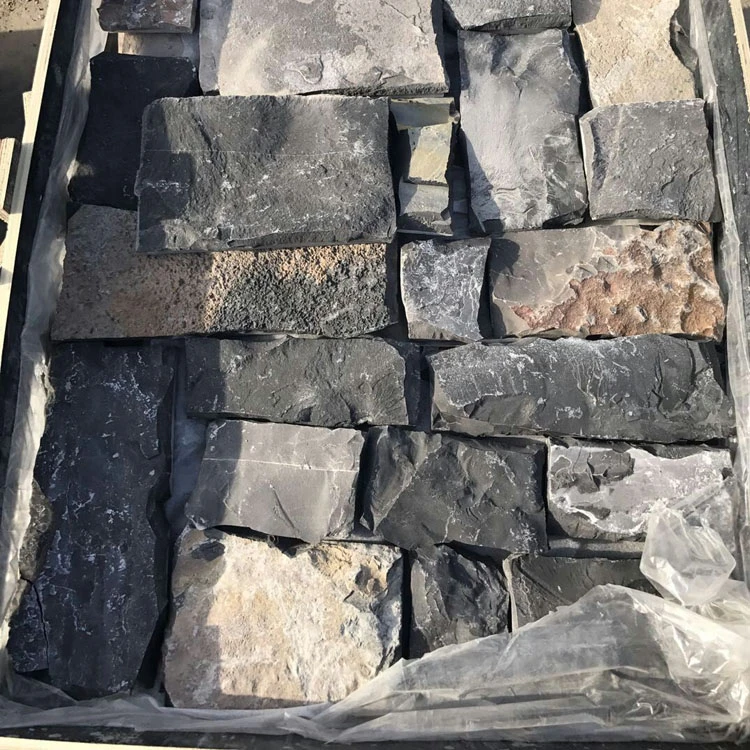
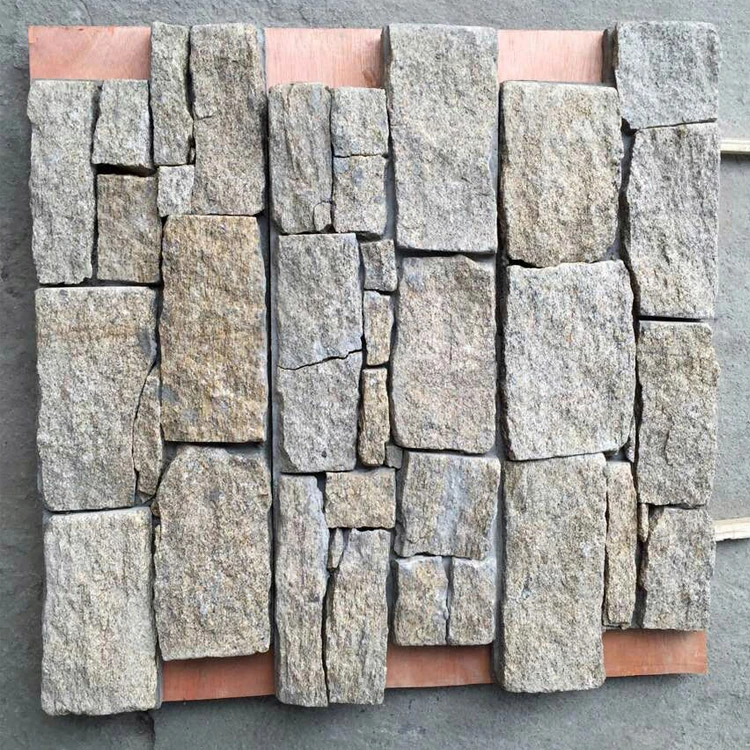
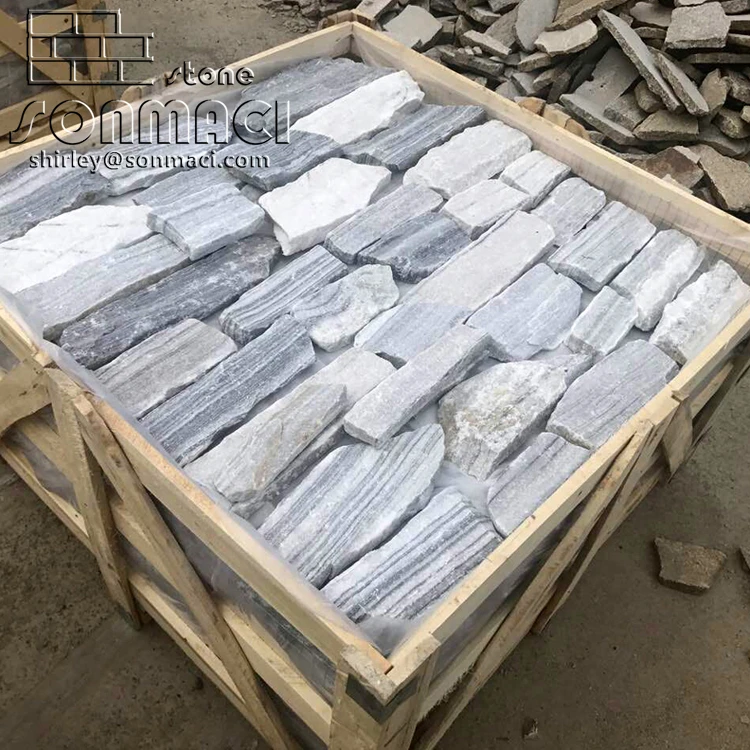
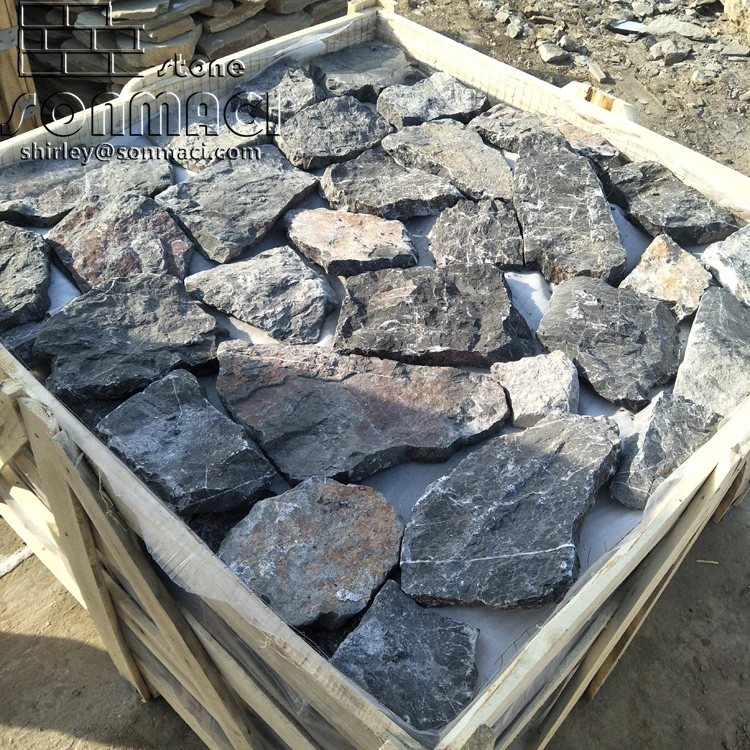
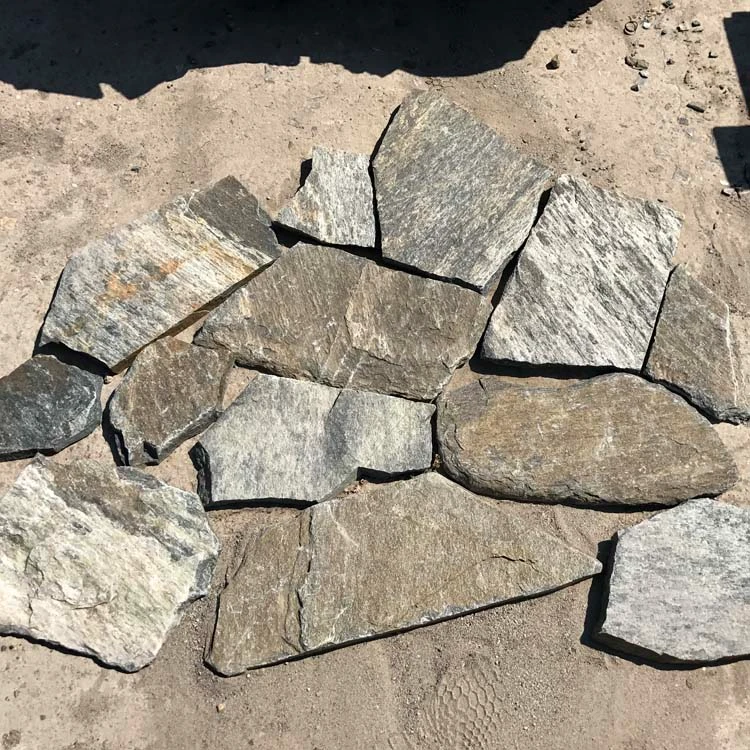
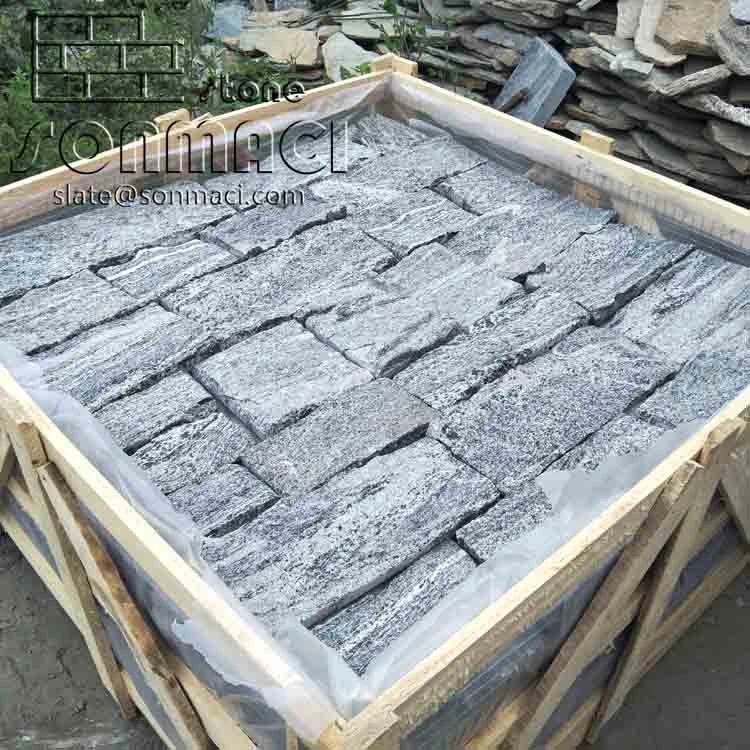
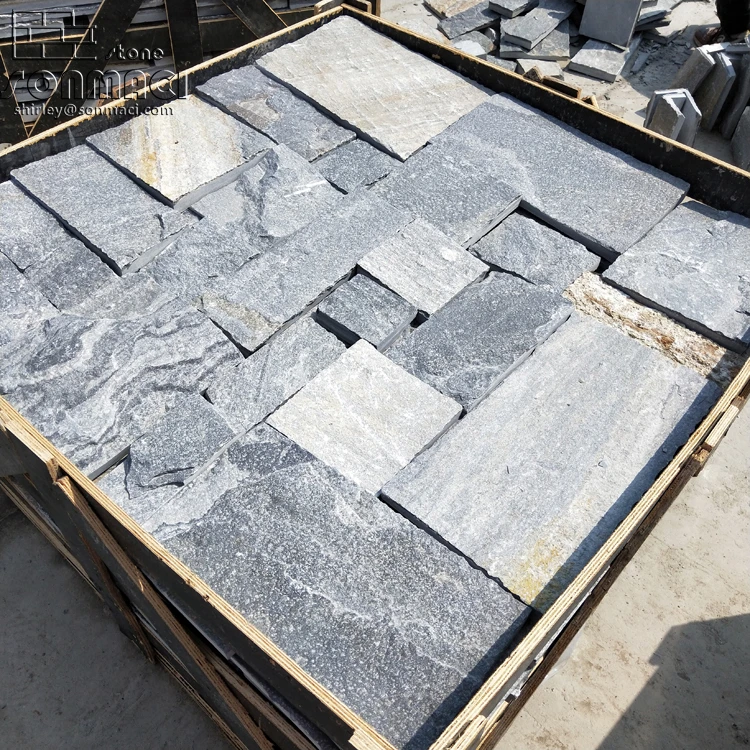
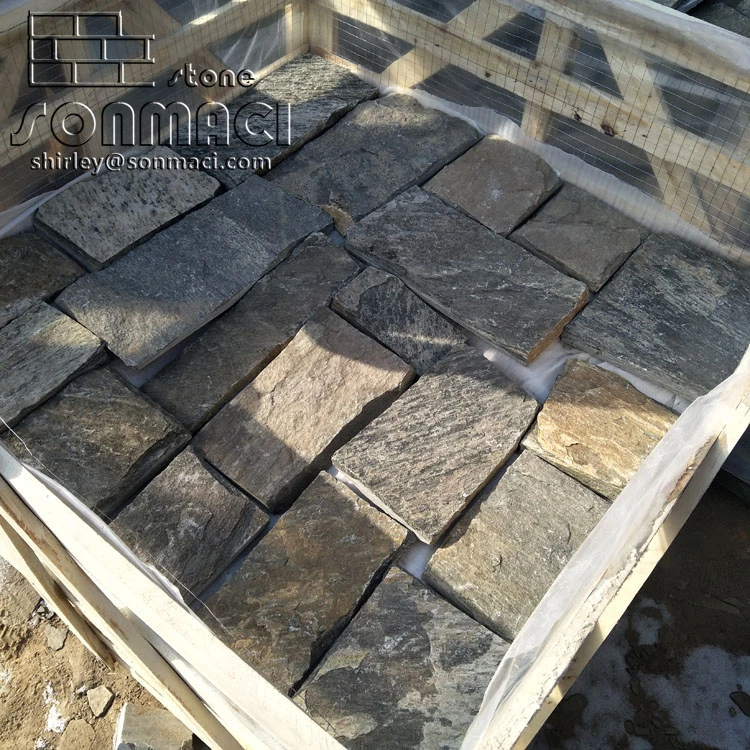
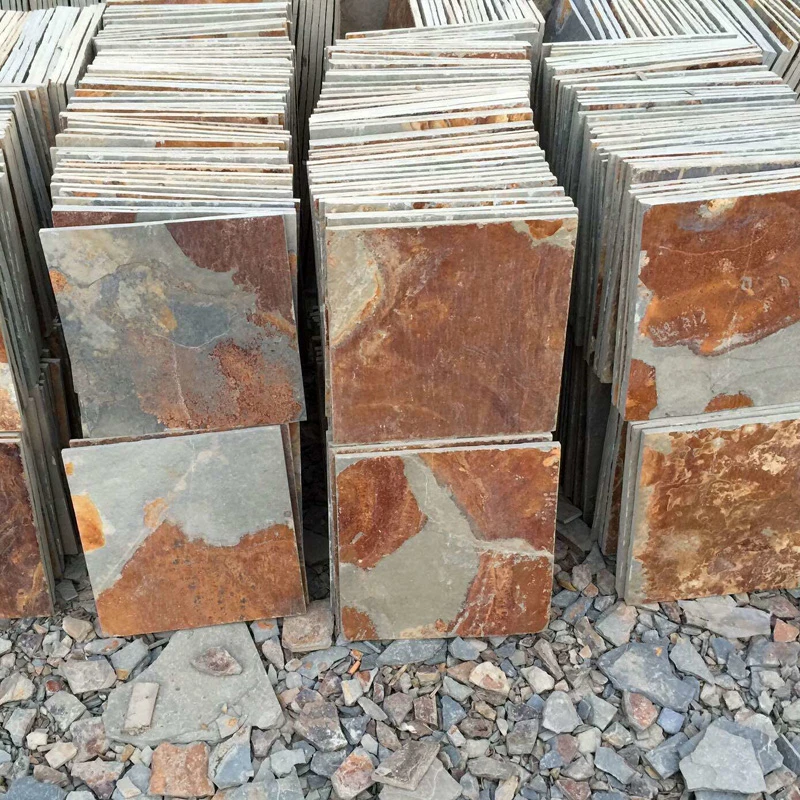
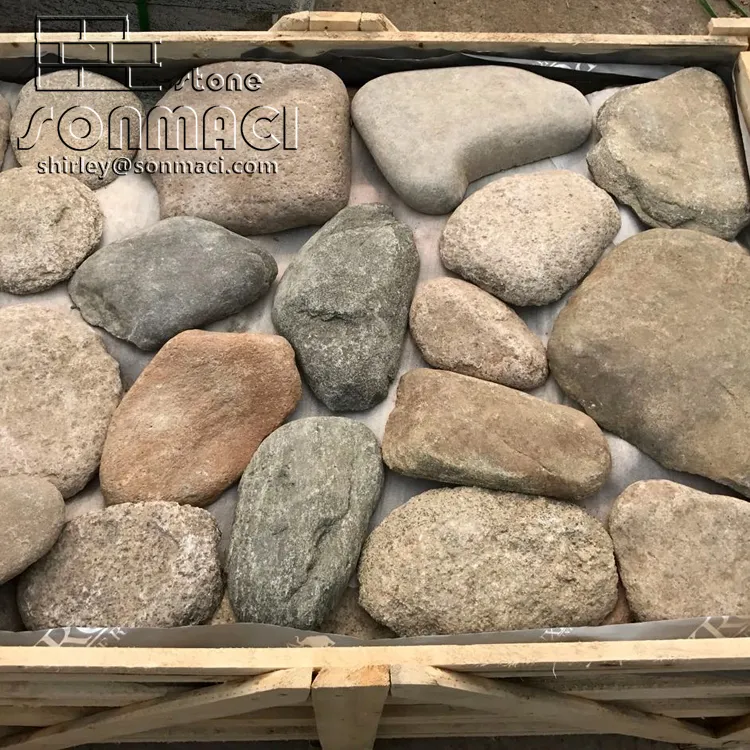
| Material | Natural Fieldstone or Cultured Stone Veneer |
| Thickness | 1.5 - 3 inches |
| Coverage Height | 3 - 4 feet from ground level |
| Installation Method | Mortar & Metal Lath or Adhesive Veneer |
| Expected Lifespan | 50+ years |
| Maintenance | Low – Occasional cleaning |
Real-World Applications and Use Cases for Stone Wainscot on Pole Barns
The use of stone wainscot on pole barns crosses industries, from agriculture in the American Midwest to vineyards in Europe, and even outback ranches in Australia. In areas prone to heavy rainfall or snow, such as the Northern US or parts of Canada, stone bases protect barns from freeze-thaw damage that cracks wood and metal.
Post-disaster relief operations often depend on resilient temporary storage and livestock shelters. Adding stone wainscot can extend these shelters’ usability by months or years. Meanwhile, commercial dairy farms in Europe report reductions in pest-related issues where stone bases replace simple metal panels.
Even hobby farmers and backyard shed builders seek stone wainscot on pole barn solutions to elevate property aesthetics and add real value.
Advantages and Long-Term Value
- Cost Savings: The upfront cost balances out with fewer repairs and replacements long term.
- Environmental Sustainability: Promotes use of durable, natural materials, lowering waste and emissions.
- Enhanced Safety: Strong bases reduce pest intrusion, structural failures, and moisture damage, safeguarding assets and lives.
- Improved Resale Value: Buildings with stone accents often command a premium for perceived quality.
- Emotional Comfort: It feels good knowing your barn stands robust against nature’s battering, almost like a reassuring coat of armor.
Future Trends and Innovations
Oddly enough, the humble stone veneer is seeing technological advancements. Modern manufactured stone now mimics natural stone at reduced weight and cost. There's a movement toward integrating stone and insulated panels for better energy efficiency in pole barns, crucial as agricultural operations seek to reduce energy footprints under new regulations.
Some manufacturers are experimenting with robotic installation techniques, speeding up the process and improving consistency. And sustainable quarrying practices are gaining pace, reducing environmental harm.
In short, stone wainscot is not stuck in the past; it’s moving full steam ahead, blending tradition with technology.
Challenges and Solutions
Despite obvious benefits, stone wainscot on pole barns faces challenges: higher initial installation costs, the need for skilled masons, and potential demands for structural reinforcement to accommodate weight. Not every barn or budget can handle it.
However, innovative thin stone veneer products and modular stone panels help lower weight and simplify installation. DIY kits with solid instructions, regional workshops, and local sourcing all help overcome barriers. Plus, builders report that investing in quality base preparation saves headaches down the road.
Vendor Comparison Table
| Vendor | Stone Type | Installation | Avg. Cost per sq. ft. | Warranty |
|---|---|---|---|---|
| Sonmaci Stone | Natural Fieldstone | Mortar & Metal Lath | $15 - $20 | 25 years |
| StonePro Veneers | Cultured Stone | Adhesive Veneer | $12 - $18 | 15 years |
| BarnStone Solutions | Mixed Stone Panels | Modular Panel System | $18 - $22 | 20 years |
FAQ: Your Questions About Stone Wainscot on Pole Barns
Q: How long does stone wainscot typically last on a pole barn?
A: When properly installed and maintained, stone wainscot can last 50 years or more. Its natural durability outperforms paint and metal, especially in harsh climates.
Q: Is stone wainscot really worth the extra initial cost?
A: While upfront expenses are higher, the reduction in repairs, increased building lifespan, and higher property value generally justify the investment.
Q: Can I install stone wainscot myself on my pole barn?
A: Skilled DIYers can manage thin veneer options, but traditional stone requires masonry expertise. Consider kits with detailed instructions or professional help for best results.
Q: Are stone wainscots eco-friendly?
A: Natural stone is sustainable due to its longevity and low manufacturing impact. Using local stone reduces transport emissions further, making it a greener choice than many synthetic materials.
Q: Does stone wainscot improve insulation or energy efficiency?
A: Stone adds thermal mass, helping regulate indoor temperatures, especially when paired with insulated panels, improving energy efficiency modestly.
Conclusion: Why Stone Wainscot on Pole Barns Deserves Your Attention
In short, stone wainscoting is a compelling blend of form and function — protecting pole barns while elevating their look and value. Amid global pressures to build smarter, greener, and longer-lasting, adding a stone base to your pole barn isn’t just a nod to tradition but a smart future-proofing move. Frankly, it’s the kind of upgrade that just feels right.
Ready to enhance your pole barn with a natural stone touch? Visit our website at Sonmaci Stone for expert guidance and quality stone wainscot solutions.