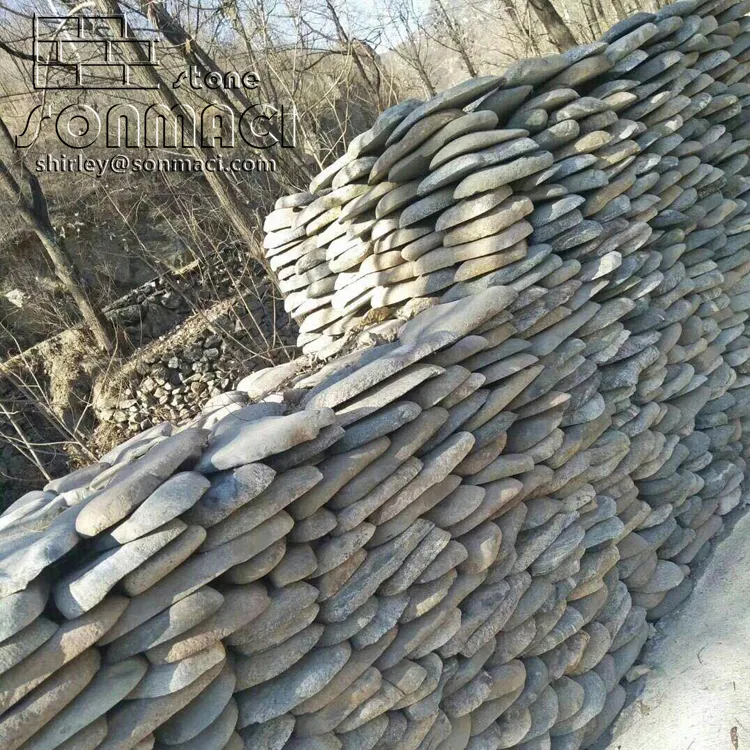
Stone Wall Exterior House | Durable, Sustainable, and Timeless Architectural Solutions
Understanding Stone Wall Exterior Houses: A Timeless Solution in Modern Architecture
Stone wall exterior houses have been standing the test of time for centuries, blending rugged durability with natural beauty. But beyond nostalgic appeal, these facades play a surprisingly pivotal role in sustainable building practices worldwide today. Globally, more than 30% of traditional and contemporary homes feature stone exteriors, especially in regions rich in natural stone resources or where climate demands robust protection. The core benefit? A stone wall exterior house offers unmatched resilience against weather extremes, reduces maintenance costs, and often enhances energy efficiency—factors key to both homeowners and builders grappling with climate change and rising energy bills.
Mini takeaway: Stone wall exteriors are not just old-school charm but essential contributors to modern building resilience and sustainability.
Why Stone Wall Exterior Houses Matter on a Global Scale
According to UN Habitat reports, sustainable and resilient housing will be critical for accommodating the rising global population, expected to reach 9.7 billion by 2050. Stone-wall exteriors are particularly notable for their natural insulation properties and longevity— qualities that help reduce environmental footprint and enhance occupants’ comfort.
Yet the challenge remains: how to make stone exterior walls affordable, accessible, and adaptable to diverse climates and architectural styles? The stone wall exterior house addresses this by combining ancient building wisdom with modern techniques, offering a solution that balances tradition with innovation.
What Exactly Is a Stone Wall Exterior House?
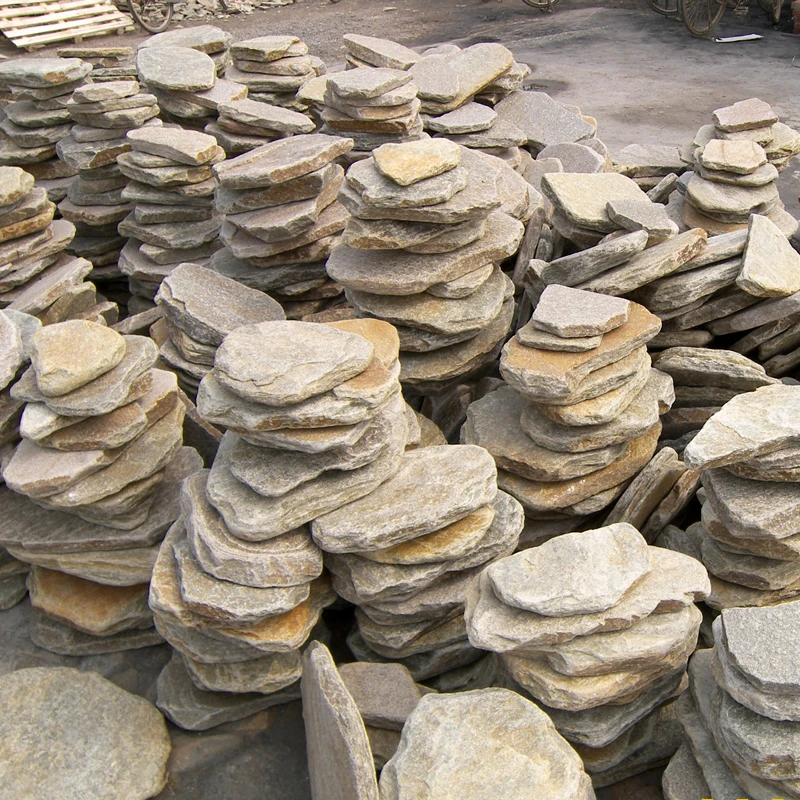
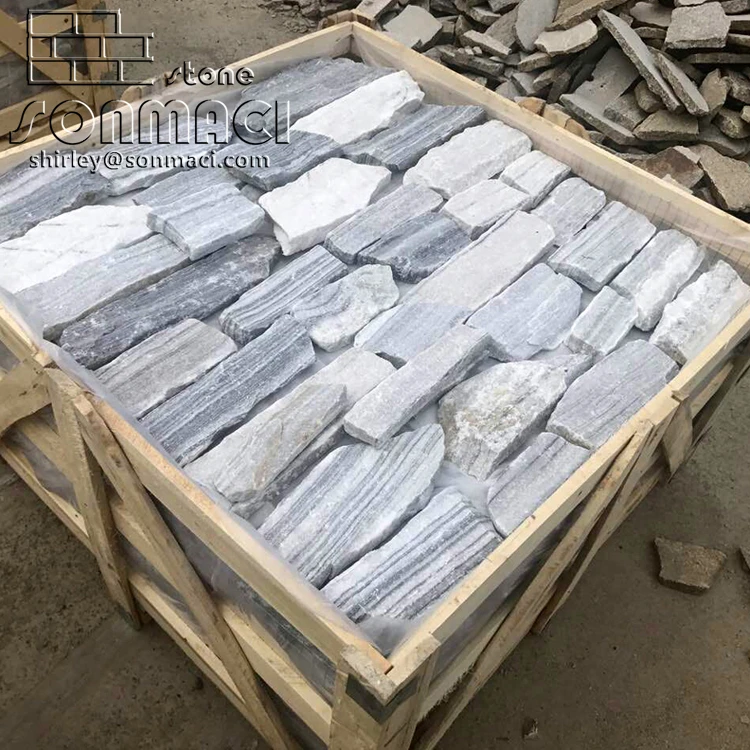
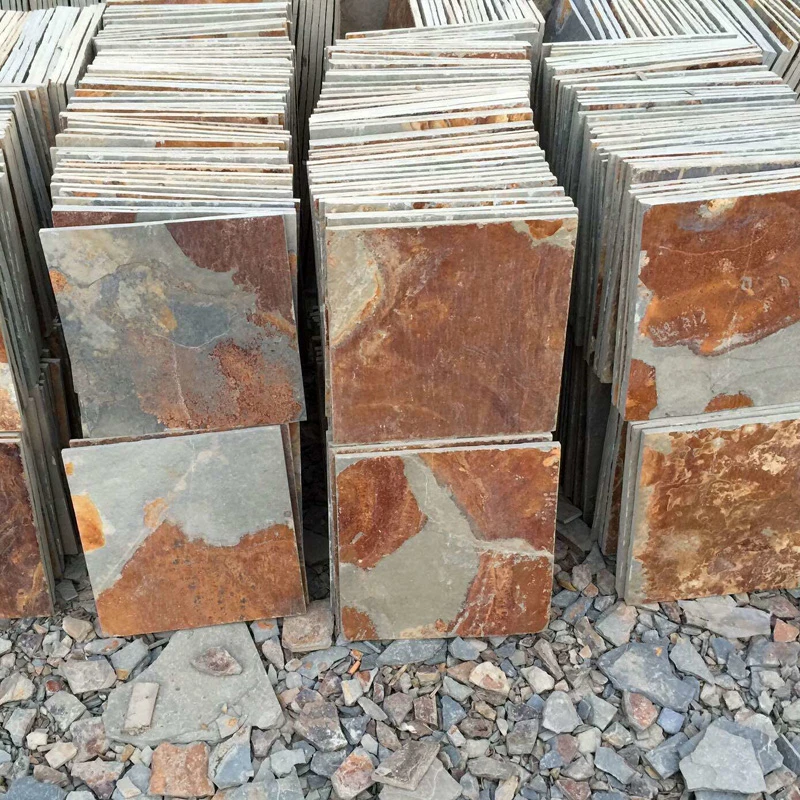
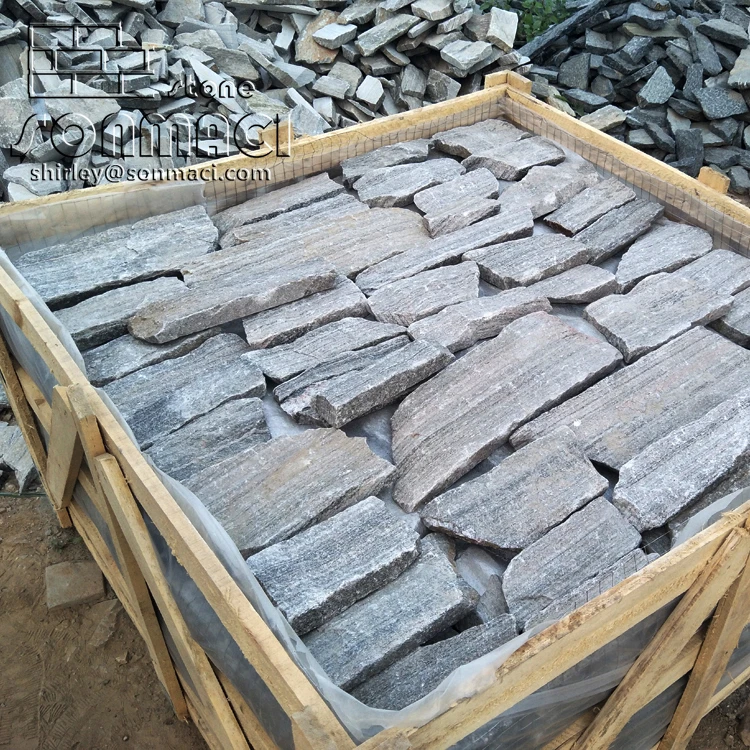
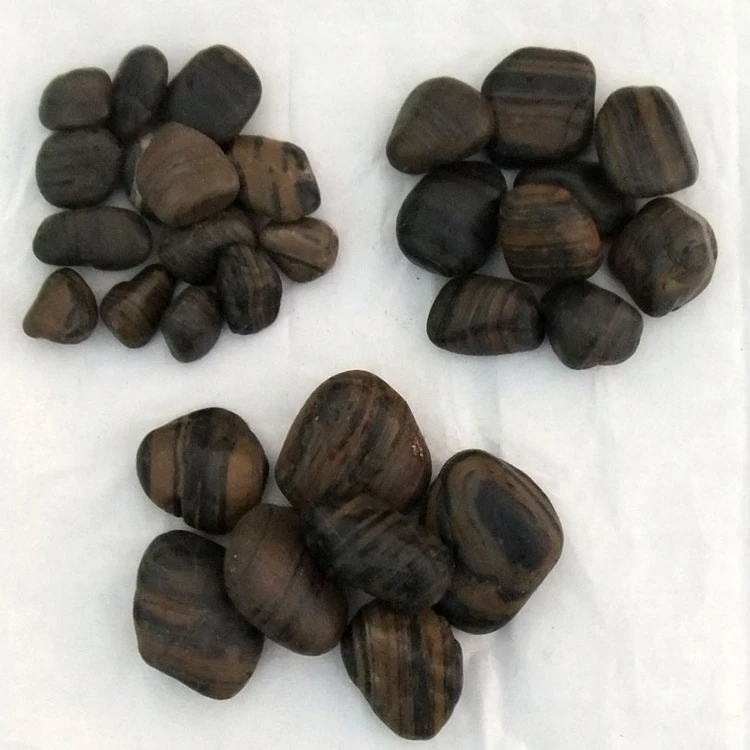
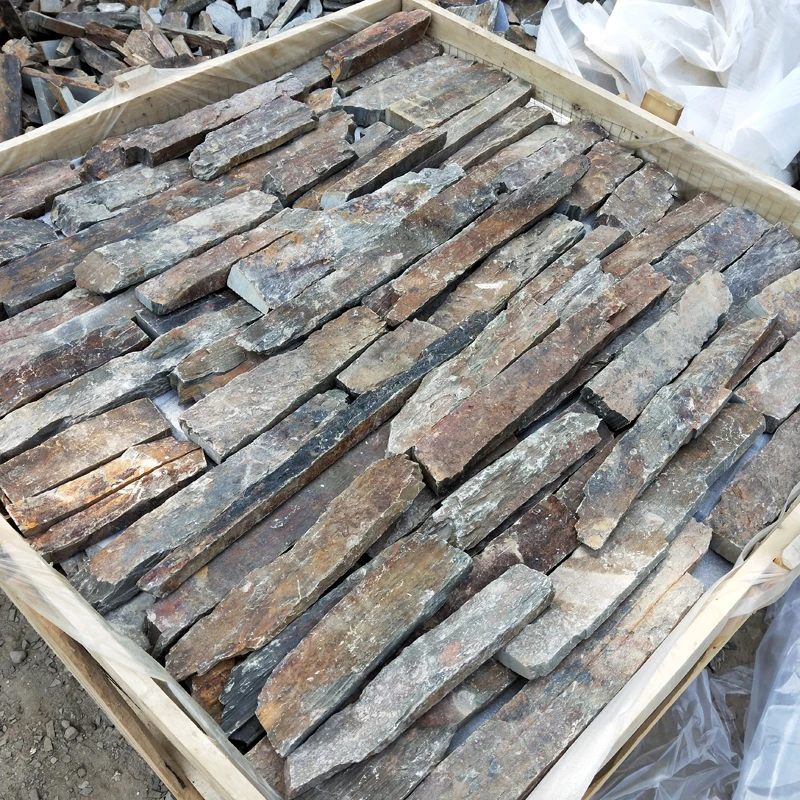
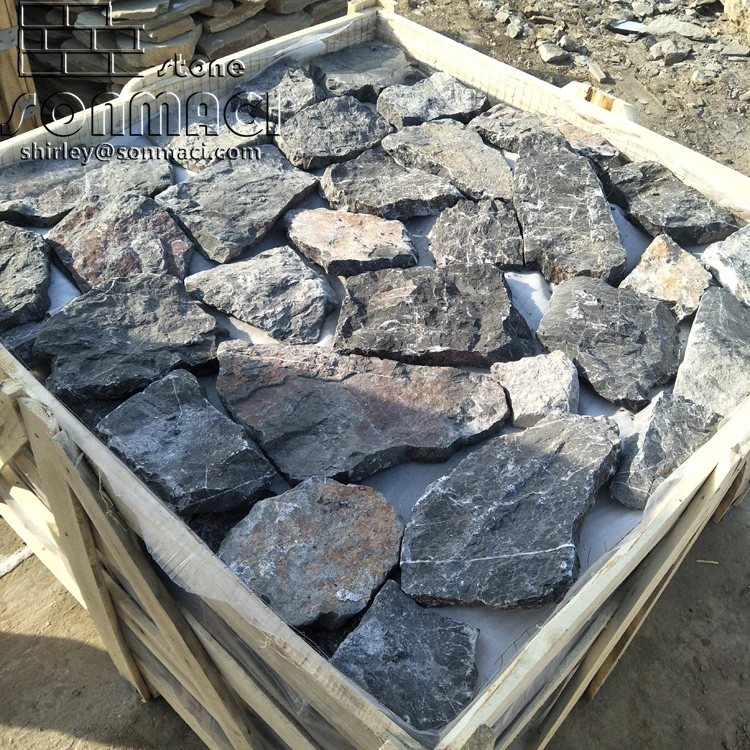
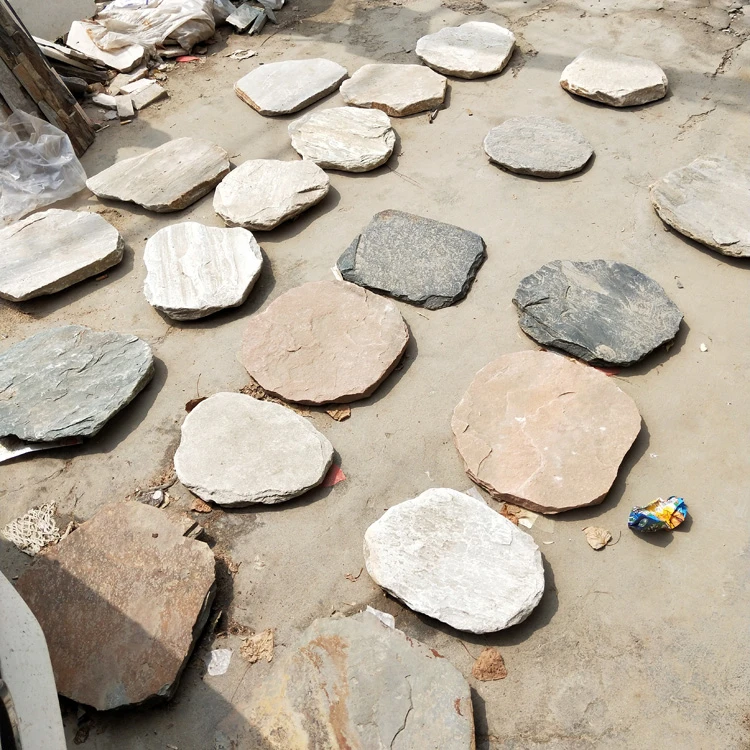
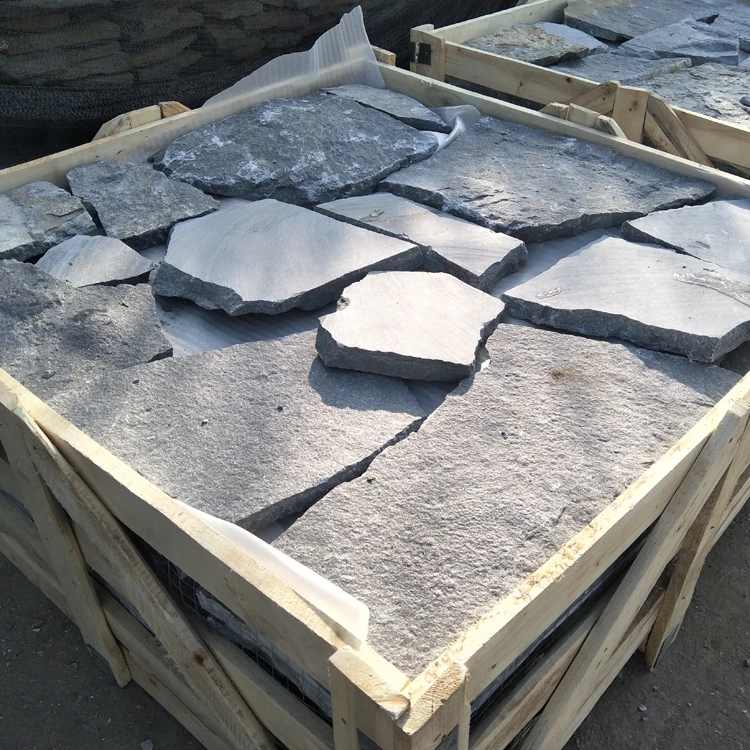
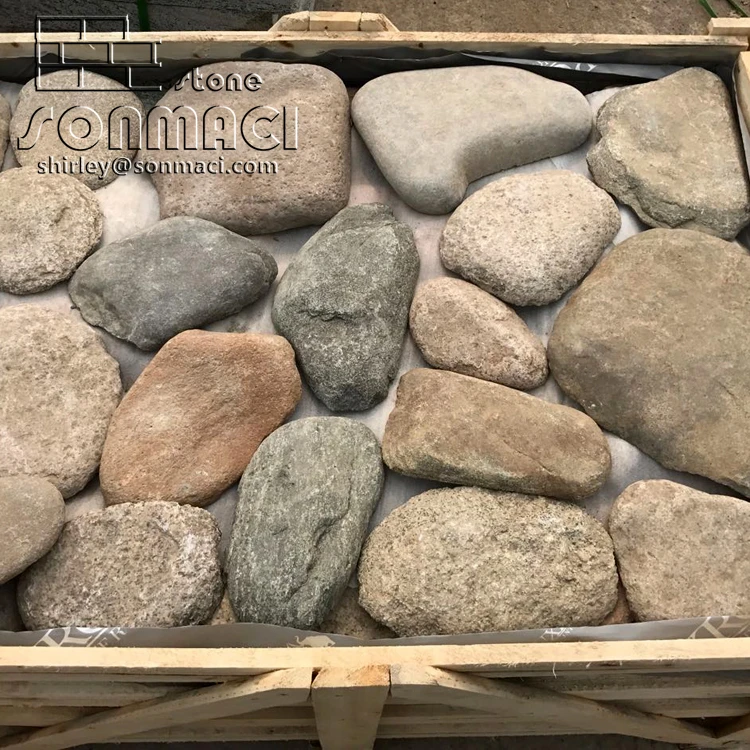
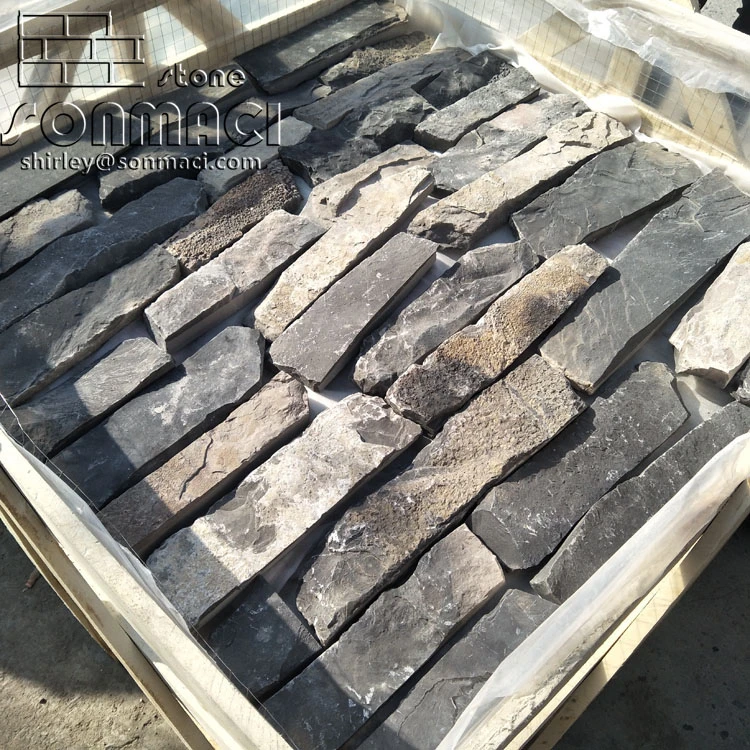
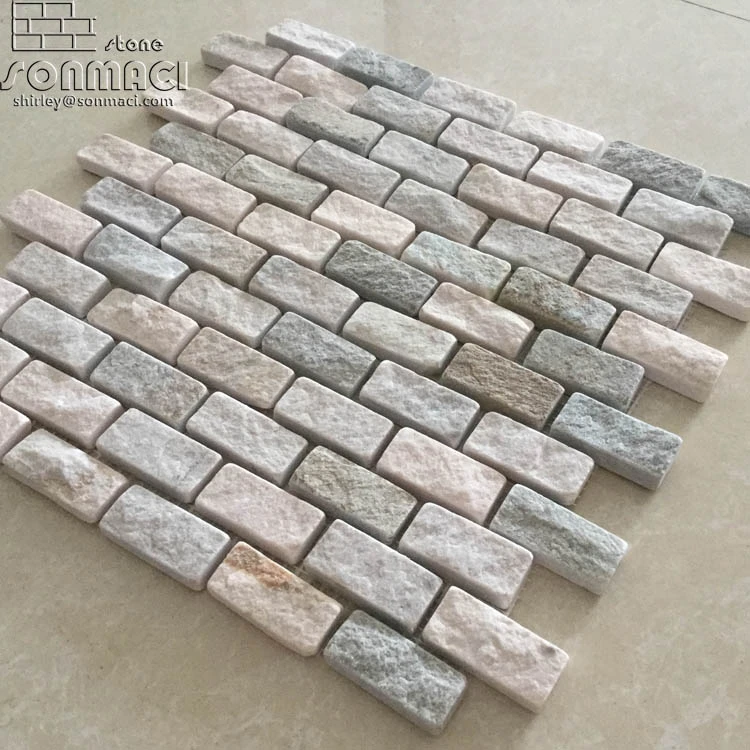
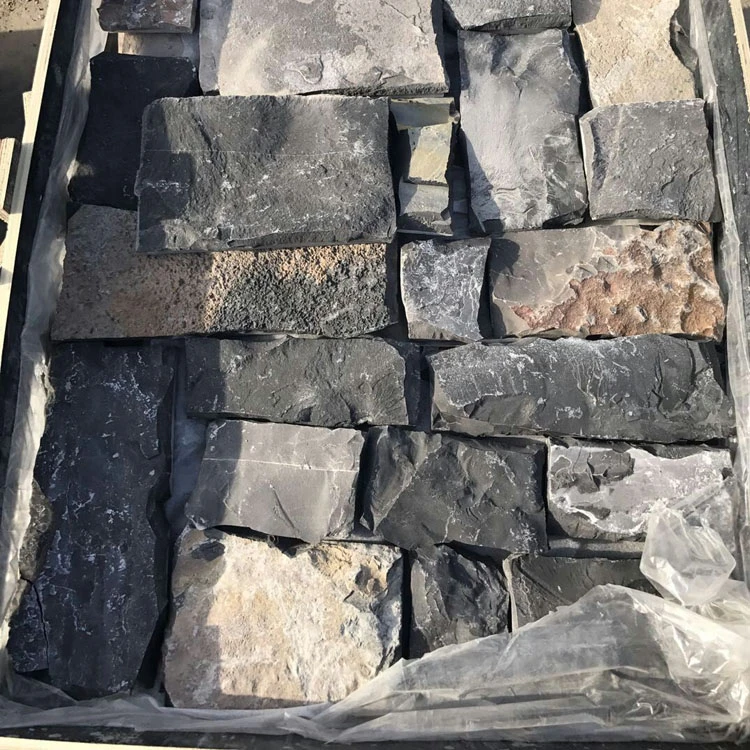
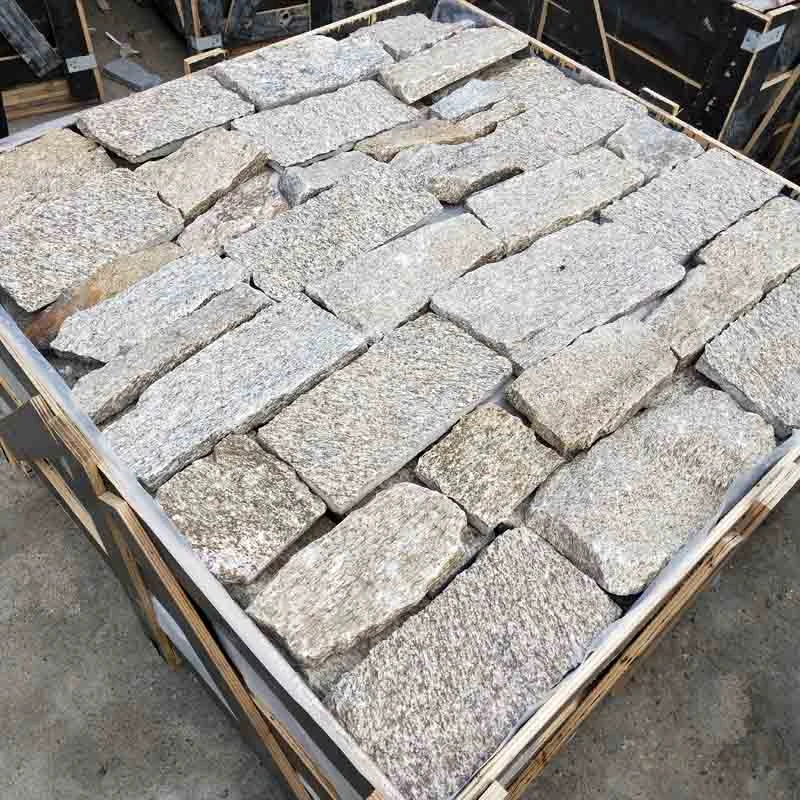
Simply put, a stone wall exterior house is a building whose outside walls are predominantly constructed from natural stone materials—granite, limestone, sandstone, or slate, among others. Unlike veneers or cladding that only superficially mimic stone, these walls are structural or load-bearing, delivering strength and an intrinsic aesthetic.
This concept ties deeply into eco-conscious architecture and disaster-resilient construction. In many rural or mountainous areas worldwide, stone walls are a logical choice due to the abundance of local materials and proven durability through extreme weather events.
Key Features That Define Stone Wall Exterior Houses
1. Durability
Stone has an inherent resistance to fire, pests, and rot. Many buildings with stone exteriors stand for hundreds of years — a testament to durability that modern synthetic materials strive to emulate.
2. Thermal Mass and Insulation
A thick stone wall can absorb heat during the day and release it slowly, stabilizing indoor temperatures. This passive climate control reduces reliance on HVAC systems, lowering energy consumption.
3. Aesthetic Versatility
Stone comes in myriad colors, textures, and sizes, allowing architects to craft truly unique facades ranging from rustic cottages to sleek urban villas.
4. Cost Efficiency Over Time
While initial installation may be pricier than other materials, the maintenance cost advantage and structural longevity make stone exteriors cost-effective over decades.
5. Environmentally Friendly
Using local stone lowers transportation emissions. Plus, stone walls can be recycled or reused, contributing to circular construction practices.
Mini takeaway: Stone wall exterior houses blend strength, energy efficiency, beauty, and sustainability — a combo that few alternatives can boast.
Global Applications & Real-World Use Cases
Stone wall exterior houses are especially common across Europe, parts of Asia, and North America—regions with historic access to quality stone quarries. But modern adaptations have introduced these walls into new environments:
- Post-disaster reconstruction: In earthquake-prone areas, reinforced stone walls add robustness and safety.
- Remote industrial zones: Facilities often opt for stone exteriors to withstand harsh climates and reduce logistical maintenance.
- Eco-communities: Sustainable housing developments increasingly rely on stone for its low environmental impact and thermal benefits.
For example, in parts of northern Italy, stone wall exterior houses using locally sourced marble have become a hallmark of sustainable construction, celebrated by municipalities for heritage branding and tourism appeal.
Advantages & Long-Term Value of Stone Wall Exterior Houses
Beyond aesthetics, stone wall exterior houses offer tangible financial and emotional benefits:
- Cost savings: Less frequent repairs and superior insulation mean lower utility bills and upkeep.
- Social impact: Using local materials supports community economies and respects cultural heritage.
- Reliability: These homes stand firm against storms, fires, and pests, offering peace of mind.
- Dignity & pride: There’s something uniquely grounding about a home built from earth’s own stone— many owners cherish this connection.
Stone Wall Exterior House: Product Specification at a Glance
| Feature | Standard Range | Remarks |
|---|---|---|
| Material Types | Granite, Limestone, Sandstone, Slate | Local availability influences choice |
| Wall Thickness | 30cm - 60cm | Depends on climate and structural needs |
| Thermal Conductivity | 0.8 - 2.0 W/mK | Varies by stone type and density |
| Lifespan | 100+ years | With proper maintenance |
| Maintenance | Low - occasional sealing and vegetation control | Minimal over decades |
Comparing Stone Wall Exterior House Vendors
| Vendor | Stone Selection | Customization | Delivery Time | Sustainability Certification |
|---|---|---|---|---|
| Heritage Stoneworks | Extensive local options | High (custom sizes & finishes) | 4-6 weeks | Green Building Standard |
| Global Stone Supply | International varieties | Moderate | 6-8 weeks | ISO 14001 |
| EcoStone Builders | Primarily local quarry stones | Limited | 3-5 weeks | LEED Certified |
What the Future Holds: Trends in Stone Wall Exterior Houses
Honestly, it's exciting to see how stone walls are evolving. Innovations such as integrating stone with smart insulation panels, or embedding sensors that monitor structural health, are emerging from R&D labs. There's also growing interest in carbon-captured stone composites that reduce environmental footprints even further.
Digital tools like 3D scanning and CNC milling enable precise stone cutting, reducing waste and expanding architectural creativity. On the policy front, rising green building standards worldwide encourage using natural materials like stone. Looking ahead, stone walls won't just be nostalgic—they'll be smarter, greener, and more integrated with building tech.
Overcoming Challenges in Stone Wall Exterior Construction
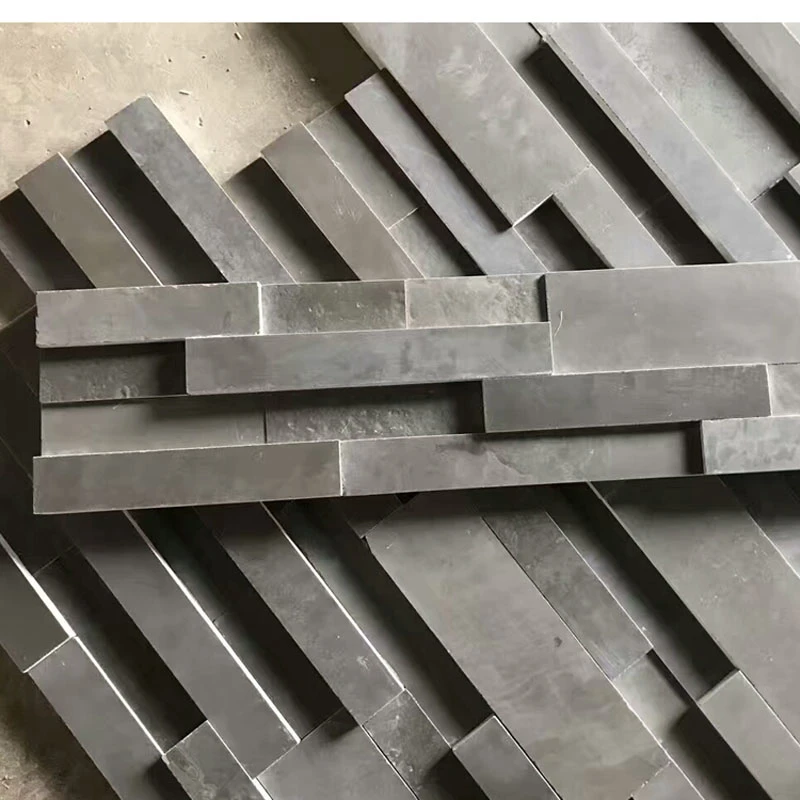
One downside is the upfront cost and the specialist labor required. Many contractors shy away from stone because it’s seen as time-consuming and heavy. That's why pre-fabricated stone panels and modular stone wall systems are gaining popularity — they simplify installation while preserving the benefits.
Another hurdle is moisture management; poor drainage can cause damage over time. Innovations in waterproof membranes and breathable sealants help mitigate these risks, extending wall life in humid climates. Honestly, as with many building techniques, it's about blending ancient materials with modern know-how.
FAQs: Common Questions About Stone Wall Exterior Houses
- Q1: How much does building a stone wall exterior house typically cost compared to other materials?
- A1: Stone walls generally have higher upfront costs than vinyl siding or brick, often 15–30% more. However, when factoring in longer durability, lower maintenance, and energy savings, many homeowners find stone to be cost-effective over a 20+ year horizon.
- Q2: Can stone walls improve energy efficiency in a home?
- A2: Yes! Stone's thermal mass moderates interior temperature swings, reducing heating and cooling needs. Combined with modern insulation layers, stone exterior homes can achieve notable energy efficiency gains.
- Q3: Are stone wall exterior houses suitable for seismic regions?
- A3: Traditionally, unreinforced stone walls are vulnerable in earthquakes. Modern techniques use reinforced stone masonry or stone veneer over structural frames to meet seismic codes while retaining stone aesthetics.
- Q4: What maintenance do stone exterior walls require?
- A4: Minimal maintenance is usually needed—occasional cleaning, repointing mortar joints every few decades, and sealing in very harsh climates can keep stone walls in top shape.
- Q5: How do I source sustainable stone for my home project?
- A5: Look for vendors certified by LEED or ISO 14001 who quarry locally and use environmentally responsible practices. Consulting with architects knowledgeable in green building can help ensure sustainable choices.
Final Thoughts
Stone wall exterior houses represent a fascinating intersection of history, sustainability, and modern building science. They offer beauty and resilience that few materials can match, reinforcing communities and preserving natural resources along the way. If you’re exploring durable and charming home designs that stand firmly into the future, a stone wall exterior is undeniably worth considering.
For more detailed insights and custom solutions, be sure to visit our site: stone wall exterior house.
Thanks for reading — it’s always rewarding to reflect on how timeless materials can help us build smarter, greener homes.
References:
1. UN Habitat - Sustainable Building Practices
2. Wikipedia - Natural Stone
3. ISO 14001 Environmental Management