What is Stacked Stone Facing? Durable, Sustainable Building Cladding Explained
Understanding Stacked Stone Facing: Durable Design Meets Timeless Appeal
At first glance, stacked stone facing might seem like a purely aesthetic choice, adding a rustic charm or sophisticated texture to architectural projects. Yet, if you scratch beneath the surface, you’ll see it’s much more than decorative—a practical, sustainable building element that solves tough structural and environmental challenges worldwide. From urban high-rises to remote shelters, stacked stone facing blends heritage with modern performance, ultimately redefining how we think about exterior cladding.
Introduction: The Global Context of Stacked Stone Facing
Globally, the construction industry accounts for nearly 40% of direct and indirect CO2 emissions, according to the International Energy Agency (IEA). Over the last decade, demand has grown for building materials that combine durability with eco-friendliness. Stacked stone facing meets several key sustainability benchmarks by using natural stone or thin veneer panels that require less processing energy than concrete or synthetic alternatives. Add to that its thermal mass benefits—which help regulate indoor temperatures—and it’s clear why stacked stone facing is a rising star in green architecture. The issue? Sourcing and installing it cost-effectively, especially in developing regions where infrastructure may be fragile.
What Exactly Is Stacked Stone Facing?
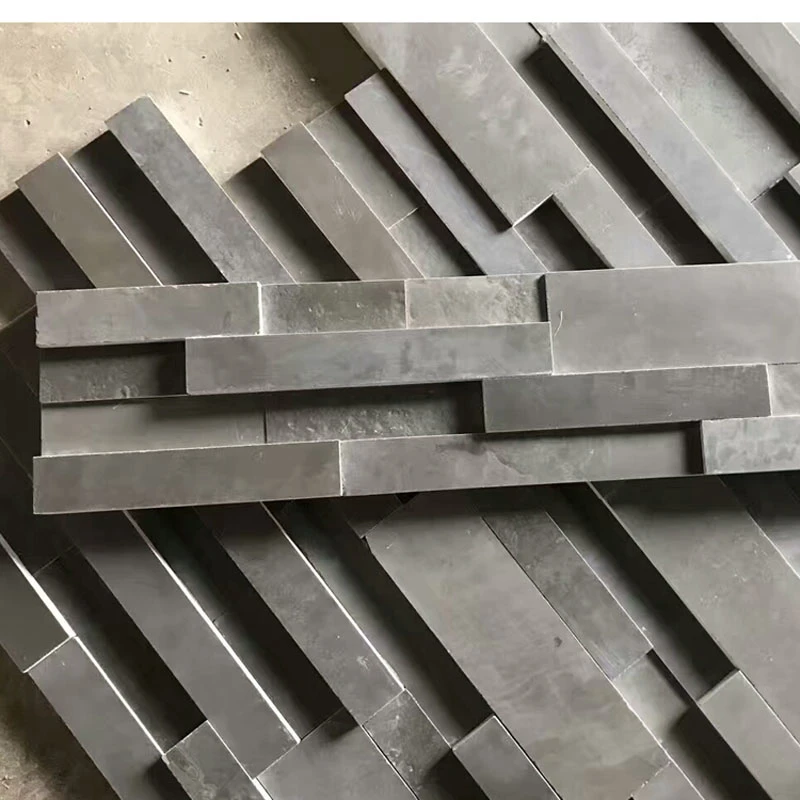
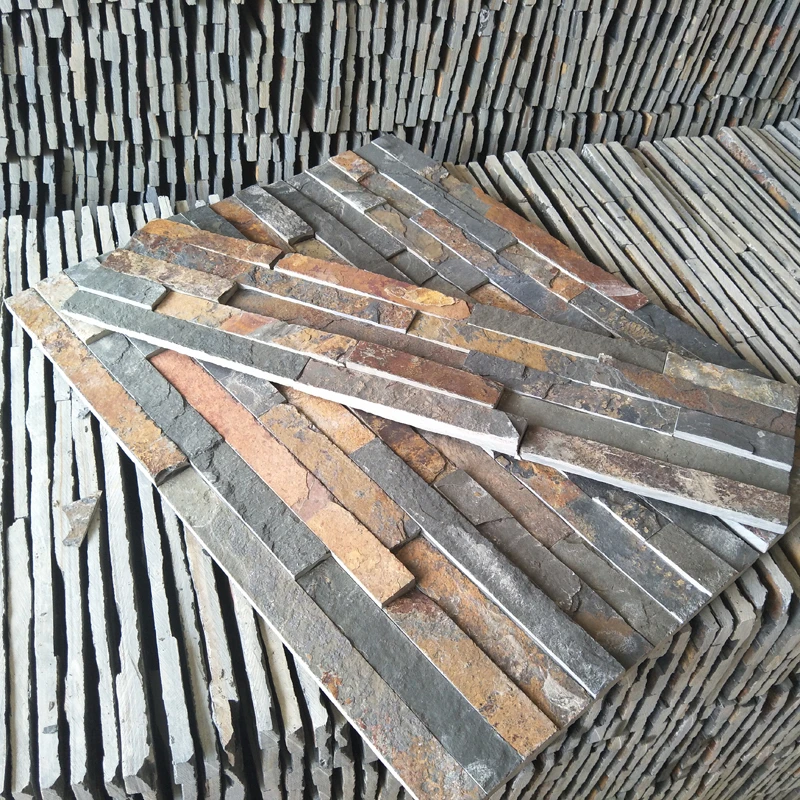
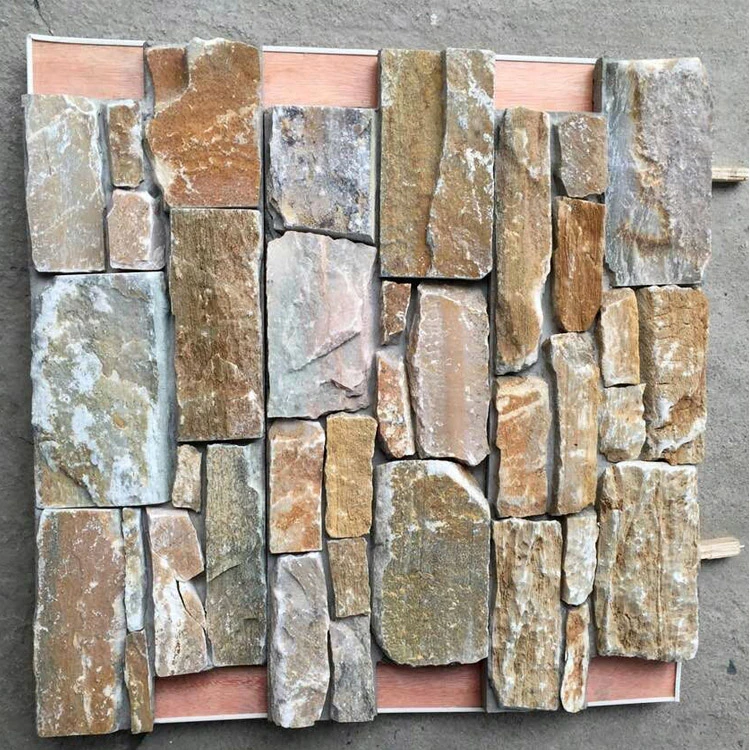
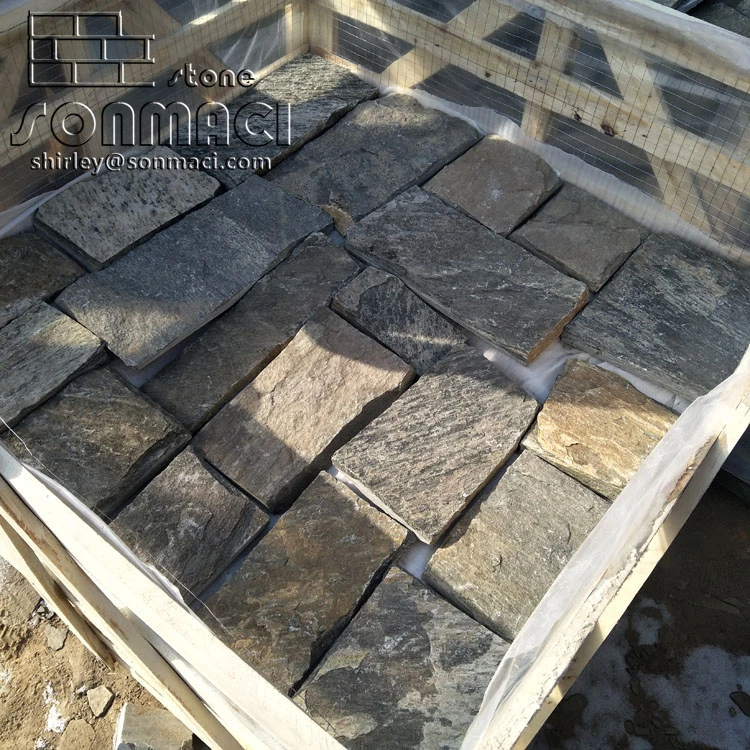
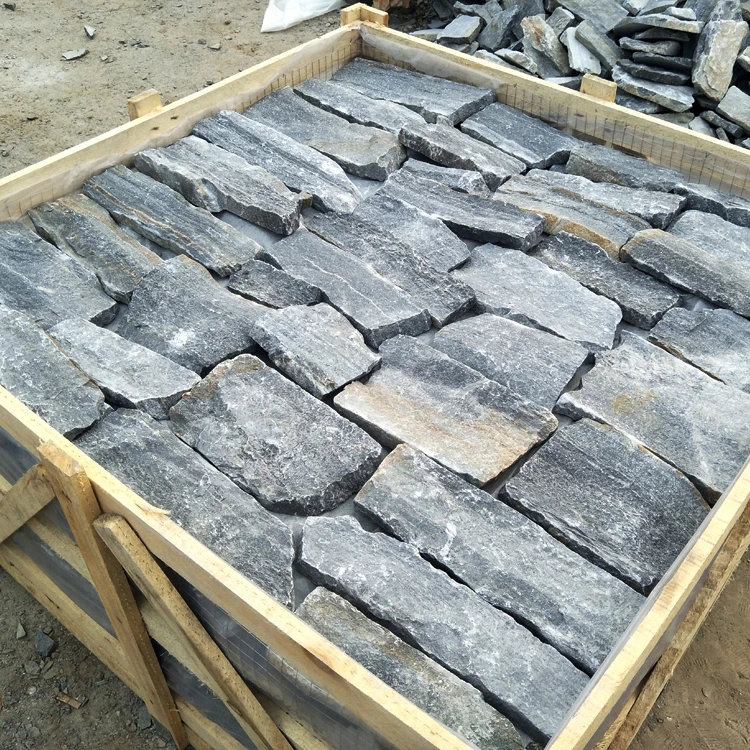
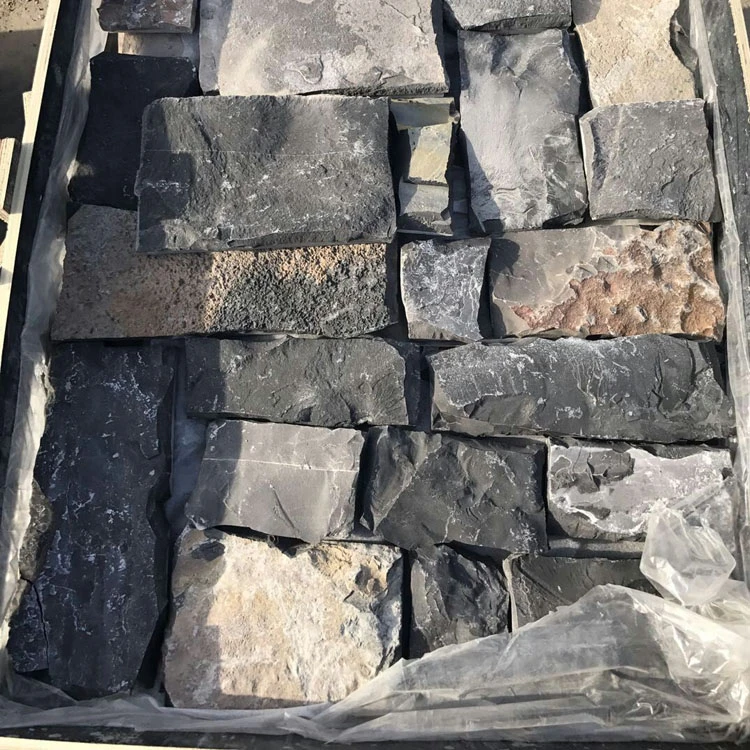
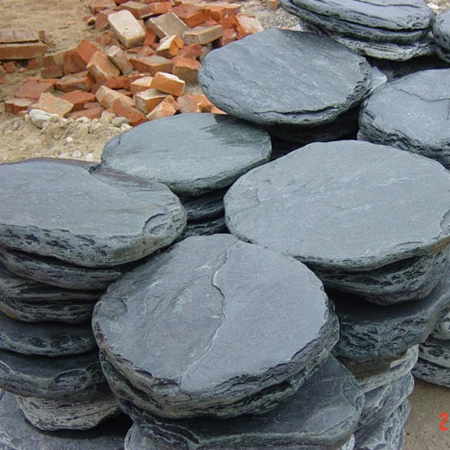
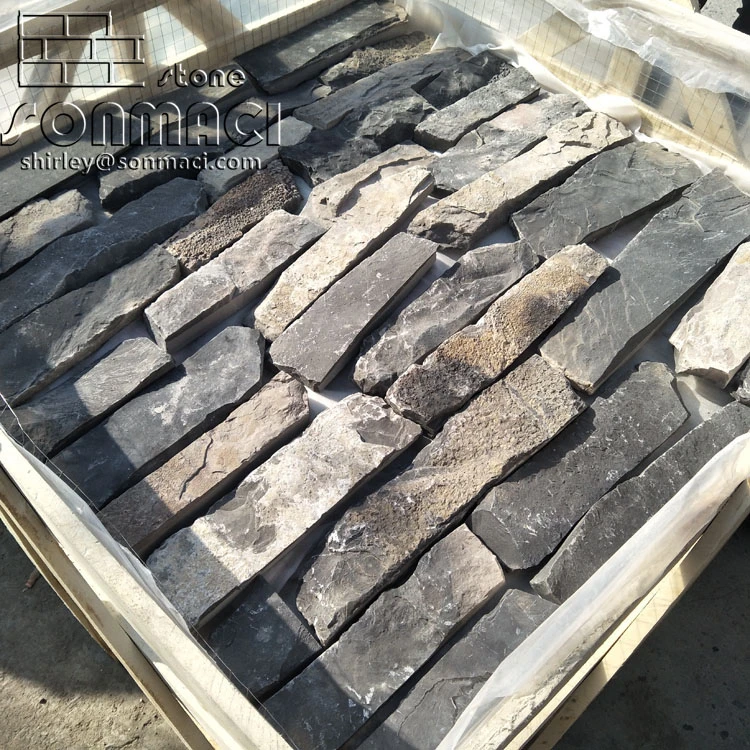
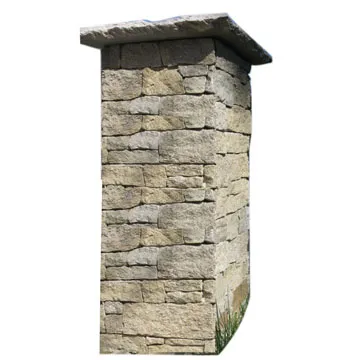
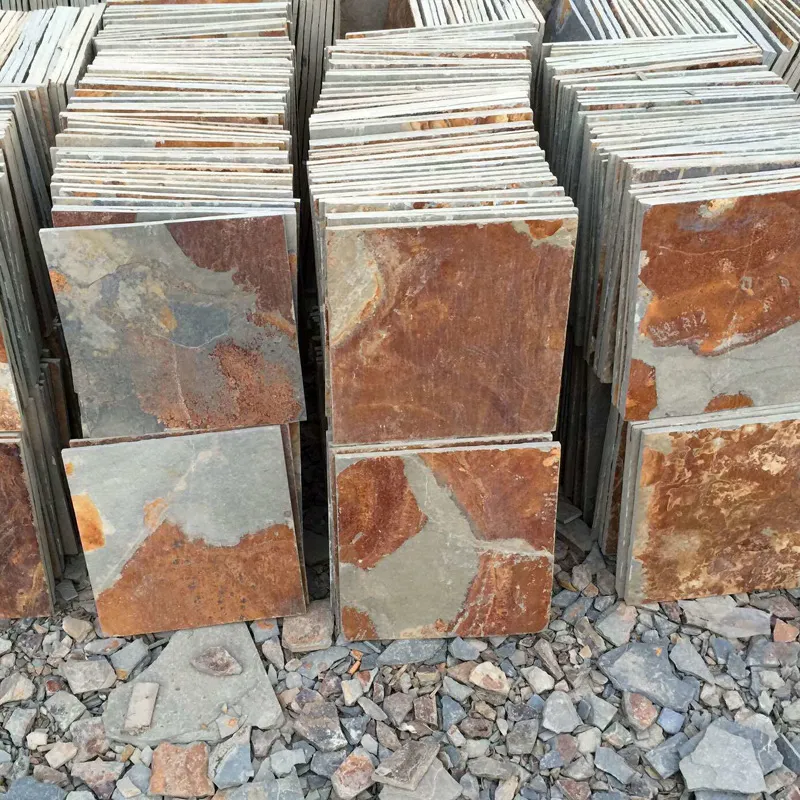
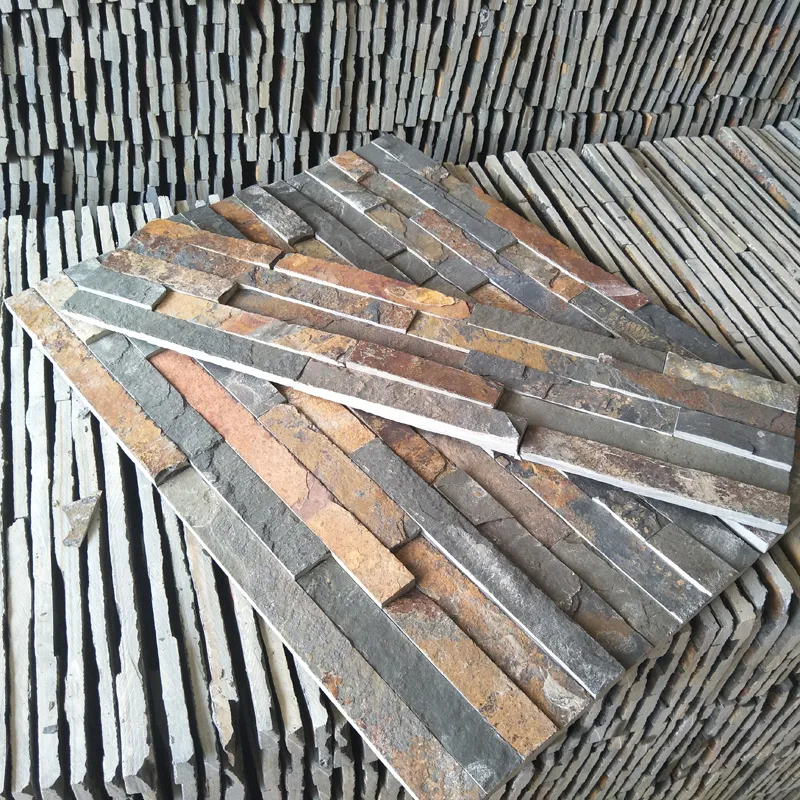
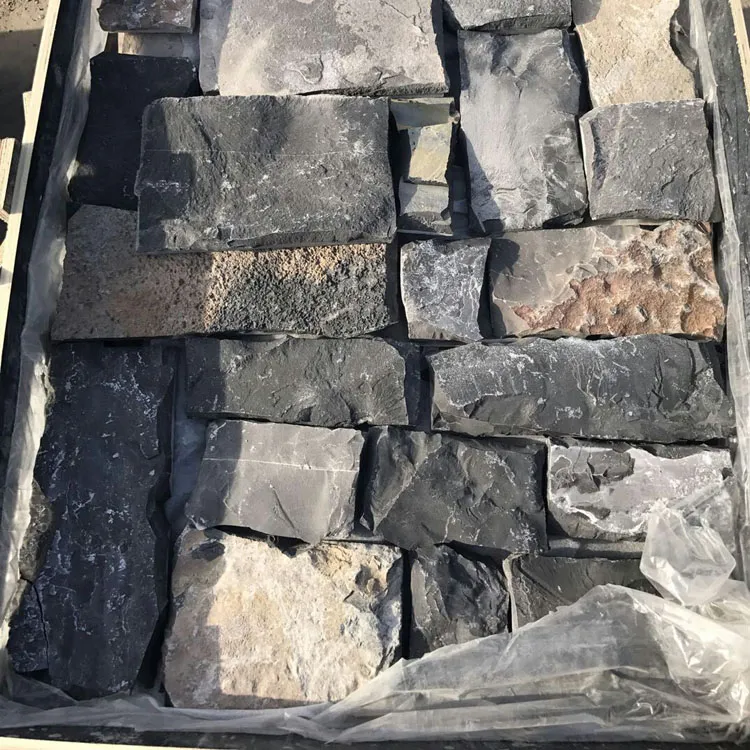
In simple terms, stacked stone facing refers to a method of cladding walls with flat natural stones stacked horizontally without visible mortar joints (or with minimal grout) to create a textured, layered look. Unlike traditional masonry, it’s often a veneer or thin-slice stone attached to a structural substrate rather than a full-thickness wall. This technique preserves the authentic appearance of natural rock formations while being lighter and more versatile for modern construction.
It’s not just for looks: stacked stone facing connects to key humanitarian needs such as resilient housing in disaster-prone zones where durable materials can save lives. Plus, it’s increasingly popular in commercial and residential buildings that emphasize longevity and low maintenance.
Key Factors Defining Stacked Stone Facing
Durability
Stone naturally withstands weathering, UV exposure, and impacts better than many cladding materials. Properly installed stacked stone facing resists chipping and moisture penetration, meaning it remains functional and attractive for decades with minimal upkeep.
Scalability & Installation
Because stacked stone facing typically comes in panels or thin slices, it’s scalable from small home projects to large commercial façades. Installation requires skilled labor but fewer materials than full masonry walls, speeding up construction while preserving aesthetic richness.
Cost Efficiency
While natural stone can be pricey upfront, stacked stone facing offers long-term cost savings through durability and reduced maintenance. Some suppliers also offer engineered stone veneers combining authentic looks with lower costs—an attractive compromise, especially in budget-conscious projects.
Sustainability
Natural stone is an abundant resource, and its extraction footprint is lower compared to synthetic composites. When locally sourced, it cuts transportation emissions dramatically, aligning well with ISO standards promoting sustainable materials in construction.
Product Specifications at a Glance
| Feature | Typical Values |
|---|---|
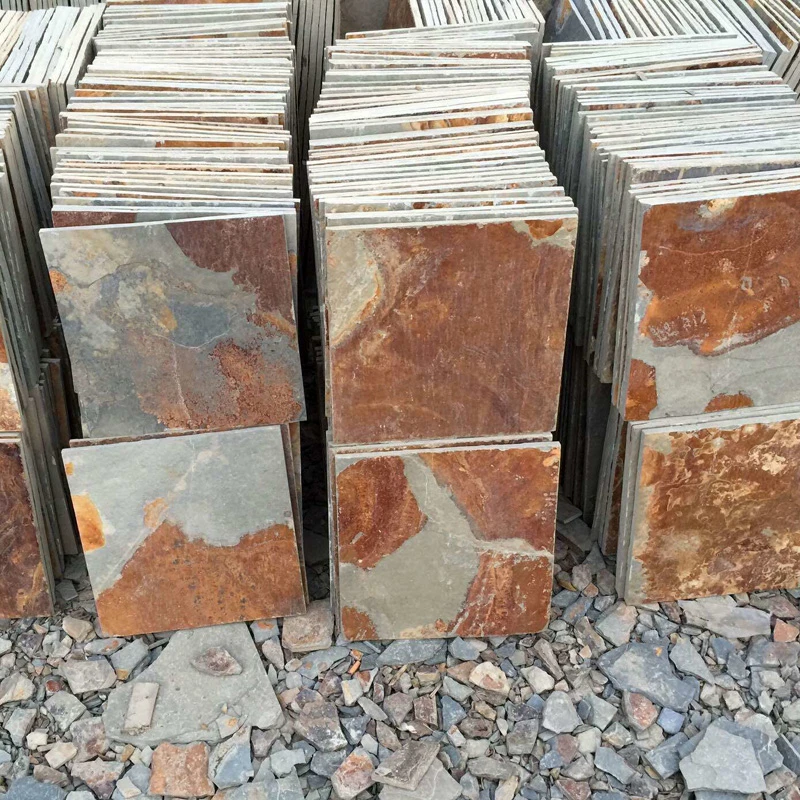
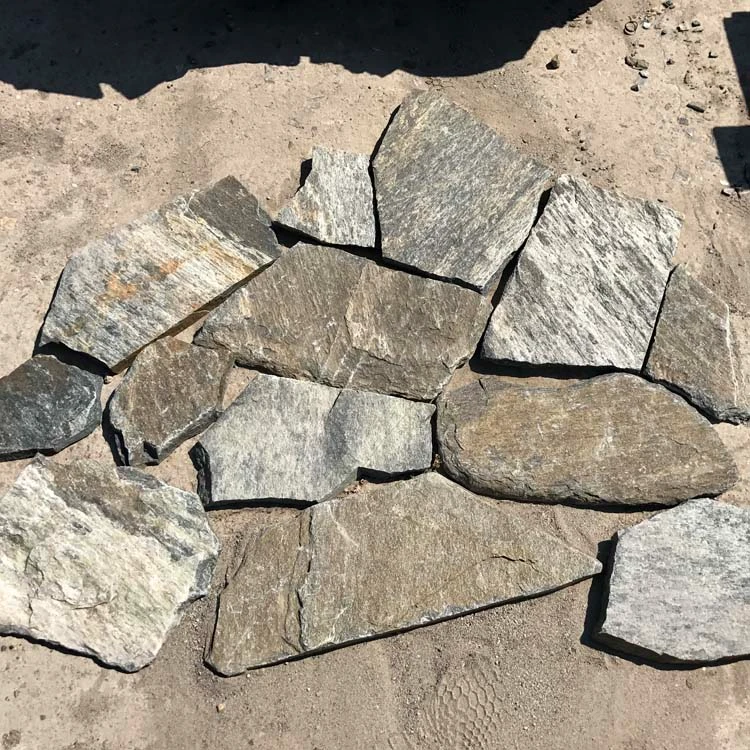
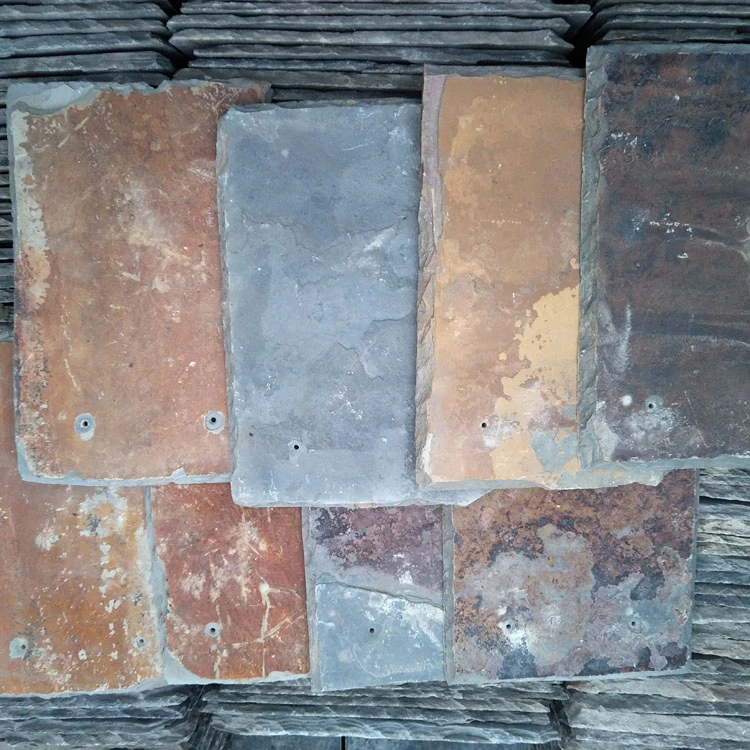
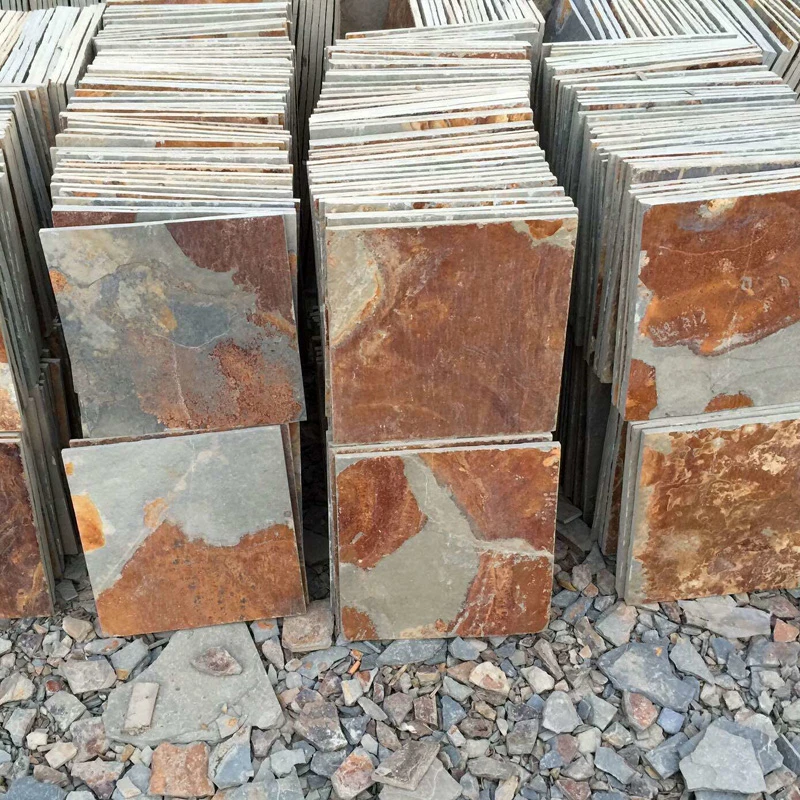
| Material Type | Natural stone (slate, quartzite, limestone) or engineered veneer |
| Thickness | 10–30 mm (varies by panel) |
| Weight | 15–25 kg/m² (depends on stone type) |
| Installation Method | Adhesive setting on structure with mechanical anchoring |
| Expected Lifespan | 50+ years with routine maintenance |
How Stacked Stone Facing Works Across the World
From Mediterranean villas to North American suburban homes and commercial buildings in Asia, stacked stone facing is remarkably versatile:
- Post-disaster shelter reinforcement: In Haiti and Nepal, natural stone’s durability helps rebuild shelters that better withstand seismic shocks.
- Remote industrial zones: Mining camps in Canada and Australia use stacked stone facing for rugged office buildings, providing insulation and a natural barrier against harsh weather.
- Urban revitalization: Cities like Barcelona and Cape Town incorporate stacked stone to preserve historical aesthetics while upgrading façade sustainability.
Those cases show its adaptability beyond merely beautifying walls—it serves social resilience and eco-conscious urbanism too.
Vendor Comparison: Choosing the Right Supplier
| Vendor | Material Options | Sustainability Certification | Price Range (USD/m²) | Lead Time |
|---|---|---|---|---|
| SonMaciStone | Natural & engineered stone veneers | ISO 14001 | 50–90 | 2–4 weeks |
| StoneArt Global | Mostly natural stone | LEED-certified | 60–95 | 3–5 weeks |
| EcoStone Veneers | Engineered stone only | GreenGuard Gold | 40–75 | 1–3 weeks |
Advantages & Lasting Value of Stacked Stone Facing
Honestly, the benefits extend beyond the obvious. Financially, fewer repairs and ultra-low maintenance mean less headache over time. Emotionally, using natural materials connects occupants to a sense of place and history, which imparts dignity and trust. There’s also a measurable environmental upside—less synthetic waste and reduced heat island effects because stone’s reflective and thermal mass properties help modulate temperature swings.
Future Trends & Innovations
Looking ahead, several innovations stand out. Companies are developing stacked stone facing panels incorporating nanotechnology for water repellence and enhanced resistance to pollutants. Digital design tools make custom fitting easier and reduce waste, while greener quarrying policies aim to improve stone sourcing ethics. Automation in installation, though still emerging, could dramatically cut labor costs and errors, making stacked stone facing accessible to even more builders around the globe.
Challenges & Solutions
That said, some hurdles remain. Installation can be slow if traditional methods apply, and poor workmanship dramatically reduces longevity. Also, regional availability and high shipping costs of natural stone can be barriers. To counter these, hybrid blends of engineered veneer and local stone are gaining traction. Continuous skill training and investing in prefabricated panels help speed up and standardize quality, expanding the market reach.
FAQs About Stacked Stone Facing
- How does stacked stone facing improve building insulation?
- Stone’s natural thermal mass helps regulate indoor temperatures by absorbing heat during the day and releasing it at night, which can reduce heating and cooling needs. When paired with appropriate wall insulation, stacked stone facing enhances overall energy efficiency.
- Is stacked stone facing suitable for humid climates?
- Yes, provided proper moisture barriers are installed behind the stone veneer. Natural stone itself is resistant to moisture, but managing water ingress is critical to prevent mold or structural damage inside walls.
- What maintenance does stacked stone facing require?
- Generally minimal—annual cleaning to remove dirt and periodic inspections to check for loose panels or grout damage. Unlike painted surfaces, it doesn’t need repainting, which makes it relatively low maintenance.
- Can stacked stone facing be installed on existing structures?
- Absolutely. Many renovation projects use stacked stone facing over old brick, concrete, or wood walls to update aesthetics and improve exterior durability without extensive demolition.
- Are there eco-friendlier alternatives to natural stone?
- Engineered stone veneers combine recycled materials and binders to mimic natural stone. While they may lack some unique properties of natural rock, they typically offer lower carbon footprints and can be produced closer to the project site.
Conclusion
To wrap up, stacked stone facing elegantly combines tradition, performance, and sustainability in a package that can address many modern building challenges. When thoughtfully selected and installed, it offers decades of beauty and resilience—an investment in both your property’s value and the planet’s health. Curious to learn more or explore product options? Visit our website at https://www.sonmacistone.com to dive deeper into innovative stacked stone facing solutions tailored for your needs.
Mini takeaway: Stacked stone facing is not just a pretty face; it’s a smart building strategy that blends durability, sustainability, and timeless style — relevant for today and many tomorrows.
References:
1. International Energy Agency, "CO2 Emissions from Fuel Combustion," 2023.
2. ISO 14001 Environmental Management Standards.
3. Wikipedia contributors, "Building insulation," https://en.wikipedia.org/wiki/Building_insulation.