Precast Stone Veneer: Durable, Sustainable Cladding for Modern Construction
Understanding Precast Stone Veneer: A Lasting Appeal in Modern Construction
Precast stone veneer might sound like just another building material buzzword tossed around at construction meetings, but it’s far more consequential than that. This material combines age-old aesthetics of natural stone with the practicalities of modern manufacturing. Globally, as urban landscapes grow and sustainable building practices gain momentum, precast stone veneer stands out as a smart choice for architects, developers, and environmentalists alike.
But why does this matter on a wider scale? The answer is twofold: economic efficiency and environmental responsibility. Around the world, rising construction costs and urgent calls for sustainable materials have placed precast stone veneer in the spotlight. The veneer’s blend of durability, cost-effectiveness, and environmental benefits makes it increasingly relevant for projects—from skyscrapers in Dubai to housing expansions in Europe and the demanding climates of Australia.
The Global Context: Why Precast Stone Veneer is More than Just a Pretty Face
According to ISO standards and recent UN habitat reports, the global building and construction industry is responsible for roughly 38% of CO₂ emissions. This has sparked interest in materials that reduce assembly times and waste. Enter precast stone veneer.
This material helps address several challenges: speeding up construction timelines, reducing on-site labor, and lowering the carbon footprint of new buildings. In rapidly urbanizing parts of Asia and Africa, where housing demand is urgent, precast stone veneer is becoming a cornerstone solution.
Plus, manufacturers often emphasize the veneer’s lightweight nature—compared to quarried stone, it’s easier to transport and handle, which means lower energy consumption throughout the supply chain.
Mini Takeaway:
- Precast stone veneer is a key player in greener, faster construction worldwide.
- Its rise aligns with international efforts to cut emissions and improve housing quality.
Defining Precast Stone Veneer
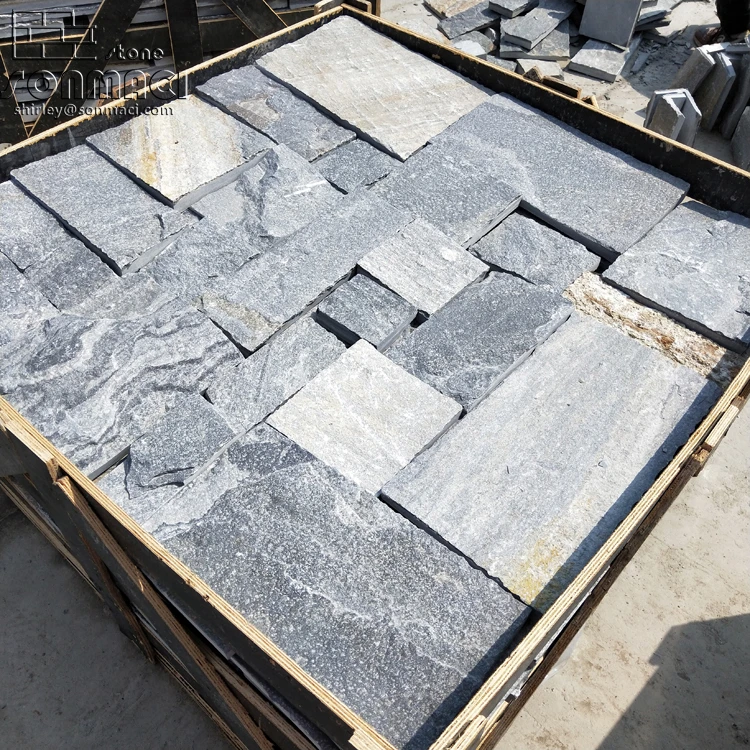
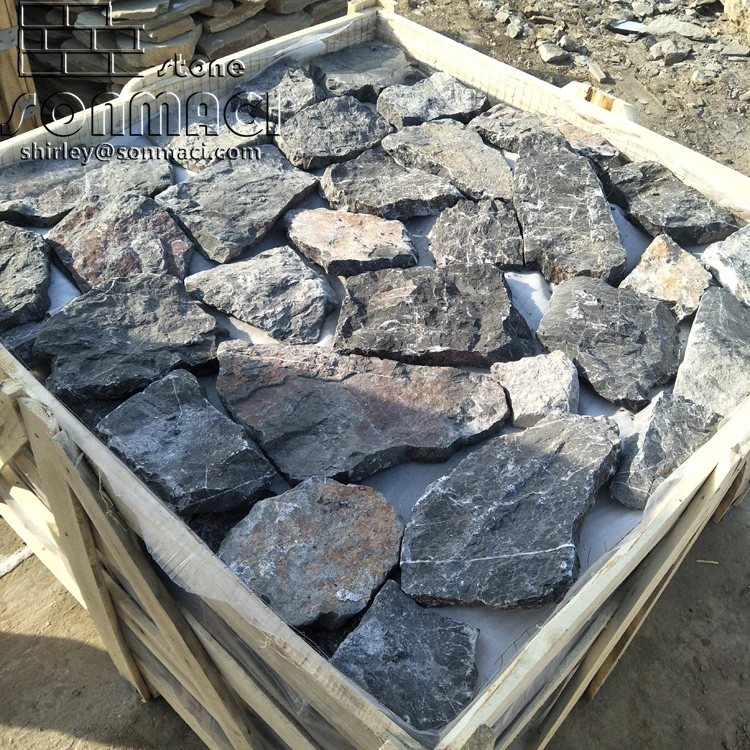
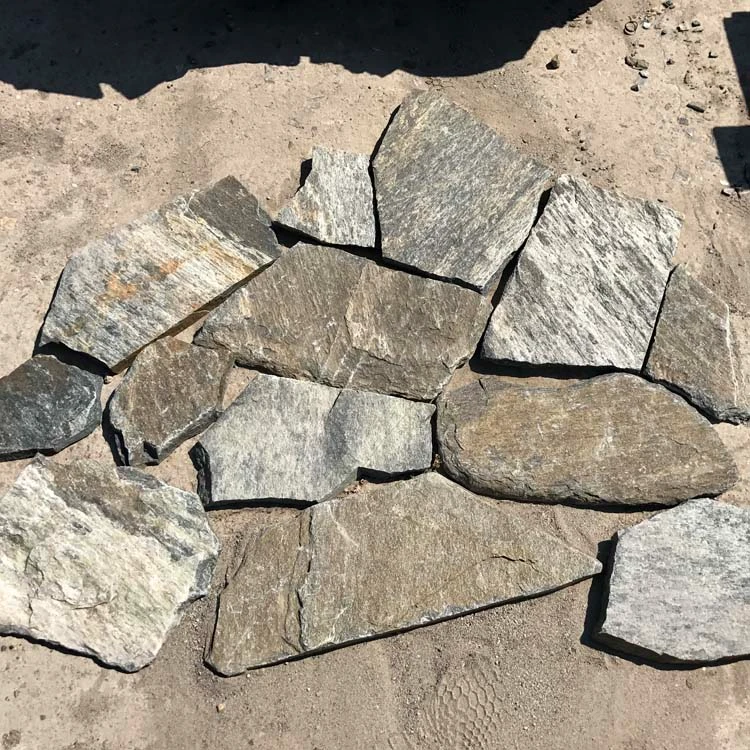
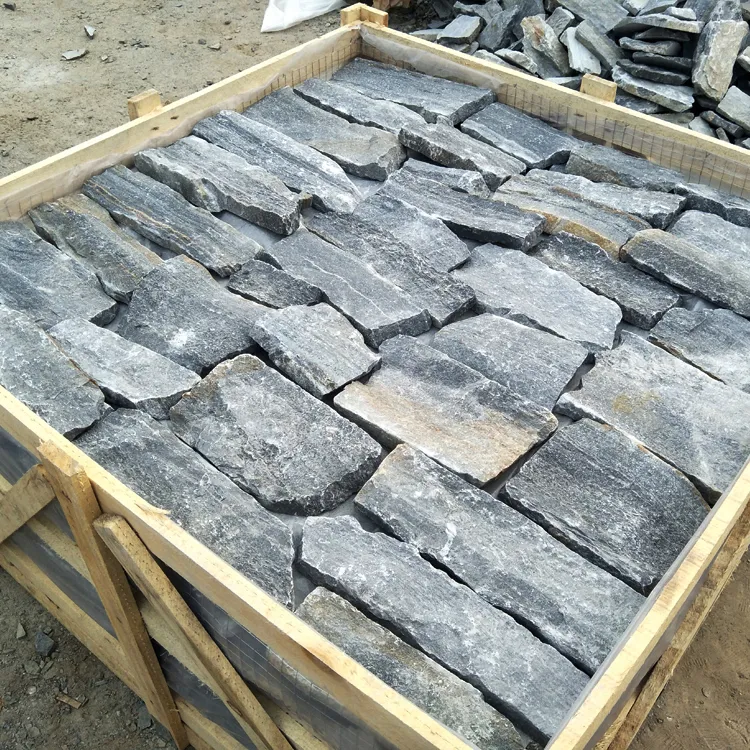
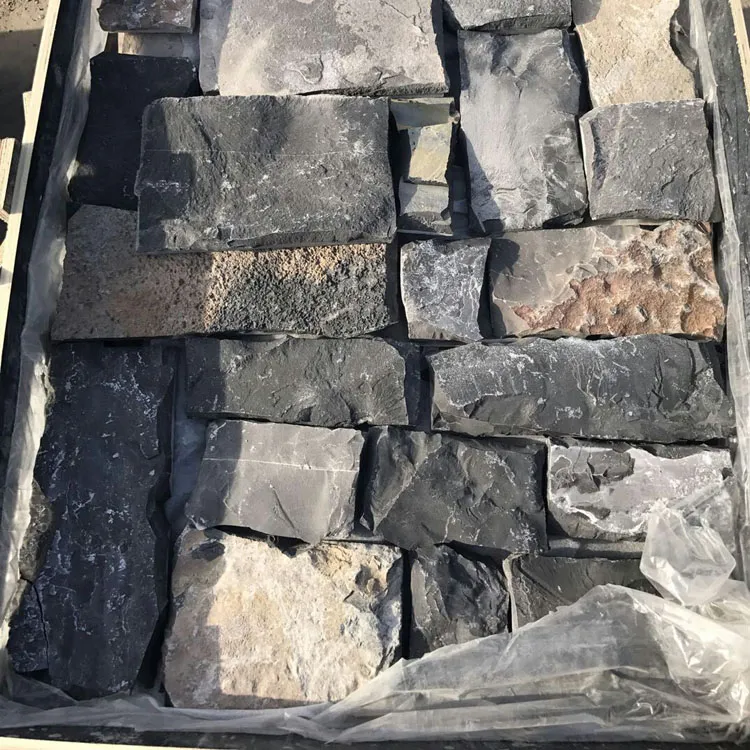
Simply put, precast stone veneer consists of real or simulated natural stone panels manufactured offsite under controlled conditions, then installed onto building surfaces as cladding or decorative facades. It captures the look and feel of natural stone but sidesteps hefty challenges like excavation, quarrying, and heavy onsite cutting.
In the humanitarian sector, precast stone veneer can be used to provide dignified housing fast, offering survivors of disasters the comfort of familiar aesthetics combined with structural reliability. It’s almost poetic how something that seems purely decorative can play a part in rebuilding lives.
Core Components of Precast Stone Veneer
Durability and Strength
Often polymer or cement-based, precast stone veneers are engineered for longevity—resisting weathering, impact, and fading far better than thin natural stone tiles. This means buildings don’t just look good on day one; they maintain their aesthetics over decades.
Lightweight Construction
One of the biggest advantages is the tongue-and-groove or interlocking panel systems that make installation quicker and easier. Unlike traditional stone, you don’t need heavy cranes or massive foundations, which translates to cost savings that are hard to ignore.
Cost Efficiency
From material sourcing to labor, precast veneer generally costs less over the project lifecycle. Bulk production means economies of scale, and less waste is generated on site. This appeals especially to government housing projects or commercial developers juggling tight margins.
Scalability and Customization
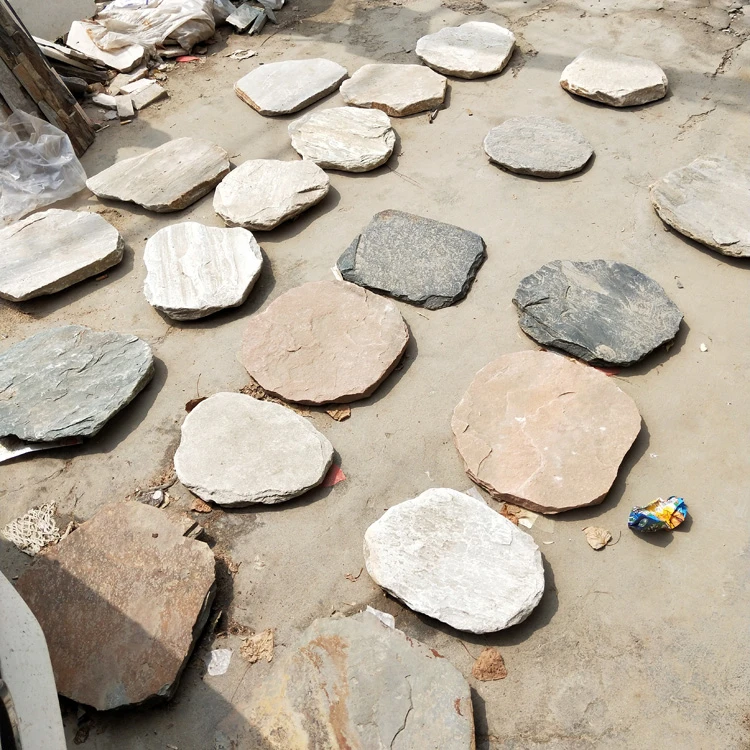
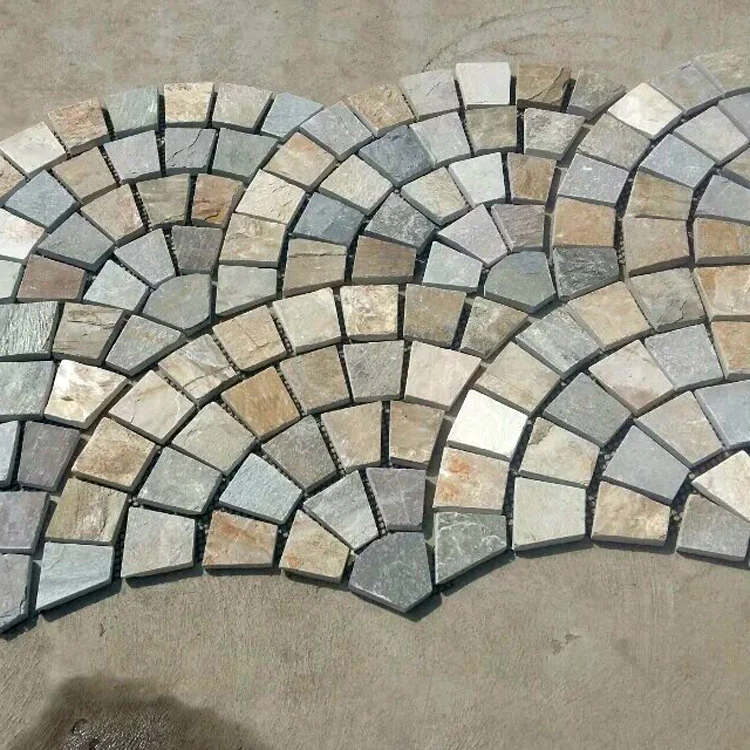
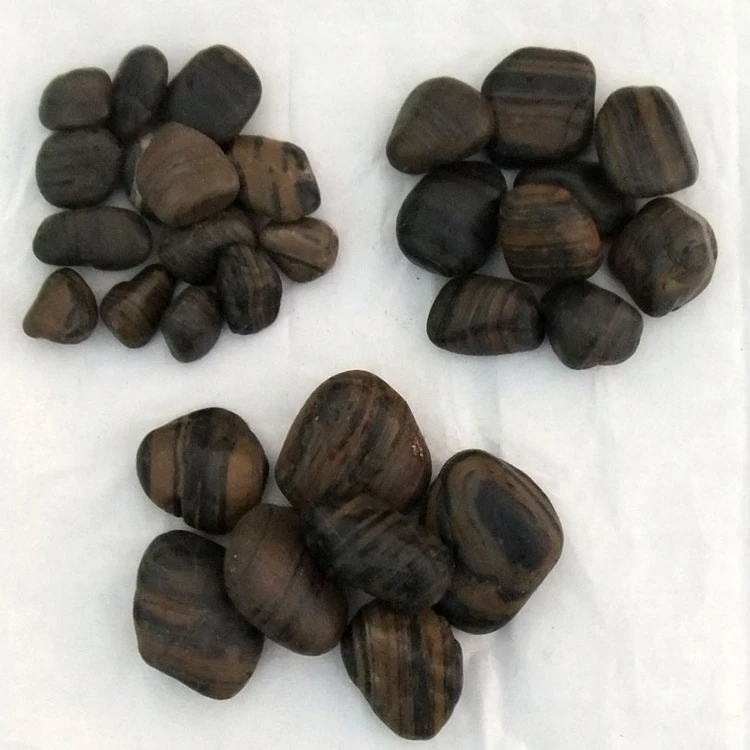
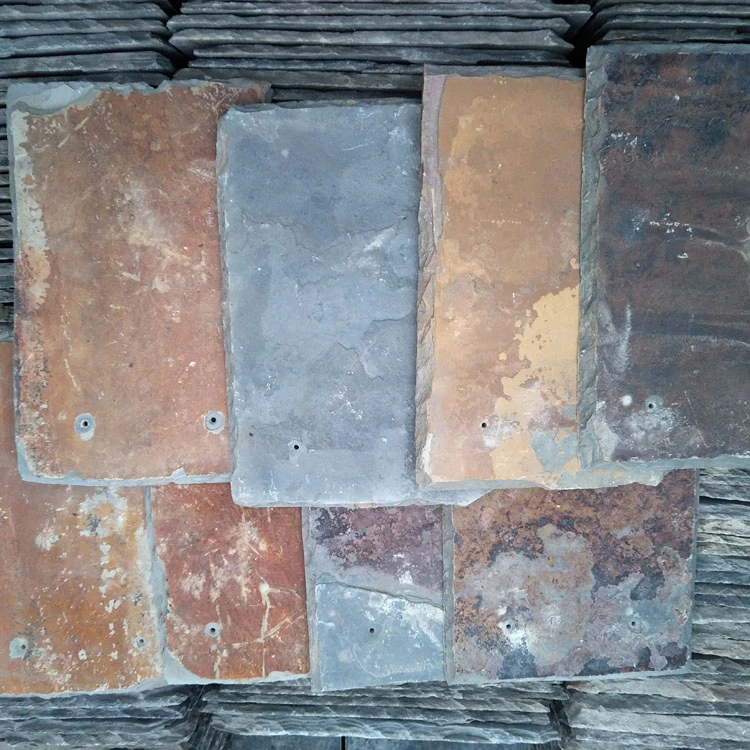
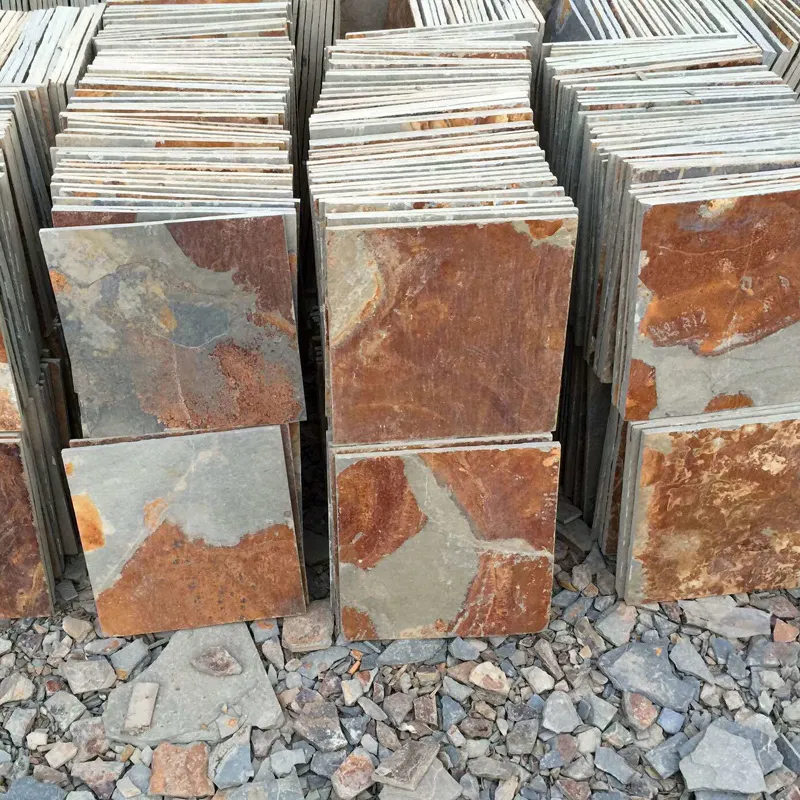
Precast stone veneer units can be tailored to fit any design requirement—color, texture, pattern—without major price penalties. Whether you want rough sandstone for rustic homes or smooth granite finishes for commercial towers, the technology behind precast manufacturing lets designers dream bigger.
Sustainability Considerations
Because it reduces quarrying impacts and incorporates recycled content in many cases, precast stone veneer supports green certifications like LEED. Plus, faster installation cuts down emissions from machinery on site.
Mini Takeaway:
- Durability and lightweight form factor simplify use across projects.
- Customization makes it ideal for both traditional and modern architecture.
- Sustainability is baked into its production and application.
Practical Applications in the Real World
In the US and Europe, commercial buildings use precast stone veneer to update facades quickly, especially in urban renewal areas. In Australia, where seismic activity impacts building codes, the lighter weight of precast veneer reduces structural risks. Even in disaster recovery zones—think earthquake or flood-hit areas in Asia—NGOs install precast panels rapidly, providing safe, weather-resistant shelters that endure.
Another fascinating use is in remote industrial zones, such as mining camps in Canada or oil rigs in the North Sea. Here, the veneer’s pre-finished, controlled-quality panels reduce onsite labor needs, allowing facilities to be up and running faster amidst extreme conditions.
Advantages & Long-Term Value of Precast Stone Veneer
Bottom line? Precast stone veneer saves money—not just upfront but through a building’s lifespan. Maintenance costs drop thanks to resistance to cracking and fading. Its robust nature offers building occupants peace of mind, avoiding costly repairs later.
Plus, there's an intangible value. People admire natural stone’s aesthetics—it conveys strength, heritage, and permanence. That emotional resonance still shines through with precast veneer, enabling developers to build trust with their clients and communities.
| Specification | Details |
|---|---|
| Material Composition | Cement, polymer additives, natural stone aggregates |
| Panel Size | Typically 24" x 36", customizable |
| Weight | 10-15 lbs per sq ft (roughly 50% lighter than natural stone) |
| Weather Resistance | Highly resistant to freeze-thaw cycles, UV, and moisture |
| Installation Time | Up to 70% faster than traditional masonry |
Looking Ahead: Trends and Innovations Shaping Precast Stone Veneer
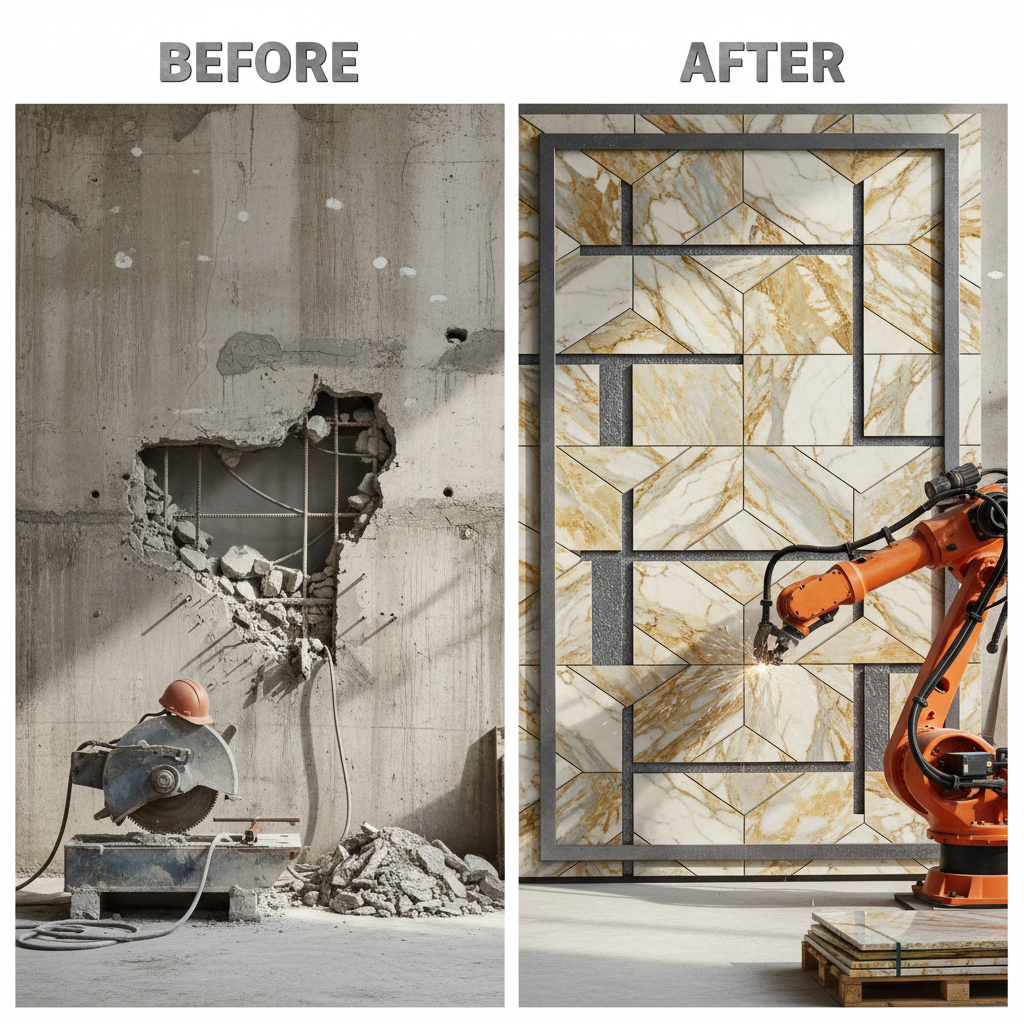
Material science is pushing boundaries here. We now see precast veneers incorporating smart additives that enhance self-cleaning surfaces or improve thermal insulation. Automation in production lines means better quality control with less human error and faster turnaround times.
Meanwhile, regulatory moves worldwide encourage the use of recycled materials—so expect to see more veneer mixes including crushed glass or recycled concrete aggregates. This “green engineering” trend could soon be the default, not the exception.
Finally, digital modeling and BIM (Building Information Modeling) are enabling precisely engineered panels that fit perfectly on uniquely shaped building envelopes—removing guesswork and waste.
Common Stumbling Blocks—and How to Fix Them
One limitation is sometimes the perception that precast stone veneer is "just a facade," lacking the robustness of full stone construction. That’s fair, but with proper structural backing and design integration, it meets or exceeds most building codes.
Another challenge is logistics when large panels need to be shipped internationally. Coordinating customs, transport, and storage requires planning but partnering with vendors familiar with global standards mitigates this hassle.
Weather variation can also concern engineers—fortunately, modern additives ensure good performance across climates.
Vendor Comparison: A Quick Guide
| Vendor | Customization Options | Delivery Time | Sustainability Practices | Typical Project Size |
|---|---|---|---|---|
| StoneCraft Inc. | Wide range of colors/textures | 2-3 weeks | Recycled content in 30% of products | Mid to large commercial projects |
| EcoStone Panels | Custom colors, small-batch runs | 4 weeks | Certified LEED & GreenGuard | Residential & small commercial |
| Global Stone Panels | Limited palette, standard sizes | 1-2 weeks | Focused on low-waste production | Large industrial projects |
Frequently Asked Questions About Precast Stone Veneer
Q: How does precast stone veneer compare cost-wise to natural stone installation?
A: Typically, precast stone veneer can reduce overall project costs by 20-40%, factoring in material, labor, and installation speed. It requires less heavy equipment and shorter project timelines, meaning fewer indirect expenses.
Q: Can precast stone veneer be used in seismic zones?
A: Absolutely. Because the panels are lighter than traditional stone, they impose less mass-related stress on structures during seismic events. When combined with appropriate anchoring systems, they meet seismic safety standards effectively.
Q: Is precast stone veneer environmentally friendly?
A: Yes—many manufacturers include recycled materials and focus on low-emission production techniques. Plus, onsite waste is minimized, and shorter construction times lower overall carbon footprints.
Q: What maintenance does precast stone veneer require?
A: Minimal maintenance—generally a periodic wash to remove dirt and no sealing required, unlike some natural stones. This reduces long-term upkeep costs compared to traditional stone facades.
Q: How customizable are precast stone veneers?
A: Very customizable. Colors, textures, sizes, and finishes can be tailored extensively, allowing diverse design aesthetics without substantial cost premiums.
Wrapping Up: Why Precast Stone Veneer is a Smart Long-Term Investment
In real terms, choosing precast stone veneer is about balancing form, function, and future-proofing. It links classical stone beauty with modern efficiency, sustainability, and adaptability.
For developers, engineers, or anyone in construction looking to innovate without sacrificing reliability, it's worth taking a close look. And no, it’s not just for luxury towers—this material holds promise for affordable housing, green retrofits, and humanitarian aid structures around the globe.
If you’re curious to explore this further or want to see some actual projects and options, check out precast stone veneer, where you can find detailed info, custom order guides, and technical support.
Mini Takeaway:
- Precast stone veneer offers an excellent balance of beauty, durability, and sustainability.
- Its increasing adoption signals a shift toward smarter building materials globally.
- Whether you’re working on a skyscraper or community shelter, it’s a solution worth serious consideration.