Durable Wall Capping Stones for Sustainable Construction | Sonmacistone
Why Wall Capping Stones Matter in Today’s Construction Landscape
At first glance, wall capping stones might seem like just another masonry accessory, but they’re far more than the finishing touch on your garden wall or boundary fence. Globally, wall capping stones play a subtle yet crucial role in protecting built environments — safeguarding walls from weather damage, improving structural longevity, and even adding aesthetic charm. In a world facing climatic uncertainty, urban expansion, and a maddening push toward sustainable construction, understanding wall capping stones is not only practical but necessary.
Wall capping stones help reduce water ingress, prevent structural erosion, and offer long-term durability — benefits that resonate whether you’re involved in a large-scale infrastructure project or a modest residential build. They also represent an intersection of tradition and innovation, blending natural materials with clever design.
The Global Pulse: Why Wall Capping Stones Are Everywhere
When you zoom out, the use of wall capping stones reflects broader trends in urban development and climate adaptation. According to recent UN Habitat reports, over 55% of the world’s population now lives in urban areas, pushing demand for resilient infrastructure. Walls—not just massive buildings—need protecting from the ravages of moisture, freeze-thaw cycles, and rising pollution.
The ISO 14001 environmental standard encourages construction materials that improve sustainability — and wall capping stones, often made from natural or recycled stone, fit the bill for eco-conscious builders. In flood-prone regions of Southeast Asia or storm-battered Mediterranean coastlines, the humble wall cap is an unsung hero guarding walls from premature failures.
But here’s the rub: many construction sites overlook this component, leading to costly water damage and poor wall durability. That’s a problem wall capping stones endeavor to solve, quietly but effectively.
What Exactly Are Wall Capping Stones?
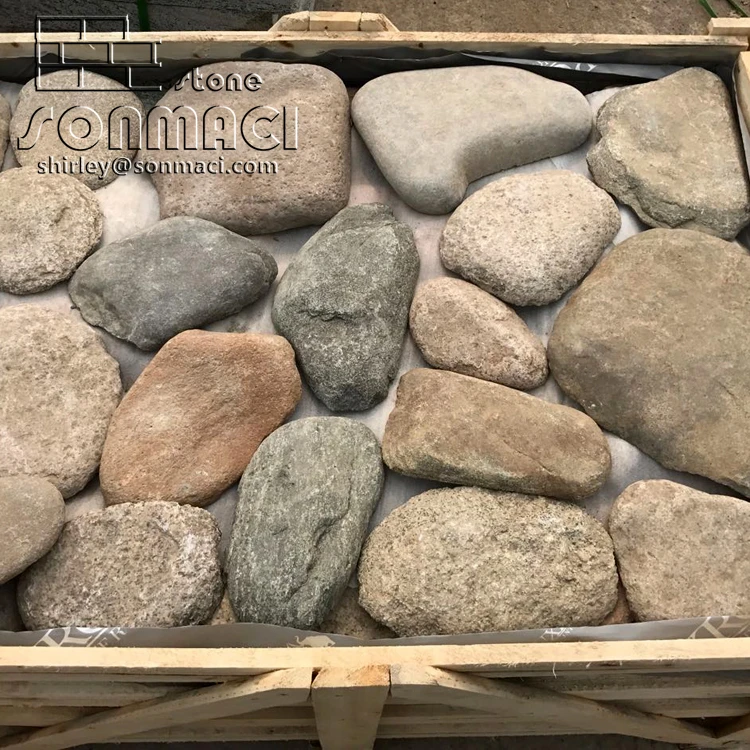
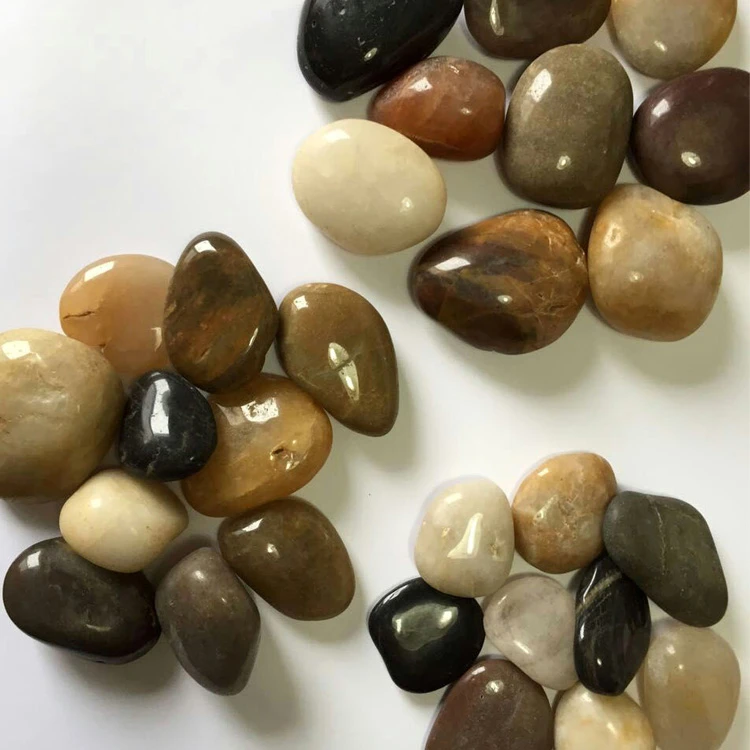
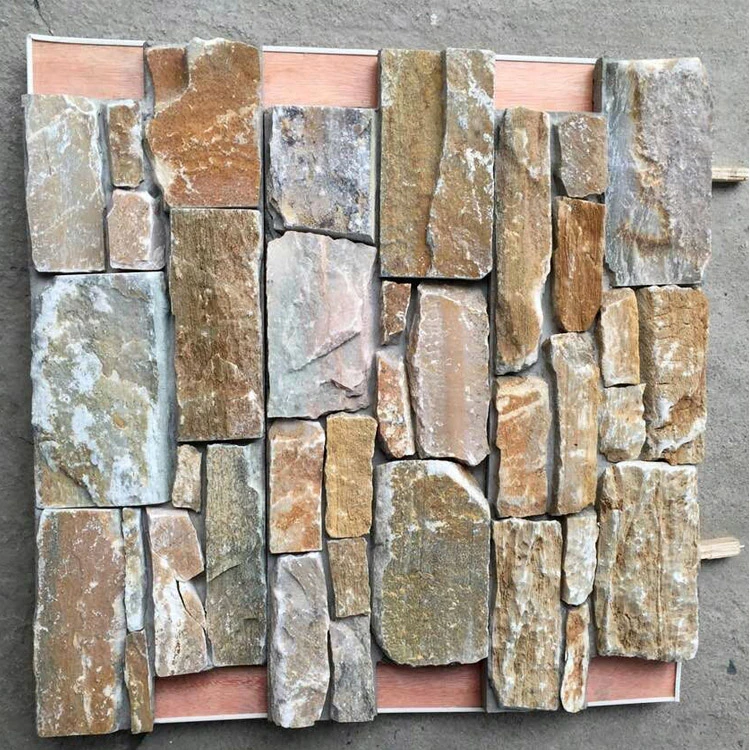
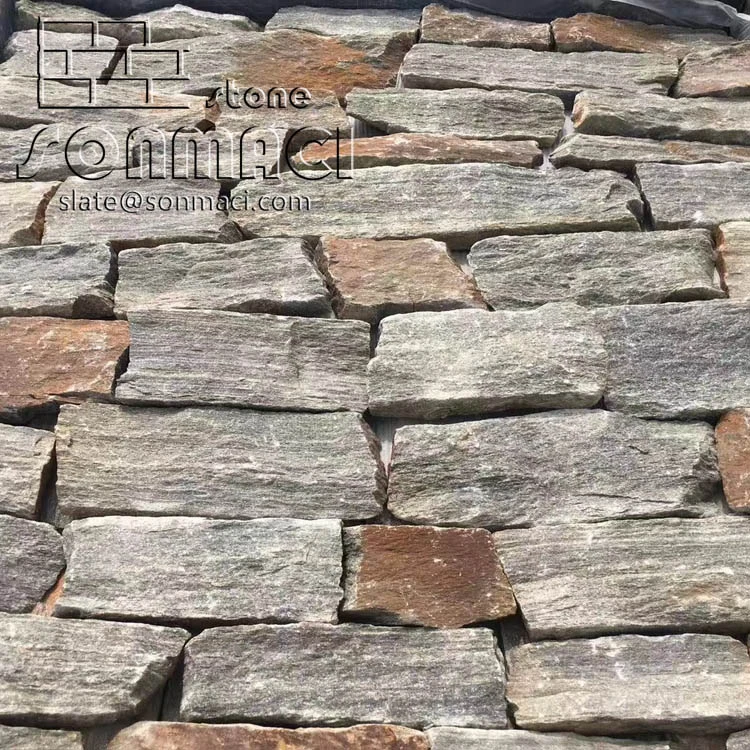
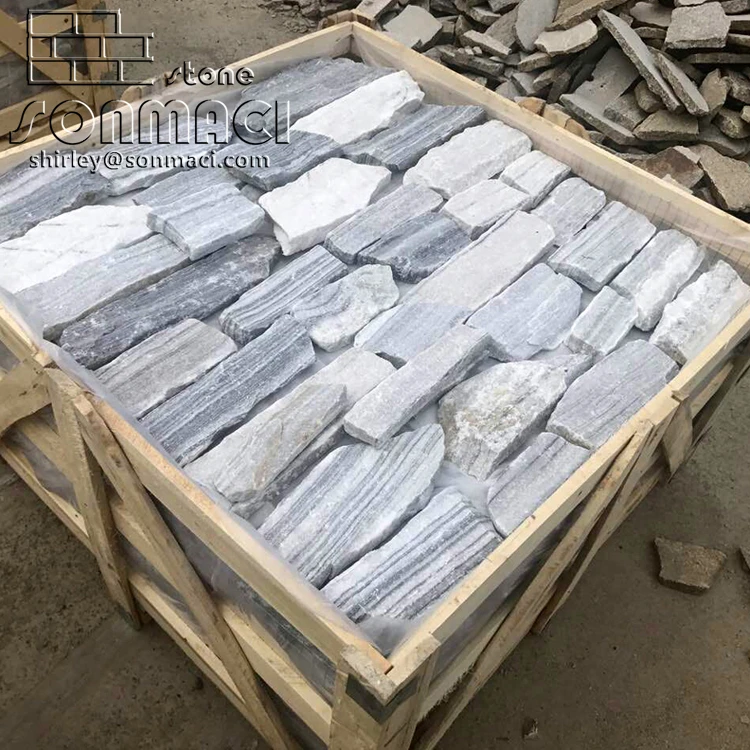
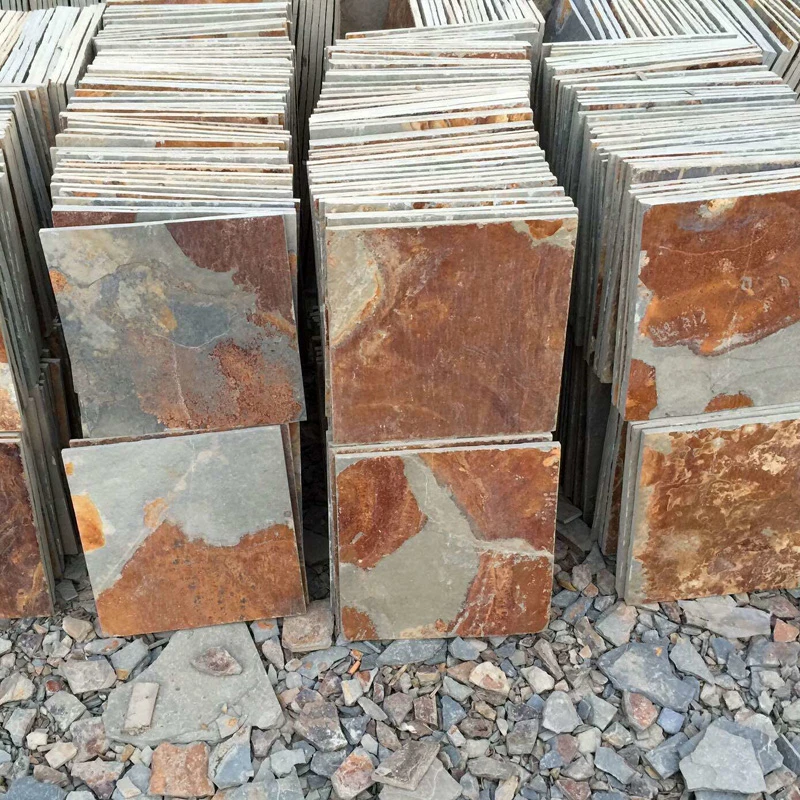
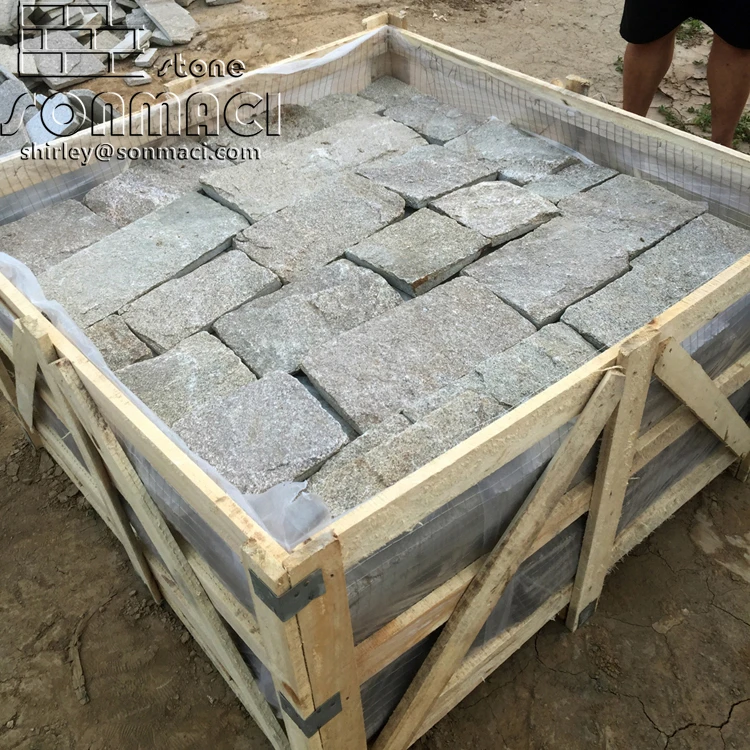
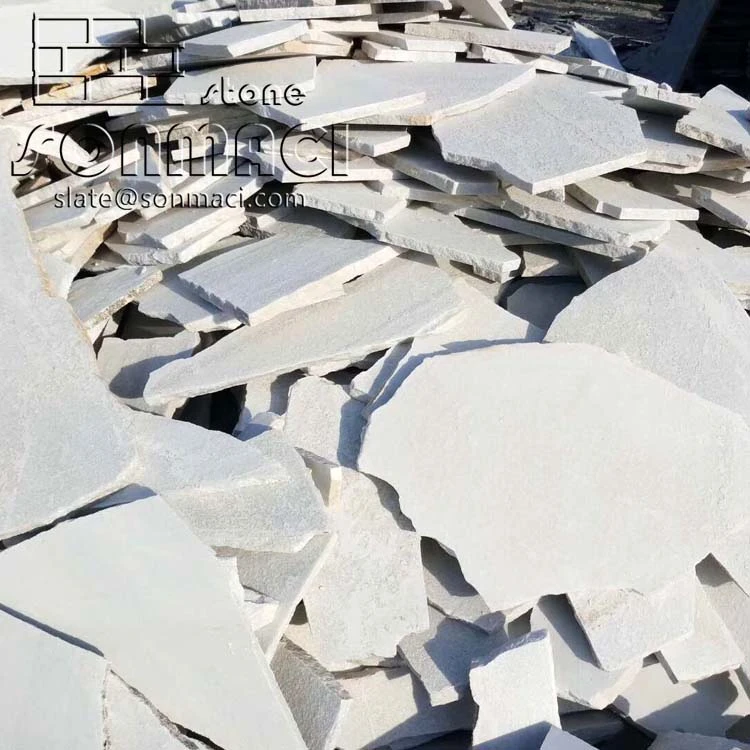
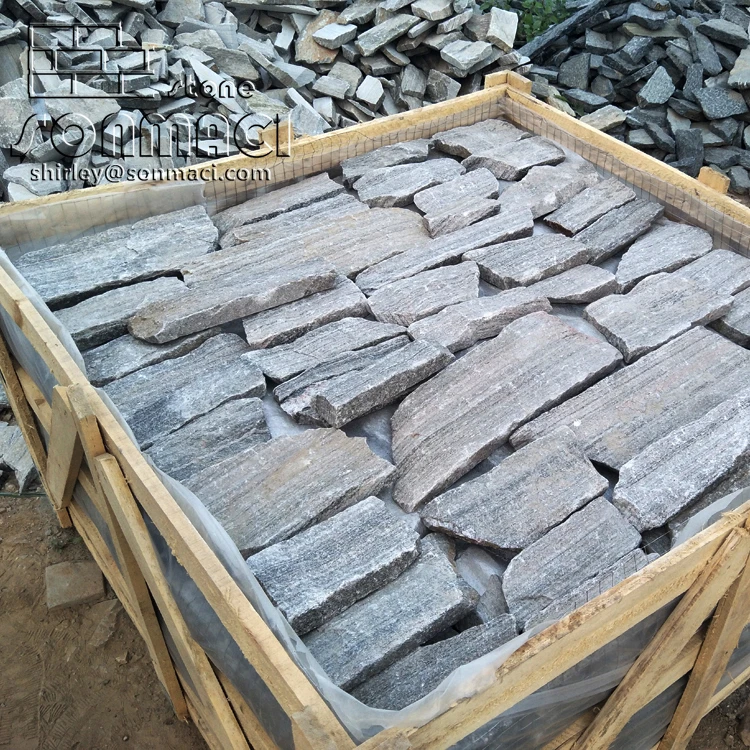
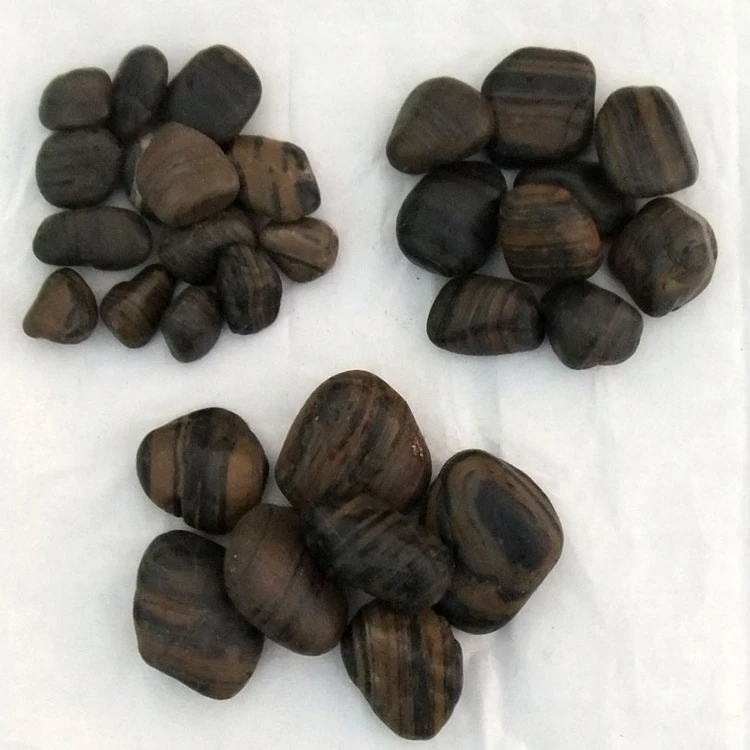
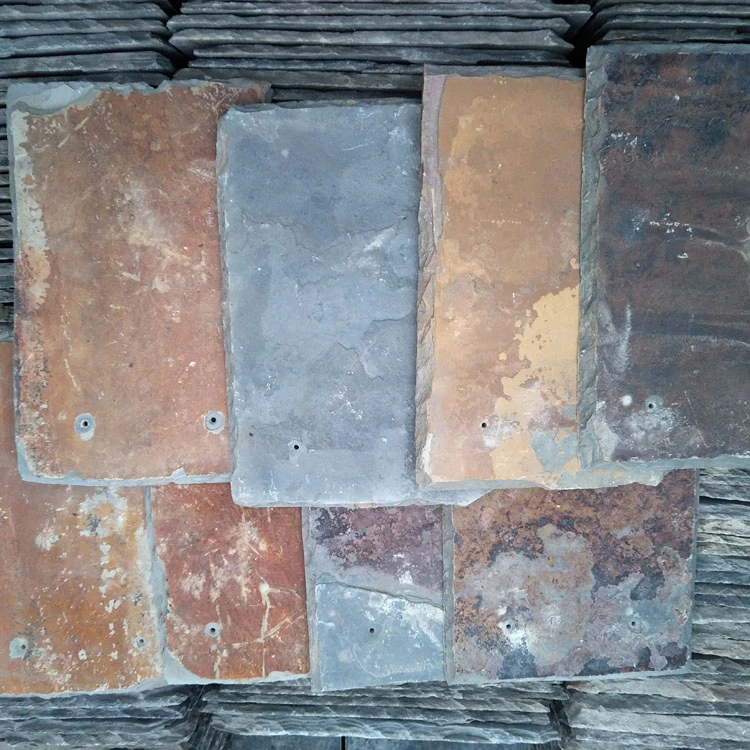
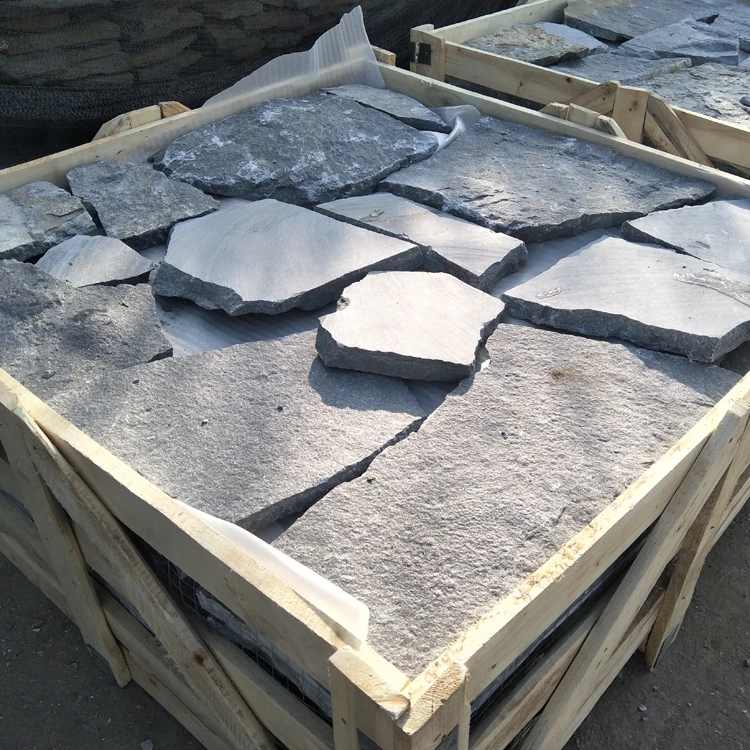
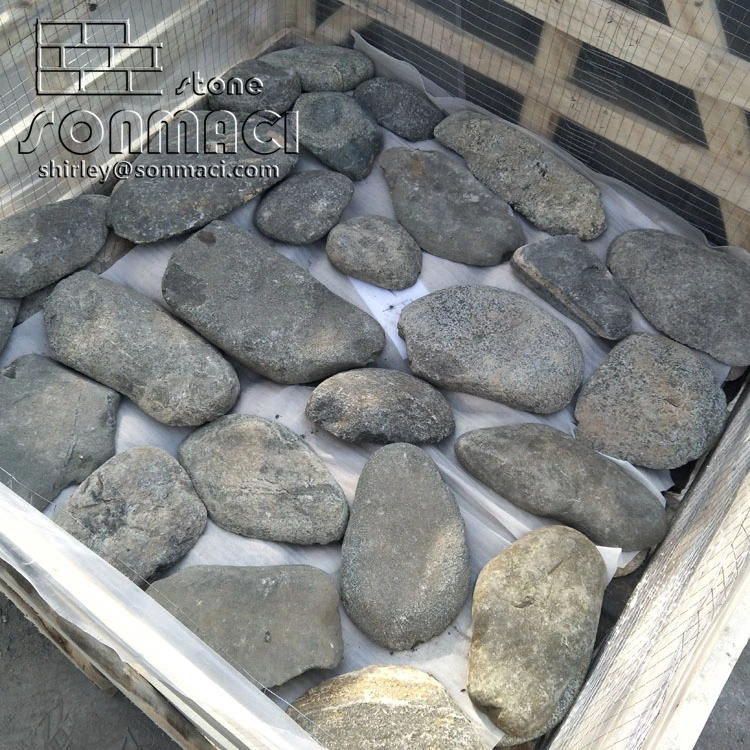
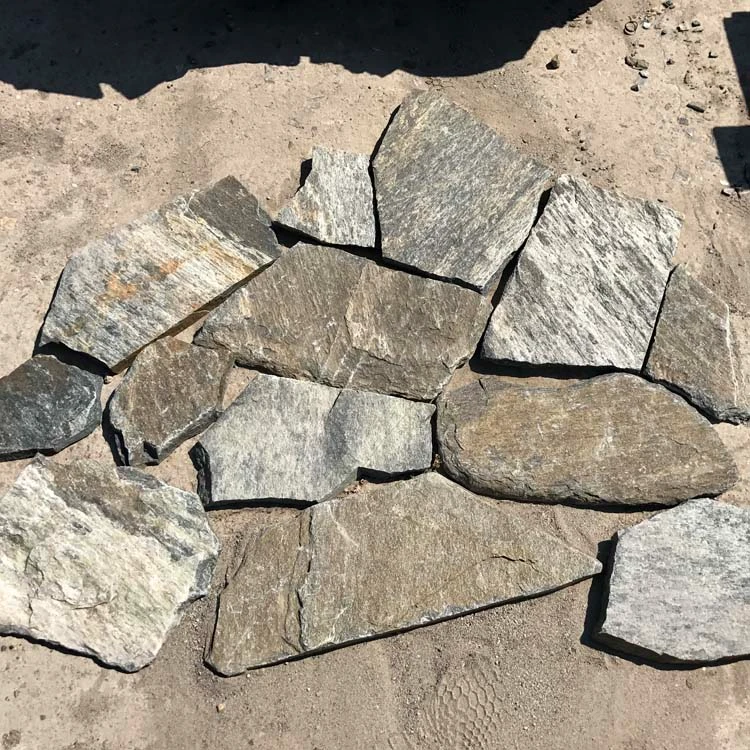
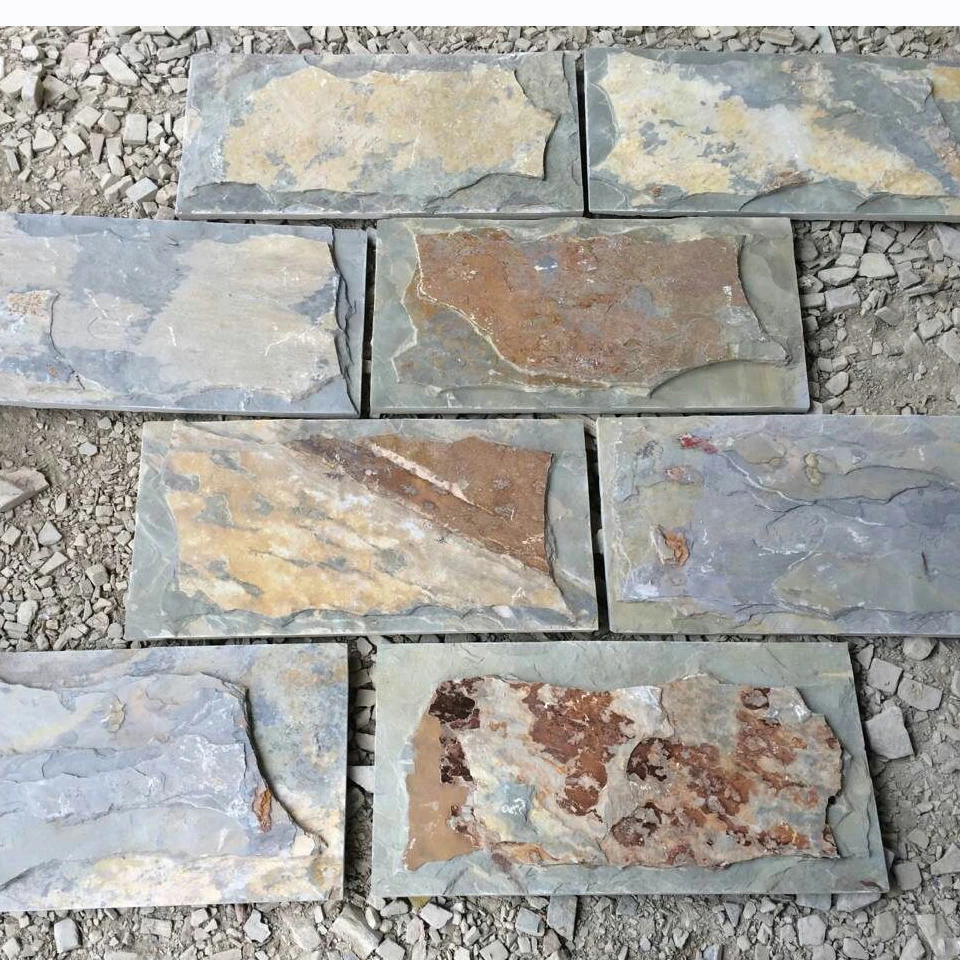
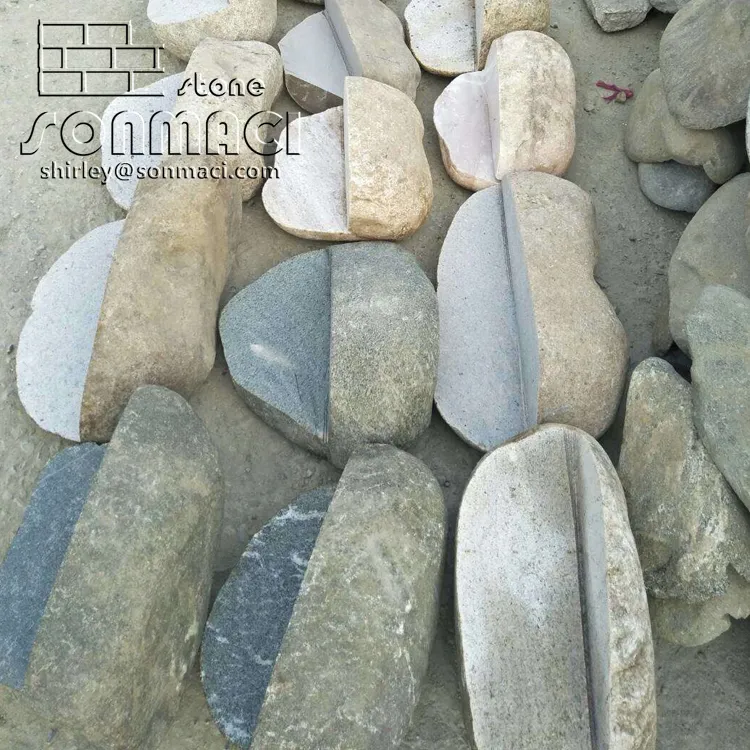
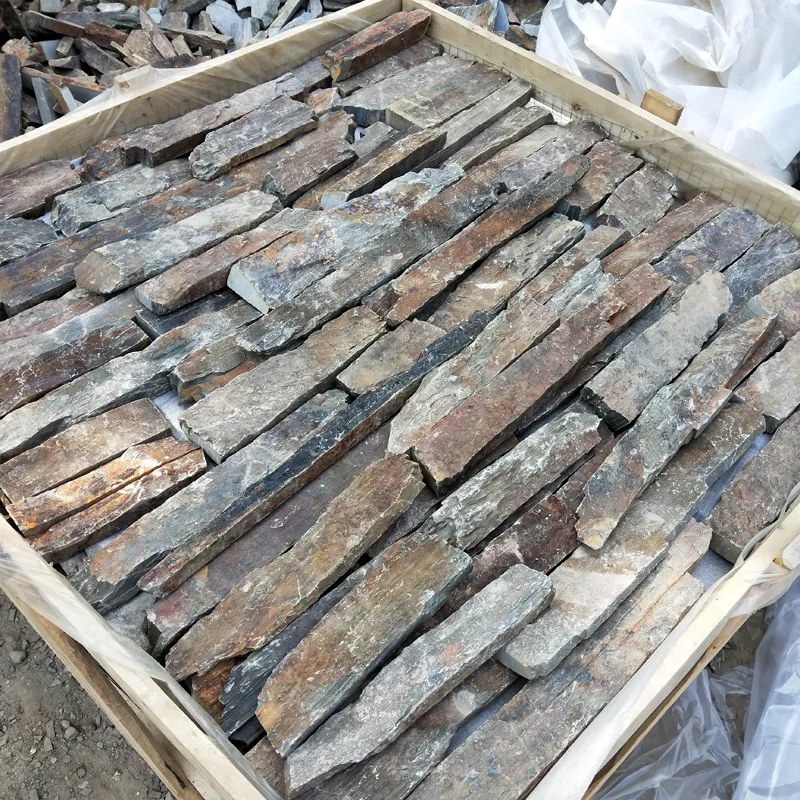
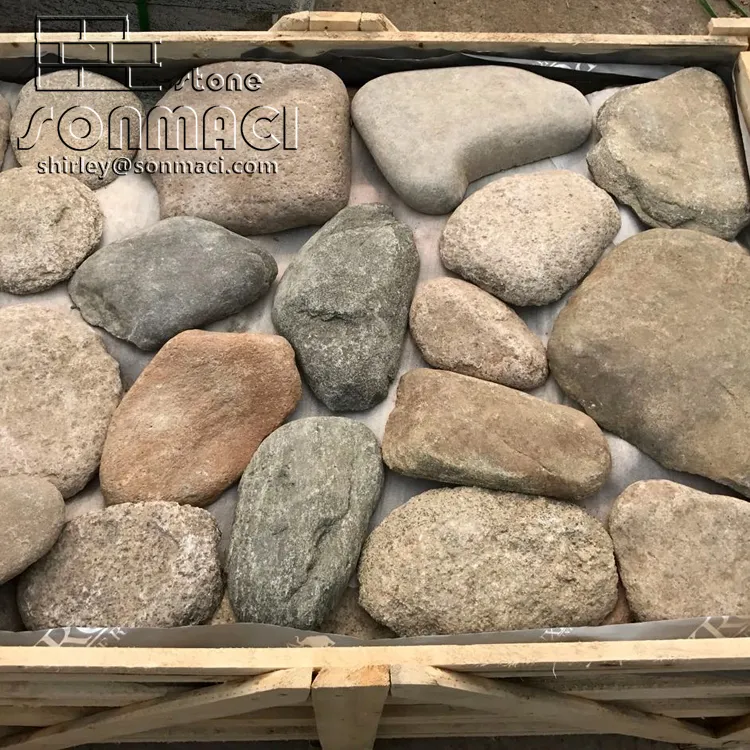
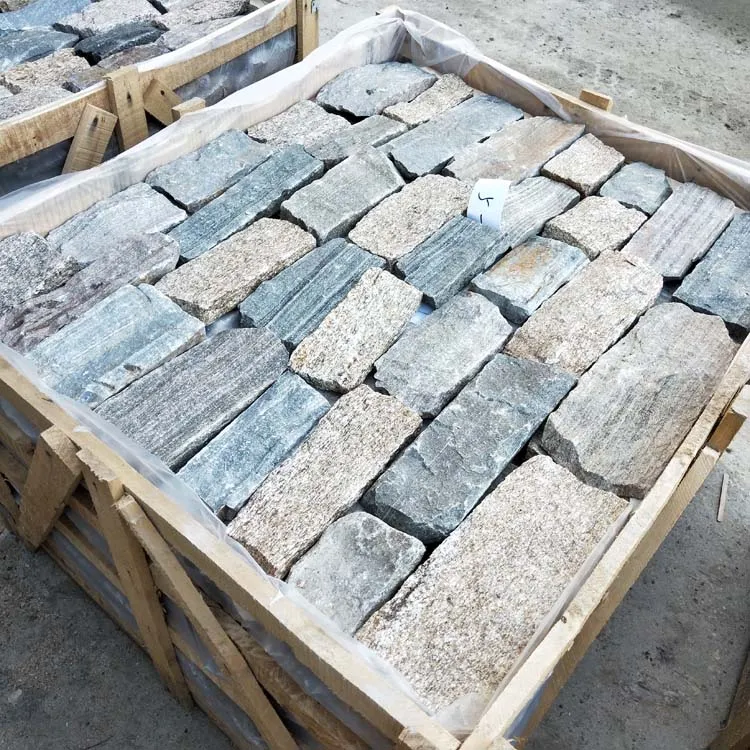
Simply put, wall capping stones are protective coverings placed atop walls. They act like a hat for your wall, shedding water, preventing ingress, and shielding the joints below. Typically made from natural stone such as sandstone, limestone, or granite, these caps come in various styles—round, square, or angled—to fit different wall architectures.
In modern industry, their role expands beyond aesthetics. They’re integral to sustainability schemes and adhere to building codes that prioritize durability and maintenance reduction — especially in infrastructure projects near water bodies or in high-rainfall zones.
Oddly enough, while they appear as a finishing touch, the thoughtful selection and installation of wall capping stones can extend a wall’s lifespan by decades, making them a surprisingly strategic element in humanitarian and residential construction alike.
Key Factors to Consider When Choosing Wall Capping Stones
Durability
This is the cornerstone. A capping stone must resist weathering, UV ray damage, and chemical exposure over time. Granite, for example, offers exceptional hardness but at a higher cost, while sandstone balances durability with workability.
Water Resistance & Drainage
Good capping stones shed water efficiently, preventing pooling on the wall surface. Many designs feature a slight overhang or drip edge to direct water away from the wall face — a small detail with big impact.
Ease of Installation
Some stones come pre-cut and shaped for speedy installation, reducing labor time and costs. This matters a lot on large infrastructure sites or remote builds.
Cost Efficiency
The right balance of price and performance depends on project scope and longevity goals. It’s worth investing in slightly pricier stones upfront to save on maintenance down the road.
Aesthetic Appeal
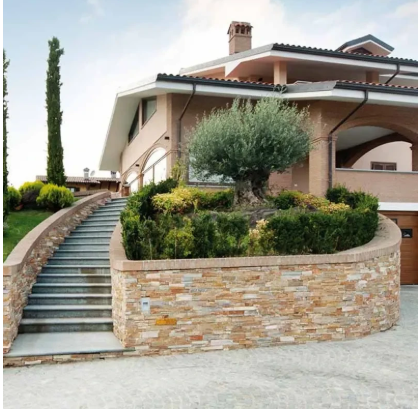
For architects and homeowners alike, wall capping stones offer a design flourish. Color tones, textures, and profiles complement wall materials and landscapes to boost curb appeal.
Environmental Impact
Natural stone sourced responsibly or recycled stone products align with green building certifications and sustainability targets, increasingly central to global construction guidelines.
Wall Capping Stones Around the World: Real-Life Applications
- Europe: In historic cities like Rome or Prague, preserving centuries-old limestone walls with authentic capping stones maintains heritage while protecting against pollution.
- Asia: Flood-prone areas in Vietnam and Bangladesh rely on wall caps to prevent water damage in embankments and flood walls.
- North America: Municipal infrastructure projects frequently specify granite capping stones for bridge walls and park boundaries because of their strength and weather tolerance.
- Africa: Rapid urbanization requires affordable, sustainable wall protection for boundary fencing and housing compounds—natural stone caps help reduce repairs.
For example, in a recent project in Portugal, engineers used local sandstone capping to protect coastal retaining walls exposed to salt spray and storms — and so far, it’s proving to reduce maintenance by more than 30% over standard concrete caps.
Advantages & Long-Term Value of Wall Capping Stones
Here’s where logic meets emotion. By investing in quality wall capping stones, you not only protect structures from costly damage and wear but also add safety and beauty. Walls stay sturdy, preventing collapse or erosion that risks person and property safety. There’s dignity in a structure that looks cared for and poised against time.
Plus, many natural stones acquire an attractive patina with age — a kind of living legacy. I’ve seen older walls where the worn caps gave a neighborhood character you just can’t replicate with synthetic materials.
Financially, longer lifespan means less frequent repairs. Environmentally, fewer replacements mean less quarrying and waste. For public and private projects alike, these benefits accrue quietly but significantly.
Product Specification Overview
| Specification | Granite | Sandstone | Limestone |
|---|---|---|---|
| Average Density (kg/m³) | 2700 | 2200 | 2600 |
| Water Absorption (%) | 3.5 | 1.5 | |
| Compressive Strength (MPa) | 130 | 75 | 60 |
| Typical Life Span (years) | 50+ | 40+ | 30+ |
| Ideal Application | High durability, coastal & urban | Affordable, decorative walls | Historic & heritage walls |
Comparing Wall Capping Stone Vendors
| Vendor | Material Range | Customization Options | Lead Time | Sustainability |
|---|---|---|---|---|
| StoneCraft Ltd. | Granite, Limestone | Custom sizes, profiles | 3-4 weeks | ISO 14001 certified |
| NatureCap | Sandstone, Recycled Stone | Limited customization | 2 weeks | Focus on eco-sourcing |
| BuildStone Solutions | Granite, Sandstone, Limestone | Full design service | 4-6 weeks | Sustainability advisory available |
What the Future Holds for Wall Capping Stones
Innovation here revolves around materials and installation efficiency. Scientists experiment with engineered stone composites that combine recycled content with polymers, aiming to boost lifespan while lowering environmental cost. Additives that enhance water repellency or reduce biofouling could be next. Automation in cutting and shaping allows rapidly customized solutions for complex wall designs.
Digitally-driven design tools — BIM (Building Information Modeling) — now integrate wall capping selections early in project workflows, ensuring that these vital components aren’t afterthoughts. In line with green construction standards, expect more regulatory incentives for natural and low-carbon materials.
Challenges & Smart Solutions in Wall Capping Stone Use
Despite the many advantages, challenges include sourcing high-quality stone sustainably, dealing with varied climatic stress, and preventing installation errors that can lead to water damage. Some sites find the upfront costs daunting, especially where cheaper, less durable synthetic alternatives are available but risky long-term.
Experts recommend thorough planning: material testing for local weather conditions, proper mortar selection, and skilled installers. In some cases, hybrid solutions that combine stone caps with waterproof membranes or sealants help address complex environments. The focus is increasingly on holistic wall systems rather than standalone capping stones.
Frequently Asked Questions About Wall Capping Stones
- Q1: How do wall capping stones protect against water damage?
- Wall capping stones form a protective layer that sheds rainwater away from the wall structure, preventing moisture from seeping into vulnerable joints. Their slight overhang and water-resistant properties reduce the chance of cracks and erosion.
- Q2: Can I use any stone for wall capping?
- Not all stones are equally suitable. You need durable, weather-resistant material—granite and sandstone are commonly preferred. Soft or porous stones may deteriorate rapidly when exposed to rain and freeze-thaw cycles.
- Q3: Is installation difficult for wall capping stones?
- Installation requires expertise to ensure proper mortar application and alignment. Pre-cut stones and design guides make this easier. However, errors can lead to water pooling and eventual damage.
- Q4: How sustainable are wall capping stones compared to synthetic alternatives?
- Natural stone is often more sustainable, especially if sourced locally and responsibly. It requires less energy for production than synthetic caps and lasts longer, reducing replacements and waste.
- Q5: Where can I find reliable suppliers of quality wall capping stones?
- Look for suppliers certified under environmental standards like ISO 14001 and those offering customization and local sourcing. Check customer reviews and project portfolios to gauge reliability.
Wrapping It Up: The Quiet Power of Wall Capping Stones
So yes, wall capping stones might not be the flashiest element on site, but they’re indispensable for wall durability, protection, and aesthetic flair. Their global relevance—from heritage protection in Europe to flood defense in Asia—emphasizes their significance in modern construction. By choosing durable, well-suited caps, you invest not only in a structure’s lifespan but also in environmental responsibility and safety.
Curious to explore quality wall capping stones for your next project? Visit wall capping stones suppliers to see a range of options designed to marry form, function, and sustainability.