Durable and Sustainable Slate Walling Stone for Modern Construction | SonMaci Stone
The Marks of Slate Walling Stone: Nature's Durable Sculpture
When you think of stone, some images come to mind — jagged mountains, old cathedrals, or maybe the rustic walls of countryside cottages. But slate walling stone holds a special place, born out of ancient geological pressure and time. Across the globe, this fascinating material is more than just a pretty face; it’s a resilient building asset with sustainable credentials that cannot be ignored. Whether you’re in construction, landscaping, or heritage restoration, understanding slate walling stone opens a window to both tradition and modern durability.
Why Slate Walling Stone Matters on a Global Scale
Slate, a fine-grained metamorphic rock formed by compression over millions of years, has long been a staple in human construction. The United States Geological Survey documents millions of tons extracted worldwide annually. According to recent reports from the United Nations Sustainable Development Goals, choosing natural building materials like slate can dramatically reduce the carbon footprint compared to manufactured alternatives.
Urbanization and climate concerns sharply increase demand for durable but eco-friendly building surfaces. One specific challenge slate walling stone addresses is the need for weather-resistant and aesthetically pleasing exterior walls that also contribute to insulation. To put it plainly, cities everywhere look to materials like slate to meet high performance and sustainability standards. Oddly, while some areas face stone scarcity, others develop booming quarries exporting this versatile rock internationally, making it a key player in global trade.
Mini takeaway: Slate walling stone isn’t just an old-world relic. It’s at the crossroads of traditional craftsmanship and modern environmental priorities, offering both beauty and resilience on a global scale.
What Exactly Is Slate Walling Stone?
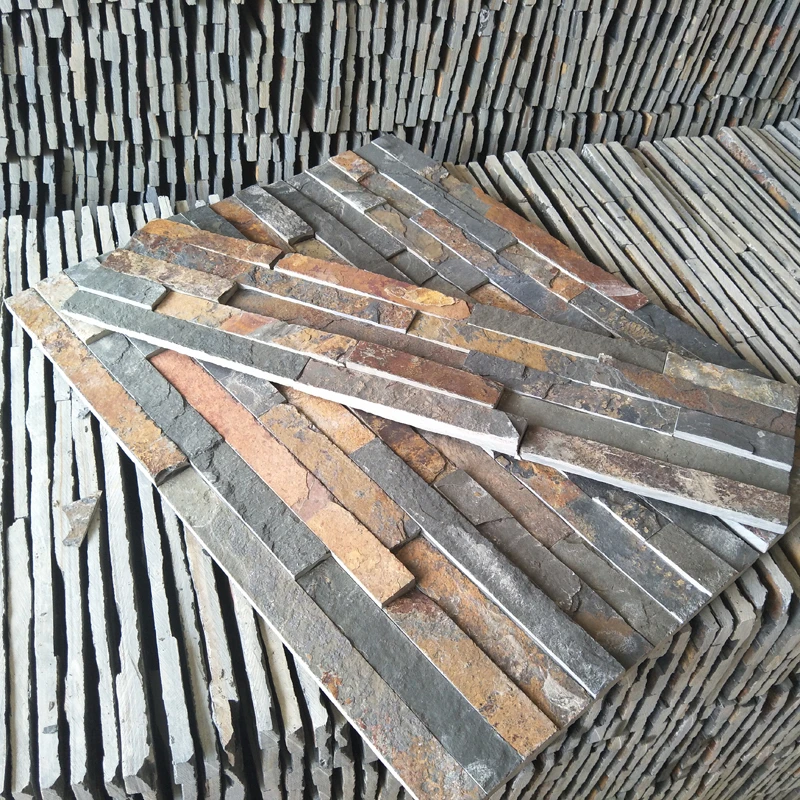
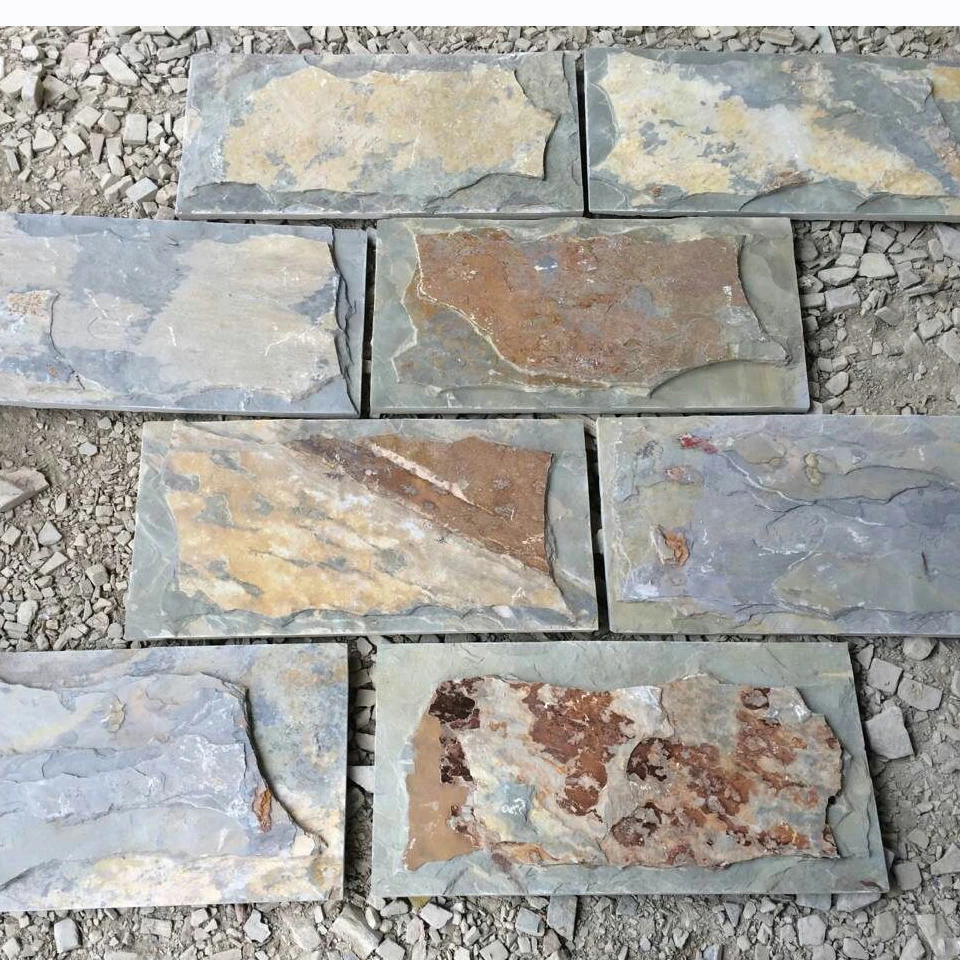
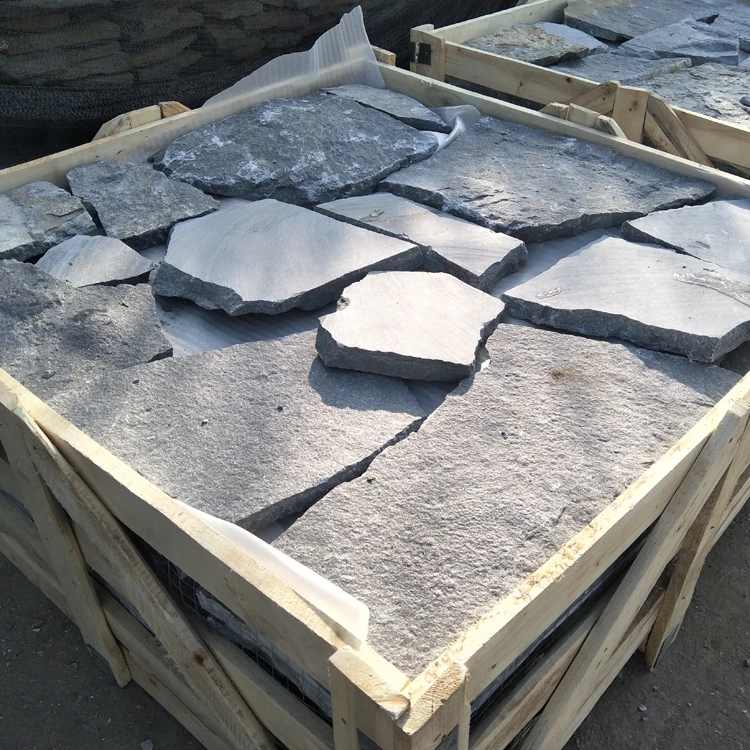
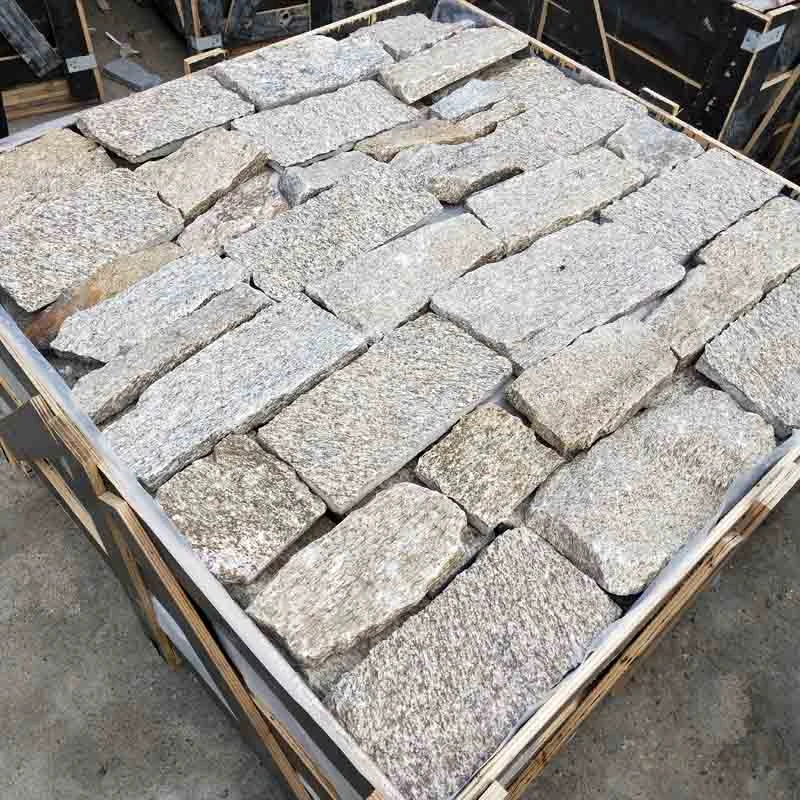
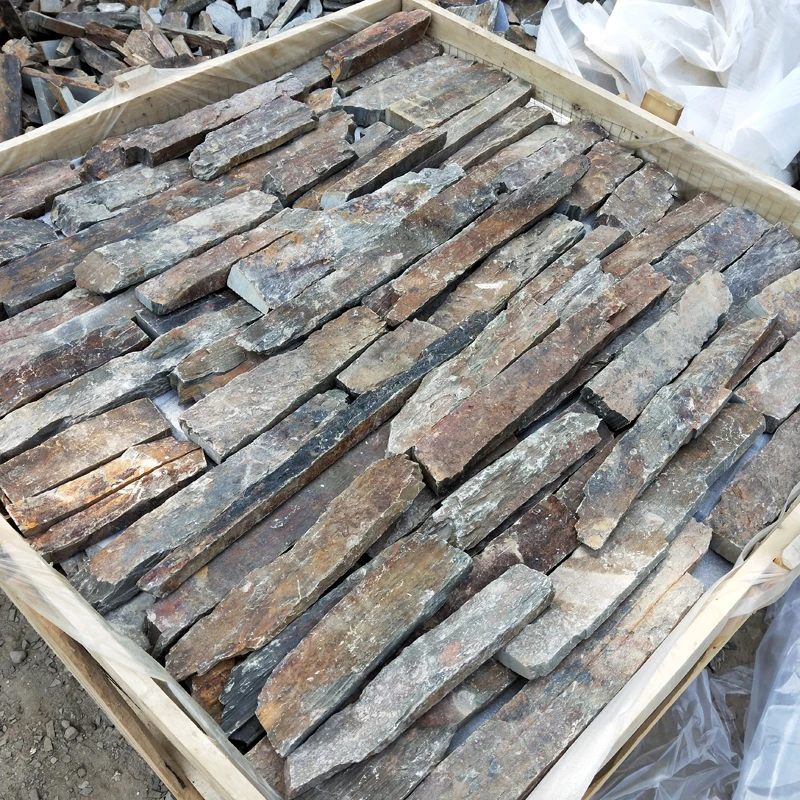
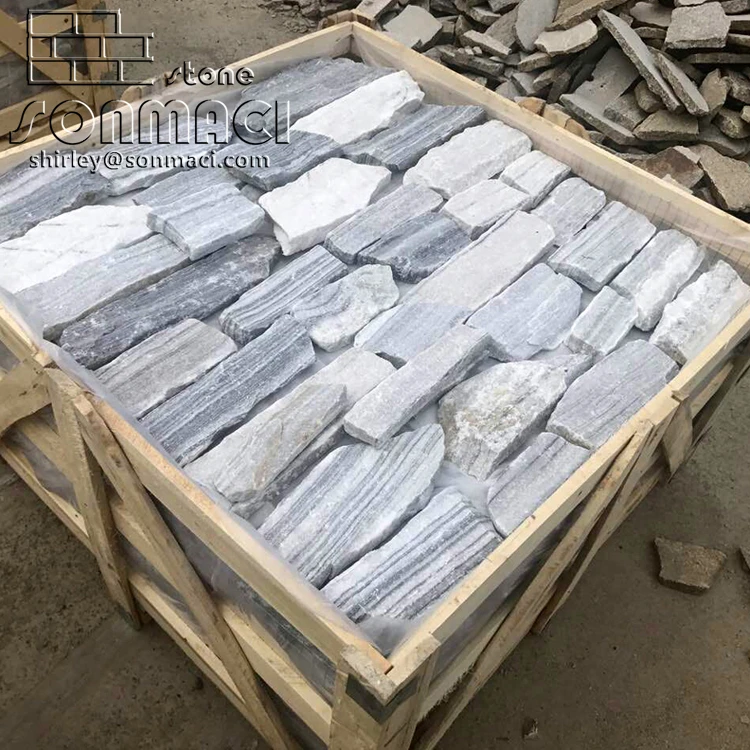
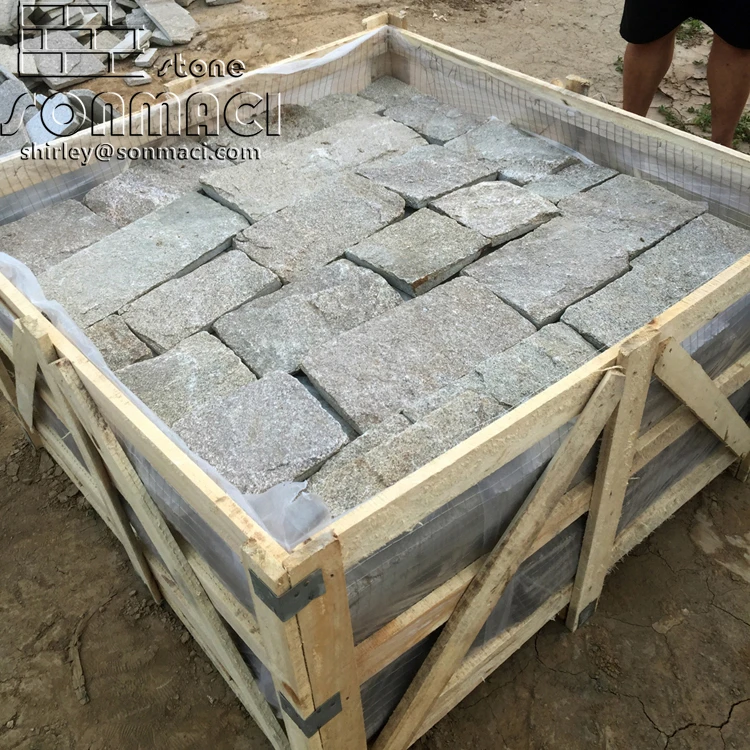
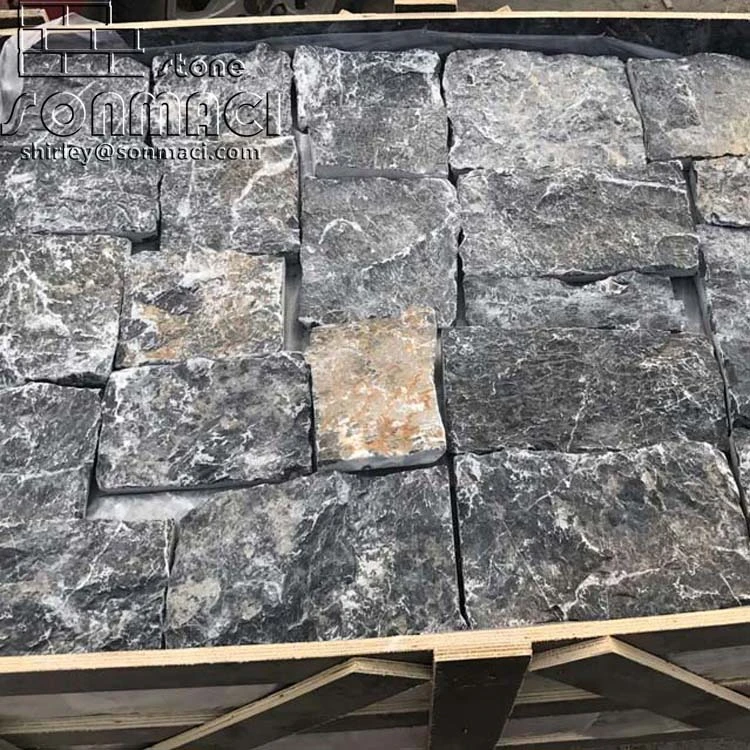
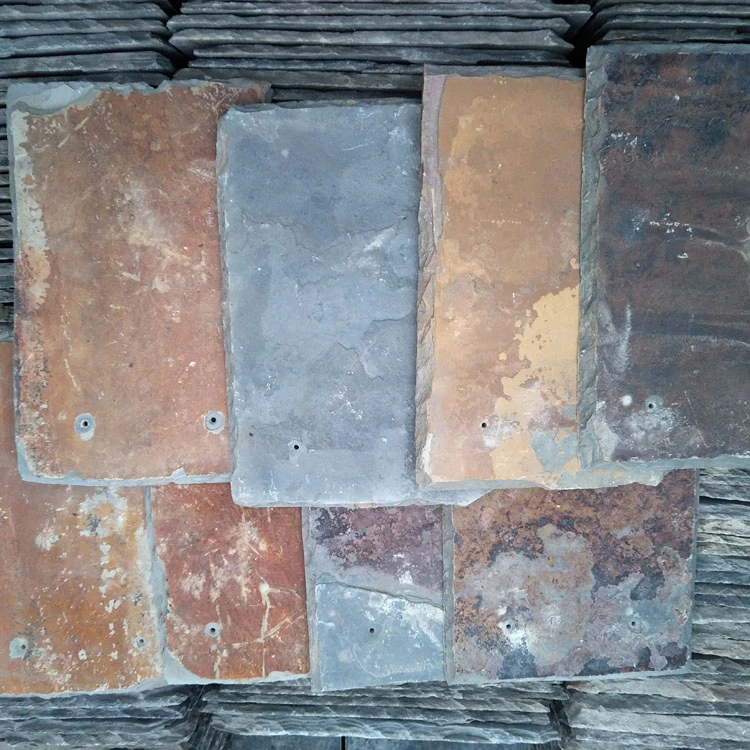
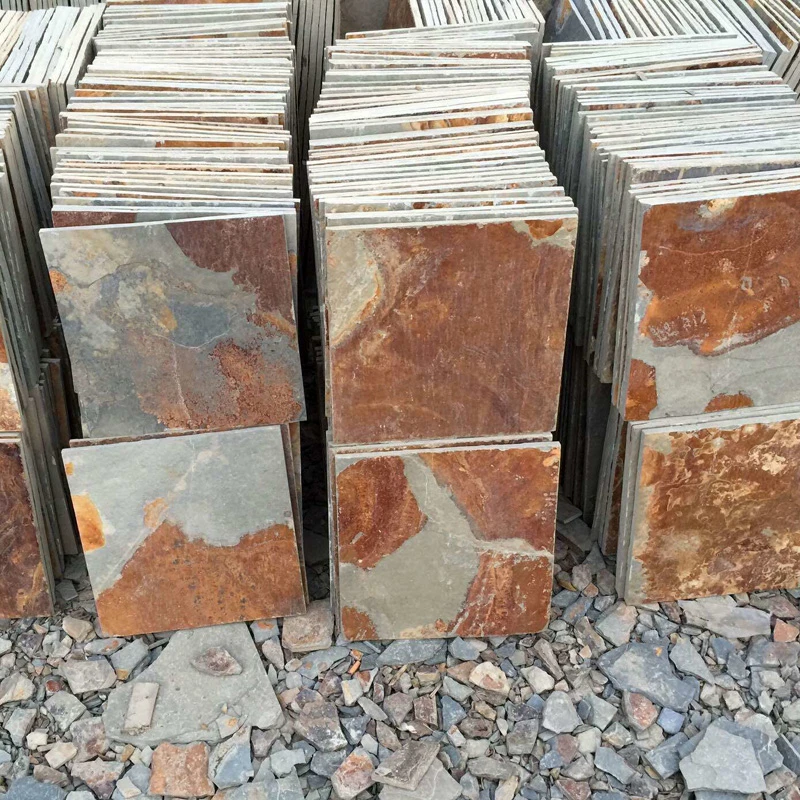
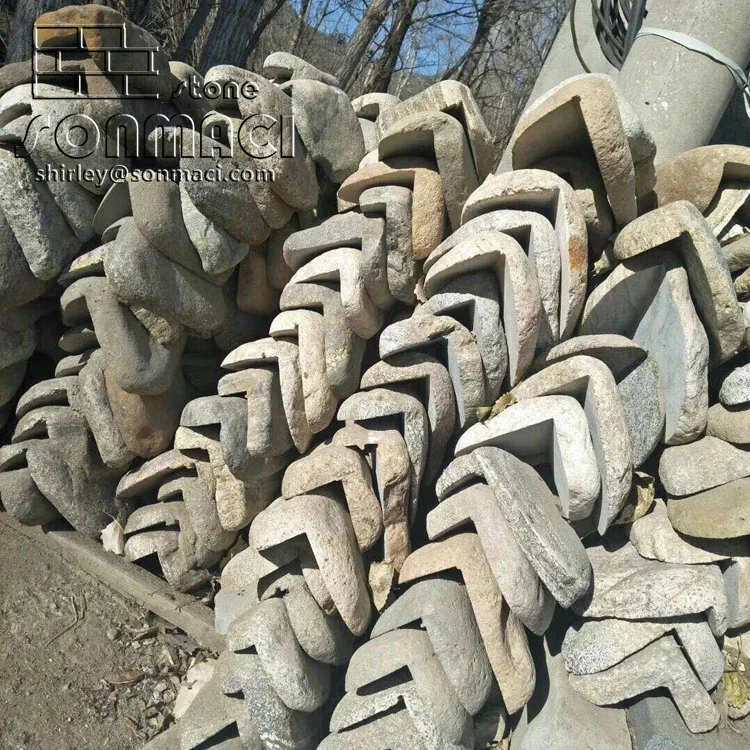
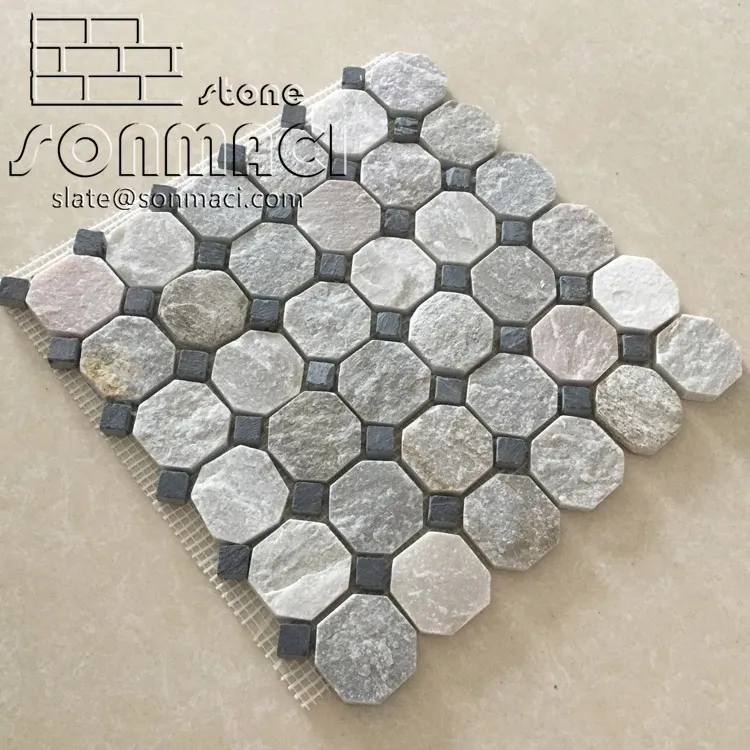
To cut through the jargon — slate walling stone is a thinly layered, fine-grained rock, typically gray or blue-gray, that can be split into flat sheets. This splitting property sets slate apart from many other stones, making it feasible to create thin, uniform slabs perfect for wall cladding and decorative facades.
Beyond the look, slate is prized in modern industry because it resists water absorption and environmental wear. This means it can stand up to harsh climates, ranging from wet coastal environments to sweltering, dry atmospheres. More interestingly, slate walling stone also plays a role in humanitarian architecture: its durability suits it for rapid-build shelters and low-maintenance housing in disaster-prone or remote regions.
Mini takeaway: Slate walling stone is essentially nature’s layered armor, usable in sophisticated, environmentally conscious building projects around the world.
Key Features That Define Slate Walling Stone
Durability
It’s no secret: slate is resistant to weathering and chemical erosion. Its low porosity means water doesn’t seep in easily, drastically reducing freeze-thaw damage — a fundamental reason why slate roofing and walling last decades, even centuries.
Natural Aesthetics
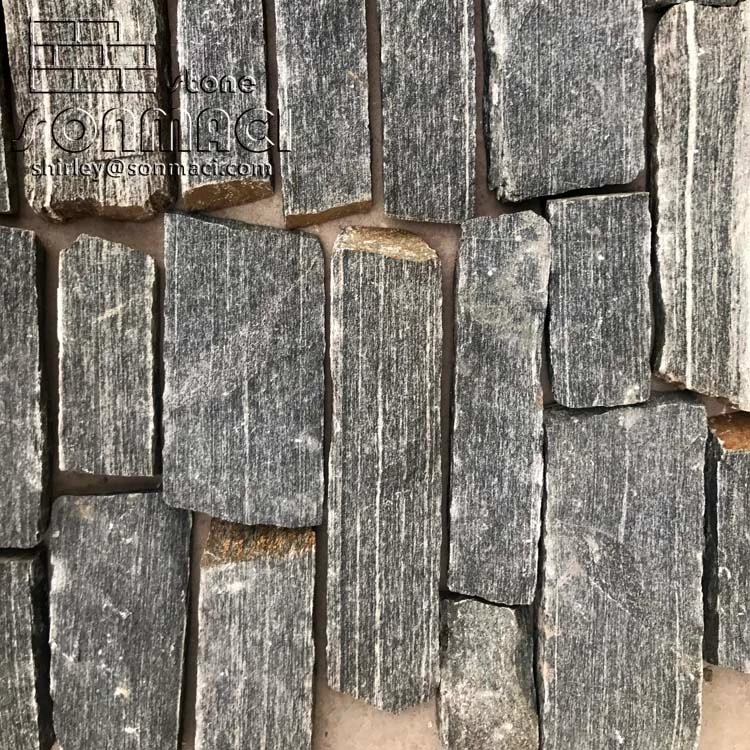
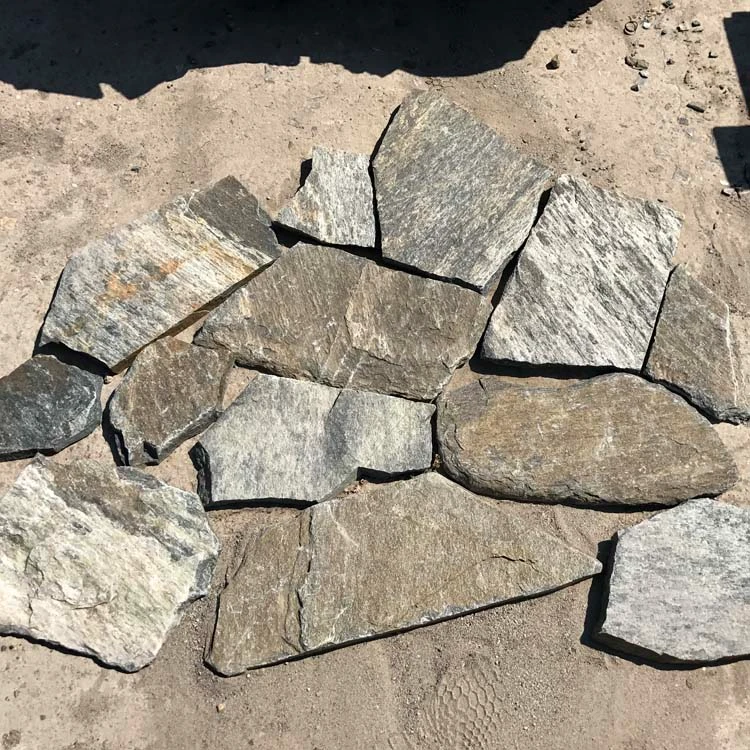
Slate's subtle color variations and natural texture create depth and character. Unlike artificial coatings that fade, natural slate ages gracefully, blending with environmental tones — think mossy green hues or dusty grays.
Thermal Insulation
Slate offers decent insulating properties, which help moderate interior temperatures. This cuts heating or cooling loads in buildings, contributing to energy savings that tie into categories of sustainable construction recognized by ISO 21930 standards.
Ease of Installation
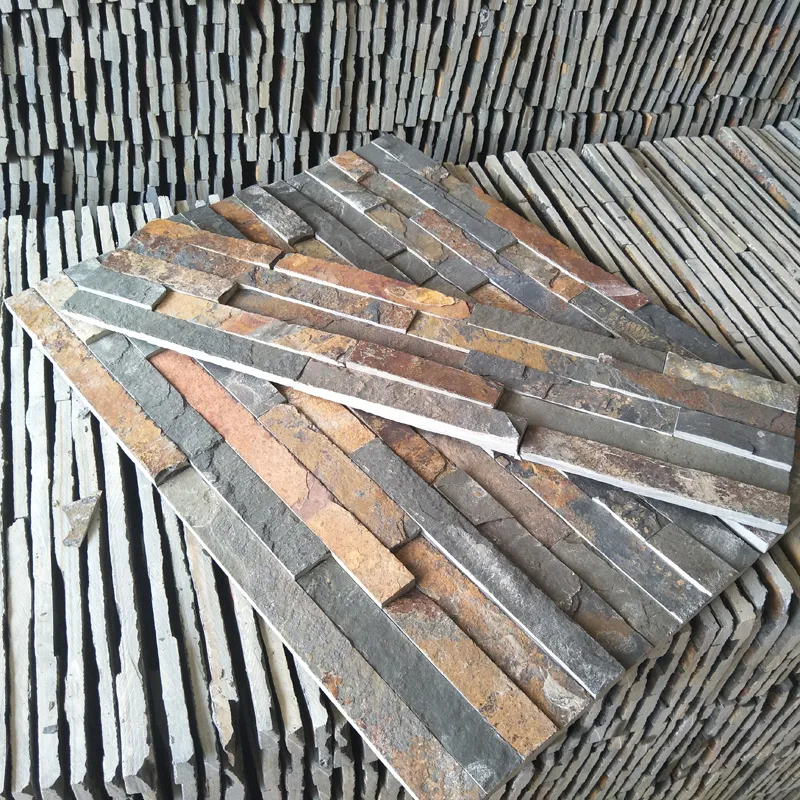
Because slate can be split into thin sheets and various sizes, it can be mounted relatively easily using traditional masonry techniques or modern mechanical fixings, offering design flexibility and faster project turnaround time.
Low Maintenance
Slate doesn't require sealing or frequent upkeep, unlike some synthetic siding materials that peel or discolor. This makes it highly cost-effective over a building’s lifespan.
Slate Walling Stone Specifications at a Glance
| Specification | Typical Range | Notes |
|---|---|---|
| Thickness | 5-20 mm | Varies based on use: wall cladding needs ~10 mm |
| Density | 2.69 - 2.95 g/cm³ | Higher density slate better for structural uses |
| Water Absorption | Classifies as highly water-resistant | |
| Compressive Strength | 80 - 150 MPa | Strong enough for load-bearing facades |
| Thermal Conductivity | 0.7 - 1.3 W/m·K | Moderate insulation level |
Mini takeaway: Understanding these specs helps architects and engineers select the perfect slate variant for each project, balancing aesthetics, practicality, and budget.
Global Applications of Slate Walling Stone
From Northern Spain to the northeastern US, slate walling stone enjoys a vibrant life. In regions like Galicia, slate facades have protected homes from Atlantic storms for centuries. Meanwhile, in places like the UK and China, slate is used for modern cladding and urban landscaping to create a timeless visual appeal.
It’s particularly revered in post-disaster rebuilding initiatives, where durable yet eco-friendly materials are crucial. For example, in recent recovery projects after typhoons in the Philippines, slate was deployed in combination with local stone-building methods to create semi-permanent walls that provided dignity and safety to displaced communities.
Industrial zones benefit too — operating near salty, corrosive environments, slate’s resistance to salt crystallization corrosion ensures long-term structural integrity.
Mini takeaway: Wherever resilience and natural beauty converge, slate walling stone finds its role as a reliable, sustainable cornerstone.
Advantages & Long-Term Value of Using Slate Walling Stone
- Cost Efficiency: Though initial costs may run higher than some composites, overall lifecycle maintenance is minimal.
- Sustainability: Slate is 100% natural and recyclable with very low embodied energy.
- Trust & Aesthetics: There’s a certain cohesion and permanence people associate with stone — it evokes security, and frankly, a touch of heritage.
- Social Impact: Using slate often supports local quarrying communities, enabling socio-economic gains in rural areas.
Slate Walling Stone Vendor Comparison
| Vendor | Material Grade | Typical Lead Time | Price Range (per m²) | Export Capability |
|---|---|---|---|---|
| SonMaci Stone | Premium A | 2-3 weeks | $45 - $60 | Worldwide |
| Global Stone Co. | Standard B | 4-5 weeks | $30 - $45 | Selective regions |
| EcoStones Ltd. | Eco-Sourced | 3-4 weeks | $50 - $65 | EU & Asia |
Emerging Trends & Innovations In Slate Walling Stone
The industry is seeing exciting advances: nanocoatings improve slate’s waterproofing and self-cleaning ability, while digital cutting tech creates precise, custom shapes to match architectural dreams. Sustainable quarrying practices, certified by ISO 14001 standards, reduce environmental impact.
Some innovators integrate photovoltaic cells into slate panels — imagine a cloak of natural stone that powers the building it adorns. This kind of solar-integrated slate walling stone might sound futuristic, but it’s quietly moving from concept to market-ready.
Mini takeaway: Innovation isn’t leaving tradition behind — it’s layering protection and function onto it, blending timeless materials with tech-savvy solutions.
Common Challenges & Expert Solutions
Handling and transport remain stumbling blocks; slate’s fragility demands careful packing and logistics knowhow. It’s tricky to balance slate’s natural variation with uniformity demanded by large construction projects. Experts advocate a hybrid approach — combining slate with engineered stone composites where appropriate.
Moreover, training contractors in proper installation methods is essential. Many engineers also recommend integrating slate with modern insulation systems to maximize thermal performance.
Mini takeaway: Like many natural products, slate requires respect and expertise — but those who master it unlock unmatched durability and style.
FAQs About Slate Walling Stone
Can slate walling stone be used in all climates?
Yes. Slate is highly versatile and particularly excels in harsh weather — resisting moisture, freeze-thaw cycles, and UV degradation. However, local expertise is essential for installation to suit climatic specificities.
How does slate compare cost-wise to synthetic siding?
Initial expense is typically higher for slate, but low maintenance and longevity often balance the scales over decades. Its value also lies in enhanced aesthetics and sustainability, intangible but significant benefits.
Is slate environmentally friendly?
Absolutely. Slate extraction involves minimal chemical treatment, and the material is recyclable. Using slate reduces reliance on plastics and concrete, which carry larger environmental footprints.
How do I maintain slate walling stone?
Maintenance is minimal — occasional cleaning to remove moss or dirt generally suffices. Avoid harsh acids or high-pressure washing, which may damage the stone's surface.
Where can I buy high-quality slate walling stone?
Vendors like SonMaci Stone offer premium options with export capabilities worldwide. Always check for material certifications and reviews.
Wrapping It Up: The Timeless Allure of Slate Walling Stone
In real terms, slate walling stone is more than just a building material — it’s a testament to nature’s artistry aligned with human ingenuity. It promises resilience, style, and sustainability — a trifecta hard to beat in today’s eco-conscious world. For anyone looking to combine elegance with function, slate remains one of the best picks.
Ready to explore slate options tailored to your project? Visit our website: SonMaci Stone to learn about premium slate walling stone products, export info, and design inspiration.
References
- United States Geological Survey (USGS)
- United Nations Sustainable Development Goals
- ISO 21930: Sustainability in building construction