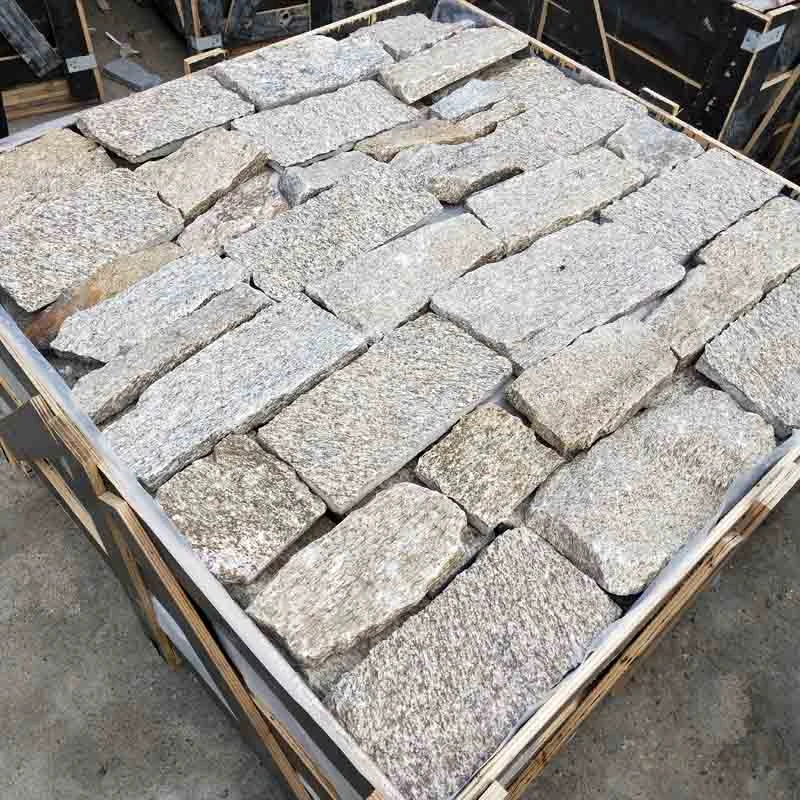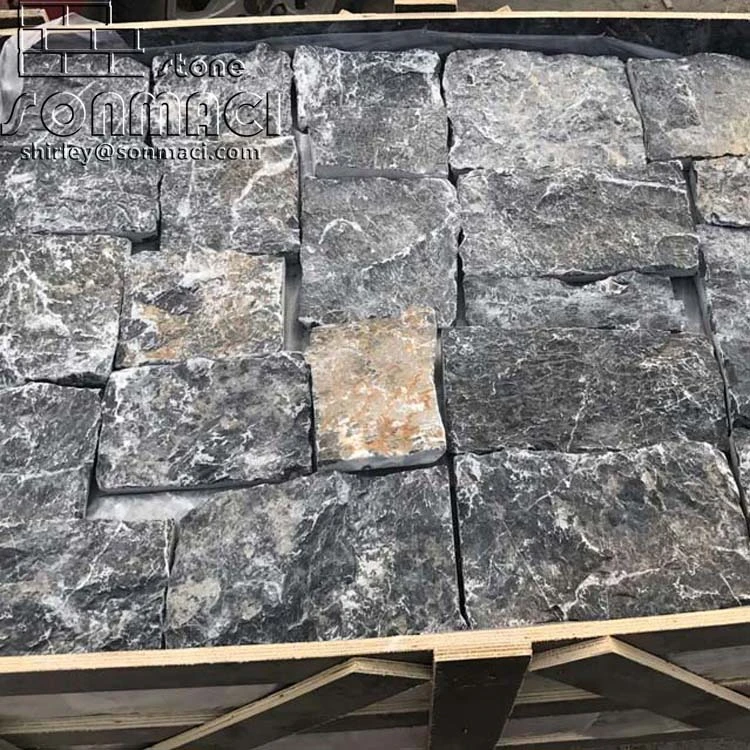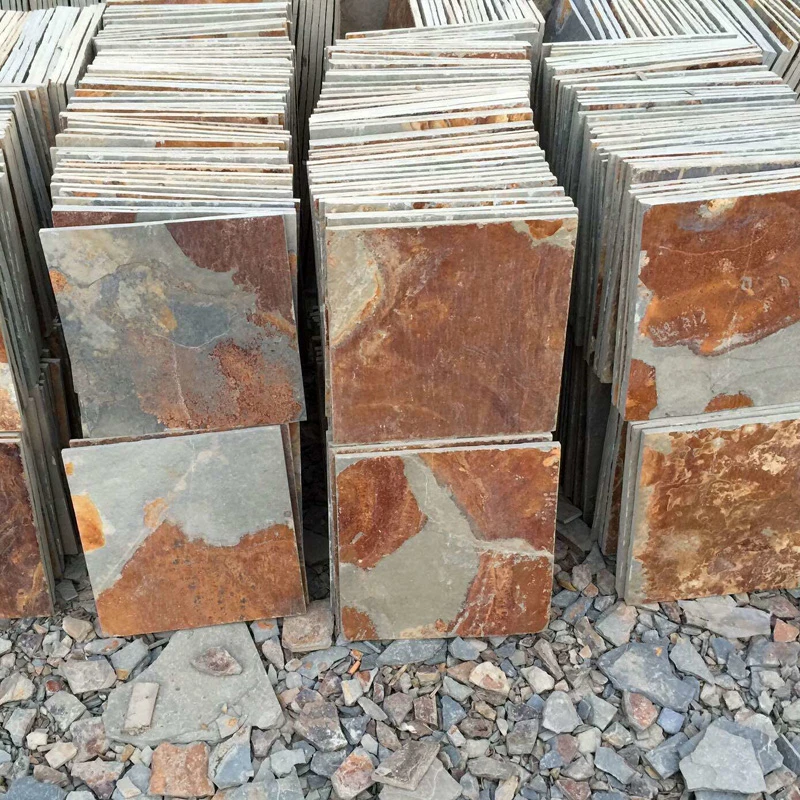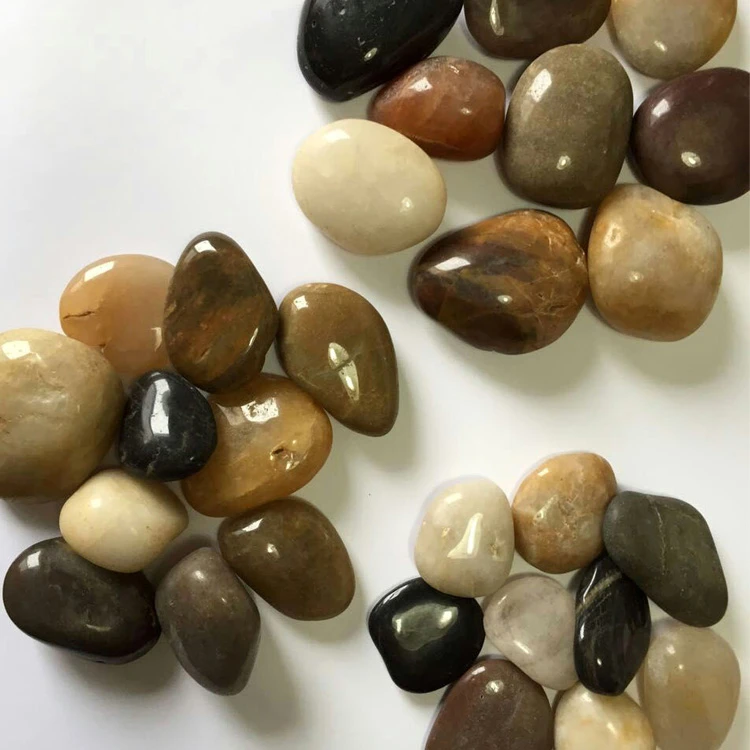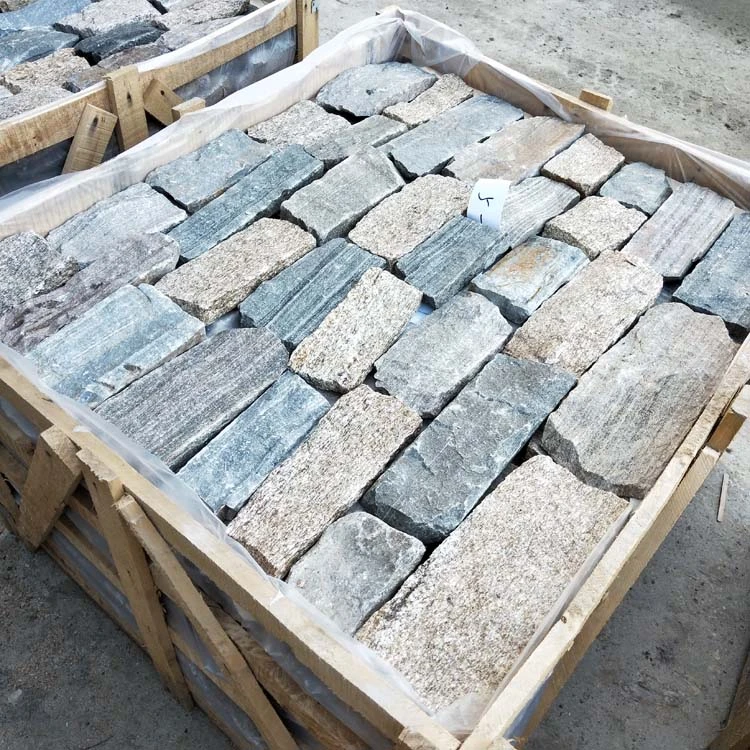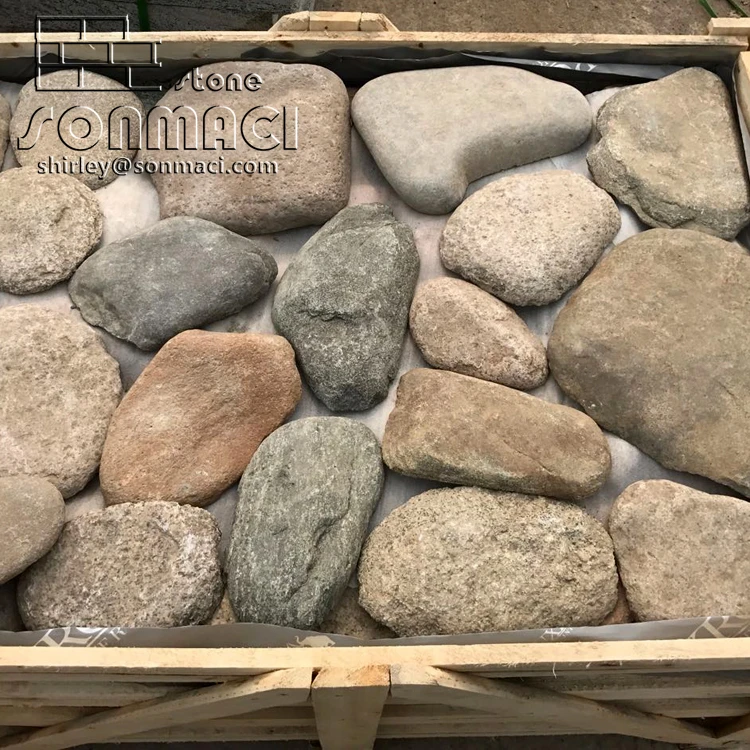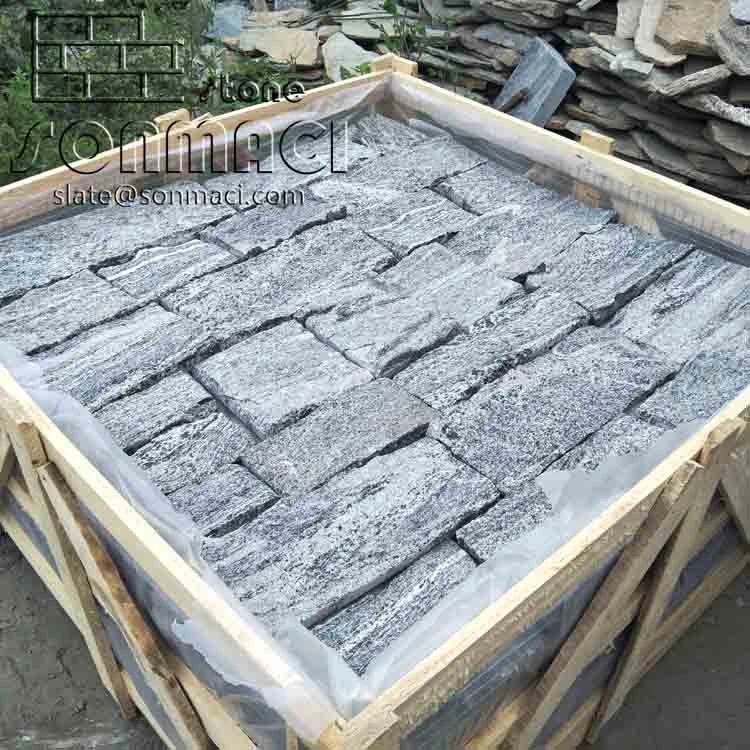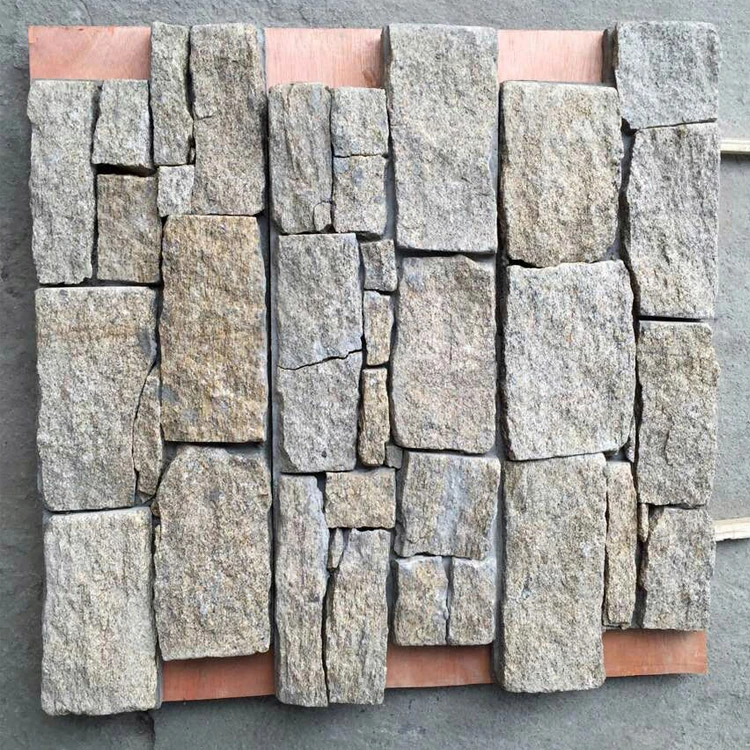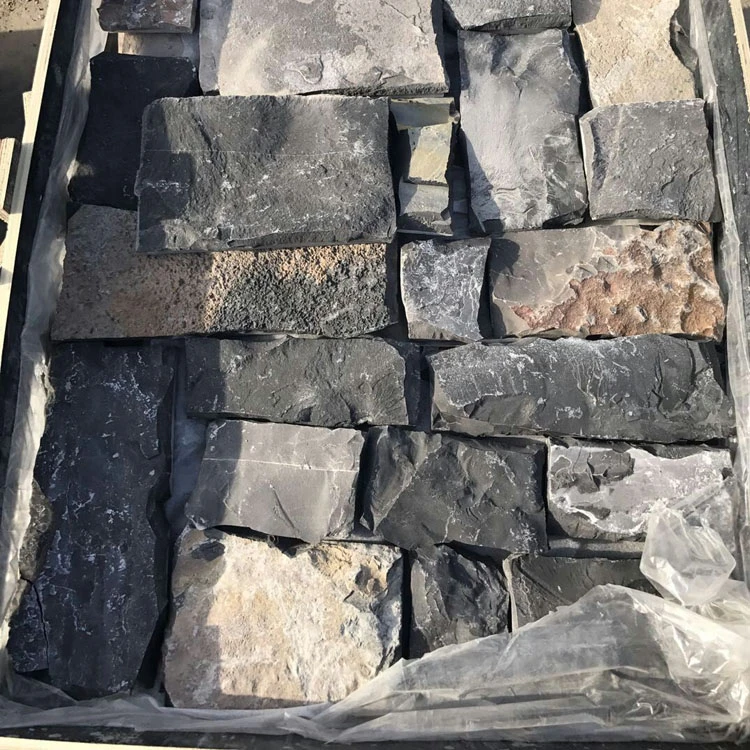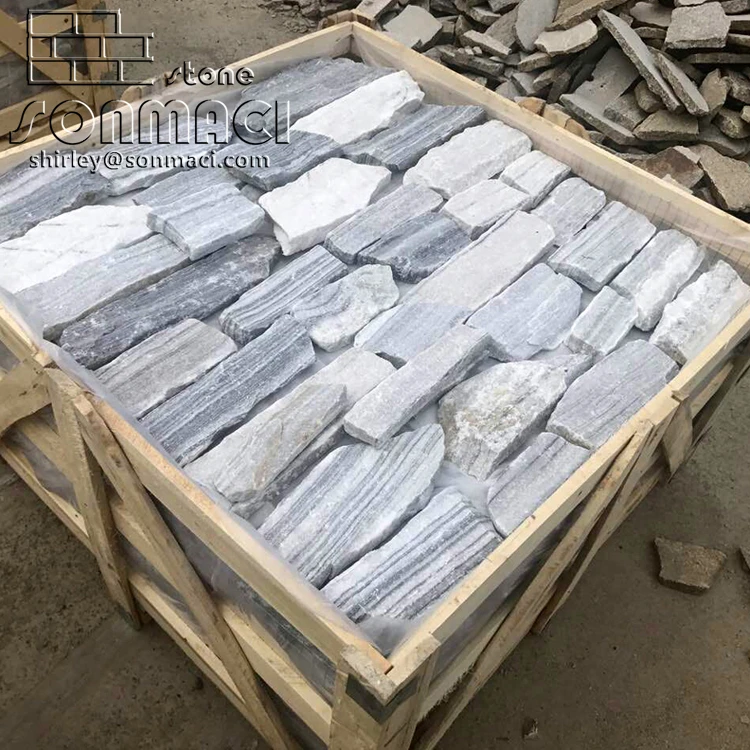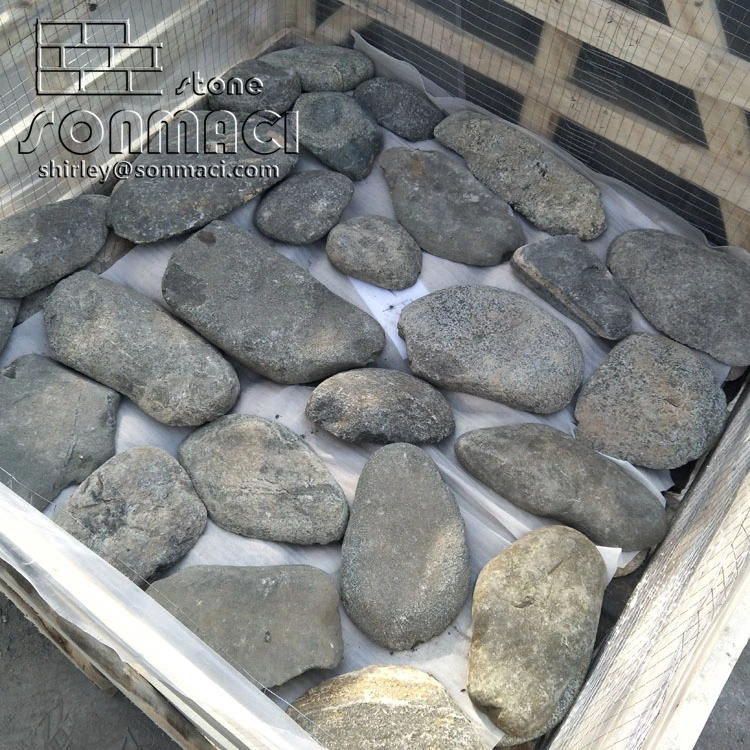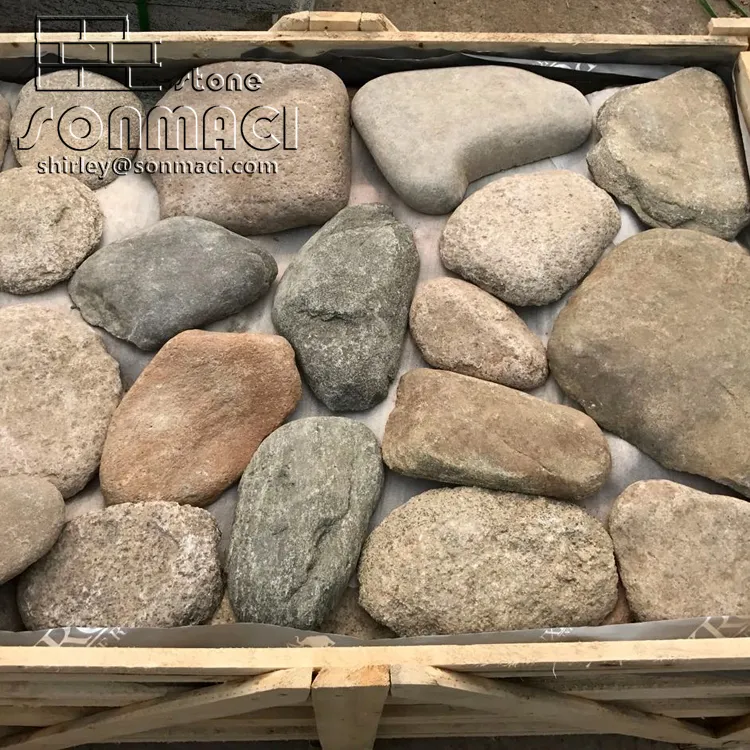
Indoor Stacked Stone Veneer: Durable & Stylish for Industrial Interiors
Why Indoor Stacked Stone Veneer is Gaining Ground in Industrial Spaces
Having spent a solid decade in the industrial equipment sector, I’ve noticed trends ebb and flow—but one thing that’s stuck around, and frankly grown, is the use of indoor stacked stone veneer. It's the kind of material that brings a sort of rugged sophistication under industrial lighting and machinery hum that you don’t often expect. At least, that’s how I see it after years visiting plants and warehouses, where aesthetics have become just as important as functionality.
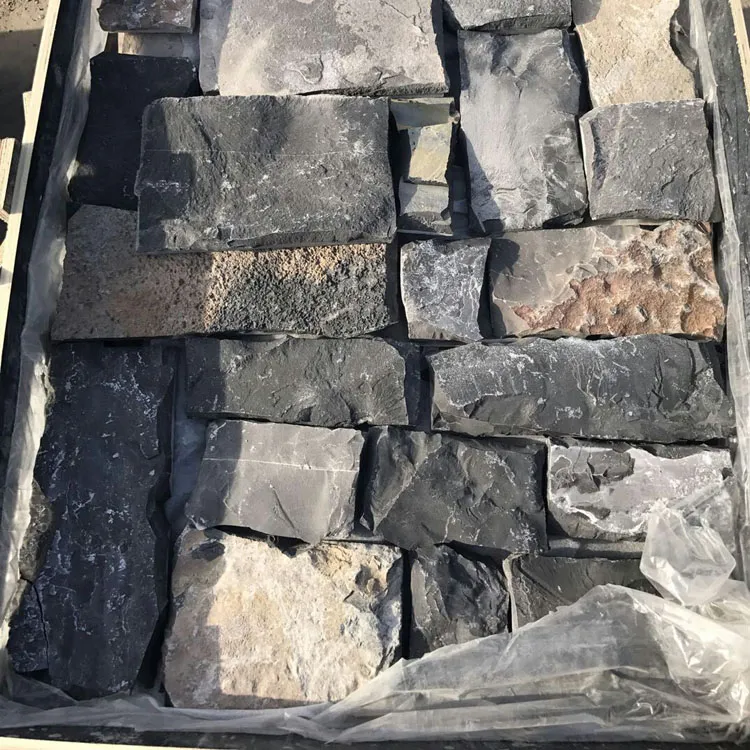
Stacked stone veneer isn’t new, but the modern variants offer lighter-weight profiles and easier installation — which, for those of us used to the heavy lifting in factory setups, is a relief. Oddly enough, the material has transitioned from a mainly exterior or residential decorative use to a bona fide industrial style statement, especially indoors where harsh environments demand robust surfaces.
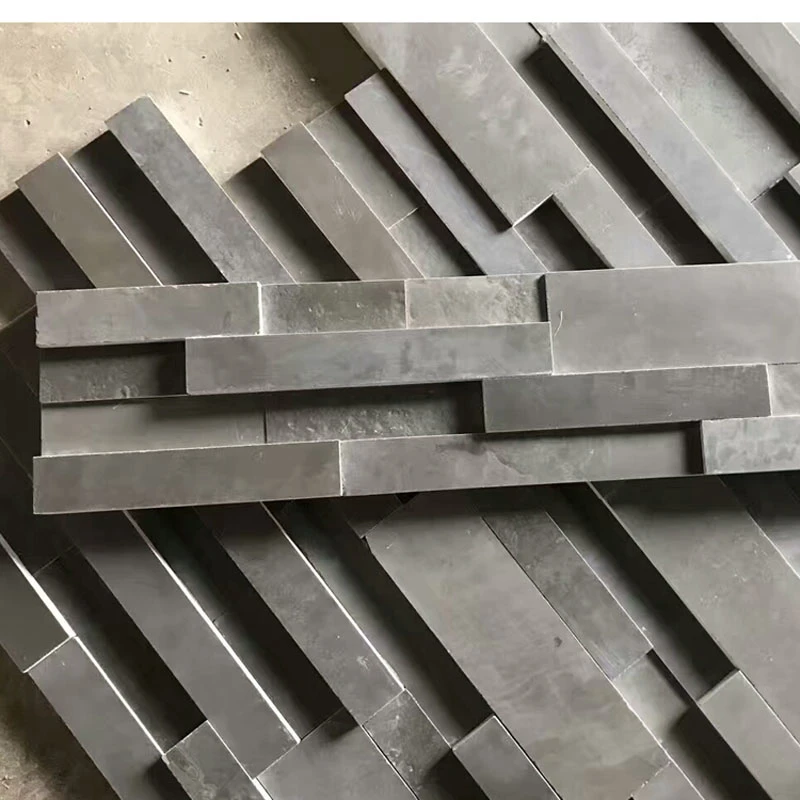
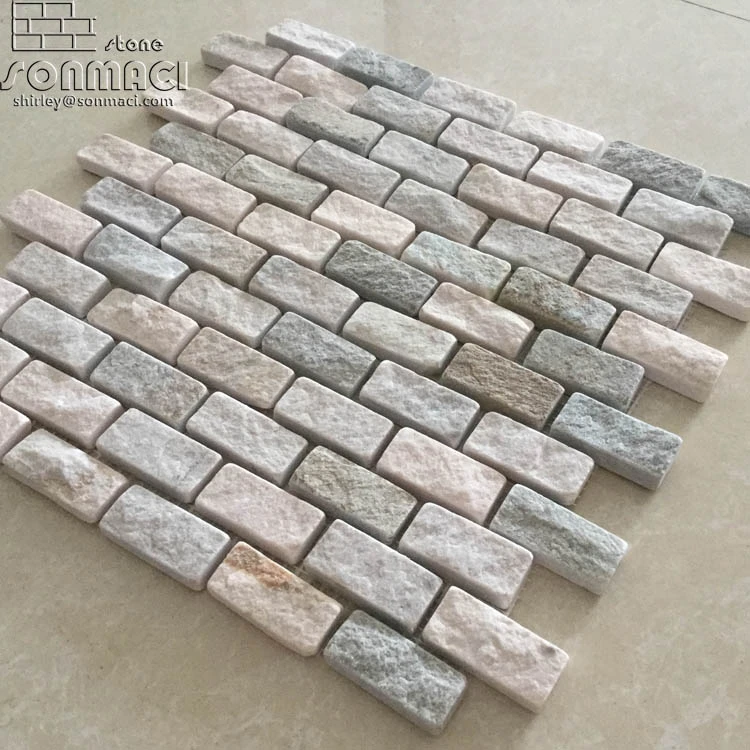
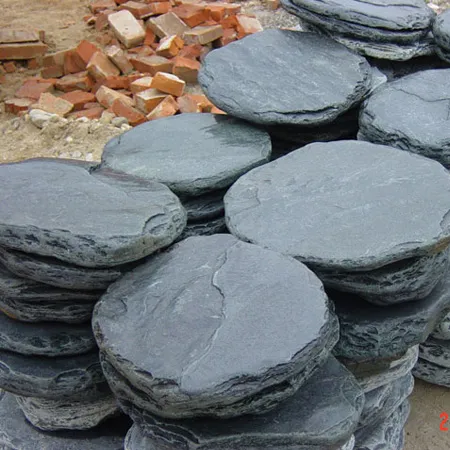
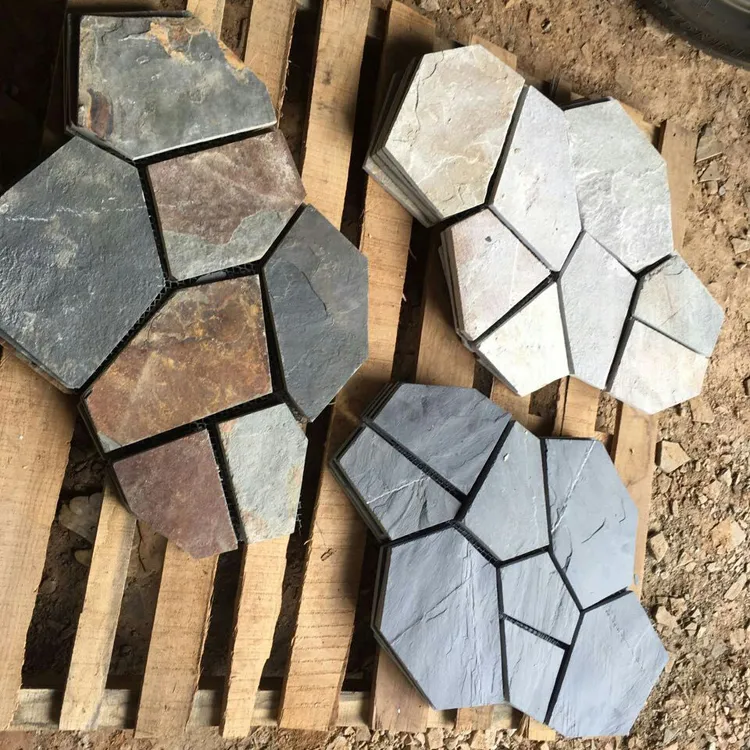
What strikes me about the indoor versions is their clever engineering. They tend to be either natural stone sliced thin or highly durable composites designed to mimic the texture and color variations of real rock. This balance between aesthetics and performance means they aren’t just “pretty” walls – they’re resistant to impact, moisture, and temperature changes common in industrial installations.
Here’s a quick rundown of typical specs for a popular industrial-grade indoor stacked stone veneer product:
| Specification | Details |
|---|---|
| Material Type | Natural quarried stone veneer / Composite stone blend |
| Panel Thickness | 1 - 1.5 inches |
| Weight per sq. ft. | 8 - 12 lbs |
| Fire Resistance | Class A / ASTM E84 certified |
| Installation Method | Mortar / Mechanical fasteners / Adhesive backing |
| Maintenance | Low; occasional dusting and sealing recommended |
One thing to keep in mind is customization. Back in my early days, stone surfaces felt “one size fits all,” but these days manufacturers can match colors and finishes almost perfectly to an interior’s vibe. It’s useful for corporate offices inside industrial plants that want to balance professionalism with a gritty, authentic look.
Speaking of manufacturers, if you’re weighing options, here’s a quick vendor comparison that I like to share with colleagues. It highlights how some suppliers stack up in terms of cost, durability, and ease of installation—the golden trifecta in our field.
| Vendor | Price Range (per sq. ft.) | Durability Rating | Installation Complexity | Customization Options |
|---|---|---|---|---|
| Sonmaci Stone | $12 - $18 | 9/10 | Moderate | Extensive color & texture |
| RockArt Veneers | $10 - $15 | 7/10 | Easy | Limited patterns |
| StoneFlex Corp. | $15 - $22 | 8/10 | Complex | Wide customization |
I recall a midwest manufacturing facility that revamped their entrance lobby using indoor stacked stone veneer similar to the products above. The management said the stone instantly elevated workplace pride, something we don’t always quantify but definitely feel. It sort of says, “We care about quality, inside and out.”
In real terms, the stacked stone veneer offers more than just looks. The panels tend to dampen noise slightly—a small but appreciated bonus in loud industrial environments—and they’re quite forgiving on walls that might have minor imperfections. I’ve seen installations where the smooth concrete behind the stone instantly looked polished and inviting.
Of course, there are considerations: proper sealing is crucial in areas where oil or chemicals might splash; also, since stone is semi-porous, routine maintenance keeps the veneer looking fresh. Still, for those who want a blend of style and substance, this solution feels like a solid bet.
If you ask me — and you did — indoor stacked stone veneer strikes a smart balance between ruggedness and refinement. It’s not a flash-in-the-pan trend either; it’s a practical upgrade for spaces where first impressions count but durability cannot be compromised.
So next time you’re walking into an industrial workspace and notice that subtly textured stone wall, you might appreciate the craftsmanship and thought that went into choosing just the right veneer.
References:
- ASTM International – Fire Resistance Standards for Building Materials
- Industrial Space Design Quarterly, 2022 – Trends in Material Use
- Sonmaci Stone Product Documentation and Case Studies