Stone Facing for House Exterior | Durable & Sustainable Home Facades
Stone Facing for House Exterior: Timeless Appeal Meets Modern Needs
If you’ve ever walked past an old building or a cozy home covered in beautifully crafted stonework, you probably felt an instant sense of sturdiness and charm. That’s the magic of stone facing for house exterior. It’s more than just decoration—it's a global architectural tradition that balances durability, aesthetics, and sustainability. Across climates and countries, stone facing presents itself not only as an authentic design choice but also an environmentally mindful solution in modern construction.
Why does this matter worldwide? According to the International Organization for Standardization (ISO), about 40% of global energy consumption and carbon emissions come from the construction and operation of buildings. Sustainable finishes like stone facing can play a surprisingly important role in reducing environmental impact — and that’s just the start.
Mini takeaway: Stone facing for house exterior ties history, culture, and modern green construction in a way that few facade materials do.
The Global Context: Why Stone Facing Still Holds Strong Value
As urban areas sprawl and climate concerns grow, architects and builders still obsess over facade materials. The World Bank estimates that by 2050, over 68% of the global population will live in cities, making exterior building surfaces a critical aspect of urban planning and sustainable development. Stone facing offers key benefits in these settings — excellent insulation, longevity, and low maintenance — which makes it hugely valuable in global housing markets, from Europe’s historic districts to fast-expanding regions in Asia and beyond.
Yet challenges persist. Synthetic siding and cheaper cladding materials often dominate because they’re initially less costly, creating a tug-of-war between upfront expense and long-term value. That dilemma is precisely where stone facing shines—it resists damage from weather, pests, and time itself.
What Exactly Is Stone Facing for House Exterior?
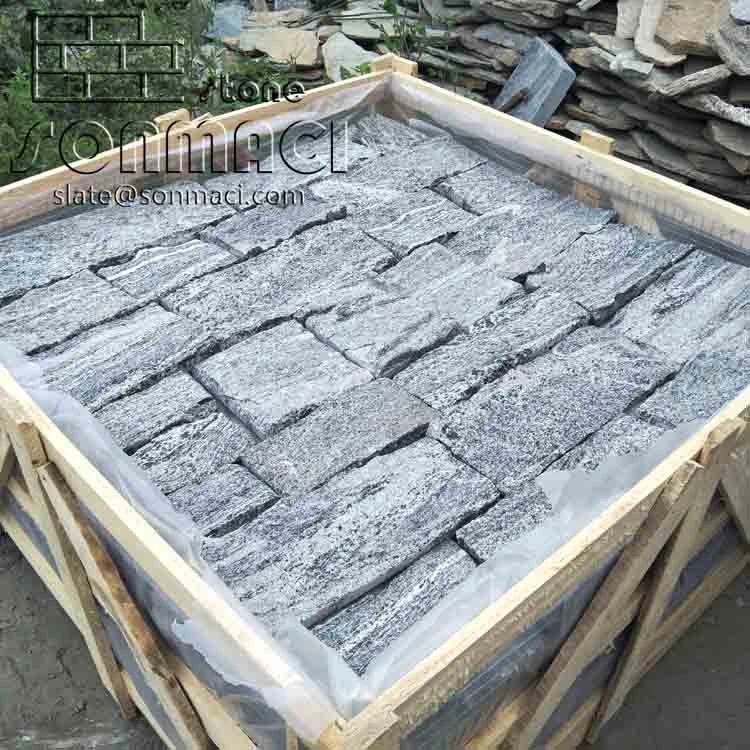
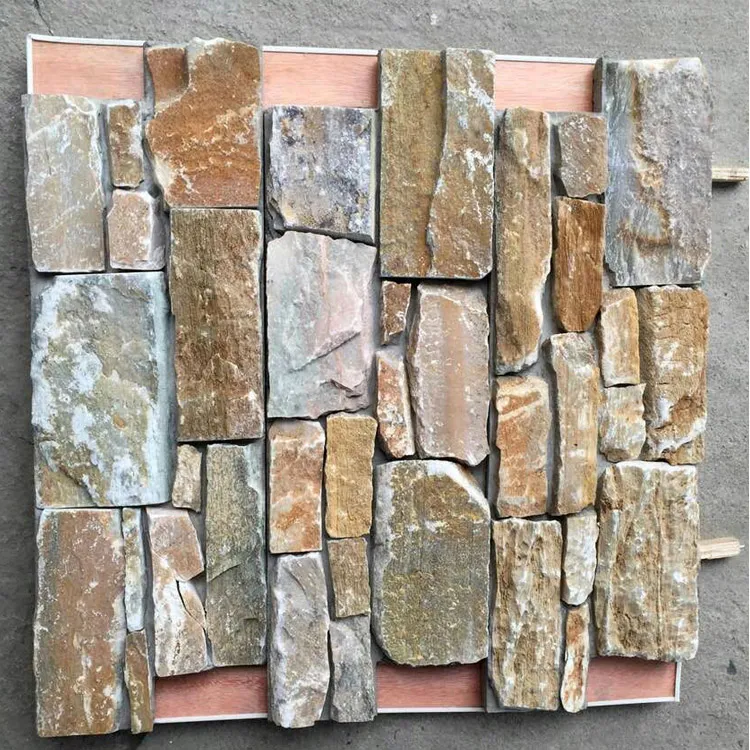
Simply put, stone facing is a veneer or outer layer made of natural or manufactured stone applied to the exterior walls of a home or building. It doesn’t carry the structural load (that’s the job of the underlying wall) but serves as a protective and decorative shell. A bit like putting on a durable jacket that also looks fantastic.
Modern industry has embraced stone facing not only for homes but commercial buildings and cultural heritage restoration efforts worldwide. It reflects an intersection of craftsmanship, engineering, and environmental responsibility — connecting classic materials with 21st-century needs.
Core Components That Make Stone Facing Stand Out
Durability
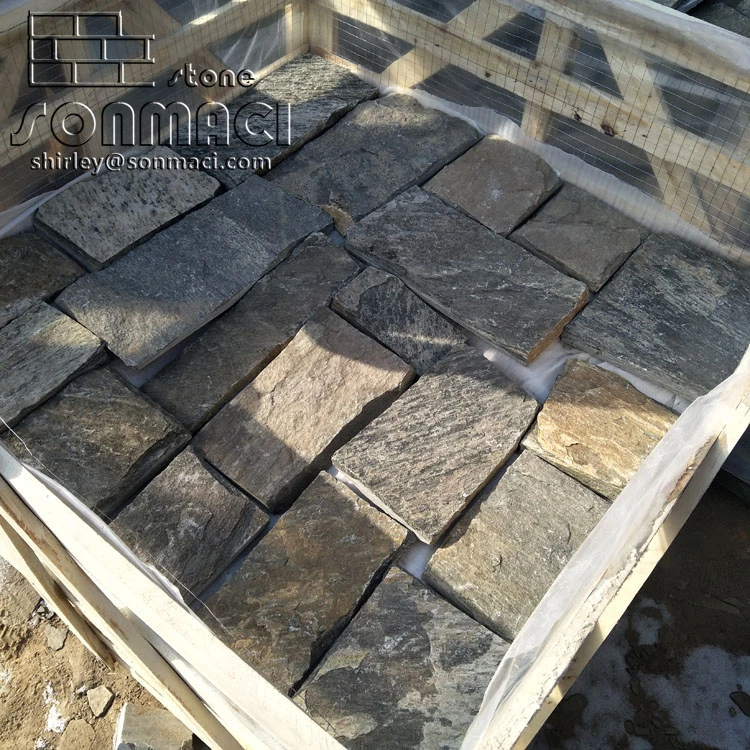
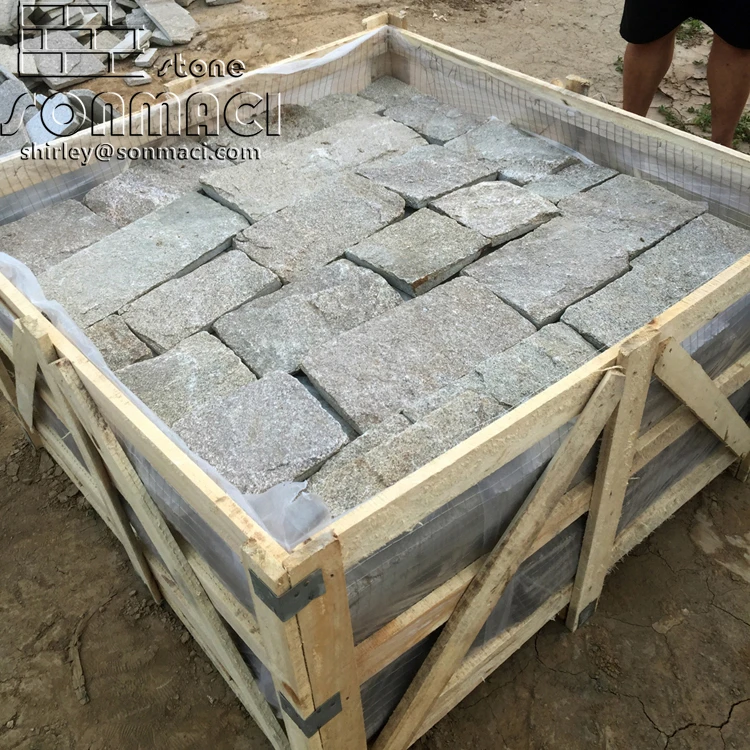
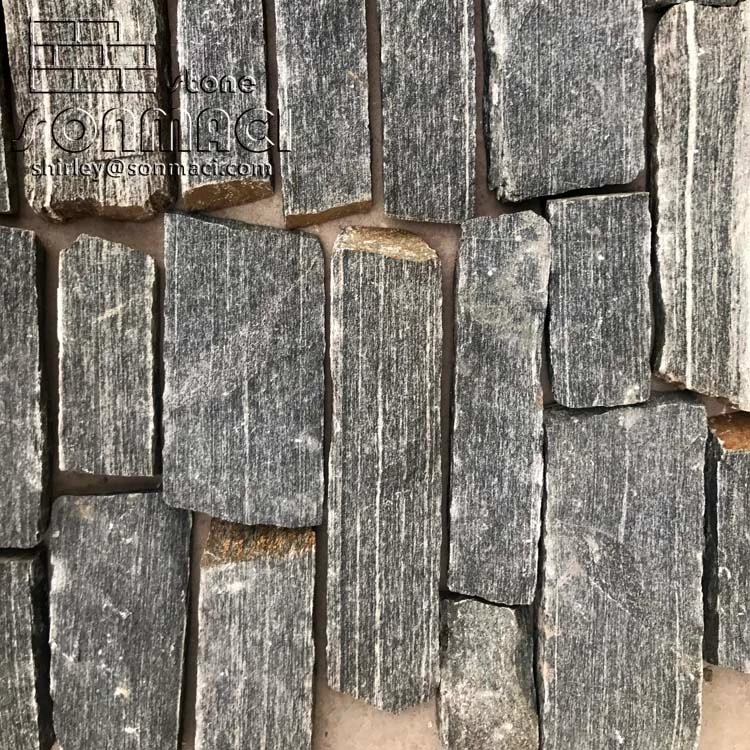
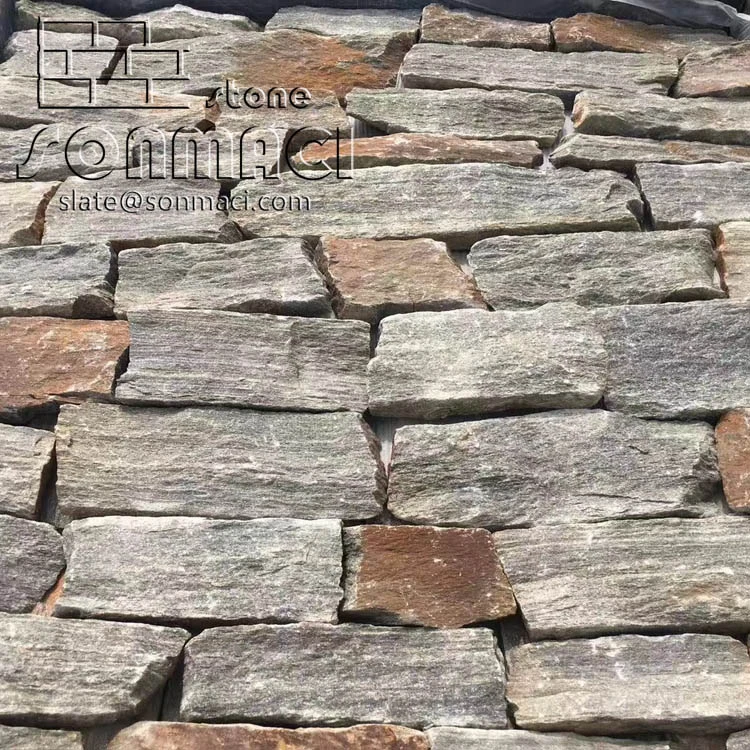
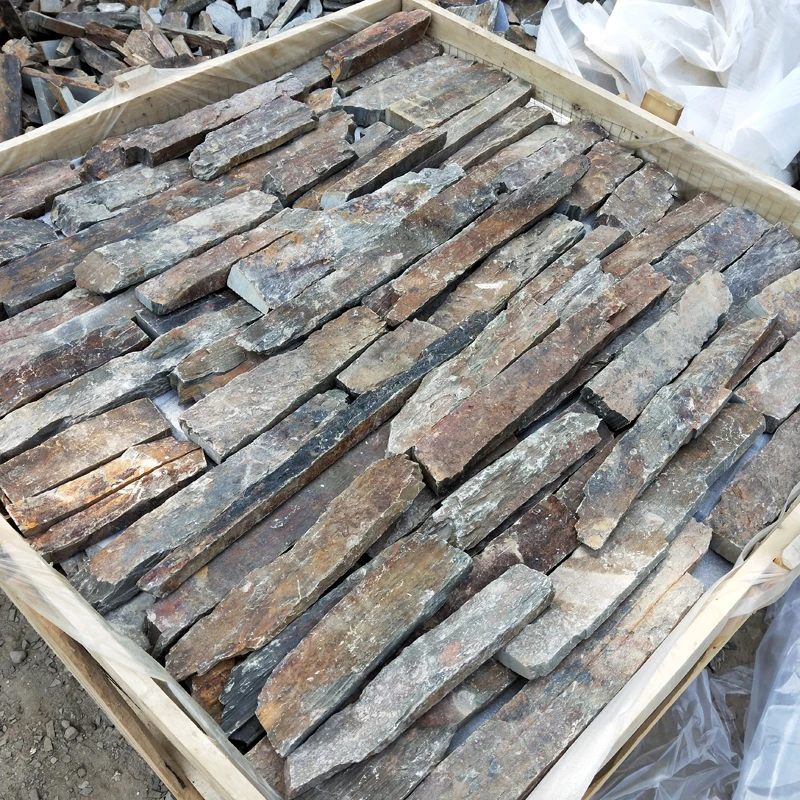
Stone is naturally tough. Whether it’s granite, limestone, or slate, these materials shrug off environmental stress better than vinyl or wood siding. A well-installed stone facade can last over a century with minimal maintenance — which explains why many restoration projects choose it.
Thermal Efficiency
Natural stone has decent insulation properties that help moderate indoor temperatures. This leads to energy savings in heating and cooling — a small but meaningful contribution to sustainability goals.
Curb Appeal and Aesthetic Variety
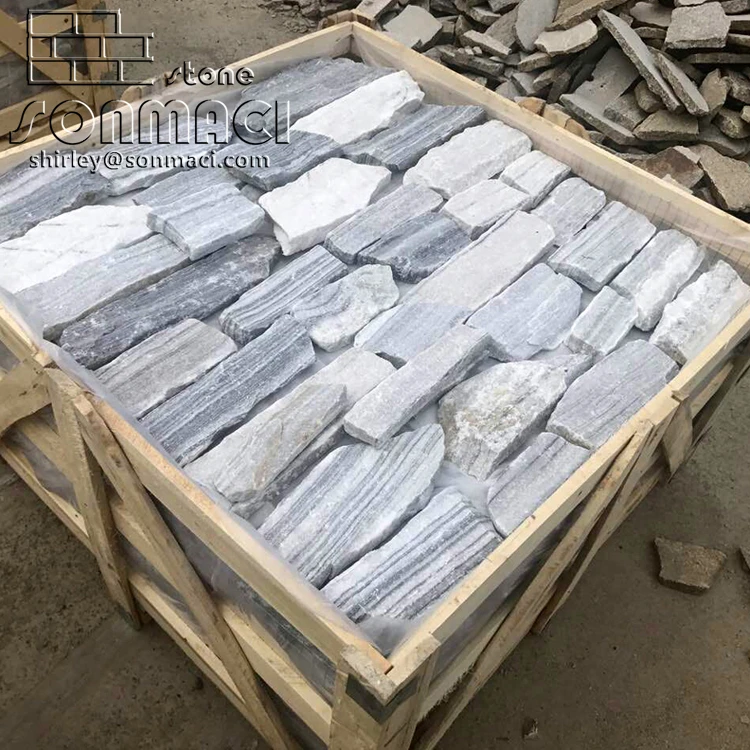
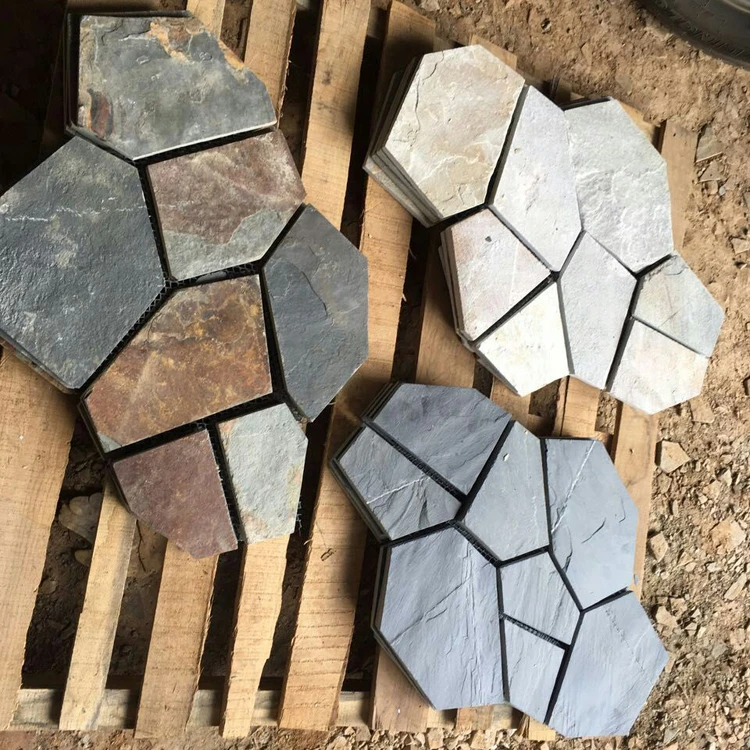
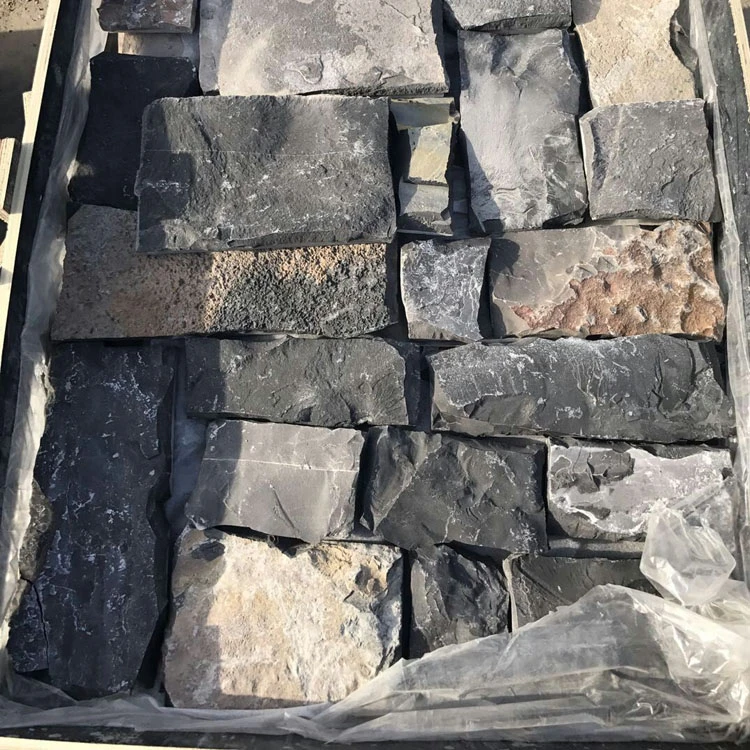
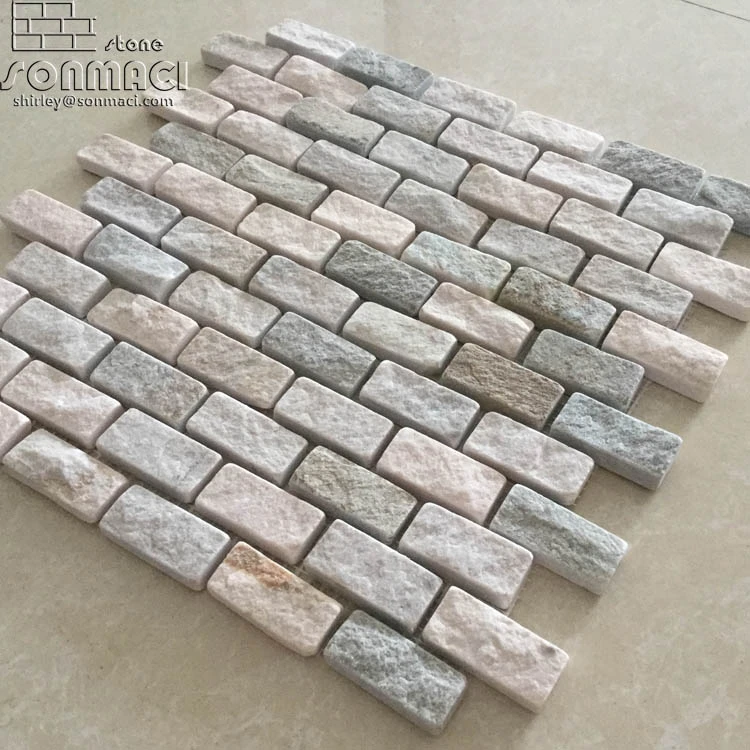
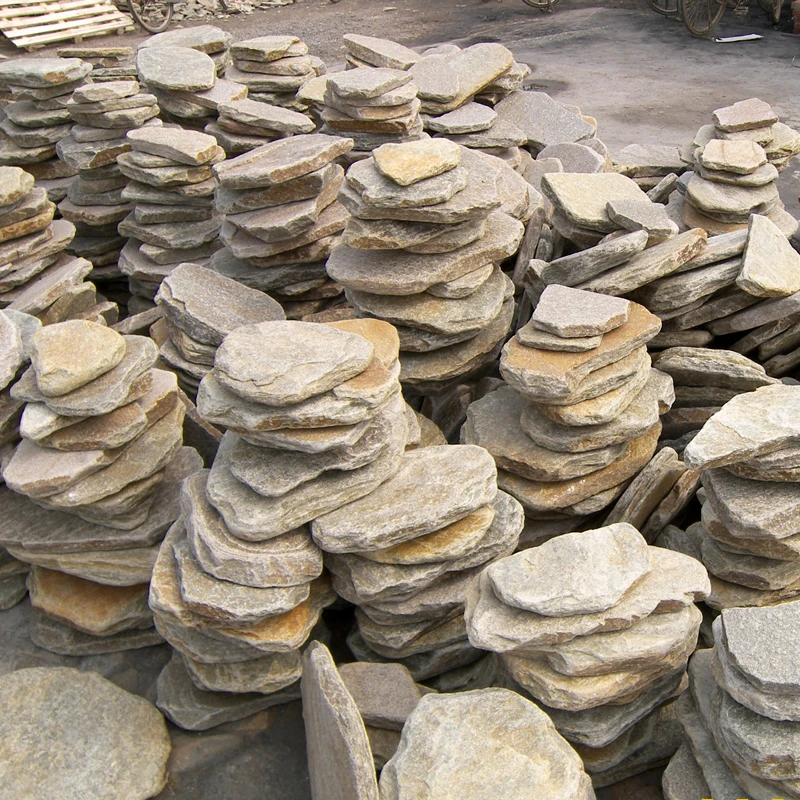
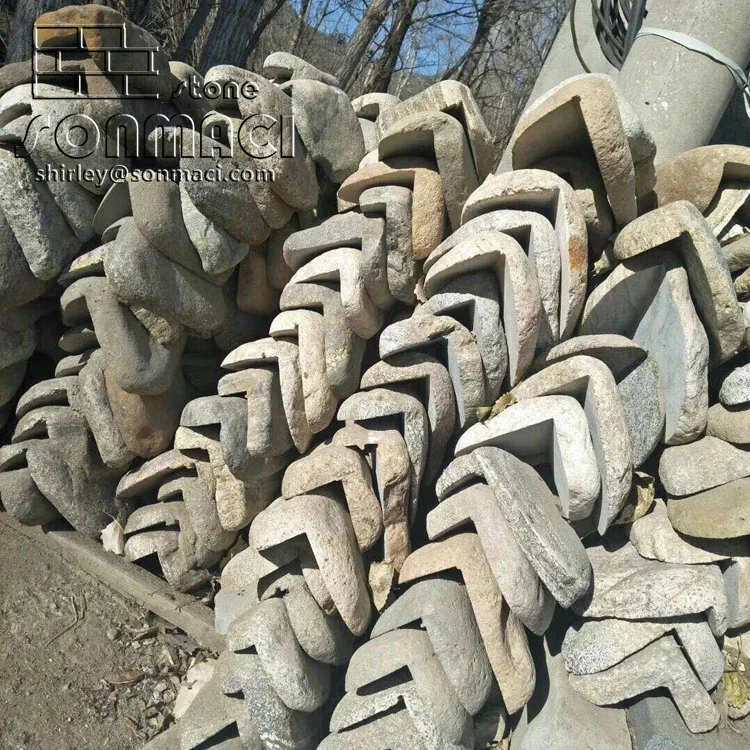
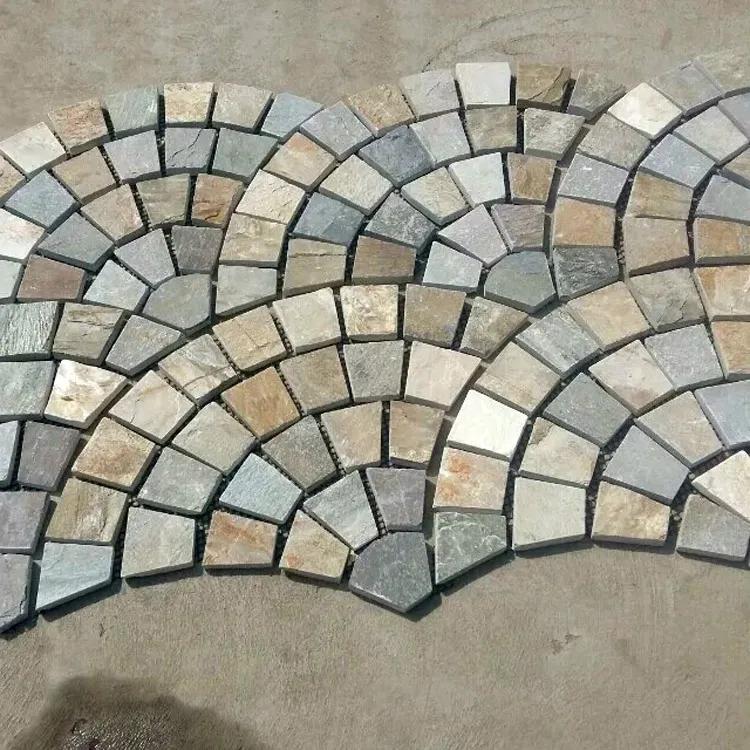
No two stones are alike, meaning every house gets a unique, natural character. Stone facing comes in countless colors, textures, and finishes, so customization is truly achievable.
Low Maintenance & Weather Resistance
Rain, wind, UV rays—stone faces them all with minimal upkeep. Unlike painted surfaces, it won’t peel or fade quickly.
Environmental Responsibility
Because stone is natural and can be locally sourced, it usually has a lower carbon footprint compared to cast concrete or plastic alternatives. Plus, many manufacturers offer reclaimed stone options.
Mini takeaway: These practical components combine to give stone facing a genuine edge over many synthetic exterior claddings.
Real-World Applications of Stone Facing
From Alpine chalets in Europe to modern eco-lodges in New Zealand, stone facing is everywhere. In the United States, historic neighborhoods from Boston to Charleston often require stone facades or similar treatments for preservation. But it’s not just aesthetic:
- Post-disaster relief housing sometimes uses quick-install modular stone veneers to rebuild durable homes fast.
- Remote industrial zones favor stone facing to protect facilities against harsh climates and reduce maintenance visits.
- Luxury hospitality resorts use stone facing to blend architecture into natural landscapes seamlessly.
And if you’re curious, there’s plenty on stone facing for house exterior that highlights varied global craftsmanship techniques and supply options.
The Upside: Why Stone Facing Offers Long-Term Value
Concrete benefits include reduced maintenance costs, enhanced property value, and improved energy efficiency. Emotionally, homeowners often report a sense of pride and security—stone feels solid and trustworthy. It’s that kind of detail that can turn an average house into a refuge.
On the community scale, stone facade buildings can better withstand natural disasters—think earthquakes or hurricanes—thereby preserving dignity and safety in vulnerable communities.
Emerging Trends in Stone Facing Technology
Innovation keeps moving forward—and stone facing is no exception. Manufacturers now combine stone veneer with eco-friendly adhesives and moisture barriers that improve installation speed and reduce waste. Digital fabrication methods also allow precise cutting, which reduces offcuts and labor.
Plus, green building certifications like LEED increasingly recognize natural stone as a sustainable facade choice, boosting its appeal. Some companies have also started integrating solar reflective coatings or photoluminescent finishes, hinting at a future where stone faces double as smart, energy-saving skins.
Addressing Challenges: What’s Holding Stone Facing Back?
Let’s be honest: stone can be costly upfront, and installation requires skilled labor. Weight is another issue, sometimes necessitating additional structural support. Logistics for sourcing natural stone might also complicate some projects due to transportation emissions.
However, solutions are emerging. Engineered stone veneer reduces weight and cost, while local quarries and recycled stone programs lower carbon footprints. Also, prefabricated panels speed up installation and reduce labor dependency.
Mini takeaway: The obstacles aren’t trivial, but neither are the innovations helping overcome them.
Frequently Asked Questions About Stone Facing for House Exterior
- Is stone facing suitable for all climate types?
- Stone facing works well across most climates due to its natural durability and insulation properties. In extreme weather conditions, additional waterproofing and proper installation are key to longevity.
- How long does stone facing typically last on a house exterior?
- When properly installed and maintained, stone facing can last over 100 years. Its longevity far exceeds many synthetic siding options.
- Can stone facing increase home energy efficiency?
- Yes. Stone’s thermal mass helps regulate indoor temperatures, potentially reducing heating and cooling costs by buffering outside temperature swings.
- Is stone facing environmentally friendly compared to synthetic cladding?
- Generally, yes. Natural stone is sourced from the earth, often locally, and can be recycled. It tends to have a lower overall environmental impact versus manufactured materials like vinyl or fiber cement.
- How do I choose the right type of stone for my home’s exterior?
- Consider local climate, architectural style, and personal preference. Consulting with a professional stone supplier or architect is recommended to find stone types that fit both aesthetic and functional needs.
Product Specification Table: Typical Stone Facing Panels
| Feature | Specification | Notes |
|---|---|---|
| Material | Natural Granite, Limestone, or Slate | Varies by local availability |
| Average Thickness | 1.5 – 3 cm | Optimized for weight & durability |
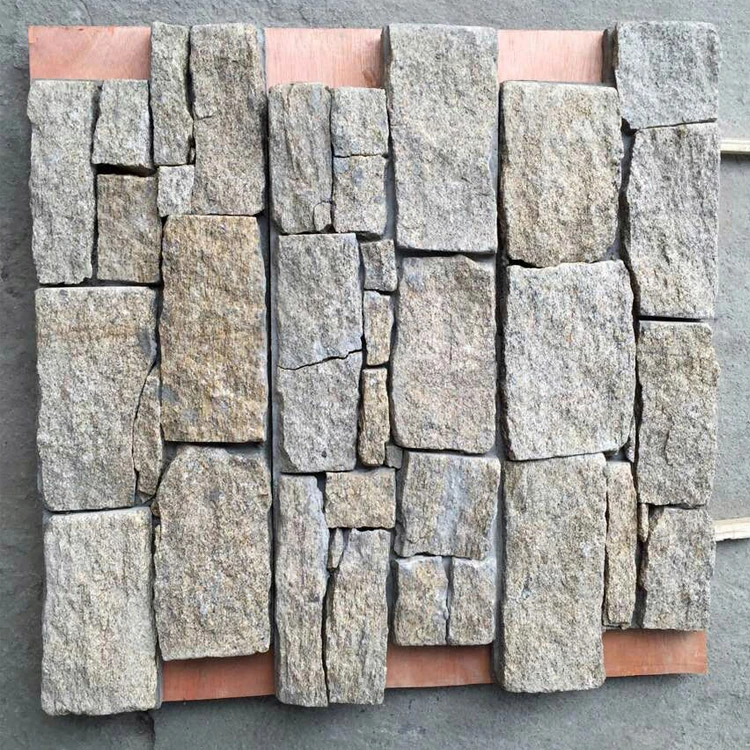
| Panel Size | 30 cm x 60 cm (typical) | Ready-to-install modular panels available |
| Weight per sqm | 30 – 50 kg | Depends on stone density |
| Installation Method | Mortar or mechanical anchors | Fixing type affects durability |
Vendor Comparison: Stone Facing Suppliers at a Glance
| Vendor | Material Range | Price Range (USD per sqm) | Delivery Time | Green Certifications |
|---|---|---|---|---|
| StoneCraft Ltd. | Granite, Slate, Travertine | 50 - 110 | 2-4 weeks | LEED, ISO 14001 |
| EcoStone Panels | Recycled stone veneer | 60 - 95 | 3-5 weeks | LEED, FSC Certified |
| NaturalStone Corp. | Limestone, Sandstone | 45 - 90 | 1-3 weeks | ISO 9001 |
Wrapping Up: Why This Old Technique Stilln Matters
Stone facing for house exterior has quietly endured centuries of architectural evolution for good reason. It balances the old with the new — durability, natural beauty, and eco-friendly qualities. For homeowners, builders, and planners alike, this facade solution isn’t just about looks: it’s a lasting investment in quality and sustainability.
Want to explore options and learn how you can enhance your home’s exterior with stone? Visit our website for resources and expert guidance: stone facing for house exterior.
At the end of the day, the stone exterior you choose today could be the beloved landmark of tomorrow.