Stone Wall Construction - Durable, Sustainable & Timeless Building Methods
The Art and Science of Stone Wall Construction: Why It Still Matters Today
Stone wall construction might sound like a thing of the past, but its relevance today is surprisingly profound. Whether it’s a centuries-old Roman aqueduct still standing strong or a new heritage building project using local stone, this craft marries durability with beauty. Globally, stone walls represent more than mere barriers or enclosures; they shape landscapes, protect communities, and even hold cultural identities.
Understanding the key benefits and technology behind stone wall construction helps architects, engineers, and humanitarian experts apply traditional wisdom in modern contexts—from sustainable building to disaster relief infrastructure. And oddly enough, these stone marvels serve as quiet reminders of resilience and meticulous craftsmanship amid increasingly fast-paced construction techniques.
A Global Perspective: Stone Wall Construction’s Role in Modern Infrastructure
Did you know that over 30% of the world’s rural households rely on stone or masonry walls? According to a United Nations report, stone remains a preferred building material in many countries due to its availability and environmental friendliness.
Industrially, the World Bank estimates that sustainable masonry techniques, including stone wall construction, could reduce construction carbon footprints nearly 25% compared to steel and concrete. The challenge? Balancing ancient craftsmanship with modern demands for scalability and speed.
This intersection is where stone wall construction solves a unique problem: How to build structures that last generations while also adapting to fast-growing urban and rural environments, especially in developing nations facing climate challenges and frequent natural disasters.
What Exactly Is Stone Wall Construction?
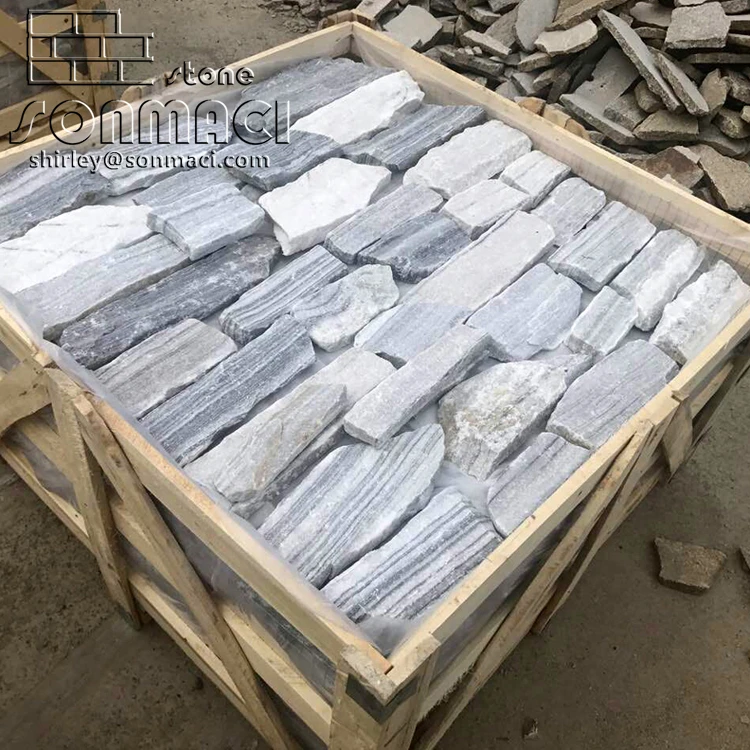
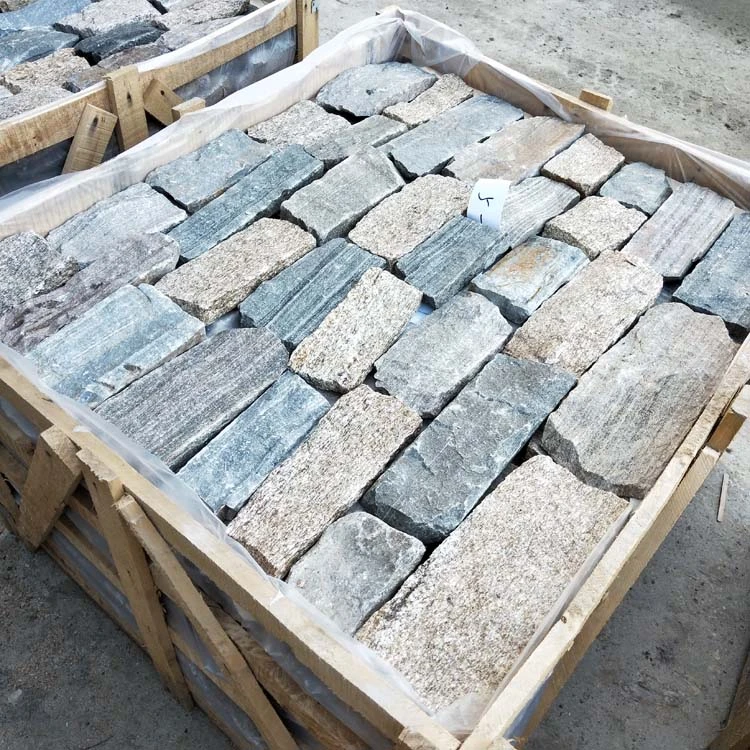
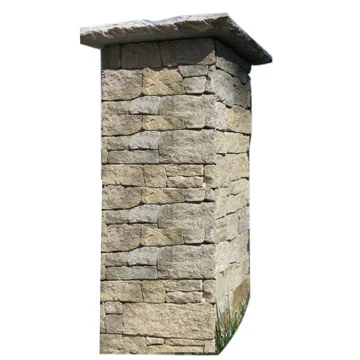
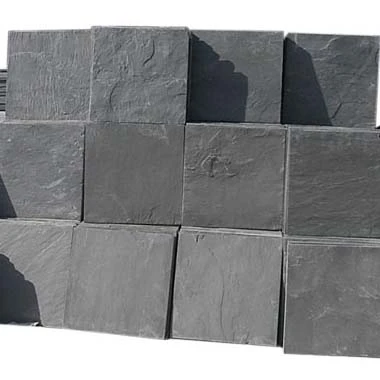
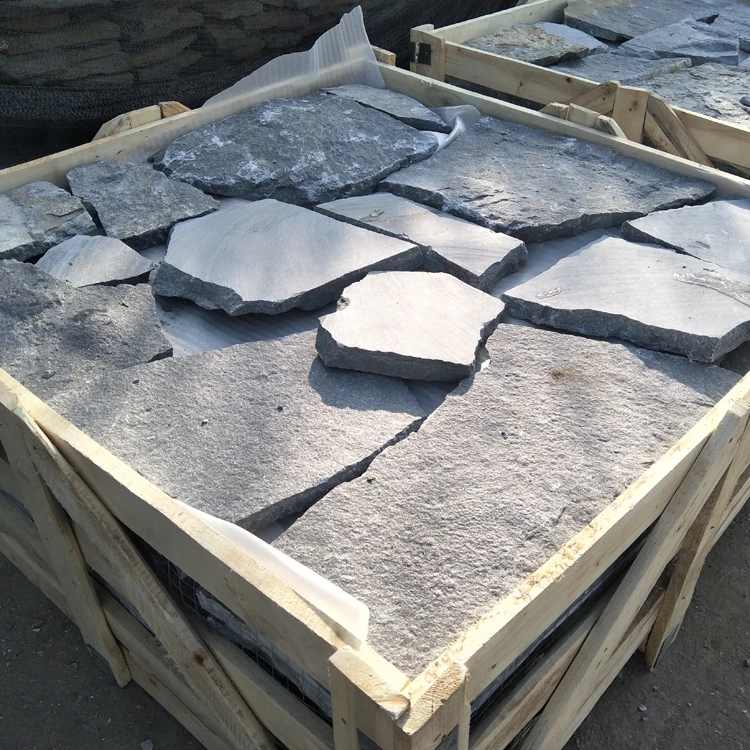
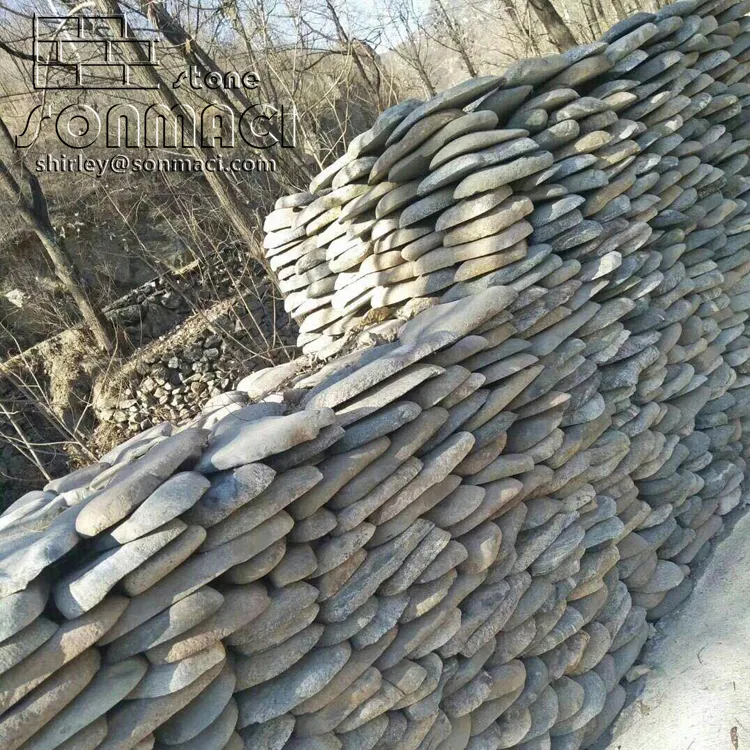
Put simply, stone wall construction means assembling stones—either natural or cut—into walls or supports using techniques that might involve dry stacking, mortar binding, or mixed masonry. The essence lies in careful stone selection, placement, and bond strength.
It goes beyond just piling rocks. Modern stone walls connect with industry needs by providing robust, fire-resistant, and thermally efficient structures. This has proven useful not only in housing but in retaining walls, landscaping, and heritage preservation.
Mini Takeaway
Stone wall construction combines natural materials with time-tested building techniques to create durable, efficient, and often eco-friendly structures.
Key Factors in Stone Wall Construction
1. Durability and Strength
Stones like granite and limestone boast incredible longevity. Many ancient stone walls have survived wars, weather, and neglect. This durability translates into reduced maintenance costs and enhanced safety in modern construction.
2. Cost Efficiency
Especially in regions abundant with natural stone, using local materials cuts transport costs dramatically. Plus, labor costs can be competitive when skilled masons are available. Cost analysis often shows stone walls rival or beat alternatives when factoring lifecycle expenses.
3. Thermal Properties & Insulation
Stone’s thermal mass helps maintain stable indoor temperatures, reducing heating or cooling demands. It’s a simple, natural way to improve energy efficiency in buildings.
4. Aesthetic and Cultural Significance
Stone walls define landscapes – think of the famous dry stone walls across the English countryside. They offer timeless aesthetics and connect occupants to their heritage, sometimes even boosting property value just by presence.
5. Scalability and Adaptability
Although often linked to small-scale projects, modular stone wall systems and modern prefabrication now allow quicker, larger builds. Architects can blend traditional stone with engineered supports to meet modern load requirements.
Mini Takeaway
For practical applications, stone wall construction balances timeless strength and beauty with advances that push it into modern-scale projects.
Global Applications & Use Cases of Stone Wall Construction
- Post-Disaster Relief: In Nepal and Haiti, stone masonry has been used to reconstruct earthquake-resistant homes thanks to enhanced bonding techniques.
- Remote Industrial Zones: Mines and quarries in Australia and Canada use stone retaining walls to stabilize terrain cheaply and reliably.
- Heritage Conservation: Stone restoration projects dominate in Europe and parts of Asia, preserving architectural history.
- Rural Housing: Across sub-Saharan Africa, stone homes provide sustainable shelters adapted to local climates and materials.
Mini Takeaway
Stone wall construction adapts across diverse climates and needs, from humanitarian aid to industrial infrastructure, underscoring its continued importance.
The Lasting Value of Stone Walls: Advantages You Can Count On
It’s not just about being tough and attractive. Stone walls bring tangible benefits:
- Environmental Sustainability: Using natural, often locally quarried stone reduces carbon emissions and waste.
- Reliability: Unlike timber or newer materials vulnerable to pests or decay, stone stands firm through time and elements.
- Cost Over Time: While initial investment might be higher, stone’s longevity means lower long-term repairs and replacements.
- Social Impact: Stone walls can symbolize community identity and pride, preserving traditional building crafts and jobs.
There’s also an emotional dimension. Imagine a family knowing their stone home won’t buckle in a storm or a community rallying around local masons preserving skills handed down for generations.
Stone Wall Construction Specification Table
| Specification | Typical Range | Notes |
|---|---|---|
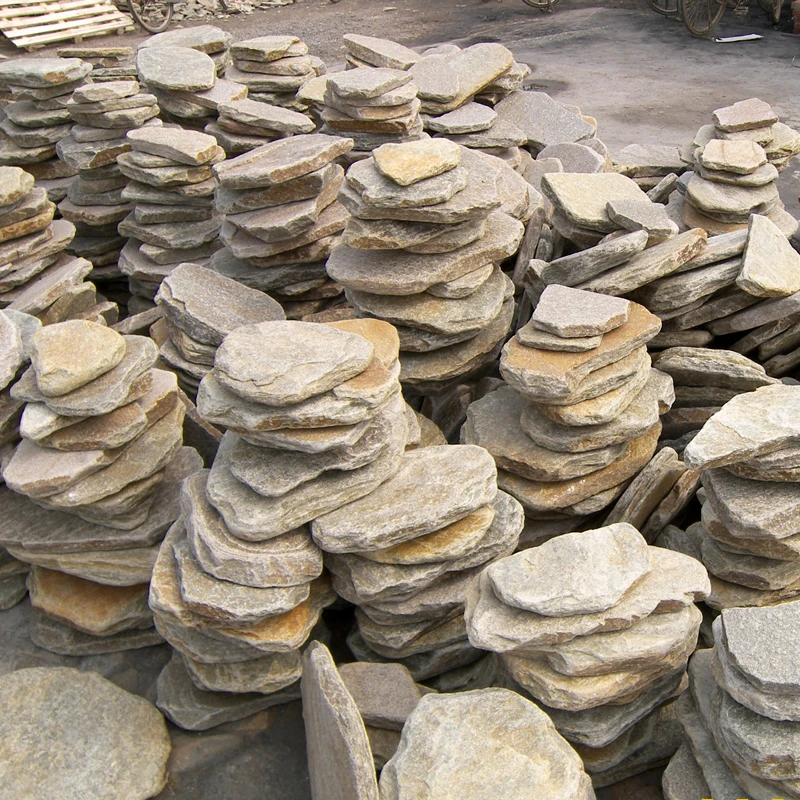
| Stone Type | Granite, Limestone, Sandstone | Depends on regional availability |
| Wall Thickness | 0.3 to 0.6 meters | Adjustable per structural requirement |
| Mortar Type | Lime-based, Cement-based, Dry-stone | Lime mortar preferred for heritage projects |
| Thermal Conductivity | 1.3 - 2.5 W/m.K | Varies by stone type |
| Expected Lifespan | 50+ years to centuries | When properly maintained |
Comparing Stone Wall Construction Vendors
| Vendor | Material Sources | Specialization | Lead Time | Warranty |
|---|---|---|---|---|
| StoneBuild Inc. | Quarries in Vermont, USA | Custom dry stone walls | 4-6 weeks | 15 years structural |
| Heritage Stoneworks | Limestone from France | Restoration & heritage projects | 6-8 weeks | 25 years |
| EcoWall Solutions | Locally sourced sandstone (India) | Sustainable rural housing | 3-5 weeks | 10 years |
Looking Ahead: Innovations and Trends in Stone Wall Construction
Modern technology is nudging stone wall construction into a new era. From robotic stone cutters to drones mapping out wall alignments, the blend of old and new is fascinating. Sustainable practices like integrating natural insulation materials within stone walls and using eco-friendly mortars demonstrate how the industry adapts to carbon neutrality goals.
Policies encouraging the reuse of demolition stone and modular prefabrication systems have caught on in Europe and North America. I keep wondering if these trends will bring stone back into mainstream urban building, where concrete currently rules the roost.
Overcoming Challenges: Expert Tips for Stone Wall Projects
Stone walls aren’t without their quirks. Weathering, skilled labor shortages, and long build times remain concerns. Yet, some companies are using training programs and digital modeling to speed up design and reduce errors. Hybrid walls that combine stone facing with internal steel support are gaining traction, too.
Frankly, patience is a virtue here, but with modern supports and planning, many typical drawbacks can be minimized. The key seems to lie in embracing technology while respecting the craft’s nuances.
FAQ: Your Top Questions About Stone Wall Construction
Q1: How long does stone wall construction typically take compared to modern materials?
A1: Stone wall building usually takes longer—often weeks longer per project—due to the fitting and masonry work involved. However, new modular and prefabrication techniques are speeding delivery times considerably without compromising strength.
Q2: Can stone wall construction be cost-effective for large-scale housing projects?
A2: Yes, especially where stone is locally sourced. While labor might be more specialized, the durability and low maintenance costs make stone a financially sound choice long term, particularly for rural or heritage-sensitive developments.
Q3: Is stone wall construction environmentally friendly?
A3: Absolutely. Stone is a natural material with very low embodied energy when quarried responsibly. Unlike concrete, it doesn’t require high carbon emissions during manufacture, and it often lasts centuries, reducing rebuilding frequency.
Q4: How do I choose the right type of stone for my project?
A4: Consider local availability, desired aesthetic, strength needs, and climate. Harder stones like granite are ideal for load-bearing walls; softer limestone suits decorative or internal walls better. Consulting with a mason or engineer can save headaches.
Q5: Are there modern mortar alternatives for stone walls?
A5: Yes — lime-based mortars remain popular, especially for heritage projects, as they allow walls to “breathe.” Cement-based mortars offer stronger bonds but can be less flexible. Dry-stone techniques use no mortar but require precise stone fitting.
Wrapping Up: The Timeless Appeal and Practical Strength of Stone Wall Construction
In an age when materials come and go with trends, stone wall construction holds a steady place—both historically and in future-facing building. Its blend of strength, sustainability, and beauty offers unmatched value for builders and communities worldwide.
If you’re curious about incorporating stone walls into your projects or simply want to know more about traditional craftsmanship meshed with modern innovation, why not start exploring? For detailed resources and examples, visit our website: stone wall construction.
Mini Takeaway
Stone walls are proven, practical, and poised for a comeback, thanks in part to ongoing innovations and growing ecological awareness.