Architectural Stone Veneer Solutions: Durable, Sustainable & Stylish Building Facades
Architectural Stone Veneer: A Global Game-Changer in Building Aesthetics and Sustainability
At first glance, architectural stone veneer might seem like just a surface choice, a cosmetic touch to a structure's bones. But dig a little deeper (pun intended), and you'll find it's a pivotal technology shaping how buildings look, perform, and even impact communities worldwide. Why does this matter on a global scale? Well, with urbanization booming, climate change pressing, and construction costs fluctuating, understanding architectural stone veneer can offer sustainable, cost-effective, and visually stunning building solutions that cater to everything from luxury skyscrapers to community rebuilding efforts.
Plus, it’s a flexible solution that balances tradition with innovation—bridging natural beauty and modern engineering. So, what is architectural stone veneer? And how is it quietly revolutionizing the world’s facades? Let’s unpack that.
The Rise of Architectural Stone Veneer: A Worldwide Perspective
Global construction is growing at a breakneck pace — the UN estimates the global urban population will reach 68% by 2050, and with it, demand for innovative building materials like architectural stone veneer is climbing sharply. According to the World Bank, sustainable construction materials that reduce carbon footprints while maintaining durability are becoming essential, especially in regions hardest hit by climate extremes.
Architectural stone veneer helps address the challenge of balancing aesthetics with environmental responsibility. Traditional stone is heavy, costly, and resource-intensive. Stone veneer, however, mimics that timeless look but sheds weight and cost, helping builders meet strict energy codes and curb resource use. This has huge implications not just for giant urban centers in North America and Europe but also rapidly developing cities in Asia and Africa where resource access may be limited.
What Exactly Is Architectural Stone Veneer?
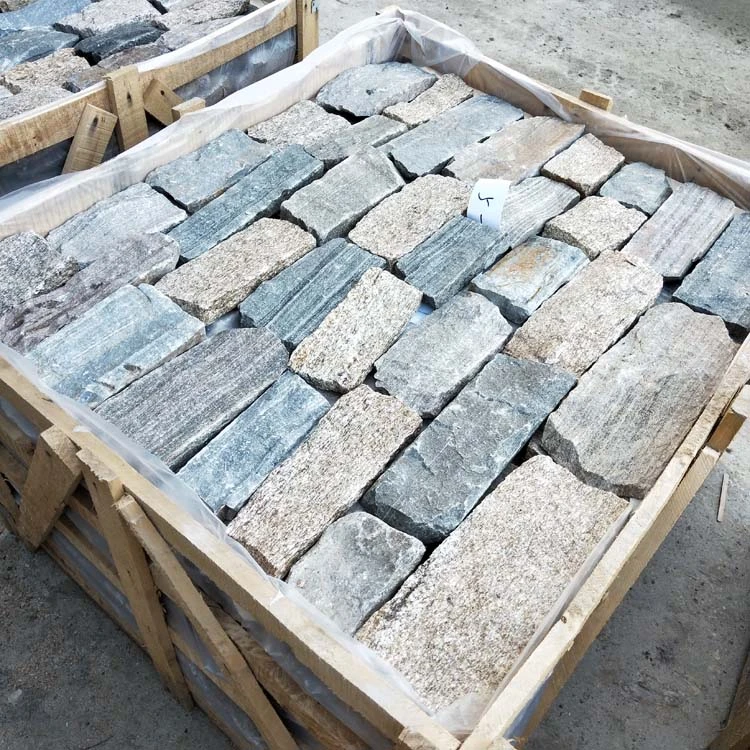
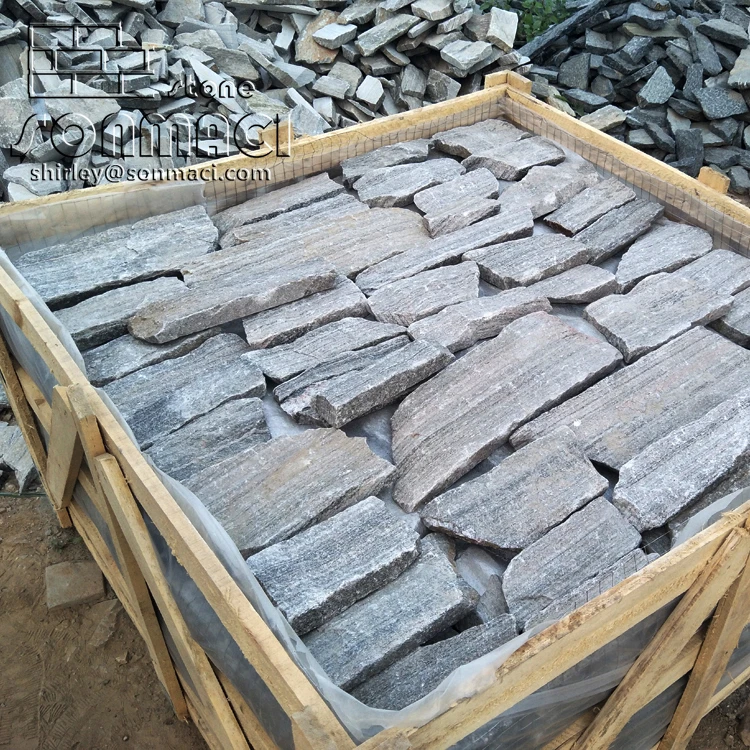
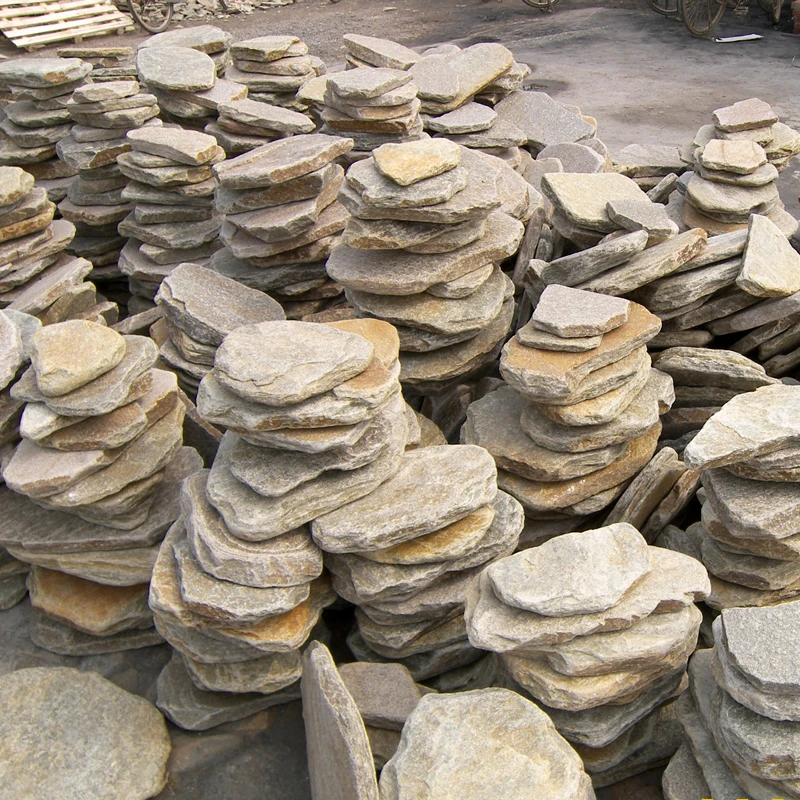
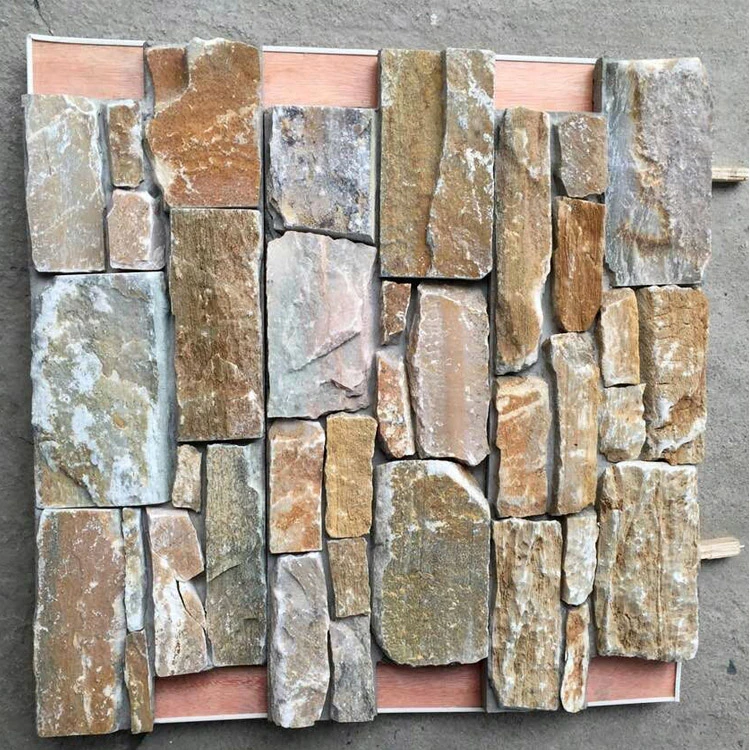
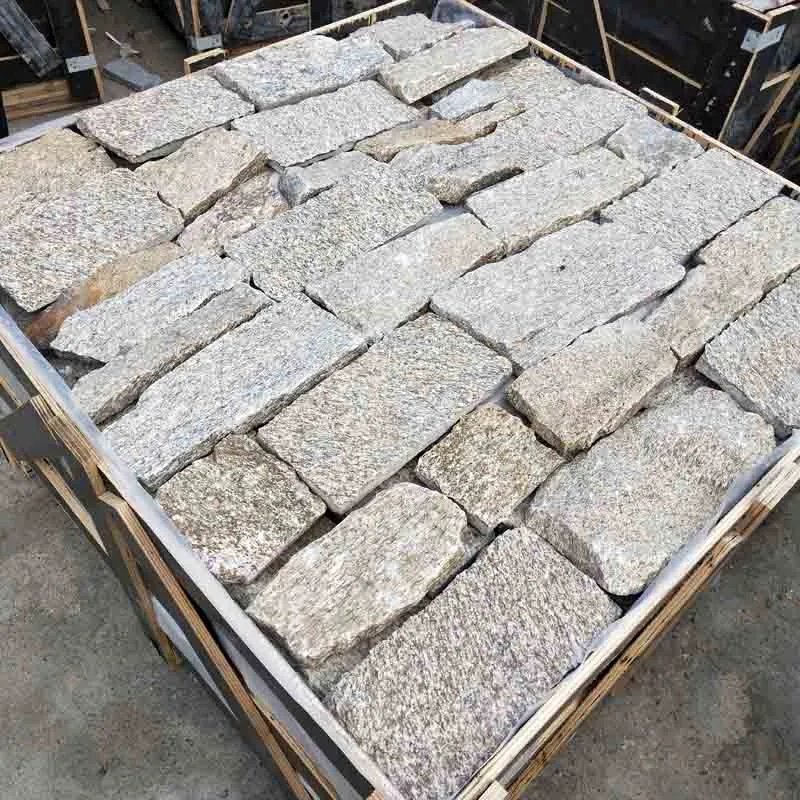
In simple terms, architectural stone veneer is a thin layer of natural or manufactured stone applied to the exterior or interior walls of structures to replicate the appearance of solid stone construction. Like a tailored suit for your building, it wraps surfaces with style and strength but without the bulk of traditional masonry.
This matters in modern industry because it offers an elegant, durable, and relatively lightweight cladding system that enhances both commercial and residential architecture. It allows architects and builders to fulfill design visions efficiently, meet environmental regulations, and reduce construction timelines — plus, it helps humanitarian efforts by enabling rapid, safe structure rehabilitation in disaster regions.
Durability: Built to Weather the Years
One of the standout features of architectural stone veneer is its resilience. Many versions are designed to resist moisture, UV rays, freeze-thaw cycles, and general wear. This longevity means less maintenance and fewer costly repairs — a practical win for property owners.
Cost Efficiency: Looks Expensive, Acts Affordable
Installing natural stone walls typically involves hefty stones and labor-intensive craftsmanship. Veneer cuts down on costs thanks to its lighter weight and simpler installation process, making high-end looks more accessible.
Versatility: From Rustic to Ultra-Modern
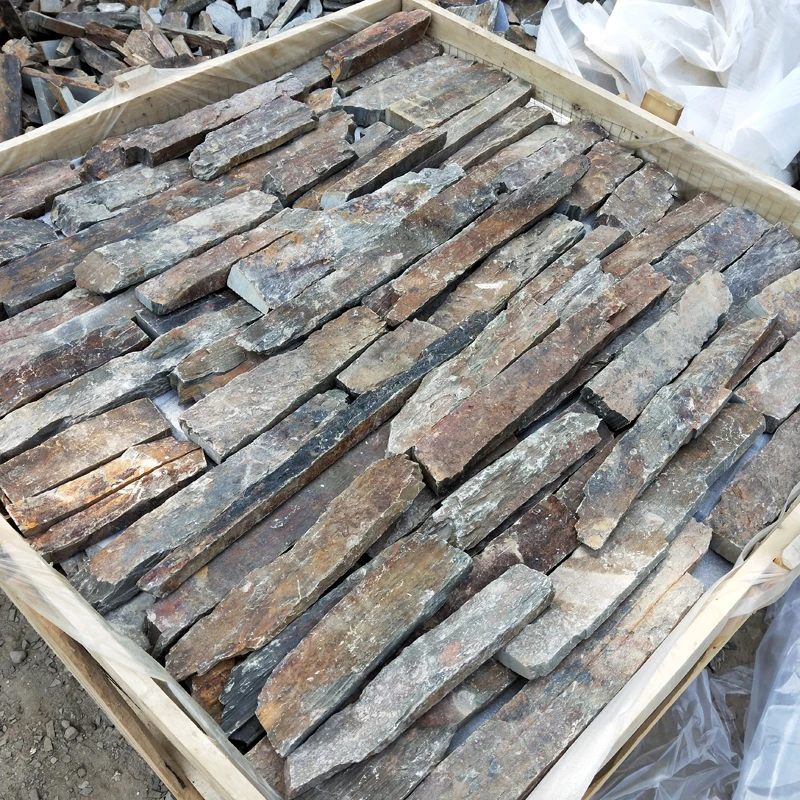
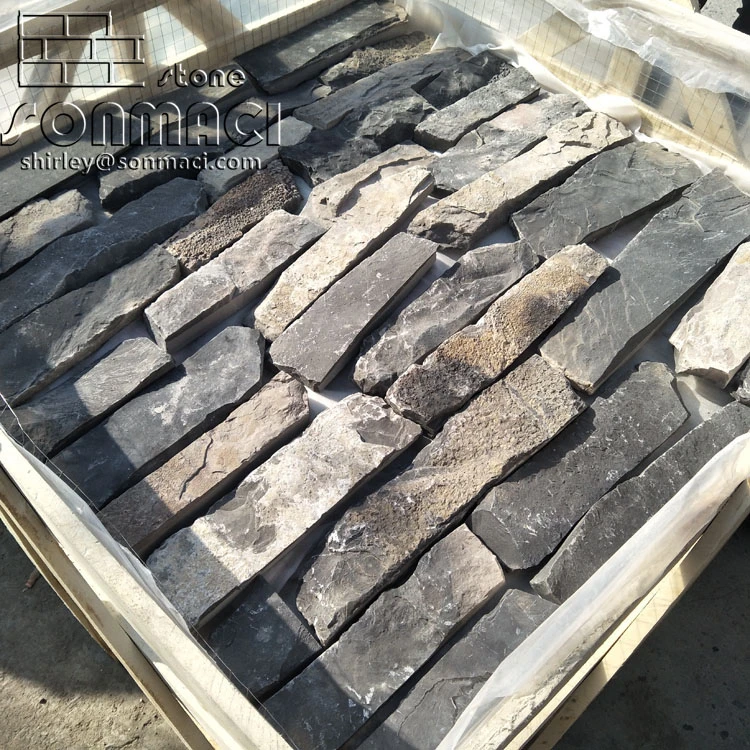
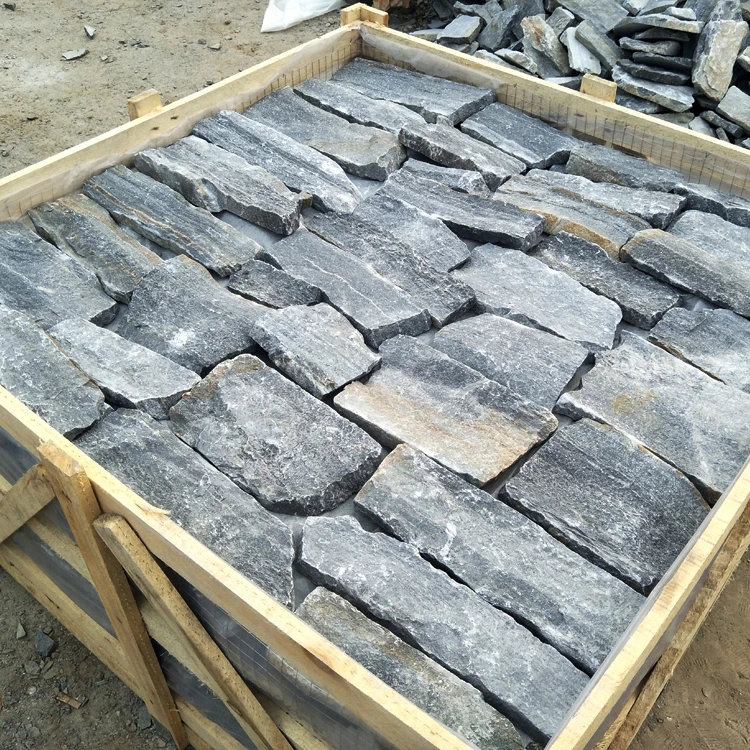
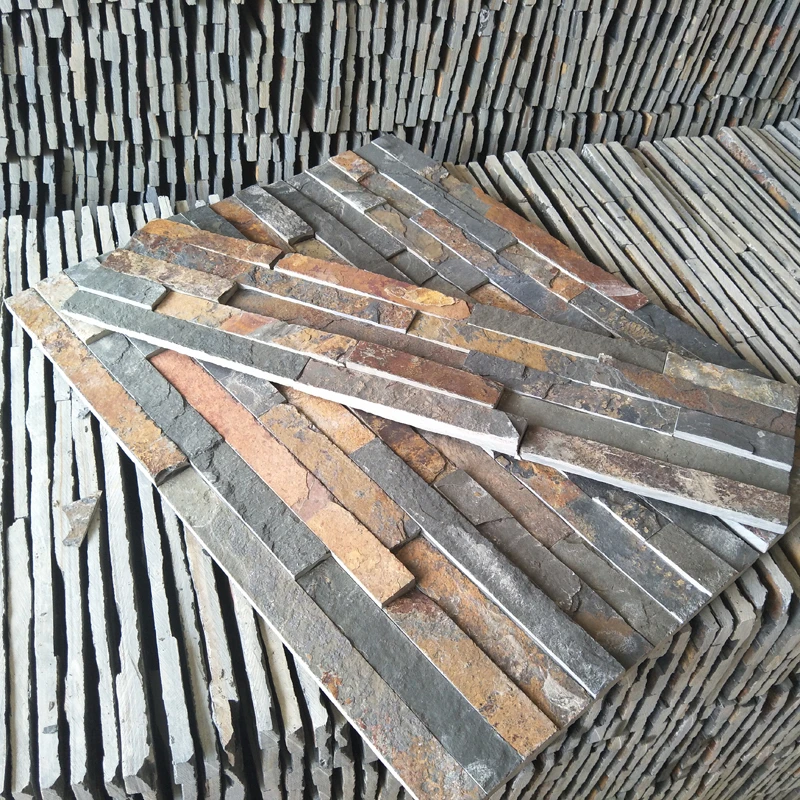
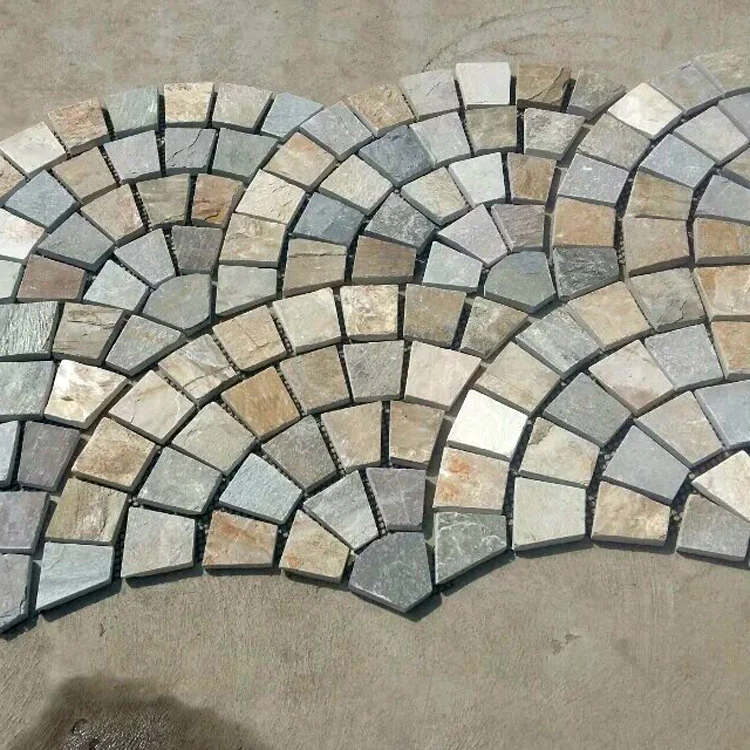
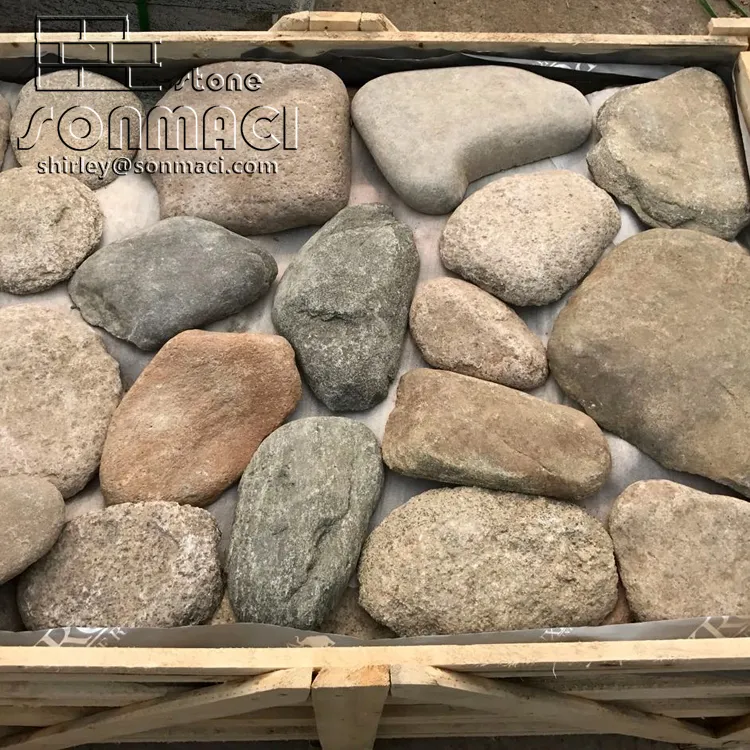
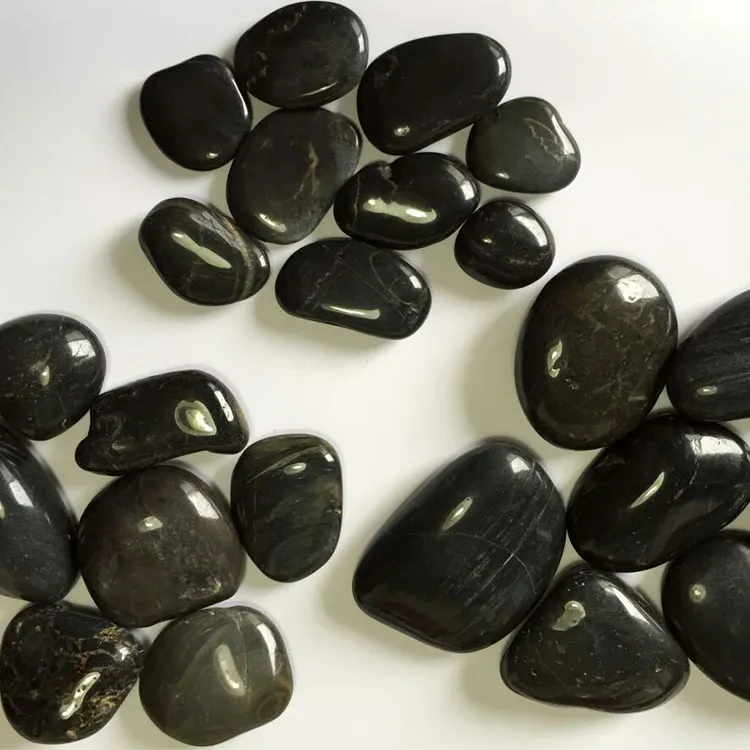
Stone veneer comes in a mind-boggling variety of textures, colors, and styles, giving architects a palette to match any aesthetic mood or context. Whether it’s a quaint cottage façade or a sleek corporate headquarters, veneer adapts.
Environmental Impact: Building Green from the Outside In
Unlike quarried stone blocks, manufactured veneers often use recycled materials or by-products, reducing waste. Its light weight decreases shipping emissions, and improving insulation qualities further cuts energy use for heating and cooling.
Scalability: From Small Renovations to Mega Projects
Veneer systems are designed to scale fluidly. Whether you’re refacing a fireplace or wrapping a multi-story commercial complex, it performs consistently, saving headaches and time.
Mini takeaway: Architectural stone veneer blends beauty with brains — durable, efficient, and environmentally sound. It’s become a go-to for architects aiming to strike that perfect balance.
Where Is Architectural Stone Veneer Making Its Mark?
Worldwide, stone veneer projects surface frequently in:
- Urban development hubs: Major cities in the US, Europe, and Asia increasingly adopt veneer to meet green building codes while keeping heritage aesthetics intact.
- Post-disaster rebuilding: In areas recovering from earthquakes or storms, veneer facilitates fast structural rehabilitation without compromising on safety or style.
- Eco-conscious residential projects: Developers focused on sustainable living choose veneer to combine affordability with green credentials.
- Hospitality and commercial spaces: Hotels, shopping centers, and office towers bank on veneer for its scalability and broad design range.
A fascinating example comes from a rebuilding effort in Southeast Asia, where local governments used manufactured stone veneer to rapidly restore community centers that were damaged during typhoons. The veneer cladding sped up construction time by 30% compared to traditional masonry — a crucial factor in delivering shelter swiftly while boosting local pride.
In colder zones like Canada and northern Europe, architectural stone veneer helps buildings fight harsh weather without needing thick stone walls, reducing heating bills significantly over time.
Product Specifications: A Snapshot of Stone Veneer Attributes
| Specification | Details |
|---|---|
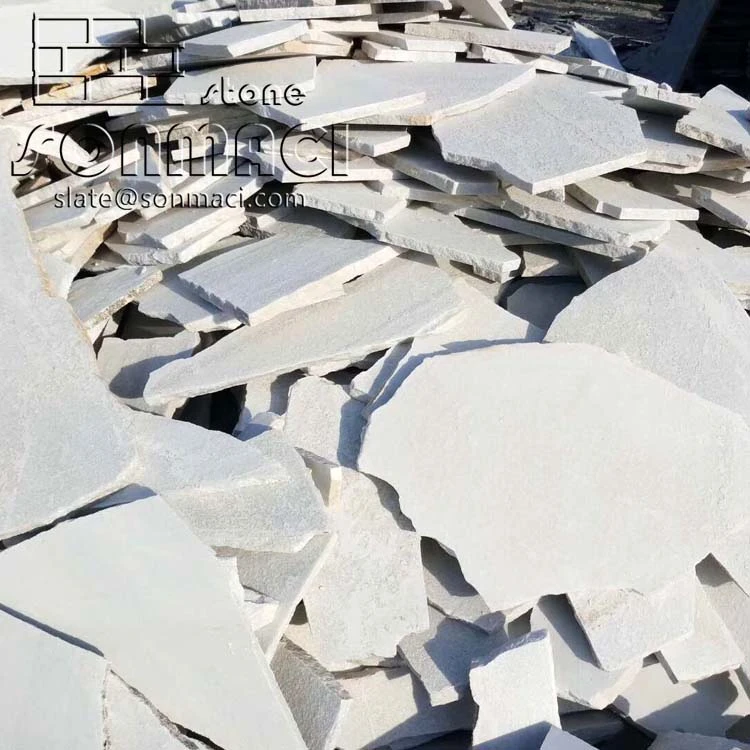
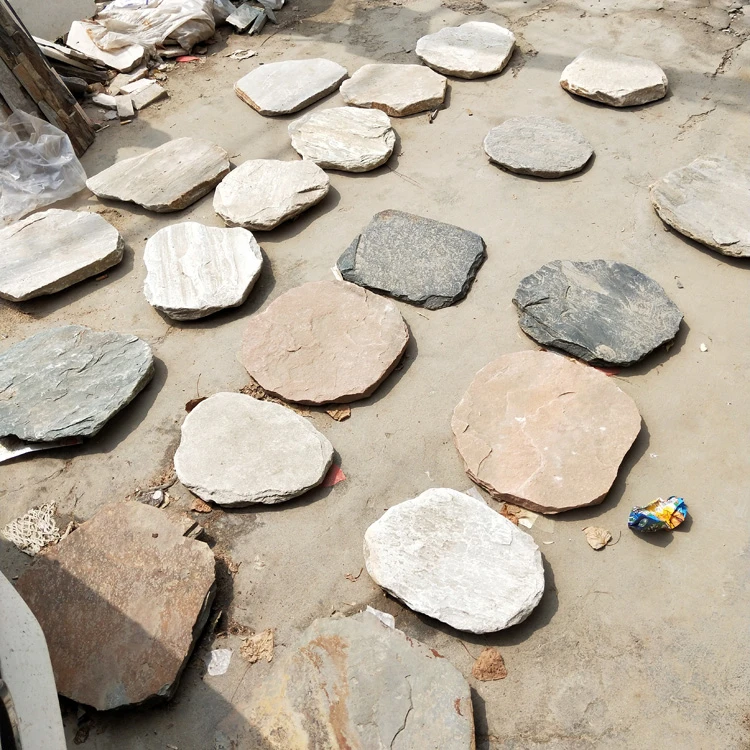
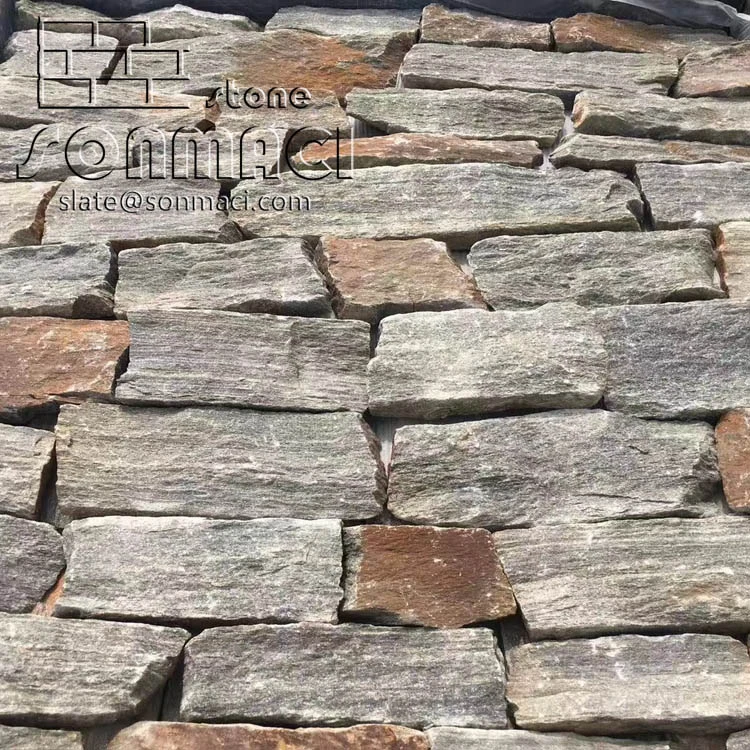
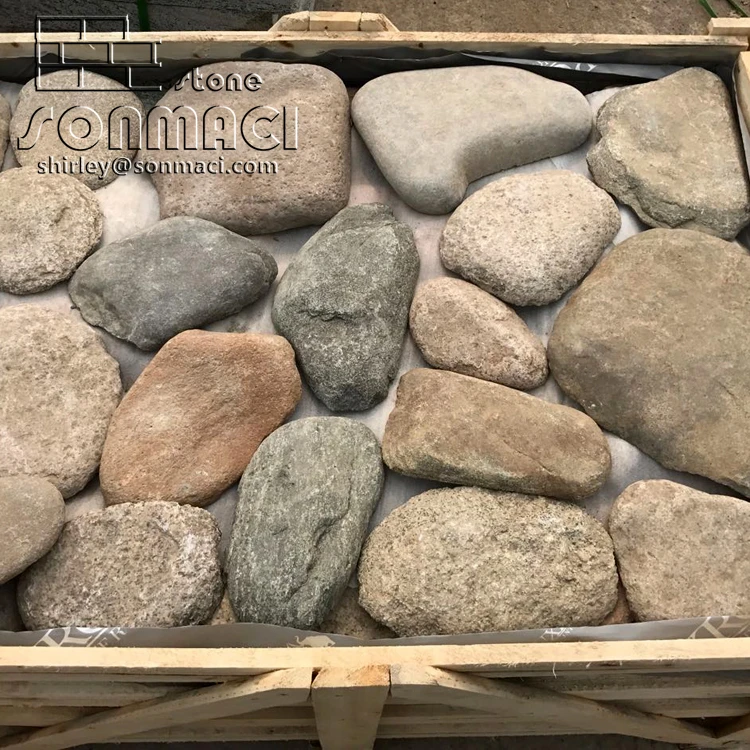
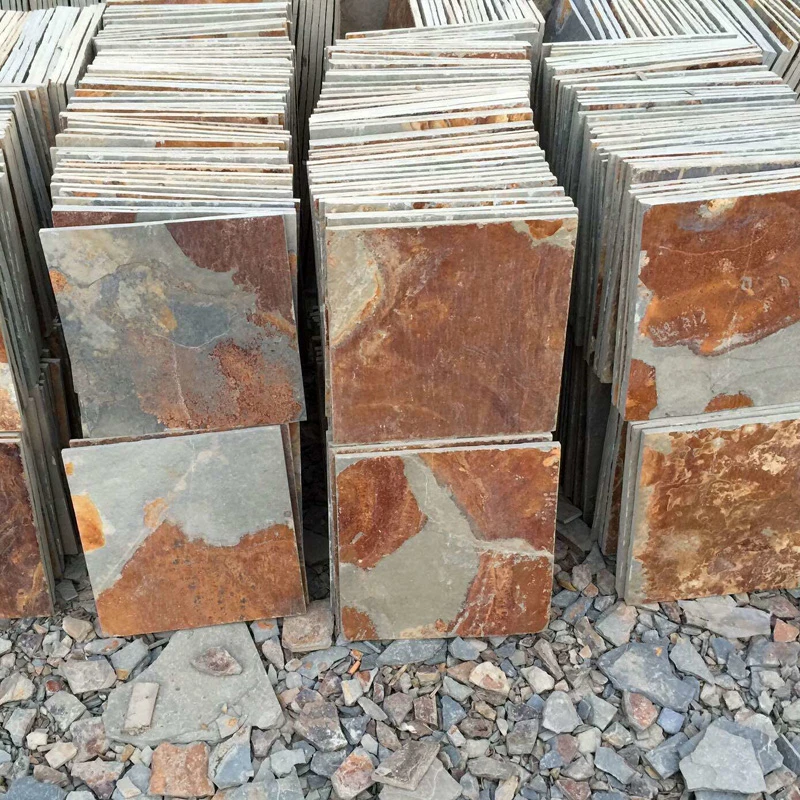
| Material Types | Natural Stone (Slate, Granite, Quartzite), Manufactured Stone (Concrete-based, Recycled Content) |
| Thickness | 1 to 2 inches (25–50 mm) |
| Weight | 10–15 lbs per sq ft (48–73 kg per sq m) |
| Fire Resistance | Class A (per ASTM E84) |
| Thermal Properties | Improves insulation, reduces thermal bridging |
| Installation Methods | Adhesive application, mechanical anchoring, or combination |
Vendors Compared: Choosing the Best Architectural Stone Veneer Supplier
| Vendor | Material Range | Environmental Standards | Lead Time | Customer Support |
|---|---|---|---|---|
| StoneCraft Industries | Natural & Manufactured | ISO 14001 Certified | 3-5 weeks | 24/7 Technical Support |
| GreenStone Facades | Mostly Manufactured (Recycled content) | LEED Accredited | 4-6 weeks | Design Consultation |
| EcoStone Co. | Natural Stone Only | Sustainable Quarrying Practices | 2-3 weeks | Project Management Support |
Why Choose Architectural Stone Veneer? Benefits That Stick Around
In cost terms alone, veneer reduces both material and labor expenses — a fact many construction managers appreciate amid tight budgets. But the benefits don’t stop at economics.
Sustainability is increasingly urgent. Many engineered stone veneers incorporate recycled materials, and their lightweight nature means less fuel consumption during transport. They also help buildings maintain temperature more efficiently, indirectly trimming energy bills and reducing greenhouse gas emissions.
On the social front, veneer’s beauty and durability enhance a building’s perceived value and community acceptance — whether it’s a local library, school, or office block. Safety wise, Class A fire resistance ratings and moisture control improve occupant trust, especially in mixed-use urban developments.
Emotionally, there’s something restorative about natural stone aesthetics that’s hard to replicate with synthetic cladding. It connects occupants to history, craftsmanship, and environment — little things that matter when people live and work inside buildings every day.
The Future: What’s Next for Architectural Stone Veneer?
Innovation keeps knocking. We’re seeing smart veneers embedded with sensors to monitor structural health and weather effects. Advances in 3D printing and digital stone texturing let designers achieve artisanal looks with less waste. Bio-based binders and greener manufacturing pathways are reducing environmental footprints.
Plus, as global building codes demand more green credentials, stone veneer products adapt — improving insulation properties, fire retardance, and installation speed. One day, maybe we'll have “living” veneers that also regulate humidity or passively cleanse the air.
Challenges and How the Industry Is Tackling Them
Despite great strides, two big challenges persist:
- Cost and availability: Although cheaper than full stone walls, veneer can still be pricier than some synthetic cladding options. Efforts to scale manufacturing and use regional materials help lower barriers.
- Installation quality: Improper installation can lead to water infiltration or detachment. Increasing installer training and certification climbs this learning curve.
Furthermore, transportation logistics remain tricky, especially in remote areas. New modular packaging and local fabrication hubs answer some of these hurdles.
FAQ: Your Architectural Stone Veneer Questions Answered
- Is architectural stone veneer suitable for earthquake-prone areas?
- Absolutely. Veneer’s lightweight feature reduces load on structural frames compared to traditional stone, making it safer during seismic events when properly installed with flexible anchoring systems.
- How long does stone veneer typically last?
- With correct installation and maintenance, veneers can easily last 30 to 50 years — some natural stone veneers even longer — retaining their aesthetic and functional qualities over decades.
- Can I use stone veneer for interior walls?
- Yes! Interior applications are popular for accent walls, fireplaces, and even commercial lobbies, adding texture and natural appeal indoors without heavy structural concerns.
- How eco-friendly is manufactured stone veneer?
- Many manufacturers now incorporate recycled content, reducing landfill waste and energy use. When paired with durability and insulation benefits, veneer becomes a compelling green choice.
- Are there size or design limitations with architectural stone veneer?
- Stone veneer is highly customizable, but extremely large stone pieces are less common since veneers are thin by design. Nevertheless, patterns and finishes allow pretty much endless styling possibilities.
Wrapping Up: The Enduring Appeal of Architectural Stone Veneer
Architectural stone veneer is more than "just a facade." It’s a versatile, sustainable, and visually compelling material that helps architects balance beauty and function in a world demanding smarter construction. Whether you’re working on a commercial office, an eco-conscious home, or a critical rebuild project, veneer offers a neat package that ticks many boxes.
If you’re ready to explore the breadth of options — from natural stone elegance to cutting-edge manufactured solutions — visit our website and dive deeper into how architectural stone veneer can elevate your next project.
After all, building better isn’t just about what’s inside, but how you show it off to the world.