Stone Veneer Retaining Wall Solutions: Durable, Sustainable & Beautiful
Understanding Stone Veneer Retaining Walls: Why They Matter Globally
Stone veneer retaining walls have quietly become a staple in both modern infrastructure and landscape architecture worldwide. Fundamentally, these walls are about more than just holding back soil — they represent a balance between aesthetics, structural integrity, and environmental sensitivity. As cities expand and terrain challenges increase, using stone veneer retaining walls efficiently isn't a minor detail; it transforms how we build resilient foundations that last. Understanding what makes stone veneer retaining walls special matters on a global scale, especially as urban areas seek sustainable, versatile solutions that blend technical durability with natural beauty.
A Global Look: The Broader Context of Stone Veneer Retaining Walls
According to the United Nations' Habitat Programme, nearly 55% of the world's population lives in urban areas today, expected to rise to 68% by 2050.1 This rapid urbanization often means building on challenging slopes or unstable soil. In these cases, stone veneer retaining walls become pivotal, protecting infrastructure from erosion and landslides. The World Bank’s reports on infrastructure emphasize the growing need for cost-effective yet long-lasting retaining structures, especially in developing regions where climate change exacerbates soil degradation.2 So, while these walls may seem purely aesthetic or niche, they play a real role in addressing worldwide construction and environmental resilience challenges.
Mini takeaway: As global urban areas expand and face natural challenges, stone veneer retaining walls provide a practical, beautiful way to tackle soil and slope stability issues.
The Basics: What Exactly Is a Stone Veneer Retaining Wall?
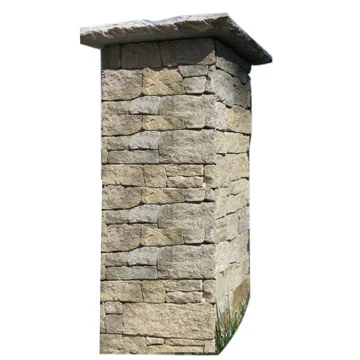
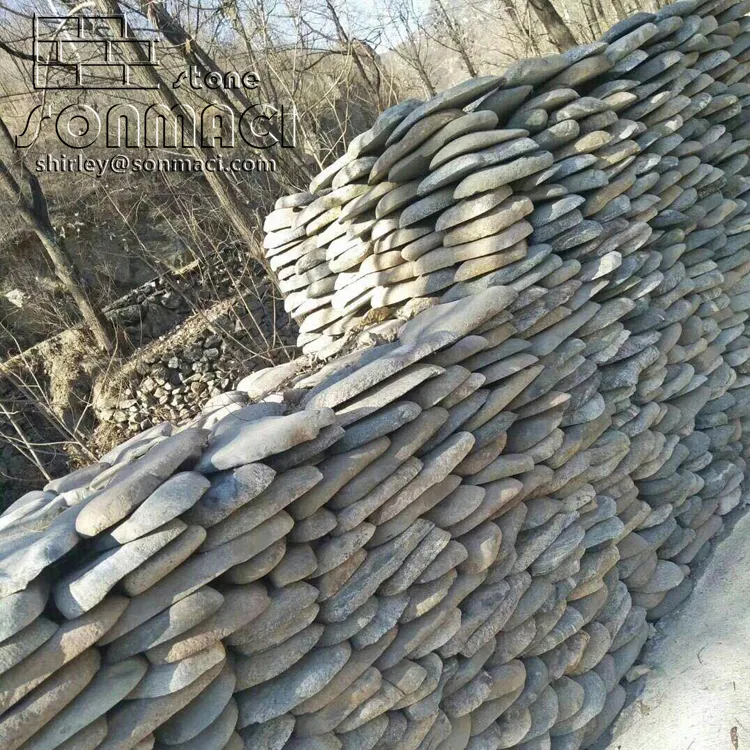
Simply put, a stone veneer retaining wall is a structure designed to hold back soil or earth using a core structural wall clad on the exterior with thin layers of natural or manufactured stone. The veneer doesn't bear the load—that's the job of the internal material, often concrete or masonry—which means you get the rugged look of stone with a more controlled engineering core. It’s like wearing armor — it looks solid on the outside but is actually supported by something equally robust underneath.
This concept has found solid footing in industries ranging from civil engineering to residential landscaping. For NGOs working in humanitarian relief, for instance, stone veneer retaining walls offer a stable, durable solution to protect makeshift roads or temporary camps on difficult terrain.
Key Components and Factors Behind Effective Stone Veneer Retaining Walls
1. Durability and Strength
The core structural element (usually reinforced concrete) must withstand soil pressure, hydrostatic forces, and weathering. The veneer layer meanwhile serves as protection against moisture intrusion and physical impact — kind of a double-layered defense.
2. Aesthetic Flexibility
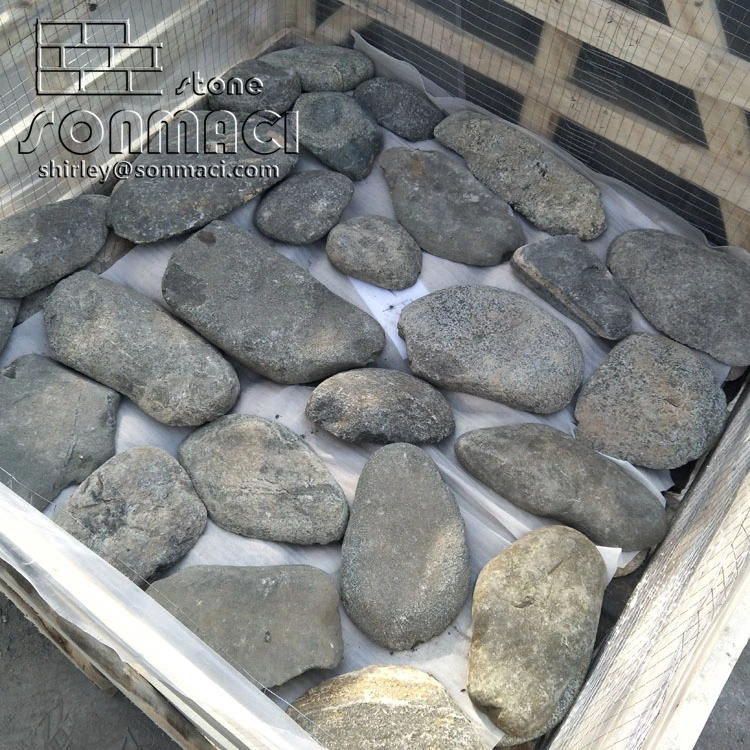
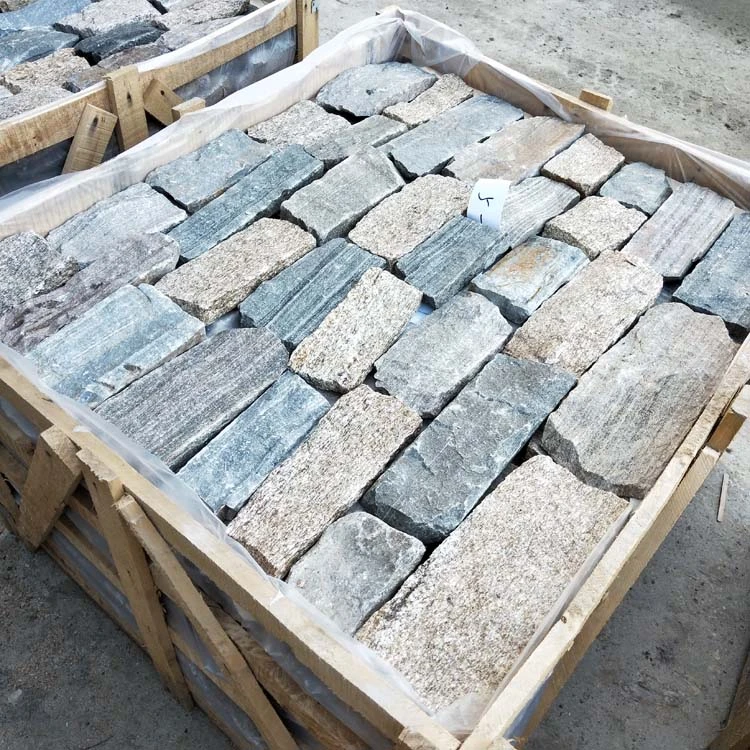
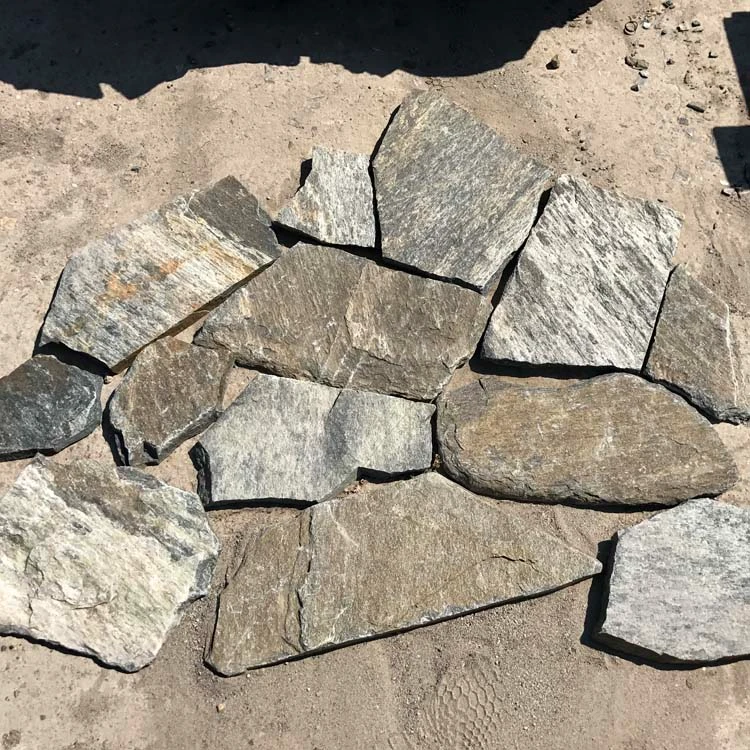
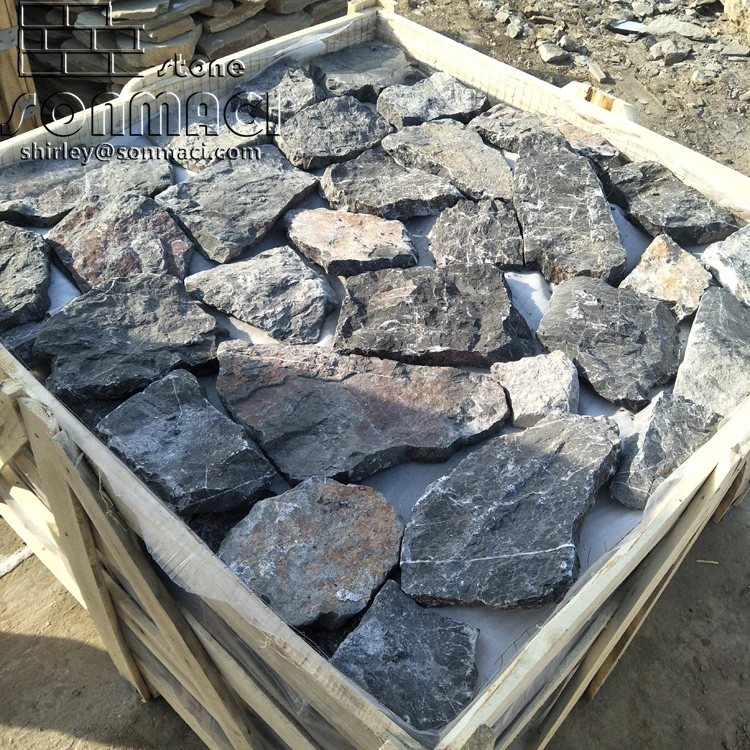
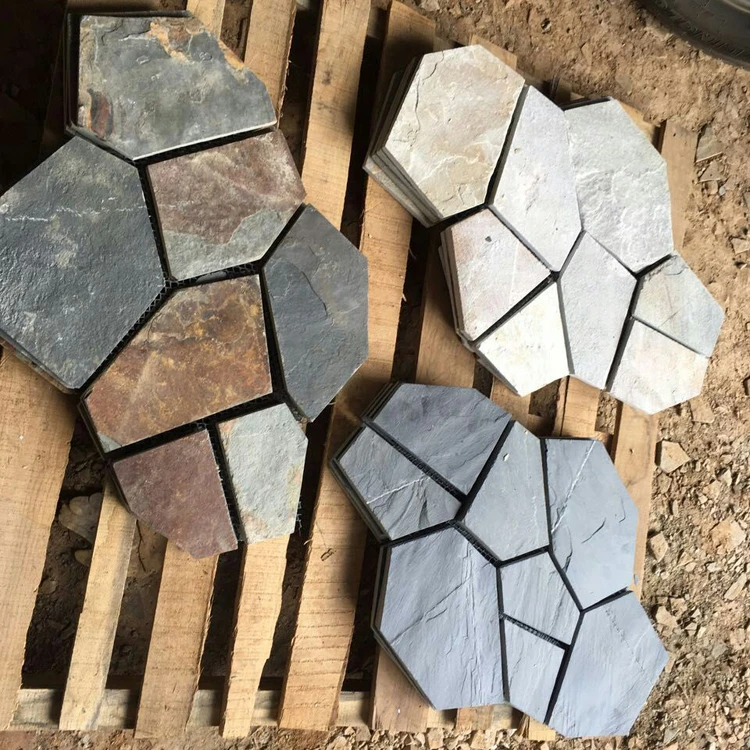
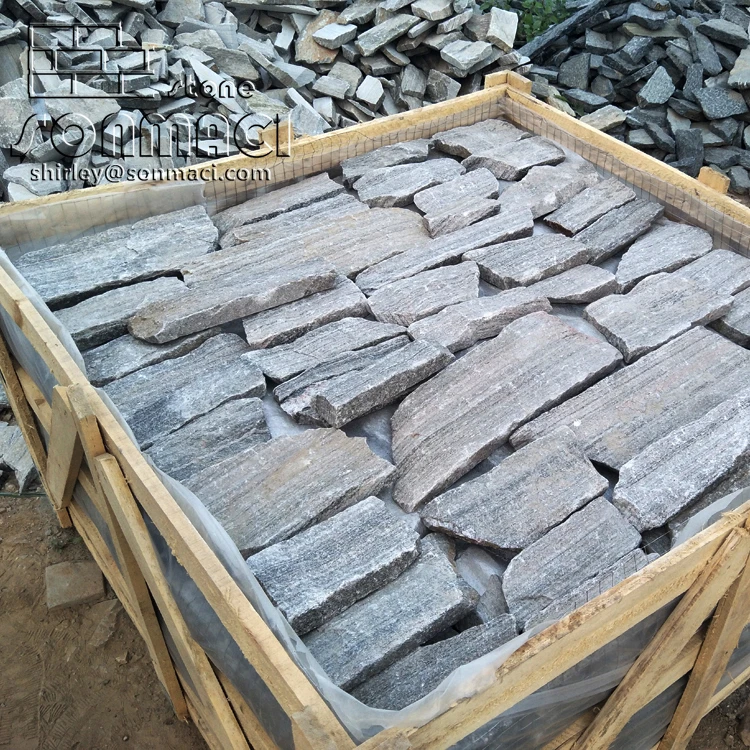
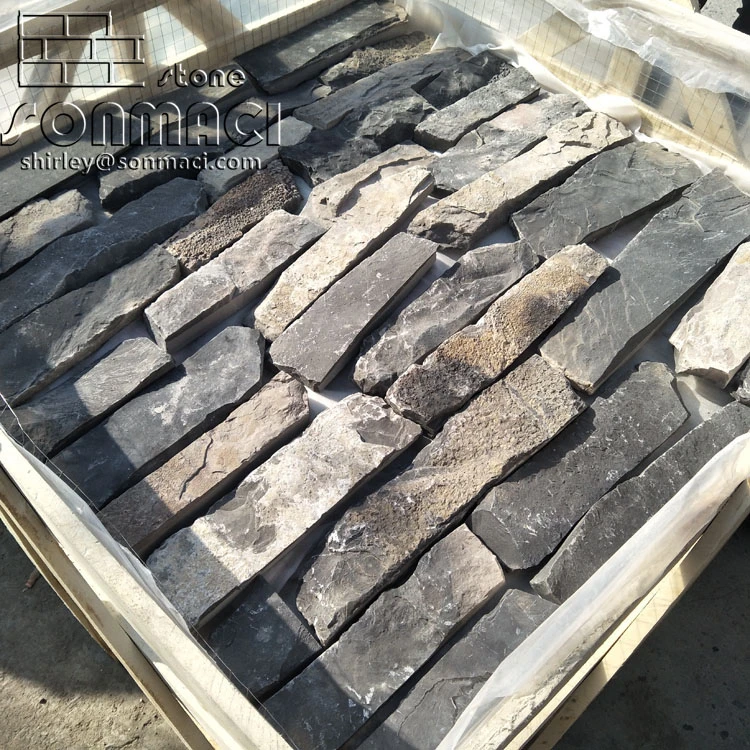
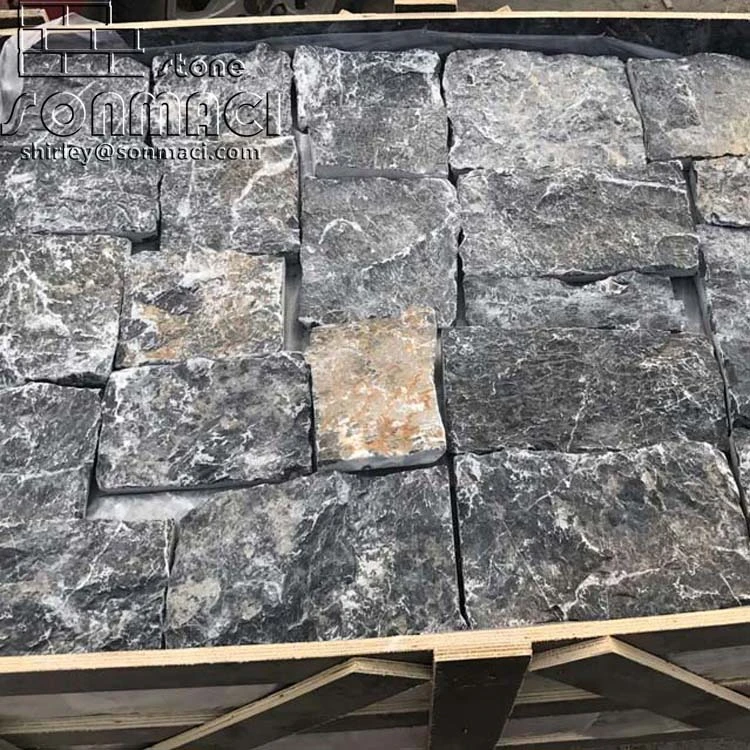
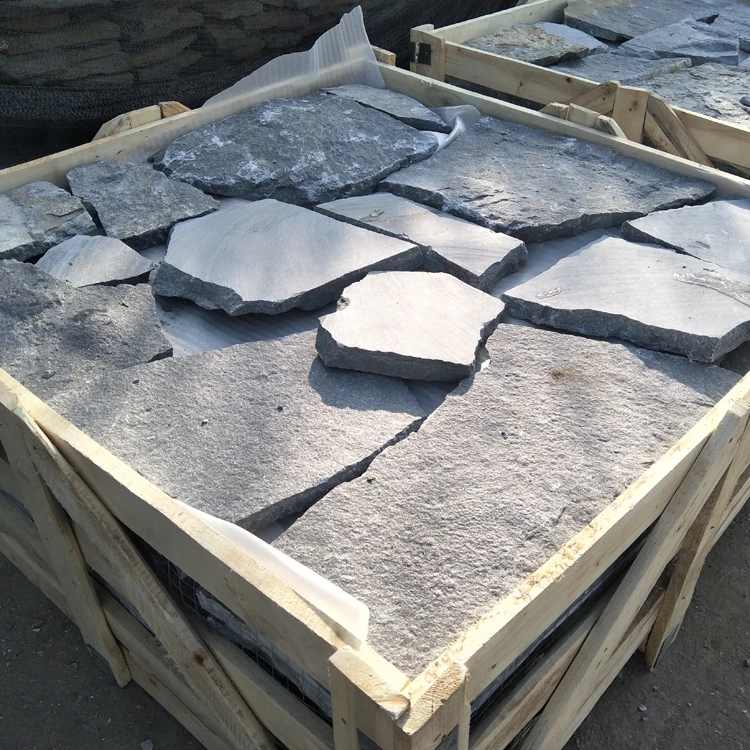
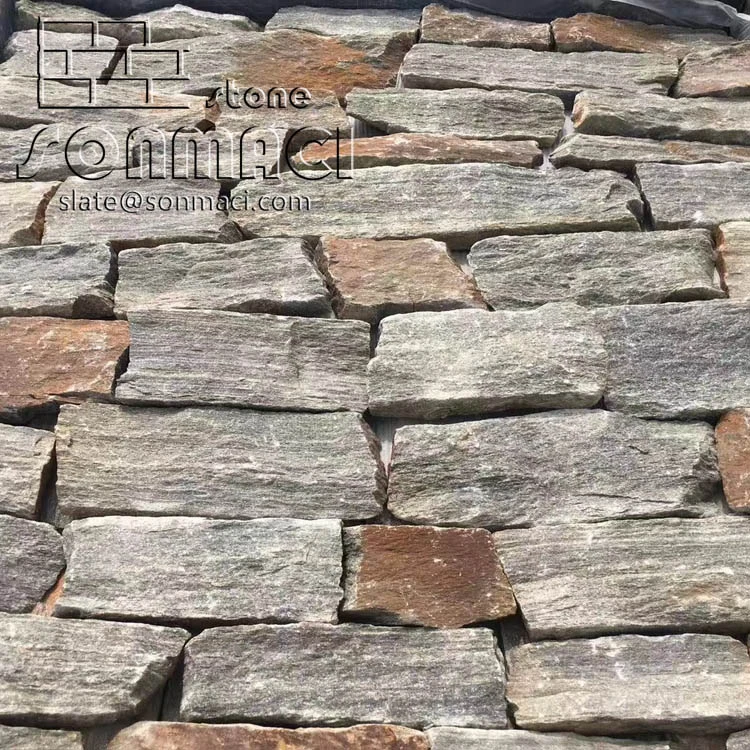
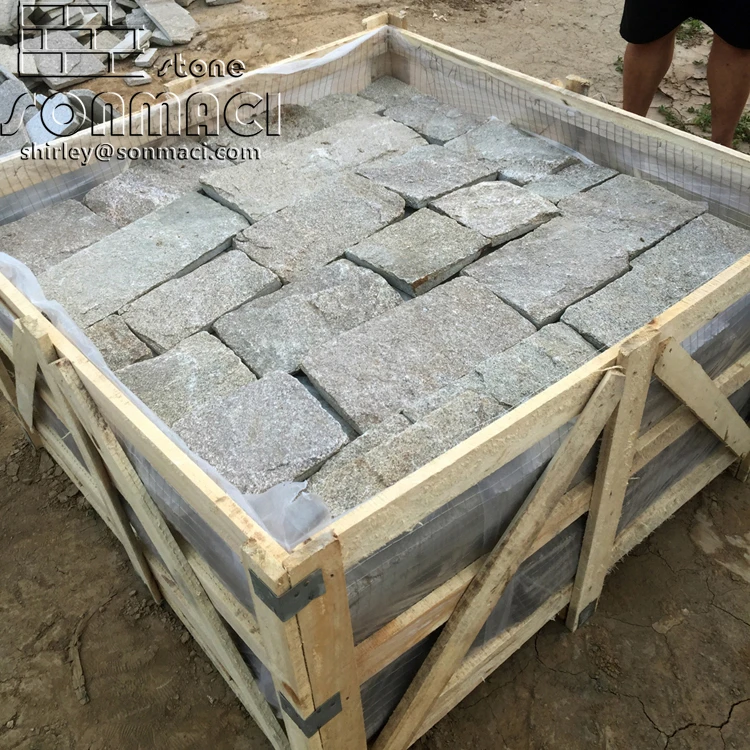
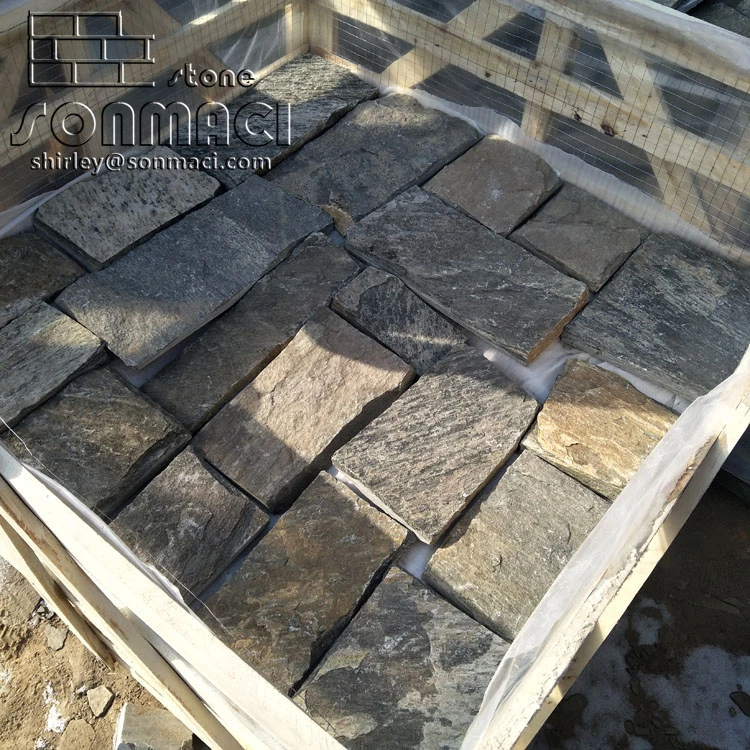
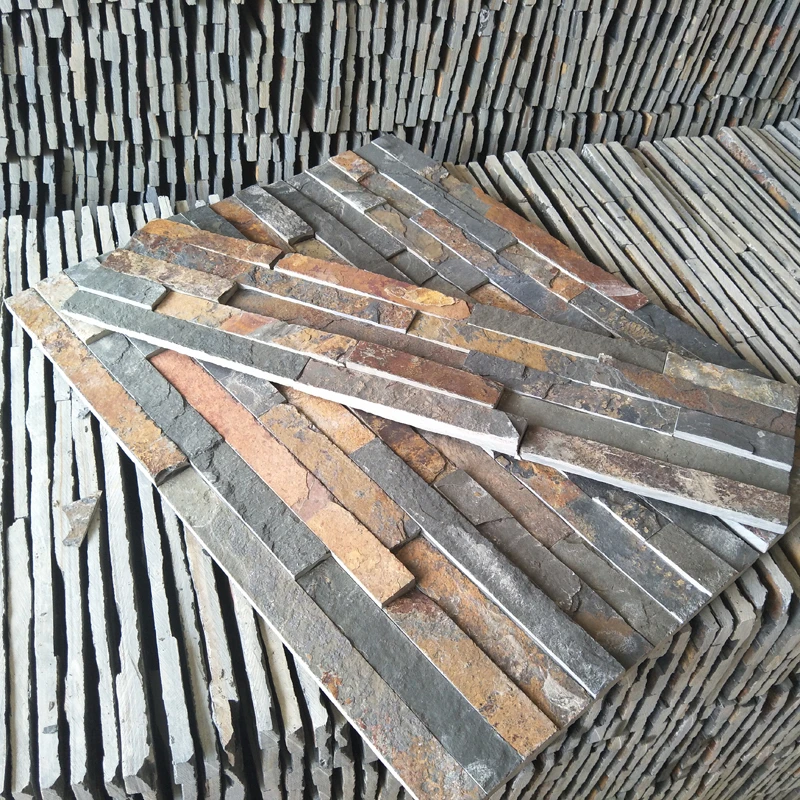
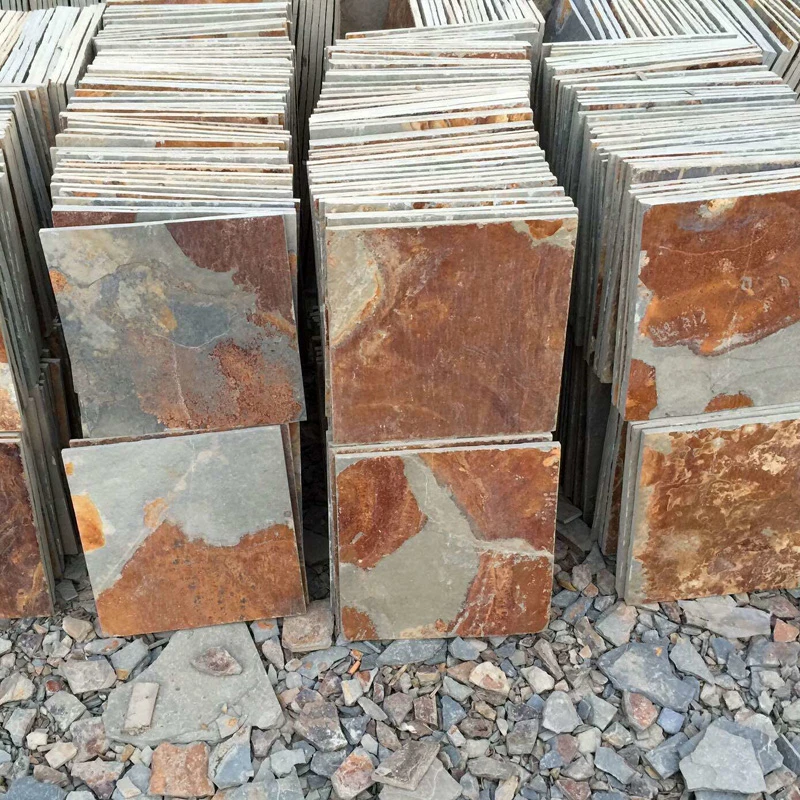
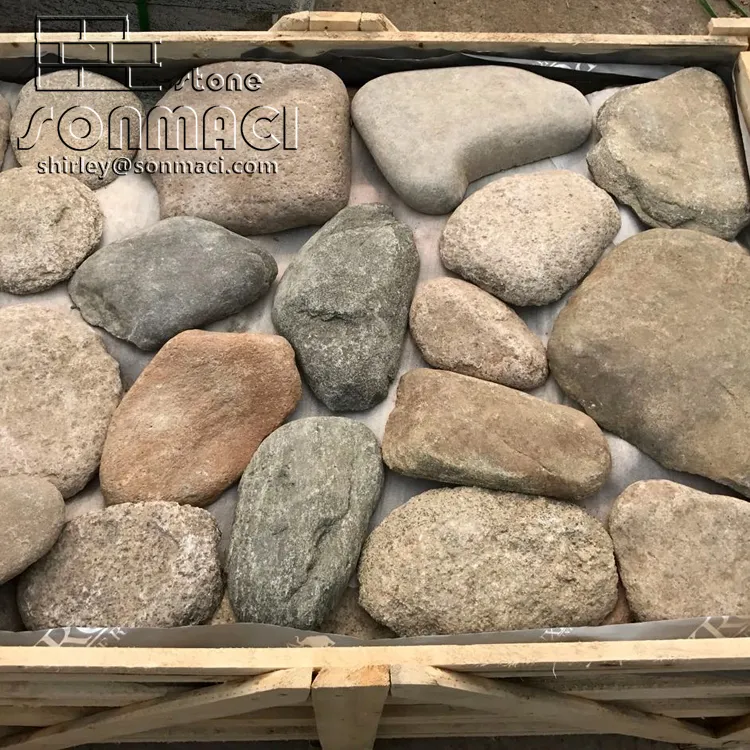
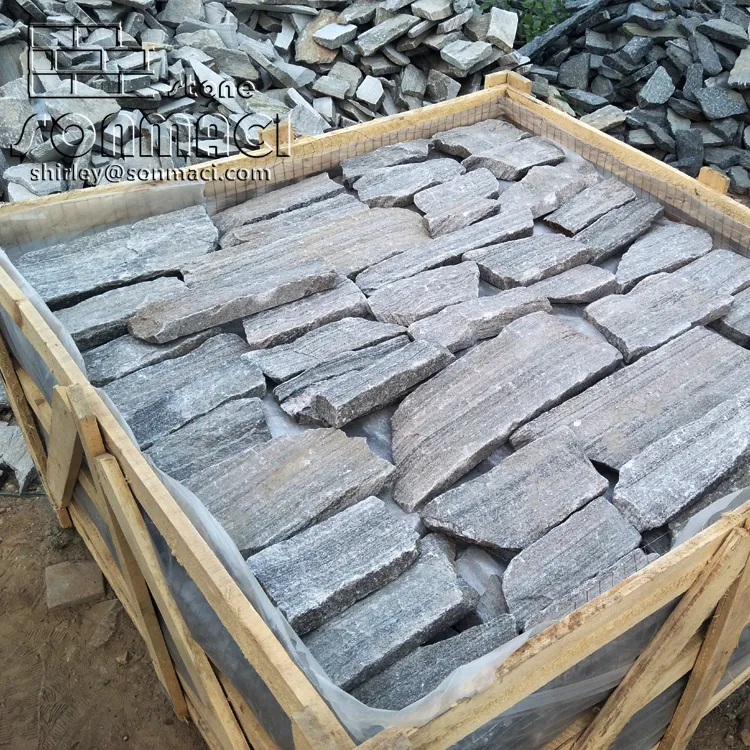
Stone veneers come in many colors, patterns, and types — from limestone to quartzite. This makes them perfect for customized designs that seamlessly blend into local landscapes or urban settings, a factor often overlooked but important in community acceptance.
3. Cost Efficiency
Compared to full stone-block walls, veneers reduce material costs and construction time. They also lower transportation expenses since veneer slabs are thinner and lighter.
4. Environmental Impact and Sustainability
Many manufacturers now source natural stone responsibly or even produce faux stone veneers made from recycled materials, minimizing ecological footprints. This aligns well with green building certifications.
5. Scalability and Adaptability
These walls can be scaled easily — from small garden terraces to massive highway embankments — making them highly adaptable across sectors.
Mini takeaway: The power of stone veneer retaining walls lies in their balance of strength, design, economy, and eco-friendliness — all crucial for modern projects.
Global Applications and Real-World Use Cases
In mountainous regions like the Andes or Himalayas, stone veneer retaining walls help prevent landslides, ensuring the safety of rural communities. Urban planners in Europe and North America use them to beautify parks and hiking trails while stabilizing soil. Moreover, in post-disaster relief efforts (think earthquakes or floods), these walls provide quick, reliable support for reshaped landscapes.
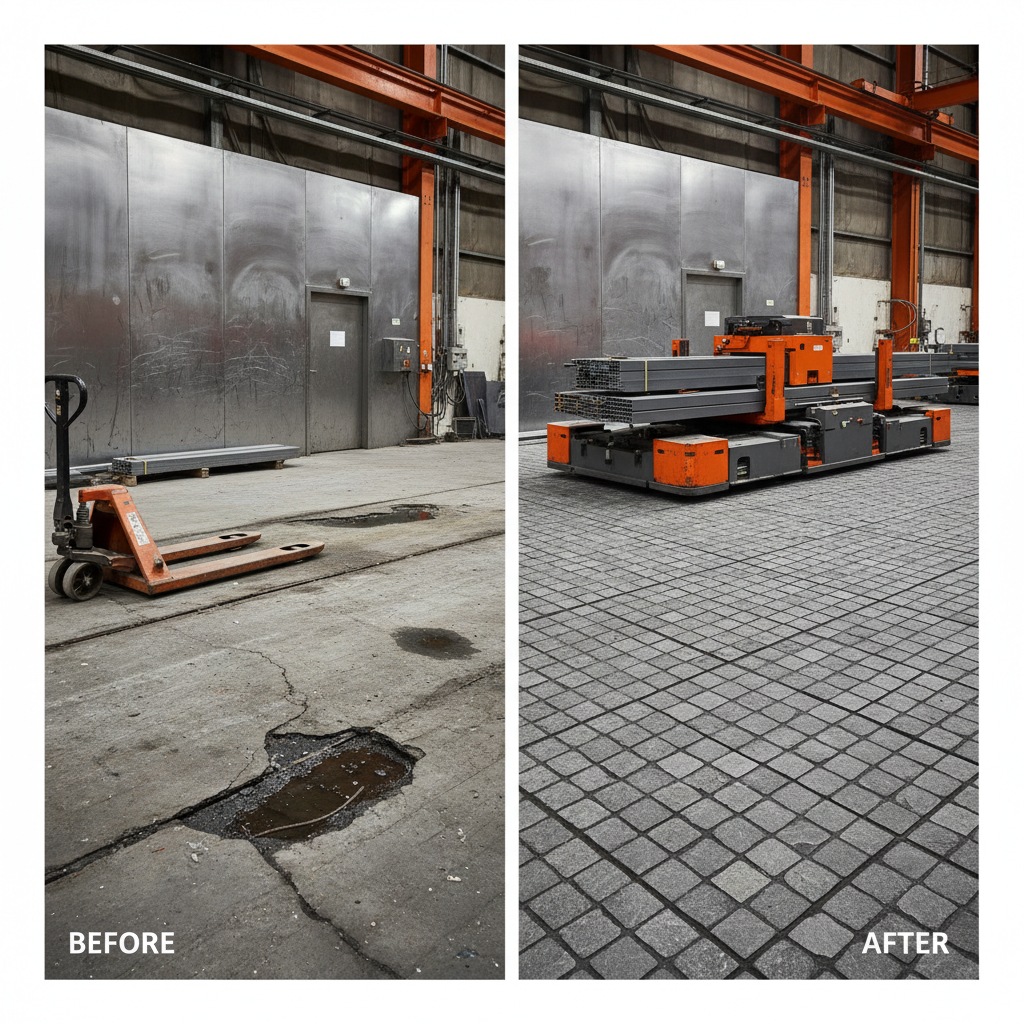
Industrial parks in places such as the Middle East and Southeast Asia also rely on these walls for their combination of durability and low maintenance—important where harsh climates accelerate wear.
Quick Specification Table for Typical Stone Veneer Retaining Walls
| Specification | Details |
|---|---|
| Veneer Material | Natural stone (granite, limestone) or manufactured stone |
| Core Wall Material | Reinforced concrete or CMU (concrete masonry units) |
| Wall Height Range | 0.5 meters up to 6 meters or more |
| Typical Wall Thickness | 15–30 cm (varies by load requirements) |
| Expected Lifespan | 30–50 years (can be longer with maintenance) |
Comparing Leading Vendors of Stone Veneer Retaining Wall Solutions
| Vendor | Material Quality | Customization Options | Price Range | Warranty |
|---|---|---|---|---|
| StoneMaci Stone | Premium Natural & Engineered Veneers | High — Custom colors & finishes | $$$ | 10 years (substrate & veneer) |
| Global Stoneworks | Mostly Natural Stone | Medium — Pre-set styles | $$ | 7 years |
| EcoStone Innovations | Manufactured Stone (Recycled Materials) | Low — Standard colors only | $ | 5 years |
Advantages of Using Stone Veneer Retaining Walls
- Cost-Effective Yet Durable: Lower material and installation costs than solid stone with long-lasting performance.
- Environmentally Friendly: Uses natural or recycled materials that reduce carbon footprint.
- Aesthetic Appeal: Makes industrial or urban settings feel more natural and inviting.
- Mitigates Soil Erosion: Critical in protecting infrastructure from climate-change-induced terrain instability.
- Emotional Safety & Dignity: When communities see stable, lasting infrastructure, it boosts feelings of security and pride.
Emerging Trends and Innovations in Stone Veneer Retaining Walls
As technology advances, we’re seeing composite veneer panels that incorporate digital printing for ultra-realistic patterns and hidden moisture barriers beneath the stone. Innovations in modular construction allow pre-fabricated panels for faster site assembly, which is a game changer on tight urban projects. Also, sustainability is pushing manufacturers toward low-embodied energy materials and the integration of green walls atop retaining structures.
Common Challenges and How Experts Solve Them
One sticking point is moisture infiltration behind the veneer that can degrade the foundation over time. Modern designs now include advanced drainage mats and sealants to prevent this. Another issue is the mismatch of thermal expansion between veneer and substrate, for which flexible adhesives are used. Also, some regions face supply constraints for high-quality stone—here, faux stone veneers or local stone sourcing reduce costs and environmental impact.
Frequently Asked Questions About Stone Veneer Retaining Walls
1. How long does a stone veneer retaining wall typically last?
With proper construction and maintenance, these walls generally last 30 to 50 years. The veneer itself is durable, but the core structure’s integrity—and good drainage—are critical to lifespan.
2. Is a stone veneer retaining wall suitable for steep slopes?
Absolutely. Stone veneer walls are designed to retain soil on slopes ranging from mild to steep. Structural engineering ensures stability, but for very steep areas, additional reinforcement may be needed.
3. Can I customize the look of my stone veneer retaining wall?
Yes! One of the biggest advantages is the variety of stone types, colors, and cutting styles available. Vendors like StoneMaci Stone offer high customization.
4. What are common maintenance tasks?
Regular inspections for cracks, ensuring proper drainage to avoid water buildup, and occasional cleaning to prevent moss buildup keep walls looking great and functioning well.
5. Are stone veneer retaining walls environmentally sustainable?
Many modern veneers come from responsibly quarried stone or recycled content, drastically reducing environmental impact compared to solid stone walls. This aligns well with global sustainability goals.
Wrapping Up: Why Stone Veneer Retaining Walls Make Sense Long Term
From a practical standpoint, stone veneer retaining walls meet the ever-growing need for durable, cost-effective, and attractive soil stabilization solutions worldwide. Their blend of strength and style delivers safety without sacrificing beauty — which I suppose is the best kind of engineering in real terms. Whether you’re an urban planner, builder, or community advocate, embracing these walls not only solves immediate engineering problems but also adds long-lasting value.
Curious and want to explore top-quality options? Visit stone veneer retaining wall specialists like StoneMaci Stone to see how your next project could benefit.