Expert Guide to Installing Stacked Stone Around Fireplace | Sonmaci Stone
Installing stacked stone around the fireplace: a practical guide
Having spent years in the industrial equipment sector, I’ve come to appreciate how the right materials can transform a space—both functionally and aesthetically. When it comes to fireplaces, using stacked stone has a certain charm that’s hard to beat. Oddly enough, it’s not just about looks; the installation process, product quality, and even how the stone is tested for durability really influence the end result.
Over time, I noticed that many homeowners and installers underestimate how critical the substrate preparation and stone selection really are. The beauty of stacked stone lies in its natural texture and robust character. But without the right approach, it can end up looking patchy or worse, lose adhesion prematurely. Frankly, it’s a small detail that sometimes can cause large headaches.
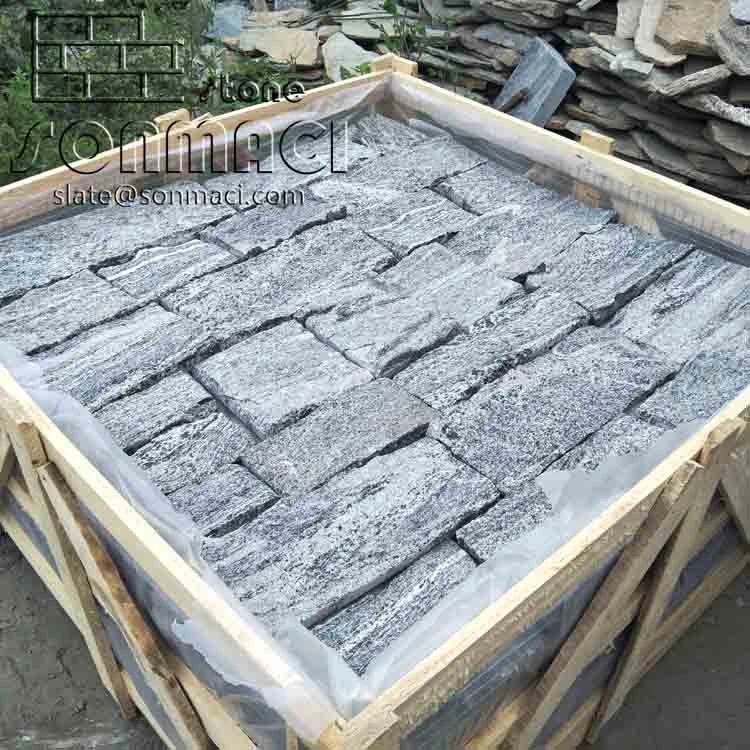
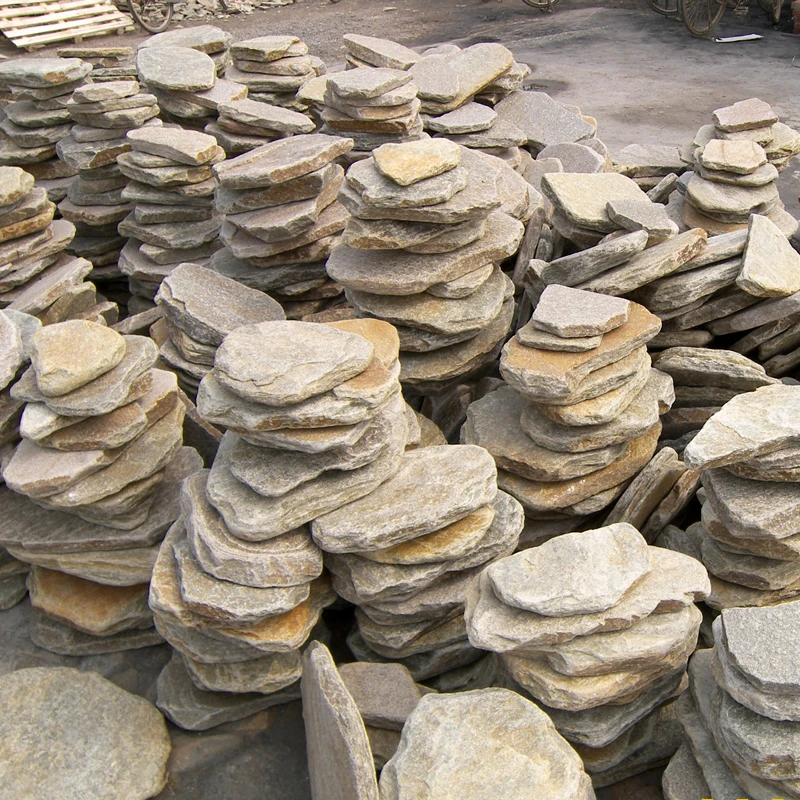
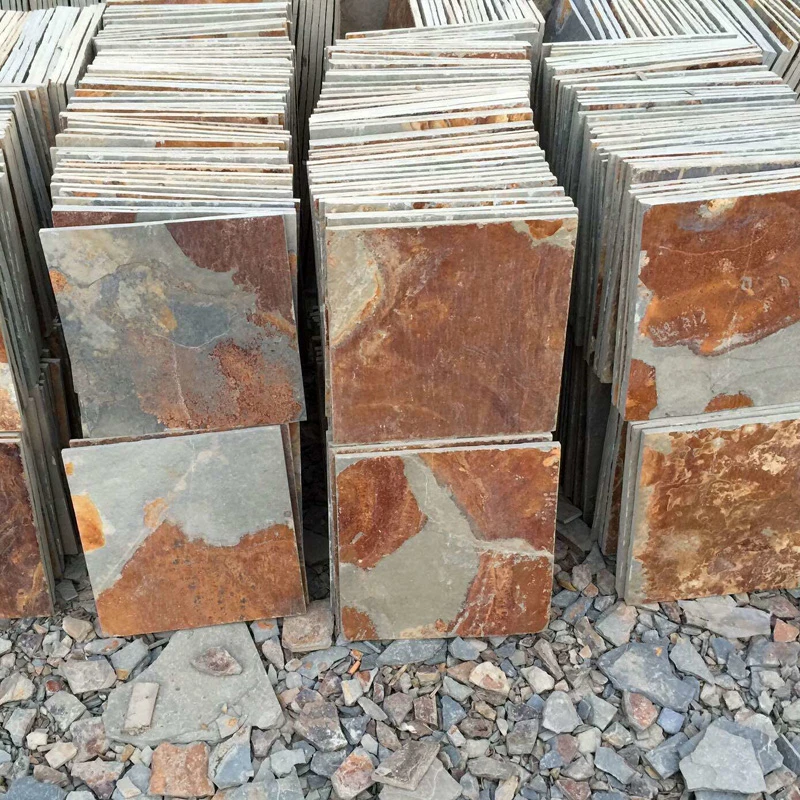
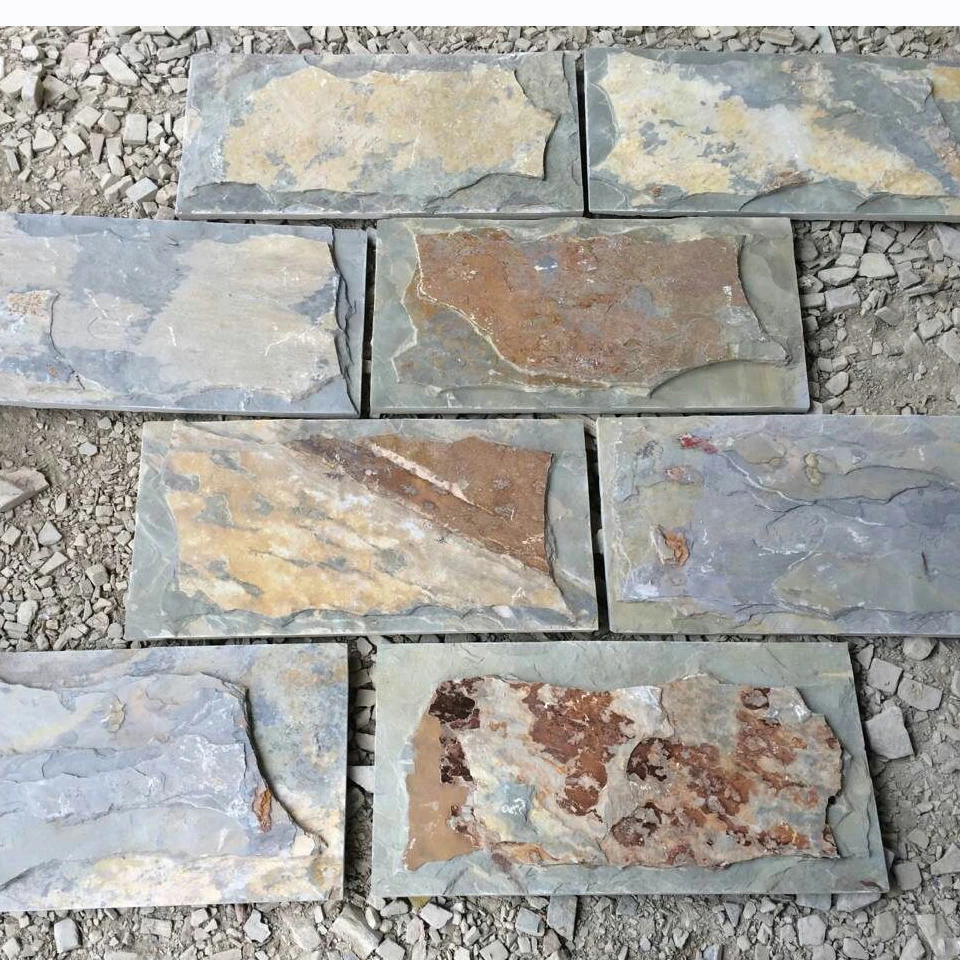
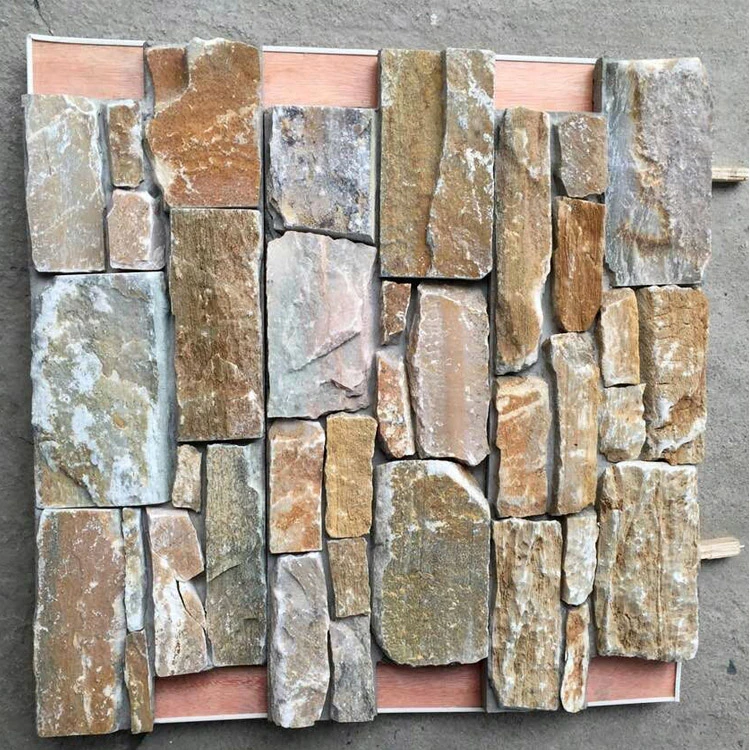
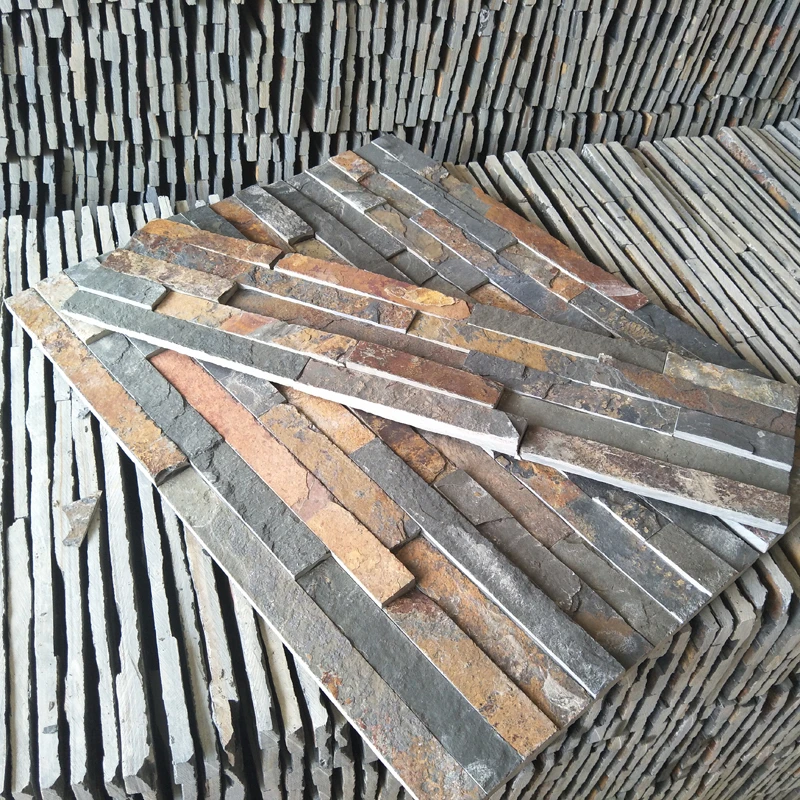
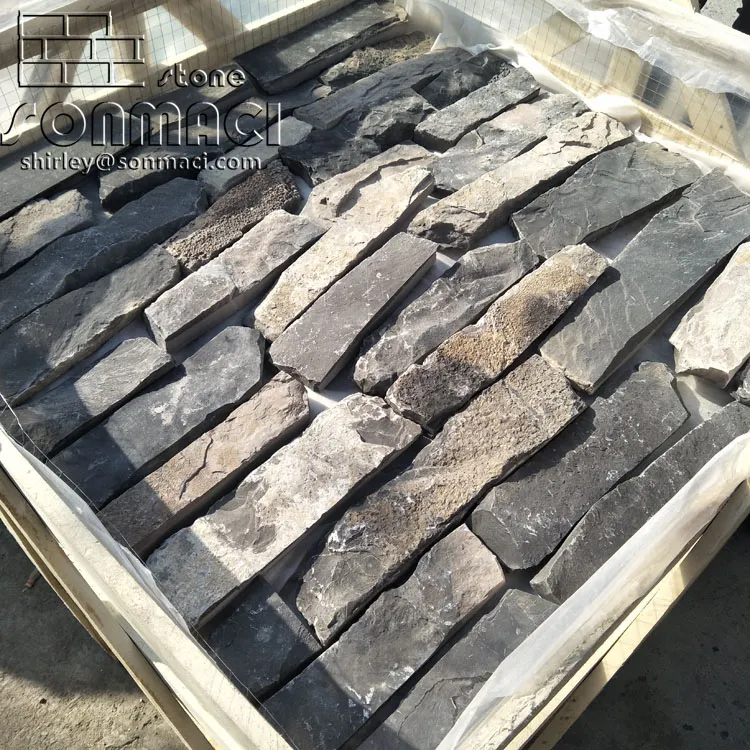
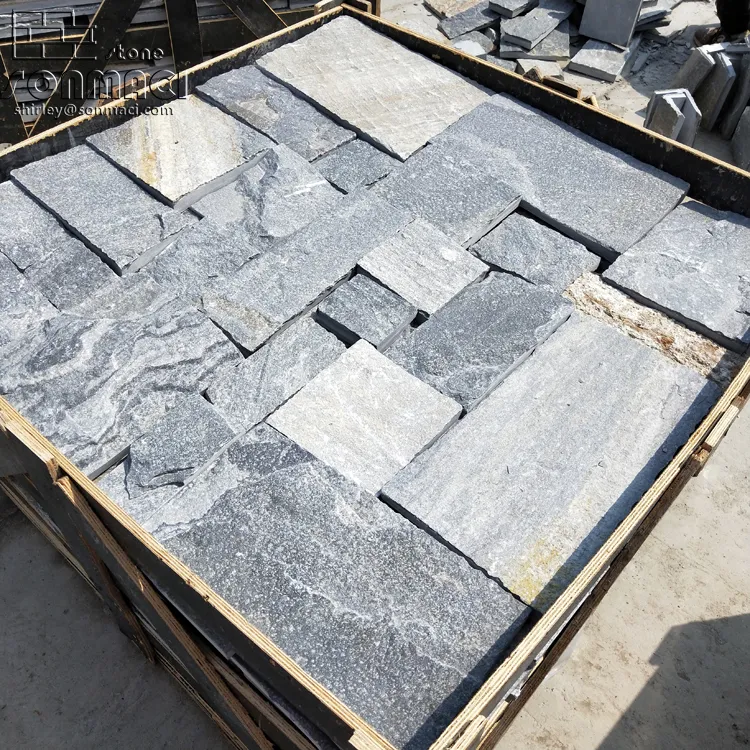
Let’s break down the essential product specs to look for when choosing stacked stone for your fireplace. This kind of stone usually comes pre-cut and sorted, making installation a bit smoother than full-sized slabs that you have to custom-cut on-site.
| Feature | Details |
|---|---|
| Material Type | Natural quartzite, sandstone, or slate |
| Size Range | 4” to 10” in length, thickness 1” to 2” |
| Weight per sq. ft. | 15–20 lbs |
| Installation Method | Mortar with mechanical lath or adhesive |
| Fire Rating | Non-combustible (Class A surface) |
For the uninitiated, the Class A fire rating is something I always highlight. It’s crucial because fireplace materials must endure high temperatures without degrading—and the stacked stone we’re talking about fits that bill perfectly.
Now, on the topic of vendors, I’ve worked alongside several manufacturers of natural stacked stone and frankly, not all are created equal. What separates the dependable from the merely passable? I’d say consistency in product quality, ease of availability, and support during installation matter the most.
| Vendor | Product Variety | Delivery Time | Technical Support |
|---|---|---|---|
| Sonmaci Stone | Wide range of stone types & sizes | 2–3 weeks | Comprehensive, on-call |
| NaturalStack Co. | Limited color options | 4–6 weeks | Email only |
| StoneArt Supplies | Custom cuts available | 1–2 weeks | Limited weekdays support |
I distinctly remember an installation job a couple of years ago for a customer who wanted a bold stacked stone wall around their fireplace. We chose Sonmaci Stone’s quartzite range. Not only was the color and texture spot on, but their technical team helped troubleshoot adhesion issues related to humidity during winter months. That kind of hands-on guidance is invaluable, you know?
Generally, I find that the ease of installation with quality stone saves a lot of future hassle. The key lies in surface prep: ensuring the installation surface is clean, rough enough for mortar bonding, and dry. I’ve watched installers rush these steps only to see stones loosen or develop unsightly gaps later. So don’t cut corners.
One little tip: when stacking stone, stagger joints like brickwork, and use appropriate grout or mortar color to complement the stone. It’s the kind of subtle detail that elevates the entire look. It almost feels like natural artwork rather than a simple wall covering.
In real terms, using stacked stone delivers on both durability and sophistication. If you’re aiming for an inviting fireplace centerpiece, it’s hard to beat the warmth and rustic elegance these stones provide.
At the end of the day, taking time to select the right stone and following proven installation methods makes all the difference. I suppose that’s just the industrial equipment guy in me appreciating the finer details.
References:
- Industry standards for non-combustible materials – NFPA 211
- Sonmaci Stone product and installation guidelines
- Field reports from fireplace installation projects (2018-2023)