Durable & Sustainable Stone for House Construction | Global Insights & Innovations
Understanding Stone for House Construction: Timeless Strength Meets Modern Needs
Stone for house construction isn’t just a throwback to ancient building methods; it’s a practical solution that still resonates globally today. With urban growth booming and sustainability conversations growing louder, knowing how and why stone matters offers valuable insight — not just for architects but for anyone curious about building better, longer-lasting homes.
Why Stone Construction Holds Global Importance
Across continents, from the rugged Scottish Highlands to the sun-beaten villages of Rajasthan, stone remains a pillar of construction. The United Nations notes that millions worldwide still rely on local stone as an affordable, durable building material. As urbanization pushes housing demand beyond 2.4 billion people by 2030 [1], stone's natural availability and longevity present unique opportunities to meet these challenges sustainably.
Yet, problems persist: many regions face economic constraints limiting access to modern construction materials, and environmental considerations raise questions about the carbon footprint of conventional concrete and steel. Here, stone for house construction serves as an elegant counterpoint, balancing tradition with future-friendly vitality.
What Exactly Is Stone for House Construction?
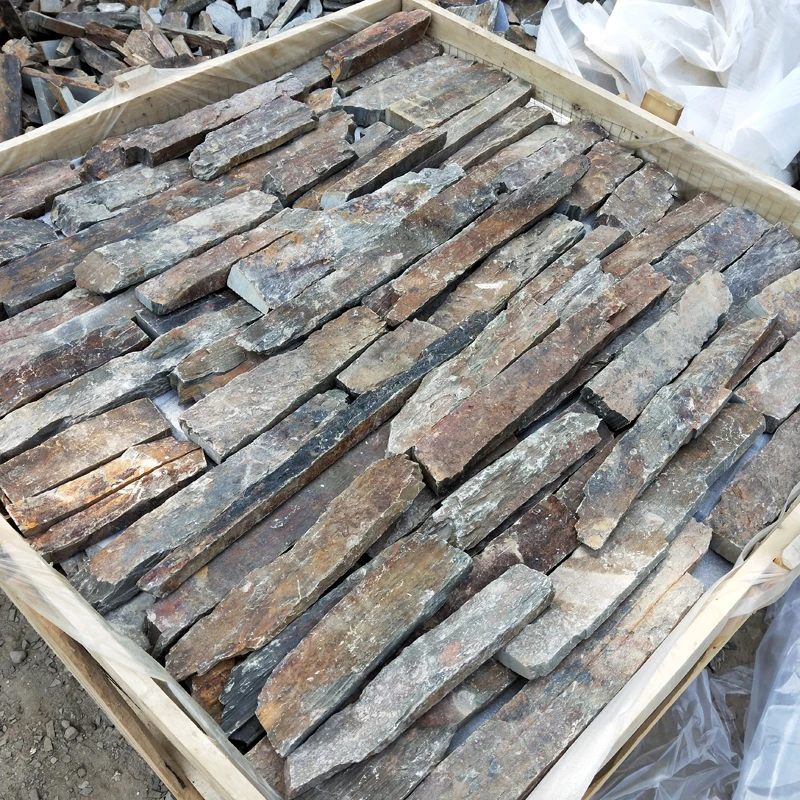
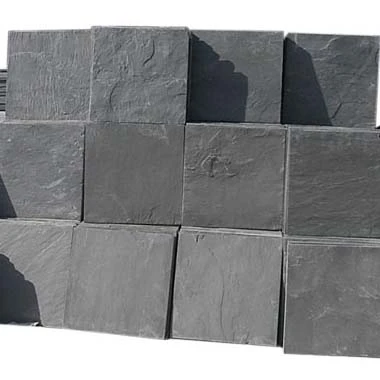
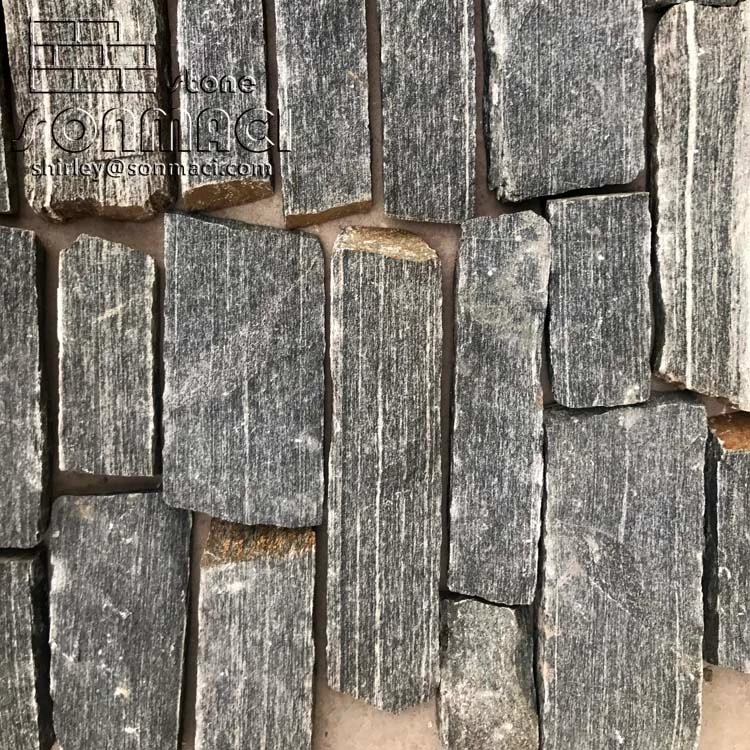
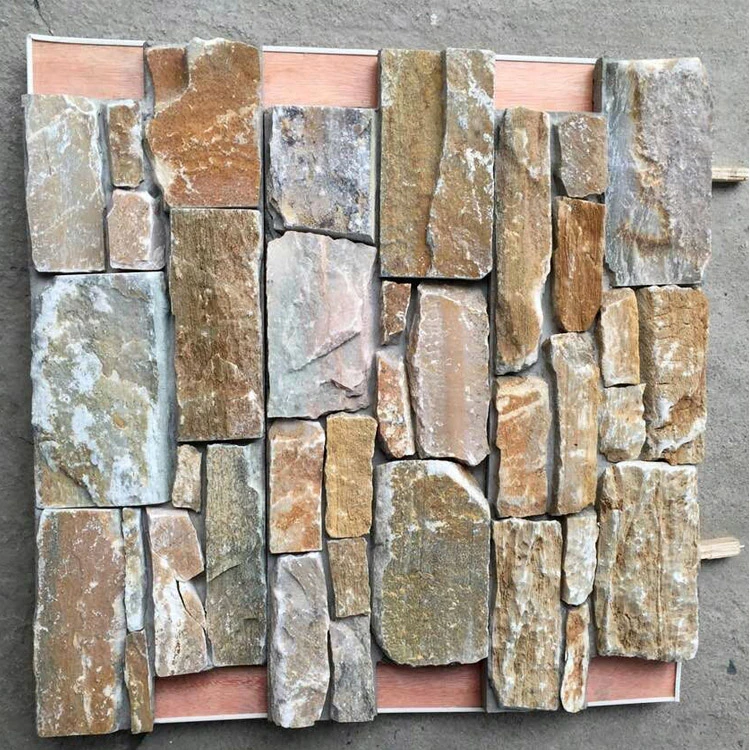
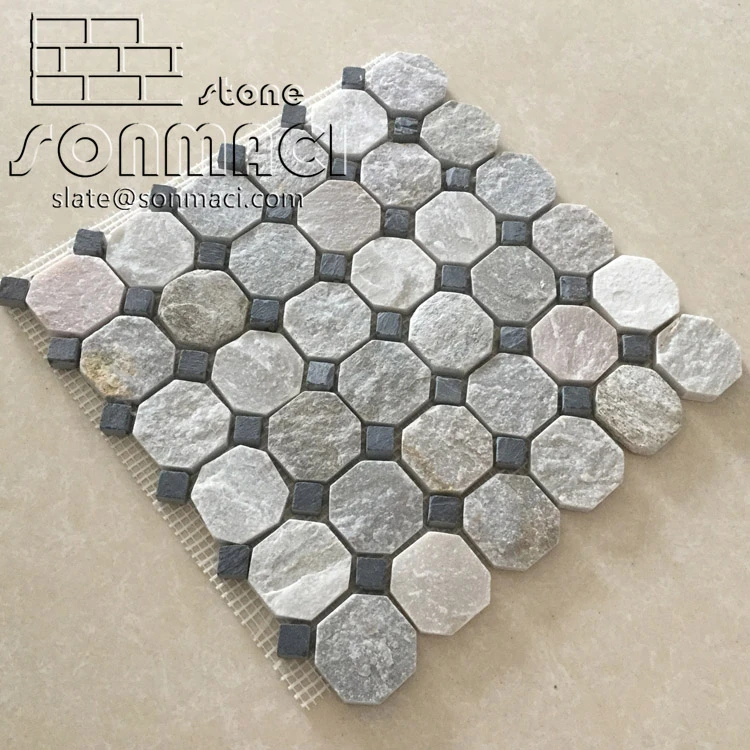
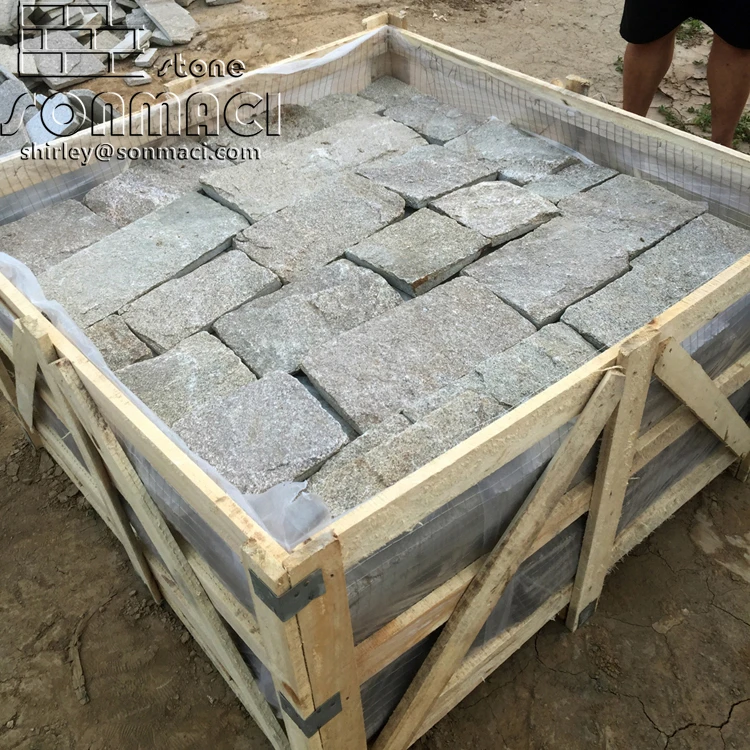
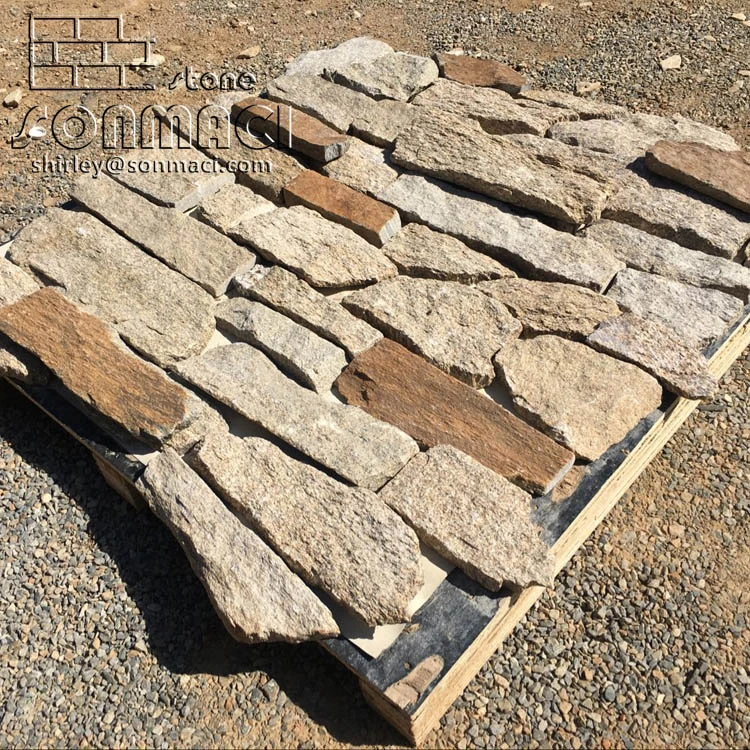
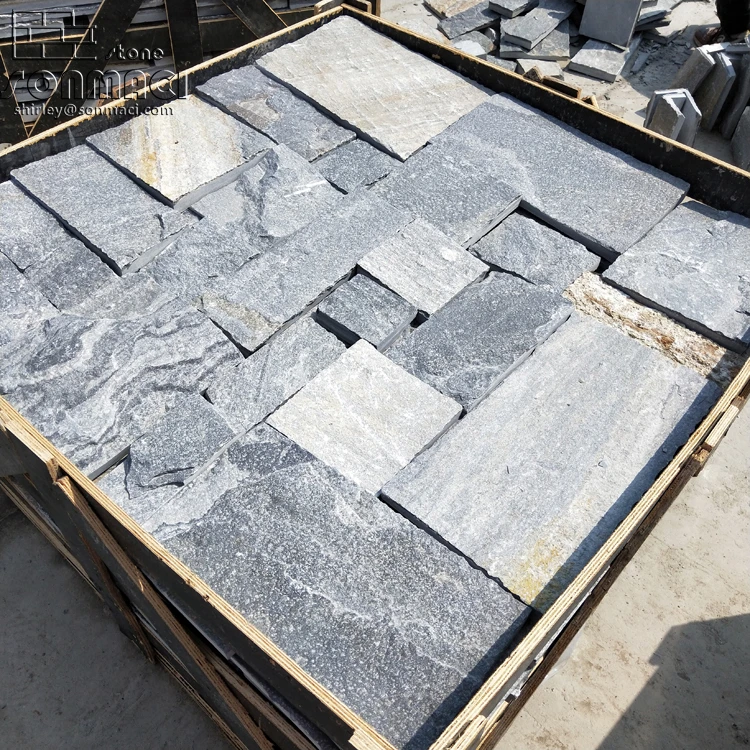
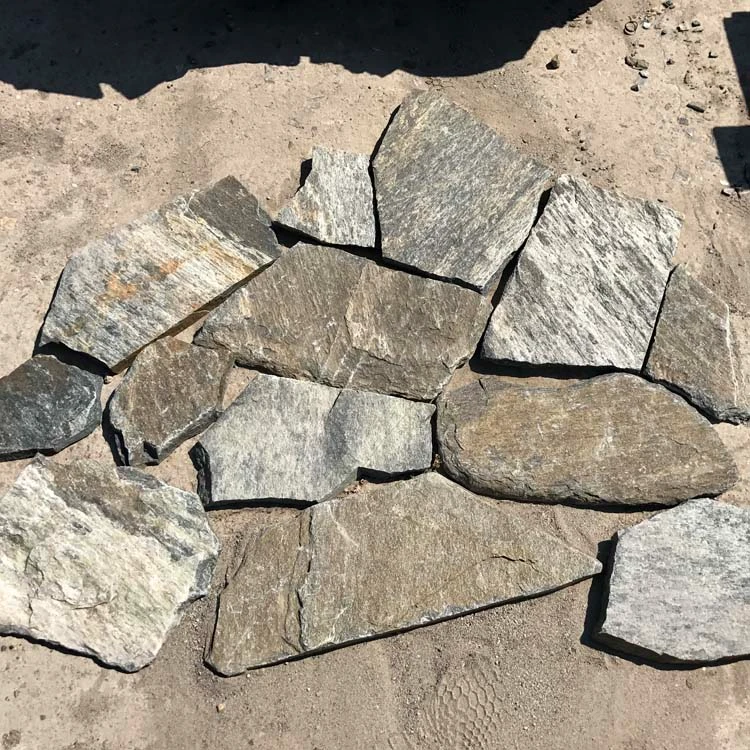
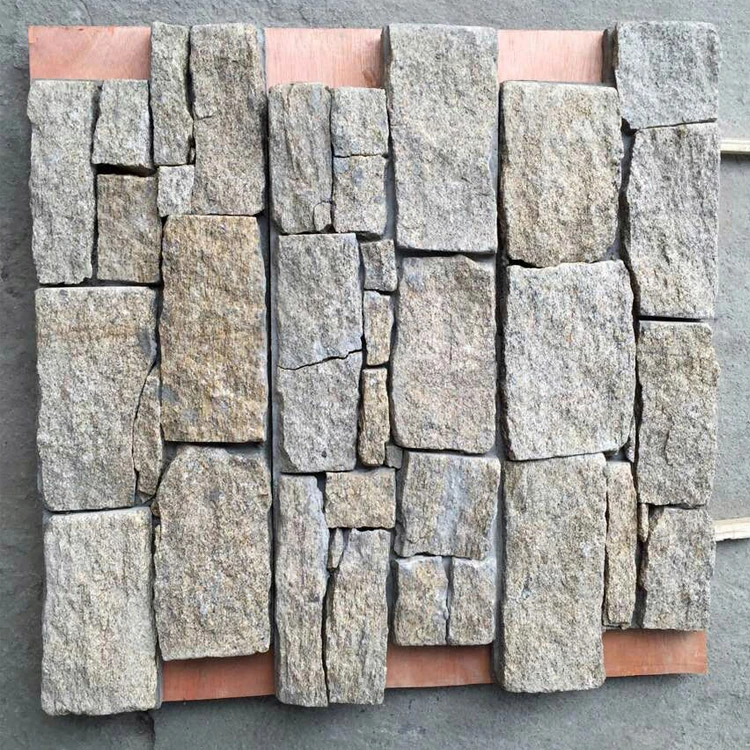
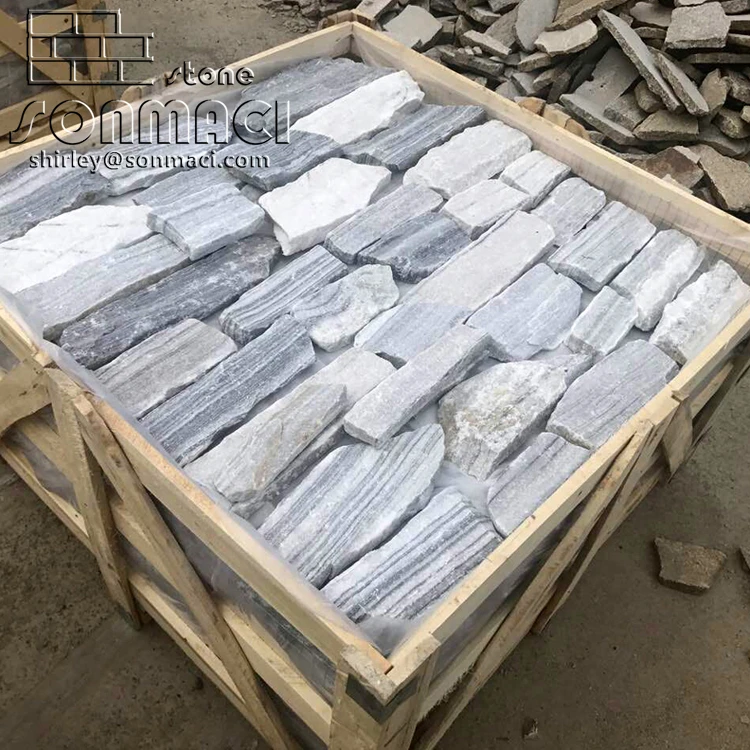
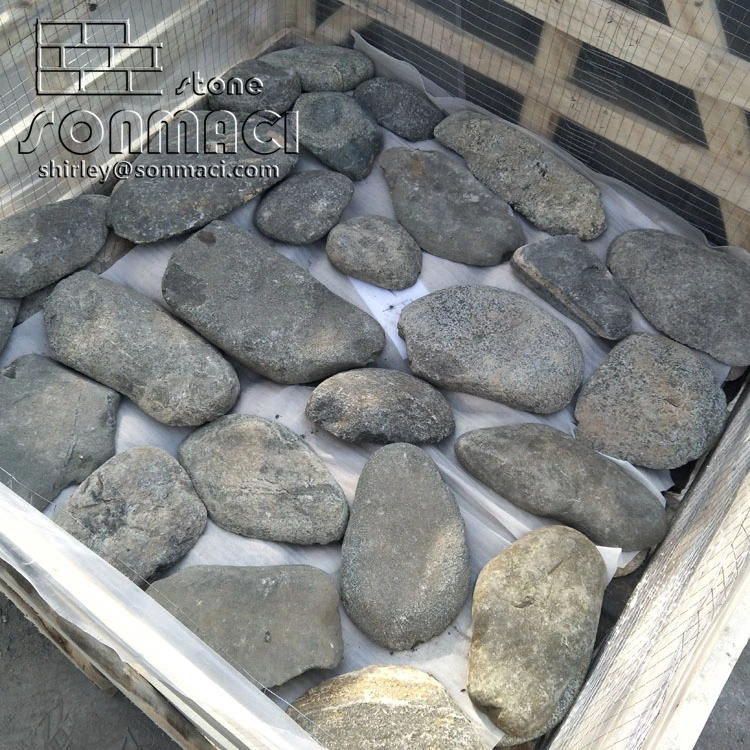
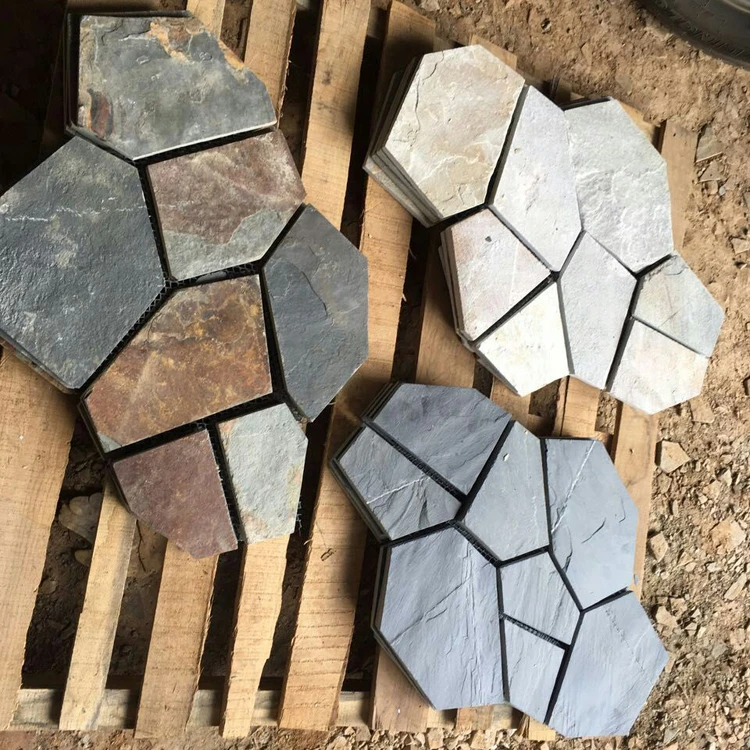
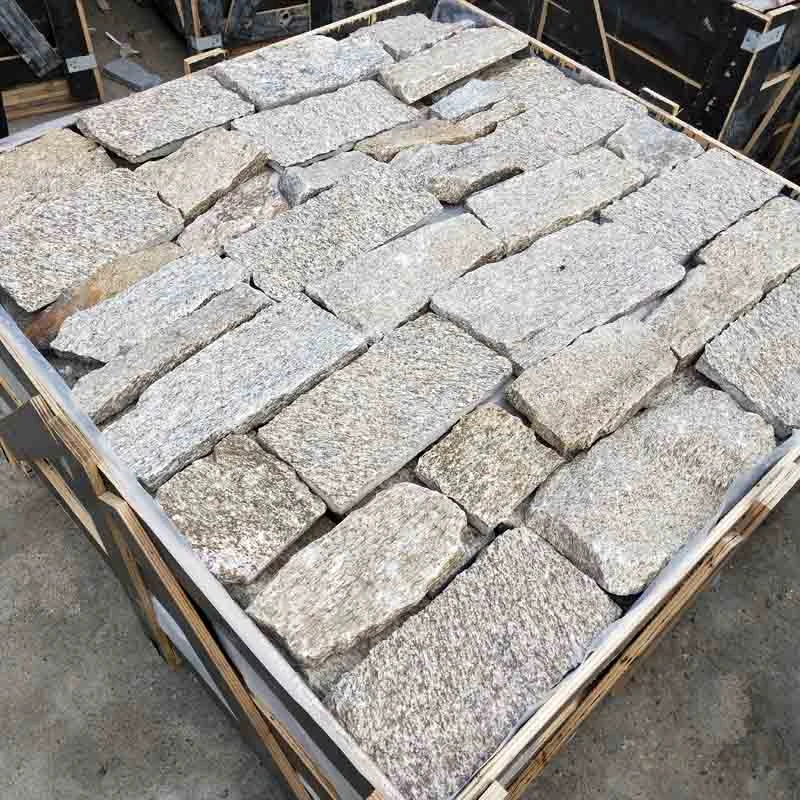
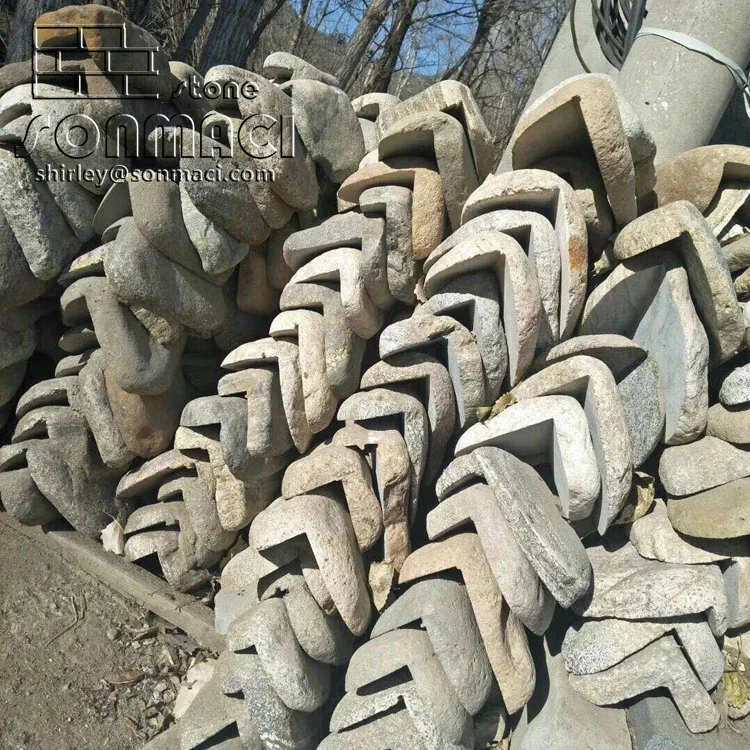
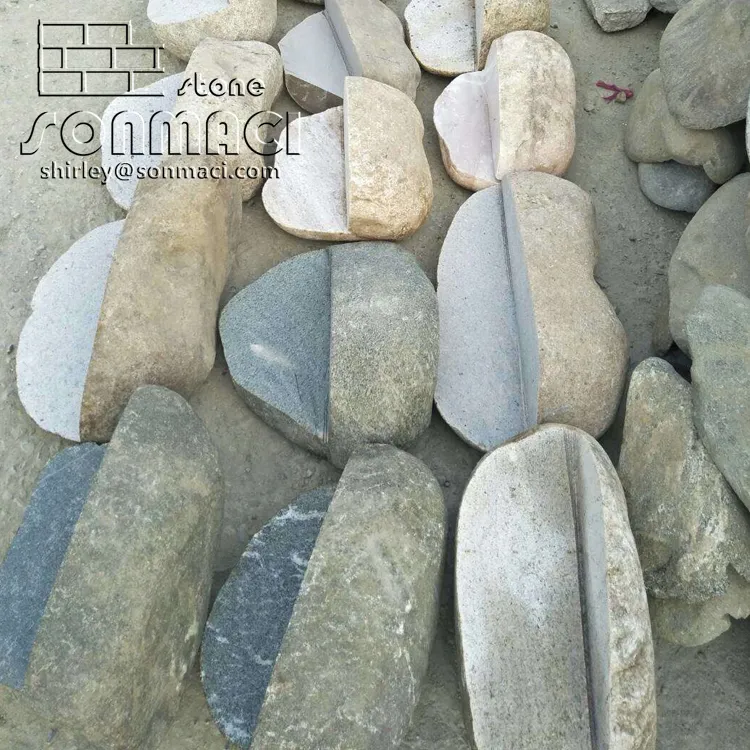
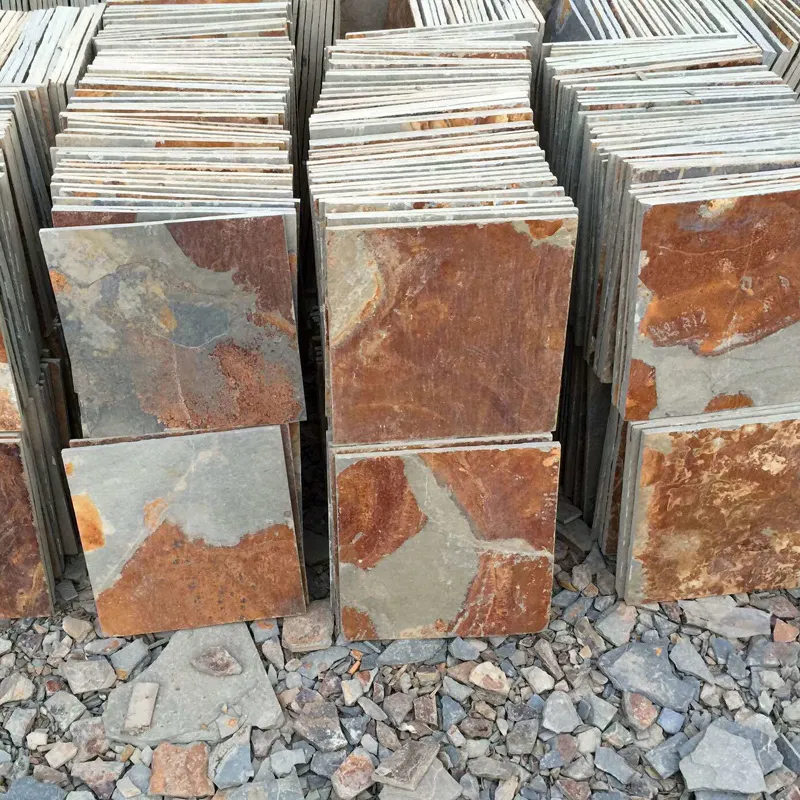
In essence, stone for house construction involves using quarried or naturally sourced rock—granite, limestone, sandstone, and others—shaped and assembled to form walls, foundations, floors, or decorative elements of residential buildings. It’s both an art and a science. Stone structures can range from simple rural cottages to complex, insulated urban homes.
Today, it’s not just about keeping up traditions. Stone’s role intersects with humanitarian efforts too—especially in areas recovering from natural disasters where communities urgently require resilient, locally sourced housing materials.
Mini takeaway:
Stone isn’t just old news. It’s a global solution to tomorrow’s building dilemmas, blending durability, availability, and sustainability in a neat package.
Key Factors in Choosing Stone for Construction
1. Durability
Stone's resilience is legendary; it resists weather, erosion, and pests remarkably well. Many ancient monuments made of stone still stand centuries later, a testament to its strength—something modern wood or plaster walls can only dream of achieving.
2. Thermal Properties
Oddly enough, stone provides excellent thermal mass, meaning it stores heat during the day and releases it at night. This moderates indoor temperatures naturally, reducing reliance on mechanical heating/cooling. Stone for house construction thus impacts energy efficiency profoundly.
3. Cost Efficiency
While quarrying and preparing stone can be upfront work, locally sourced stone eliminates long shipping chains and often energy-intensive manufacturing. In many areas, it’s genuinely cost-effective for families needing sturdy homes.
4. Sustainability
Stone doesn’t require chemical processing or synthetic additives. With minimal environmental damage in responsible extraction, it’s one of the greenest building materials around, contributing less CO₂ than steel or concrete overall [2].
5. Aesthetic Flexibility
Architects and builders love stone’s raw beauty and texture variations, making it suitable for everything from rustic designs to polished modern aesthetics.
Mini takeaway:
Durability, cost, energy-saving qualities, and sustainability wrap stone in practical advantages few natural materials match.
Example Specifications for a Popular Construction Stone
| Specification | Value |
|---|---|
| Type | Granite |
| Compressive Strength | 150–250 MPa |
| Density | 2600–2700 kg/m³ |
| Water Absorption | |
| Thermal Conductivity | 2.5 W/m·K |
Global Uses: Where Stone Construction Really Shines
Some regions proudly champion stone as the backbone of housing. Think of the Mediterranean, where centuries-old limestone homes withstand harsh seaside conditions. Or Nepal, where earthquake-prone villages rebuild with stone reinforced using modern mortars.
In post-disaster relief scenarios, NGOs turn to stone for house construction to offer durable, culturally relevant housing quickly—especially where lumber is scarce but stone is abundant. Similarly, in remote mining or industrial settlements, stone structures cut maintenance demands dramatically, freeing resources for other priorities.
Mini takeaway:
No matter the continent, the stone story adapts—suiting local climates and needs without sacrificing performance.
The Benefits: Why Stone Stands the Test of Time
- Cost-effective longevity: Stone buildings often need less repair, saving money over decades.
- Environmental friendliness: Lower embodied energy and recyclability make it a top sustainable choice.
- Safety: Fire-resistant and strong against storms and earthquakes, providing peace of mind.
- Cultural identity: Stone supports architectural heritage, enhancing community pride.
So, it’s both a logical investment and a subtle emotional anchor. Many engineers I’ve talked to say building with stone feels like building trust with the future itself.
Stone in the Age of Innovation and Sustainability
The future isn’t dim for stone—quite the opposite. Advances in cutting and finishing technologies mean builders can integrate stone with green insulation panels or smart home frameworks seamlessly. Researchers experiment with mineral coatings to improve stone's weather resistance further, and automation helps quarry stone blocks with less waste.
Carbon-neutral initiatives actively promote stone over energy-intensive materials. Plus, digital design tools enable architects to precisely model stone facades and structural loads, freeing creativity without sacrificing safety or budget.
Challenges—and How They're Getting Solved
Of course, working with stone isn't all easy. It’s heavy (hello, transportation costs), and shaping stone demands skilled labor. But increasingly, modular stone panels and interlocking blocks simplify installation. And new adhesives compete with traditional mortar, speeding builds and improving durability.
These innovations slash costs and open stone use to urban projects previously too complex. The key, many experts agree, lies in combining age-old materials with 21st-century tech.
How Do Vendors Stack Up? A Quick Comparison
| Vendor | Stone Types Offered | Price Range (per ton) | Customization Options | Shipping Reach |
|---|---|---|---|---|
| Sonmaci Stone Co. | Granite, Limestone, Sandstone | $80 - $120 | Cut-to-size, Polished Finish | Global |
| Global Stone Suppliers | Marble, Slate | $90 - $150 | Varied finishes | International (limited) |
| EcoRock Materials | Recycled Composite Stone | $100 - $130 | Modular blocks | National |
Frequently Asked Questions About Stone for House Construction
Q1: How long can stone houses last in harsh environments?
A: Stone structures have famously endured for centuries—even millennia—due to their strength and resistance to moisture and pests. With proper maintenance and modern sealants, homes built of stone can last well over 100 years, making them a wise long-term investment, especially in challenging climates.
Q2: Is building with stone more costly than other materials?
A: Initial costs can be higher due to quarrying and labor, but stone’s durability often reduces lifetime maintenance expenses. Also, sourcing locally can trim prices substantially. When factoring in energy savings from stone’s thermal mass, the overall cost-effectiveness is quite competitive.
Q3: Can stone construction be eco-friendly?
A: Absolutely. Stone is natural, abundant, and requires minimal processing compared to steel or concrete. When responsibly quarried, it contributes significantly less carbon dioxide to building emissions and often incorporates excellent recyclability.
Q4: How can NGOs efficiently use stone in disaster relief housing?
A: NGOs benefit from using locally sourced stone combined with modular designs to speed up construction. Training local labor in improved masonry and combining stone with modern reinforcements improve both speed and structural integrity, ideal for quick replacement housing.
Wrapping Up: The Lasting Promise of Stone for House Construction
Stone for house construction is far from a relic. It offers a blend of toughness, eco-friendliness, and cultural depth that few materials can rival. From cold mountain villages to booming megacities, stone endures. If you’re considering your next building project or development plan, exploring stone’s benefits is well worth the effort. For comprehensive solutions and quality stone products, don’t hesitate to visit Sonmaci Stone and discover options tailored to your needs.