China Natural Stepping Stone Price Comparison & Cost Guide
China Natural Stepping Stone Price Comparison & Cost Guide

Procuring China Natural Stepping Stone for international commercial projects requires a rigorous evaluation of total ownership costs across varied architectural applications. Price comparisons must be anchored directly to verified physical parameters rather than generalized market averages.
Import decisions depend on reconciling specific material categories and dimensional boundaries with project requirements.
Establishing Baseline Specifications and Application Scopes for Price Benchmarking
Price comparisons for China Natural Stepping Stone must be anchored against exact dimensional and material disclosures rather than generic market rates. Procurement audits depend on reconciling specific parameters with project budgets.
Material Categories and Dimensional Parameters
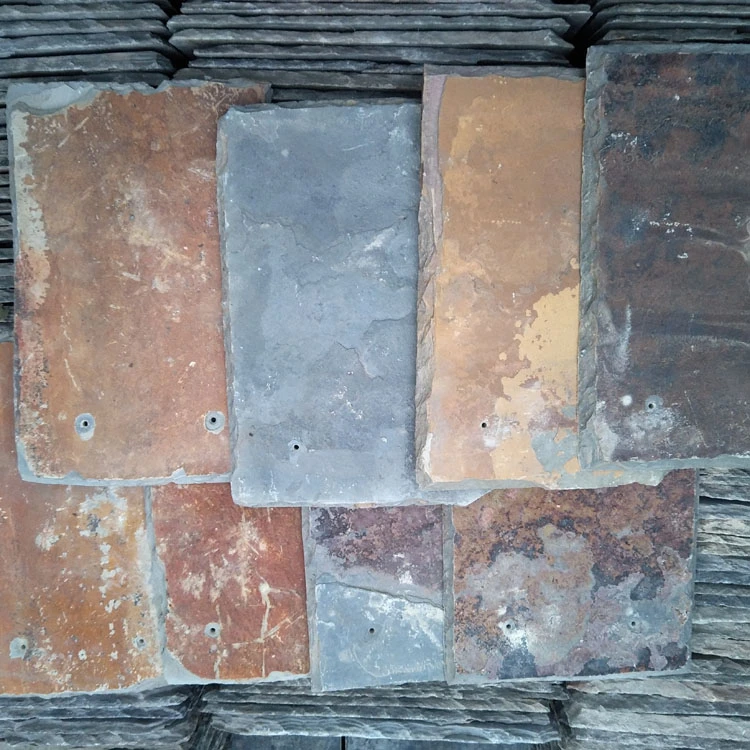
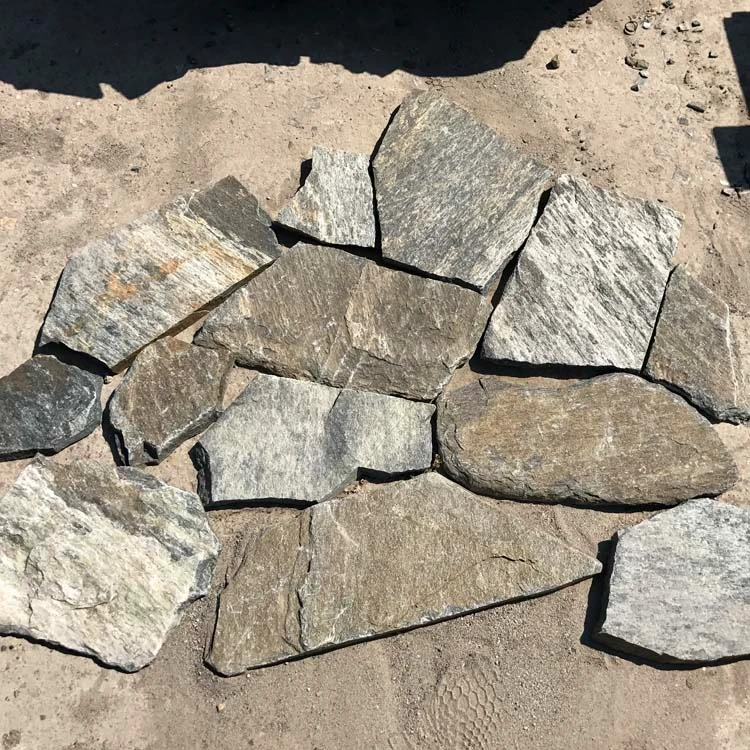
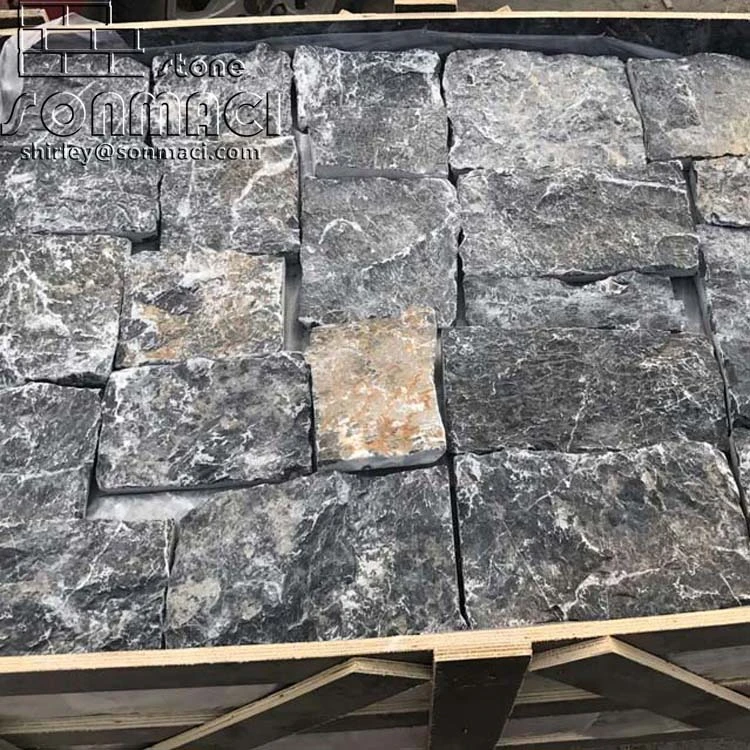
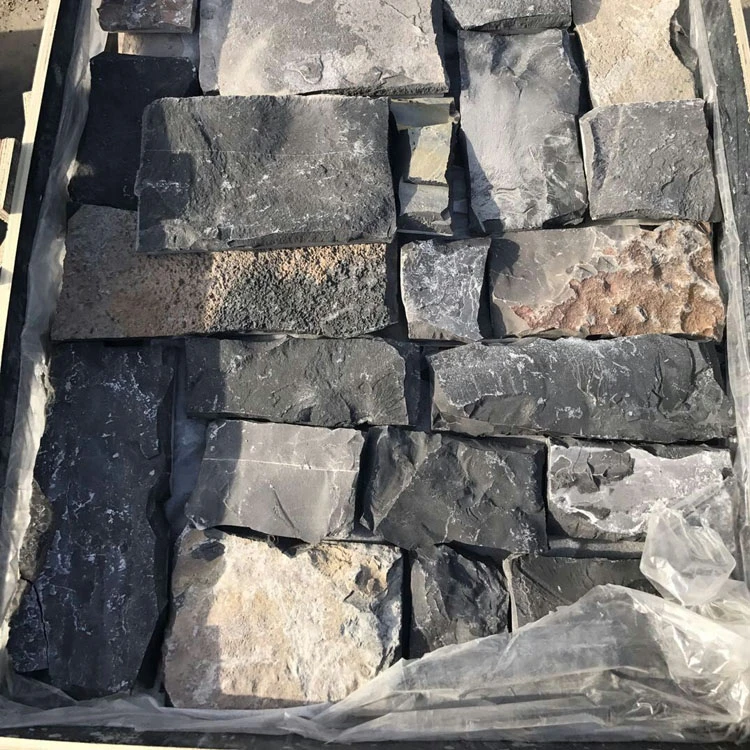
The scope encompasses eight designated material categories: Natural Stone, Slate, Quartz, Sandstone, limestone, Travertine, Granite, and Marble. Each material carries distinct sourcing variables that influence baseline quotations.
Size parameters include fixed options of 300*300mm, 300*600mm, and 600*600mm, alongside a variable range of 300-500cm that supports custom dimensions. Project layouts dictate which sizing tier applies to specific architectural zones.
Application Scopes and Cost Center Mapping
Designated application fields comprise landscaping stone, garden stone, decoration, public building, yards, parks swimming pools, and hotels and restaurants. These environments translate directly into distinct project cost centers.
- Public buildings and commercial hotels require high-volume material coordination across large surface areas.
- Yards, parks, and swimming pools demand specific layout planning to accommodate dimensional variations.
- Landscaping and garden installations integrate various stone categories into defined architectural footprints.
Evaluating total ownership expenses requires mapping these operational environments against the exact material and size criteria specified in supplier proposals.
Methodology for Comparing Material Costs Across Diverse Stone Categories
Standardizing Unit Costs Across Material Varieties
Financial evaluations require neutralizing baseline variable expenses before raw pricing can be compared across distinct geological types. Quotation audits fail when base material fees are mixed with custom sizing adjustments without explicit line-item separation.
Price proposals must normalize total order volumes, exact delivery terms, and corresponding warranty frameworks prior to parallel analysis.
| Material | Size | Application | Procurement Verification Step |
|---|---|---|---|
| Natural Stone | 300*300mm | Landscaping stone | Confirm volume tier |
| Slate | 300*600mm | Garden stone | Verify delivery terms |
| Quartz | 600*600mm | Decoration | Audit warranty scope |
| Sandstone | 300-500cm | Public building | Check discrete brackets |
| Limestone | Customed size | Yards | Review labor breakdown |
| Travertine | 300*300mm | Parks swimming pools | Align quantity baseline |
| Granite | 300*600mm | Hotels and restaurants | Validate lead time |
| Marble | 600*600mm | Landscaping stone | Inspect line items |
Isolating Custom Fabrication Expenses
Purchasing teams isolate standard format quotations from bespoke cutting charges by requesting explicit labor breakdowns for non-standard dimensions. Custom configurations within the 300-500cm range attract distinct processing fees compared to fixed 300*300mm, 300*600mm, and 600*600mm inventory tiles. Financial comparisons omit assumptions regarding weathering longevity, structural density, or routine maintenance cycles when weighing initial capital outlays.
Evaluating Custom and Standard Sizing Price Impacts
Dimensional structures dictate unit pricing variances when moving from standardized production runs to bespoke architectural layouts. Fixed tile editions are cataloged at 300*300mm, 300*600mm, and 600*600mm dimensions, yielding predictable baseline expenses per square unit.
Bespoke requirements spanning the 300-500cm bracket introduce custom fabrication charges that diverge sharply from static inventory pricing. Project planners must evaluate whether non-standard sizing thresholds justify the additional labor allocations required during preparation.
| size | application | Procurement Variable to Audit |
|---|---|---|
| 300*300mm / 300*600mm / 600*600mm | Landscaping stone, yards, parks swimming pools | Standard inventory unit price and volume tier |
| 300-500cm / customed size | Public building, hotels and restaurants, decoration | Custom fabrication fee and dimension tolerance scope |
Requesting itemized quotations for distinct size configurations isolates raw production costs from specialized cutting expenses. Buyers structure requests to separate fixed-format inventory items from variable-scale orders.

Application-Specific Cost Allocation and Budget Alignment
Operational Environments and Financial Allocation
Project footprints dictate how procurement funds disperse across distinct functional zones. Commercial environments such as hotels and restaurants demand continuous material coordination compared to isolated residential zones. Budget allocations adjust directly when moving from exterior hospitality venues to municipal spaces. Public buildings require distinct financial planning compared to private gardens.Structuring Requests for Quotation by Usage Context
Quantity estimates align directly with defined layout dimensions without applying speculative wear-and-tear assumptions. Procurement teams map required units to specific spatial boundaries to prevent over-ordering. ```tableDocumenting Evidence Gaps and Verification Limits in Cost Analysis
Consolidating Documentation Gaps for Cost Auditing
Price proposals lack formal test reports, safety standards, and compliance data across all geological types. Financial evaluations must proceed without these records.
No certification numbers, issuing bodies, or standardized performance ratings are assigned to any material category. Consequently, all expenditure calculations rely strictly on raw purchasing terms rather than verified performance ratings.
Required Data Fields for Supplier Validation
Procurement teams must request specific documentation fields directly from suppliers to validate cost proposals before final sign-off.
| Data Category | Required Parameter | Validation Scope |
|---|---|---|
| Material Classification | Specific geological group | Pricing parity checks |
| Dimensional Tolerance | Exact size brackets | Custom fabrication fees |
| Order Volume | Minimum order quantity tier | Unit cost scaling |
| Delivery Framework | Incoterms and destination port | Logistics overhead allocation |
The completeness of these fields dictates whether an import proposal can be audited safely against initial budgets.
Executing Comparable Quotation Reviews and Final Cost Audits
Structured Checklist for Final Cost Audits
Auditing incoming proposals against baseline expectations prevents hidden budget variances during commercial execution. Procurement teams execute this verification by cross-referencing every line item against established project parameters.

Verification Matrix for Competing Submissions
| Audit Category | Specified Parameter | Verification Method |
|---|---|---|
| material | Verify offered geological type | Match against technical drawings |
| size | Verify offered dimensional bracket | Measure cutting margins |
| application | Verify environmental placement | Confirm with site plans |
Verifying Delivery Conditions and Lead Times
All competing quotes must cover identical material categories, size brackets, and delivery conditions to ensure true comparability. Variances in freight terms or transit schedules directly impact the total financial audit outcome.
Customization limits and associated lead times require explicit written confirmation from each responding party. These operational constraints dictate whether a proposal aligns with the active project timeline without incurring delay penalties.
Frequently Asked Questions
Parallel analysis requires identical volume tiers, destination rules, and warranty labels across all competing bids for Marble, Travertine, and Slate. Without aligning these baseline conditions, unit prices for Landscaping stone and decoration applications cannot be audited accurately against project budgets.
Documentation gaps include missing certification numbers, authorized issuing bodies, formal test reports, and specific compliance validation data for materials such as Granite, Limestone, and Quartz. Financial evaluations proceed without relying on unverified performance ratings or assumed safety standards until the necessary records are provided.
Purchasing teams audit supplier submissions by cross-checking listed material entries against Natural Stone, Slate, Quartz, Sandstone, limestone, Travertine, Granite, and Marble alongside standard dimensions like 300*300mm, 300*600mm, 600*600mm, or the 300-500cm custom range. Every line item is verified for exact dimensional and material consistency prior to final approval.
Price shifts depend on the specific processing requirements associated with the 300-500cm custom span versus standard units of 300*300mm, 300*600mm, and 600*600mm. Suppliers apply distinct labor calculations for non-standard cuts across Sandstone, Travertine, and other approved stone types.
Installation venues such as parks swimming pools, hotels and restaurants, and public building projects dictate specific layout planning and quantity estimates. Procurement planning maps these environmental requirements against exact material categories and size boundaries without assuming fixed durability thresholds.
Conclusion
Procurement teams finalize the purchasing cycle by issuing a structured Request for Quotation derived strictly from the permitted parameters. The following framework organizes the necessary input fields for issuing accurate documentation.
| Field Category | Specified Parameter Options |
|---|---|
| Material Selection | Natural Stone, Slate, Quartz, Sandstone, limestone, Travertine, Granite, Marble |
| Dimension Options | 300-500cm (custom), 300*300mm, 300*600mm, 600*600mm |
| Application Scope | Landscaping stone, garden stone, decoration, public building, yards, parks swimming pools, hotels and restaurants |
Each inquiry must explicitly state the exact material type and dimensional boundary before dispatching the document to vendors.