Stacked Stone Wainscot: Durable, Sustainable, and Stylish Wall Solutions
Understanding Stacked Stone Wainscot: A Modern Architectural Marvel
If you’ve ever admired that striking stone-clad section halfway up a wall — that’s stacked stone wainscot. It’s not just a fancy decorative element; it speaks to centuries of masonry craftsmanship meeting today’s sustainability and design demands. Globally, as construction pivots toward eco-friendliness and resilience, understanding stacked stone wainscot is increasingly valuable. Why? Because it balances aesthetics, durability, and environmental responsibility in both residential and commercial builds.
Global Context: Why Stacked Stone Wainscot Matters Nowadays
On a worldwide scale, urbanization is booming. The UN predicts nearly 70% of the global population will live in cities by 2050 (1). This growth pushes builders to choose materials that are not only visually appealing but also sustainable and long-lasting. Stone, especially when stacked as wainscot, fits this niche rather well — it’s natural, recyclable, and incredibly durable. Yet, despite its ancient roots, stacked stone wainscoting is addressing modern problems like energy efficiency, moisture resistance, and the need for low-maintenance finishes.
But there’s a challenge — masonry skills are somewhat rarer now, and mass production tries to replicate the look that traditionally took artisan hands. Still, that authentic texture and rugged charm remain hugely desirable.
What Exactly Is Stacked Stone Wainscot?
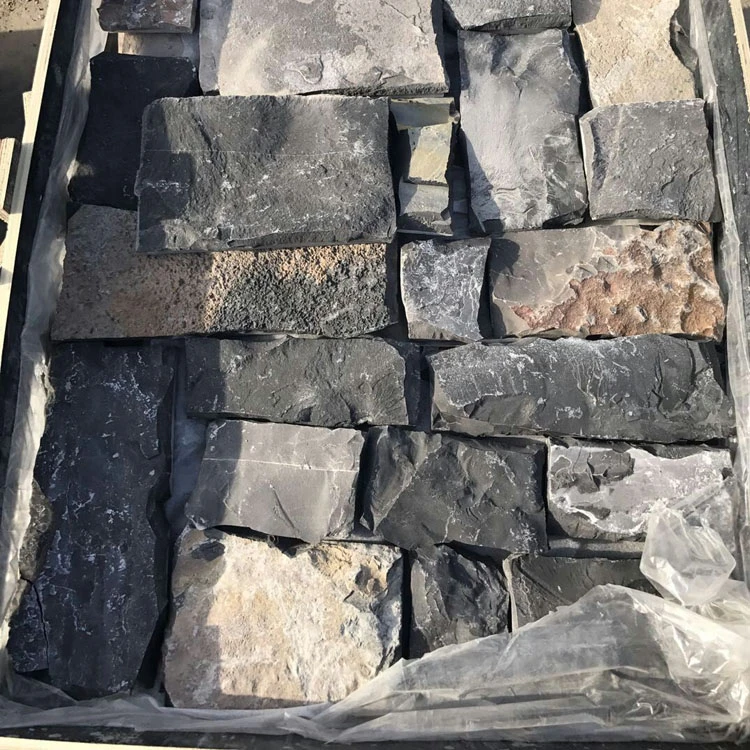
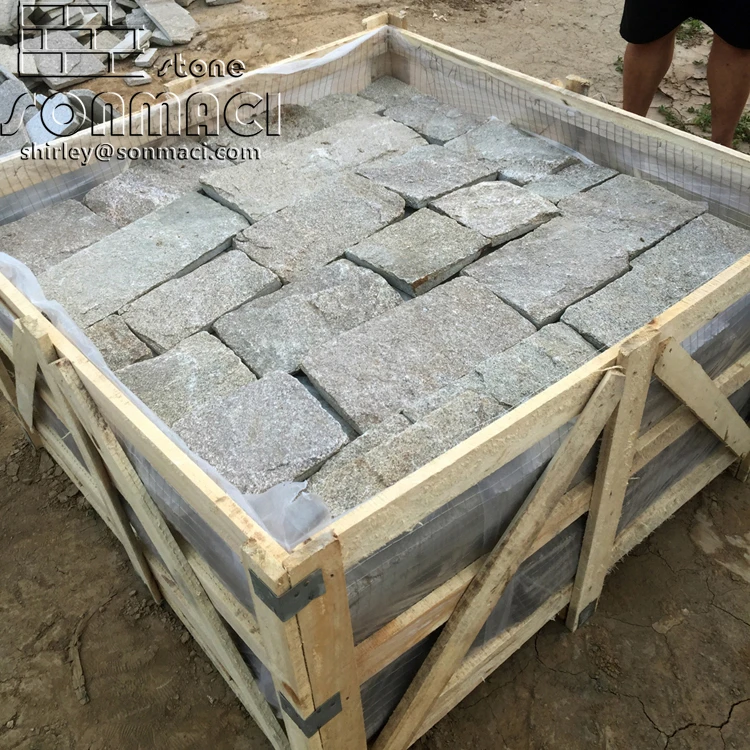
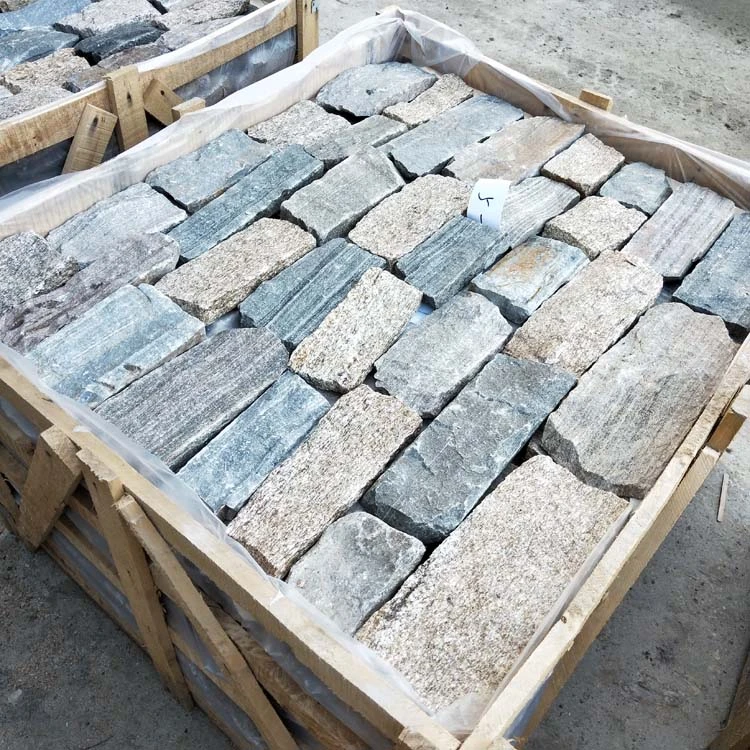
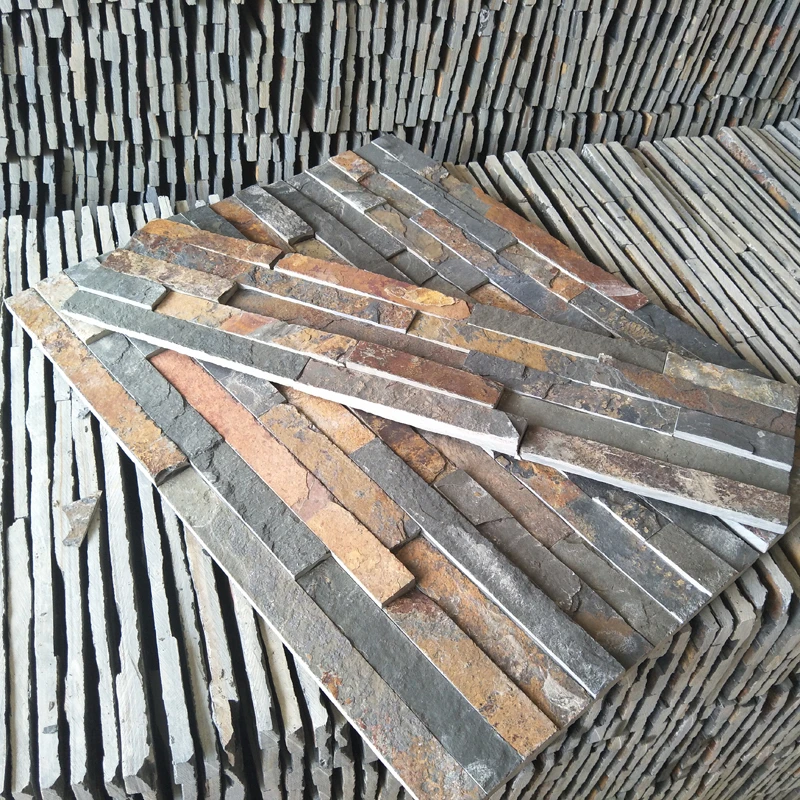
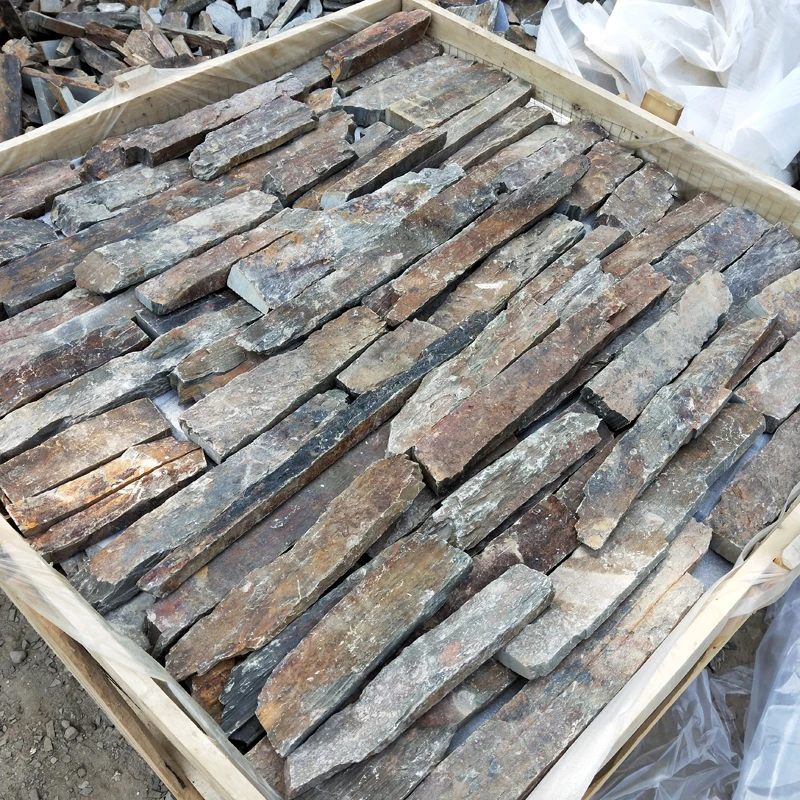
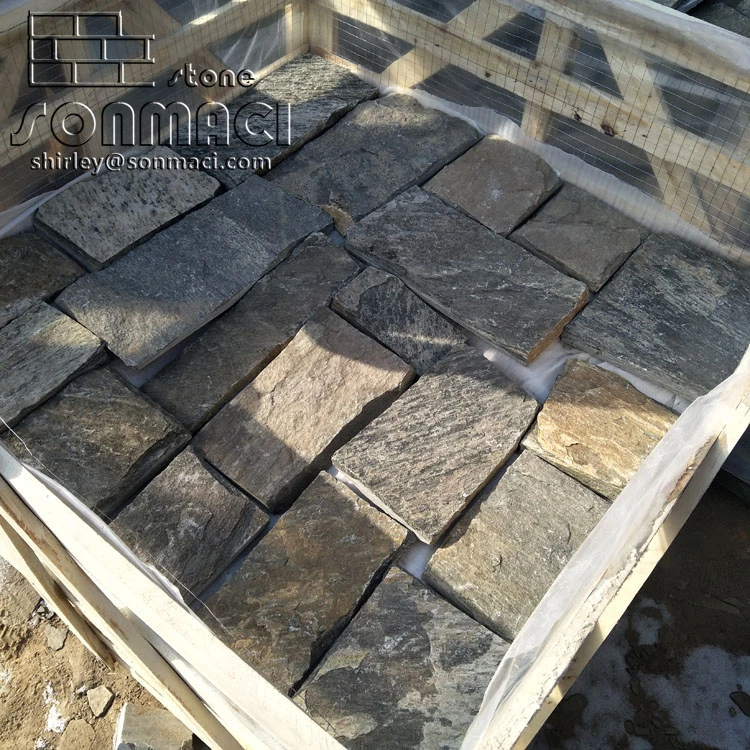
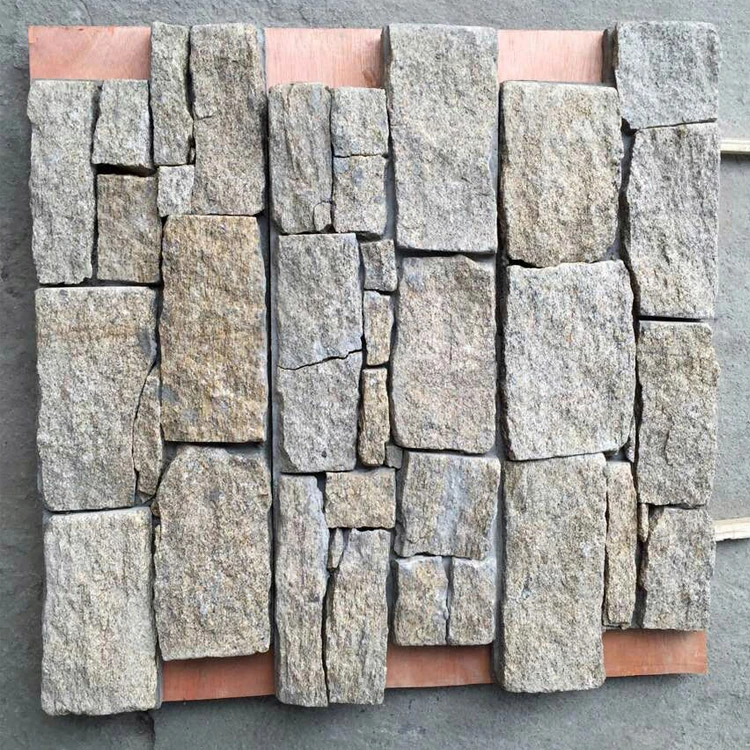
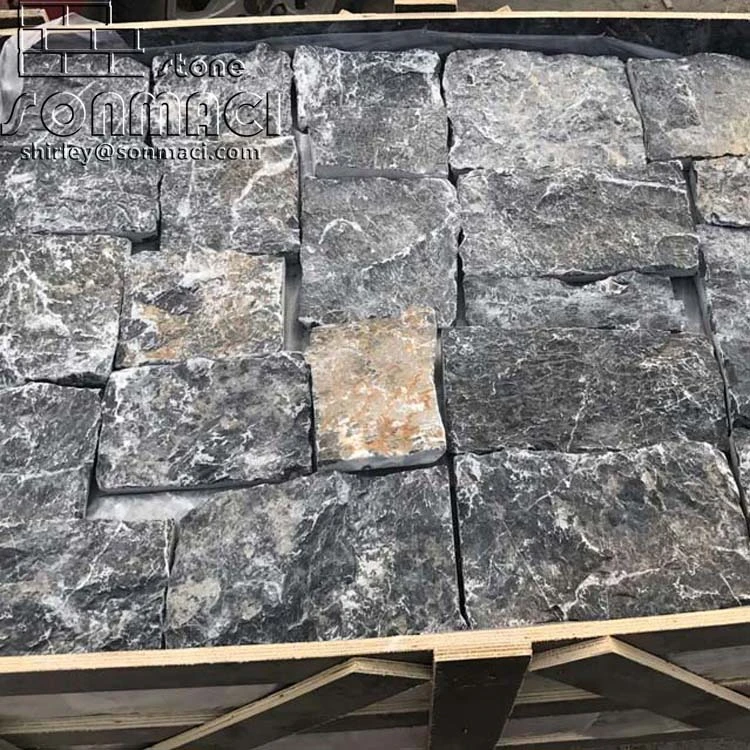
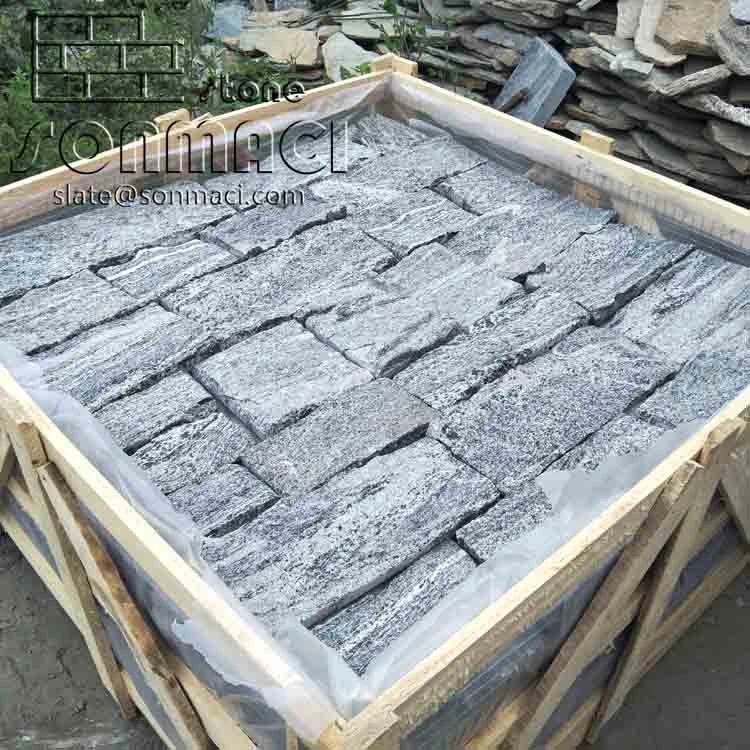
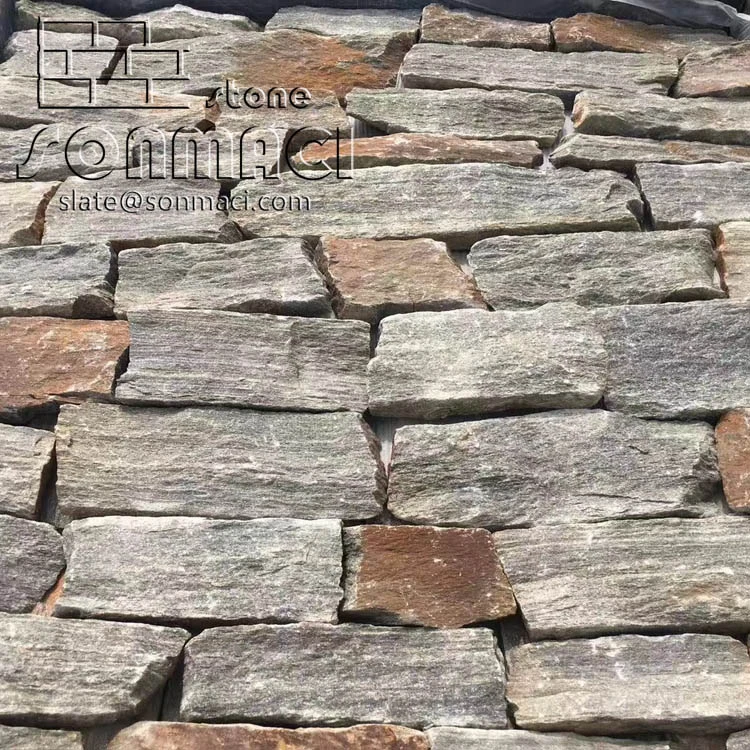
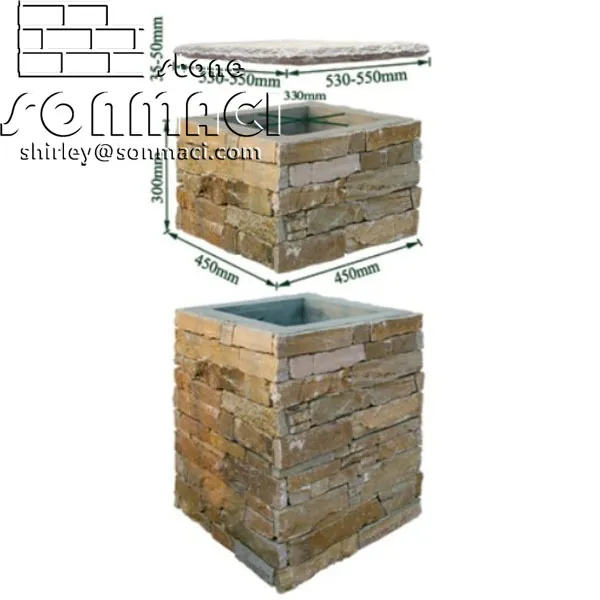
Simply put, stacked stone wainscot is a thin stone veneer installed typically on the lower segment of interior or exterior walls — usually up to chair-rail height (about 3-4 feet). The stones are irregularly shaped but carefully stacked tightly without visible mortar joints, giving a textured, natural stone appearance. This partial wall treatment guards surfaces against scuffs and moisture — practical and pretty.
In modern contexts, especially architecture and interior design, it symbolizes a merge of form and function. Not to mention it can relate to humanitarian needs where robust, low-cost wall finishes are prized — say, in climate-challenged regions requiring durable housing.
Core Components and Key Factors
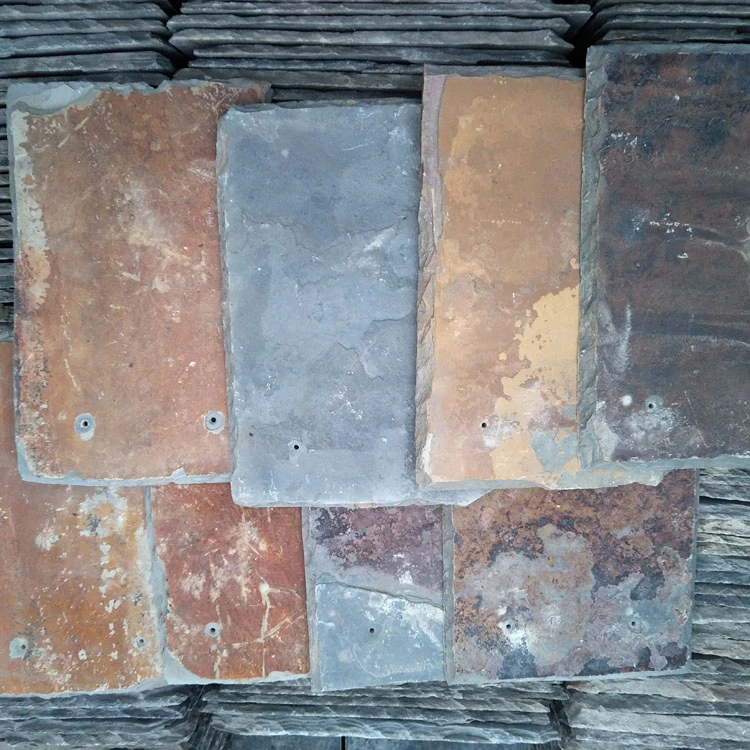
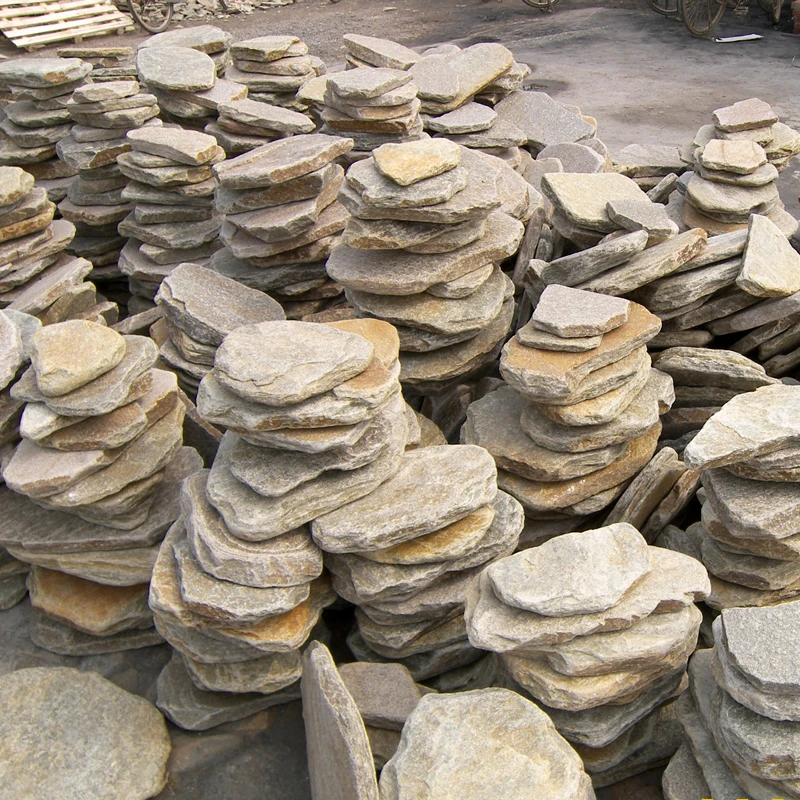
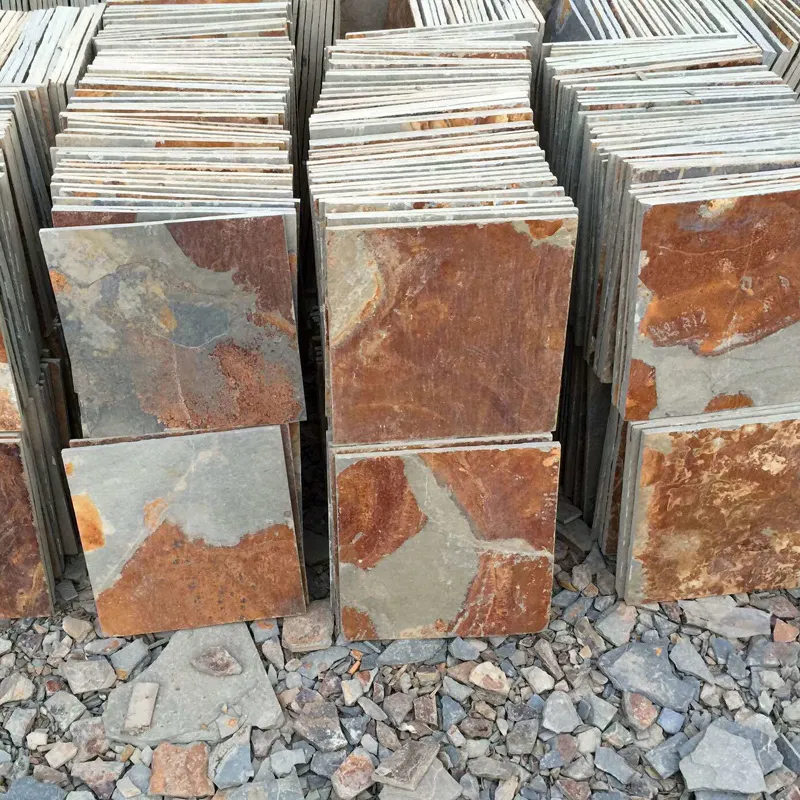
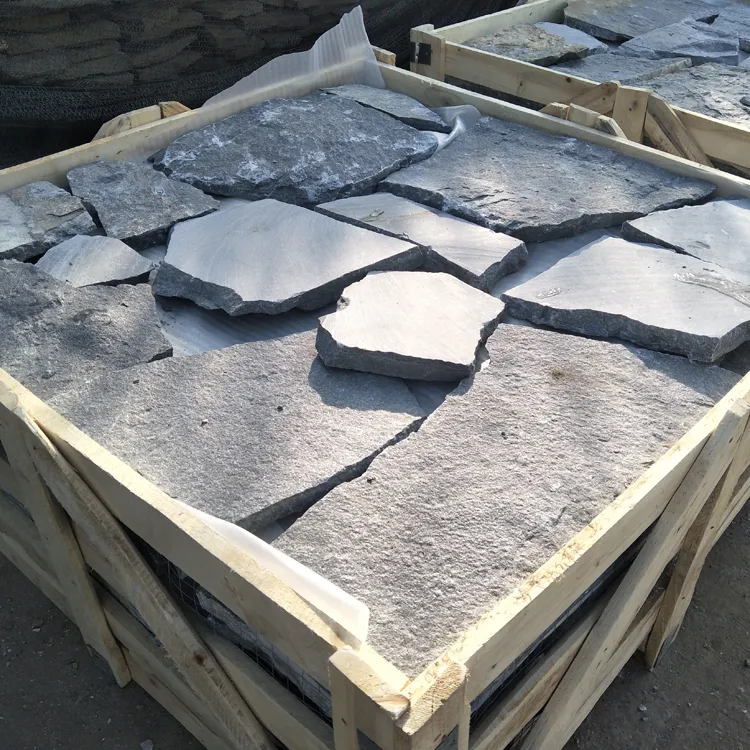
- Durability: Real stone withstands weather and wear far better than paint or plaster. Stacked stone wainscoting is often made from quartzite, slate, or sandstone — all naturally tough materials.
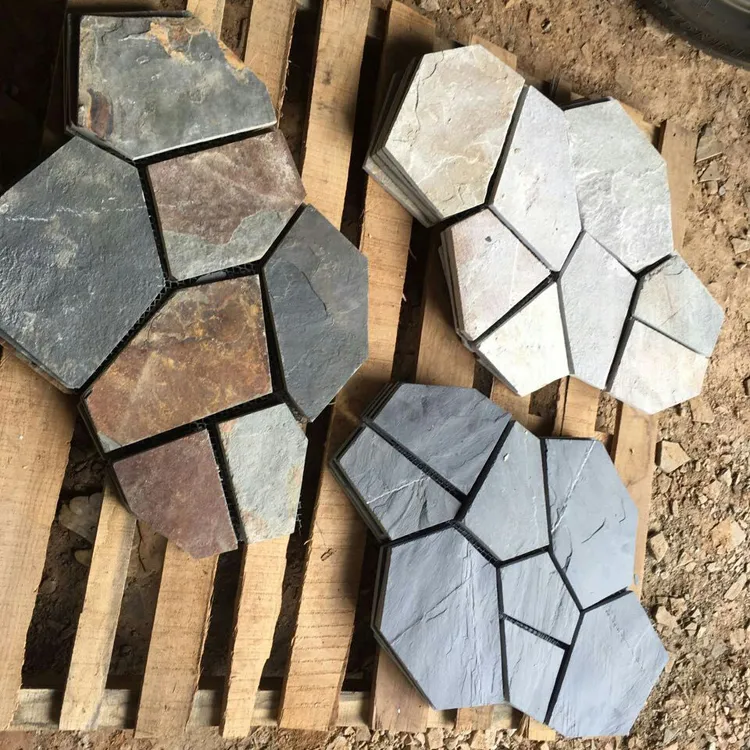
- Installation: Thin veneer pieces are lighter than full slabs but still require skillful placement for that mortared “no-mortar” look. Panels and prefabricated sections help speed things up.
- Cost Efficiency: While natural stone has upfront costs, it’s a long-term investment. Reduced maintenance and enhanced property value pay off over time.
- Scalability: Whether for a small home or sprawling commercial complex, various sizes and thicknesses make it adaptable.
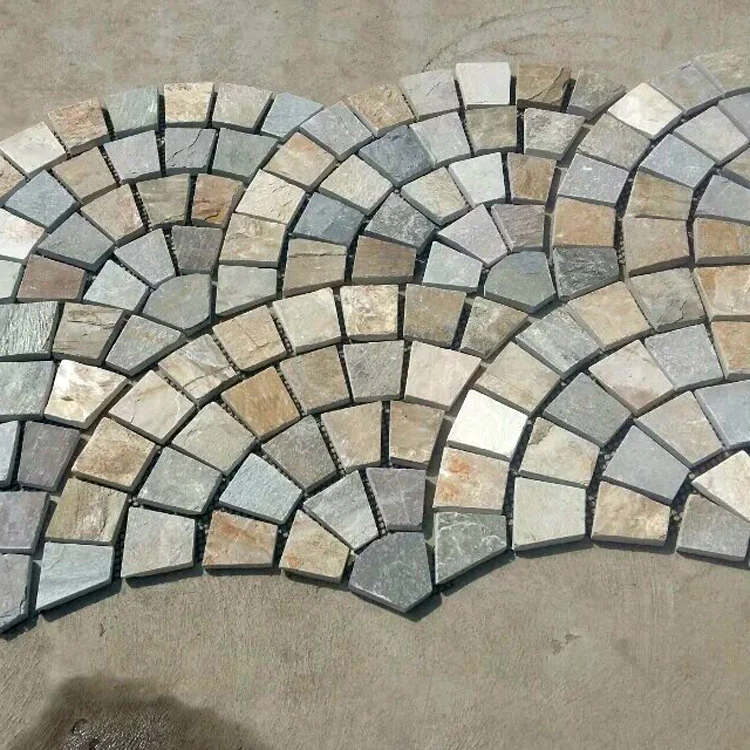
- Aesthetic Flexibility: Available in neutral grays, warm beiges, and earthy browns, stacked stone complements many styles — rustic cabins, modern lofts, Mediterranean villas.
- Sustainability: Sourced ethically and sometimes recycled from quarry remnants, stone wainscot reduces reliance on synthetic finishes and lowers carbon footprints.
Mini takeaway: stacked stone wainscot packs a punch combining natural durability with timeless beauty and practical installation considerations.
Global Applications and Use Cases
Oddly enough, stacked stone wainscot is appreciated everywhere from chilly Nordic homes to warm Mediterranean landscapes. In North America, it’s a staple on fireplaces and entryways, while in Australia, it’s prized for its resistance to UV damage and sand abrasion. Post-disaster reconstruction projects sometimes use stone veneers for their resilience and low maintenance, especially where other materials falter under heavy rains or heat.
Organizations like Habitat for Humanity have incorporated similar stone treatments in their affordable housing projects because it blends aesthetics with longevity — enhancing residents' pride and preservation of new homes.
| Property | Value |
|---|---|
| Material | Natural Quartzite / Slate / Sandstone |
| Thickness | 1 - 2 inches (approx. 2.5 - 5 cm) |
| Weight | 8 - 15 lbs/sq.ft. |
| Installation | Mortar-set / Panel system |
| Maintenance | Low; periodic cleaning recommended |
Advantages and Long-Term Value
Here’s where it gets interesting: stacked stone wainscot isn’t just a pretty face. It provides strong protection against abrasion and moisture, which preserves underlying drywall or plaster, extending building lifespans. From a sustainability angle, stone can be locally sourced, reducing transportation emissions. Emotionally, it gives occupants a sense of security and elegance — you kind of feel grounded surrounded by earth and stone.
Environmentally friendly, it also helps regulate indoor temperatures by acting as thermal mass — retaining heat in winter and coolness in summer. In real terms, that means energy savings. And frankly, the classical look never goes out of style; it boosts resale value and brand image for commercial entities.
Future Trends and Innovations
Technology is pushing stacked stone wainscot into new realms. Lightweight composite panels that mimic stone textures reduce installation time and costs. 3D scanning and CNC cutting allow precision cuts for minimalist grout lines.
Eco-conscious policies encourage quarry reclamation, while some manufacturers are experimenting with bio-based binders for stone composites. Automation in fabrication and robotic installation might well become commonplace in the next decade.
Challenges and Expert Solutions
Yet, there are hurdles. One is ensuring quality control across suppliers; some stone veneers can look artificial or fail prematurely. Also, improper installation leads to moisture intrusion and peeling, especially in humid climates.
Experts recommend thorough substrate prep and choosing reputable vendors (see vendor comparison below). Training masons in stacked stone techniques can mitigate workmanship issues. And always verify quarry sourcing to avoid unsustainable extraction.
| Vendor | Material Quality | Sustainability | Installation Support | Price Range |
|---|---|---|---|---|
| StoneCraft Inc. | Premium natural stone | Quarry-certified eco-friendly | On-site training available | $$$ |
| Natural Veneers Ltd. | Mixed quality; some composites | Recycled content options | Online guides only | $$ |
| EcoStone Panels | Composite panels replicating stone | Bio-binders, low footprint | Full digital support | $$ |
FAQ: Frequently Asked Questions About Stacked Stone Wainscot
- What makes stacked stone wainscot better than traditional painted wainscoting?
Stacked stone offers superior durability and moisture resistance, making it ideal for high traffic or damp areas. While paint can chip or mildew, stone stays robust and visually appealing longer. - Can stacked stone wainscot be installed over existing drywall?
Yes, provided the wall is structurally sound and properly primed with a moisture barrier. However, experts recommend professional installation to ensure long-term adhesion and prevent moisture issues. - Is stacked stone wainscoting environmentally friendly?
Generally, yes — especially when sourced locally or from reclaimed quarries. Natural stone is recyclable and has low embodied energy compared to synthetic siding. Confirm vendor sustainability practices. - How long does stacked stone wainscot typically last?
With correct installation and care, it can last 50 years or more, far surpassing many paint or panel options. It also ages gracefully, often looking better with time. - Can I customize the color and texture of stacked stone wainscot?
Absolutely. Vendors offer a range of colors, finishes, and stone types tailored to complement any design style, from rustic farmhouse to ultra-modern interiors.
Conclusion: Why Stacked Stone Wainscot Should Be Your Go-To Choice
Ultimately, stacked stone wainscot represents an elegant blend of tradition and innovation. It’s durability paired with timeless style, sustainability with practicality — qualities that strongly align with global trends in construction and design. From enhancing property values to reducing maintenance hassles and upping aesthetic appeal, it’s a savvy choice.
If you’re considering an upgrade or a new build, I suppose the answer is clear: give stacked stone wainscot your serious thought. It might just be the design detail that transforms your space — and one that lasts through generations.
Takeaway: Beauty, function, and sustainability stack up perfectly in stone wainscot; it’s an investment into lasting architectural character.
- United Nations, World Urbanization Prospects: https://population.un.org/wup/
- ISO Standards for Sustainable Building Materials
- Habitat for Humanity Construction Best Practices: https://www.habitat.org/