Mosaic Stone Veneer: Durable & Artistic Cladding Solutions
Mosaic Stone Veneer: A Veteran's Take on This Versatile Cladding
Having spent a good chunk of my career around industrial equipment and construction materials, I’ve seen plenty of trends come and go. But one thing that’s consistently caught my eye — and my respect — is mosaic stone veneer. There’s something about the intricate yet natural appeal of small stone pieces arranged artfully that just resonates, both functionally and aesthetically.
Frankly, mosaic stone veneer isn’t just another pretty face. It’s a clever solution in exterior and interior cladding, blending durability with unique design flexibility. I remember when a client asked for cladding that could withstand harsh weather yet offer a craft-like, artisanal look — mosaic veneer fit that bill perfectly.
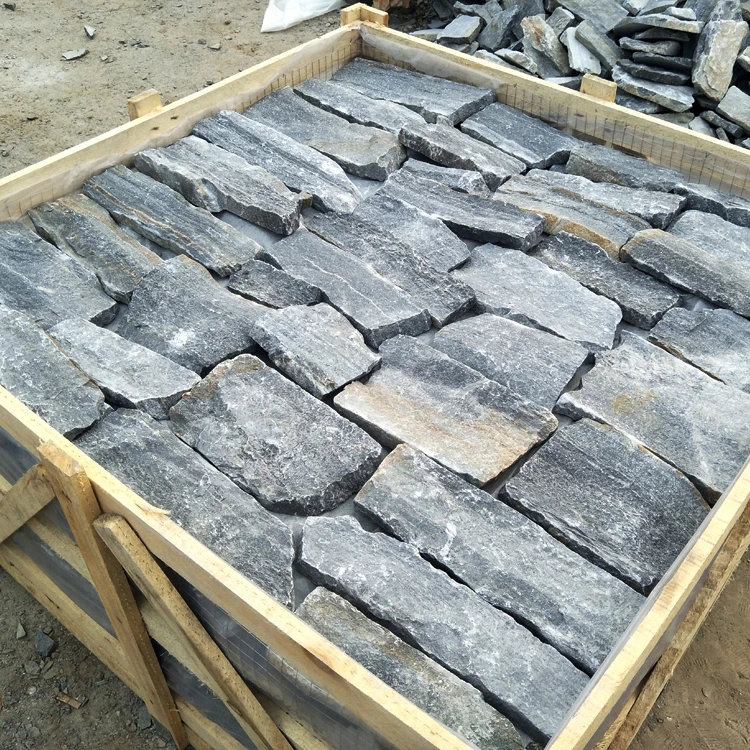
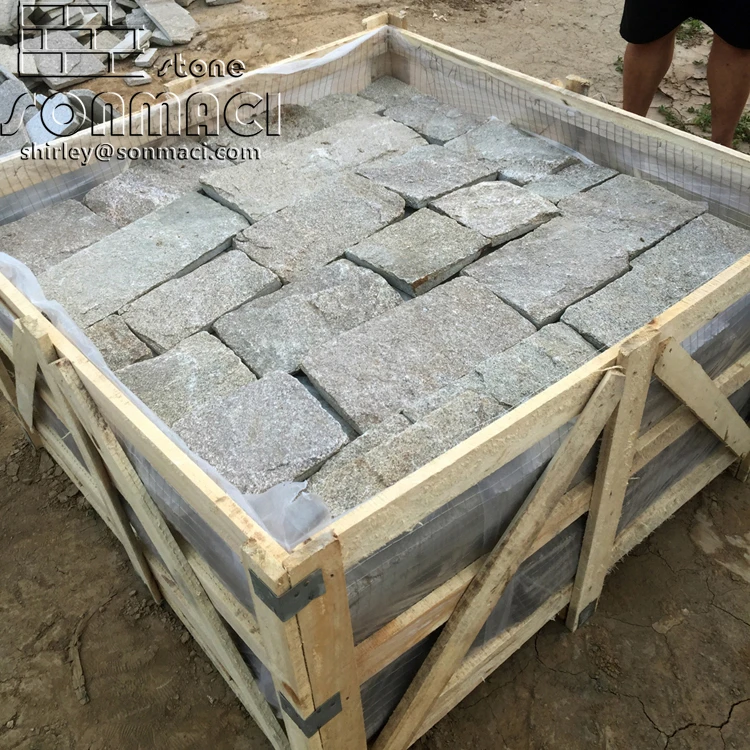
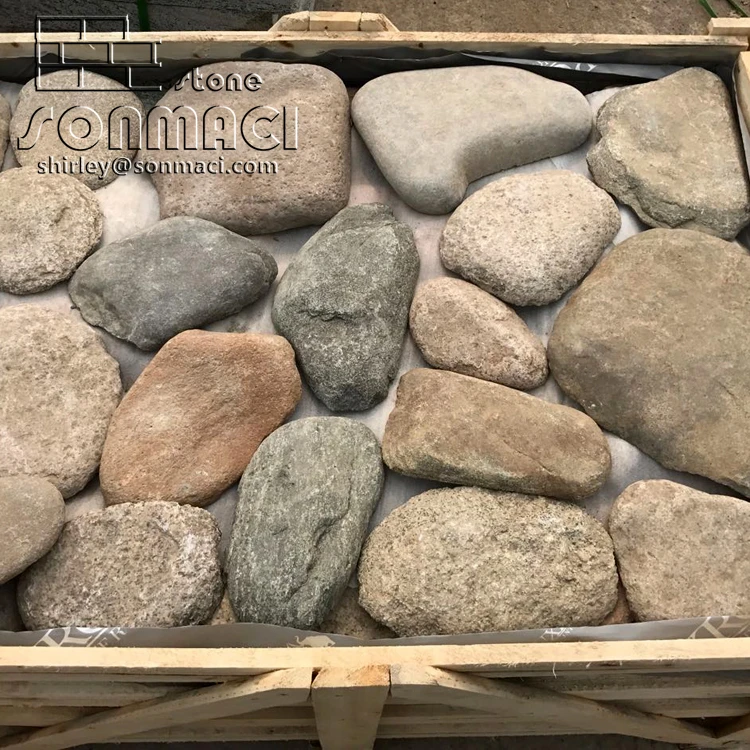
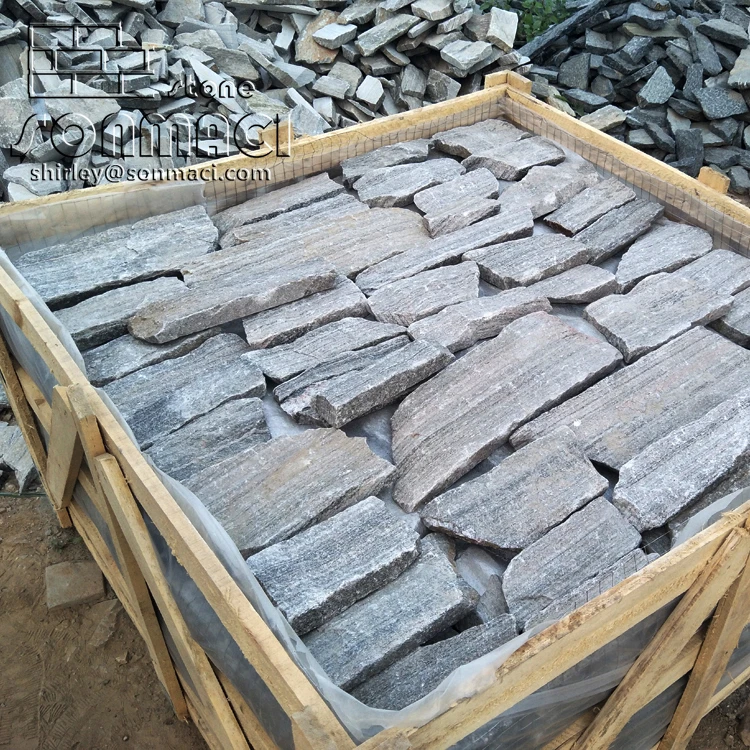
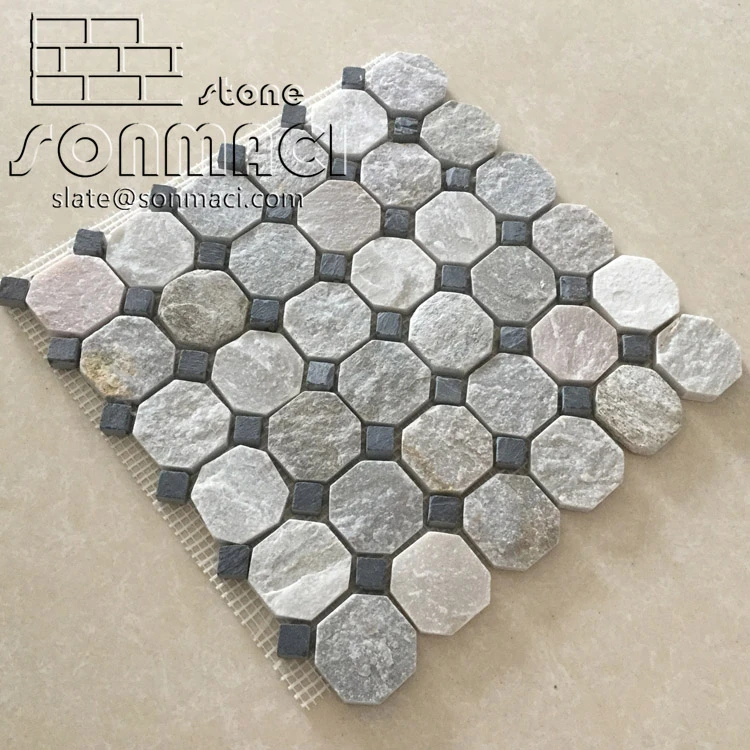
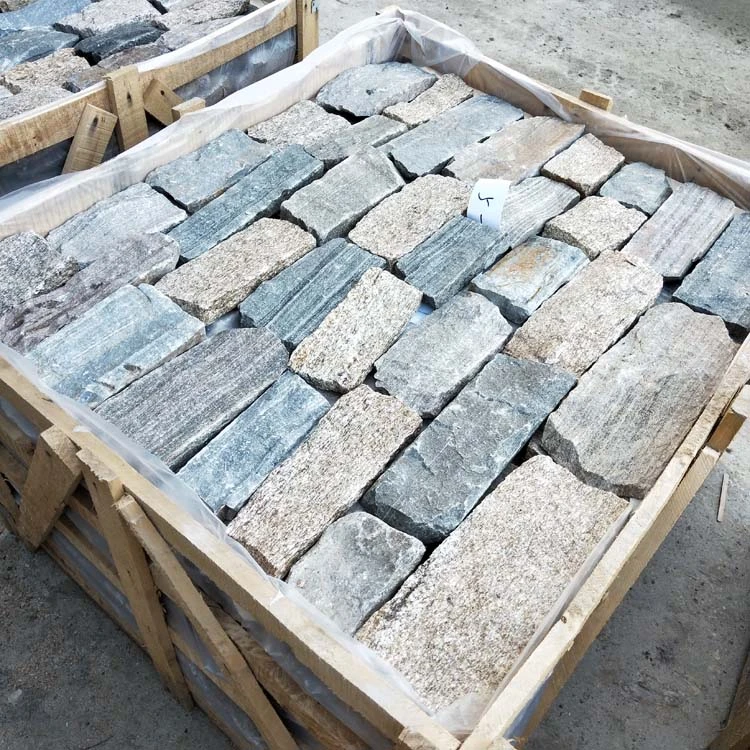
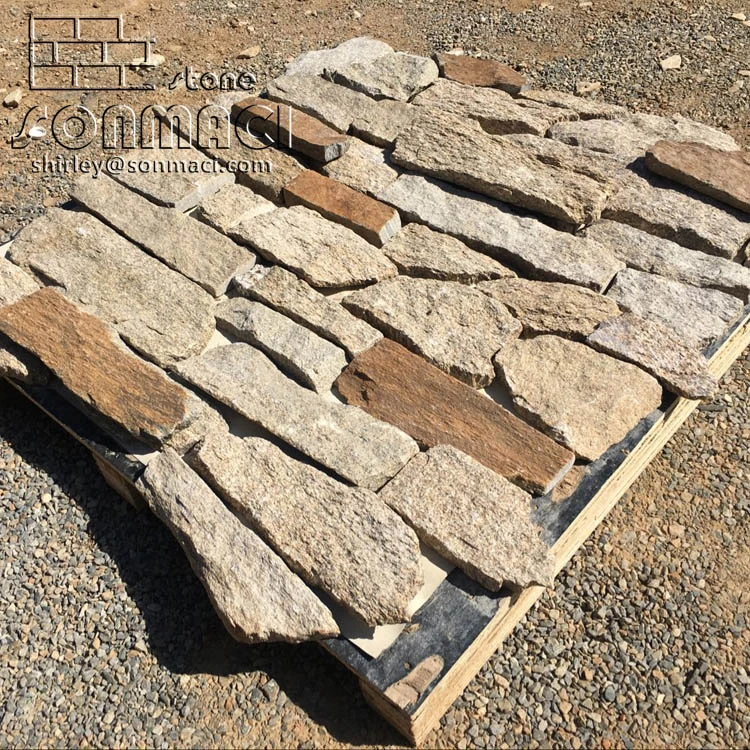
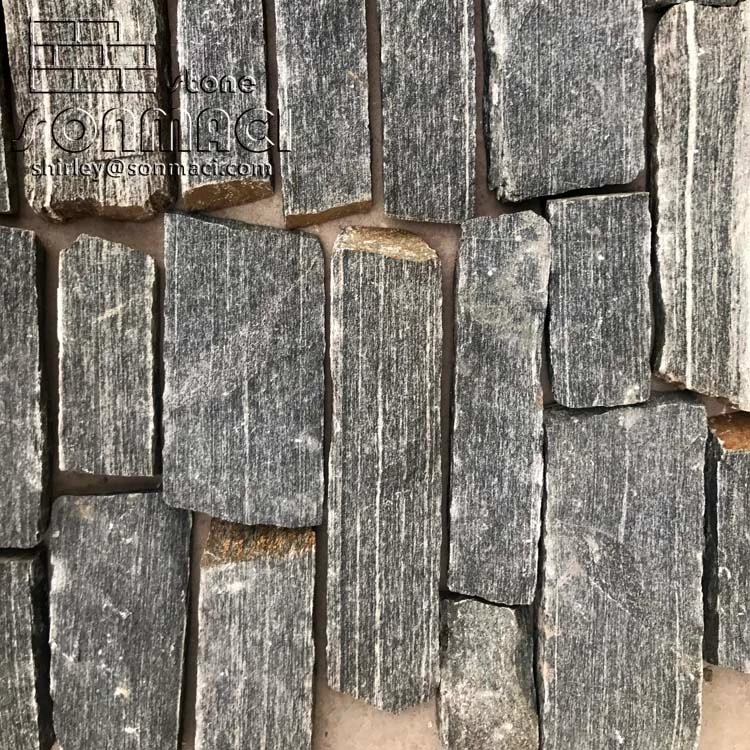
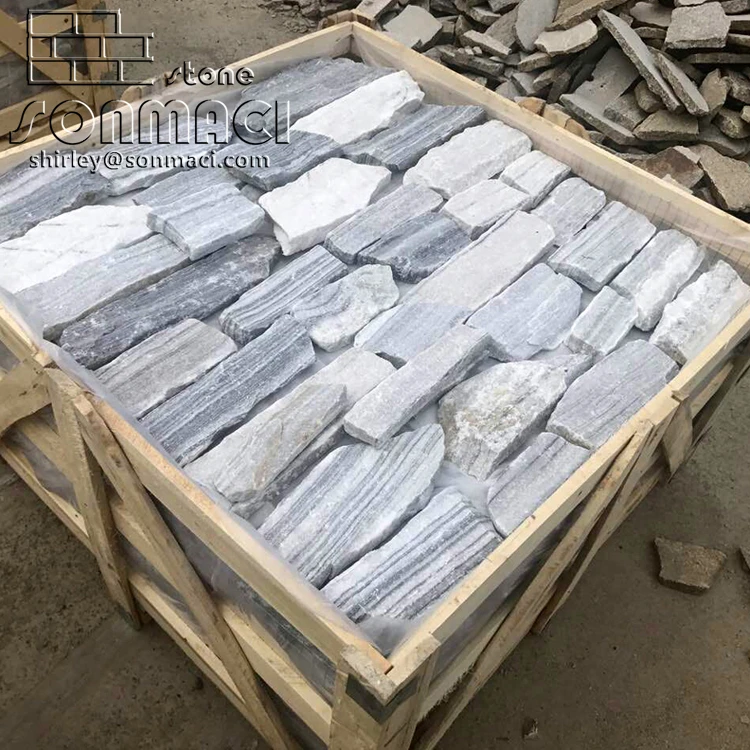
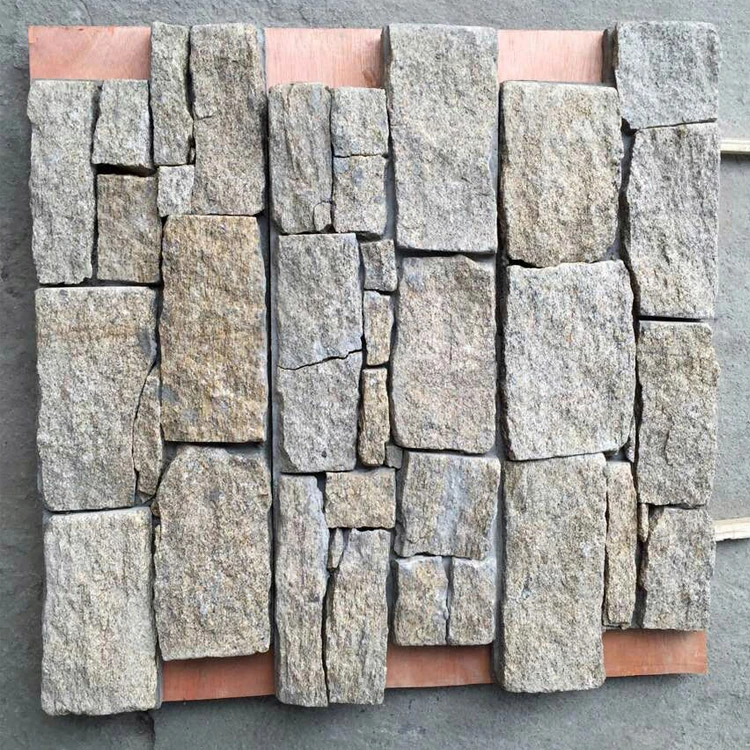
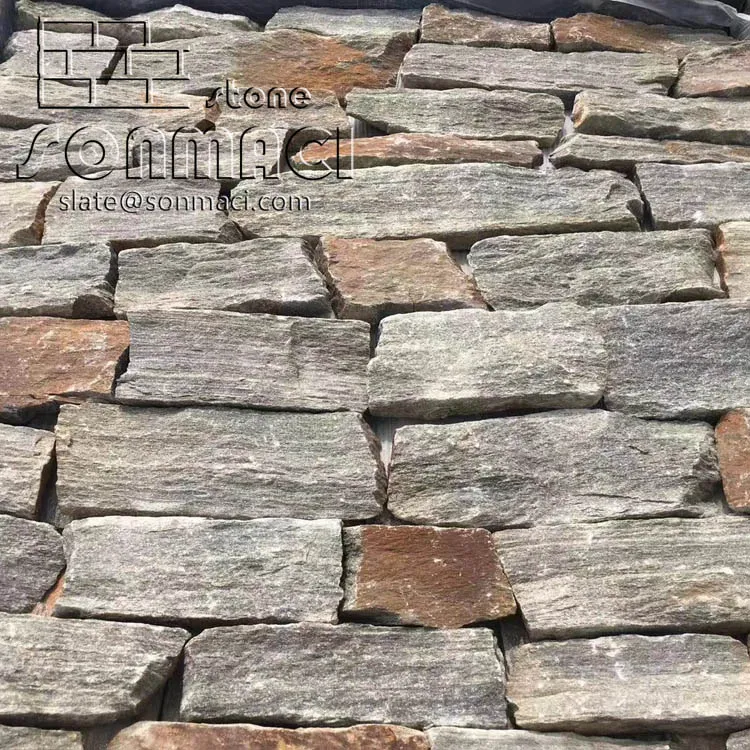
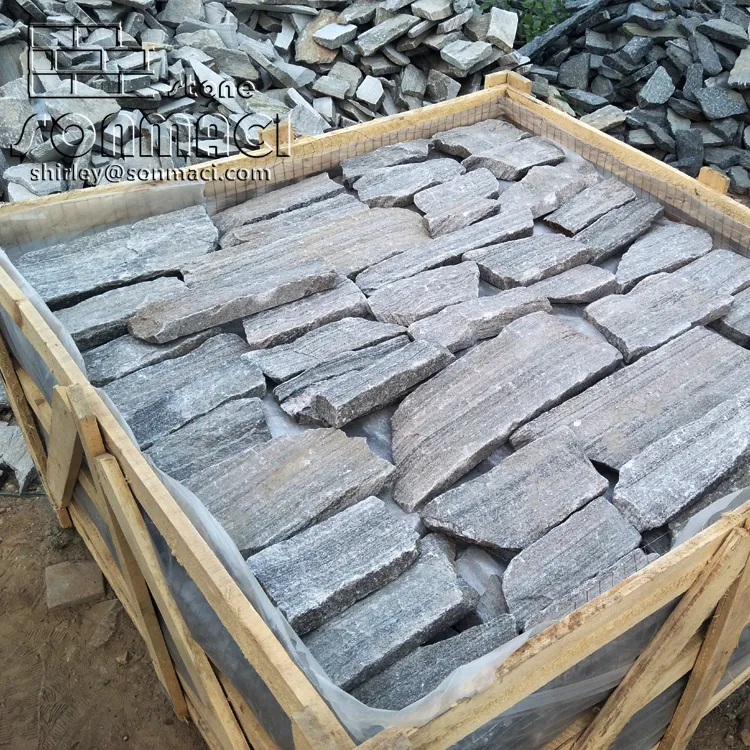
What makes mosaic stone veneer stand out is its composition. Usually, it’s made from natural quarried stones sliced thinly and set on a mesh backing for easy installation. The collection of tiny stones often varies in size, shape, and color, which means you get this lively patchwork effect that’s hard to replicate with other materials. It’s like bringing a touch of nature’s mosaic art into your workspace.
Another aspect worth noting is how these veneers perform in real terms. The thinness reduces weight significantly compared to full-thickness stone slabs, making it easier on structures and lowering transport and installation costs. Yet, it still holds up well under impact, moisture, and UV exposure — many engineers I know give it a thumbs-up for outdoor façades.
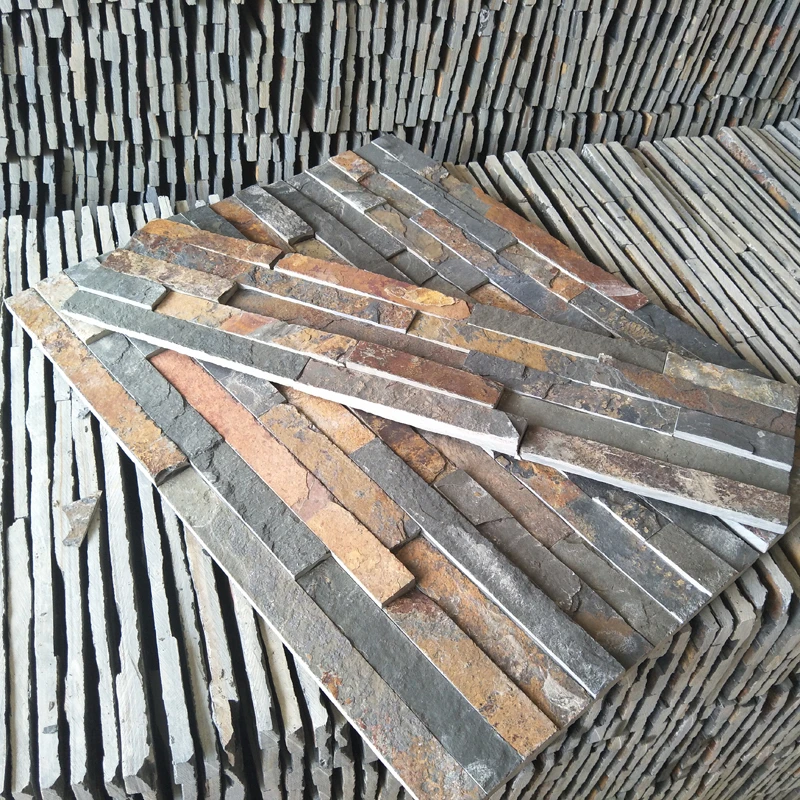
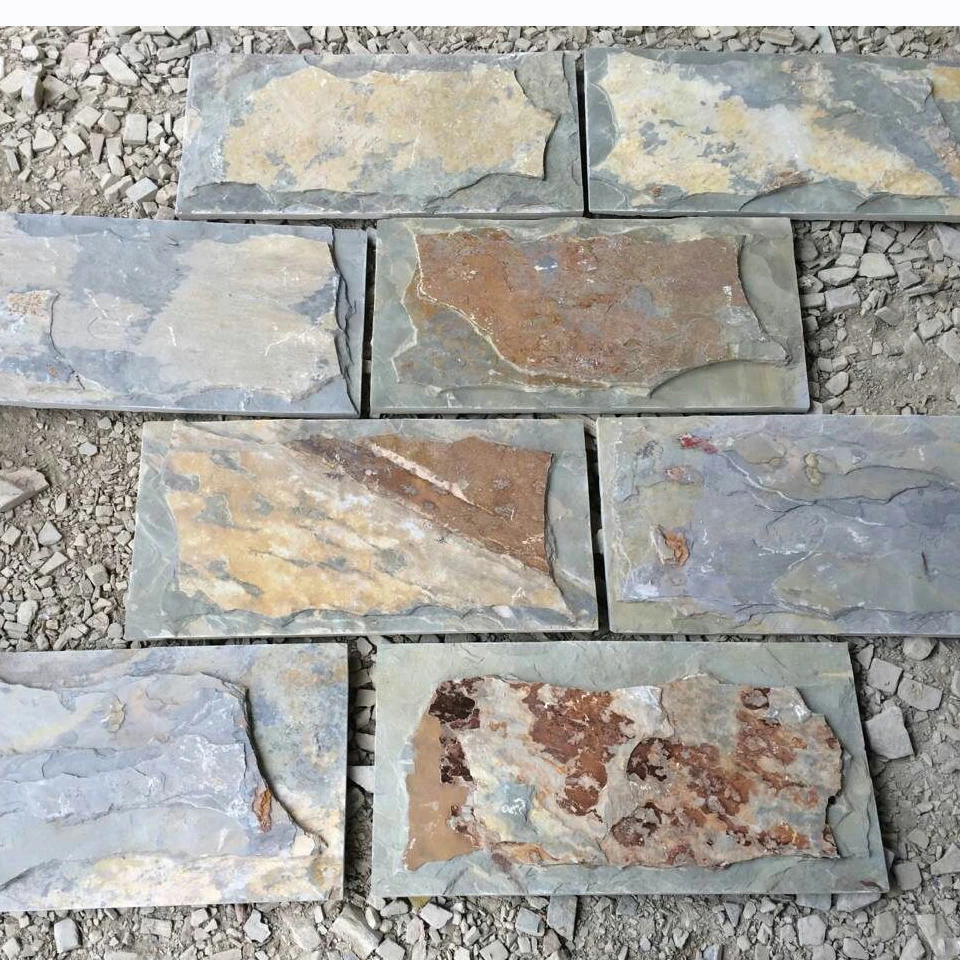
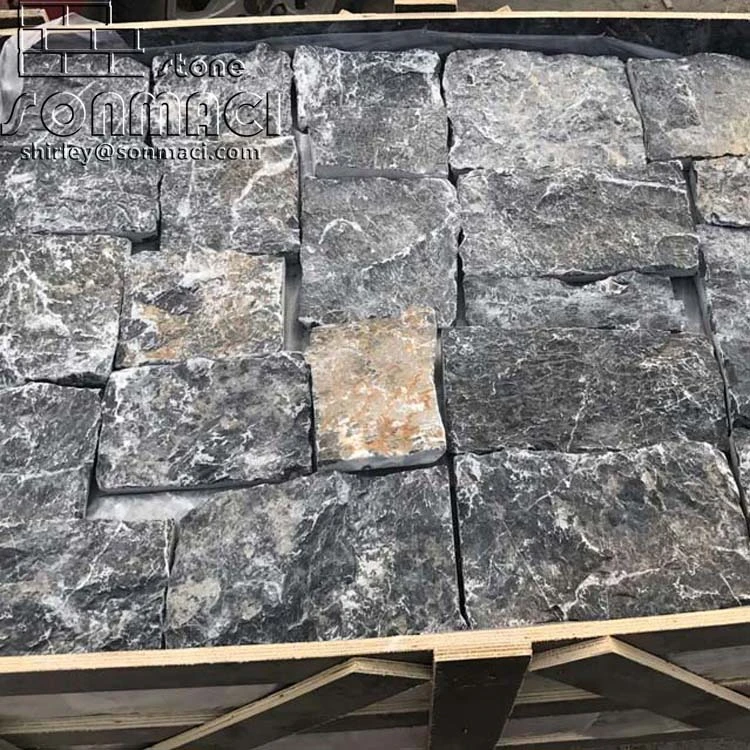
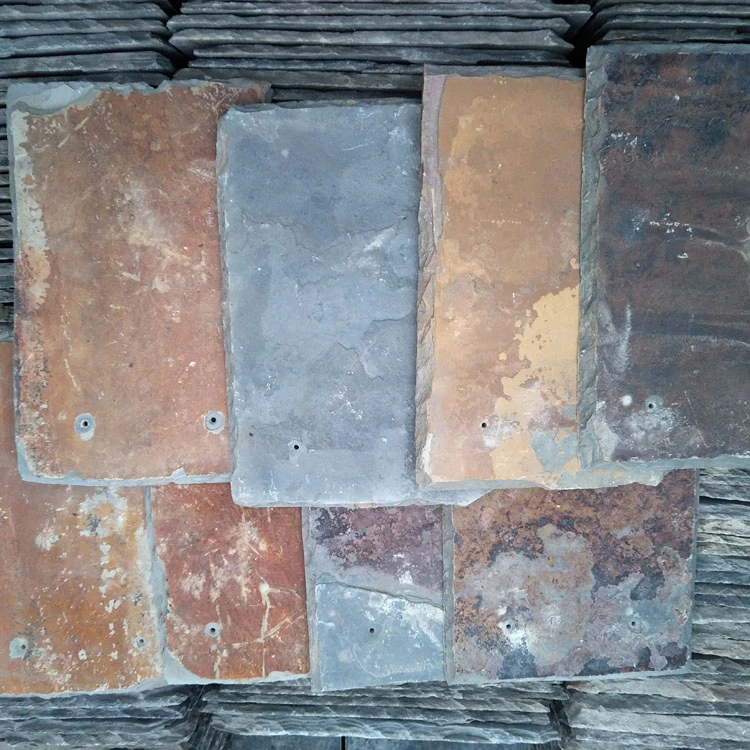
Customization is where things get really interesting. Thanks to different stone types — slate, quartzite, sandstone, and more — you can tailor the veneer to a project’s exact aesthetic and durability needs. Plus, because it’s modular, you can create everything from gentle, rustic vibes to sharp geometric patterns. Oddly enough, the product’s flexibility mirrors the diverse demands in industrial design.
Here’s a simple breakdown of typical specifications to give you a clearer picture:
| Specification | Details |
|---|---|
| Stone Type | Natural Slate, Quartzite, Sandstone |
| Thickness | 8-15 mm |
| Backing Material | Fiberglass Mesh |
| Panel Size | 300mm x 300mm (Approx.) |
| Typical Weight | 10-12 kg/m² |
| Installation Time | Quick & straightforward (compared to full stone) |
With so many suppliers out there, it pays to know who’s delivering value versus hype. Here’s a side-by-side annotation of three well-known vendors in the mosaic stone veneer space:
| Vendor | Stone Variety | Customization | Delivery Time | Price Range |
|---|---|---|---|---|
| Sonmaci Stone | Extensive (Slate, Quartzite, etc.) | High (Custom mixes & shapes) | 2-3 weeks | Mid-range |
| RockMosaic Co. | Limited (mostly sandstone) | Low (standard patterns only) | 1 week | Low |
| MosaicStone Pro | Moderate (varied stones) | Medium (some customization) | 3-4 weeks | High |
One of the things I’ve noticed over time: projects that used mosaic stone veneer usually benefit from quicker installation and fewer structural reinforcements — a subtle but real money-saver. Not to mention, the end result often raises eyebrows in a good way at client walkthroughs.
As a bit of an anecdote, I recall a manufacturing facility retrofitting its lobby walls with mosaic veneer panels. The client wanted something “industrial but inviting,” which sometimes feels like asking for a unicorn. The final touch? A mix of deep gray quartzite with sandy accents that perfectly echoed the surrounding machinery colors. It even boosted morale — odd but true!
In sum, mosaic stone veneer offers a nice bridge between rugged industrial durability and eye-catching design. If you’re weighing options for your next project, it’s worth exploring this material—especially with trusted suppliers like Sonmaci Stone.
Hopefully, this insight adds a little clarity to your search. It’s an underappreciated solution that’s far from just decorative—practical, too.
References:
1. Industry reports on stone veneer durability (2022)
2. Manufacturer technical datasheets from Sonmaci Stone
3. Field notes from various industrial site visits over 15 years