Stone Wall House Construction: Durable, Sustainable Homes for a Changing World
Stone Wall House Construction: Timeless Strength Meets Modern Needs
Stone wall house construction isn’t just an ancient craft—it's a growing global solution with deep roots and fresh relevance. As urban density balloons and climate uncertainty rattles infrastructure worldwide, understanding how stone-built homes can serve us sustainably and resiliently has never been more important. These structures marry age-old durability with surprising modern benefits like thermal efficiency and low maintenance costs. So why the uptick in interest surrounding stone masonry homes? Let’s take a walk through why people from Nepal’s mountain villages to Mediterranean coastal towns continue to favor this building method — and why developers, architects, and humanitarian agencies worldwide are paying close attention.
The Global Context: Why Stone Wall Construction Matters Today
According to the United Nations, over 1.6 billion people lack adequate housing, and many live in areas prone to natural disasters or extreme climate. The World Bank’s data on construction materials shows rising costs and increasing concerns about environmental impacts. Stone wall house construction offers a compelling response: it taps into readily available local materials, requires low embodied energy compared to cement or steel, and yields homes that can resist earthquakes and extreme weather.
However, despite these advantages, challenges persist. Rapid urbanization demands scalable housing solutions, yet stone masonry often gets dismissed as slow or costly. That’s the paradox many urban planners face — balancing stone’s durability with modern construction speed. Researchers and practitioners are therefore innovating how we build with stone to overcome these hurdles.
Mini takeaway: Stone wall homes reflect a blend of tradition and load-bearing resilience increasingly valuable in an unpredictable climate and booming urban populations.
Stone Wall House Construction: What Exactly Is It?
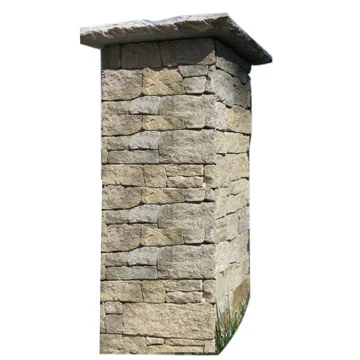
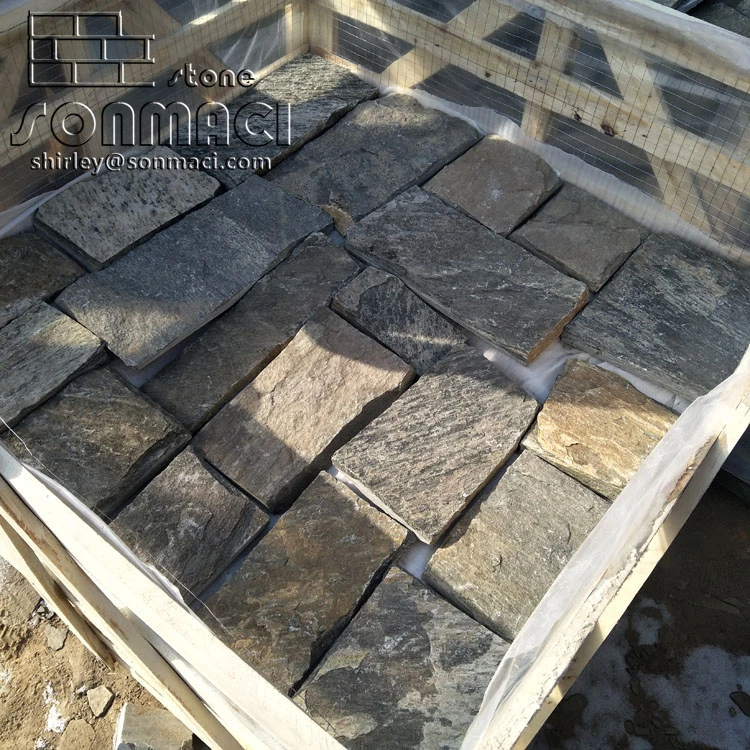
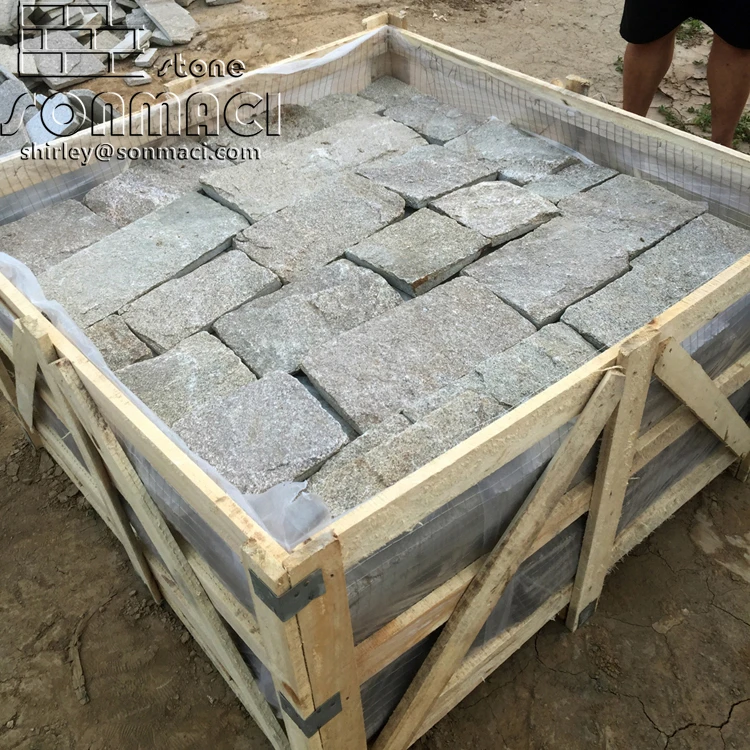
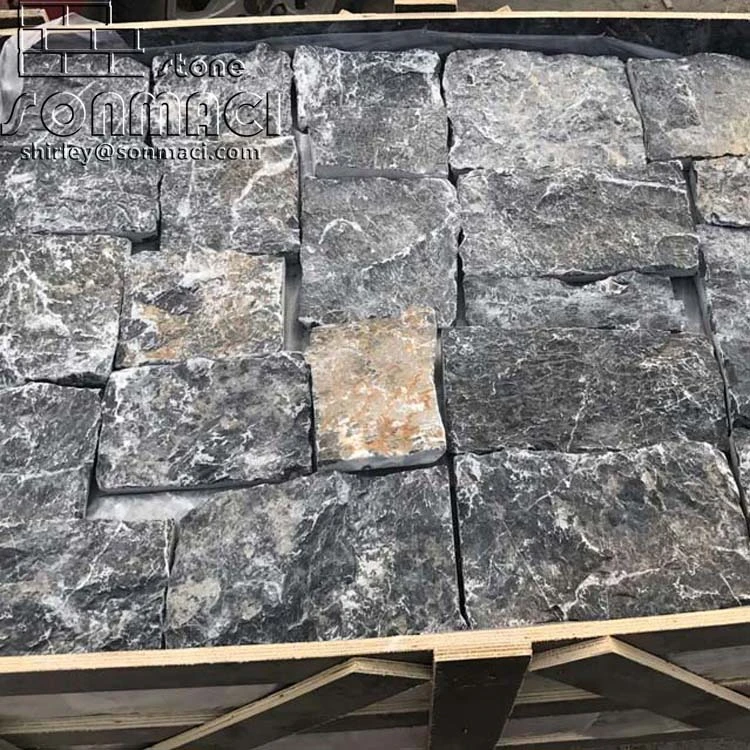
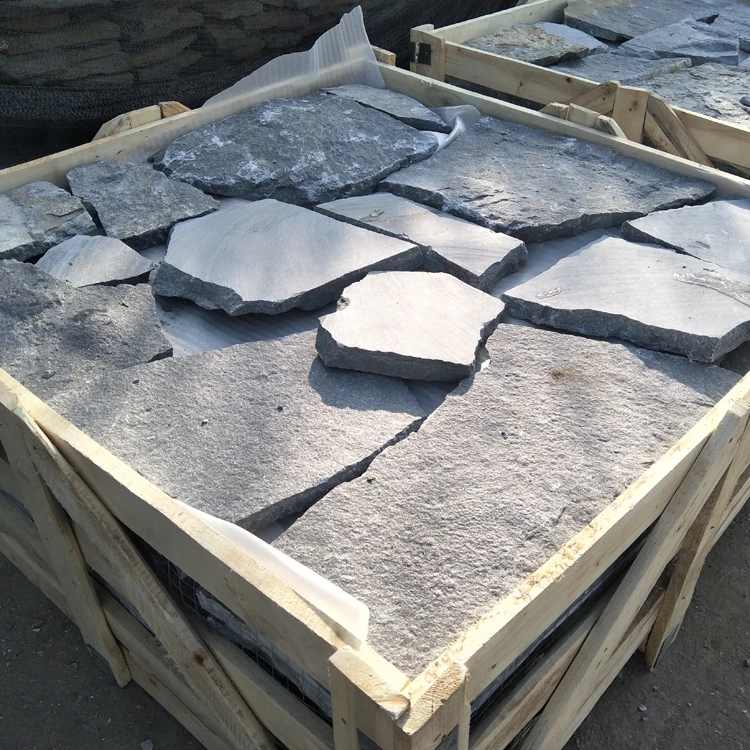
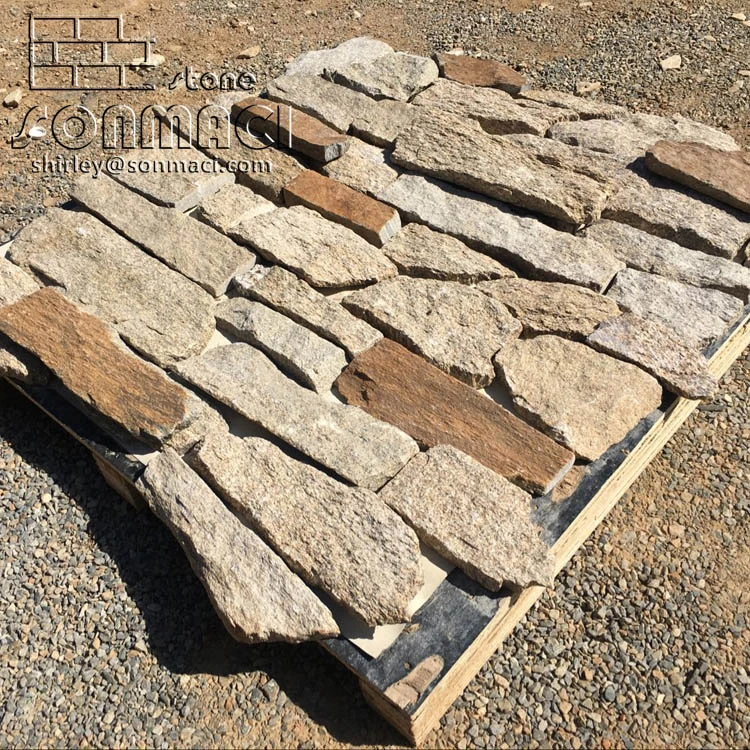
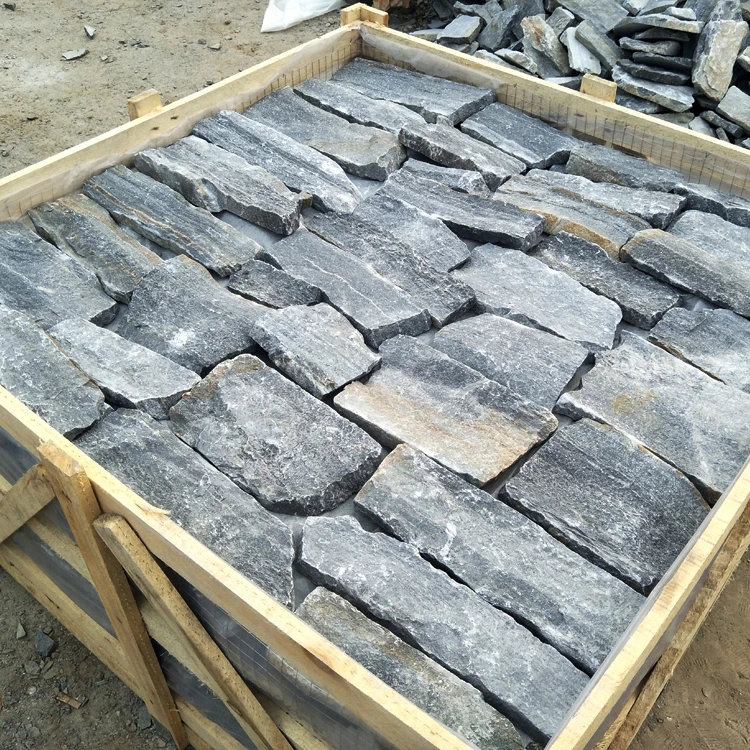
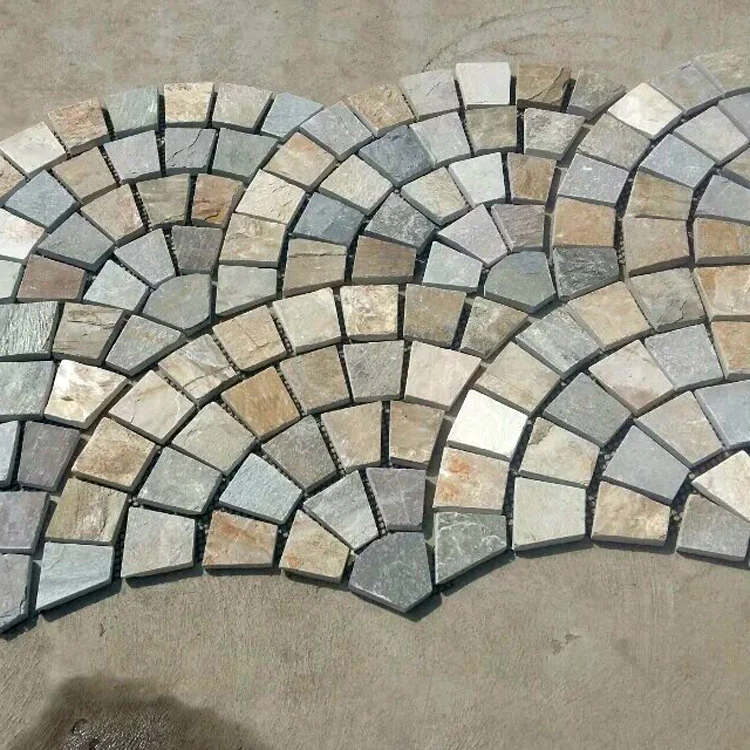
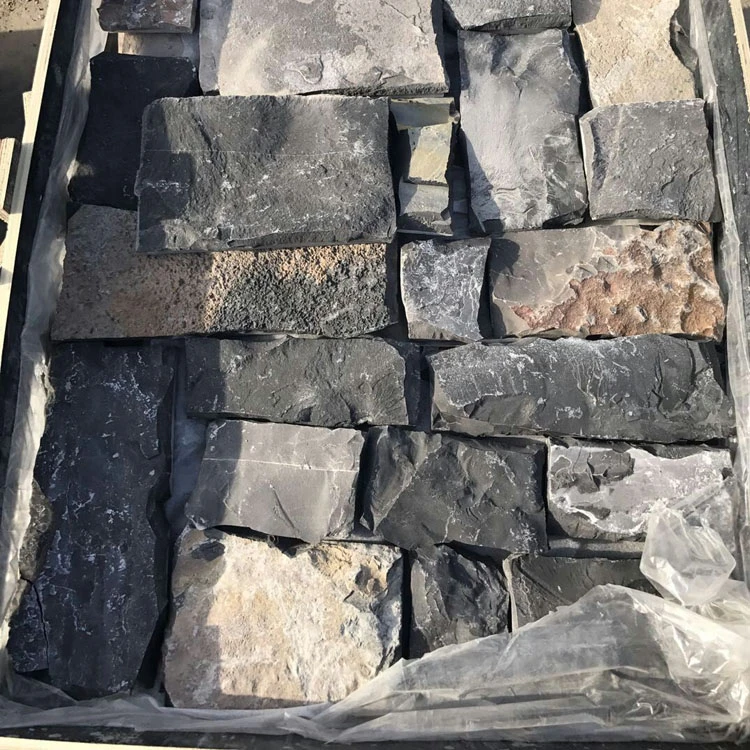
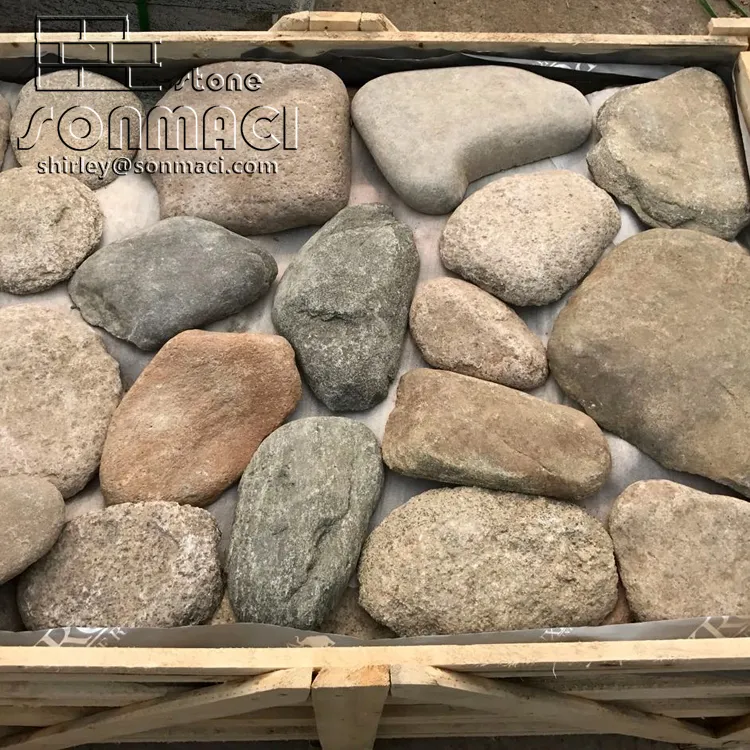
Put simply, stone wall house construction means using stones as the primary structural component for walls. Traditionally, stones would be stacked and joined with mortar or sometimes dry-stacked in seismic zones. Today’s methods range from handcrafted masonry to mechanized stone panel systems. Stone might be granite, limestone, sandstone, or basalt — depending on local availability.
Its connection to modern industry is surprisingly broad: from sustainable architecture movements to disaster-relief housing prototypes. For instance, organizations building temporary shelters after earthquakes or floods explore stone’s thermal properties and strength to replace flimsy tents. Meanwhile, sustainable building firms promote stone for its low carbon footprint and exceptional longevity.
Key Factors in Stone Wall House Construction
Durability
Stone is famously tough — resisting rot, pests, and fire. This longevity means stone houses often stand for centuries, reducing the need for frequent rebuilds or repairs. Industrially, durability means cost savings over decades.
Thermal Efficiency
Stone acts as a natural insulator. In hot climates, thick stone walls keep interiors cool; in colder regions, they retain heat. This stable internal temperature can dramatically reduce energy use for heating or cooling — an environmental and economic win.
Eco-Friendliness
Using locally quarried stone cuts carbon emissions tied to transport. Moreover, stone production requires less energy than concrete manufacture. This aligns well with ISO standards on sustainable buildings.
Design Flexibility
Contrary to what many think, stone walls don’t limit creativity. Skilled masons and modern CAD tech enable complex forms, blending heritage aesthetics with contemporary designs.
Cost Efficiency
While initial labor and material costs can be higher, stone walls save money over time by reducing maintenance, resist environmental damage, and improve energy efficiency.
Scalability
Traditionally a small-scale craft, stone construction now incorporates pre-fabricated elements and mechanized tooling, enabling quicker builds fit for larger projects.
Mini takeaway: Whether we focus on savings, sustainability, style, or structural integrity, stone wall construction hits multiple boxes.
Where in the World Are Stone Walls Making a Difference?
Regions vary, but stone wall house construction pops up in fascinating contexts:
- Remote mountainous areas like the Himalayas, where stone is abundant and timber scarce, locals maintain centuries-old methods, now supported by NGOs aiming for earthquake-safe shelters.
- Mediterranean countries including Italy and Greece, where coastal homes leverage stone’s cooling traits.
- Post-disaster zones — In places like Nepal and parts of Central America, stone masonry is gaining traction for rebuilding resilient homes after earthquakes and hurricanes.
- Ecotourism and luxury housing markets, especially in Europe and North America, where the 'rustic charm' paired with sustainable credentials attracts buyers.
Organizations like the International Federation of Red Cross and Red Crescent Societies have piloted stone-wall shelters for disaster relief. Industrial projects in mining towns use stone to house workers safely against harsh environments.
Mini takeaway: Whether for tradition, emergency, luxury, or economy, stone wall houses answer diverse global needs.
Stone Wall House Construction: Advantages That Stand the Test of Time
It’s easy to list benefits, but the real value of stone walls goes deeper:
- Financial: Reduced energy bills and low upkeep mean better returns over decades.
- Environmental: Less carbon footprint compared to concrete blocks or steel frames.
- Social: Stone homes can improve occupant safety and dignity—vital in disaster-affected regions.
- Emotional: There’s a certain timelessness, a feeling of rootedness that stone walls evoke—almost like a quiet trust built into the house itself.
Many engineers say stone’s longevity is its magic. It’s not just about materials, but time — you buy a stone house once and it might serve your family for generations.
Upcoming Trends and Innovations in Stone Wall Construction
The industry is far from stuck in the past. Here’s what’s new and exciting:
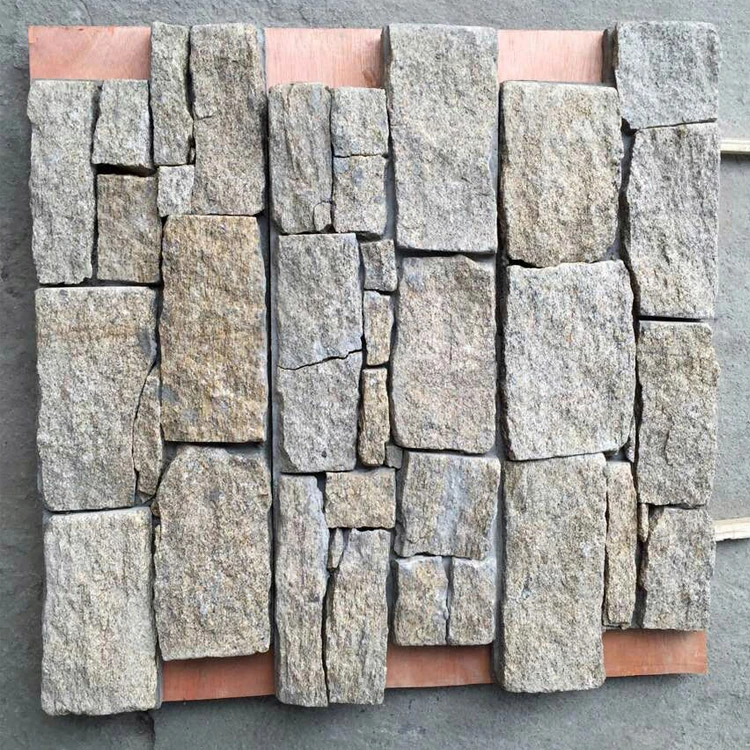
- Prefabricated stone panels: Modern factories now produce thin, lightweight stone veneer panels, speeding up installation and allowing integration with other materials.
- Digital masonry and robotics: Computer-aided design combined with robotic stone cutters enable precision and reduce manual labor.
- Green energy integration: Some builders combine stone homes with solar panels and geothermal heating for ultra-low emissions.
- New mortars & adhesives: Innovative binders improve seismic resistance and water-proofing.
So while the stones themselves don’t change much, how we use and assemble them is undergoing a quiet revolution.
Challenges in Stone Wall House Construction and How to Overcome Them
It’s not all smooth sailing:
- Labor intensity: Skilled masons are fewer. Training programs and mechanization help, but uptake is slow.
- Speed: Traditional stone walls take time. Prefab panels and modular systems partially address this.
- Material consistency: Natural stone varies; quality control measures must be tight.
- Cost upfront: Initial investment is higher. Educating clients about long-term savings is crucial.
Experts advise combining stone with complementary technologies, flexible design, and community training — a hybrid approach that respects tradition yet pushes the envelope in productivity and safety.
Stone Wall House Construction Product Specifications
| Specification | Typical Value | Notes |
|---|---|---|
| Wall Thickness | 300 - 600 mm | Depends on load and insulation needs |
| Compressive Strength | 30 - 150 MPa | Varies by stone type |
| Thermal Conductivity | 1.3 - 2.5 W/m·K | Lower values preferable for insulation |
| Mortar Type | Lime or Cement-Based | Lime preferred for breathability |
| Typical Lifespan | 100+ years | With regular maintenance |
Comparing Leading Stone Wall Construction Vendors
| Vendor | Specialty | Lead Time | Price Range | Notable Projects |
|---|---|---|---|---|
| StoneCraft Innovations | Prefab stone panels & modular kits | 4-6 weeks | $$$ | Mountain eco-lodges, commercial centers |
| Heritage Stone Builders | Traditional masonry & restoration | 8-12 weeks | $$ | Historic homes, cultural sites |
| EcoStone Systems | Green certified stone assemblies | 5-7 weeks | $$$ | Sustainable schools, urban housing |
FAQ: Your Questions on Stone Wall House Construction Answered
What are the main benefits of stone wall houses compared to traditional timber structures?
Stone wall houses offer superior durability, fire resistance, and thermal stability. Unlike timber, stone won’t rot or attract pests, and generally requires less maintenance over time. While upfront costs can be higher, the long-term savings on repairs and energy often outweigh this.
Is stone wall house construction suitable for earthquake-prone areas?
Yes, when engineered correctly. Modern techniques like seismic reinforcement, flexible mortar, and interlocking stones help stone homes withstand tremors better. Dry-stack methods and lighter panels also reduce mass to improve earthquake resilience.
How eco-friendly is stone wall house construction?
Very eco-friendly, especially when local stone is used. Stone requires little processing compared to concrete or steel, resulting in much lower embodied carbon. Plus, stone structures are incredibly long-lasting, reducing the environmental impact of rebuilding.
Can stone wall houses be built quickly for disaster relief housing?
New prefab stone panel systems make faster assembly possible, but traditional masonry tends to be slower. Combining prefabrication with local labor training can strike a good balance for rapid, safe deployment in crisis zones.
Where can I learn more about the technical standards for stone wall construction?
Check international standards from ISO on sustainable building (ISO 21930), or the ASTM guidelines for natural stone (ASTM C119). Local building codes often incorporate regional stone use standards as well.
Wrapping Up: Why Stone Wall House Construction Is Worth Considering
To circle back — stone wall house construction is no fleeting trend. It touches on critical themes of durability, sustainability, and cultural continuity. Whether you’re an architect dreaming of structures that last a lifetime, or a humanitarian seeking resilient homes for vulnerable people, stone walls offer a solid, time-tested option that still evolves with modern innovation.
If you’d like to explore innovative stone wall solutions, prefab systems, or consulting services, I highly recommend visiting stone wall house construction specialists. The craft is alive, the benefits real, and the future... well, let’s just say it’s built to last.