Enhance Your White House Exterior with Stone Veneer | Durable & Stylish Solutions
Stone Veneer on White House: A Timeless Blend of Elegance and Practicality
Stone veneer on white house surfaces is more than just a decorative trend — it’s a practical approach to enhancing the charm and durability of residential exteriors worldwide. As we see more homeowners and builders focusing on sustainable, cost-effective materials, this fascinating blend of natural aesthetics and engineered protection is becoming a global staple. Understanding stone veneer’s benefits is crucial not only for architects and builders but also for anyone keen on marrying style with long-term value.
Why Stone Veneer on White House Matters Globally
At first glance, applying stone veneer to a classic white house might seem purely aesthetic. But the story runs deeper. Recent global housing data from the United Nations suggest that climate-resilient and energy-efficient building materials are critical to sustainable development goals – and stone veneer fits right into that narrative.1 Over 30% of residential properties worldwide face challenges like moisture damage, temperature fluctuations, and degrading façades. Stone veneer offers a robust solution.
However, traditional masonry can be heavy, costly, and labor-intensive. Stone veneer mimics natural stone's elegant charm while being lighter, easier to install, and more affordable — a combination that meets the rising global demand for both beauty and function.
What Exactly Is Stone Veneer on White House Surfaces?
“Stone veneer on white house” simply means applying a thin layer of manufactured or natural stone panels over the exterior walls, traditionally painted or stuccoed white. Unlike full-thickness stone walls, these veneers — usually ½ to 1 inch thick — are designed to give that illusion of solid stone without the massive weight.
In practical terms, this method is a game-changer. It reduces installation time, cuts structural load, and can be retrofitted on older homes to improve both insulation and curb appeal. Oddly enough, it’s also been adopted in post-disaster reconstruction zones where durable yet lightweight materials matter. This tiny makeover can make a big difference.
Key Components That Make Stone Veneer Work
Durability
Stone veneer resists weather extremes — rain, freeze-thaw cycles, UV rays — without fading or cracking easily. Many veneer types have water-repellent coatings that prevent moisture infiltration, protecting the white house’s underlying structure.
Cost Efficiency
Compared to full stone masonry, stone veneer saves roughly 40–60% in material and labor costs. You pay less, and with modern adhesives and mechanical fastening, installation is faster and less disruptive.
Thermal Performance
A surprising benefit is limestone or quartzite veneer’s ability to help regulate temperature indoors. When paired with a white façade, often reflective to heat, homeowners notice reduced cooling loads — crucial in hot climates.
Aesthetic Versatility
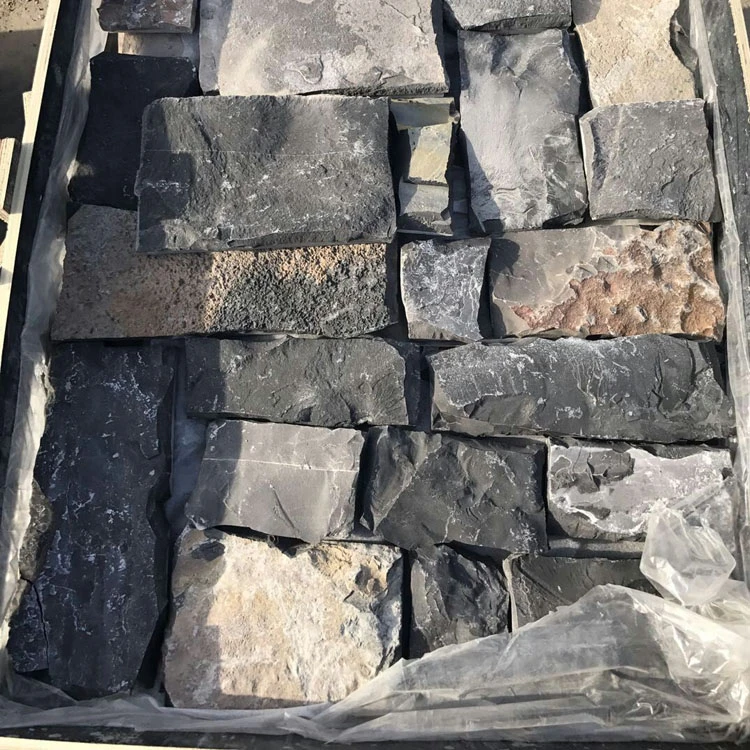
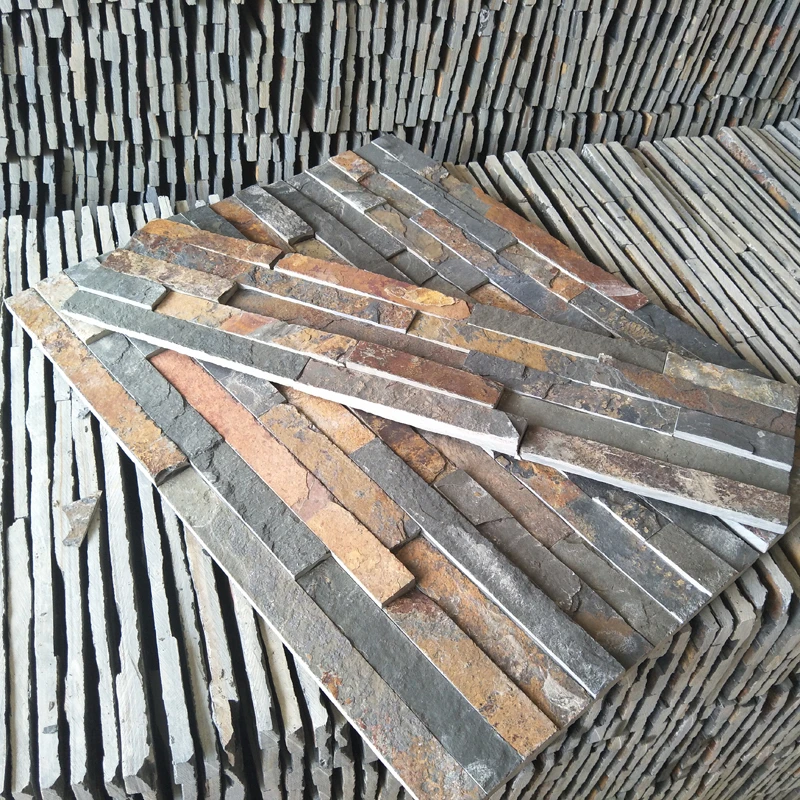
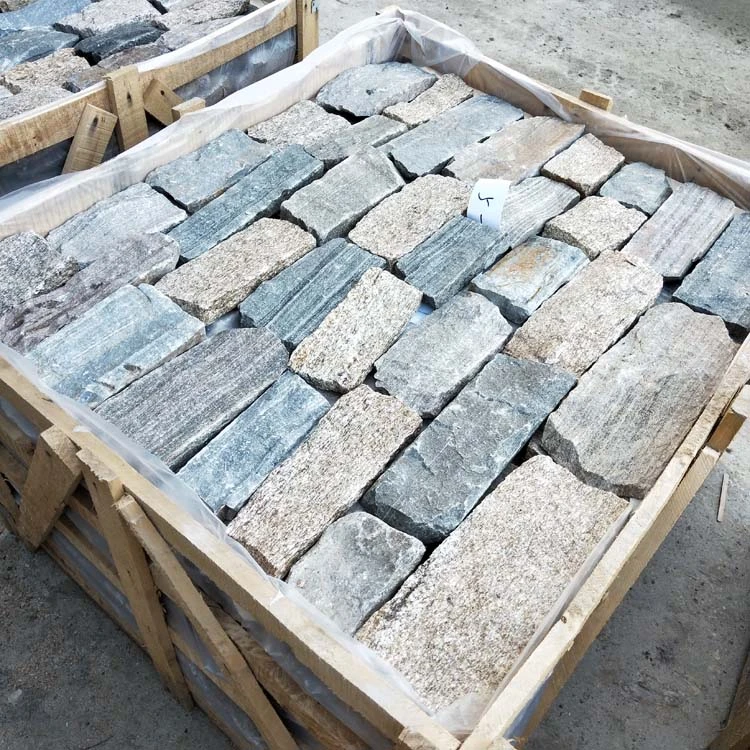
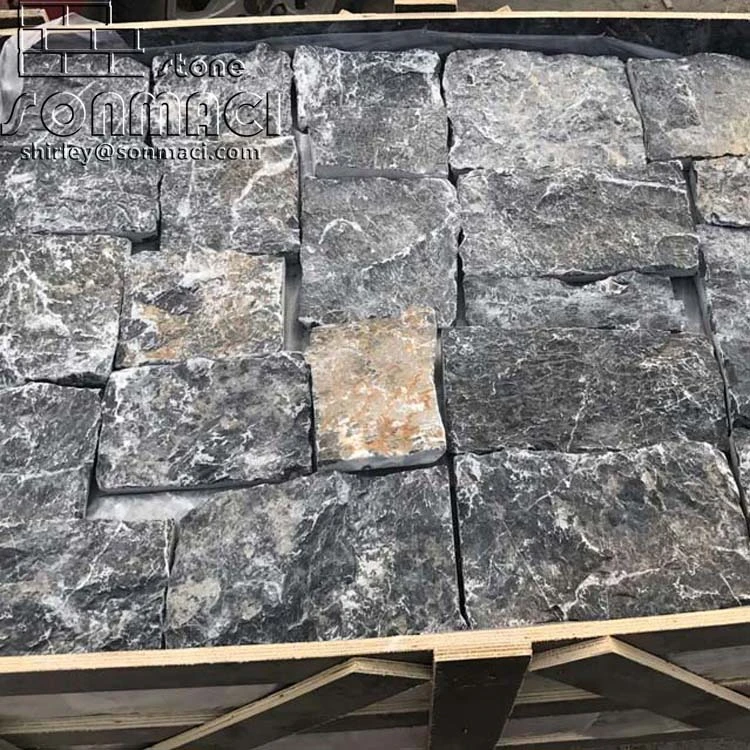
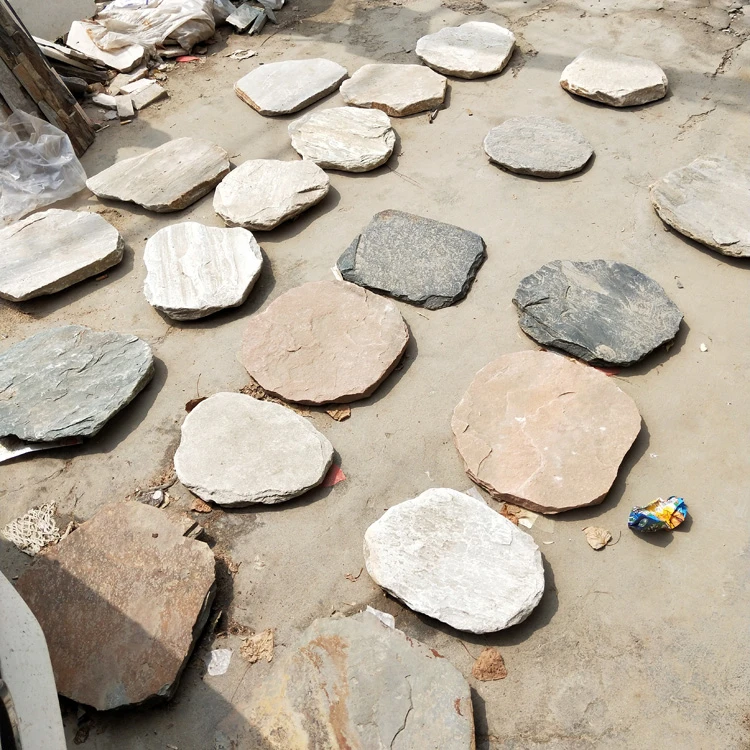
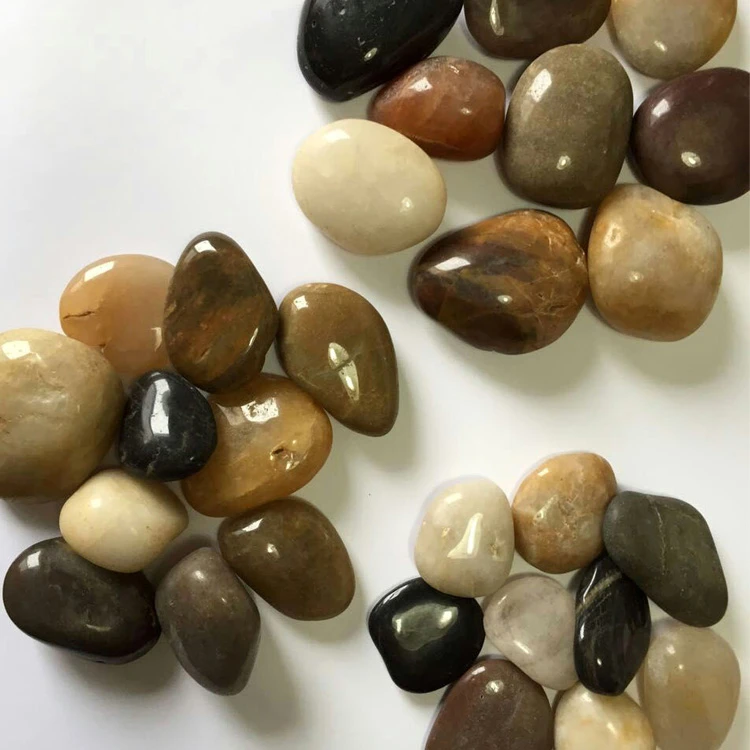
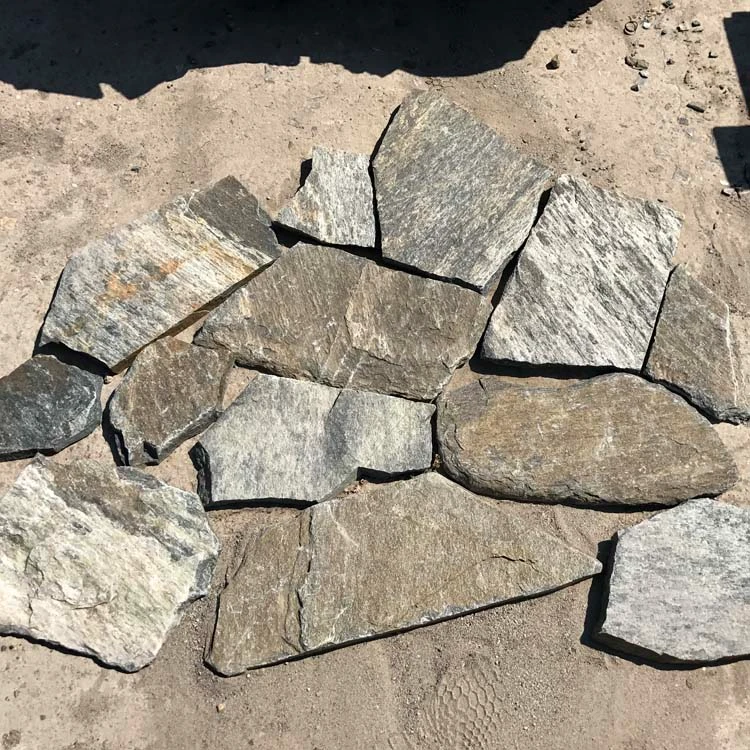
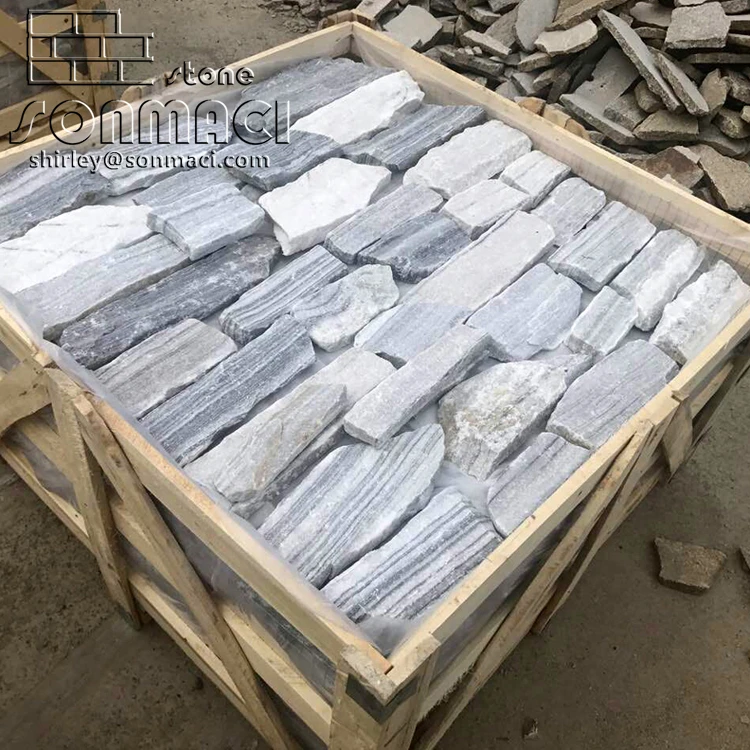
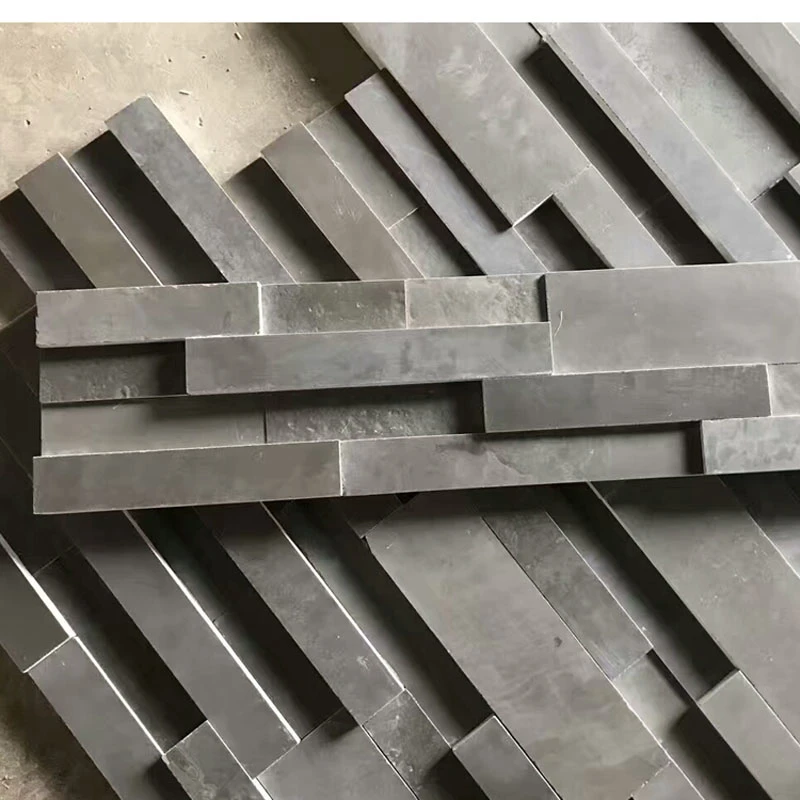
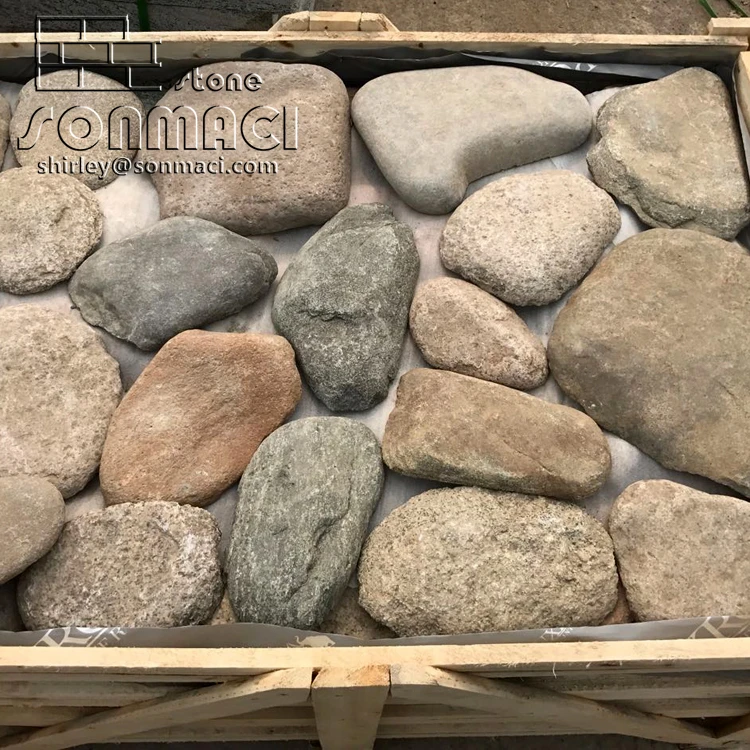
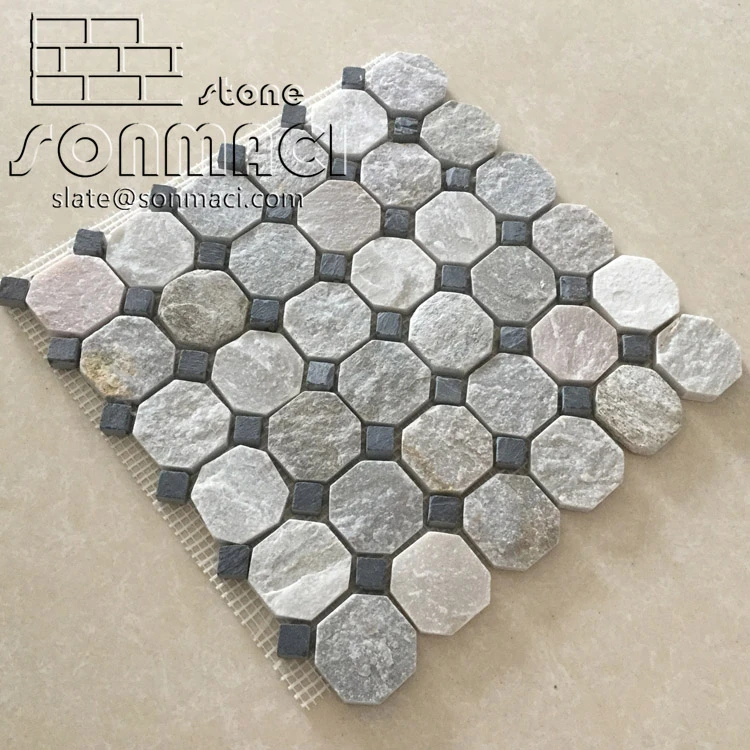
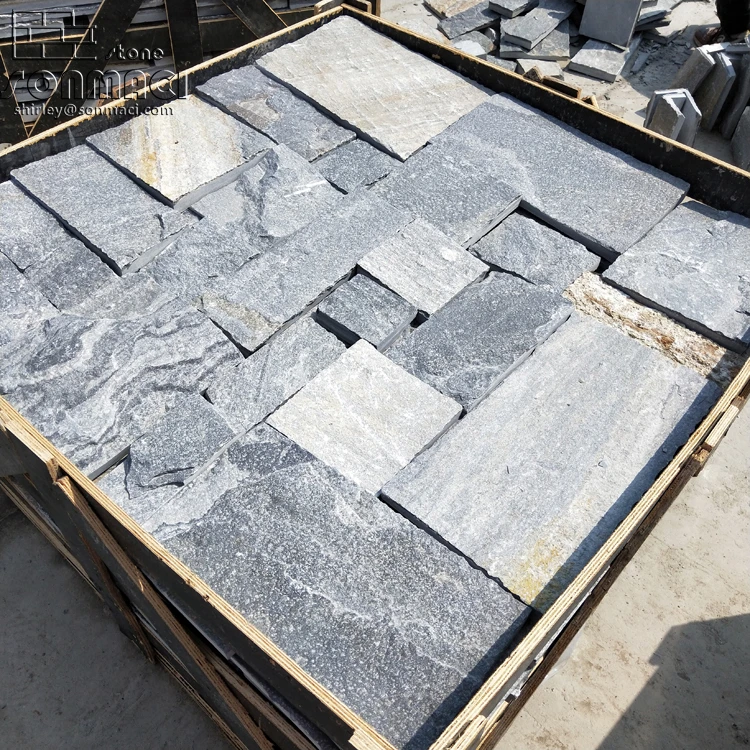
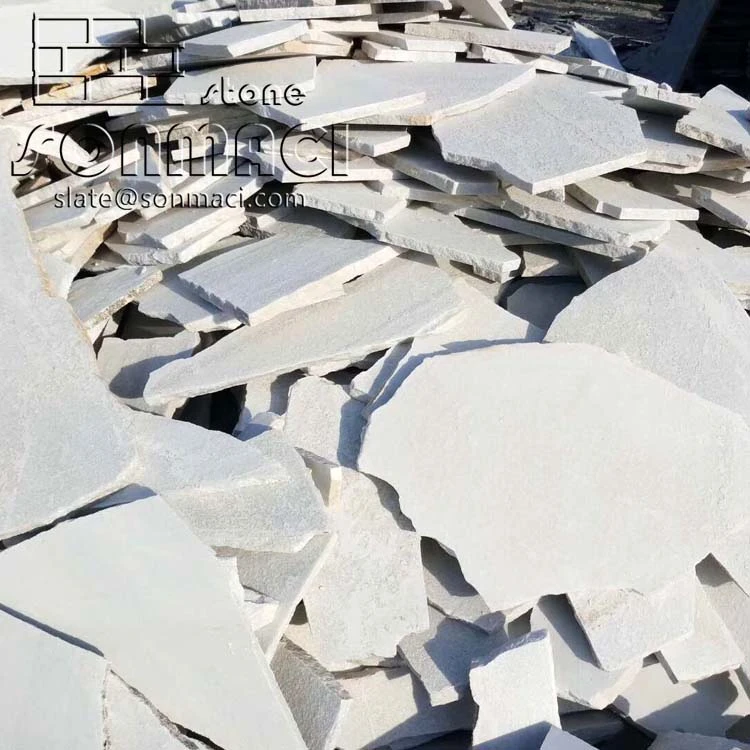
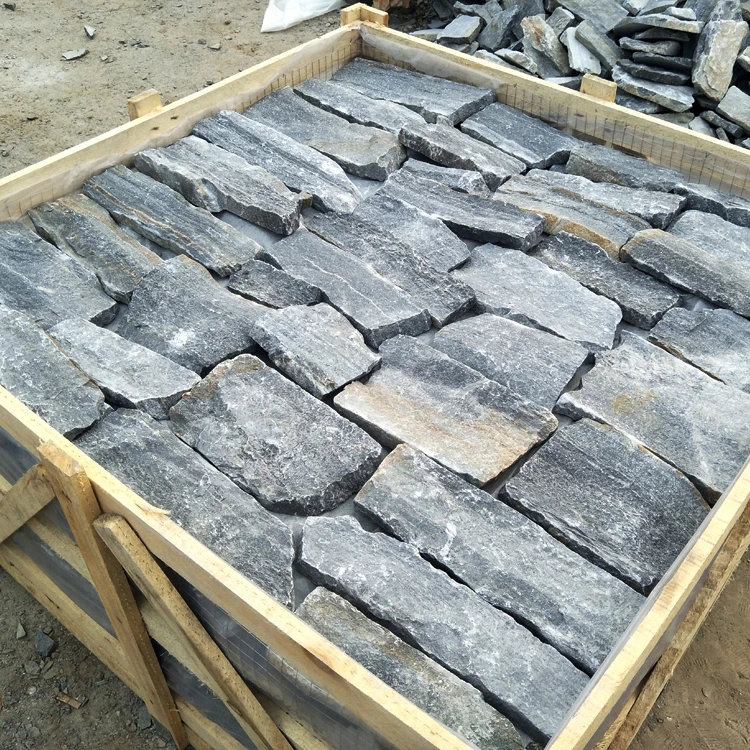
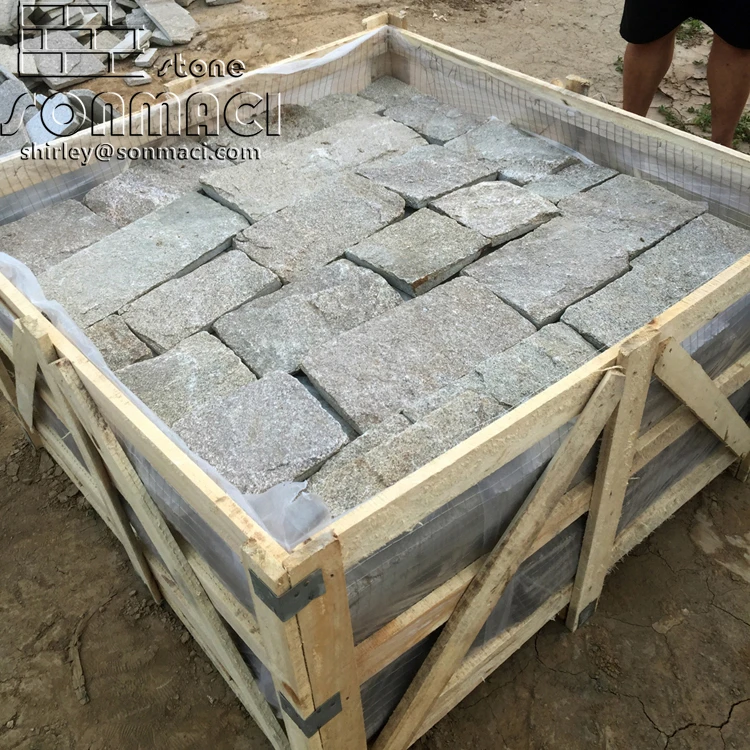
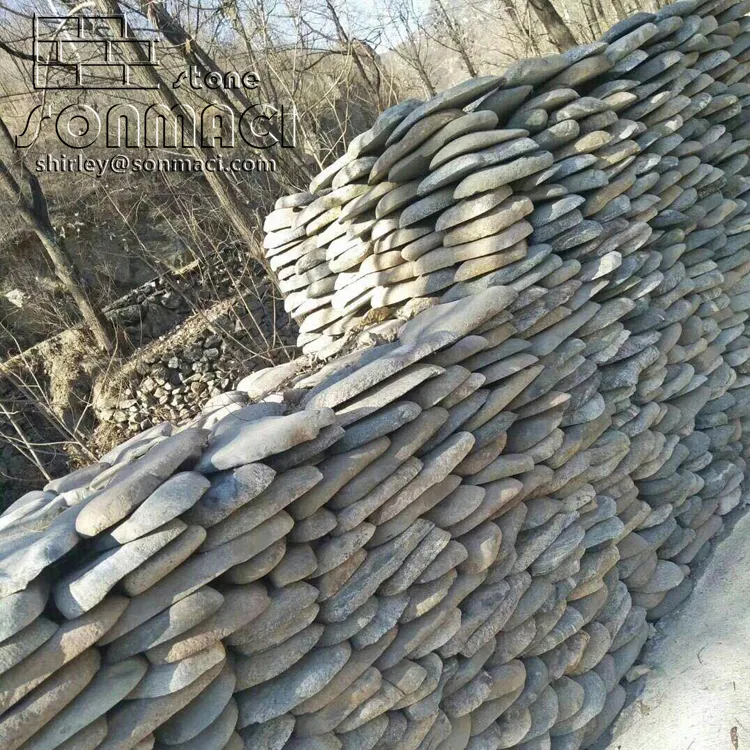
From rustic flagstone to polished granite looks, veneers come in various colors, textures, and shapes. Combining white walls with these veneers allows a stylish yet timeless appearance, lending curb appeal without looking overly flashy.
Lightweight Nature
This is key for many renovations: stone veneer weighs less than traditional stone cladding, so it doesn’t require extra foundation work. This opens doors for older structures wanting that upgraded look.
Environmental Impact
Many manufacturers now use recycled content or low-carbon production methods, aligning veneer use with evolving green building certifications such as LEED.2
Global Applications & Inspiring Use Cases
Stone veneer on white house façades is truly global. In the Mediterranean region, popular for its bright, sunlit homes, local governments encourage stone veneers to preserve historic aesthetics while adding modern resilience. In Australia and the southwestern U.S., these veneers help homes withstand extreme heat and wildfire risks.
NGOs rebuilding homes post natural disasters also appreciate veneer’s ease and speed. For example, after Hurricane Maria in Puerto Rico (2017), many rebuilt homes combined white painted exterior walls with stone veneer accents to honor local styles and boost durability.3
Industrial zones in colder climates, like parts of Scandinavia, use stone veneer on white-painted worker housing to improve insulation while maintaining a bright, welcoming street view during harsh winters.
Mini takeaway: stone veneer on white house exteriors is a global go-to for combining aesthetics with practical performance, bridging tradition and modern building needs seamlessly.
Stone Veneer Specification Table
| Feature | Description | Benefit |
|---|---|---|
| Material Type | Natural Stone / Manufactured Stone | Authentic look, variety in styles |
| Thickness | 12–25 mm (Approx. 0.5–1 inch) | Lightweight; easy installation |
| Water Resistance | Treated with hydrophobic sealant | Prevents moisture damage |
| Thermal R-Value | 0.8–1.2 (varies by type) | Adds insulation support |
| Installation Time | 2–5 days (per typical house side) | Faster than full masonry |
Comparing Leading Stone Veneer Vendors
| Vendor | Material Range | Eco Credentials | Installation Support | Typical Cost Range (USD per sq. ft.) |
|---|---|---|---|---|
| StoneScape Inc. | Natural, Quartzite, Limestone | Certified LEED Materials | Full Installation Training | $14–$22 |
| EcoStone Panels | Manufactured Stone with Recycled Content | 100% Recycled Material Use | On-site Consultation Available | $10–$18 |
| Heritage Stoneworks | Natural Stone - Handmade Selection | Traditional Mining Practices | Limited Installation Support | $20–$28 |
Advantages & Lasting Benefits of Stone Veneer on White House Facades
Stone veneer is more than a mere surface upgrade. It offers solid protection against the elements, reduces maintenance needs, and enhances market value. I suppose what adds emotional weight is that homes clad in stone veneer feel more “settled” — like they have a story, a character. That visual solidity builds a sense of trust and comfort for residents and visitors alike.
On the sustainability front, using stone veneer paired with reflective white coatings can reduce greenhouse gases by lowering heating and cooling demands. That’s not just good for the planet; it translates into real monthly savings. And in communities recovering from natural disasters, those smaller operational costs mean safety and dignity — not just shelter.
What’s Next? Future Trends in Stone Veneer Use
The veneer scene is evolving fast. New composite materials combine stone with pulp fibers or polymers to improve insulation and reduce weight further. Digital fabrication techniques now allow precise stone cutting shaped by customer preference, drastically cutting waste.
Plus, integrating solar-reflective coatings or even photovoltaic cells directly onto stone veneers could turn walls from passive cladding into active energy generators someday soon. The old white house with stone veneer? It might be a future power hub — who knows?
Challenges & Smart Solutions in Stone Veneer Applications
Not everything is rosy. Moisture management remains a tricky issue if installation isn’t done right — water trapped behind veneer can cause serious damage. Some older homes with uneven substrates may require extra prep or reinforcement.
However, recent innovations like breathable membranes and better mortars, plus skilled installer training, mostly mitigate these risks. Frankly, if there’s a lesson here it’s to pick your vendor carefully (hint: see table above) and to never skimp on prep work.
FAQ: Common Questions About Stone Veneer on White House
- Q: Is stone veneer durable enough for harsh climates?
A: Yes, many stone veneers are designed to resist freeze-thaw cycles, UV exposure, and heavy rain. Proper sealing and installation are crucial for longevity. - Q: How much does it cost to add stone veneer to a typical white house?
A: Costs vary by material and region but generally range from $10 to $28 per square foot, including installation. - Q: Can stone veneer improve home insulation?
A: While veneers add some insulation value, they're best combined with proper insulation layers behind them and reflective white paint for optimal thermal performance. - Q: How quickly can stone veneer be installed?
A: A skilled crew can usually complete an exterior wall in 2–5 days depending on house size and complexity. - Q: Are there eco-friendly stone veneer options?
A: Absolutely. Many manufacturers now offer products with recycled content and use low-impact mining or fabrication processes.
In Conclusion: Why Stone Veneer on White House Remains a Smart Choice
Stone veneer applied on white house exteriors elegantly balances heritage, durability, and modern needs — it’s both a nod to timeless architecture and a step toward sustainable living. Whether you’re restoring an older home or giving your new build a touch of class, stone veneer is a choice that pays off in beauty and function.
Curious to explore how stone veneer can transform your project? Visit our site at stone veneer on white house for more insights and expert advice.
Until next time, keep in mind: sometimes the thinnest layer makes all the difference.
References:
1. UN Sustainable Development Goals – Housing
2. U.S. Green Building Council – LEED Certification
3. Wikipedia – Hurricane Maria