Dry Stack Stone Wall Cost Per Foot – What You Need to Know for Sustainable Construction
Understanding Dry Stack Stone Wall Cost Per Foot: A Global Perspective
If you’ve ever admired those beautiful, rugged stone walls that seem to hold timelessly to hillsides or property borders without any mortar, you’ve glimpsed dry stack stone walls in action. But beyond their rustic charm lies a vital question for builders, planners, and project managers worldwide: what does the dry stack stone wall cost per foot, really, and why does it matter so much? The answer isn’t just about economics. It’s about preserving tradition while adapting to modern needs—cost efficiency, sustainability, and reliability across diverse environments.
Globally, stone walls have spanned civilizations—from ancient terracing in Peru to retaining walls in Europe’s vineyards. Today, the cost-effectiveness of dry stack stone walls plays an increasingly important role in both developed and developing regions, particularly where infrastructure budgets are tight, and ecological consciousness is on the rise.
Introduction: Why the Dry Stack Stone Wall Cost Per Foot Matters Globally
The World Bank estimates that infrastructure spending in low- and middle-income countries must rise significantly to meet sustainable development goals by 2030. In that mix, construction materials and methods that balance affordability and durability stand out. Dry stack stone walls, requiring no mortar, reduce labor complexity and the use of cement, lowering both environmental impact and cost. ISO standards on sustainable construction increasingly support such traditional yet practical methods. Still, pricing varies widely by region due to stone availability and labor skills, making a clear understanding of dry stack stone wall cost per foot fundamental.
The challenge? Striking a balance between upfront costs and long-term value, especially when compared to concrete or gabion cages. That’s where understanding the specifics of pricing and application really pays off.
What Does Dry Stack Stone Wall Cost Per Foot Mean?
Simply put, the dry stack stone wall cost per foot measures the average price to build one linear foot of a stone wall assembled without mortar. This includes the cost of raw stone materials, labor, and sometimes tools or transportation. It’s a practical metric that helps contractors and clients budget accurately and compare it with alternative wall types.
In modern construction, especially in rural or environmentally sensitive areas, dry stack stone walls are prized for their eco-friendly nature and for requiring fewer chemical additives. Humanitarian projects, too, appreciate this method for rapid deployment of durable barriers or terraces without specialized concrete mixing.
Key Factors Influencing Dry Stack Stone Wall Costs
1. Material Type and Availability
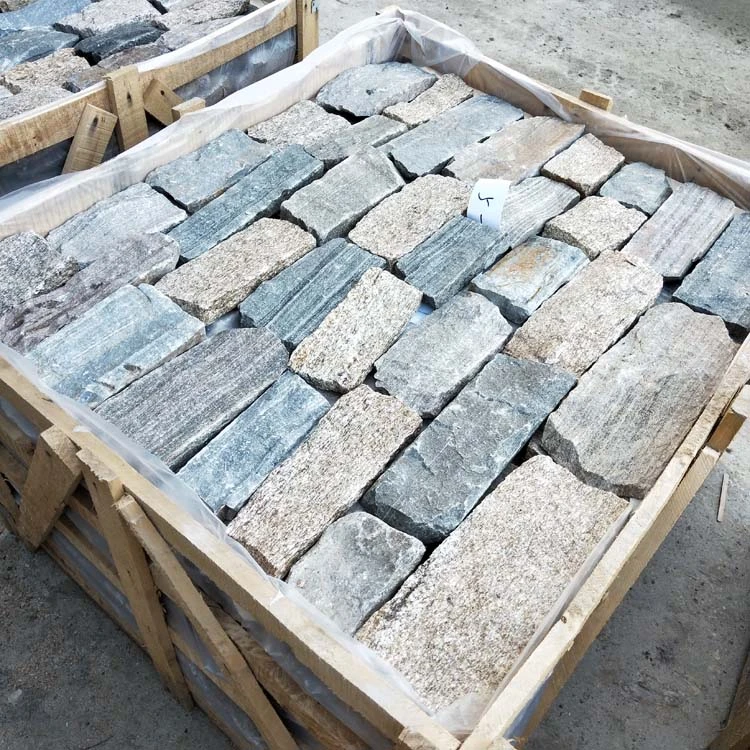
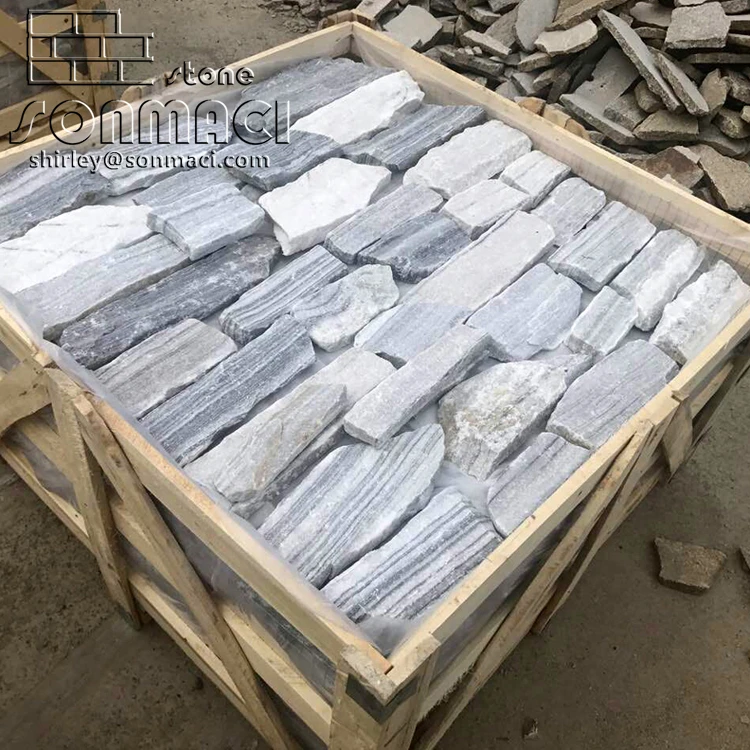
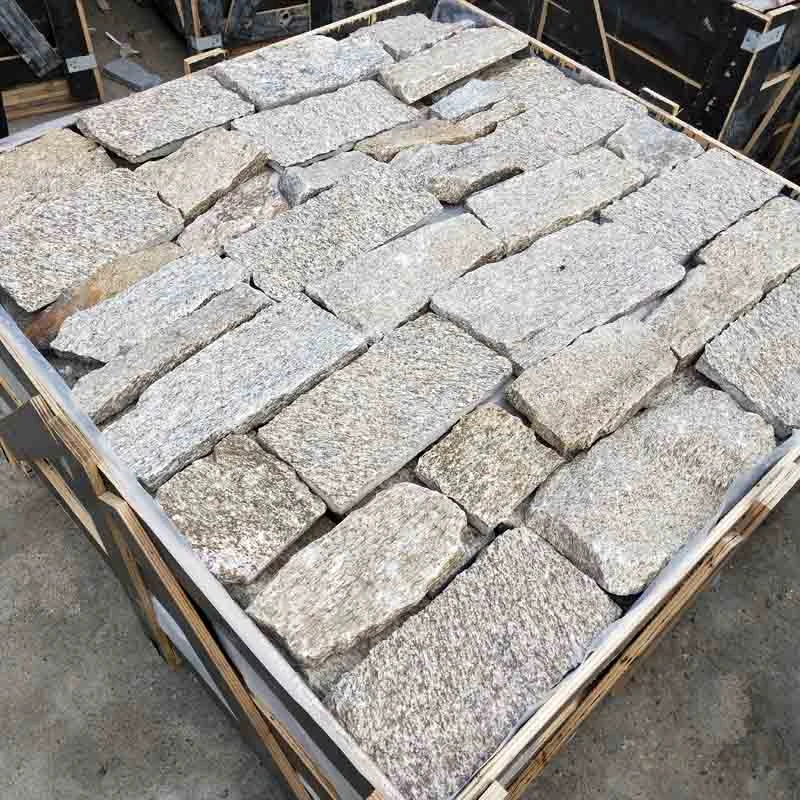
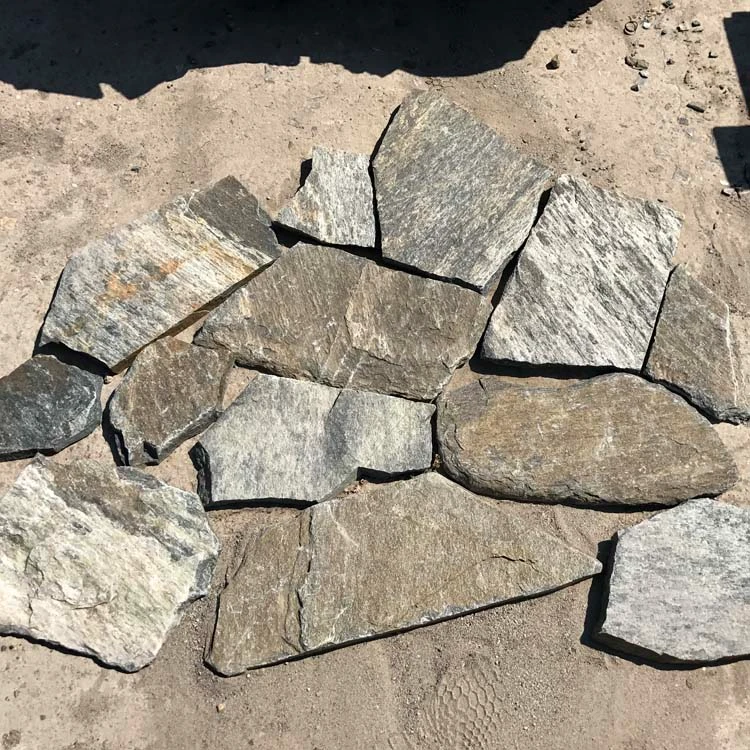
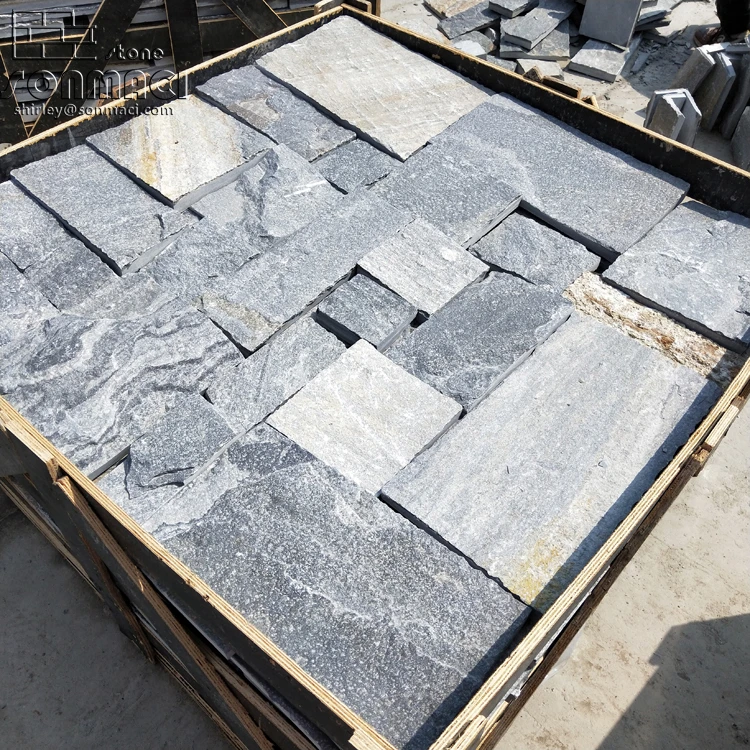
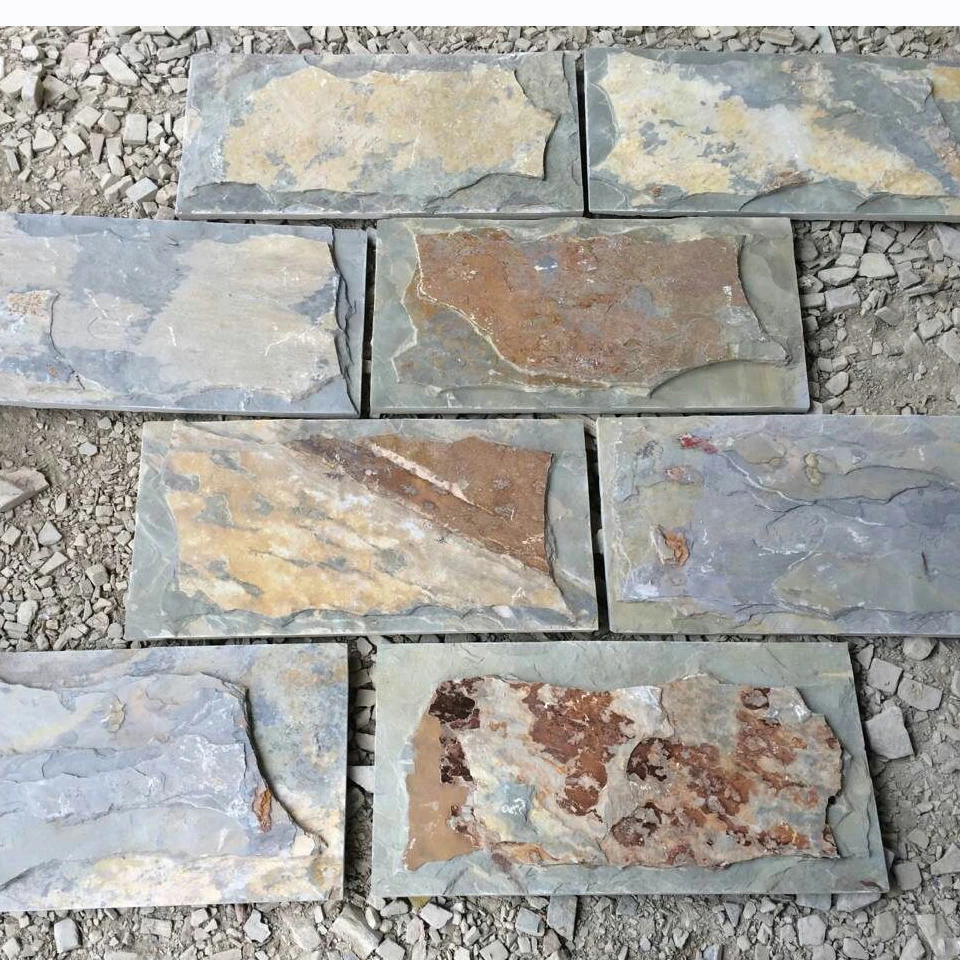
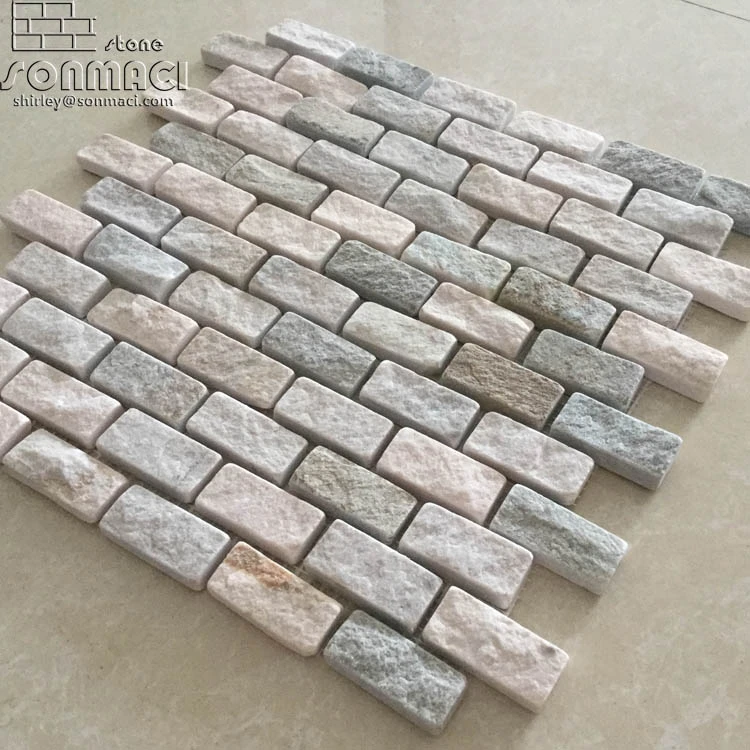
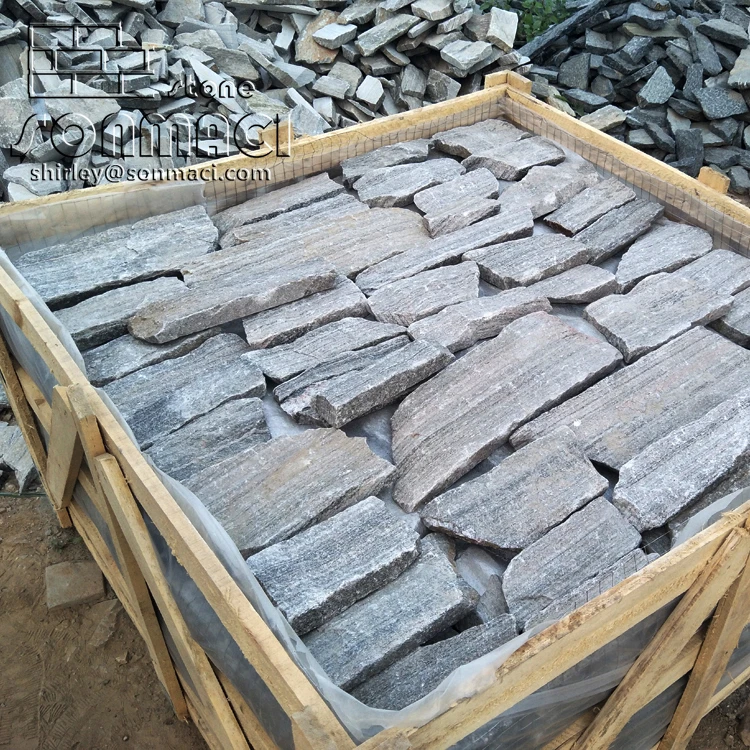
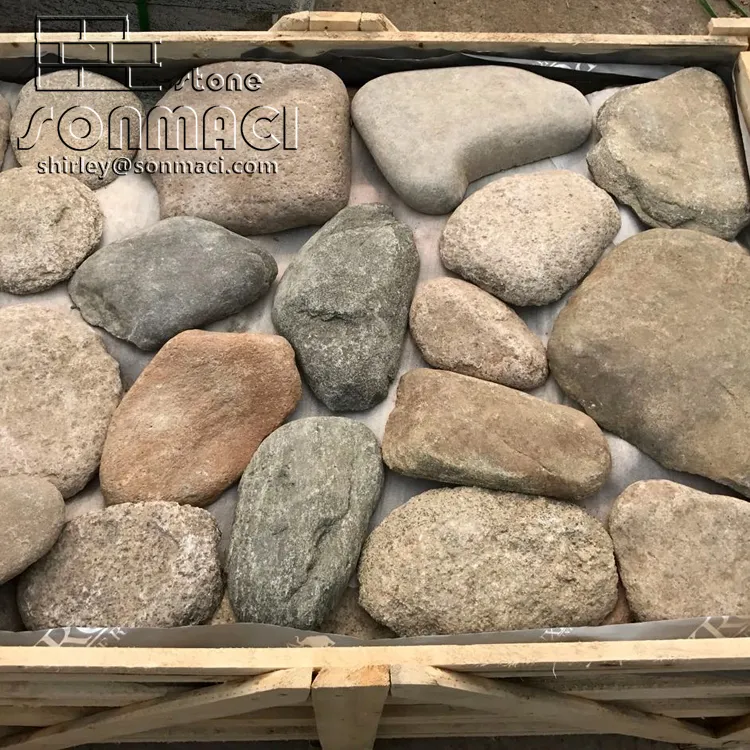
The kind of stone—limestone, granite, sandstone—directly affects price. Local quarries can slash transport costs, making walls more affordable. In regions where stone must be imported or quarried from a distance, prices naturally climb.
2. Labor and Skill Level
Because dry stacking demands precise placement without mortar binding, experienced masons are invaluable. Skilled labor costs can increase initial outlay, but oddly enough, they reduce long-term maintenance by creating a sturdy interlock of rocks.
3. Wall Dimensions and Complexity
Taller, thicker walls or those with curves and steps cost more due to extra stone and craftsmanship. Simple, straight retaining walls remain the most cost-efficient.
4. Site Preparation
The quality of the foundation and terrain affects how much groundwork is needed. Uneven or rocky sites may require more preparation, increasing overall cost.
5. Environmental and Regulatory Factors
Regulations protecting natural landscapes or requiring erosion control measures can add to expenses but often improve the project’s sustainability profile.
| Component | Estimated Cost (USD) | Notes |
|---|---|---|
| Stone Material | $15–$35 | Depending on type and distance |
| Labor | $25–$50 | Skilled mason rate varies locally |
| Site Prep & Tools | $5–$15 | Varies with site conditions |
| Total per Foot | $45–$100 | Typical industry range |
Global Applications of Dry Stack Stone Walls
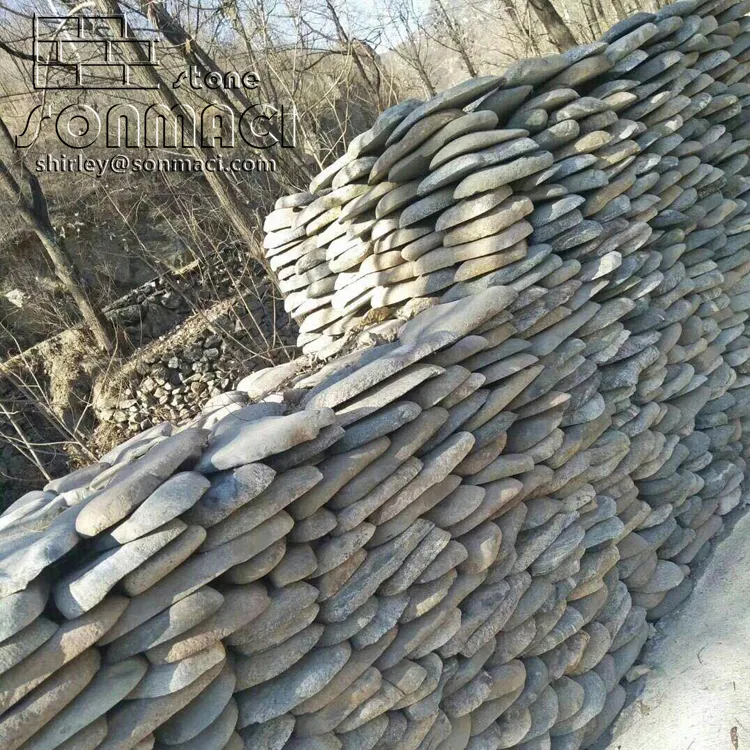
The beauty of dry stack stone walls is that they turn up all over the world in some interesting ways. In New Zealand, hillside farms use them extensively to create terraces on steep lands prone to erosion. In Nepal, NGOs rely on them for sustainable retaining walls after earthquakes displaced farming terraces. Many wineries in Europe swear by dry stack walls for soil drainage and aesthetic charm.
Industrial zones with rough terrain in Canada and Scandinavia also prefer dry stack stone barriers to concrete because they allow better drainage in freeze-thaw cycles. You might be surprised to find dry stack walls used in urban garden landscaping in the US as a green alternative to poured concrete walls. So, it’s really a versatile approach bridging tradition and modern needs.
| Vendor | Price Range (per foot) | Stone Variety | Lead Time |
|---|---|---|---|
| Sonmac Stone | $50–$90 | Granite, Limestone | 2-3 weeks |
| RockWall Supplies | $40–$85 | Sandstone, Slate | 3-4 weeks |
| StoneCraft Materials | $60–$100 | Mixed regional stone | 1-2 weeks |
Advantages & Long-Term Value of Dry Stack Stone Walls
Frankly, while not the cheapest upfront, dry stack stone walls often win on value. Their durability can easily surpass 50 years if properly built, outliving many poured concrete walls, especially in seismic zones where the natural “give” of stacked stones is an advantage.
They’re environmentally smarter, too—cutting back cement use, which is a massive CO₂ contributor globally. That sustainability register appeals strongly to organizations aiming to reduce carbon footprints while retaining safety and beauty. Plus, there’s something reassuringly timeless about a stone wall that seems to echo back through the centuries.
Future Trends & Innovations in Dry Stack Stone Wall Construction
Innovations, you say? Oddly enough, even this ancient practice is evolving. Tech advancements like 3D terrain mapping help plan wall layouts to optimize stone placement, reducing waste. Plus, composite materials are being tested to blend stone with resin coatings for additional weather resistance.
On a larger scale, green infrastructure policies promote dry stack walls as part of erosion control and water retention systems. The intersection of traditional masonry and digital design tools may well redefine how cost effective and scalable these walls can become.
Challenges & Expert Solutions
No stone wall is perfect, right? Common issues include sourcing consistent quality stone and finding skilled craftsmen. Weather conditions during construction also influence success. However, many experts advocate hybrid methods—combining dry stack with minimal mortar in tricky areas—to maintain eco benefits while improving longevity.
Training programs in key regions have been vital in raising quality and lowering costs, a move many NGOs actively support. So while it’s not always straightforward, solutions do exist to keep costs reasonable without compromising the wall’s integrity or heritage.
FAQ: Frequently Asked Questions About Dry Stack Stone Wall Cost Per Foot
- Q: What factors should I consider when budgeting dry stack stone walls?
A: Primarily material type, labor skill, wall height, and site conditions. Local availability of stone can significantly reduce cost. - Q: How does dry stack compare to mortar-based stone walls on cost?
A: Dry stack can be slightly cheaper upfront due to no cement use but may require more skilled labor, balancing out prices. - Q: Are dry stack stone walls suitable for earthquake-prone areas?
A: Yes. Their flexibility allows them to absorb seismic movement more readily than rigid concrete walls. - Q: Can dry stack walls be built quickly?
A: Speed depends on wall complexity and skill level; simple retaining walls can be completed relatively fast. - Q: Where can I source affordable, high-quality stone?
A: Look for local quarries or vendors like Sonmac Stone for competitive pricing.
Conclusion: The Enduring Value of Dry Stack Stone Wall Cost Per Foot
To wrap it all up, understanding the dry stack stone wall cost per foot is essential for anyone aiming to blend tradition with modern sustainability goals. This method delivers long-lasting, beautiful, and environmentally responsible solutions, whether you’re restoring historic terraces or erecting new boundaries. Costs vary, sure, but with proper planning and sourcing like at Sonmac Stone, the benefits are well worth the investment.
If you’re thinking about your next landscaping or infrastructure project and want to dive deeper, visit our website: https://www.sonmacistone.com for detailed quotes and expert advice.
Mini takeaway: A well-built dry stack stone wall pays you back for decades — in durability, sustainability, and timeless style.
References:
1. World Bank Infrastructure Overview
2. Wikipedia: Dry Stone Wall
3. ISO Standards on Sustainable Construction