What is a Stone Builders Merchant? Global Insights, Benefits & Trends
Understanding the Role of a Stone Builders Merchant
When you think about constructing durable buildings or restoring heritage sites, the materials behind such projects are essential. A stone builders merchant plays a vital role in sourcing, supplying, and sometimes advising on natural stone materials that fit diverse architectural and structural needs. It’s a subject that may seem niche, but frankly, it’s hugely impactful worldwide, especially considering how sustainable building practices are becoming a priority globally.
Why This Matters Globally
According to the United Nations Environment Programme, the construction industry contributes to nearly 39% of global carbon emissions, with building materials selection being a big factor. Natural stone, supplied through trusted stone builders merchants, offers long-lasting, often locally sourced options that reduce environmental impact. Plus, the industry supports economic livelihoods, particularly in regions where stone quarrying is common.
But the challenge remains: How do builders ensure quality, consistent supply, and sustainability? That’s where stone suppliers come in. They connect quarries and builders, balancing heritage with innovation.
What Is a Stone Builders Merchant?
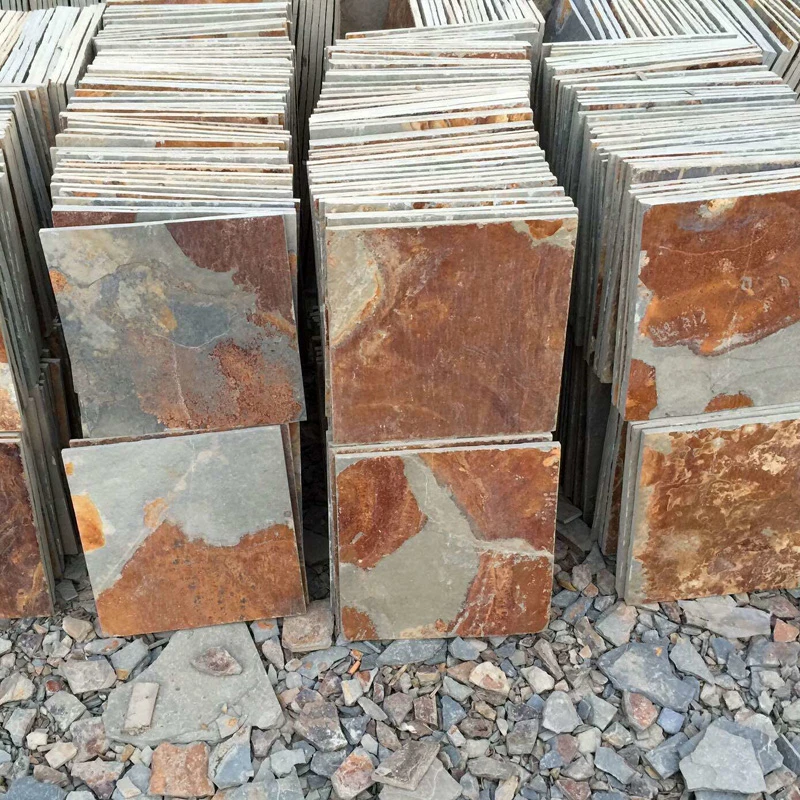
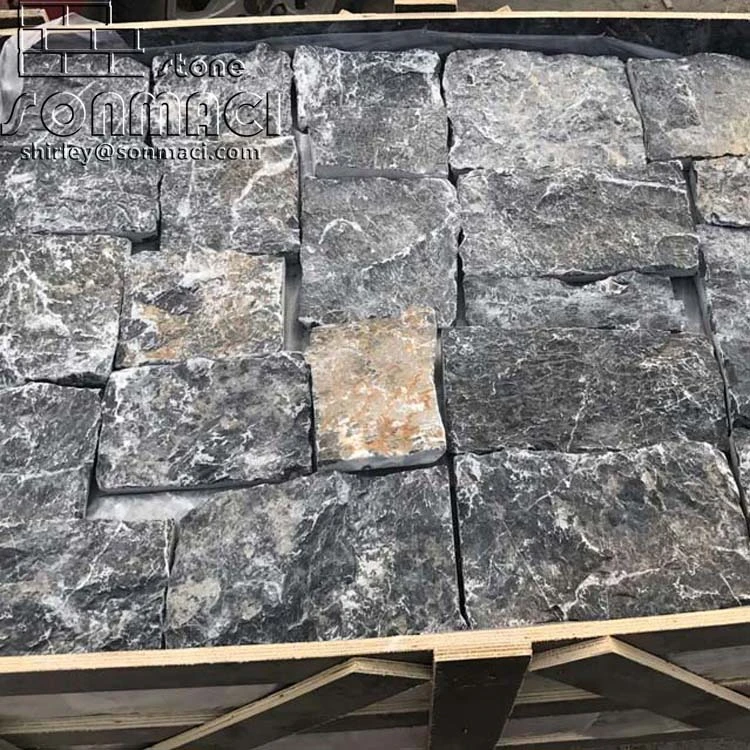
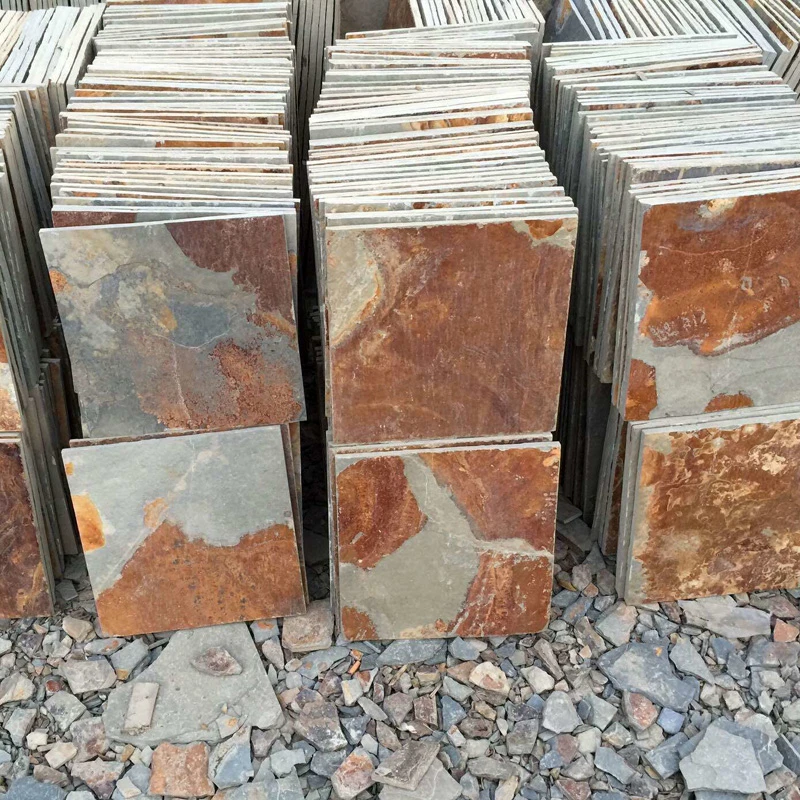
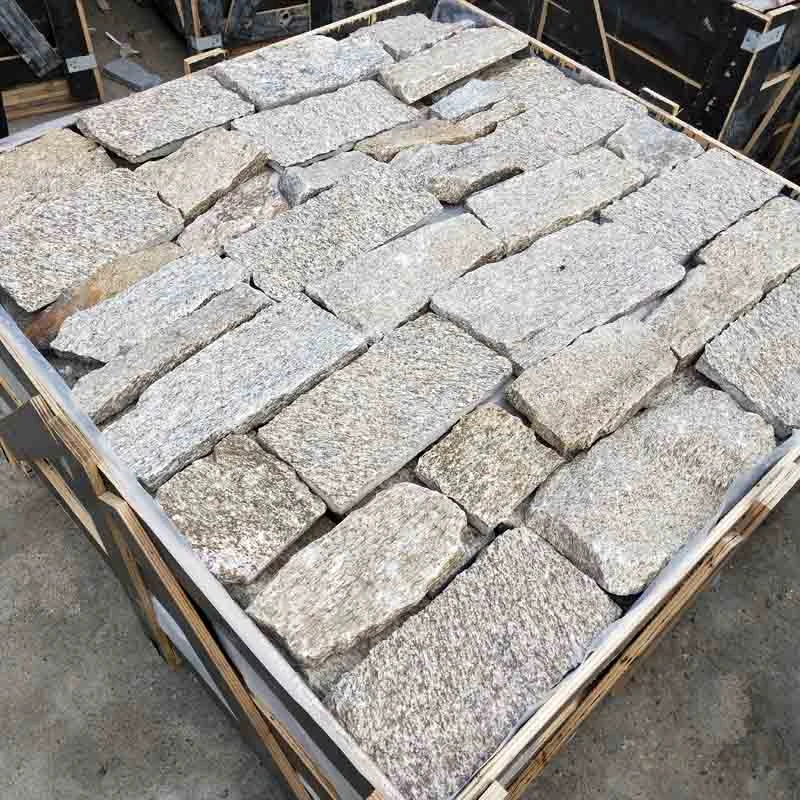
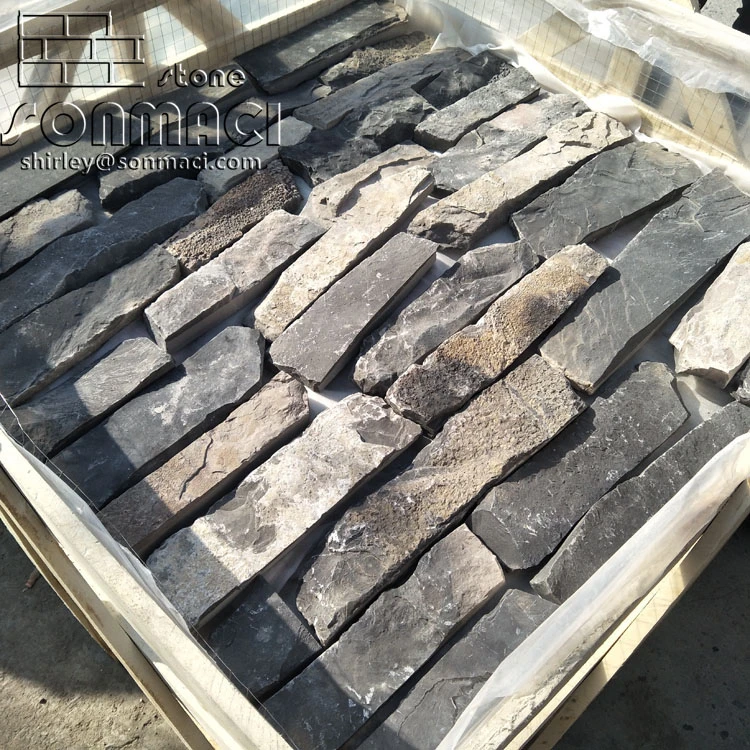
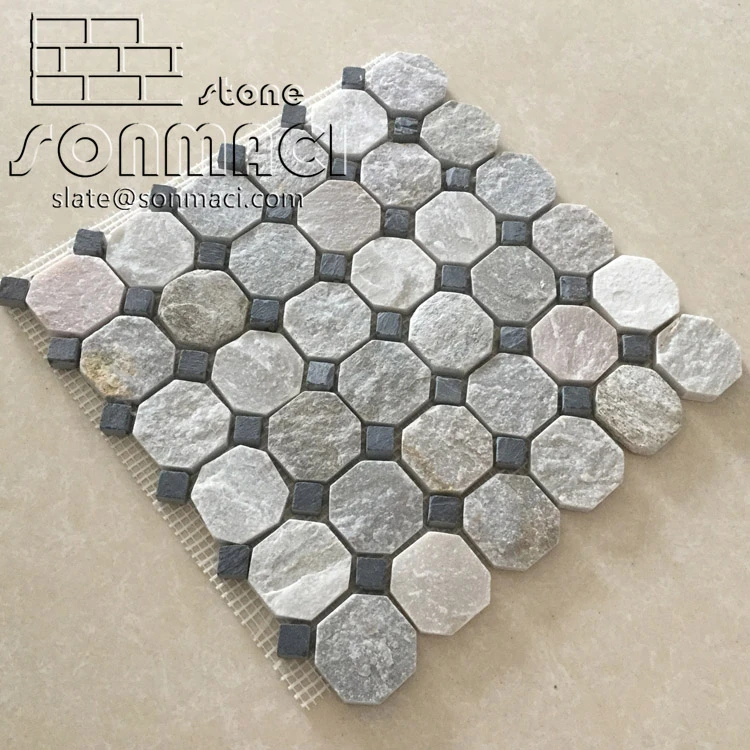
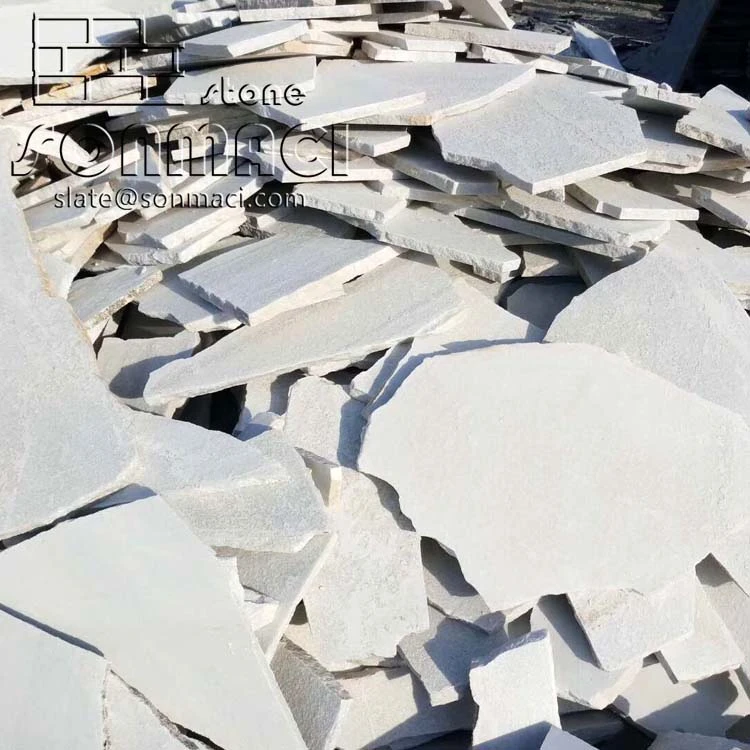
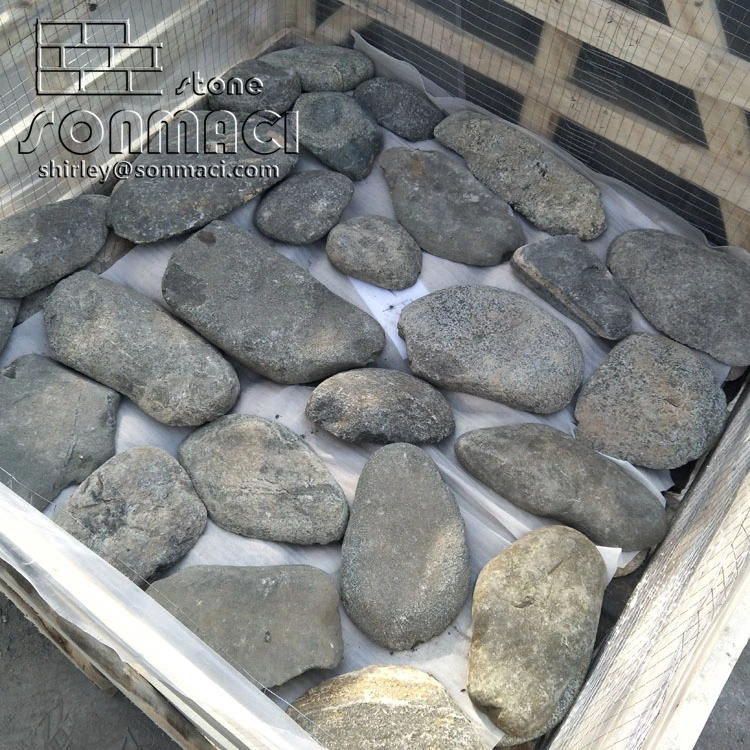
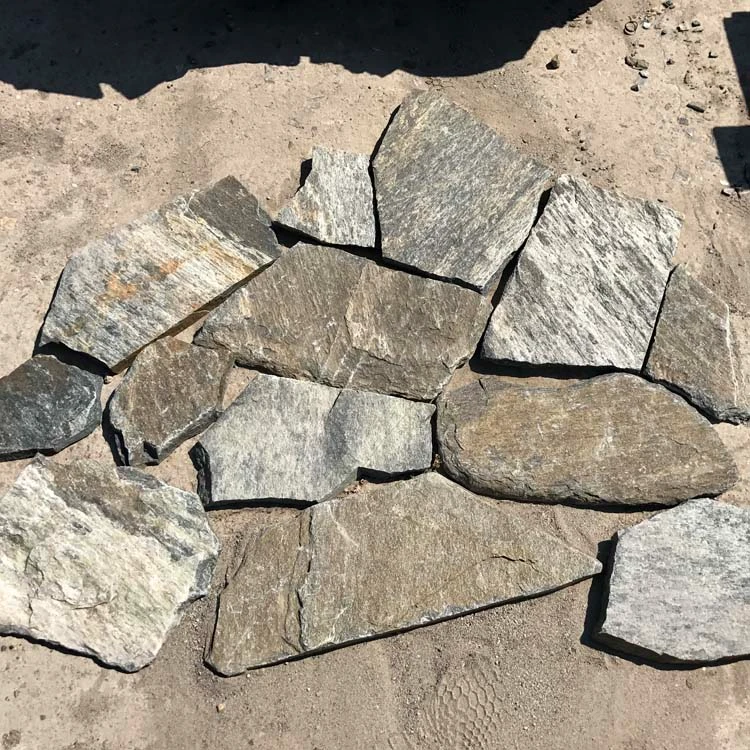
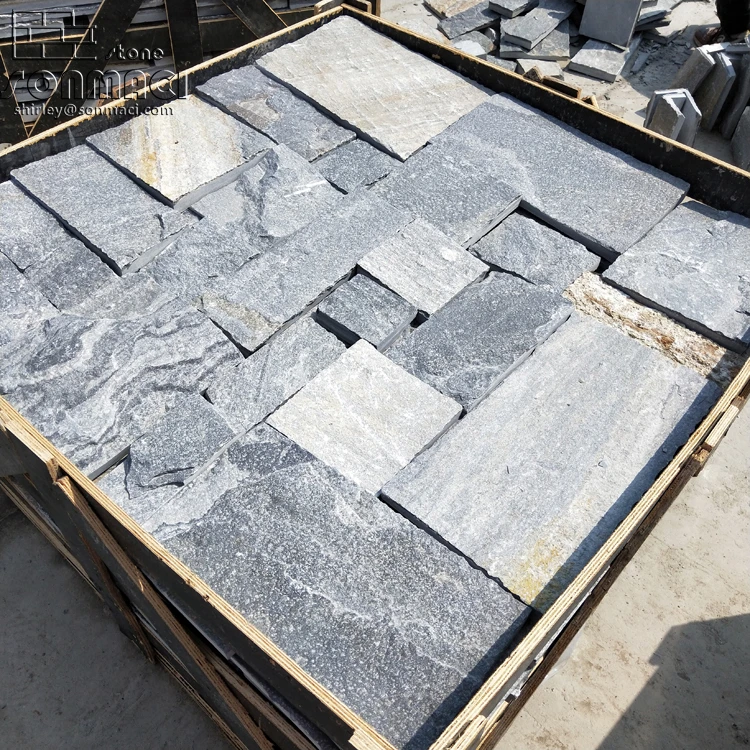
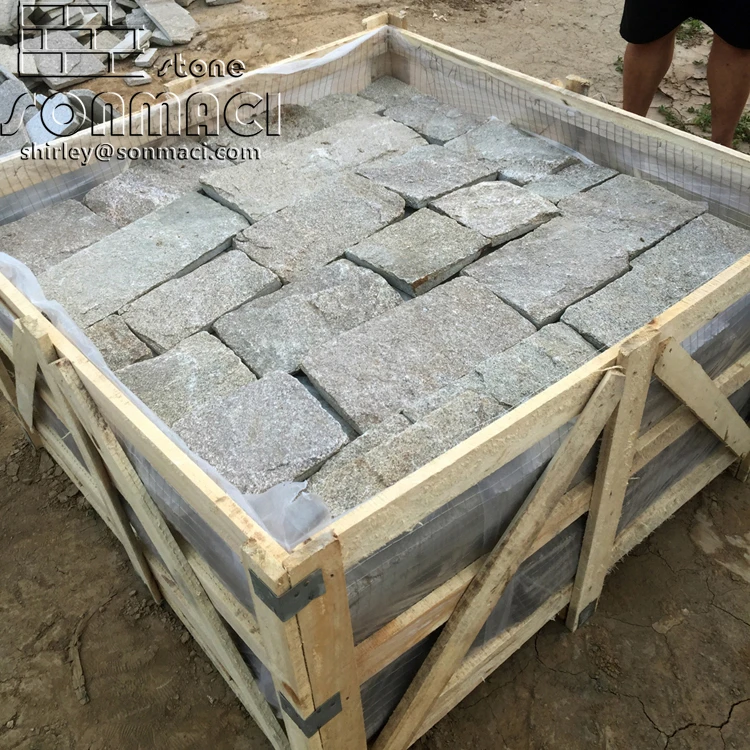
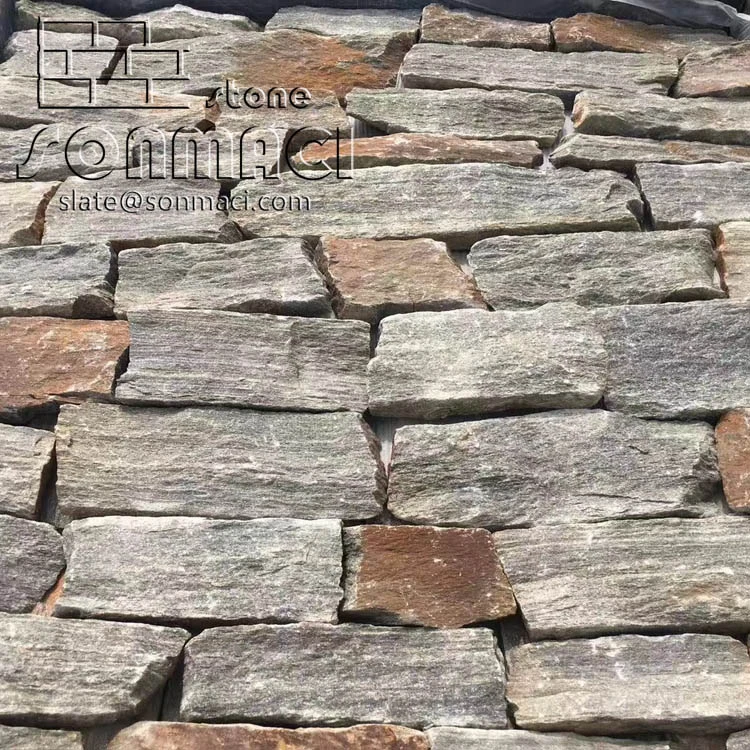
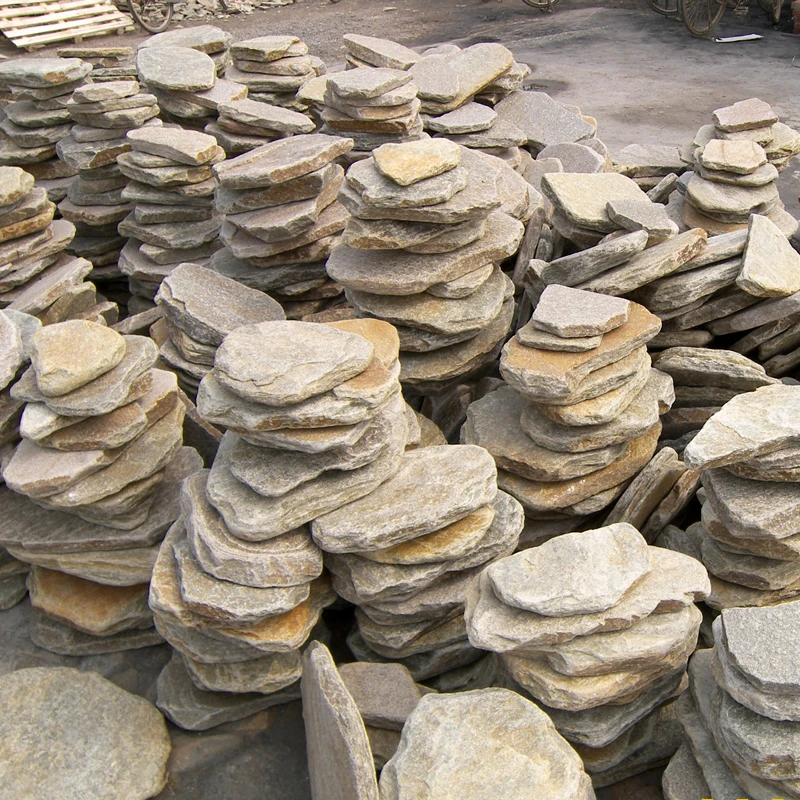
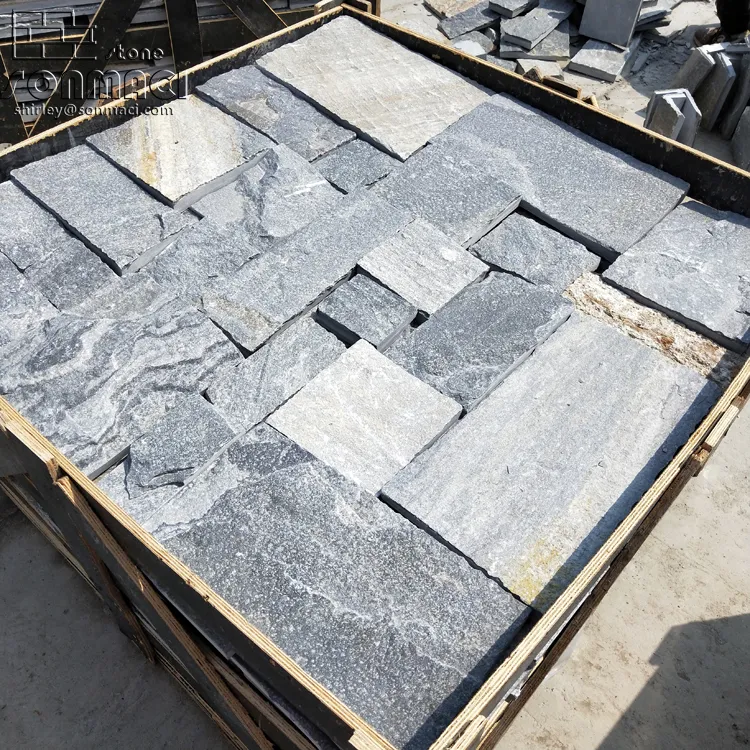
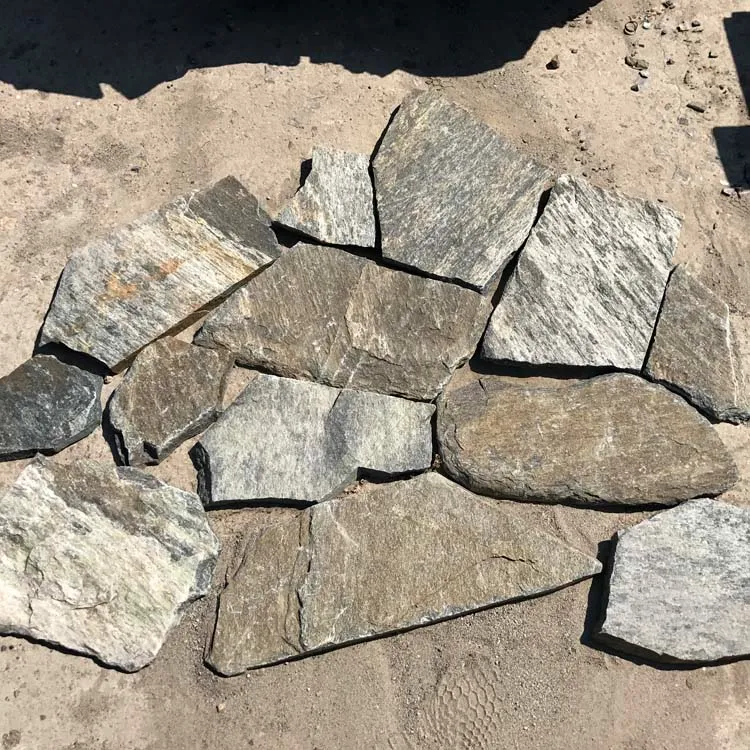
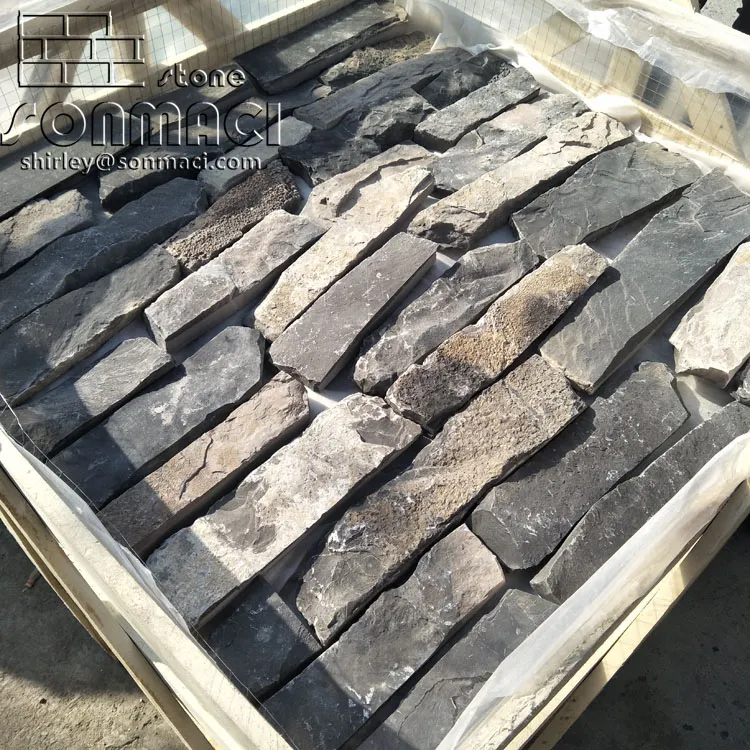
At its core, a stone builders merchant is a company or individual specializing in sourcing, stocking, and supplying a wide array of natural stone materials such as granite, limestone, sandstone, and slate, among others. These materials can be cut to size or finished to spec for building projects, landscaping, or restoration work. They act as crucial intermediaries between quarry operations and construction or architectural firms.
Oddly enough, their role isn’t just about logistics—they often advise on best types of stone for specific applications, durability assessments, and even compliance with regulations. In modern industrial contexts or humanitarian construction efforts, reliable access to stone can expedite infrastructure rebuilding or sustainable development projects.
Key Factors in Stone Merchandising
Durability and Weather Resistance
Stone selection depends heavily on how well it withstands natural elements over time. Granite, for instance, is prized for its hardness, whereas softer stones like limestone need more careful use.
Scalability of Supply
A merchant must balance quarry outputs with demand forecasts, ensuring consistent availability whether it’s a small restoration project or a commercial high-rise.
Cost Efficiency
While natural stone can be pricey upfront, its longevity and low maintenance often reduce total lifecycle costs. Merchants help customers navigate these trade-offs.
Customization and Finish Options
Many projects require specific stone finishes—polished, honed, or rough—and precise cutting. Merchants often provide these services or coordinate with specialized fabricators.
Sustainability and Ethics
Mining and processing stone responsibly is critical. Leading merchants pay attention to sourcing from quarries with good environmental and labor practices.
Product Specification Snapshot
| Stone Type | Hardness (Mohs Scale) | Typical Uses | Cost Range (per m²) |
|---|---|---|---|
| Granite | 6-7 | Flooring, facades, countertops | $80 - $120 |
| Limestone | 3-4 | Wall cladding, landscaping | $60 - $90 |
| Sandstone | 6-7 | Paving, decorative walls | $70 - $100 |
| Slate | 5-6 | Roofing, flooring | $75 - $110 |
Global Applications & Use Cases
From the historic city centers in Europe preserving ancient masonry to burgeoning urban developments in Asia and Africa, stone builders merchants facilitate a broad range of construction needs. In places like Nepal or Haiti, post-disaster rebuilding often leverages locally sourced stone to rebuild homes sustainably and with cultural sensitivity. Industrial zones in Australia, meanwhile, rely on durable stone for site foundations and protective cladding.
One interesting case is in Gibraltar, where local quarries provide limestone used extensively in marine constructions, thanks to its salt-resistant properties. It’s a neat reminder of how geology and supply chains combine hand-in-hand.
Vendor Comparison
| Merchant | Product Range | Sustainability Focus | Global Reach | Customization Services |
|---|---|---|---|---|
| StonePro Supplies | Granite, Limestone, Marble | Certified green quarry partners | Europe, North America | Cutting, finishing, design consultations |
| Global Stone Traders | Sandstone, Slate, Basalt | Selective quarry accreditation | Asia, Australia, Africa | Custom size, texture options |
| Legacy Stone Merchants | Marble, Granite, Limestone | Emphasis on ethical sourcing | Global, with focus on historic projects | Restoration expertise, bespoke finishes |
Advantages & Long-Term Value
The key takeaway? Stone’s longevity means less frequent replacements—saving money, reducing waste, and preserving architectural integrity. Plus, many feel an emotional connection to natural stone: it conveys strength, heritage, and trustworthiness. Builders who prioritize sustainable stones minimize ecological footprints, aligning with global eco-initiatives like ISO 14001 standards. And socially, it supports quarry communities through responsible trade.
Future Trends & Innovations
Today, we’re seeing digital platforms digitally connecting merchants with builders for real-time inventory and deliveries. Eco-conscious quarrying techniques, such as low-impact mining and quarry rehabilitation, are gaining traction. Advances in stone cutting automation are enhancing precision, reducing waste material. It’s likely that smart stones—integrating sensors to monitor structural health—will emerge, adding innovation to tradition.
Challenges & Solutions
Of course, sourcing natural stone isn’t without challenges. Supply volatility due to geopolitical issues, price fluctuations, and environmental regulations may disrupt projects. Quality variability and freight logistics can add headaches, too. Stone merchants increasingly solve these by diversifying quarry sources, investing in sustainable certifications, and harnessing better inventory tech.
FAQ: Frequently Asked Questions About Stone Builders Merchant
- Q: How do I choose the right type of stone for my construction project?
A: Consider the application (e.g., structural vs decorative), climate exposure, budget, and maintenance preferences. Consulting a stone builders merchant early helps match the best stone type and finish to your needs. - Q: Is natural stone environmentally sustainable?
A: While quarrying has impacts, natural stone is renewable, highly durable, and often locally sourced, which reduces transport emissions compared to manufactured materials. Look for merchants supporting ethically managed quarries. - Q: Can stone merchants supply cut-to-size pieces?
A: Many offer cutting, polishing, and finishing services tailored to project specifications, making installation easier and reducing waste onsite. - Q: How long does stone typically last in extreme weather conditions?
A: Durable stones like granite can last decades or centuries under harsh conditions. Softer stones require more protection but still offer long-term performance with proper maintenance. - Q: Are stone supply chains affected by global trade issues?
A: Yes, especially with import/export regulations and freight delays. Working with an experienced merchant can mitigate risks by ensuring diversified sourcing and solid logistics planning.
Conclusion & Call to Action
In real terms, choosing the right stone builders merchant can make or break a project’s success—balancing quality, availability, cost, and sustainability. For builders and architects alike, this partnership unlocks the potential of natural stone to create resilient, beautiful spaces that last generations. To explore a wide range of quality natural stones and expert advice, visit our website: stone builders merchant.
Thanks for reading—I hope this sheds light on a fascinating, often overlooked industry cornerstone.
Quick takeaway: Natural stone suppliers don’t just deliver stone—they deliver heritage, strength, and sustainability for tomorrow’s buildings.