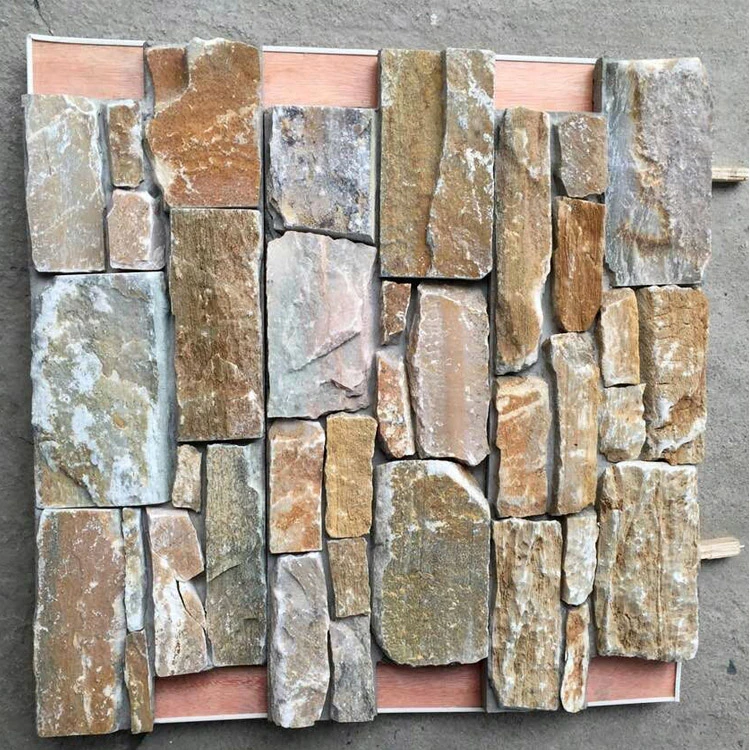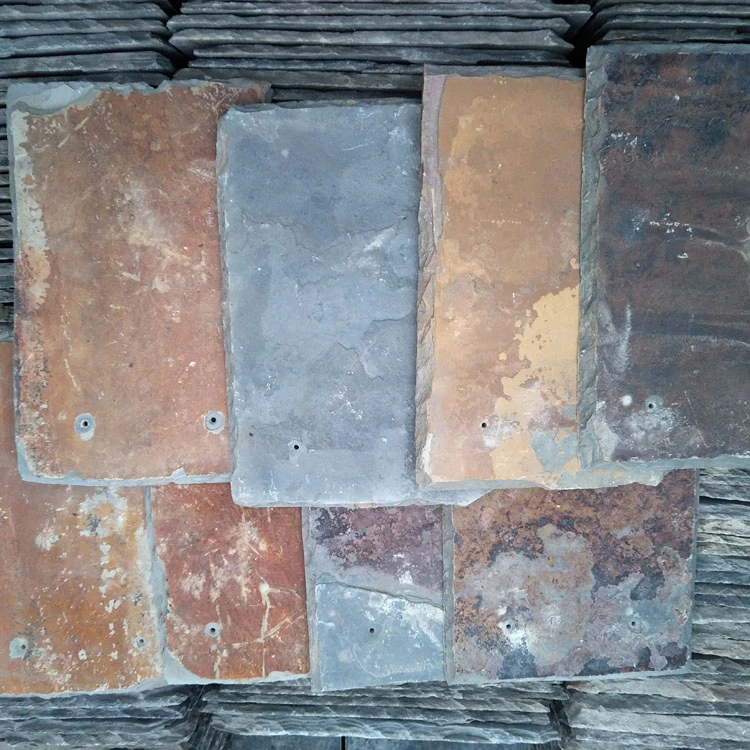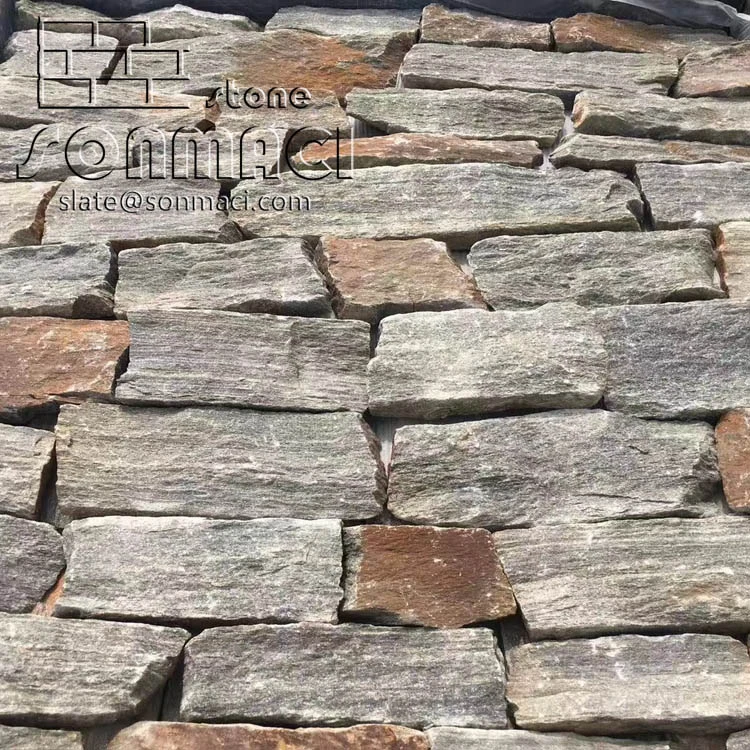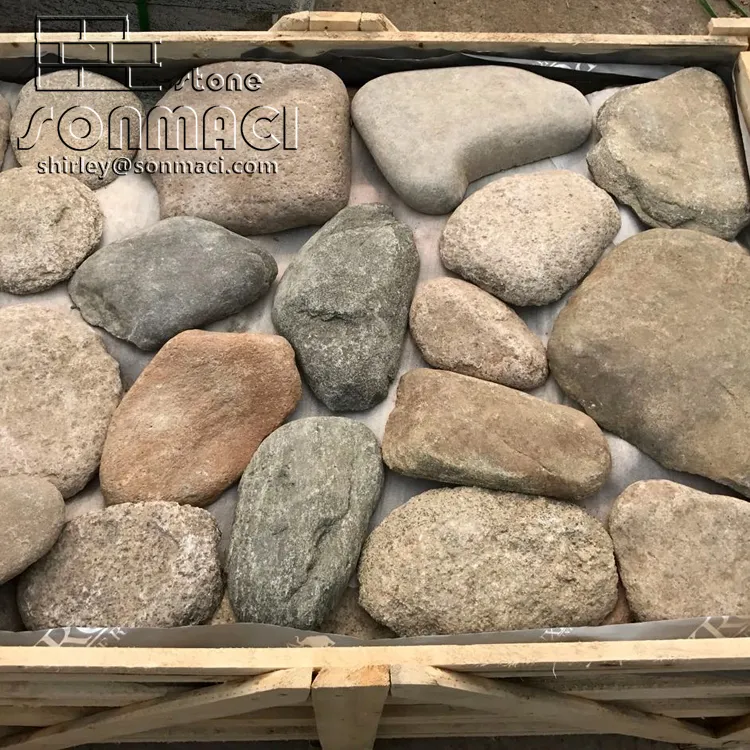
Grey Sandstone Building Stone - Durable & Sustainable Construction Material
Understanding Grey Sandstone Building Stone: A Timeless Architectural Choice
Grey sandstone building stone has long been a silent hero in the construction and design world—providing a beautiful yet durable material for building facades, pavements, and ornamental details. But why does this particular stone matter so much today, especially as modern architecture seeks sustainable, reliable, and cost-effective materials? Well, the answer lies partially in its natural resilience, ease of work, and aesthetic appeal—qualities that have kept it in high regard across cultures and continents.
In a world increasingly concerned with sustainable building materials and environmentally-conscious development, understanding grey sandstone building stone unlocks a gateway to durable, eco-friendly construction. Whether for restoring historic landmarks or crafting innovative modern structures that blend naturally into their environment, this stone delivers significant benefits that are both tangible and subtle.
The Global Context: Why Grey Sandstone Building Stone Matters Worldwide
To appreciate the importance of grey sandstone as a building material, consider the global construction demands. According to ISO standards, sustainable building materials are a rising priority due to climate change and urbanization—both accelerating rapidly worldwide. The World Bank notes that the construction sector accounts for nearly 40% of global carbon emissions, urging stakeholders to seek greener alternatives.
Grey sandstone building stone, abundant in many parts of the world, presents an opportunity: natural, locally-sourced, and possessing a low carbon footprint compared to synthetic alternatives. Yet, there’s a challenge—how to efficiently quarry, transport, and use it without significant environmental disruption? This underscores a broader industry dilemma and highlights why gaining a nuanced understanding of grey sandstone is so vital.
Mini Takeaway:
Grey sandstone isn’t just a pretty rock. It’s a material entrenched in global sustainability efforts and urban development strategies that emphasize eco-conscious sourcing and durability.
What Exactly Is Grey Sandstone Building Stone?
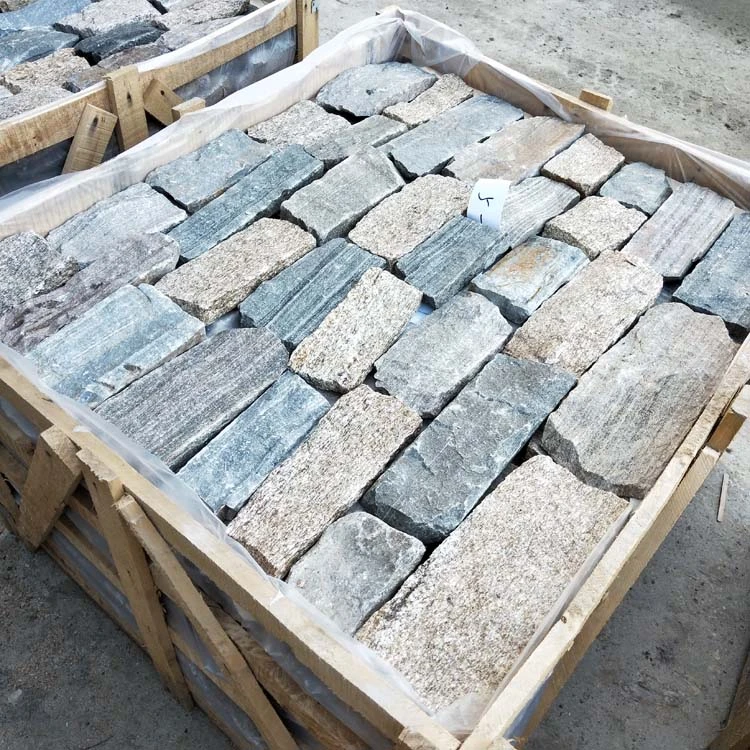
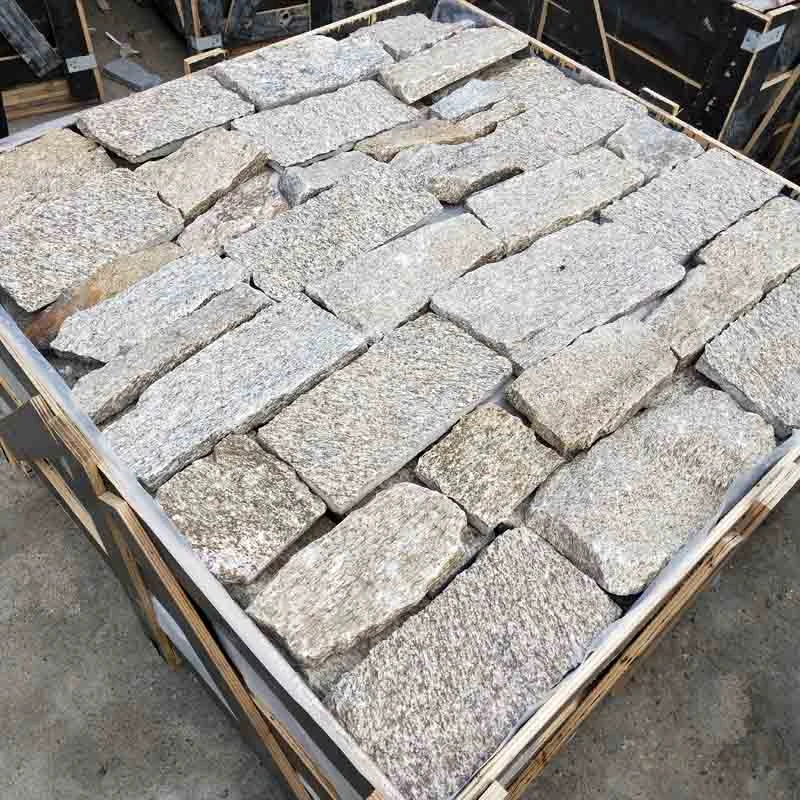
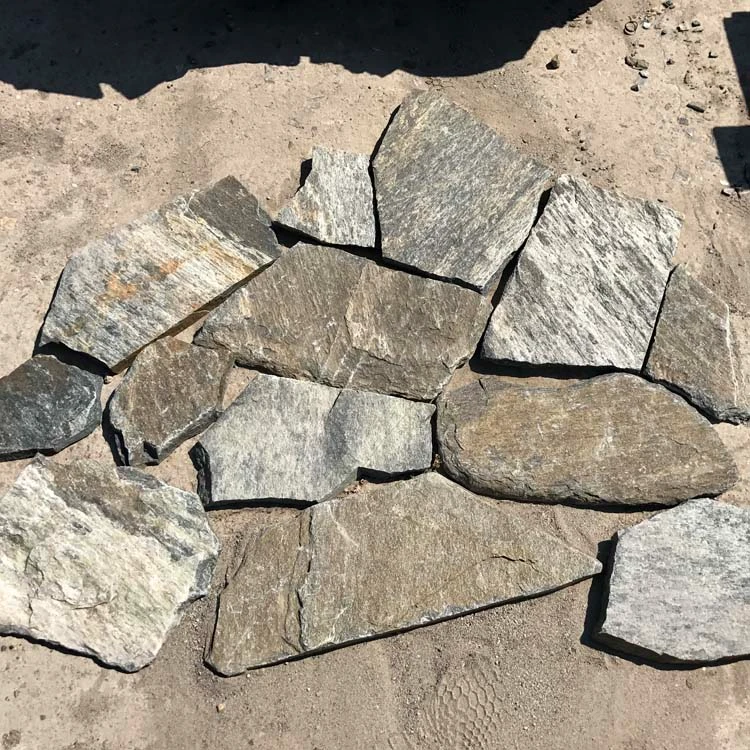
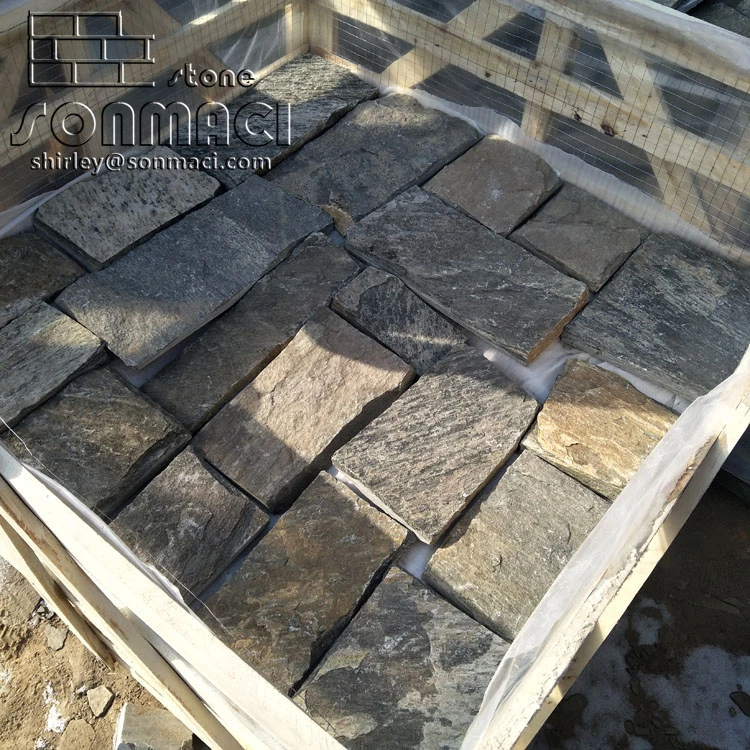
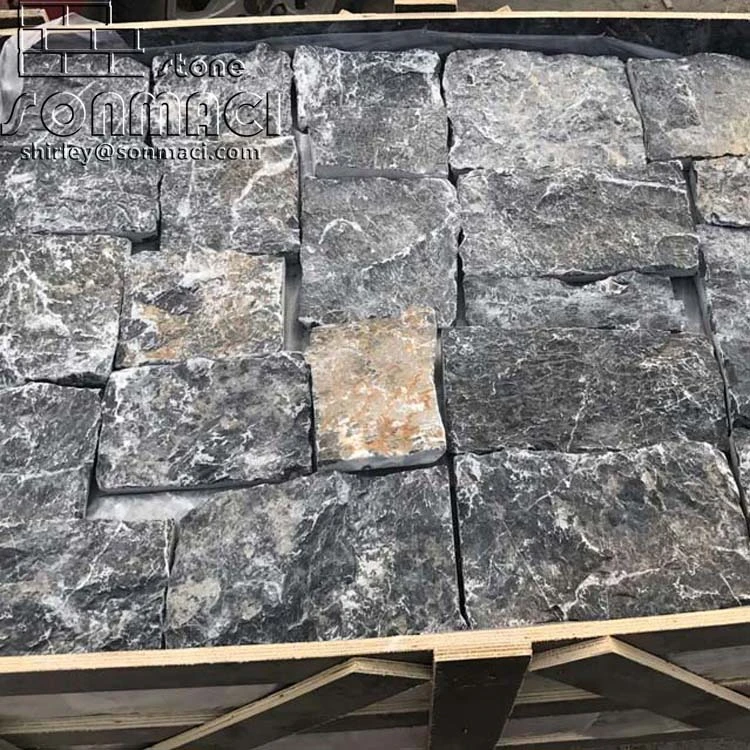
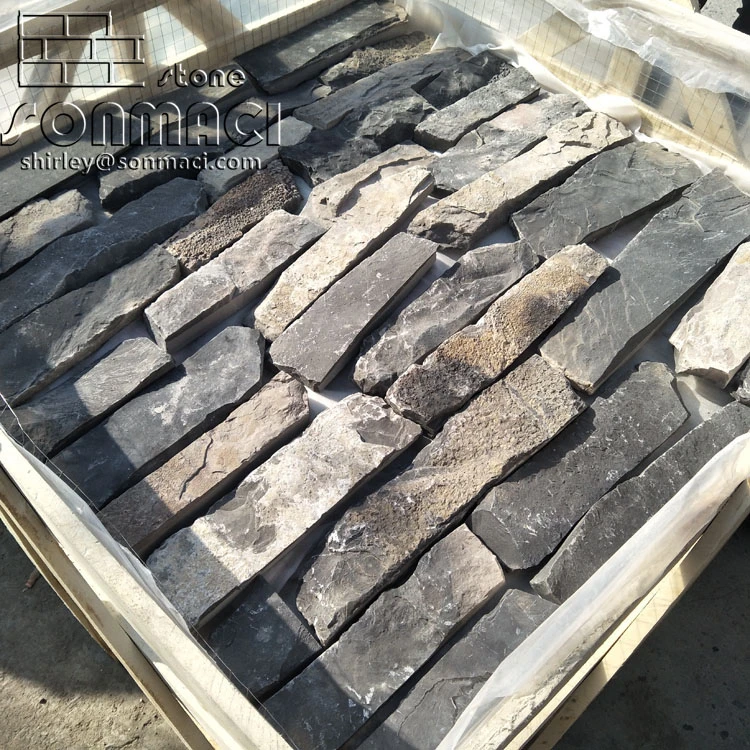
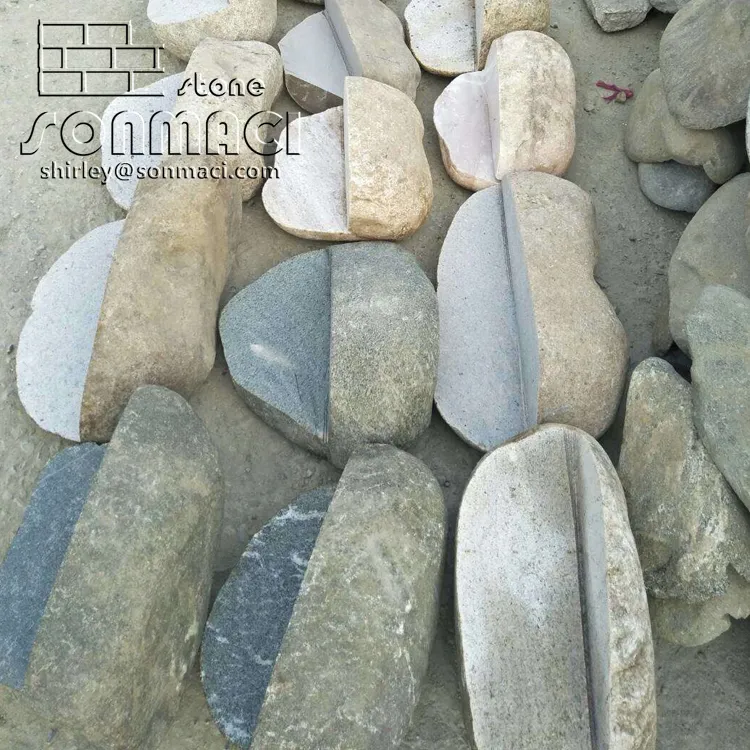
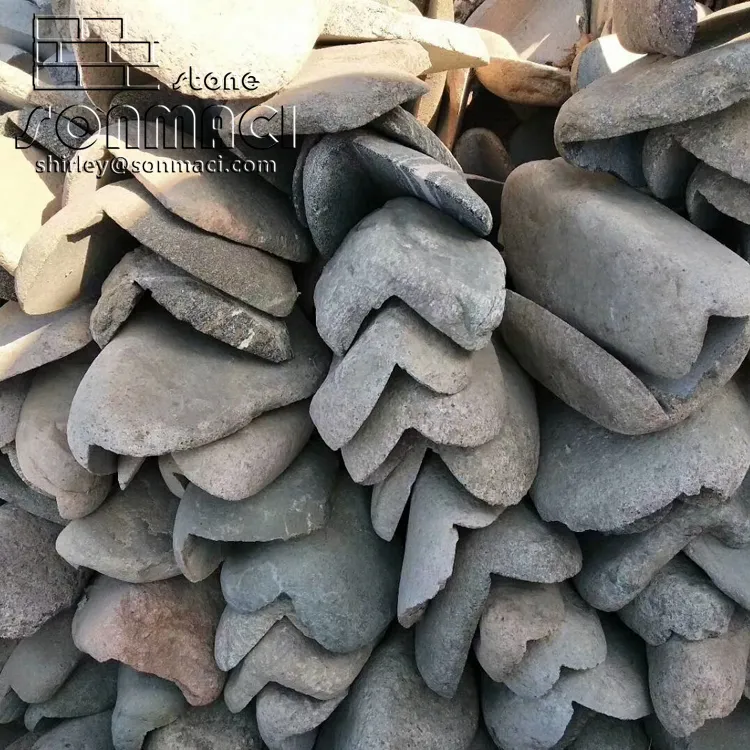
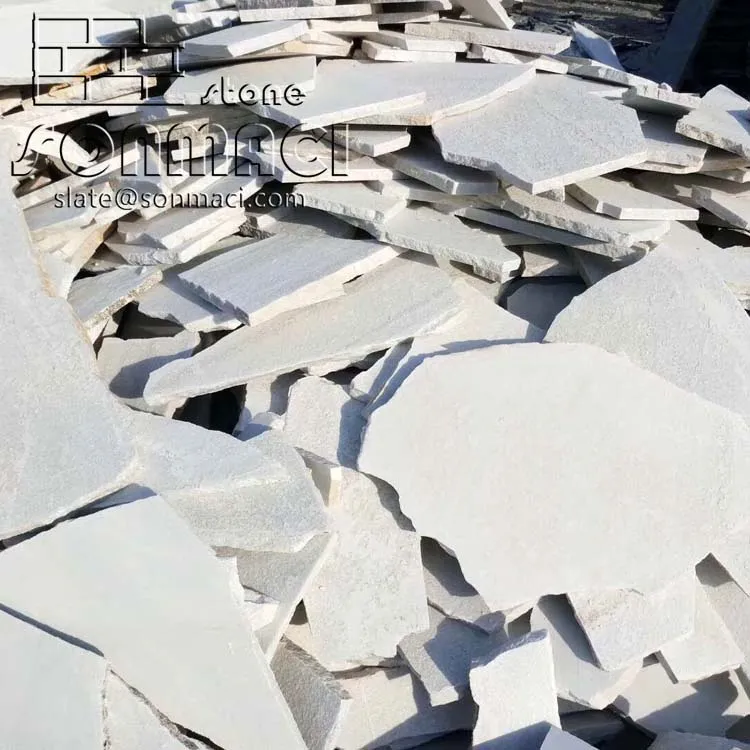
Simply put, grey sandstone building stone is a type of sedimentary rock primarily composed of compacted sand grains bound together by natural cementing materials like silica or calcium carbonate. Its characteristic grey hues—ranging from light ash to darker charcoal—are due to iron, organic materials, and mineral deposits within.
Aside from aesthetic appeal, its physical properties include moderate porosity, strong compression resistance, and good workability, making it versatile for carving, shaping, or surface finishing. These qualities tie into both traditional construction, such as heritage buildings, and modern industrial uses, including flooring, cladding, and landscaping.
Interestingly, this stone plays a subtle role in humanitarian efforts too: in post-disaster scenarios, for example, sourcing local grey sandstone can speed reconstruction while preserving cultural integrity.
Core Characteristics of Grey Sandstone Building Stone
Durability
Many engineers praise grey sandstone for its remarkable endurance against weathering, particularly in temperate climates. While maybe not as hard as granite, its ability to withstand freeze-thaw cycles without cracking makes it a practical long-term choice.
Workability
Compared with harder stones, sandstone is easier to quarry and shape, which reduces labor costs. This ease also means finely detailed architectural elements are achievable without sacrificing strength.
Cost Efficiency
Given its abundant availability globally and moderate quarrying requirements, grey sandstone is often less costly than imported or synthetic materials, especially when sourced locally.
Sustainability & Environmental Impact
Quarrying grey sandstone generally produces fewer carbon emissions than cement or steel manufacturing, aligning with ISO sustainability guidelines. When extracted responsibly, it’s a renewable resource that can often be reclaimed or recycled.
Aesthetic Flexibility
The subtle variations in grey tones give designs a timeless, understated elegance. It pairs well with both natural and modern materials, making it a favorite in diverse architectural styles.
Thermal Performance
Sandstone’s thermal mass helps regulate indoor temperatures, reducing cooling or heating demands in buildings—a kind of passive energy efficiency that aligns with green building principles.
Mini Takeaway:
- Grey sandstone’s balance of durability, affordability, and sustainability makes it a practical choice for architects and builders focused on longevity and environmental responsibility.
Global Applications & Use Cases
Grey sandstone building stone proves invaluable in numerous contexts around the world. In Europe, it restored many medieval cathedrals and castles, preserving cultural heritage. In South Asia, where it often occurs naturally, it forms the backbone of many local communities’ construction practices, from homes to public infrastructure.
Post-disaster relief agencies have increasingly turned to grey sandstone building stone as a sustainable rebuilding medium. For example, after floods or earthquakes, rapid access to local, durable stone ensures new constructions can be both culturally appropriate and resilient.
Industrial zones in Australia and Canada use it for paving heavy-duty walkways, appreciating its ability to withstand heavy machinery vibrations without breaking down quickly. Even landscaping and urban plazas worldwide choose grey sandstone for its natural beauty and weather resistance.
Advantages & Long-Term Value
Let’s be frank: architects and developers look for materials that deliver consistent results without surprise failures. Grey sandstone checks those boxes by being:
- Cost-effective: Low maintenance and long lifespan reduce total project costs.
- Sustainable: Often local sourcing means less transport-related emissions.
- Socially meaningful: Using regionally recognized stone supports local economies and cultural identity.
- Reliable: Strong resistance to weather and wear boosts safety and project longevity.
The emotional benefit can’t be understated either: buildings clad in grey sandstone often evoke permanence and trustworthiness, qualities essential to institutional or memorial architecture.
Product Specification: Grey Sandstone Building Stone Overview
| Specification | Typical Range/Value | Notes |
|---|---|---|
| Compressive Strength | 40–75 MPa | Suitable for structural use. |
| Water Absorption | 3–6% | Moderate porosity affects weathering. |
| Density | 2200–2500 kg/m³ | Varies by mineral content. |
| Thermal Conductivity | 1.3–1.7 W/m·K | Provides decent insulation. |
| Typical Color Shades | Light Grey to Dark Charcoal | Depends on impurities. |
How Vendors Compare on Grey Sandstone Supply
| Vendor | Quarry Location | Price (per ton) | Delivery Capability | Special Services |
|---|---|---|---|---|
| StoneCraft Ltd. | UK – Yorkshire | $85 | Global | Custom cuts, Finishing |
| Durabuild Quarries | India – Rajasthan | $60 | Asia, Middle East | Bulk discounts, Transport |
| EcoStone Corp. | Australia – New South Wales | $95 | Local & Export | Sustainability certification |
Looking Ahead: Future Trends in Grey Sandstone Usage
Modern innovations are nudging grey sandstone usage into new realms. Digitally-guided quarrying reduces waste and improves yield; CNC machines mean precision carving at a fraction of manual labor time. Environmentally, companies pursue ISO14001 certifications to minimize quarry impact. Beyond that, there’s growing interest in integrating grey sandstone with green roofs and photovoltaic panels—turning buildings into energy producers.
Hydrophobic treatments and nano-coatings are also revolutionizing stone care, increasing resistance against acid rain or urban pollution without compromising look or breathability.
Oddly enough, while mass timber and engineered composites grab headlines for sustainability, durable stones like grey sandstone hold their ground by being timeless and low-maintenance, offering a form of sustainability that’s almost... eternal.
Challenges & Smart Solutions in Working With Grey Sandstone
Of course, no material is perfect. Grey sandstone’s moderate porosity can cause staining or accelerated decay in highly acidic environments. Transport costs from quarry to site can be high in remote areas. Additionally, uneven quality between quarry sites means specifications must be rigorously tested to avoid surprises.
Experts recommend proactive sealing strategies and choosing quarry locations close to the project to mitigate transport emissions. Additionally, pre-project stone testing helps avoid costly installation issues related to brittleness or unexpected softness. Many building codes now specify testing standards—another safeguard.
FAQ: Common Questions About Grey Sandstone Building Stone
- Is grey sandstone suitable for load-bearing walls?
- Yes, generally grey sandstone with a compressive strength above 40 MPa is suitable for structural walls, although site-specific testing is essential. It performs well under moderate loads typical in residential and commercial construction.
- How does grey sandstone compare with other natural stones like granite?
- Grey sandstone is usually softer and more porous than granite but easier to work with and often more cost-effective. Granite stands out in extremely high-traffic or abrasive environments, while sandstone offers good balance for aesthetic and durability needs.
- Can grey sandstone be used outdoors in rainy climates?
- Absolutely, provided it’s properly sealed and maintained. Its moderate water absorption means untreated surfaces can suffer weathering—especially from acid rain—but routine care extends longevity significantly.
- What is the typical lead time for ordering large quantities?
- Lead times depend on quarry capacity and location but expect 4-8 weeks for large shipments to ensure quality control, cutting, and transport arrangements. Early planning is recommended for timely project execution.
- Is grey sandstone eco-friendly compared to manufactured building materials?
- Yes, when responsibly sourced and transported, grey sandstone has a lower embodied carbon footprint than materials like concrete or steel. It is natural, recyclable, and often mined locally, supporting green building initiatives.
Wrapping Up: Why Grey Sandstone Remains a Smart, Sustainable Choice
In the grand scheme of building materials, grey sandstone building stone not only connects us to historic craftsmanship but also supports today’s urgent goals of sustainability, cost-efficiency, and design flexibility. It’s a material that feels familiar, yet continues evolving alongside innovative construction technologies.
For architects, builders, or sustainability consultants looking to make informed choices, grey sandstone offers a dependable, beautiful option that’s both rooted in tradition and future-ready.
Explore further about sourcing and applications by visiting grey sandstone building stone.
Final Mini Takeaway:
Grey sandstone bridges past and future in building material choices — sturdy, sustainable, and stylish.
References: