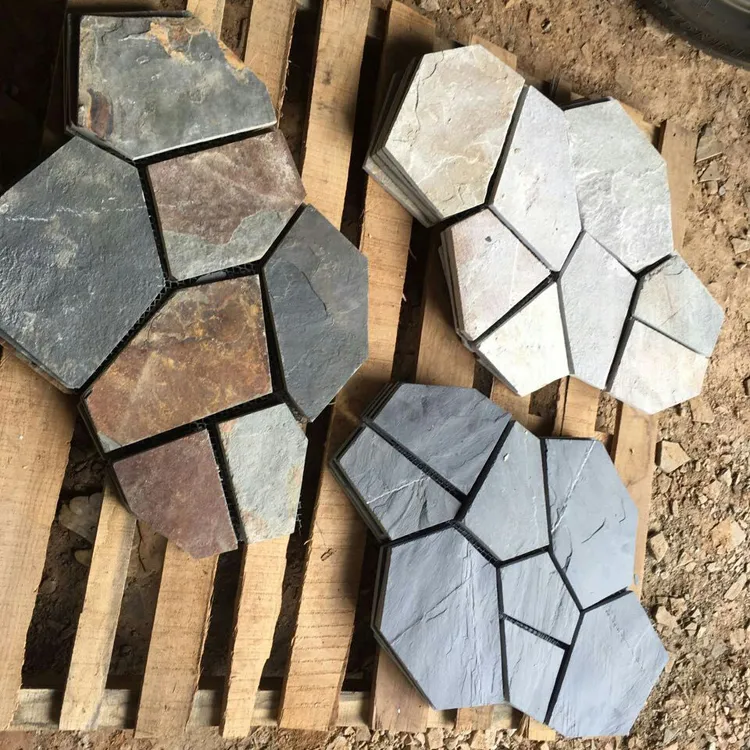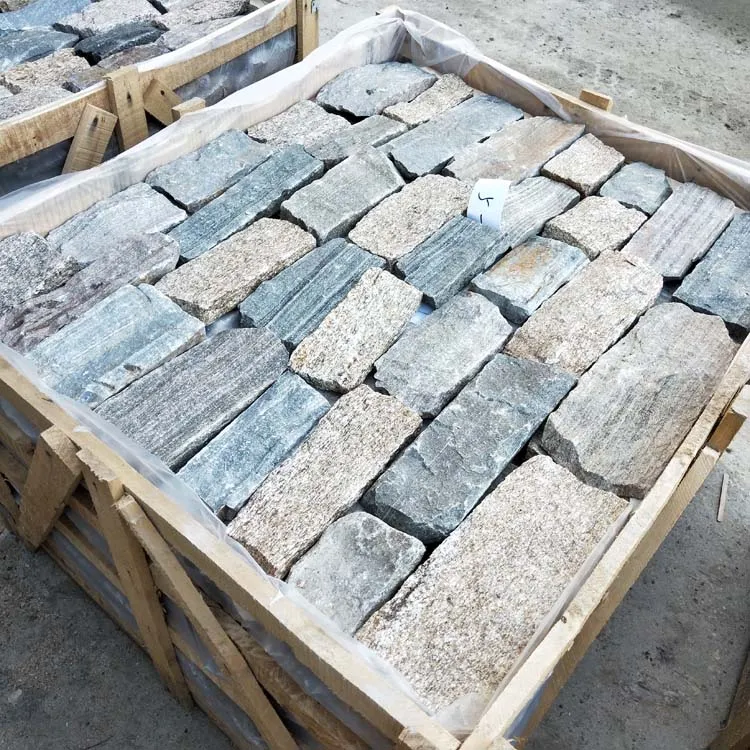
Builders Stone Supply: Essential Insights, Global Impact & Future Trends
Understanding Builders Stone Supply: The Backbone of Construction Worldwide
Builders stone supply — you likely encounter it daily, even if you don’t think much about it. At its core, it’s the sourcing, processing, and distribution of the raw and refined stones used in construction. Globally, it’s pretty fundamental for infrastructure, housing, and everything that makes modern societies tick. The importance? Imagine cities, highways, or bridges without durable stone materials. Not very safe, right? Understanding builders stone supply centers you on the lifeline that supports development, resilience, and even disaster recovery.
Global Industry Context: Why Builders Stone Supply Matters
On a worldwide scale, builders stone supply is a huge industry influencing economic growth and urban expansion. According to the United Nations Statistics Division, the global construction sector accounts for over 13% of GDP in many countries, and raw materials like stone hold a key spot in this. Builders stone isn’t simply about rocks; it’s about stable foundations and aesthetic appeal that last generations.
But there’s a catch: demand skyrockets especially in developing regions, yet sustainable sourcing remains a challenge. For instance, the World Bank reports that improper stone mining can contribute to soil erosion and habitat disruption, pushing industries to rethink supply chain ethics.
Thus, builders stone supply is more than logistics—it’s also an ecological balancing act and a gauge of regional development strategies.
What Is Builders Stone Supply?
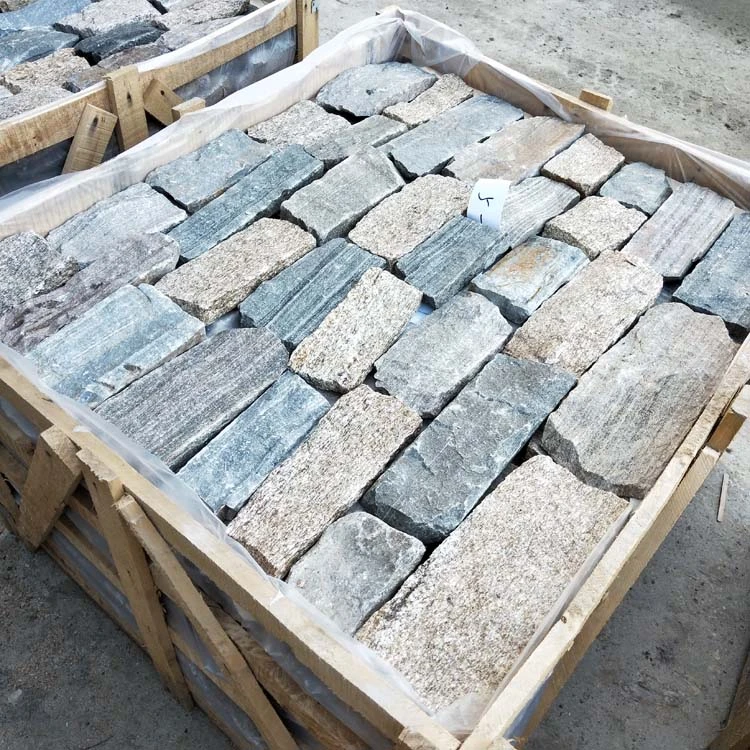
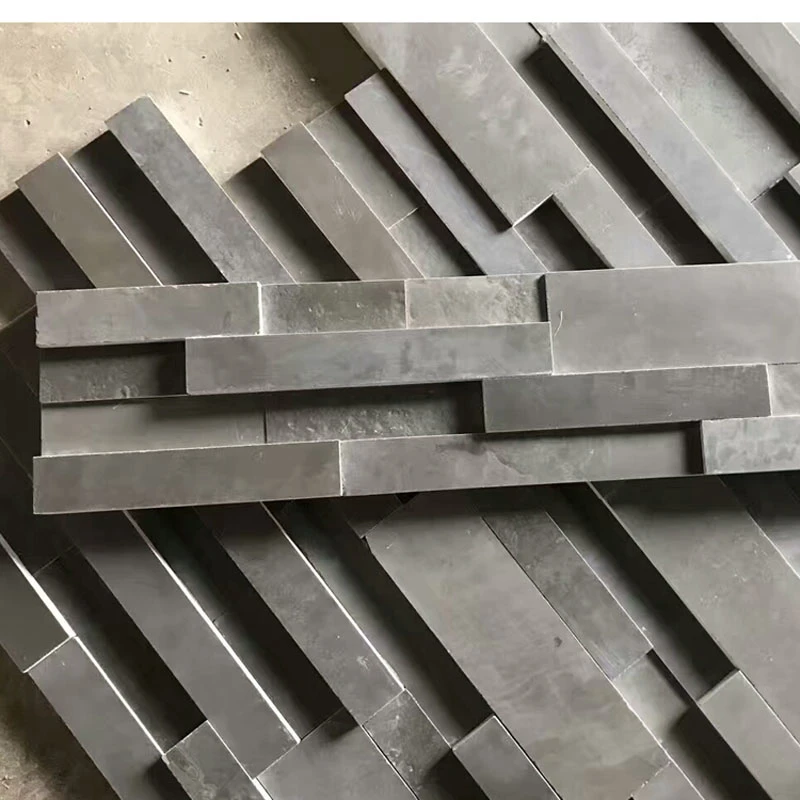
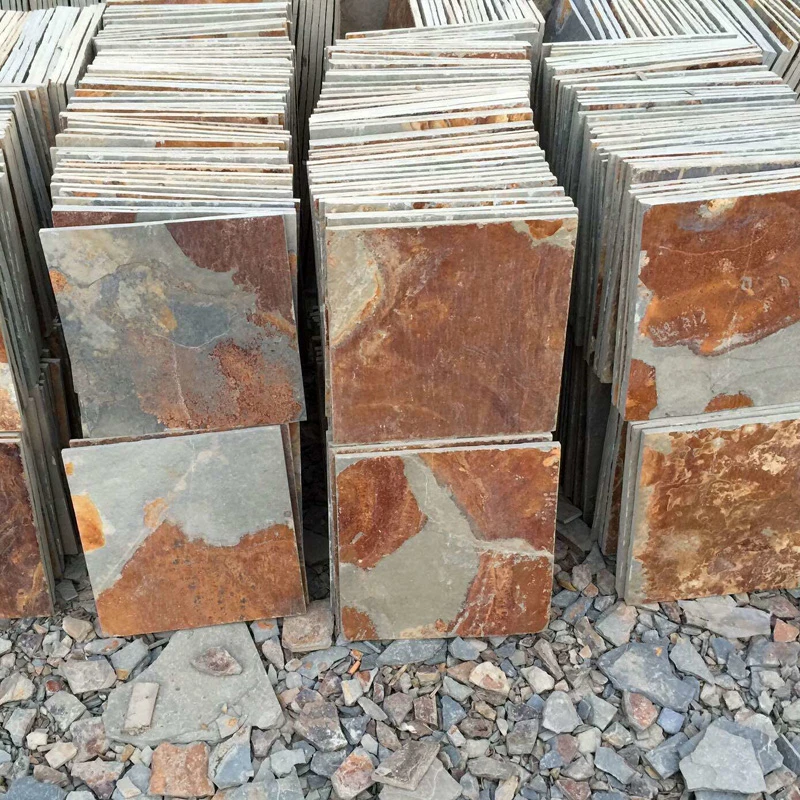
Put simply, builders stone supply refers to the entire process by which natural stone materials are acquired, prepared, and delivered to construction sites or manufacturing plants. This includes quarrying, cutting, sorting, and transportation. Over time, it’s evolved with technology to address bigger volumes and stricter quality standards.
Its connection to modern industry is well documented. From skyscraper facades to urban sidewalks, stone adds longevity and character. And in humanitarian efforts or post-disaster rebuilding, reliably sourcing stone locally—or rapidly transporting it—can mean the difference between swift recovery or prolonged hardship.
Key Factors of Builders Stone Supply
Durability
This might seem obvious, but the hardness and weather resistance of builders stone are paramount. Materials like granite or limestone endure stress and climate better than alternatives, meaning fewer repairs and longer lifespans for structures.
Scalability
The ability to meet large-scale demands quickly is crucial, especially for infrastructure projects or emergency rebuilding after natural disasters. A flexible supply chain that accommodates fluctuating needs can alleviate costly delays.
Cost Efficiency
Price competitiveness hinges on quarries near urban centers, transport logistics, and wastage minimization during processing. Aside from lowering project budgets, efficient supply chains help keep the environmental footprint in check.
Environmental Impact
Modern builders stone supply increasingly incorporates sustainable sourcing. Techniques such as land reclamation post-quarrying, and using digital tech to reduce material waste, have gained traction.
Customization and Quality Control
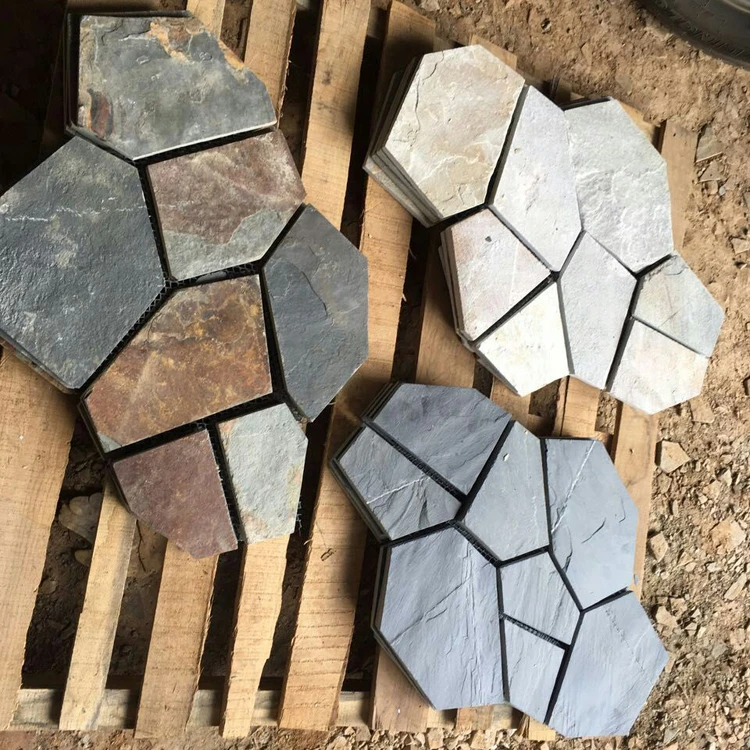
Tailored cuts and finishes meet diverse architectural demands. Consistent quality checks ensure stones meet strength and aesthetic standards, critical for both safety and design.
Product Specification: Typical Builders Stone Compared
| Stone Type | Hardness (Mohs Scale) | Typical Uses | Average Cost (per ton) |
|---|---|---|---|
| Granite | 6-7 | Building facades, bridges, flooring | $70 - $120 |
| Limestone | 3-4 | Interior walls, pavements, building blocks | $40 - $80 |
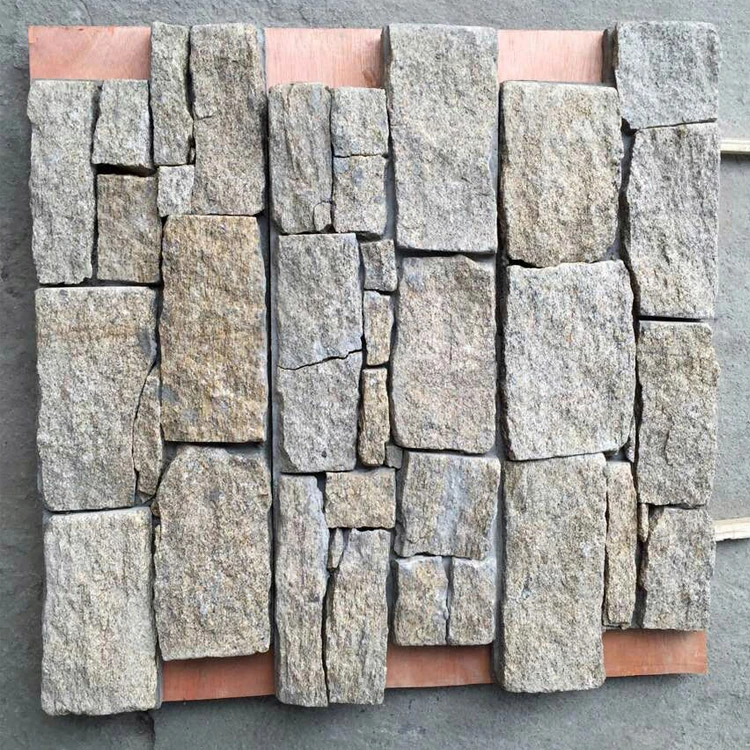
| Sandstone | 6-7 | Decorative walls, garden steps, facades | $50 - $90 |
Real-World Applications Across Regions
Builders stone supply is everywhere — but its relevance changes with geography and economics. In North America and Europe, where urban renewal and heritage preservation blend, builders stone supply supports high-end architectural demands and restoration projects. Meanwhile, in South Asia and Africa, the story is often about rapid urbanization and infrastructural catch-up.
Take post-tsunami rebuilding in Indonesia, for example. Locally sourced stone was key to quick recovery efforts where transporting materials was challenging. Similarly, in remote mining towns in Canada, reliable supply chains for builders stone ensure that essential infrastructure remains strong despite the harsh climate.
Industries such as commercial construction, road building, and monument crafts all rely heavily on a steady, quality builders stone supply. Without that, development slows, costs rise, and safety can be compromised.
Benefits: Why Investing in Builders Stone Supply Pays Off
- Longevity & Reliability: Stone structures often outlast many alternative materials, saving costs in the long run.
- Sustainability: Naturally sourced materials with modern quarry practices reduce carbon footprint.
- Social Impact: Local sourcing supports communities, creating jobs and preserving craftsmanship.
- Aesthetic & Emotional Value: The tactile feel and timeless beauty of stone invoke trust and comfort in built environments.
For practitioners, cost-efficiency combined with sustainability is a win. End users get safe, dignified spaces. Oddly enough, it’s not just about concrete numbers, but how stone “feels” as a material — solid, reassuring...
Building in the Future: Trends Shaping Builders Stone Supply
Looking ahead, the industry is touching several exciting innovations:
- Automation & Robotics: Advanced cutting techniques powered by AI enable more precise, less wasteful stone processing.
- Green Quarrying: Eco-friendly extraction methods minimize environmental disruption.
- Digital Supply Chains: Real-time tracking and inventory improve scalability and reduce delays.
- Hybrid Materials: Combining stone with engineered composites to enhance strength and reduce weight.
These trends mean builders stone supply won’t just keep up with construction needs but will lead on sustainability and quality assurance.
Challenges and Solutions
There are hurdles, naturally: fluctuating quarry output due to regulatory constraints, transport bottlenecks, and the ever-present concern about ecological impacts. Plus, the need for skilled labor in specialized cutting and finishing can limit flexibility.
However, many vendors are embracing digital mapping of quarries, investing in staff training, and partnering with environmental groups for better reclamation practices. There's no magic bullet, but steady progress is underway.
FAQ: Your Builders Stone Supply Questions Answered
Q1: How can builders stone supply reduce construction costs?
A1: By sourcing stone locally, reducing transport expenses, minimizing waste through precision cutting, and selecting durable materials, projects save on both upfront and maintenance costs. Efficient supply chains also reduce delays that increase labor expenses.
Q2: What makes granite a preferred stone in construction?
A2: Granite’s high hardness, resistance to weathering, and appealing texture make it suitable for exposed surfaces like facades and bridges. Its durability also ensures long service life, crucial for structural integrity.
Q3: Is sustainable quarrying for builders stone achievable?
A3: Yes, with practices like phased extraction, land reclamation, and reduced energy use, quarries can operate sustainably. Many countries have guidelines issued by organizations such as ISO for environmental standards in stone mining.
Q4: How does builders stone supply support post-disaster rebuilding?
A4: Quick access to suitable stone and adaptive logistics help rebuild strong, resilient structures swiftly. Local quarries reduce reliance on costly imports, while pre-cut options accelerate construction timelines.
Q5: What are the main logistical challenges in builders stone supply?
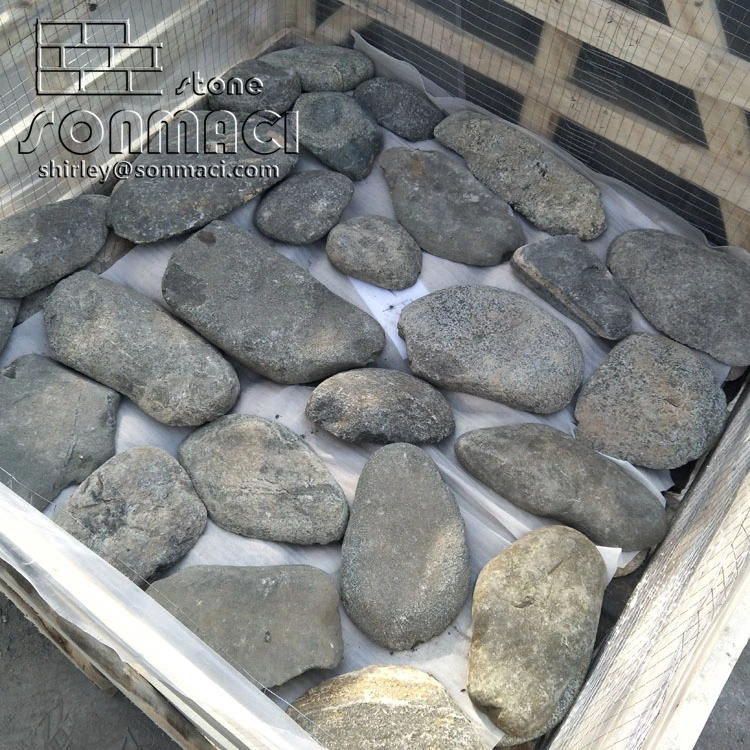
A5: Heavy weight of materials, need for careful handling to prevent damage, and the irregular shapes can complicate transport. Advanced packaging and route planning are solutions commonly employed.
Builders Stone Suppliers: A Quick Vendor Comparison
| Vendor | Regional Focus | Sustainability Practices | Product Range | Lead Time |
|---|---|---|---|---|
| StoneSource Inc. | North America | Reclamation & low energy cutting | Granite, Marble, Limestone | 2-3 weeks |
| Global Stone Supplies | Asia-Pacific, Africa | ISO certified environmental management | Sandstone, Granite, Basalt | 3-5 weeks |
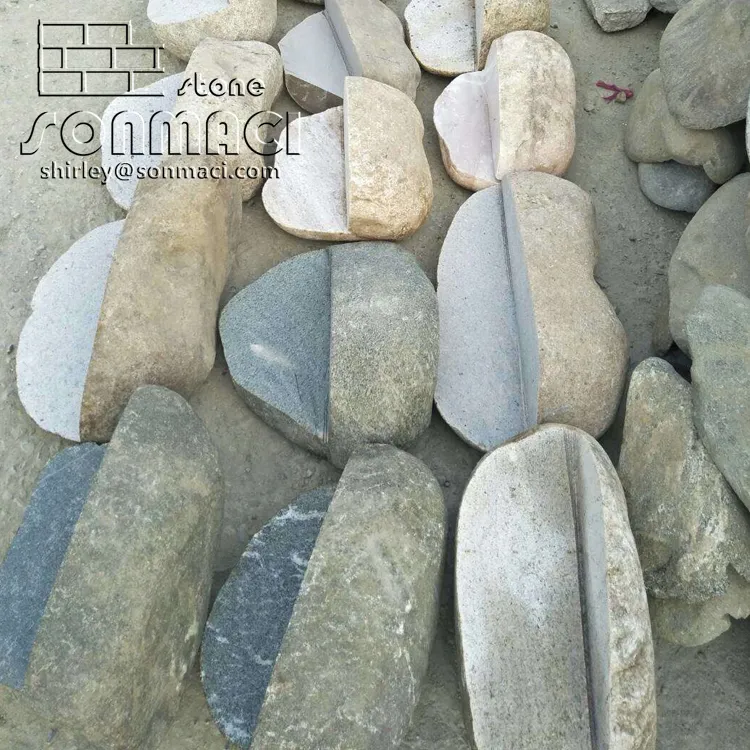
| Sonmac Stone Co. | Europe | Sustainable quarrying, digital traceability | Limestone, Marble, Slate | 1-2 weeks |
It’s one thing to read about builders stone supply, but quite another to see how selecting the right supplier can smooth a project to completion. If you want to know more about reliable and quality stone sourcing, check out builders stone supply info and offerings firsthand.
Final Thoughts
In real terms, builders stone supply might feel like just a logistics puzzle. But it underpins safe homes, thriving communities, and sustainable development. It’s a mix of tradition and innovation, local roots and global reach. For engineers, architects, or planners looking to balance cost, quality, and environmental responsibility, understanding this supply chain is crucial.
If you’re thinking about your next project or want to stay ahead in construction trends, investing time into builders stone supply knowledge will undoubtedly pay off.
Ready to explore more? Visit builders stone supply resources for insights and dependable partners.