The Ultimate Guide to Stacked Stone Brick: Benefits, Costs & Sustainability for B2B
Stacked Stone Brick is a key solution in the industry, specifically within commercial construction and architecture sectors. This article explores how Sonmacistone supports professionals with durable, high-performance products, and explains why this product is an ideal choice for businesses in these sectors.
Table of Contents
- Stacked Stone Brick Overview
- Benefits & Use Cases of Stacked Stone Brick
- Cost, Maintenance & User Experience
- Sustainability & Market Trends
Stacked Stone Brick Overview
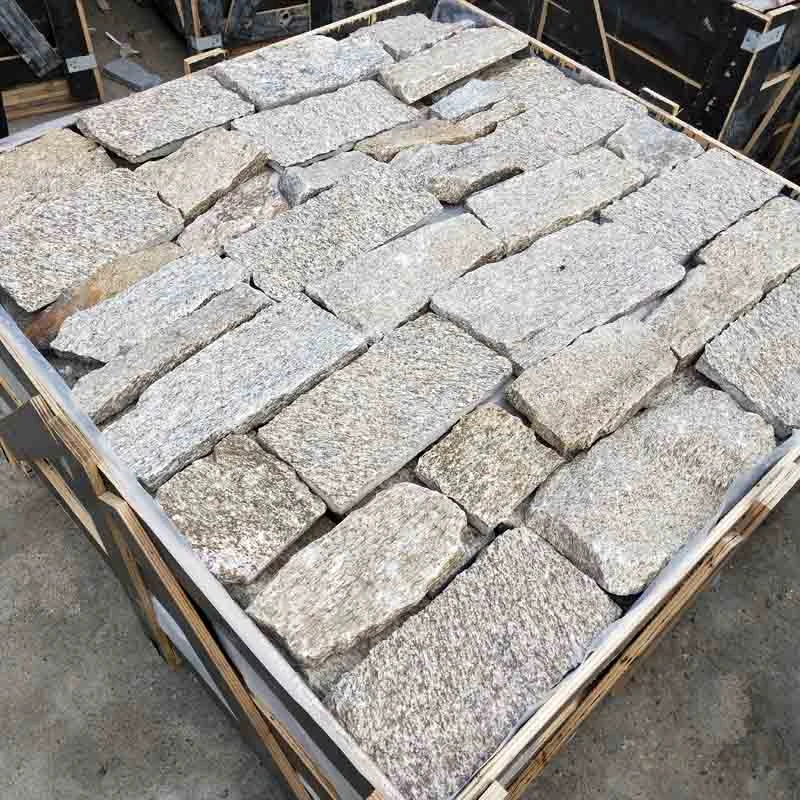
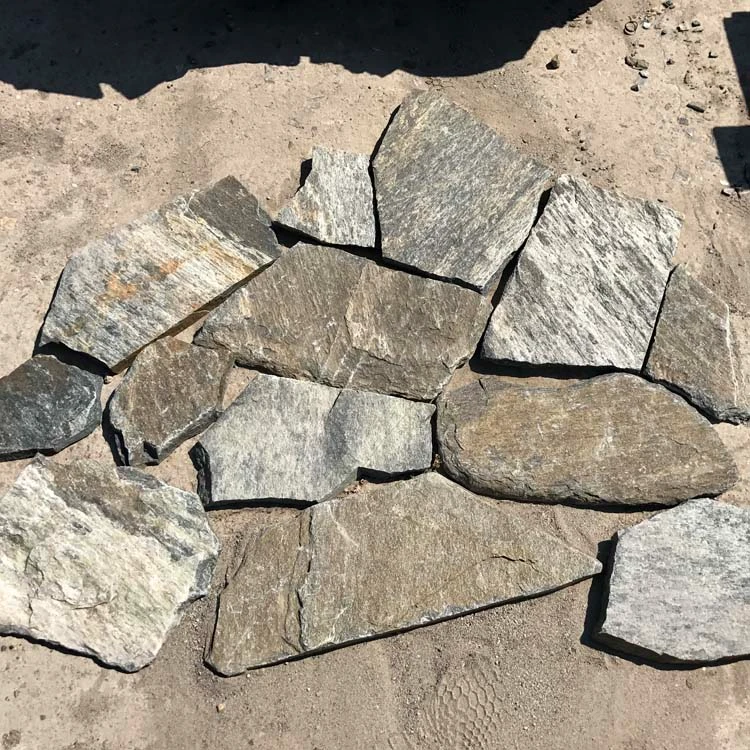
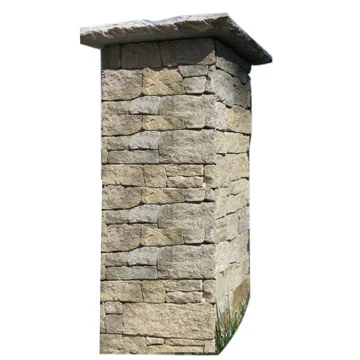
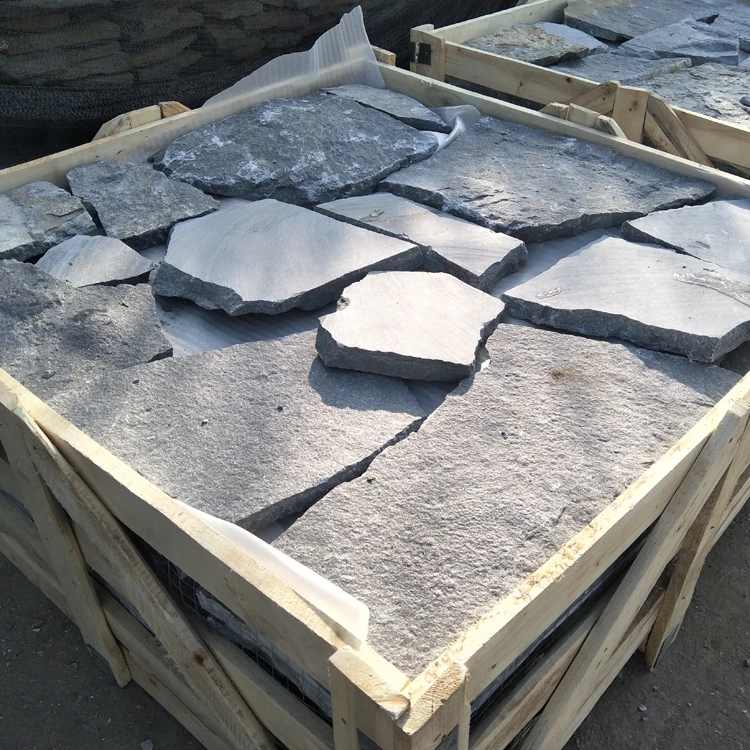
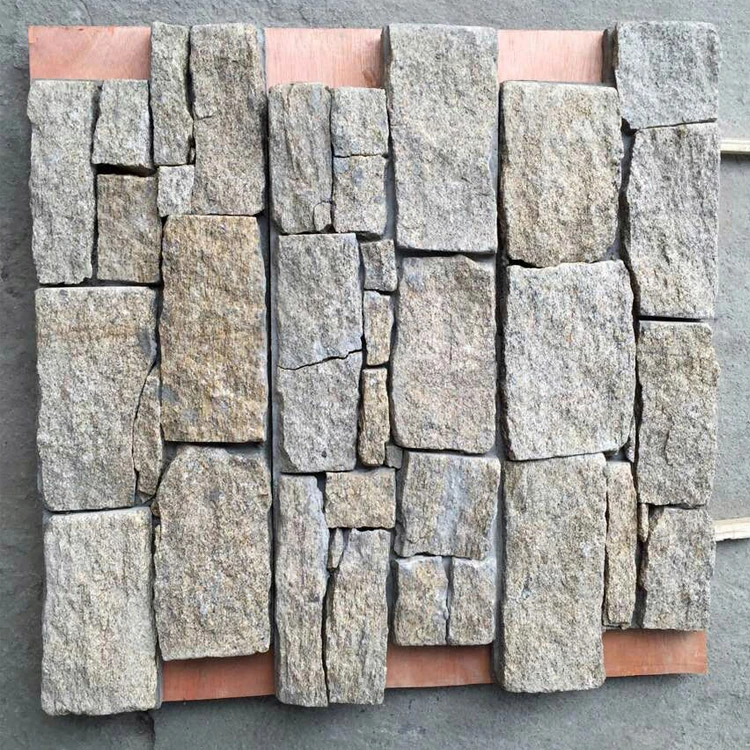
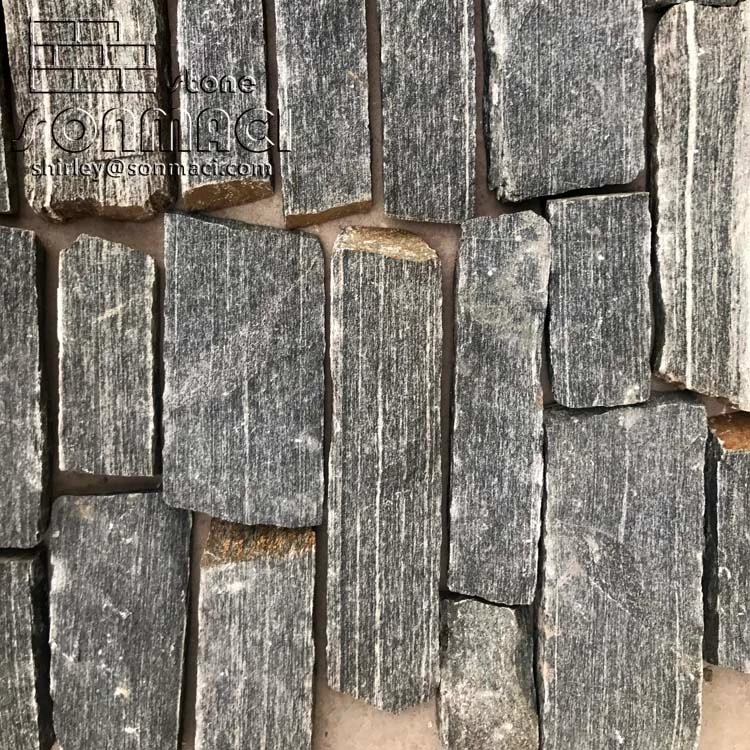
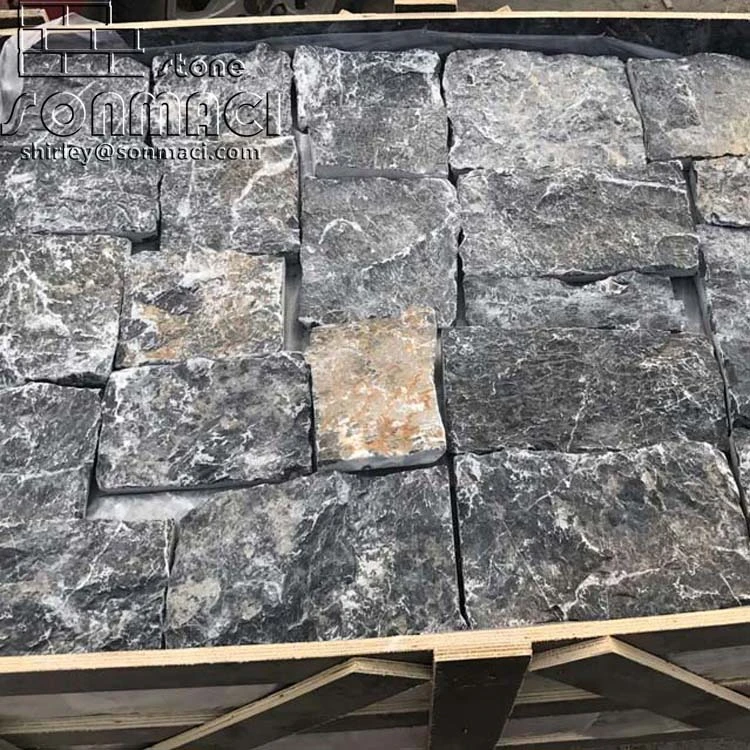
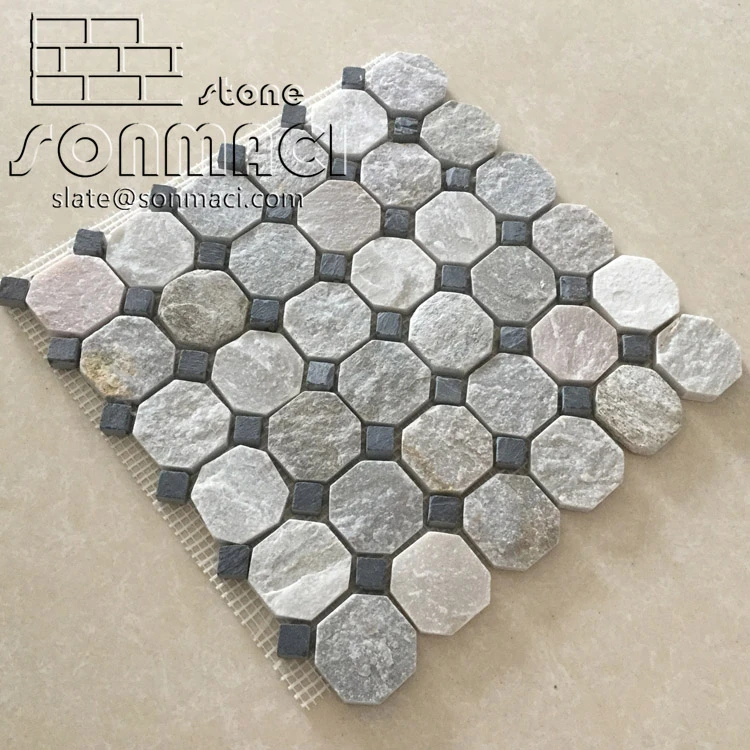
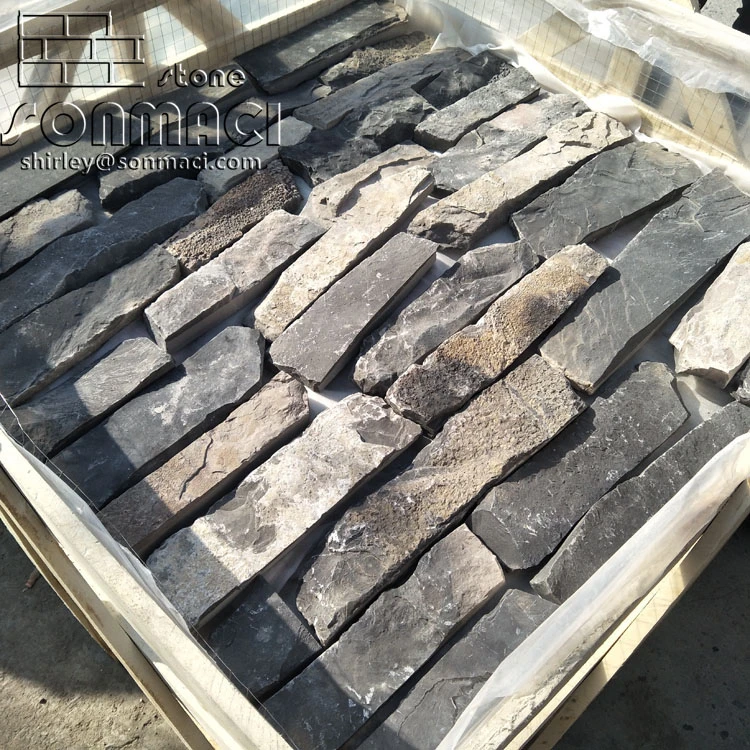
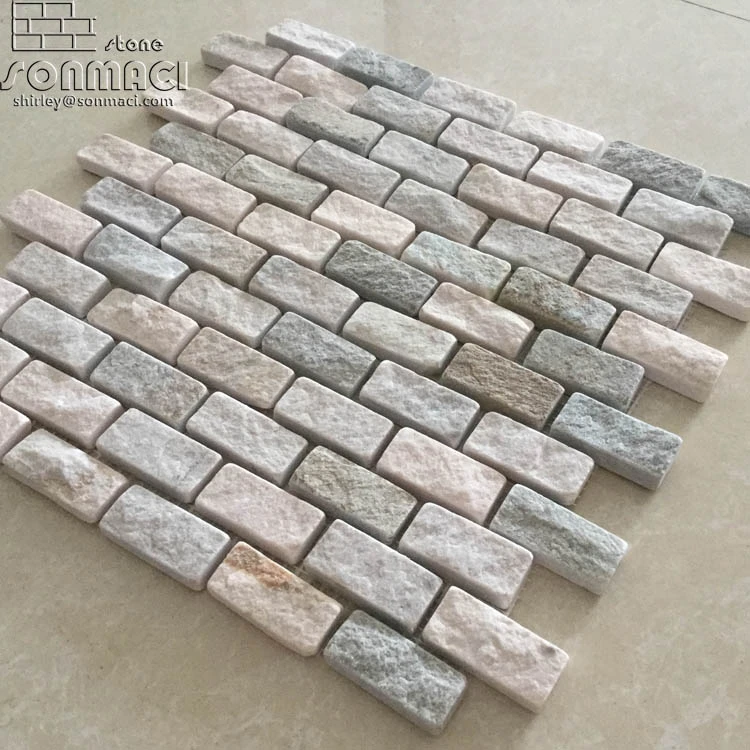
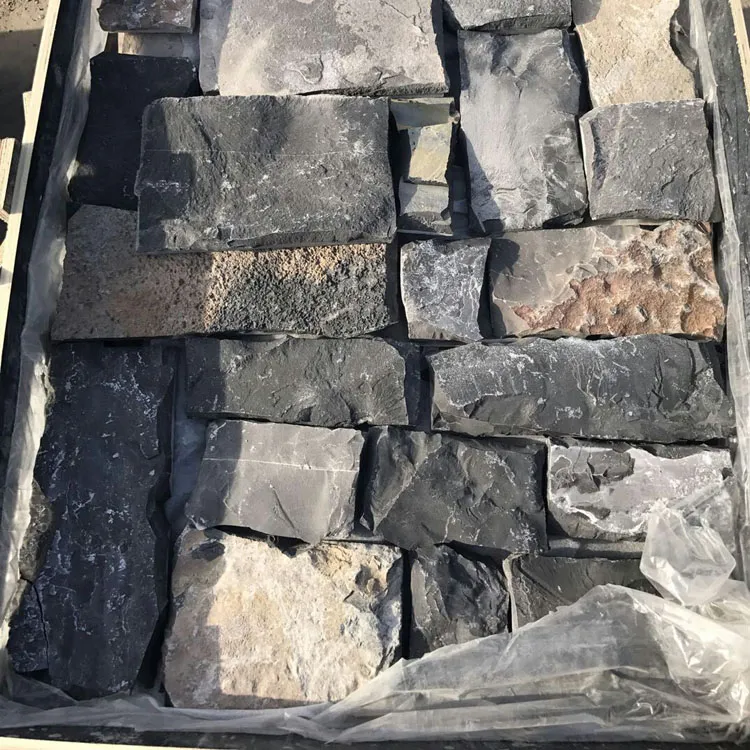
Simply put, stacked stone brick is a type of decorative masonry comprised of thin pieces of natural or engineered stone, arranged horizontally without mortar joints visible, offering that distinctive layered appearance. It's become a go-to for architects and builders looking to combine modern aesthetics with rugged durability. Frankly, the product feels like it effortlessly bridges traditional craftsmanship with contemporary design demands.
Technically, stacked stone bricks are manufactured to precise thicknesses—often ranging between 1 to 2 inches—with varied lengths to maintain the natural irregular look. Sonmacistone, for instance, rigorously tests their products for compression strength, freeze-thaw resistance, and coloration consistency, which really sets them apart in terms of reliability. One case study we stumbled upon involved a commercial facade renovation in a coastal city where the stacked stone endured harsh salty winds without noticeable deterioration after five years.
| Specification | Details |
|---|---|
| Material | Natural quartzite & engineered composite |
| Thickness | 1.0” to 2.0” (adjustable in select lines) |
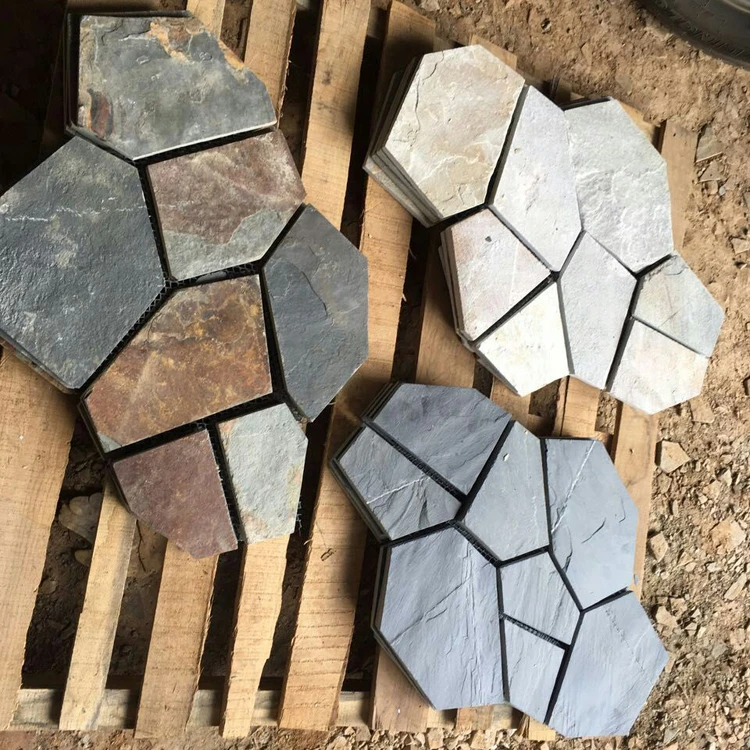
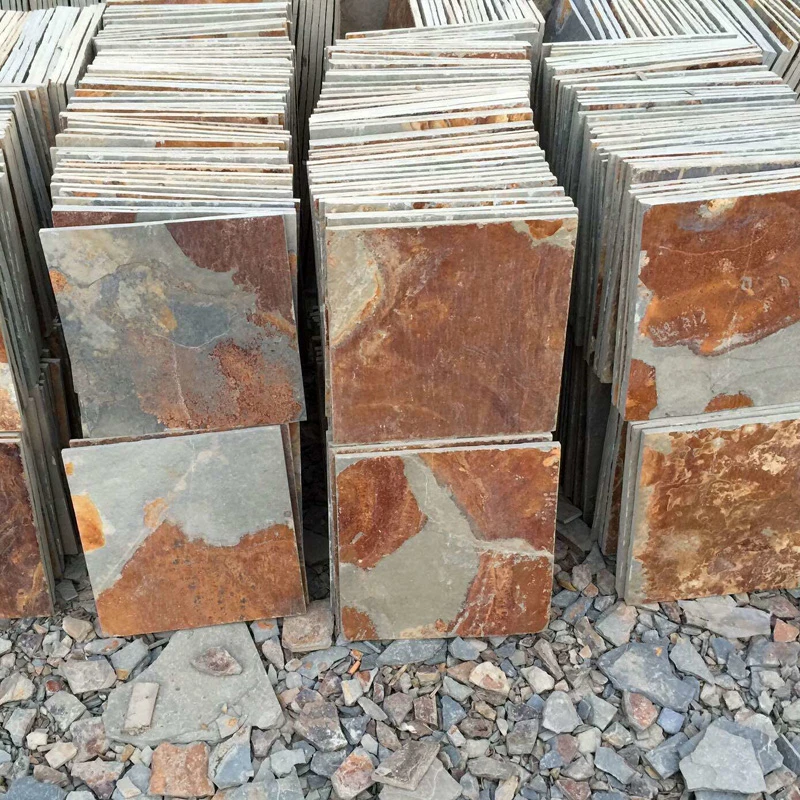
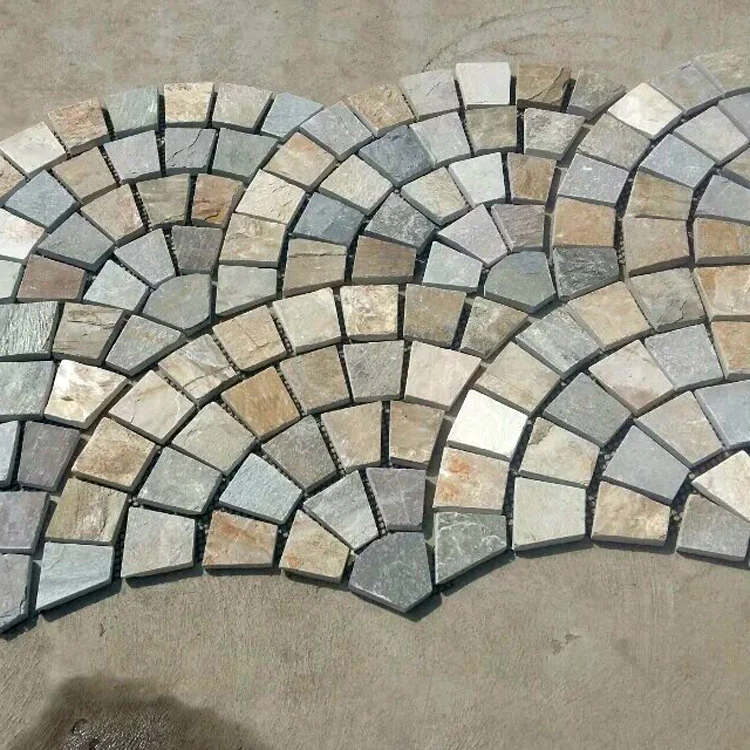
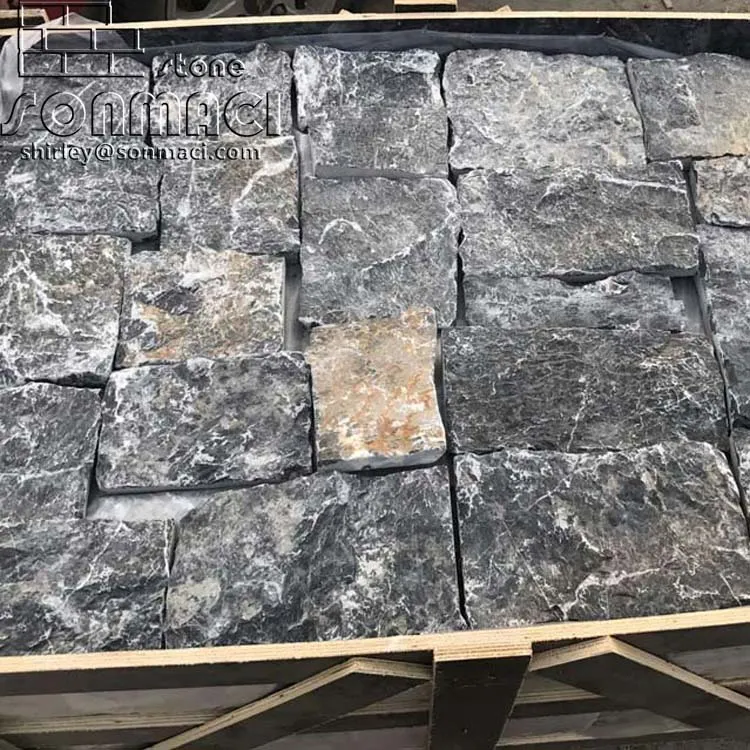
| Color Range | Earth tones: greys, tans, rust, black |
| Finish | Split face, natural, tumbled |
| Installation | Dry stacked or thin-set mortar application |
Benefits & Use Cases of Stacked Stone Brick
The appeal of stacked stone brick lies in its versatility. For B2B decision makers in commercial real estate and hospitality development, it offers a visually striking texture that can transform both exteriors and interiors. Think retail storefronts, luxury hotels' lobbies, or even corporate office feature walls—the rugged yet refined aesthetic works well across settings.
Beyond looks, these bricks are surprisingly lightweight compared to traditional masonry, which reduces structural load and often simplifies installation, saving time and labor on site. Sonmacistone also highlights how their product’s natural stone composite delivers superior weather resistance, making it a prime candidate for façade cladding in regions facing heavy rainfall or freeze cycles. Plus, it’s customizable—different color combinations and finishing options let businesses tailor the stones to brand identity or architectural themes, which frankly gives it a leg up against cookie-cutter panels.
Cost, Maintenance & User Experience
When it comes to returns, stacked stone brick stands out for durability combined with relatively low upkeep. While initial purchasing costs might be slightly higher than standard brick or vinyl siding, the total cost of ownership often tips the scales in its favor. Realistically, the lack of painting requirements and resistance to chipping or fading cut down on maintenance expenses dramatically.
Conversation with project managers using Sonmacistone products frequently echoed satisfaction with ease of installation and long-term reliability. One construction firm noted a project where the stacked stone panel reduced installation time by 20%, translating directly to site cost savings. Moreover, the product's robustness against staining—particularly in urban pollution-heavy areas—adds another layer of value.
| Vendor | Material Quality | Customization | Lead Time | Warranty |
|---|---|---|---|---|
| Sonmacistone | High-grade quartzite blend | Extensive color & finish options | 2-3 weeks standard | 15 years |
| Vendor B | Natural stone only | Limited finishes | 4-6 weeks | 10 years |
| Vendor C | Composite mix, lower grade | Some customization | 3-5 weeks | 7 years |
Sustainability & Market Trends
Sustainability has become more than a buzzword in construction—it's a business imperative. The stacked stone brick market is evolving accordingly. Customers and regulators alike demand eco-conscious sourcing and materials with lower embodied carbon footprints. Sonmacistone’s approach to blending natural quartzite with engineered composites helps minimize quarry waste and energy-intensive processing.
Oddly enough, as urban developments push for greener architecture, stacked stone bricks satisfy both aesthetic and environmental criteria. Plus, the industry is increasingly exploring circular economy concepts—reclaiming and repurposing stone products post-use. Market forecasts suggest a steady CAGR of around 6% for natural stone-based architectural materials globally, driven by construction booms in Asia and retrofit projects in Europe and North America.
Frequently Asked Questions about Stacked Stone Brick
- What is Stacked Stone Brick and how does it work?
- Stacked Stone Brick is a building material made from thin layers of stone set edge-to-edge creating a natural, layered look without visible mortar joints. It's designed to provide durable, decorative cladding by interlocking or adhering to a surface, enhancing both strength and aesthetics.
- What are the main benefits of using Stacked Stone Brick in industrial applications?
- Key advantages include long-lasting durability, resistance to weather extremes, low maintenance needs, and a visually appealing finish. It also reduces structural load due to lighter weight compared to traditional masonry, improving overall ROI.
- How does Stacked Stone Brick compare to traditional alternatives?
- Compared to conventional brick or concrete blocks, stacked stone brick offers more design flexibility, lighter weight, and generally better weather resistance. Traditional bricks often require more mortar and maintenance, while stacked stone allows quicker installation with contemporary finishes.
- What industries can benefit most from Stacked Stone Brick implementation?
- Commercial construction, hospitality, retail developments, and upscale residential projects benefit greatly. The material lends itself well to feature walls, facades, and landscaping enhancements where aesthetics and durability are paramount.
Conclusion on Stacked Stone Brick from china
To wrap it up, stacked stone brick remains a compelling choice for B2B professionals who value durability, design, and sustainability in building materials. Sonmacistone’s offerings demonstrate a thoughtful blend of technical quality and aesthetic versatility that meets modern industry demands. If you’re evaluating options for your next project, it’s definitely worth a closer look.
- Recap the value of Stacked Stone Brick.
- - Visit our website: https://www.sonmacistone.com
Just a quick reflection: building materials like stacked stone brick often bridge the gap between artistry and engineering, and choosing the right vendor can be as important as the product specs themselves. After all, you want a partner that stands the test of time — literally.
References:
1. Industry reports on architectural stone trends, 2023
2. Sonmacistone product datasheets and performance tests
3. Market outlook for natural stone materials, Global Construction Review