Durable Stone Mosaic Floor Tile for Industrial & Commercial Use | Sonmacistone
Why Stone Mosaic Floor Tile Remains a Go-To Choice in Industrial and Design Spaces
Having spent over a decade dealing with all sorts of industrial flooring solutions, I’ve seen the evolution of materials and preferences first-hand. One subtle but persistent favorite, oddly enough, has been stone mosaic floor tile. It might sound slightly old-fashioned at first, yet in real terms, this is an enduring, versatile material that's been quietly proving its worth for both aesthetic and practical reasons.
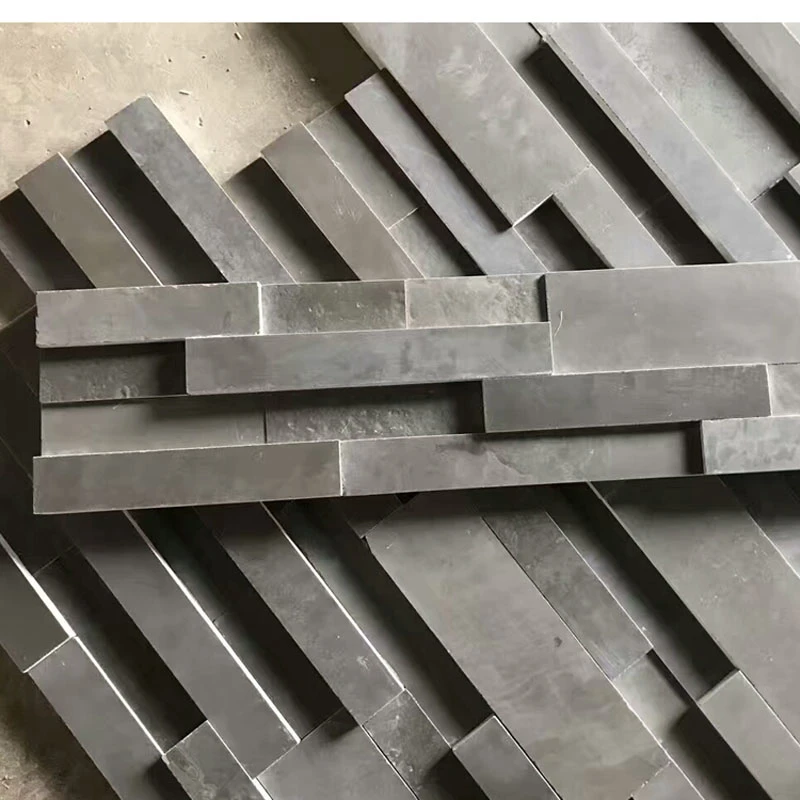
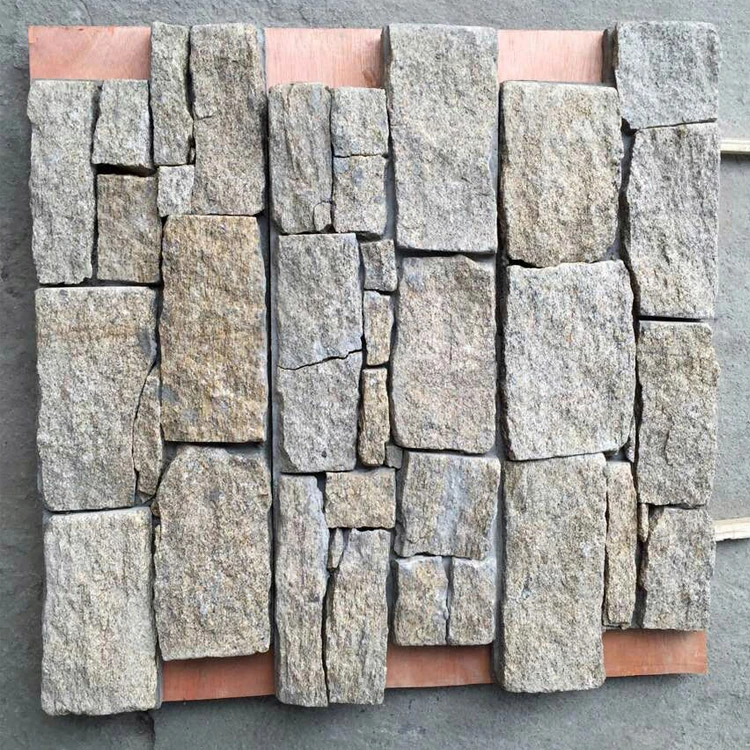
Stone mosaic tiles represent a blend of craftsmanship, durability, and unique visual interest. In manufacturing plants or commercial kitchens, where surface toughness and slip resistance are non-negotiable, these tiles hold up better than many newer synthetic options—though I’ll admit, they're not the absolute easiest to install without some specialized know-how.
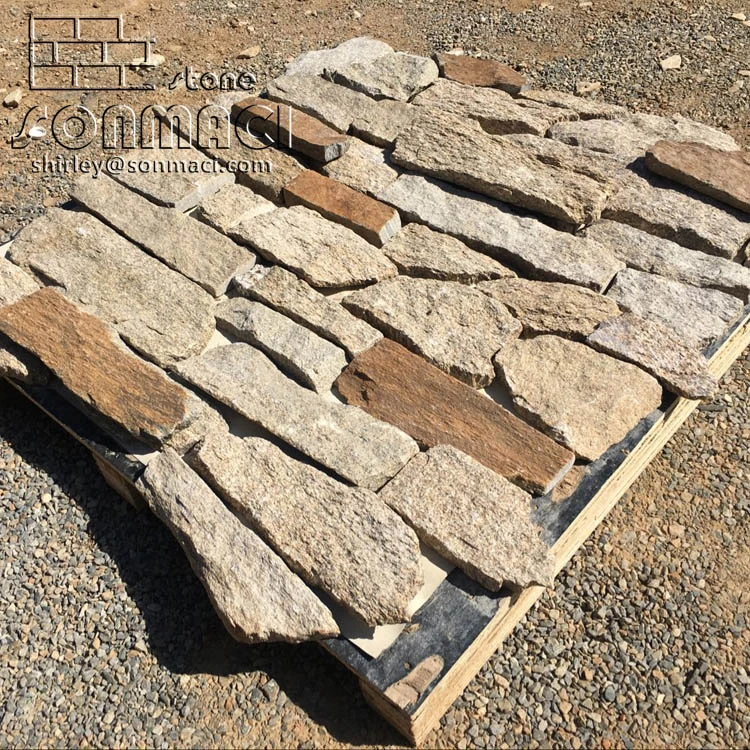
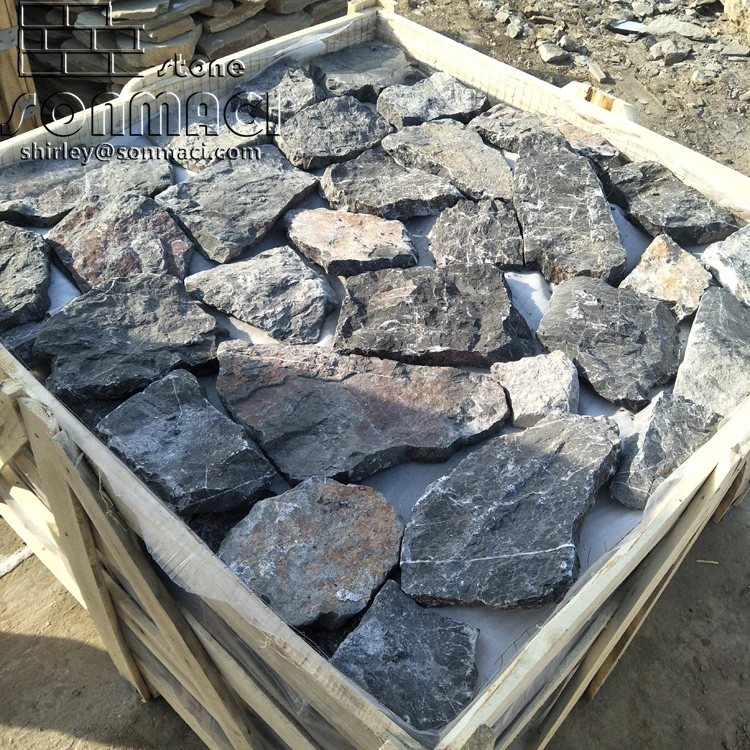
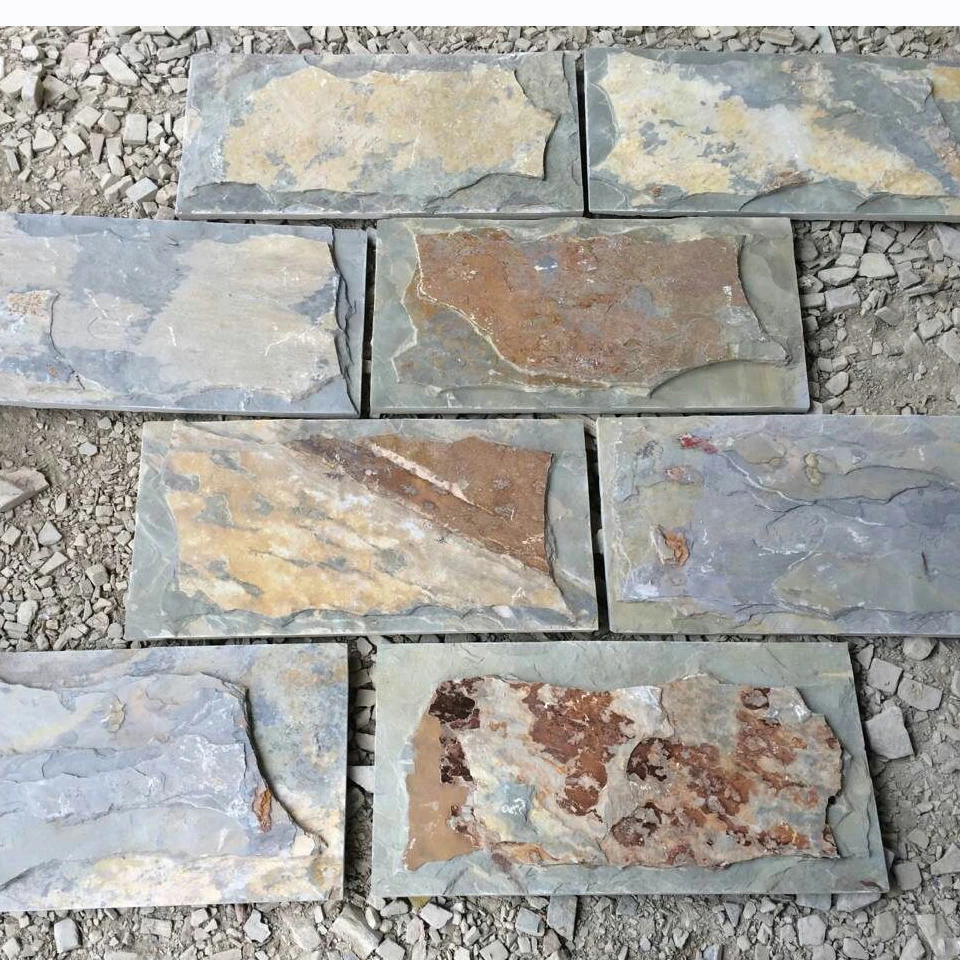
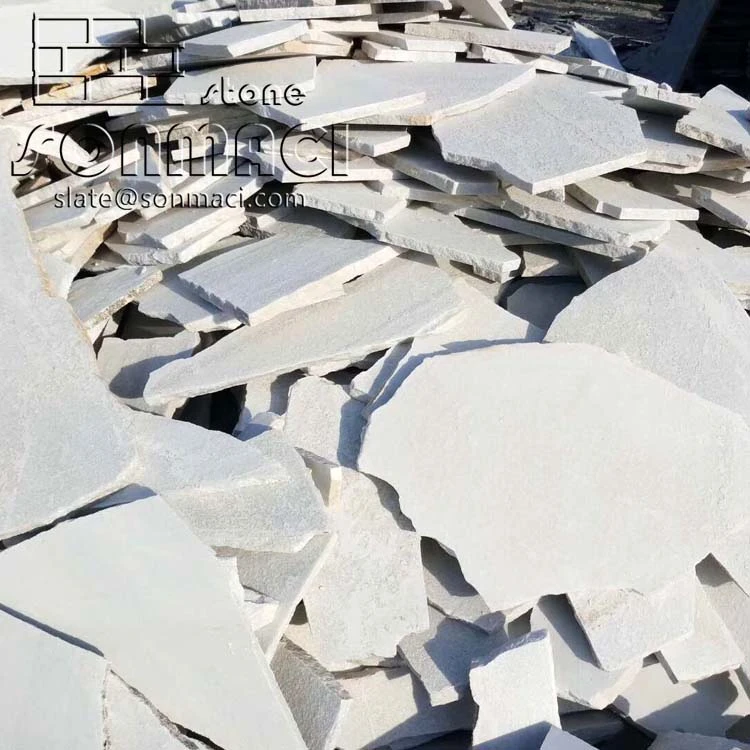
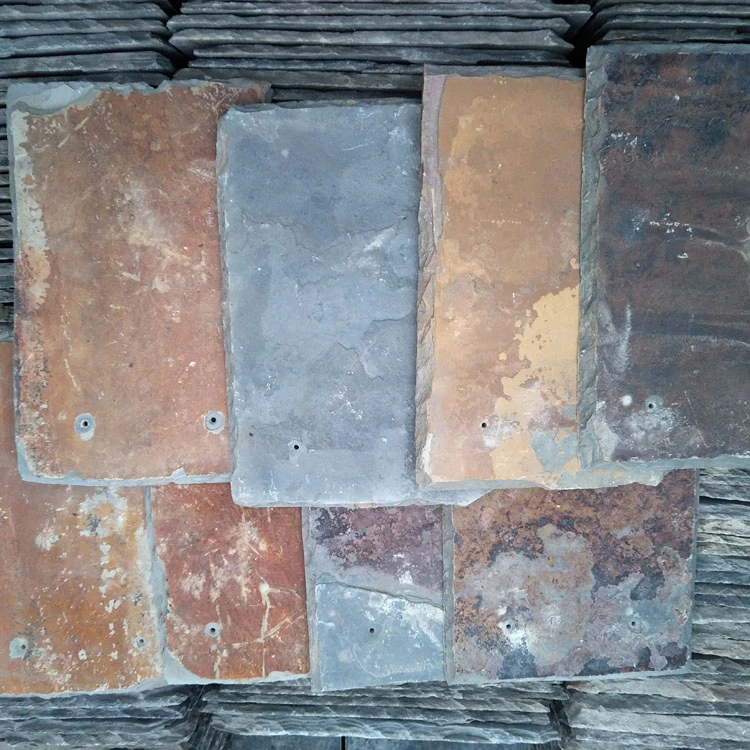
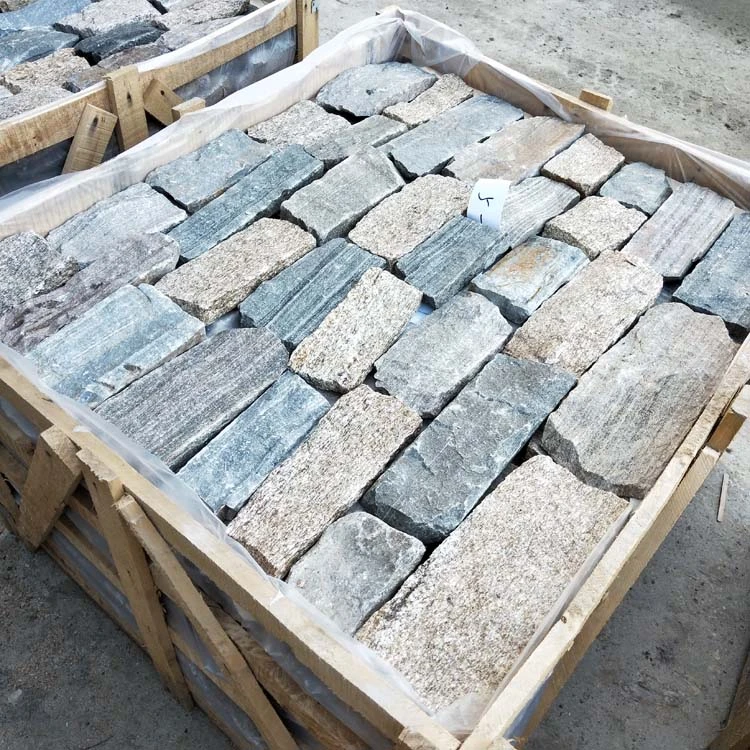
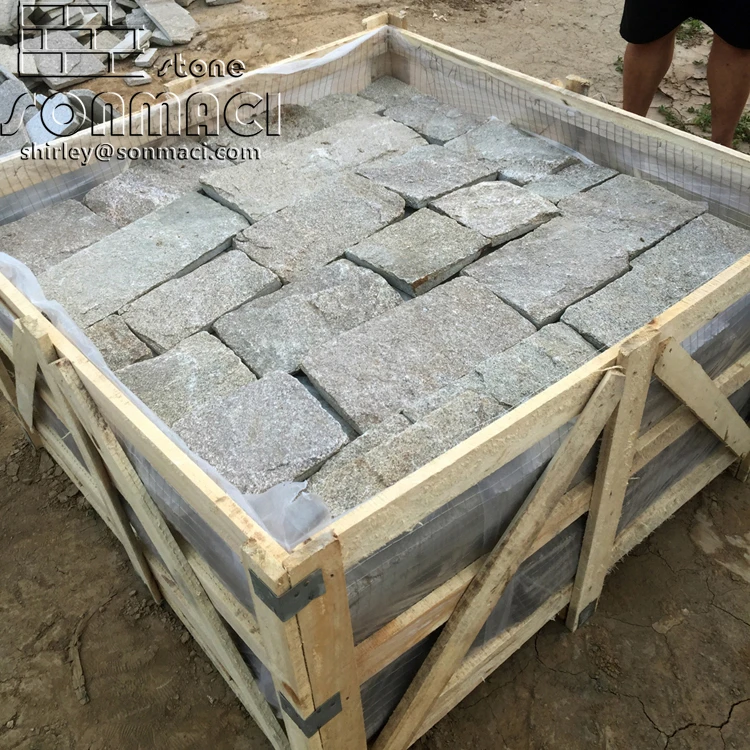
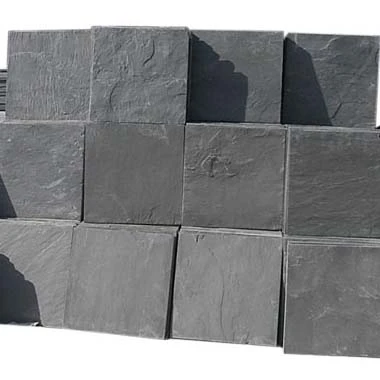
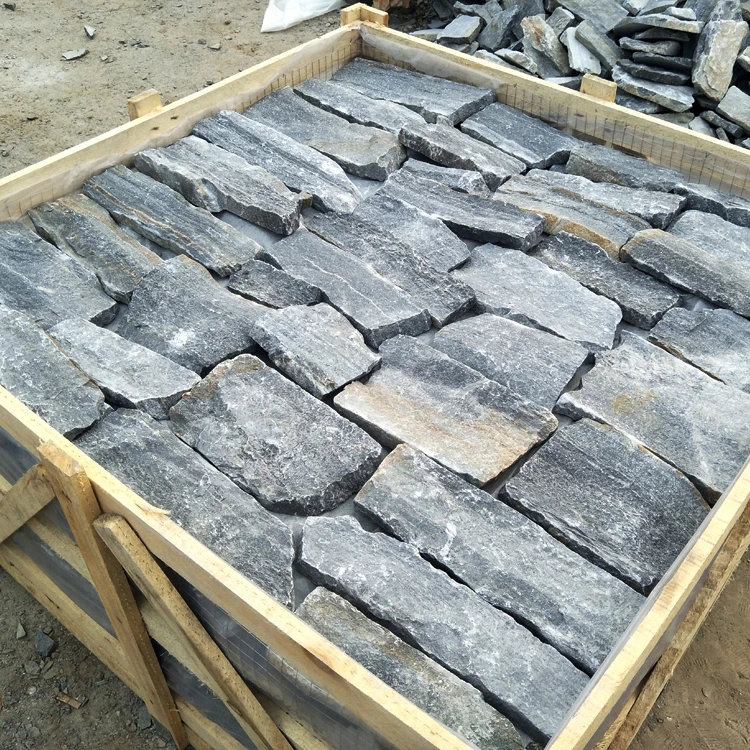
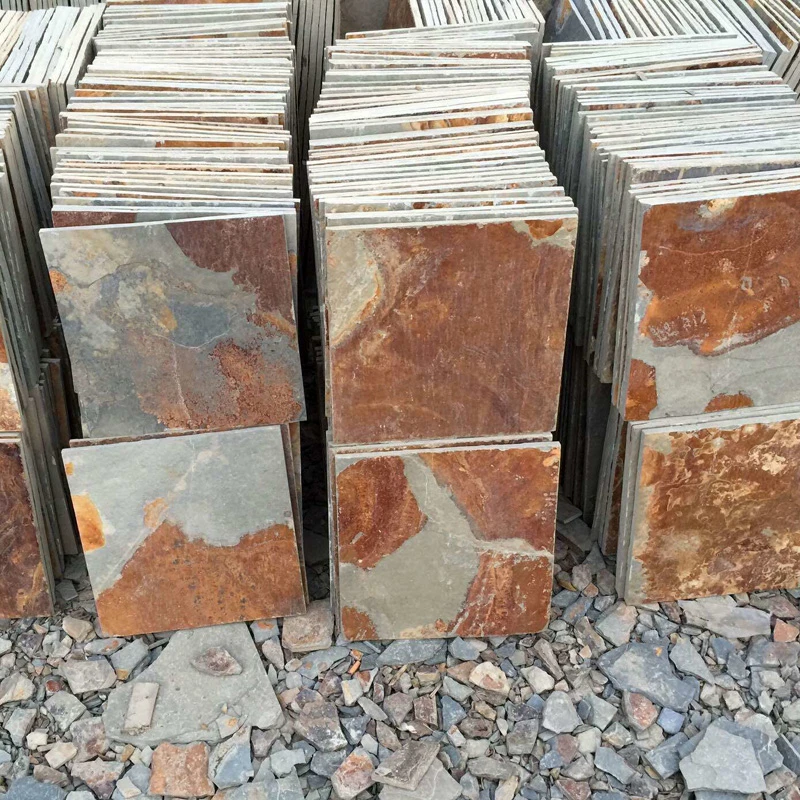
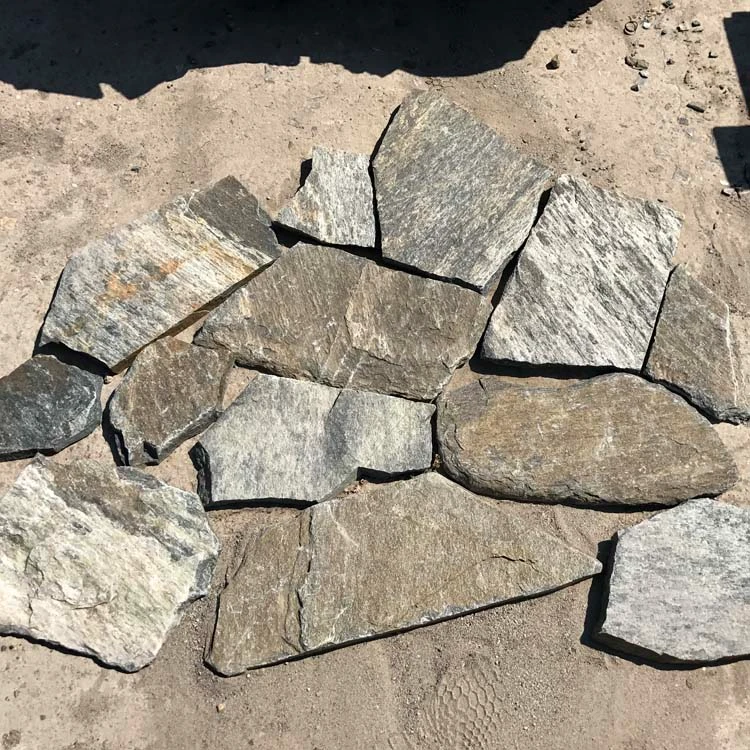
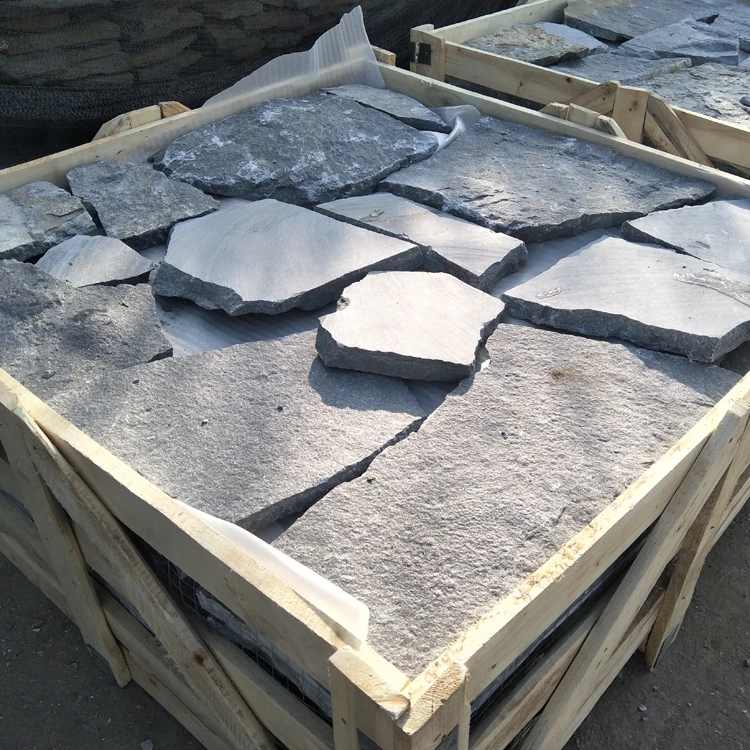
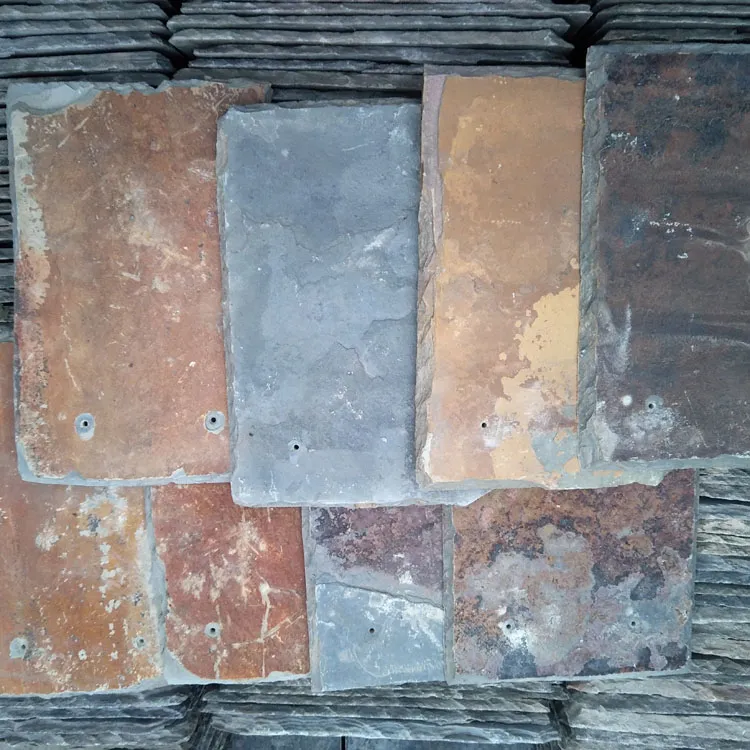
One thing that always jumped out to me is the range of customization possible. You can source these in varying stone types—marble, travertine, slate—each bringing a distinct texture and color palette. It’s not just about looks, either; the natural mineral compositions can affect wear rates and maintenance needs. This kind of nuanced choice is what makes stone mosaics special, especially when precision and long-term performance matter.
Key Product Specifications of Stone Mosaic Floor Tiles
| Specification | Details |
|---|---|
| Material Types | Marble, Slate, Travertine, Quartzite |
| Tile Size | Standard 12" x 12" sheets (individual stone pieces vary 1" - 3") |
| Thickness | 10-15 mm |
| Finish Options | Honed, Polished, Tumbled |
| Slip Resistance | High (depends on finish and stone type) |
| Recommended Use | Commercial, Residential, Industrial Floorings |
When we talk about choosing the right vendor or supplier, there’s a bit of a subtle art to it. Reliability in quality control, delivery lead times, and customization support often makes or breaks the project. Speaking from experience, here’s a quick rundown of how three commonly considered vendors stack up:
| Vendor | Quality & Consistency | Customization | Lead Times | Pricing |
|---|---|---|---|---|
| Sonmacistone | Excellent – strict quality checks, uniform mosaics | Wide range of materials & finishes | Typical 2-3 weeks | Competitive |
| Vendor A | Good, but occasional color variation | Limited to standard finishes | 4-5 weeks | Moderate |
| Vendor B | Variable quality, less consistent | Custom finishes only on request | 1-2 weeks (rush fee) | Premium pricing |
One memorable project was an upscale restaurant kitchen floor where durability and hygiene were paramount. The chosen stone mosaic tiles delivered not only on grip but blended the industrial strength with a certain warmth you don't often get from polymer-based surfaces. The kitchen staff even commented it felt more comfortable underfoot during long shifts – something I wouldn't have predicted but really makes a difference.
In terms of maintenance, these tiles usually need sealing—ideally annually—to keep their integrity and resist staining, especially in high-traffic areas. That extra step might discourage some, but frankly, that's a small tradeoff for the robust lifespan these materials offer.
So, if you’re exploring flooring options that are built to last, handle tough environments, yet bring in a distinctive texture that synthetic flooring often lacks, stone mosaic floor tile might be worth a closer look. It's not the shiny new kid on the block, sure, but it carries decades of proven performance.
Oddly enough, in a market flooded with fleeting trends, it's the timeless qualities that make stone mosaics a reliable bet.
1. Personal experience from multiple industrial flooring projects (2012–2023).
2. Sonmacistone product catalogs and lead-time reports, 2023.
3. Industry forums and technical maintenance guides, Flooring Today magazine, 2022.