The Ultimate Guide to Making a Stone Patio – Durable, Sustainable & Stylish Outdoor Spaces
Why Making a Stone Patio Matters in Our Modern World
Creating an outdoor living space with a stone patio might sound like a simple home improvement project — but it goes far beyond that. Globally, making a stone patio addresses key lifestyle, environmental, and economic needs. It's not only about aesthetics; it's a practical way to enhance property value, sustainability, and social interaction spaces. With growing urbanization, outdoor areas that offer both durability and charm become vital. In fact, stone patios provide long-lasting communal spaces that resist harsh weather better than many modern composite materials.
Understanding the nuances of making a stone patio opens up practical benefits: improved outdoor usage, reduced environmental footprint, and a timeless design element. Plus, with climate concerns rising, opting for natural materials like stone pays off both aesthetically and ecologically.
Global Perspective: The Growing Importance of Stone Patios
The World Bank estimates that by 2050, 68% of the global population will live in urban areas — places where outdoor private or communal spaces shrink constantly. This rapid urbanization has increased demand for quality, durable, and eco-friendly landscaping solutions. Making a stone patio answers this call sustainably by using locally sourced materials that require minimal maintenance.
Moreover, ISO standards on sustainable building materials align with natural stone usage, encouraging its adoption worldwide. Architects and planners in Europe, North America, and parts of Asia have increasingly specified stone patios in residential and commercial projects. In fact, some cities incentivize installations that reduce urban heat islands — and stone’s natural thermal mass plays a part.
Yet, challenges like skilled labor shortages and higher upfront costs sometimes slow down adoption — a problem we’ll get into shortly.
What Is Making a Stone Patio?
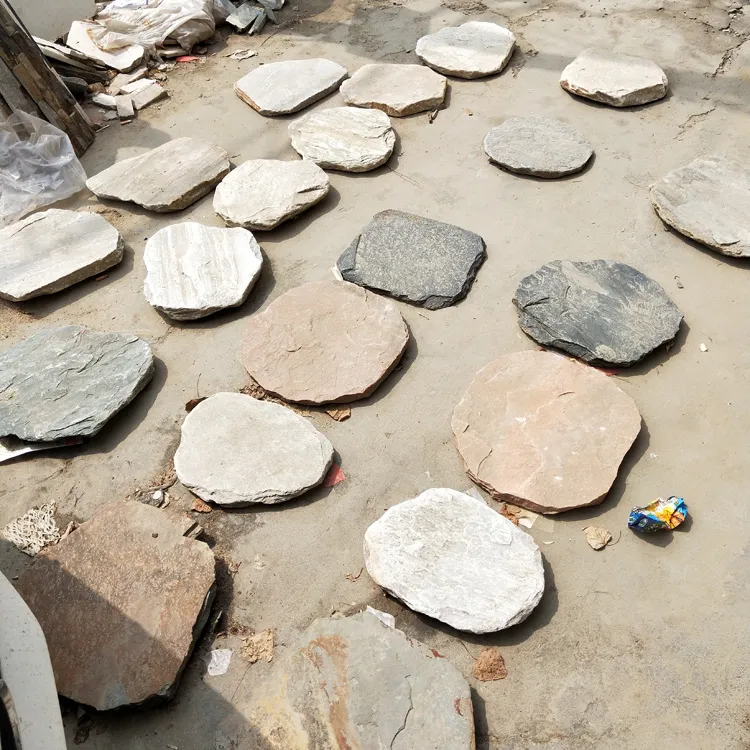
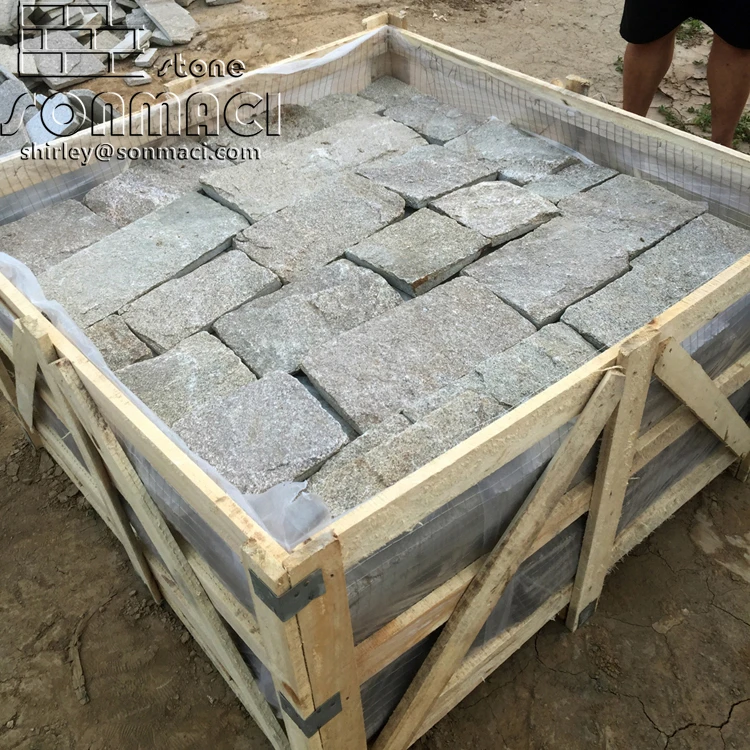
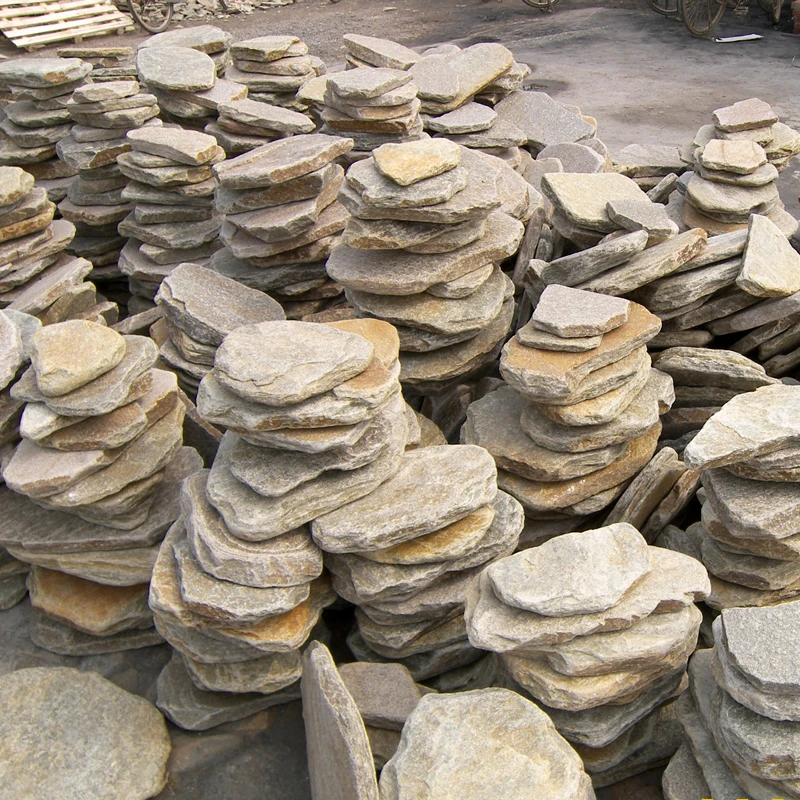
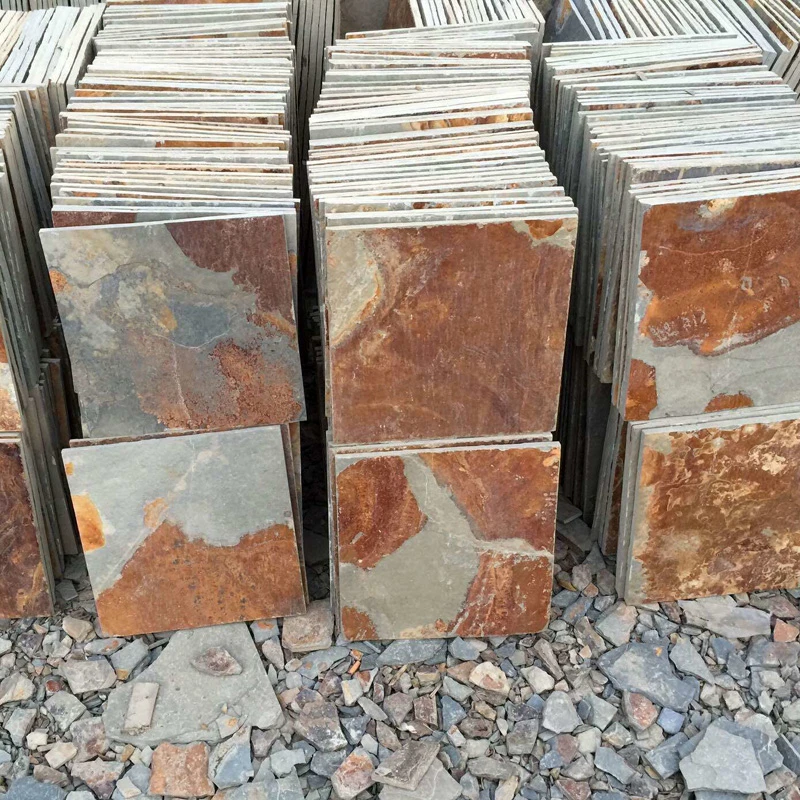
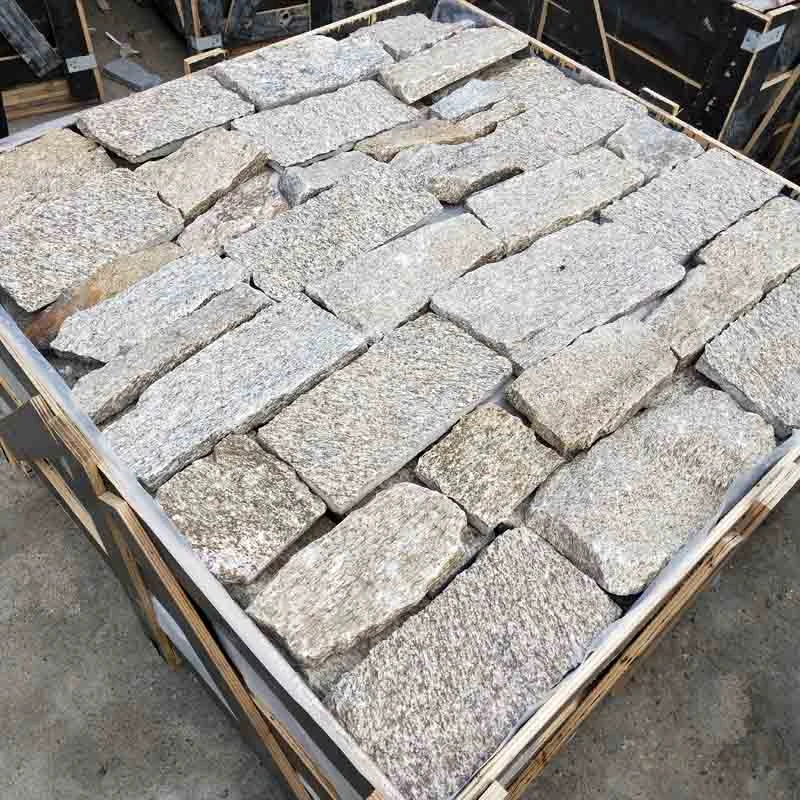
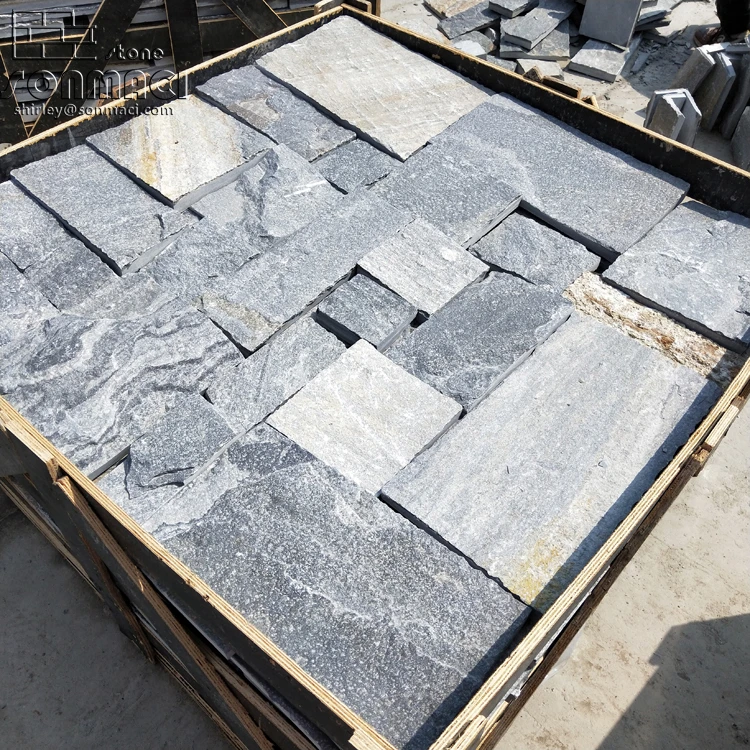
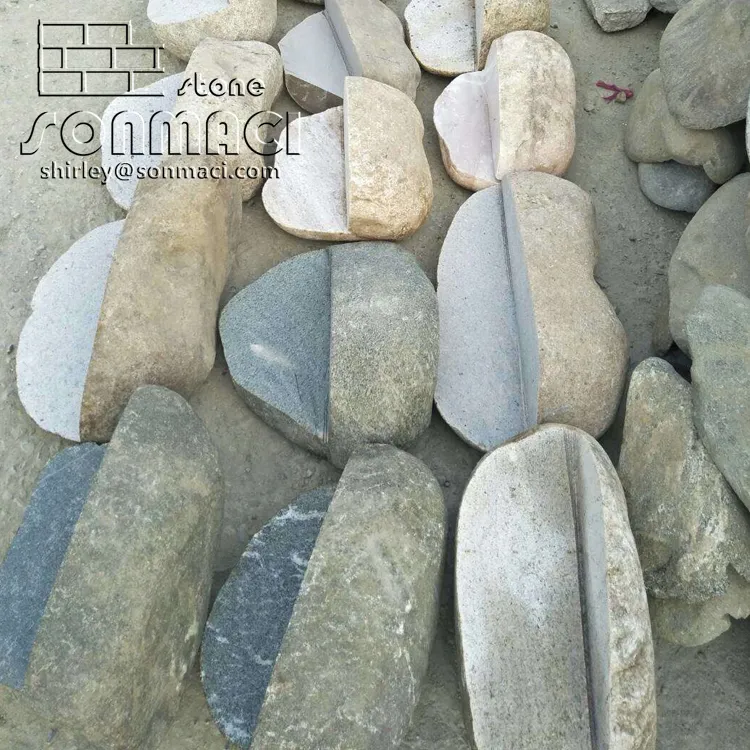
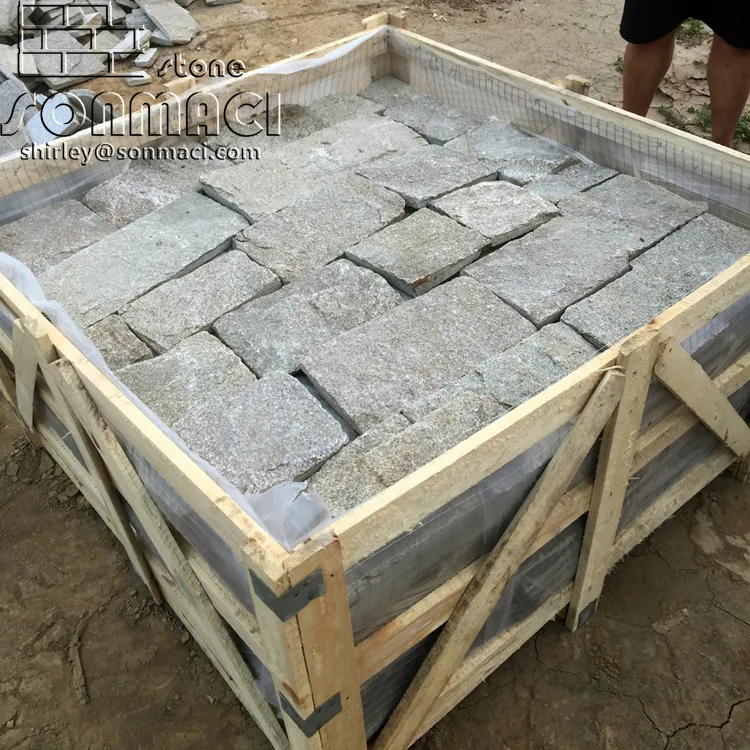
Simply put, making a stone patio involves laying natural stone slabs or pavers in a designed outdoor area — for function or form. Whether it’s flagstone, limestone, granite, or sandstone, these stones form a stable, weather-resistant platform for seating, dining, or walking.
It’s a craft as much as a construction process, blending geology, design, and practical installation expertise. The results? Versatile spaces where people gather, entertain, and connect with nature. In modern building terms, stone patios represent a fusion of tradition and sustainability in outdoor architecture.
Essential Elements Behind a Lasting Stone Patio
Durability
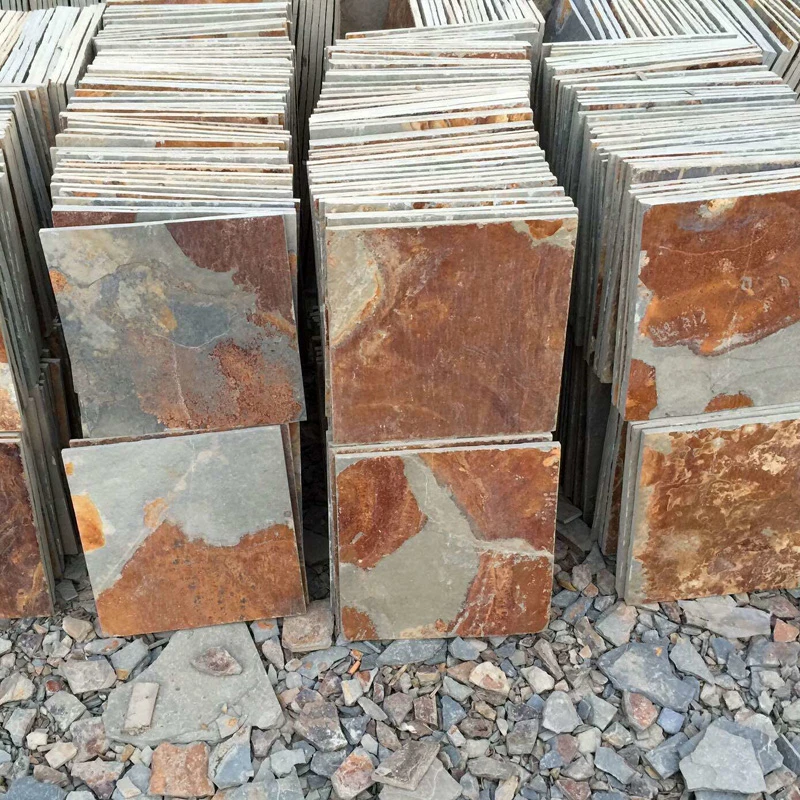
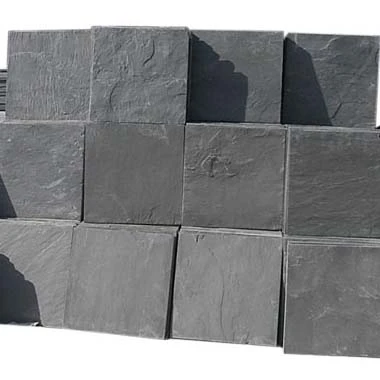
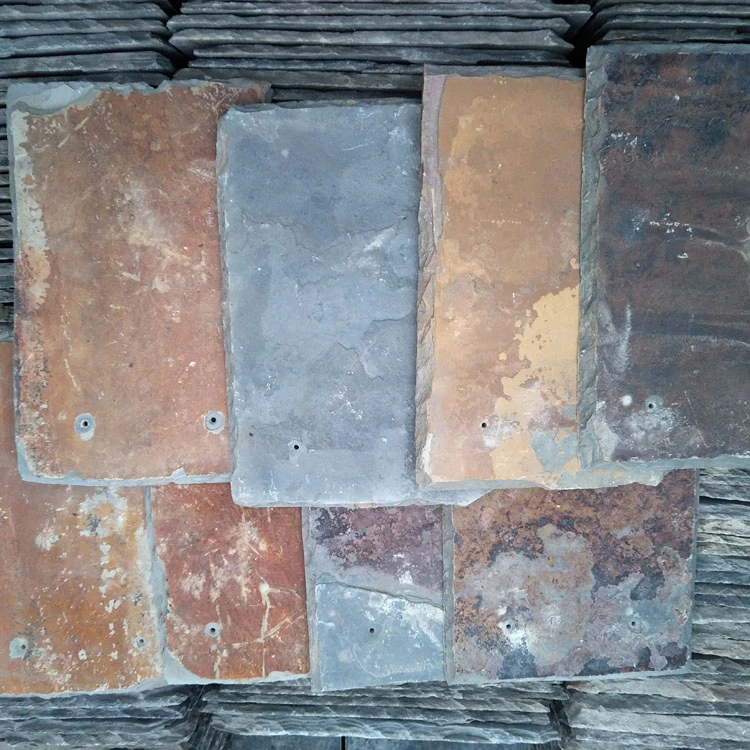
Stones like granite and slate are naturally resilient to erosion, freeze-thaw cycles, and heavy foot traffic. They age gracefully, often looking better with time, unlike synthetic materials that can warp or degrade.
Design Flexibility
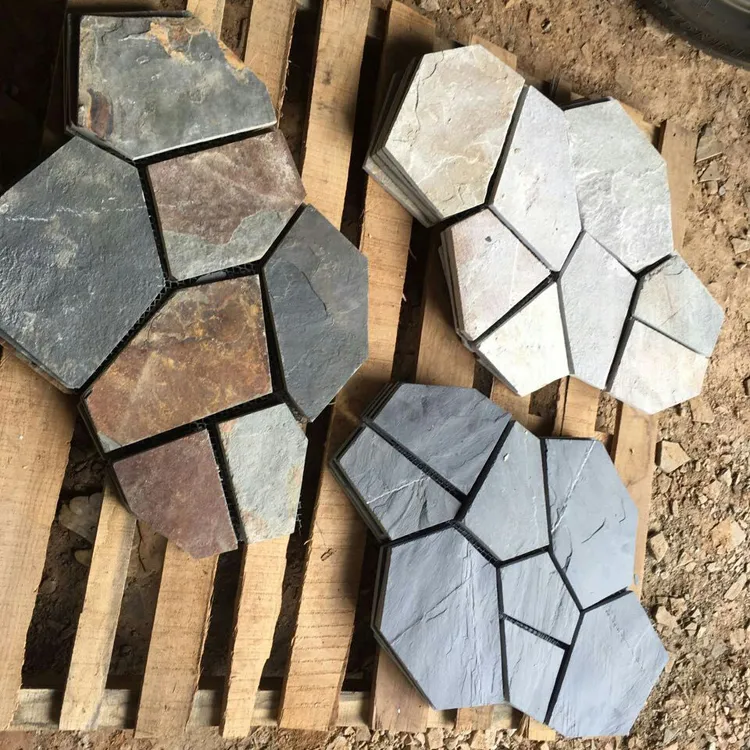
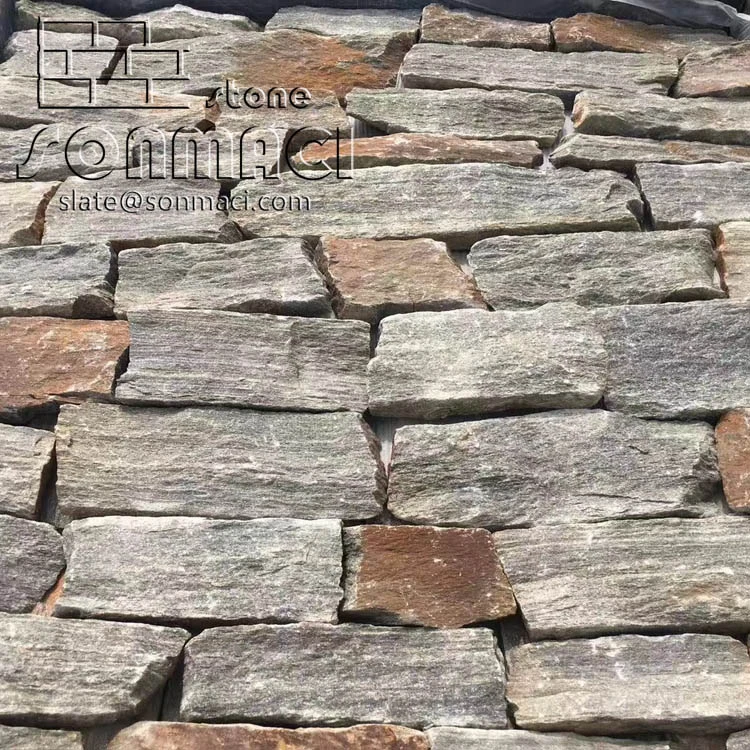
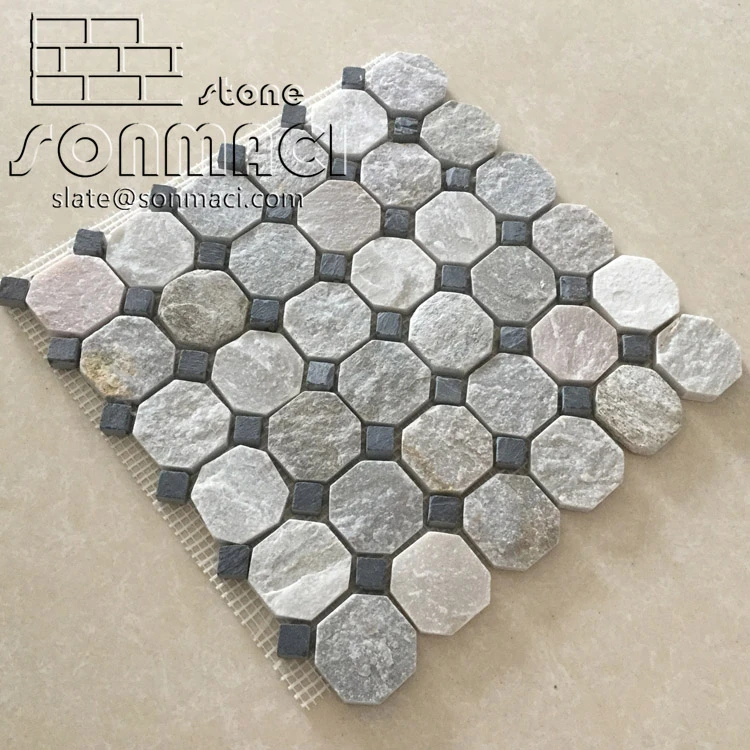
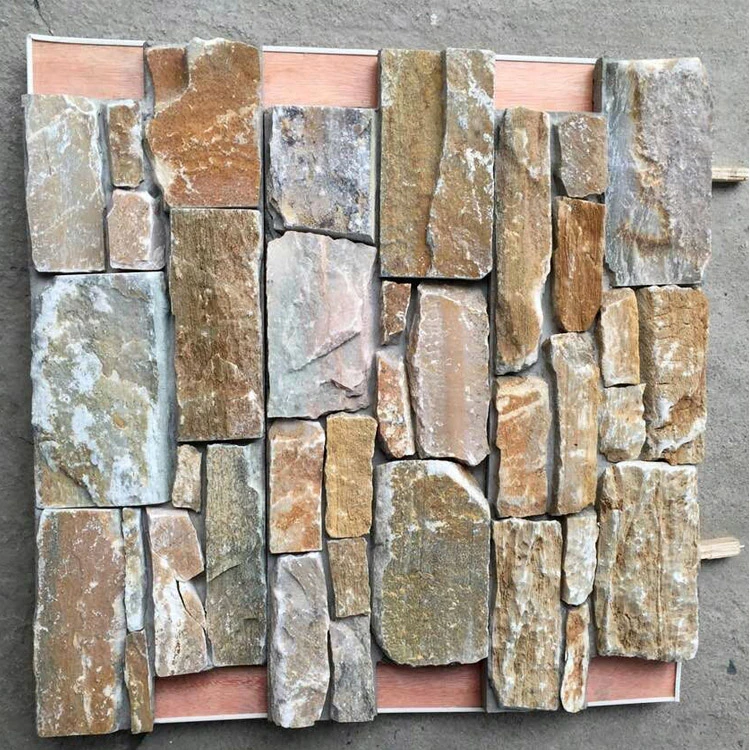
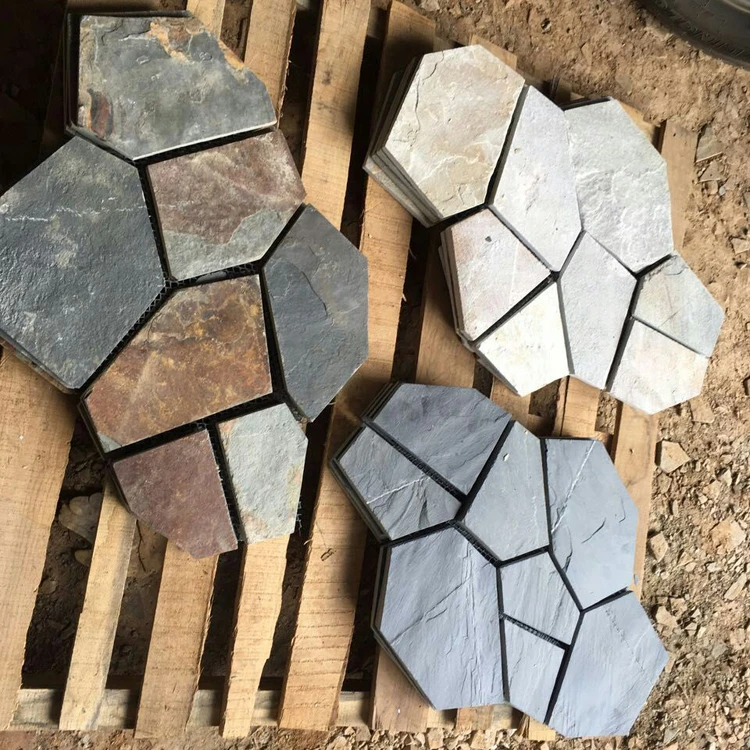
Stones come in diverse colors, shapes, and textures, offering limitless arrangement patterns — from basketweave to random-coursed designs. This customization means each patio can be a unique expression of style.
Installation Techniques
Successful stone patios require skillful preparation: proper base compaction, leveling, and drainage are keys to avoid common problems like shifting or stagnated water.
Cost Efficiency
Initial costs can be steeper than concrete or decking materials, but stone’s longevity and low maintenance offset this over decades — roughly it pays for itself if you’re in it long-term.
Environmental Benefits
Natural stone is a low-impact material, especially when locally sourced. It also allows rainwater to infiltrate the ground, reducing runoff — critical in sustainable urban designs.
Common Stone Patio Product Specifications
| Specification | Typical Value | Notes |
|---|---|---|
| Material Types | Granite, Sandstone, Slate, Limestone | Varies by region & style |
| Stone Thickness | 1.5 to 3 inches (38-76 mm) | Depends on load and design |
| Installation Base | Crushed gravel & sand | Ensures drainage and stability |
| Expected Lifespan | 30-50+ years | With proper care |
| Maintenance | Periodic sealing & cleaning | To prevent stains & moss buildup |
Who Uses Stone Patios and Where?
In real-world terms, stone patios find themselves in all sorts of interesting places. Homeowners in suburban America swear by them for backyard retreats. European city planners incorporate them into plazas and parks, giving historic towns enduring charm. In dry climates like the Mediterranean or Southwest US, they offer cooling surfaces and less fire hazard than wood decks.
Post-disaster rebuilding, surprisingly, also benefits. NGOs working in slower-onset natural disasters have adopted stone patios and paths to create stable community spaces that withstand floods and heavy rains better than simple dirt or gravel extensions.
Industrial zones sometimes use stone patios around offices or worker rest areas, where durability and low maintenance equal less downtime and safer footing.
Advantages that Stand the Test of Time
- Longevity: Stone resists cracking and weathering, easily eclipsing wood or concrete's lifespan.
- Sustainability: Natural material, often locally mined, with minimal processing.
- Low maintenance: Unlike wood decking, no sanding or painting required.
- Beauty: Unique textures and tones give each installation a personal, elegant feel.
- Safety: Rough stone surfaces reduce slip hazards, important in rainy climates.
Oddly enough, the emotional feeling of walking barefoot on a cool stone patio on a summer morning is something many owners rave about – a simple joy that connects us tangibly to nature.
Future Innovations in Stone Patio Making
It might surprise some, but the stone patio industry is slowly digitizing. Laser scanning and drones now help in surveying irregular site layouts, speeding custom cuts and fitting. Sustainable quarrying practices are improving as ISO standards push for reduced waste.
Green technology integration also pops up, with some patios incorporating embedded solar heating stones to warm outdoor seating in cooler climates. Automation in cutting and finishing stones is making custom designs more affordable — so expect more playful, intricate patios soon.
Challenges That Come with Stone Patio Projects (And Smart Fixes)
The biggest hurdle is often cost — both in money and time. Skilled labor is crucial but sometimes hard to find outside urban hubs. Stone selection must be precise; mixing incompatible types can lead to uneven wear. Drainage mistakes cause moss and slippery surfaces.
Solutions? Modular stone paving kits that standardize sizes help reduce skill barriers. Training programs for installers grow in popularity. Smart design software aids homeowners in visualizing options before committing. And making a stone patio continues evolving as a craft and science.
FAQ: Your Top Questions on Making a Stone Patio
- How long does it typically take to complete a stone patio installation?
- Depends on size and complexity, but a standard 300 sq.ft. patio usually takes 3-5 days, including prep, base laying, stone placement, and finishing.
- Is natural stone patio more eco-friendly than composite decking?
- Generally yes. Stone is natural, often locally sourced, and requires less maintenance with no toxic sealants, whereas composites involve plastics and chemicals.
- Can I install a stone patio myself, or should I hire a professional?
- DIY is possible for smaller projects, but professionals ensure proper base prep, drainage, and longevity — avoiding common pitfalls.
- What maintenance do stone patios need?
- Mostly routine cleaning and occasional sealing, depending on stone type and exposure to elements — roughly every 2-3 years.
- Are stone patios suitable for climates with heavy freeze-thaw cycles?
- Yes, if appropriate stone types are chosen (like granite). Proper installation with draining base significantly reduces freeze-thaw damage risks.
In Closing: Why Take the Stone Patio Route?
Making a stone patio marries timeless beauty with real-world resilience. It’s an investment in space that lasts decades, promotes environmental sustainability, and enhances lifestyle quality — indoors meets out, natural meets modern.
If you’re considering upgrading your outdoor space or planning a new build, why not explore making a stone patio? You might discover it’s the grounding touch your home and garden have been craving.
Vendor Comparison for Popular Stone Patio Products
| Vendor | Material Quality | Customization Options | Price Range | Lead Time |
|---|---|---|---|---|
| Sonmac Stone | High-grade granite & sandstone | Extensive patterns and custom cuts | $$$ (Mid to Premium) | 2-3 weeks |
| StoneCraft Co. | Standard flagstone variety | Limited patterns, some pre-cuts | $$ (Budget Friendly) | 1-2 weeks |
| UrbanPave Ltd. | Mixed stone imports | Custom digital design overlay | $$$$ (Premium) | 3-4 weeks |

![Nature Black River Stone Veneer-HEBEI SONMACI STONE|[Durability]&[Aesthetic]](https://www.sonmacistone.com/images/smc-fs347-1-2844.webp "Nature Black River Stone Veneer-HEBEI SONMACI STONE|[Durability]&[Aesthetic]")