Rubble Stone Foundation – Sustainable, Durable, Cost-Effective Building Base
What’s the Rubble Stone Foundation All About?
Rubble stone foundation — it sounds old-school, perhaps even rudimentary. But it’s far from merely a relic of the past. This classic construction technique, relying on rough, irregular stones assembled into a strong base, is quietly making a comeback around the world. Why? Because in many global contexts — be it humanitarian relief, sustainable construction, or affordable housing — rubble stone foundations offer a uniquely resilient and eco-friendly solution.
Understanding rubble stone foundations is not just of architectural interest. It addresses fundamental challenges: How do we build affordable, durable foundations in remote or disaster-prone areas? How can we reduce carbon footprints without sacrificing stability and safety? And how can traditional methods integrate with modern needs? As the push for sustainable and resilient construction grows, rubble stone foundations stand out — surprisingly versatile, cost-efficient, and globally relevant.
Rubble Stone Foundations in a Global Context
Globally, over 1.6 billion people still live in inadequate housing, many of which depend on local materials and skills. According to the UN-Habitat (2020), affordable construction techniques remain critical to improving quality of life. Rubble stone foundations meet this need by leveraging readily available natural stone without expensive processing. The World Bank estimates that substandard foundations account for a significant percentage of structural failures in developing regions — rubble stone foundation can mitigate some of these risks if done right.
From remote mountain villages to post-disaster urban rebuilds, rubble stone foundations address the challenge of building strong, cost-effective, and locally sourced bases for homes and infrastructure. The ISO has even recognized stone masonry standards that support this age-old technique in modern frameworks. Simply put: rubble stone foundations are far from niche. They are foundational, literally and figuratively, for many emerging economies and eco-centric projects worldwide.
What Is a Rubble Stone Foundation? Breaking It Down
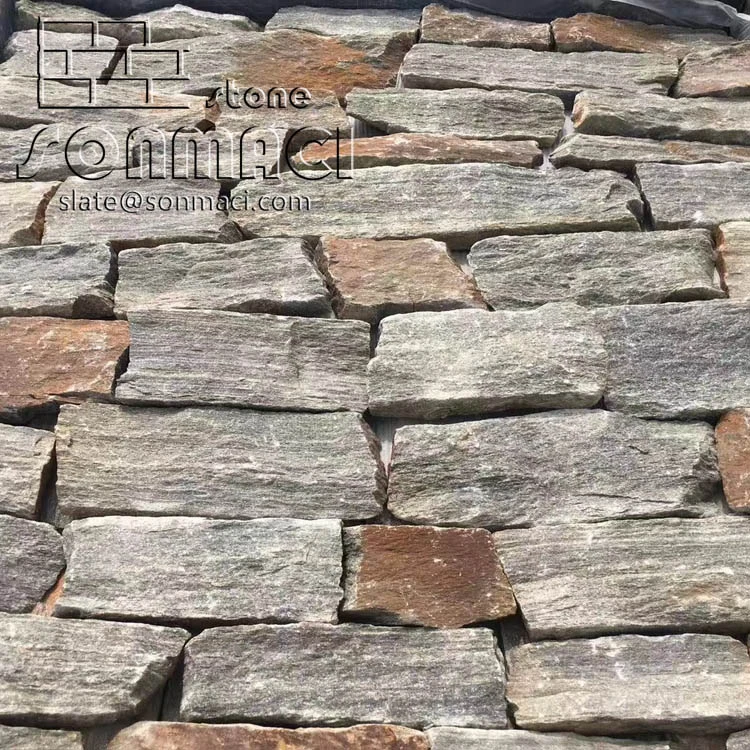
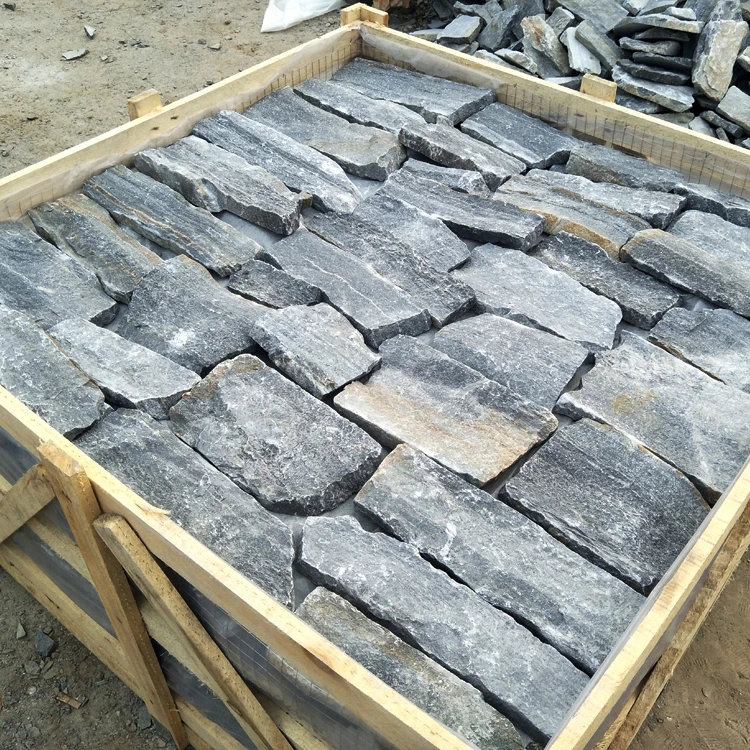
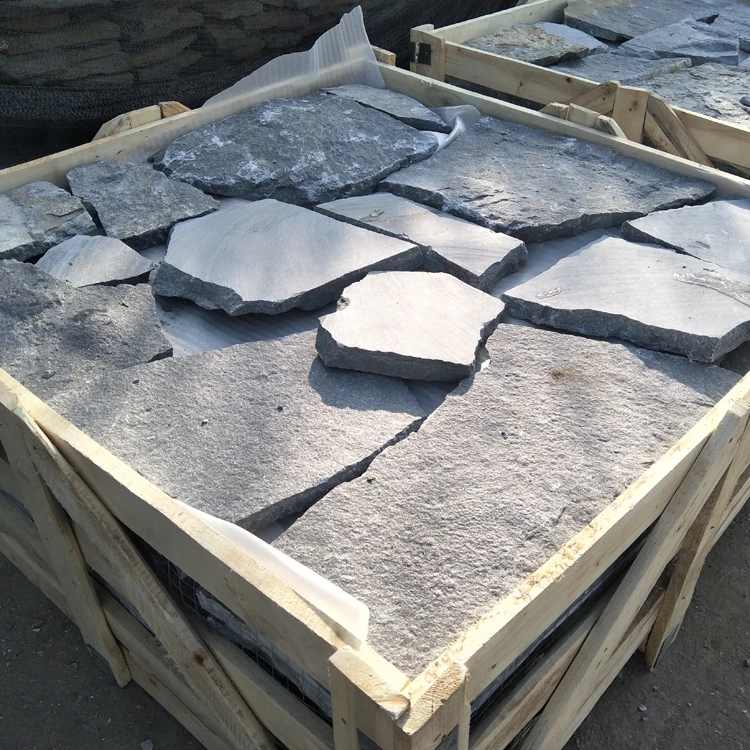
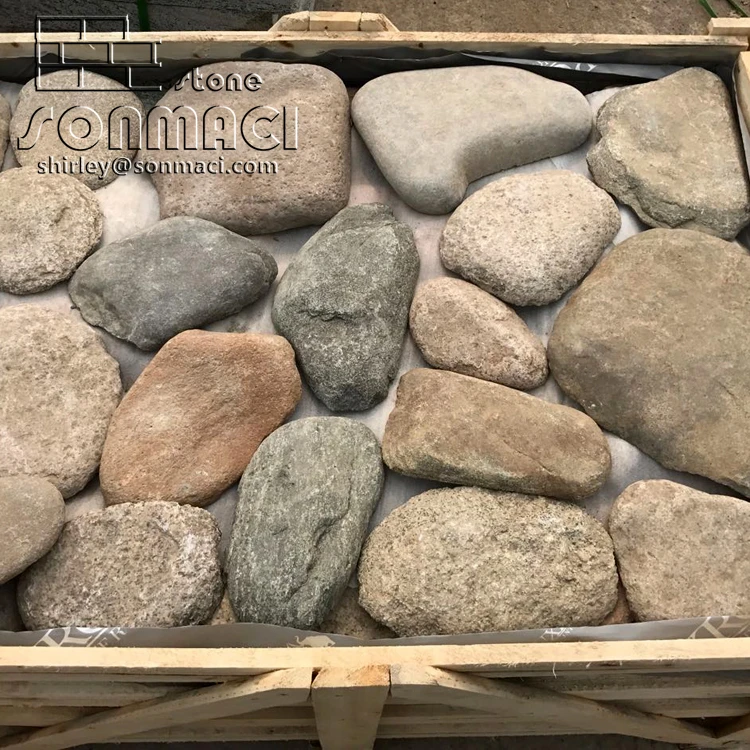
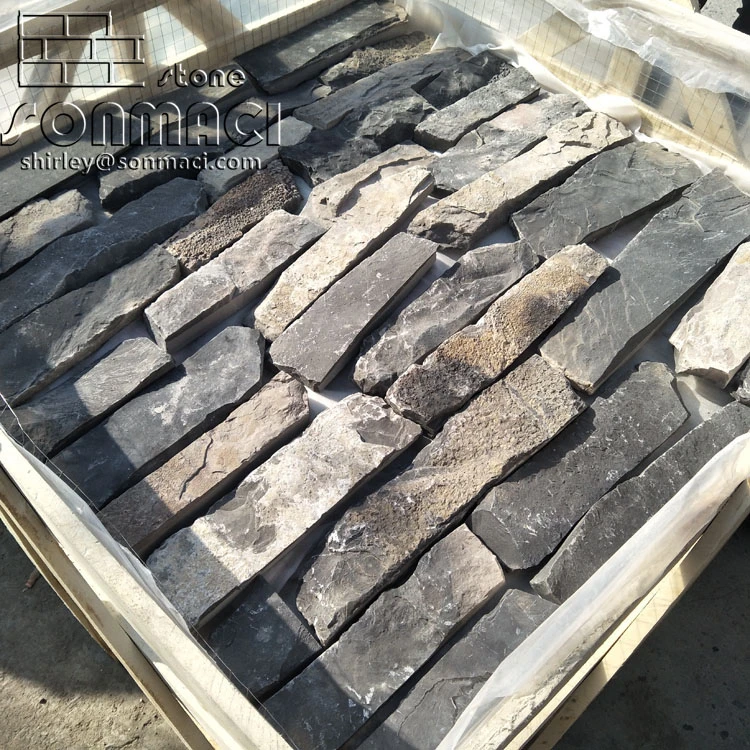
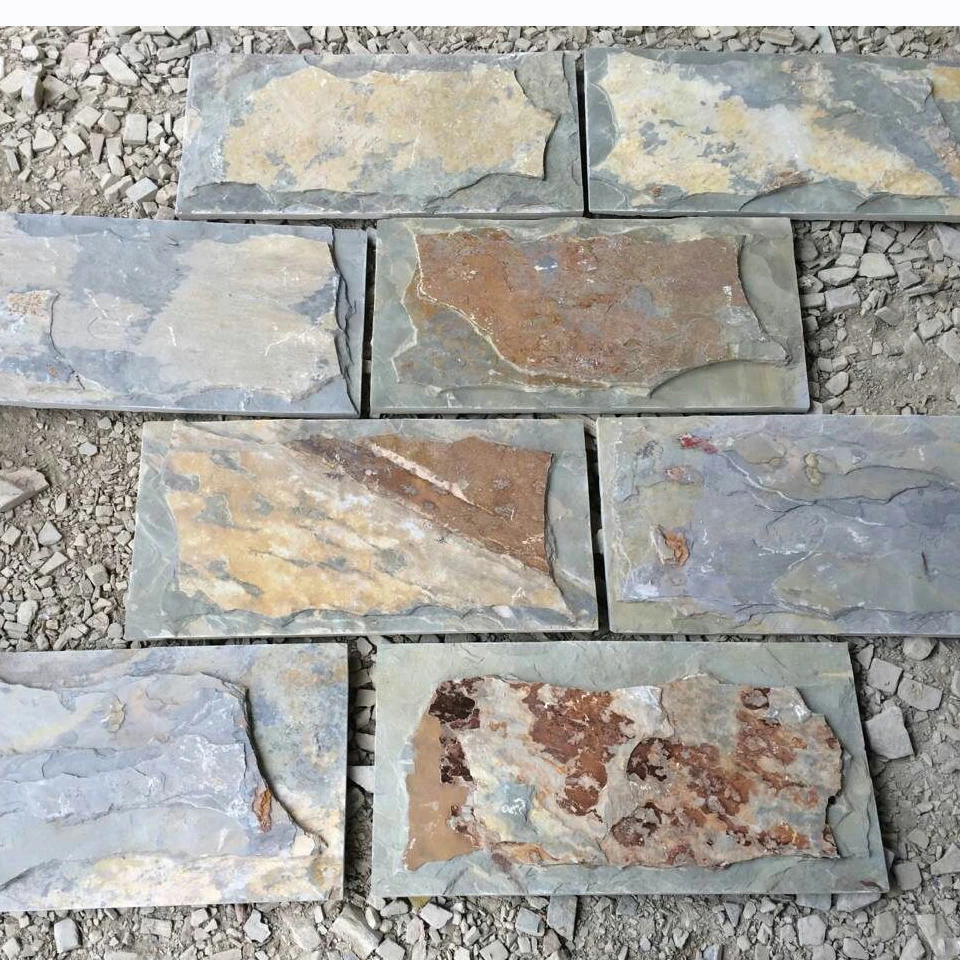
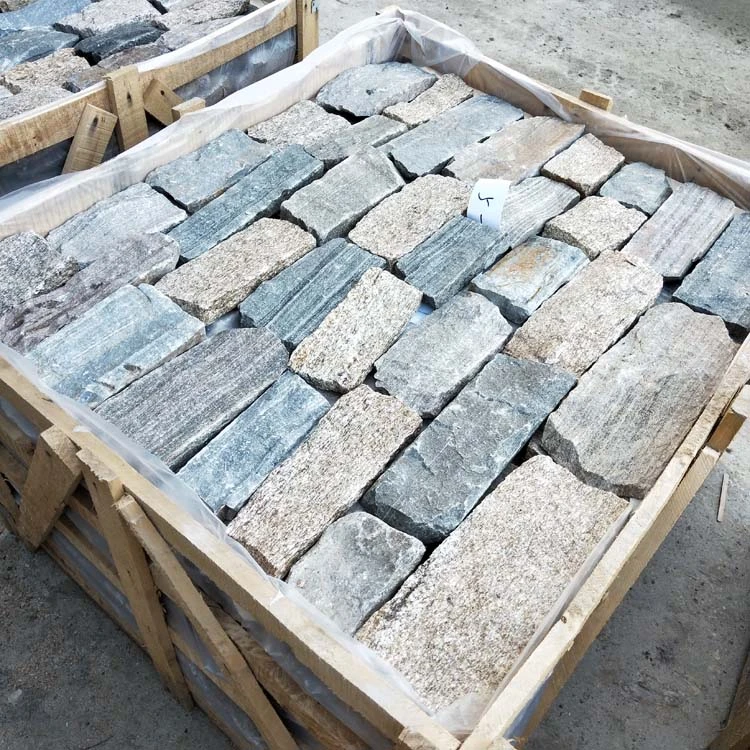
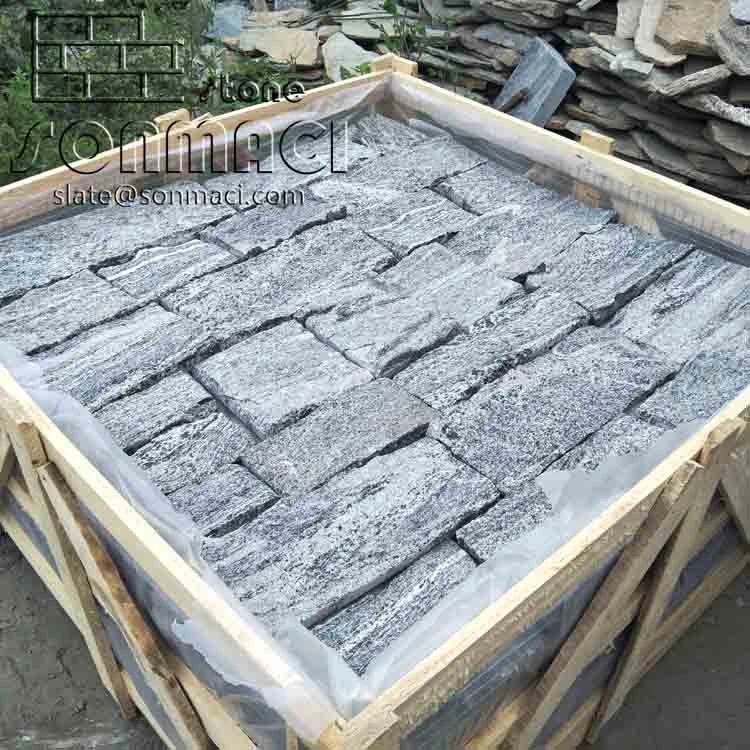
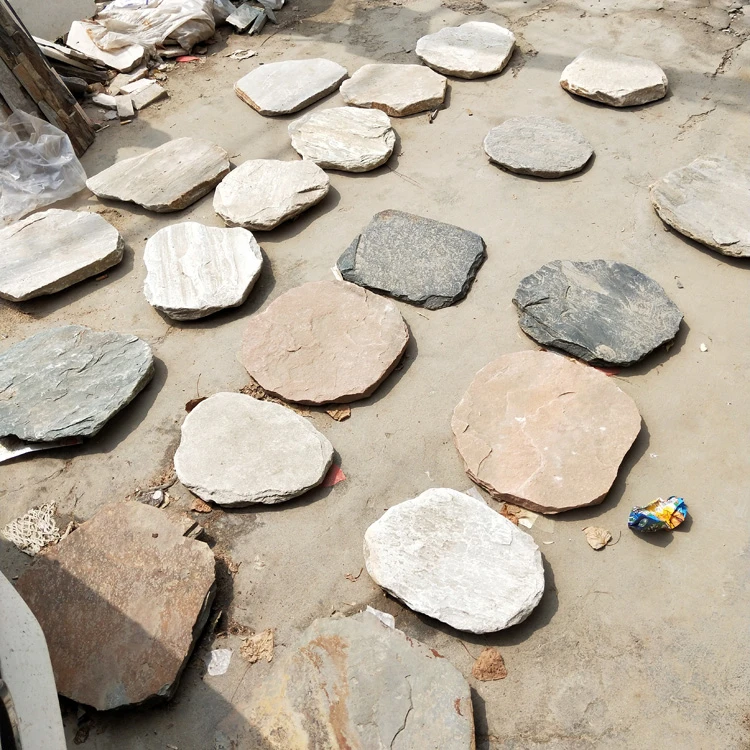
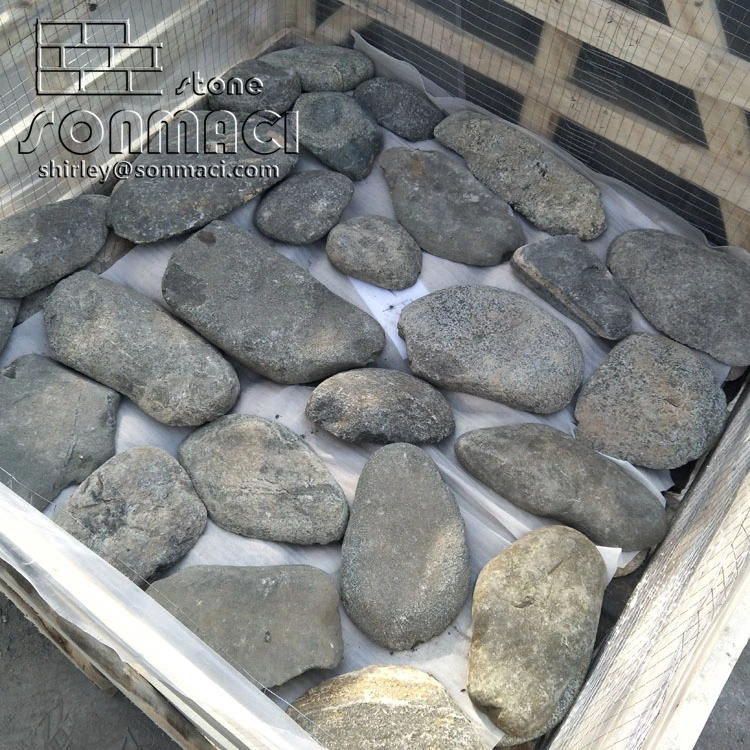
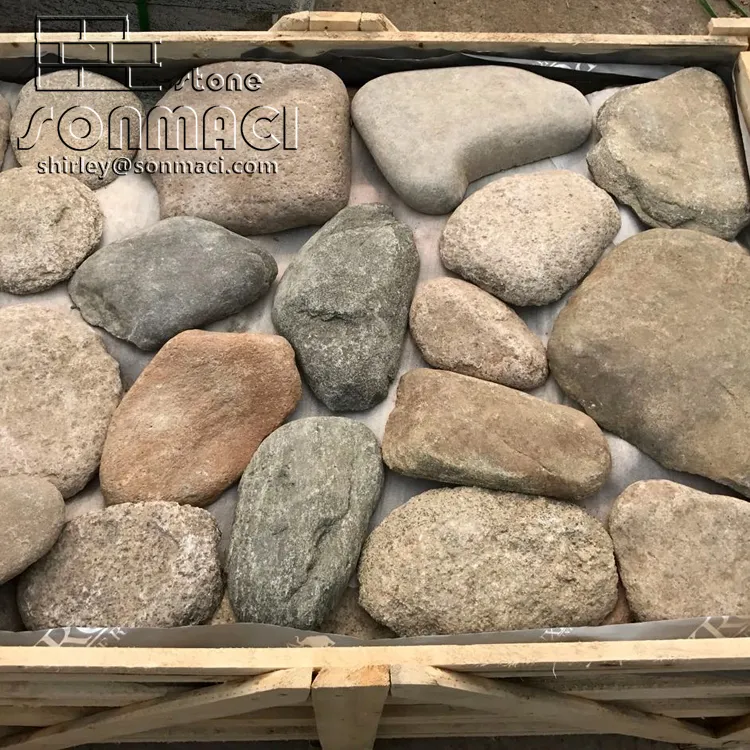
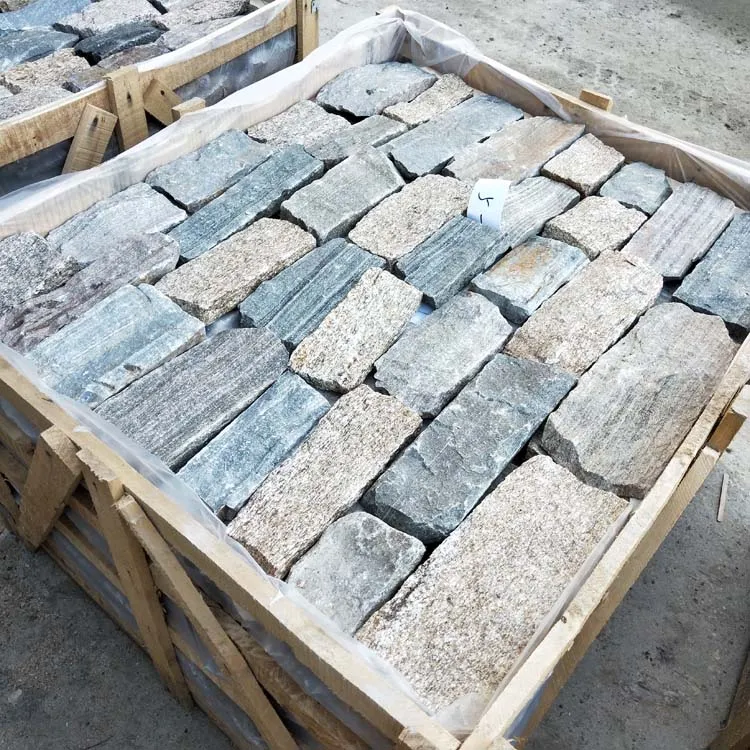
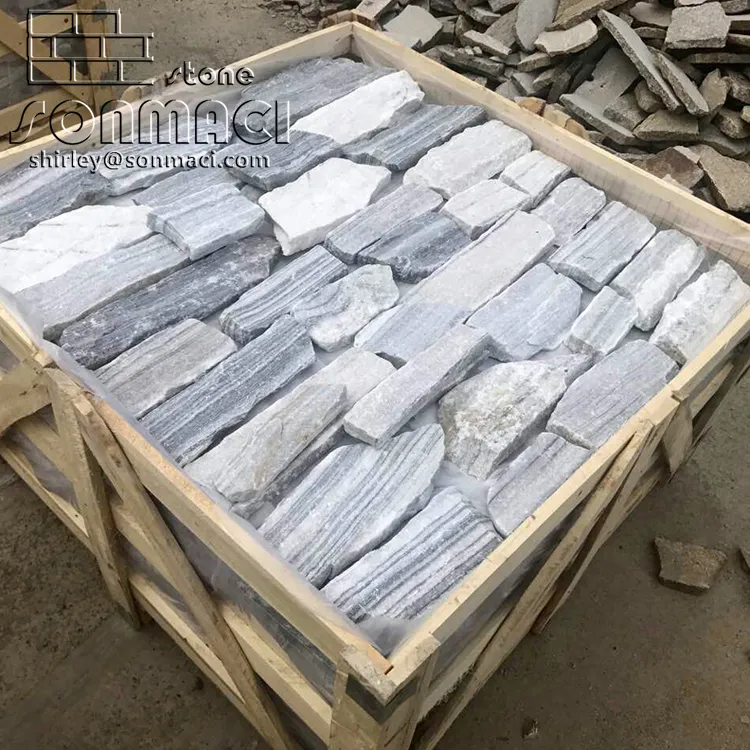
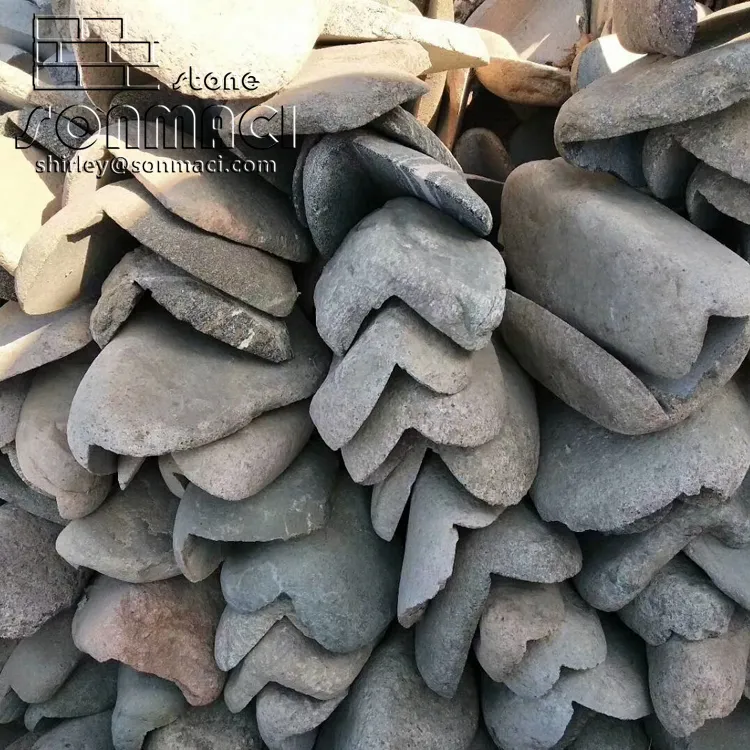
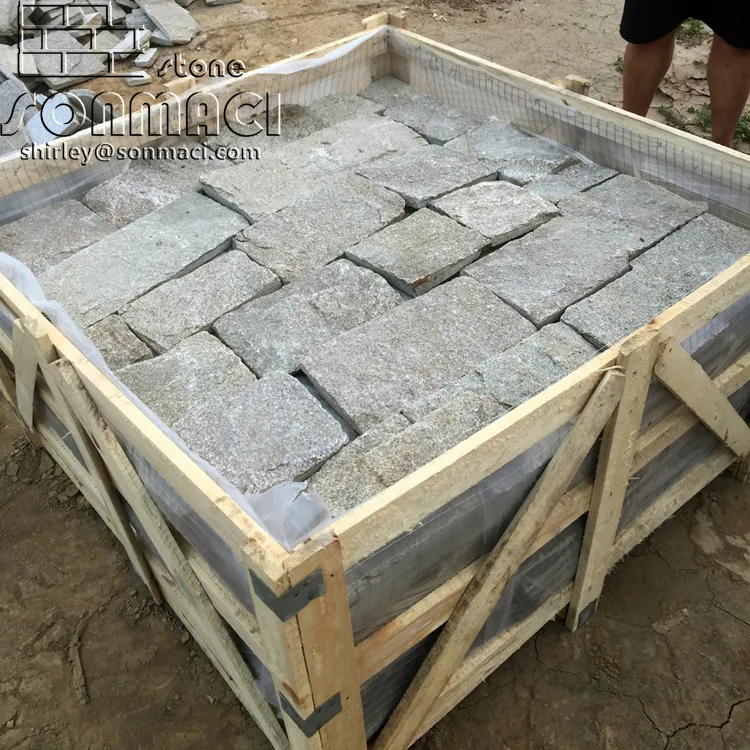
Put simply, a rubble stone foundation is a base for a structure made from rough, uncut stones stacked and bonded together with mortar or dry-stacked. Unlike precision-cut stone foundations, rubble stone uses whatever stones are available, creating a more flexible yet stable base. Its strength lies in mass and friction.
In industry or humanitarian settings, rubble stone foundations serve as a low-cost, durable choice with minimal environmental impact. They work well where there’s abundant stone supply, limited machinery, or urgent need — such as emergency shelters or rural industrial buildings. In many ways, it’s the original green foundation.
Core Components of a Rubble Stone Foundation
1. Durability
The sheer mass of chopped stone and mortar can withstand significant load and ground shift — many old stone buildings prove this by surviving centuries. Their irregular shape helps distribute forces evenly, reducing cracking risks common in concrete slabs on softer soils.
2. Cost Efficiency
One big reason builders opt for rubble stone foundations is the economics. Since the stone often comes locally (sometimes even clearing a site), transportation and material costs plummet compared to steel-reinforced concrete or specialized bricks.
3. Sustainability
Using natural stone extracted with minimal processing means a lower carbon footprint. The technique requires less energy-intensive manufacturing than poured concrete. Plus, rubble foundations are often repairable with basic local skills instead of expensive replacements.
4. Adaptability
Whether dry-built or bonded with lime or cement mortar, rubble foundations can be customized to soil conditions, climate, and building type—important since one size rarely fits all in construction. This flexibility makes them especially suitable for rural and disaster-relief builds where resources and time vary drastically.
5. Thermal Mass & Moisture Handling
The stones’ thermal mass contributes to more stable indoor temperatures, while their porosity and arrangement help manage moisture—lessening problems like rising damp or frost damage over time.
Mini Takeaway:
Rubble stone foundations combine practicality and sustainability with good old-fashioned resilience — explaining why they stay relevant across centuries and continents.
Real World Applications: Where and How Rubble Stone Foundations Are Used
Globally, rubble stone foundations form the bedrock of many rural homes in South Asia, Africa, and mountainous parts of Europe, including the Alps. In post-earthquake Nepal, for instance, they remain favored for quick rebuilds due to availability and speed of construction. NGOs frequently recommend this method in African informal settlements where cost constraints and material shortages dominate.
Industry operators in remote mining regions also utilize rubble stone to build stable workshops, fuel stations, or base camps with minimal logistical overhead. There's a palpable sense of returning to basics — but in a way that supports modern safety standards.
Mini Takeaway:
From disaster recovery to small-scale industry, rubble stone foundations are everywhere—largely because nature and necessity dictate they work.
The Benefits of Going Old School: Why Rubble Stone Foundations Still Matter
- Cost-Effective: Use local materials, save on transport and manufacturing.
- Environmentally Friendly: Low-energy materials, reusability, and less waste.
- Resilient and Strong: Built to last centuries with proper technique.
- Social Impact: Enables local employment and skills transfer.
- Flexible Design: Adapts to various terrains and load requirements.
Emotional appeal? It’s the peace of mind knowing your home stands strong on natural stone, rooted in tradition but surviving modern storms. Logical benefits stack up too: fewer resources, remarkable durability, and true ecological respect.
Looking Ahead: Innovations in Rubble Stone Foundation Techniques
While rubble stone foundations are classic, they’re not stuck in the past. Today’s innovations include:
- Improved Mortars: Lime-based mortars with additives increase flexibility and longevity.
- Automation & Robotics: Experimental stone-laying robots to speed construction.
- Green Certifications: Integration with sustainable building standards (LEED, BREEAM).
- Hybrid Foundations: Combining rubble stone with reinforced concrete for seismic zones.
With digital tools aiding design and quality, rubble stone isn’t just rugged—it’s intelligent.
Challenges on Stone’s Path and Solutions Worth Noting
It’s fair to say rubble stone foundations aren’t a silver bullet. Issues include:
- Skill Dependence: Quality requires masonry know-how, which is declining in some areas.
- Labor Intensive: Manual stacking slows down large projects.
- Water Penetration: Poor drainage can undermine rock foundations if not designed carefully.
But solutions abound: mason training programs, combining manual work with machinery, and smart drainage systems are all helping overcome these hurdles.
Quick FAQ: Your Rubble Stone Foundation Questions Answered
- How durable are rubble stone foundations compared to concrete?
- Rubble stone foundations, when built with quality mortar and proper drainage, can last hundreds of years—often outperforming poorly mixed concrete in certain soil conditions. Their flexibility helps absorb ground movement better.
- Can rubble stone foundations be used in seismic zones?
- Yes, but with caution. Hybrid approaches incorporating reinforced concrete or flexible mortar improve performance in earthquake-prone areas. Proper engineering assessment is essential.
- Is rubble stone foundation construction eco-friendly?
- Absolutely. Using local stones minimizes transport emissions. Plus, the process consumes less energy than concrete production, significantly reducing carbon footprints.
- Where can I source materials for rubble stone foundations?
- Typically, stones are sourced from local quarries, riverbeds, or clearance from construction sites. Availability depends on your region, but most rural or mountainous areas have accessible stone supplies.
- How long does it take to build a rubble stone foundation?
- The timing varies with size and manpower. Small houses could take a few days; larger foundations might span several weeks. Skilled labor efficiency can drastically shorten this period.
Summary & Invitation
Rubble stone foundations are more than just a nod to tradition. They represent a sustainable, cost-effective, and resilient building method with worldwide relevance. Whether you’re rebuilding after a disaster, seeking eco-friendly construction, or simply want strong, time-tested foundations, rubble stone is a solid choice.
Ready to explore more? Visit our website for detailed guides, product info, and expert advice on rubble stone foundation solutions that fit your project and budget.
Product Specification Table for a Typical Rubble Stone Foundation Mix
| Specification | Typical Value | Notes |
|---|---|---|
| Stone Size | 50–300 mm (irregular) | Mixed sizes for tight packing |
| Mortar Type | Lime-cement mix (varies) | Enhances flexibility and bonding |
| Foundation Depth | 600–900 mm typical | Depends on soil conditions |
| Load Capacity | Up to 200 kPa | Sufficient for typical residential |
| Waterproofing | Optional bitumen or membrane | Recommended for wet soils |
Vendor Comparison Table: Rubble Stone Foundation Material Suppliers
| Supplier | Stone Quality | Mortar Options | Delivery Area | Price Range |
|---|---|---|---|---|
| Stoneworks Co. | High-grade granite | Natural lime, cement | North America, Europe | $$$ |
| EcoStone Supplies | Mixed river stones | Organic lime-only | Asia, Africa | $ |
| Mountain Rock Ltd. | Mixed alpine stone | Cement-lime hybrid | Europe, Middle East | $$ |
Final Thoughts
It's fascinating how an age-old technique like the rubble stone foundation still finds a rightful place amidst modern building dilemmas. It offers a blend of sustainability, cost savings, and resilience that few other methods match. Whether you're building a remote cabin or shaping disaster recovery strategies, rubble stone foundation techniques deserve a serious look.
For further reading, the Wikipedia masonry page, the UN Habitat reports, and ISO standards on stone masonry provide several rich resources — I keep these bookmarked myself. Sometimes, the best lessons come from nature and tradition...
References:
- UN-Habitat (2020) Sustainable Housing and Disaster Resilience.
- ISO 8091:2018 Stone Masonry - Evaluation of Characteristics.
- World Bank: Construction and Infrastructure Reports (2019)