The Building of Marble and Granite – Sustainable & Durable Construction Solutions
The Building of Marble and Granite: A Cornerstone of Modern Construction
When we talk about the building of marble and granite, it might sound like an old-world craft or a luxury niche — yet today it’s very much a global industry with far-reaching implications. These stones are foundational not just in architecture but also in durable infrastructure, shaping cities, monuments, and even humanitarian facilities. Given the increasing demand for sustainable, long-lasting building materials, understanding this field feels both timely and essential.
Introduction: Marble and Granite’s Global Context
Worldwide, the natural stone industry contributes billions to economies and supports millions of jobs. According to the United Nations Environment Program (UNEP), the extraction and processing of natural stone—marble and granite foremost among them—represent a critical part of the global construction supply chain. For example, the stone's use in government buildings, infrastructure projects, and luxury real estate continues to grow steadily, roughly 3-5% annually. Yet, this demand collides with challenges like resource sustainability, extraction ethics, and transportation logistics. The building of marble and granite is no mere craft but a nexus of global commerce, environmental stewardship, and engineering prowess.
Mini takeaway: Marble and granite are more than decorative — they're global players in construction, blending tradition with modern economic realities.
Definition & Meaning
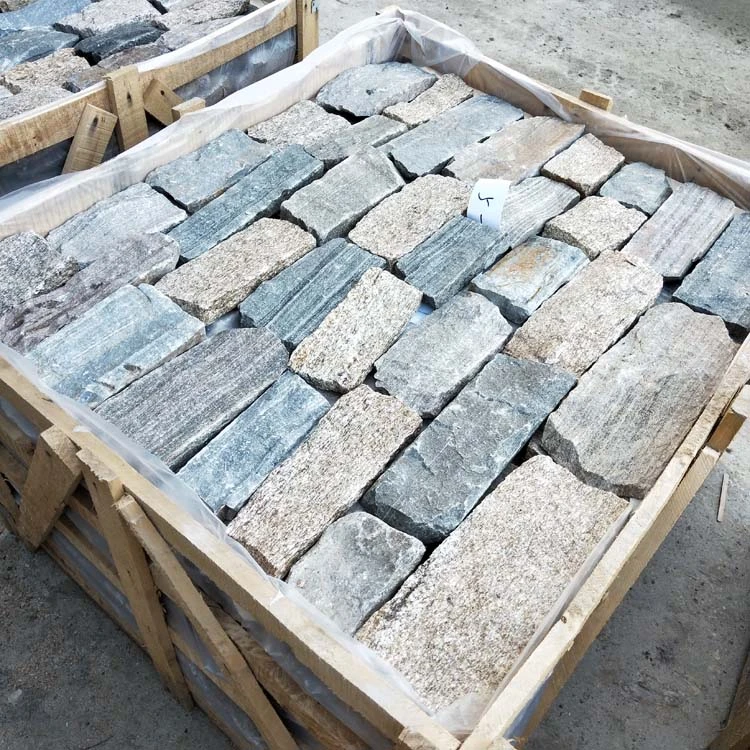
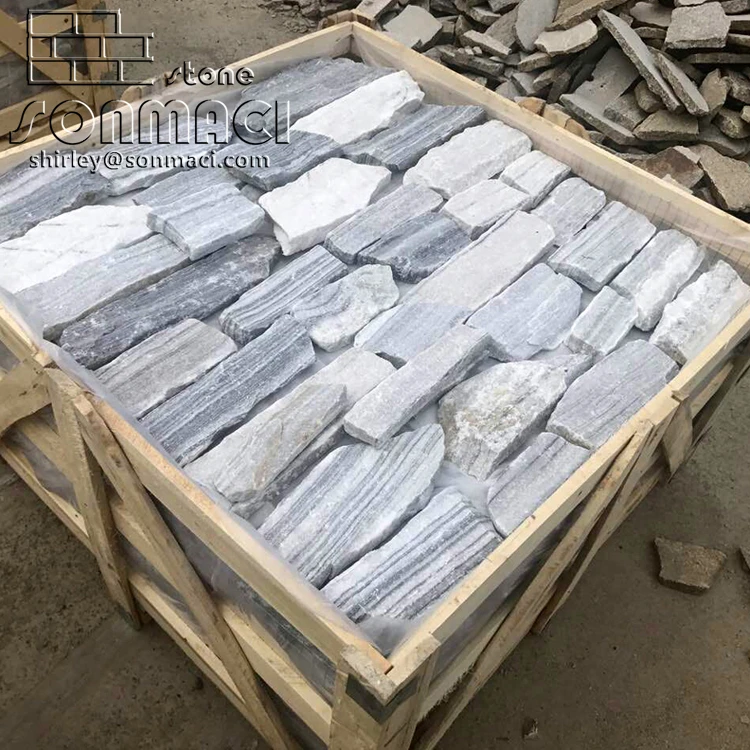
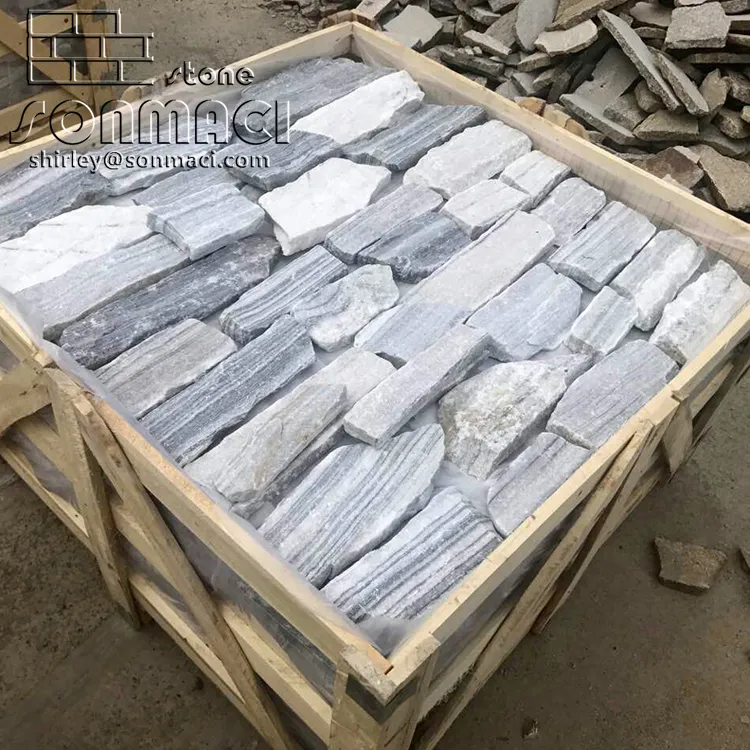
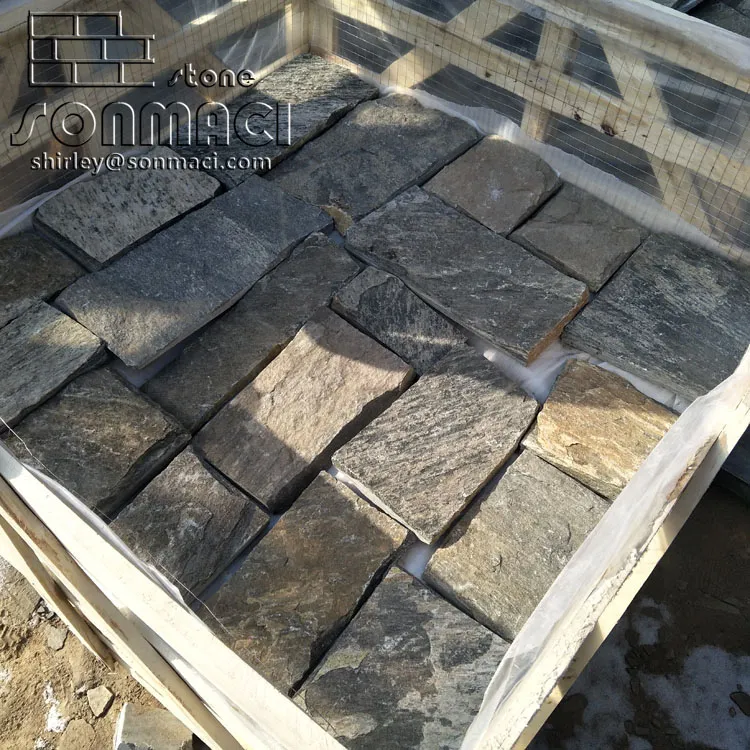
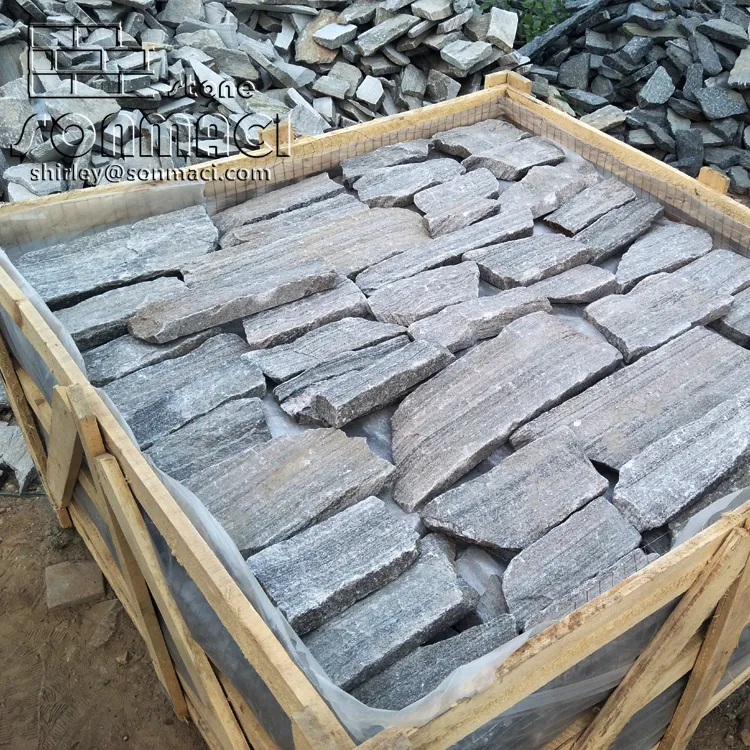
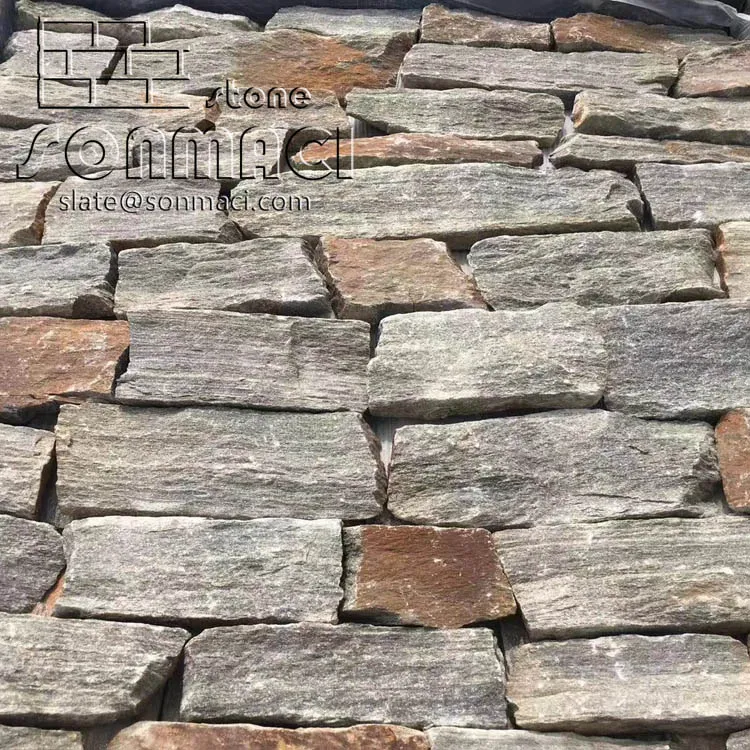
So, what exactly is meant by the building of marble and granite? At its simplest, it’s the process of quarrying, cutting, shaping, and installing these natural stones to construct durable surfaces and structures. The phrase encompasses everything from raw stone extraction to precision fabrication, and final placement in building facades, flooring, countertops, and monumental sculptures.
Its modern relevance? Marble and granite serve as a sustainable alternative to synthetic materials, offering unmatched durability and timeless aesthetics with low maintenance over decades. They’re linked to industries like architecture, interior design, and even humanitarian infrastructure where resilience is key — for example, in constructing disaster-resistant buildings or culturally significant public spaces.
Key Factors in Working With Marble and Granite
1. Durability and Longevity
Many engineers swear by granite’s hardness — it’s one of the hardest natural stones available, making it ideal for both indoor and outdoor applications. Marble, while softer, offers a classic beauty that's stood the test of millennia. A basic countertop or a hundred-year-old cathedral has something in common.
2. Scalability and Customization
The building of marble and granite today isn’t just about massive slabs; CNC machining and waterjet cutting now allow for incredible shapes, thicknesses, and finishes to fit nearly any project scale — from detailed mosaics to giant architectural panels.
3. Environmental Considerations
Despite being natural, quarrying raises concerns over habitat disruption and carbon footprint. However, many companies are adapting greener technologies and recycling stone waste into aggregate or smaller tiles, aligning with sustainable construction policies.
4. Cost Efficiency Over Time
Upfront costs might be higher than composites or engineered stone, but when factoring in maintenance, durability, and potential for resale value, marble and granite become surprisingly cost-effective.
5. Aesthetic Versatility
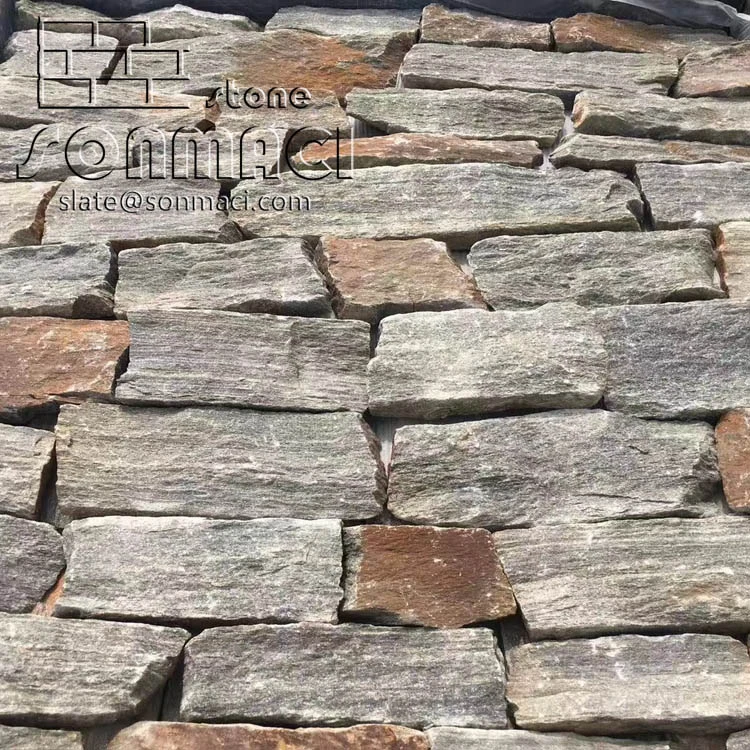
From the veining patterns of Carrara marble to the speckled granite of Brazil, each slab carries unique character. This makes each project special and visually distinctive.
Mini takeaway: Whether you’re building a monument or a kitchen island, the blend of durability, customization, and aesthetics explains why marble and granite remain prized.
Product Specification: Popular Marble and Granite Grades
| Specification | Marble (Carrara) | Granite (Absolute Black) |
|---|---|---|
| Hardness (Mohs scale) | 3-4 | 6-7 |
| Typical Thickness | 2-3 cm | 2-5 cm |
| Density (g/cm³) | 2.7 | 2.75 |
| Porosity | 0.4-0.7% | 0.05-0.1% |
| Typical Uses | Interior walls, flooring, sculptures | Countertops, facades, heavy traffic floors |
Global Applications & Use Cases
The uses of marble and granite span continents. In Europe, historic cities showcase centuries-old marble monuments, while Dubai’s ultramodern skyscrapers gleam with polished granite interiors. In countries like India and Brazil, natural stone production fuels local economies and supports export markets.
Oddly enough, beyond luxury, marble and granite find roles in humanitarian efforts. For example, in earthquake-prone areas, granite’s structural strength is leveraged in fast-repair public buildings. NGOs involved in rebuilding post-disaster use stone due to its fire resistance and cultural acceptance. Industrial zones in remote regions appreciate granite’s wear resistance for durable flooring.
Large infrastructure projects, like metro stations or airports, often prioritize marble and granite for their blend of longevity and prestige. This synergy of aesthetics and function keeps the building of marble and granite relevant across industries.
Mini takeaway: From palaces to post-disaster shelters, marble and granite constructions touch lives worldwide, proving their timeless value.
Advantages & Long-Term Value
- Cost Savings: They reduce long-term repairs compared to synthetics.
- Sustainability: Natural, recyclable, and last decades without replacement.
- Emotional Impact: They convey dignity, trust, and permanence.
- Reliability: Resistant to weathering, fire, pests, and chemicals.
Many architects say there’s an emotional connection with natural stone — it invites calm, tradition, and a message that “this place matters.” When you consider community centers or memorials, that’s no small thing.
Future Trends & Innovations
The next decade promises exciting advances in the building of marble and granite. For one, automation — CNC cutting and robotics — are making intricate designs more affordable. Green quarrying practices are improving, with solar-powered machinery and water recycling systems.
Digital technologies create precise 3D modeling, reducing waste. New composites blending marble dust with sustainable binders are emerging, offering eco-friendly alternatives without sacrificing the stone’s aesthetic.
Additionally, policies increasingly favor local sourcing to reduce emissions, pushing more projects toward regionally quarried stone.
Challenges & Solutions
No industry is perfect. The building of marble and granite still faces challenges: extraction disrupts environments, shipping heavy slabs consumes energy, and skilled labor is becoming rarer.
Yet innovation is helping. Quarry restoration programs, circular recycling of stone waste, and training initiatives maintain sustainable growth. Some vendors now offer more modular stone panels, easing transport and installation challenges.
Vendor Comparison: Leading Global Stone Suppliers
| Supplier | Regions Served | Specialization | Sustainability Practices |
|---|---|---|---|
| GlobalStone Inc. | North America, Europe | Granite Heavy Panels | Water recycle + solar mining |
| MarbleArt Quarries | Mediterranean, Asia | Artisanal marble slabs & tiles | Quarry land restoration programs |
| EcoStone Supply | Global | Recycled stone composites | Circular recycling + Fed certification |
FAQ: Frequently Asked Questions About the Building of Marble and Granite
Q1: How durable are marble and granite in high-traffic areas?
Granite is exceptionally durable, often lasting decades in commercial or industrial settings without significant wear. Marble is less hard but still acceptable for moderate traffic with proper sealing and maintenance.
Q2: Is marble or granite more environmentally sustainable?
Both are natural materials, but granite usually has a smaller porosity and wears longer, reducing replacement frequency. Sustainability also depends heavily on quarrying practices and transportation distances.
Q3: Can the building of marble and granite be adapted for modular or prefabricated structures?
Absolutely! Advances in cutting and panel technology allow marble and granite elements to be prefabricated offsite, speeding up installation and reducing waste.
Q4: Are there cost-effective alternatives that still look like marble or granite?
Engineered stones and laminates attempt to mimic their appearance, but they often lack the durability or timeless appeal. A middle ground is composite materials that contain real stone dust combined with sustainable binders.
Conclusion: Crafting a Sustainable Future with Marble and Granite
The building of marble and granite stands at an exciting crossroad — rooted in tradition yet pushing forward with innovation. Its durability, beauty, and evolving sustainability practices make it a wise choice for architects, builders, and even humanitarian organizations aiming to create lasting impact. If you’re keen to explore the remarkable potential of these stones and stay ahead of trends, visiting the building of marble and granite experts like Sonmacis Stone will inspire and inform your next project.
In a world where materials are often disposable, marble and granite quietly remind us that good things—and buildings—should last.