Real Stacked Stone Panels – Durable, Sustainable & Stylish Building Solutions
Real Stacked Stone Panels: Durable Elegance for Modern Construction
When you hear "real stacked stone panels," you might picture rugged, timeless stone cladding that elevates the look of any building. But these panels aren't just about aesthetics — they’re a smart, global building solution that’s gaining traction across industries, cities, and even disaster zones. From enhanced durability to sustainable sourcing, understanding real stacked stone panels opens doors to innovative construction methods that balance beauty, function, and responsibility.
Why Real Stacked Stone Panels Matter Globally
The construction sector is one of the world’s largest, accounting for roughly 13% of global GDP and consuming vast natural resources, according to the World Bank. That’s huge. Against this backdrop, materials like real stacked stone panels offer a way to reduce environmental impact while delivering long-lasting structures. They’re increasingly sought after in regions experiencing rapid urbanization, such as parts of Asia and the Middle East, where infrastructure projects demand both speed and resilience.
However, there’s a real challenge: traditional stone masonry is labor-intensive and slow, often unaffordable outside wealthier markets. That’s where real stacked stone panels come in — marrying the authentic look of stone with prefab modularity.
So, What Exactly Are Real Stacked Stone Panels?
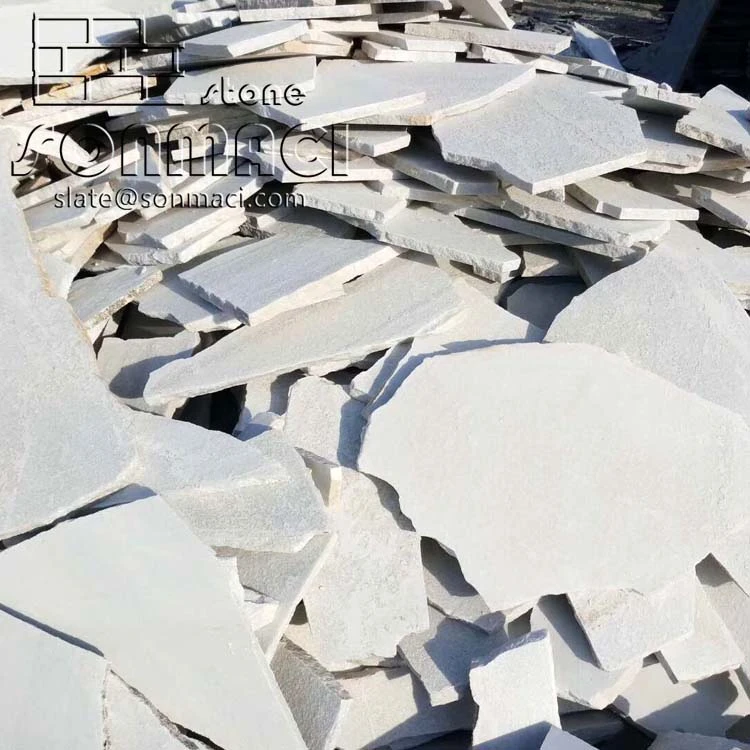
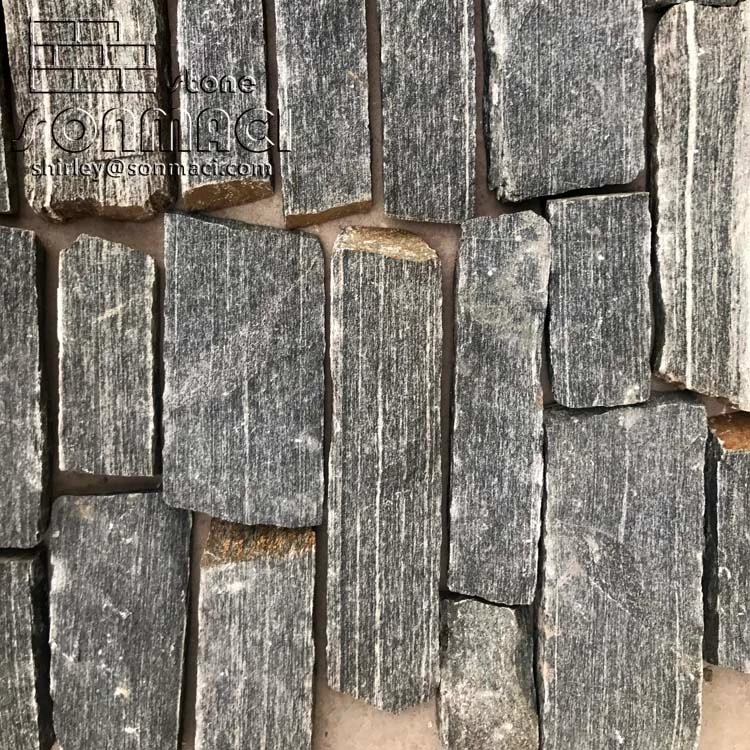
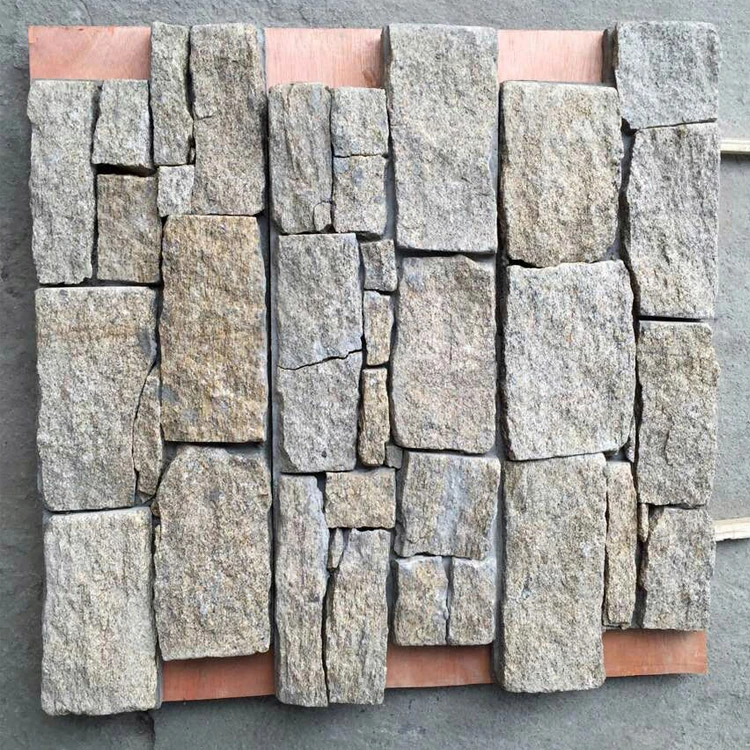
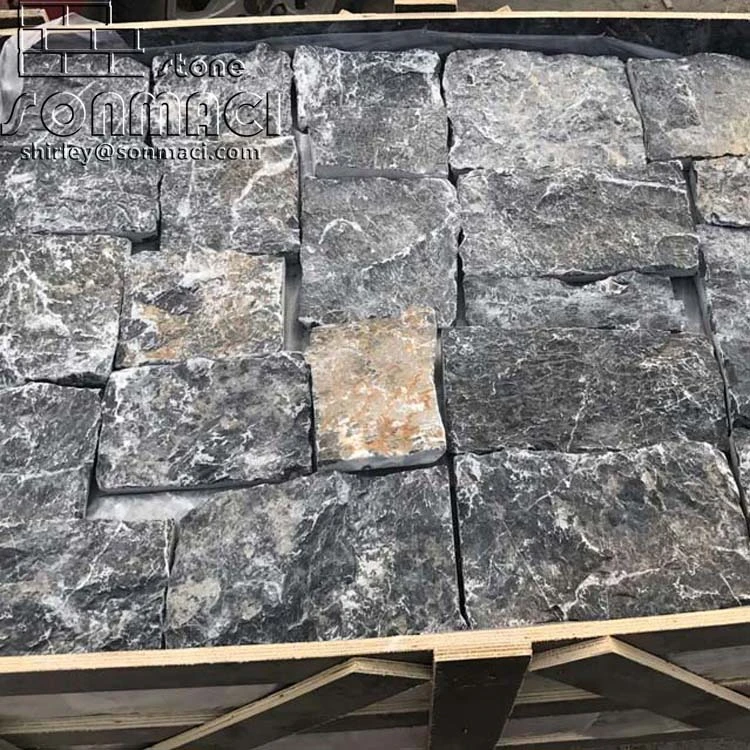
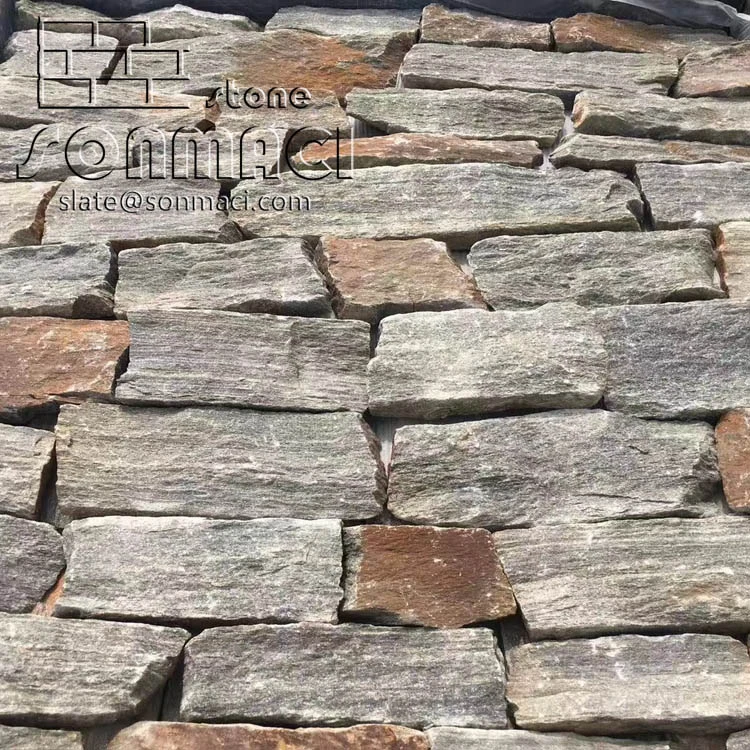
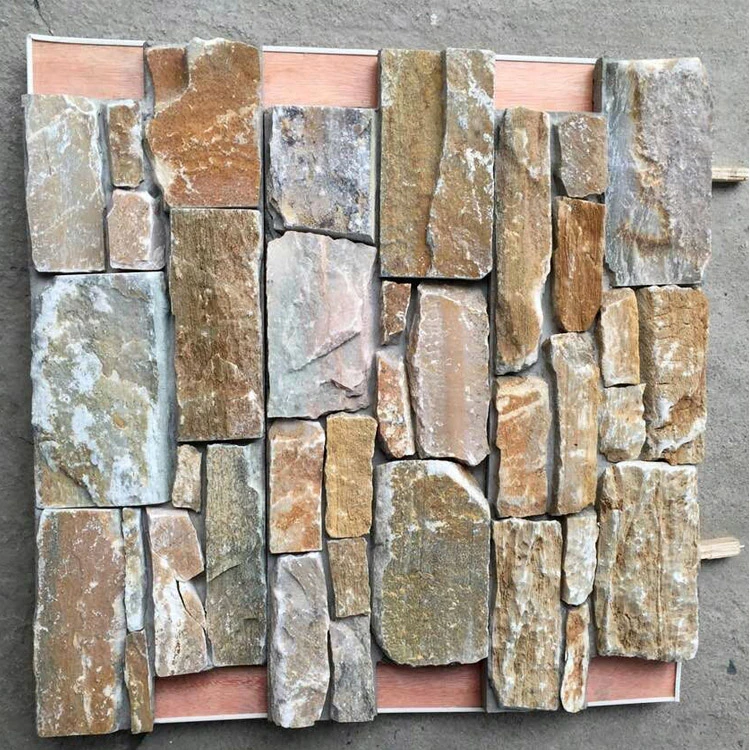
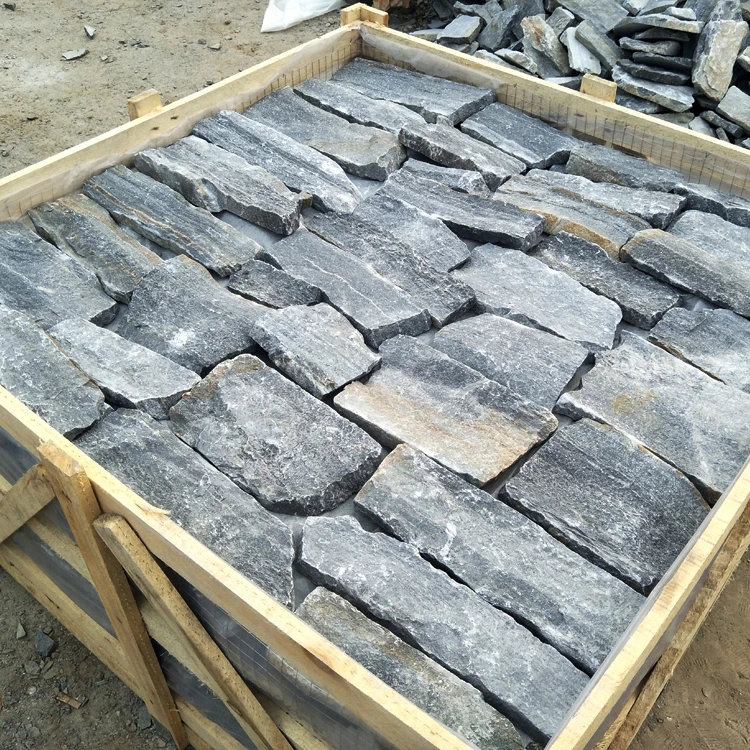
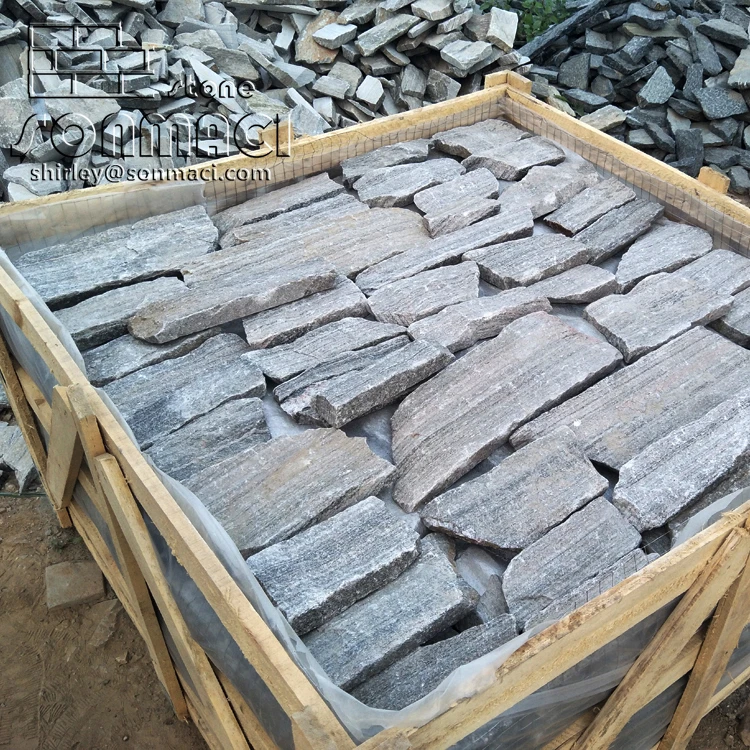
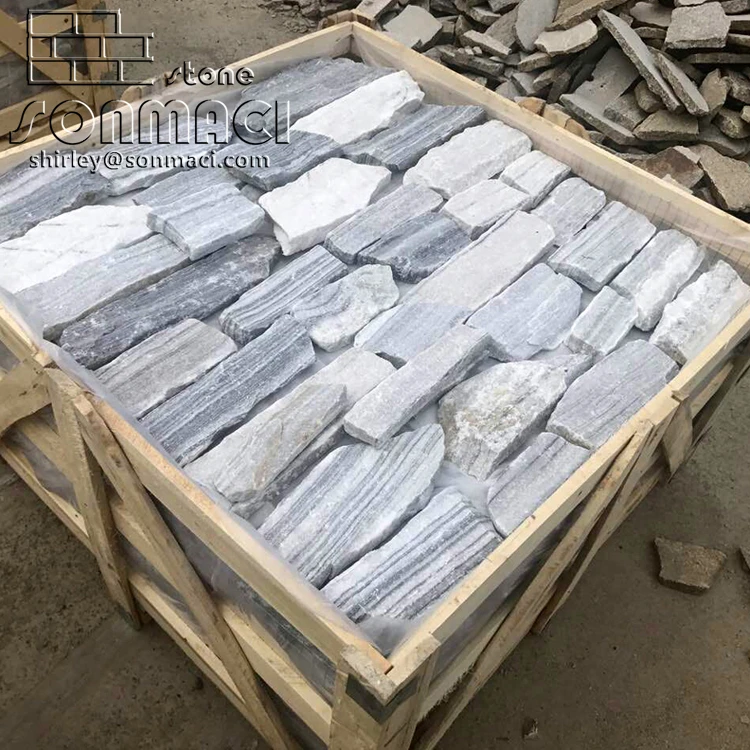
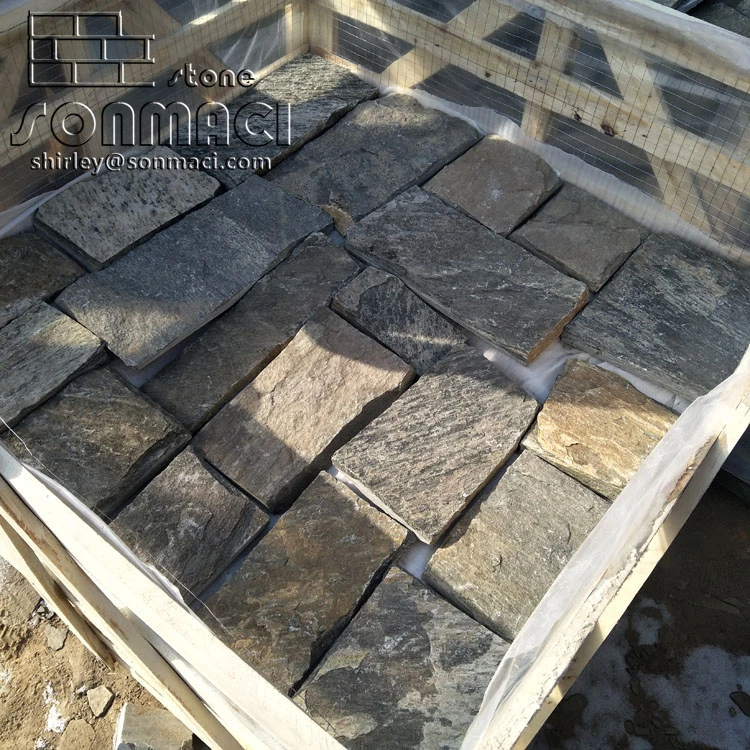
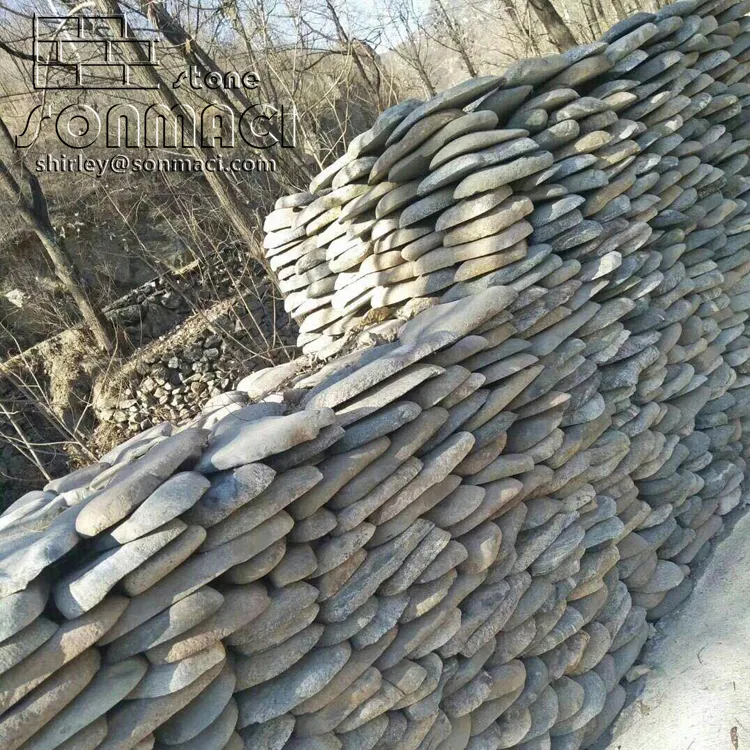
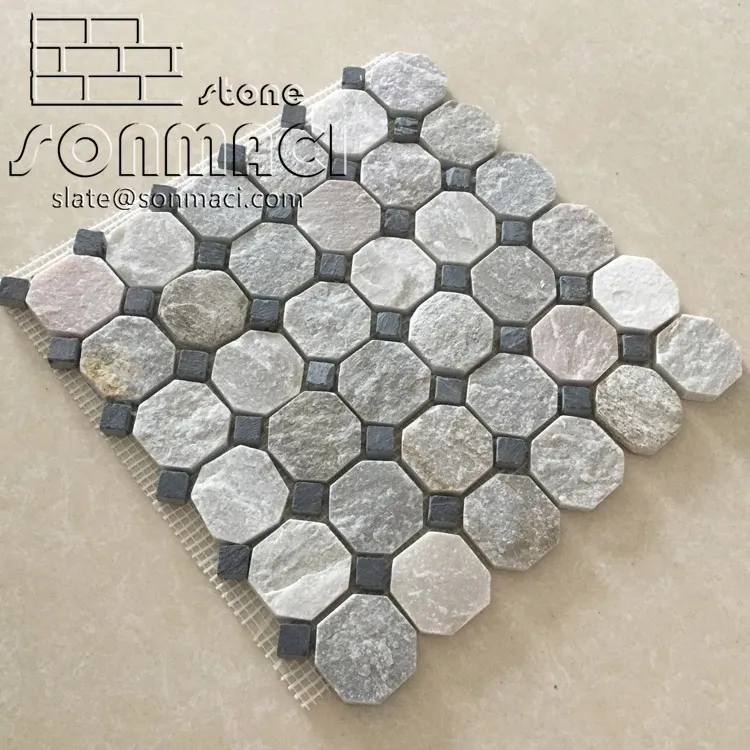
Simply put, these panels are thin slices of natural stone carefully arranged and bonded to a backing material, often lightweight and weather resistant, which can be mounted on walls or exteriors. Unlike faux or engineered stone veneers, these panels contain genuine geological stone pieces. This gives a tactile depth and rugged variation that synthetic alternatives can’t fully replicate.
They factor heavily into modern architecture and humanitarian projects alike. For instance, NGOs working in post-disaster reconstruction appreciate their quick installation and robustness, helping rebuild homes with dignity.
Key Components of Real Stacked Stone Panels
1. Durability
Natural stone is naturally weather-resistant. Combined with strong adhesives and moisture barriers, stacked stone panels withstand rain, heat, and even seismic stress better than many competing cladding options.
2. Lightweight Design
Unlike solid stone walls, these panels are slim and surprisingly light, making transport and installation faster and less costly — a real advantage in remote or difficult sites.
3. Scalability & Modular Installation
Panels come in uniform sizes, simplifying construction workflows. This modularity means they can be easily specified for diverse projects, small or large.
4. Cost Efficiency
While authentic, they use less stone than traditional masonry, reducing material costs. Fast labor also means savings on-site, crucial for budget-sensitive developments.
5. Aesthetic Versatility
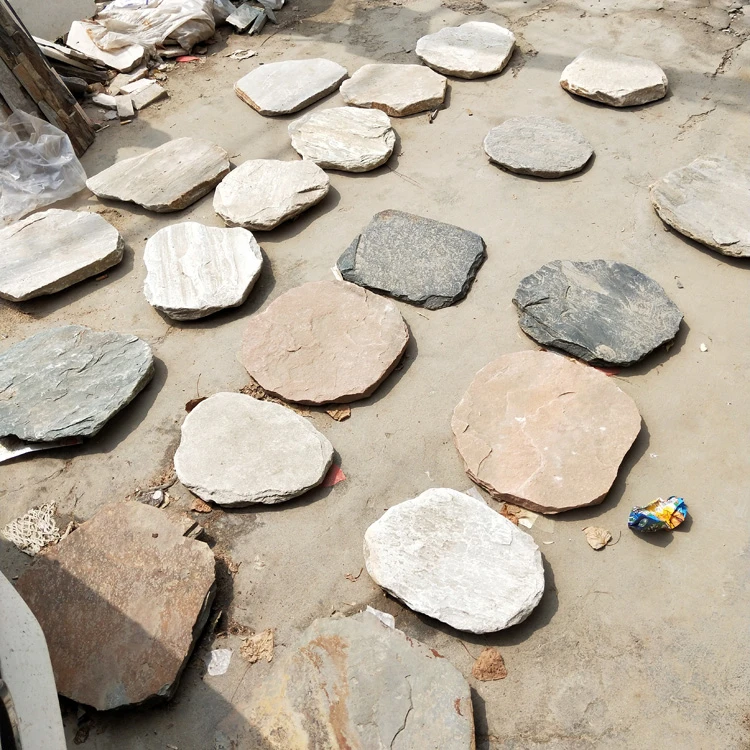
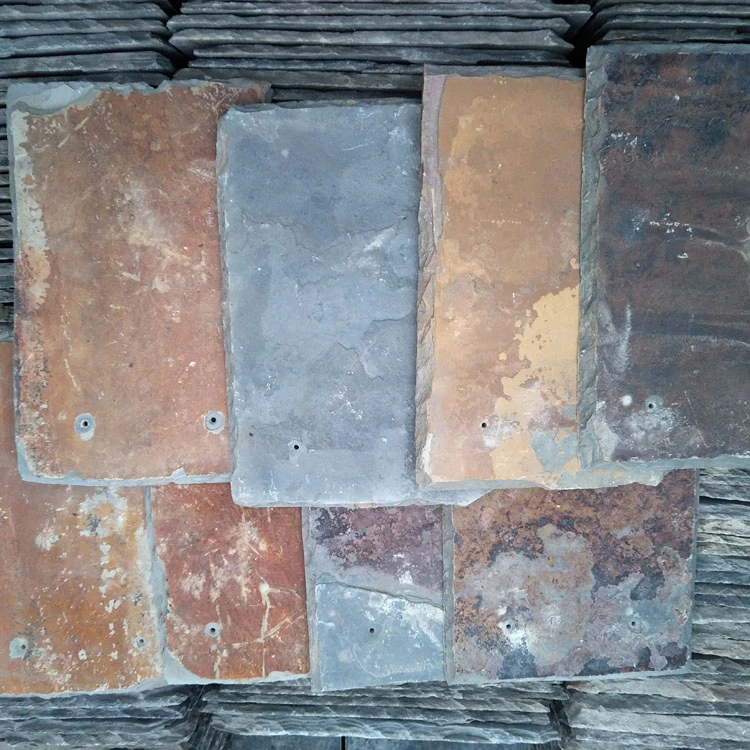
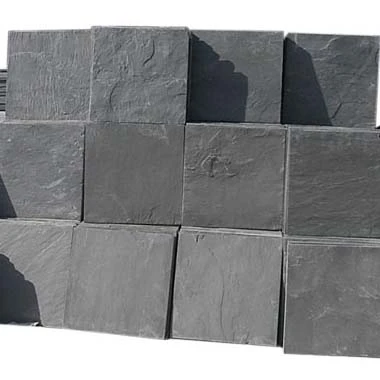
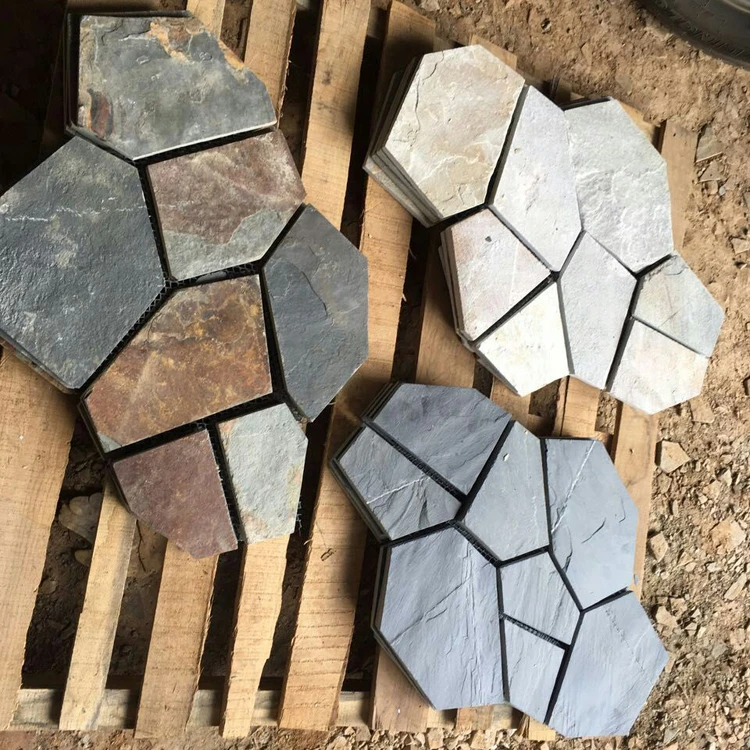
Available in multiple stone types—like slate, quartzite, and sandstone—they provide rich textures and color variations to match design intents, from rustic to ultra-modern.
Product Specifications Snapshot:
| Specification | Detail |
|---|---|
| Material | Natural stone slices (quartzite, slate, sandstone) |
| Panel size | Typically 6" x 24" or customizable |
| Thickness | 0.75" to 1.25" |
| Weight | Approx. 8–12 lbs per sq. ft. |
| Installation | Adhesive & mechanical fasteners |
| Weather resistance | High; freeze-thaw tested (ASTM C666) |
Who’s Using Real Stacked Stone Panels and Where?
These panels have found a home in projects worldwide. In Europe, they’re common in urban renovations, adding authentic facades to heritage buildings without the delay of traditional stonework. The Middle East, with its boom in luxury residential and commercial developments, widely adopts them for their blend of natural aesthetics and performance in harsh climates.
Interestingly, humanitarian groups in Southeast Asia and Latin America also tap into stacked stone panels for rebuilding after floods or earthquakes — their ease of shipping and quick setup are vital on tight timelines and budgets.
Oil and mining camps in northern Canada and Australia use them in modular housing and offices, combining durability with a welcoming natural look that reduces worker fatigue.
Vendor Comparison: Top Real Stacked Stone Panel Suppliers
| Supplier | Primary Stone Types | Price Range (per sq. ft.) | Lead Time | Global Availability |
|---|---|---|---|---|
| StoneCraft Panels | Quartzite, Slate | $23 - $30 | 2-3 weeks | North America, Europe |
| EcoStone Solutions | Sandstone, Limestone | $18 - $25 | 3-4 weeks | Asia, Australia |
| Global Stone Panels | Mixed natural varieties | $20 - $28 | 4-6 weeks | Worldwide |
Advantages & Long-Term Impact
The immediate perks of real stacked stone panels are obvious: they look great and stand tall against variable climates. Yet, the real value lies deeper. These panels reduce maintenance costs over decades — no repainting or sealing like synthetic alternatives. Plus, they evoke a comfort and dignity in residential or public spaces that people notice subconsciously.
From an environmental perspective, using thin stone slices means less quarry waste, while modular installation cuts on-site carbon footprints. Socially, quicker construction means communities get housing or facilities faster, which honestly, can be life-changing.
Looking Ahead: Trends & Innovations
It’s exciting to see how technology is evolving real stacked stone panels. For example, new composite backing materials improve insulation and fire resistance. Digital cutting and robotic installation techniques promise tighter joints and reduced labor demands.
Green building certifications like LEED increasingly favor natural stone panels for their sustainability profile. Some manufacturers are exploring carbon-offset stone quarrying practices to appeal to eco-conscious developers. Oddly enough, as digital aesthetics grow, there’s a rising trend back toward natural textures—authenticity feels like a luxury now.
Overcoming Challenges
Of course, natural stone presents some challenges: variability in texture and color means batches must be carefully matched to avoid visual inconsistency. Transportation costs for heavy materials remain an issue, especially in landlocked or remote areas.
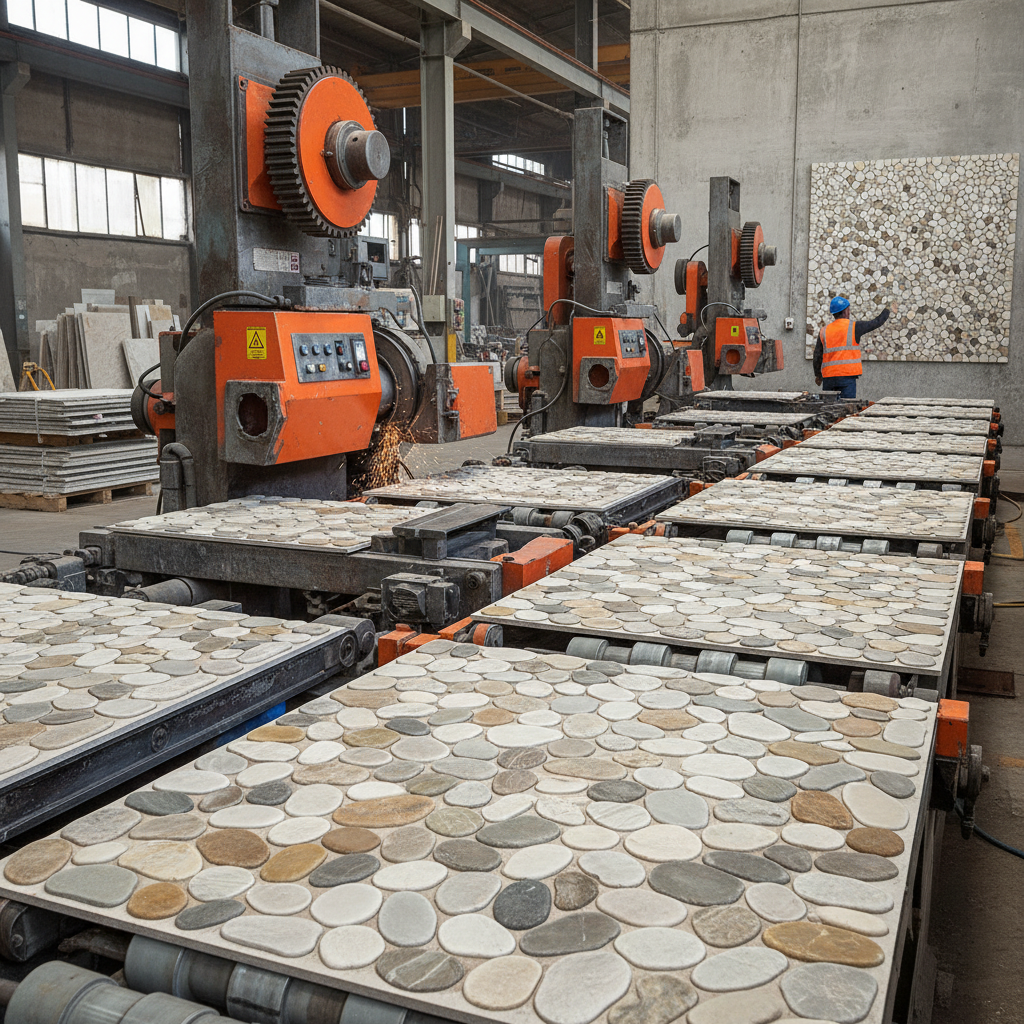
Yet, supply chain improvements and localized panel fabrication facilities mitigate these. Some experts advocate hybrid products combining natural stone fronts with engineered cores — balancing strength and lightness.
FAQs About Real Stacked Stone Panels
- Are real stacked stone panels suitable for earthquake-prone areas?
Yes. Their lightweight nature and modular installation reduce structural loads, and many panels meet ASTM seismic standards. - How do these panels compare in cost to traditional stone masonry?
They generally cost less due to faster installation and reduced stone volume, though prices vary by region and stone type. - Can real stacked stone panels be used indoors?
Absolutely. They’re popular for accent walls, fireplaces, and interior facades, providing natural warmth and texture. - How eco-friendly are real stacked stone panels?
Given they use natural stone and minimize waste, they have a lower environmental impact compared to synthetic cladding, especially when sourced responsibly. - What maintenance do these panels require?
Minimal—usually a periodic wash and inspection for loose sections suffice; sealing is optional depending on stone porosity.
Conclusion
Real stacked stone panels blend the timeless durability and beauty of genuine stone with modern modular construction benefits. They support sustainable, quick, and visually compelling building solutions suited to diverse global needs. If you’re curious to explore how these panels could elevate your next project—whether commercial, residential, or humanitarian—visit us at real stacked stone panels for more.
In the ever-evolving world of construction, real stacked stone panels stand firm as a timeless yet forward-thinking choice.