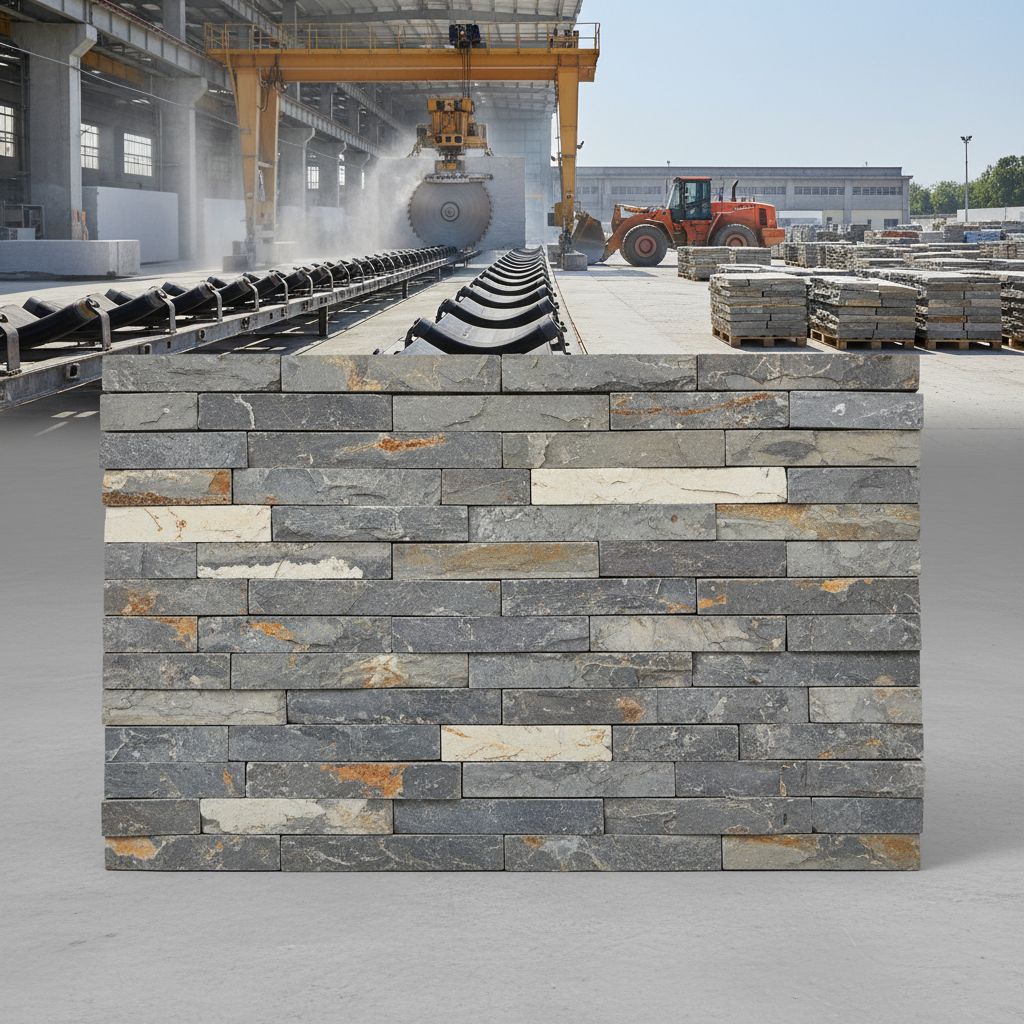
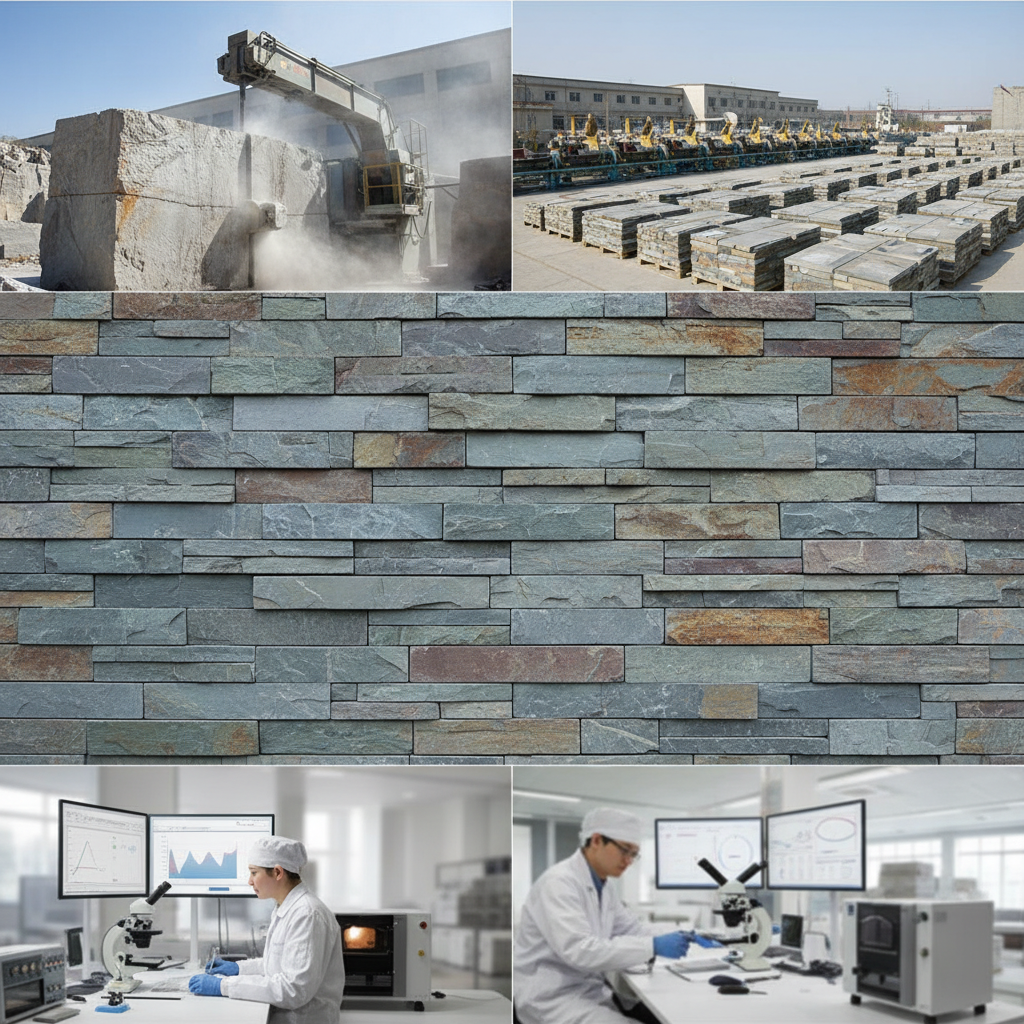
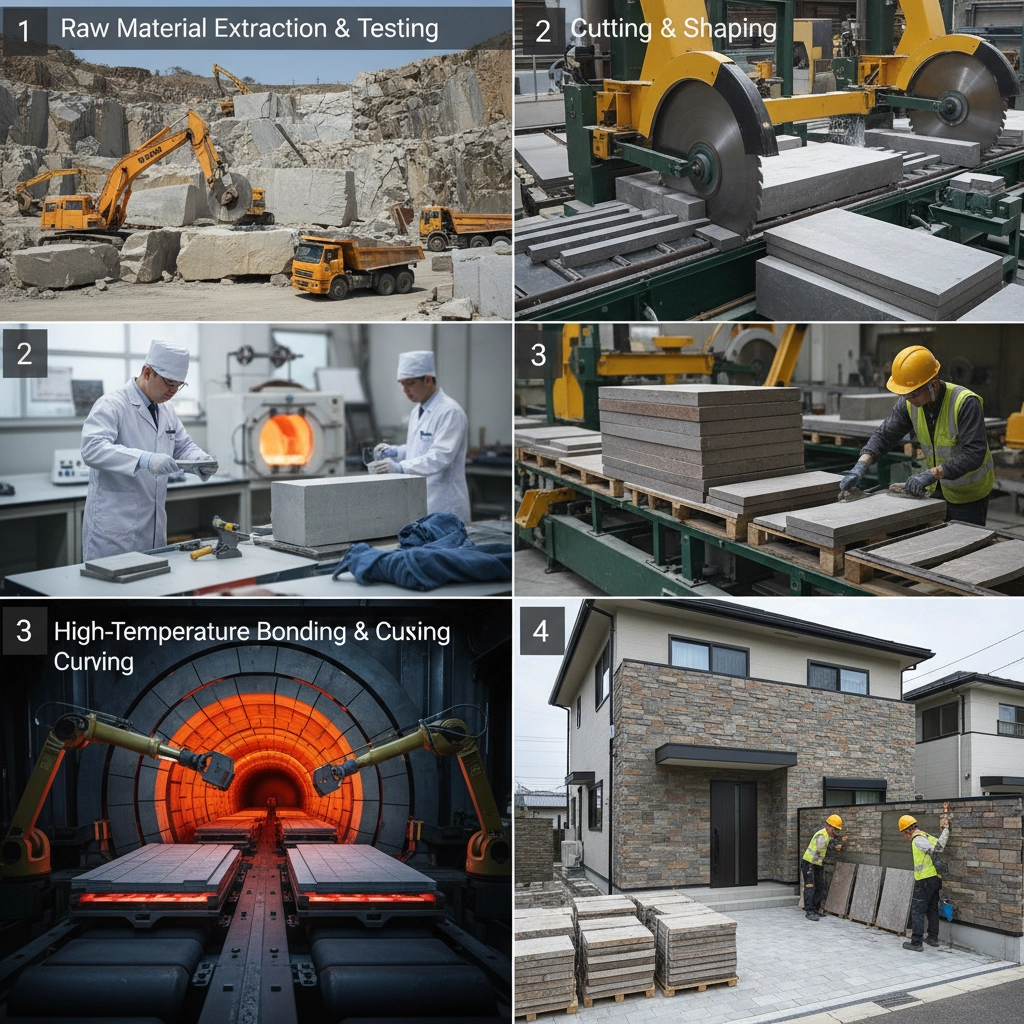
Enhancing a home's exterior requires a delicate balance between structural integrity and visual appeal. Using stacked stone for outside of house applications has emerged as a premier solution for homeowners looking to add timeless elegance and a rugged, natural texture to their facades. Unlike traditional siding, stacked stone creates a three-dimensional depth that interacts with light and shadow, instantly elevating the curb appeal of any residential property.
From a global architectural perspective, the shift toward organic materials reflects a broader desire to reconnect modern living spaces with nature. The versatility of stacked stone allows it to fit seamlessly into various design languages, whether it is the rustic charm of a mountain lodge or the sleek, minimalist lines of a contemporary urban villa. By integrating these stone elements, property owners not only improve the aesthetics but also add significant market value to their real estate assets.
However, choosing the right type of stone involves understanding the interplay between material composition, local climate, and installation methods. Whether opting for full-bed masonry or lightweight glued stacked stone veneers, the goal is to achieve a look of permanence and luxury. This guide explores the comprehensive benefits, technical specifications, and design trends associated with using stacked stone for outside of house projects to help you make an informed decision.
The Global Appeal and Industry Context of Stacked Stone
In the current global construction market, there is a measurable surge in the demand for natural stone products. According to industry trends aligned with ISO standards for building materials, the preference for sustainable and durable facades has pushed stacked stone for outside of house into the spotlight. This trend is driven by a move away from synthetic, high-maintenance polymers toward materials that offer thermal mass and longevity.
The primary challenge facing modern homeowners is the "disposable" nature of contemporary building materials. Many exterior finishes peel, fade, or crack within a decade. Stacked stone addresses this by providing a geological shield that withstands harsh weather conditions while maintaining its structural and aesthetic integrity for generations, making it a preferred choice for luxury developments worldwide.
Defining Stacked Stone for Modern Exterior Design
At its core, stacked stone for outside of house refers to a masonry style where thin strips of natural stone are layered—or "stacked"—to create a textured wall surface. Unlike traditional ashlar masonry, which relies on large, squared blocks, stacked stone emphasizes the linear, organic nature of the rock. This can be achieved through traditional dry-stacking methods or via modern engineered veneers that provide the same look with significantly less weight.
In the context of the modern building industry, this material bridges the gap between raw nature and architectural precision. It serves a critical need for "biophilic design," which posits that humans have an innate tendency to seek connections with nature. By bringing the texture of the earth to the exterior walls, architects can reduce the sterile feeling of urban environments and create a more harmonious living experience.
From a technical standpoint, modern stacked stone often comes in forms such as Glued Stacked Stone Veneers or Back Cement Ledgestone. These innovations allow for faster installation and better compatibility with various substrates, including concrete and wood frames, without requiring the massive foundations that full-thickness stone walls would necessitate.
Core Components of High-Quality Exterior Stone
The durability of stacked stone for outside of house is primarily determined by the mineral composition of the stone itself. Whether using quartz, slate, or limestone, the material must possess a low absorption rate to prevent freeze-thaw damage, which is the leading cause of stone degradation in colder climates.
Another critical factor is the bonding agent used in engineered stone. High-performance polymers and cement-based backings ensure that the stacked stone remains adhered to the structure regardless of thermal expansion and contraction. This scalability allows the material to be used on everything from small accent pillars to full-story facade wraps.
Finally, cost efficiency is achieved through the balance of material thickness and visual impact. By utilizing thin-cut ledgestone or glued veneers, homeowners can achieve the prestigious look of a solid stone manor while significantly reducing shipping costs and labor hours, making luxury aesthetics accessible to a wider range of budgets.
Performance Metrics of Various Stone Installation Methods
When selecting the installation approach for stacked stone for outside of house, one must consider the trade-off between installation speed and structural permanence. Traditional masonry offers unmatched longevity but requires highly skilled labor and longer timelines. Conversely, glued veneers provide a rapid deployment option that is ideal for renovations.
The choice often depends on the specific application—whether it's a load-bearing retaining wall or a purely decorative accent. Evaluating these methods through performance ratings allows homeowners to visualize which product line, such as Back Cement Ledgestone versus Free Form Stone, fits their specific environmental needs.
Efficiency & Durability Comparison for Exterior Stone Methods
Real-World Applications Across Global Climates
The application of stacked stone for outside of house varies significantly by region. In the humid subtropics of Southeast Asia, moisture-resistant stone types are utilized to prevent algae growth and efflorescence. In these regions, stone is often used for accent walls and pillars to provide a cooling visual effect and structural resilience against heavy monsoon rains.
Conversely, in the arid climates of the Middle East or the American Southwest, stacked stone serves as a thermal buffer. The high thermal mass of natural stone absorbs heat during the day and releases it slowly at night, helping to regulate the internal temperature of the home. This functional beauty makes it an indispensable material for energy-efficient luxury architecture in extreme environments.
Long-Term Value and Sustainability Benefits
Investing in stacked stone for outside of house projects offers a rare combination of emotional satisfaction and financial logic. Psychologically, stone evokes a sense of security, permanence, and dignity. A home clad in natural stone is perceived as a "legacy property," which increases buyer trust and emotional attraction during resale.
From a sustainability lens, natural stone is one of the most eco-friendly building materials available. Unlike vinyl or composite sidings, stone does not off-gas volatile organic compounds (VOCs) and is fully recyclable. Its extreme longevity means that the carbon footprint associated with its extraction is amortized over a century, rather than replaced every fifteen years.
Furthermore, the reliability of stone in reducing exterior maintenance costs cannot be overstated. While wood requires painting and composites may fade under UV exposure, stacked stone remains virtually unchanged by the sun, reducing the long-term operational cost of home ownership.
Future Innovations in Stone Veneer Technology
The industry is currently moving toward "Smart Stone" integration, where stacked stone for outside of house is combined with advanced moisture-barrier membranes and aerogel insulation. This allows for the stunning look of heavy masonry with the thermal performance of a modern passive house, significantly reducing energy consumption.
Digital transformation is also playing a role, with AI-driven design tools allowing homeowners to visualize different stone textures and colors in real-time via Augmented Reality (AR). This reduces material waste by ensuring the chosen stone perfectly complements the surrounding landscape before a single piece is shipped.
Additionally, there is a growing trend toward "circular stone" products—engineered veneers that incorporate recycled stone dust and minerals. This innovation maintains the aesthetic of natural stacked stone while reducing the impact of quarrying on the environment, aligning with global green building certifications.
Comprehensive Analysis of Exterior Stone Product Categories
| Product Type |
Durability Score (1-10) |
Install Speed |
Primary Use Case |
| Back Cement Ledgestone |
9 |
Medium |
Full Exterior Facades |
| Glued Stacked Veneers |
7 |
Very Fast |
Accent Walls & Pillars |
| Free Form Stone |
10 |
Slow |
Rustic Garden Walls |
| Paving Stone |
10 |
Medium |
Walkways & Driveways |
| Stone Mosaic |
8 |
Fast |
Decorative Entryways |
| Stone Cobble |
10 |
Slow |
Traditional Courtyards |
FAQS
Generally, no. Natural stacked stone is incredibly low-maintenance compared to wood or stucco. It does not require painting or staining. However, depending on the stone's porosity, a breathable sealant is recommended every 3-5 years to prevent water penetration and staining from organic debris, ensuring the colors remain vibrant.
While glued veneers are designed for easier installation than full masonry, we recommend professional installation for exterior walls. Proper moisture barriers (WRB) and flashing must be installed behind the stone to prevent structural rot. A professional ensures that the bonding agent is appropriate for your specific climate and substrate.
Yes, significantly. High-quality stone facades are associated with luxury and permanence. Real estate data consistently shows that homes with natural stone accents have higher curb appeal and often command a premium price compared to homes with standard siding, as it signals a higher quality of build.
Ledgestone consists of rectangular, linear pieces that create a structured, tiered look, ideal for modern and transitional homes. Free-form stone consists of irregular shapes and sizes, providing a more organic, "found in nature" appearance that is perfect for rustic or traditional cottage-style exteriors.
If the stone is correctly selected and installed, it should not crack. The key is choosing stone with low water absorption and ensuring a proper drainage plane exists behind the veneer. This prevents water from trapping behind the stone and expanding during freeze-thaw cycles, which is the primary cause of cracking.
Consider the surrounding landscape and the existing roof color. Neutral tones like grey and beige are timeless and versatile. For a bolder look, earth-toned browns and ochres blend well with wooded areas. Always view stone samples in natural sunlight at the actual site to see how the colors shift throughout the day.
Conclusion
Integrating stacked stone for outside of house applications is more than just a cosmetic upgrade; it is a strategic investment in a property's durability and aesthetic legacy. By blending the raw beauty of natural minerals with modern installation technologies like glued veneers and back-cement ledgestone, homeowners can achieve a sophisticated look that withstands the elements while increasing overall market value.
As we look toward the future of sustainable architecture, the role of natural stone will only grow. We encourage homeowners and developers to prioritize high-quality materials that offer both thermal efficiency and timeless style. To explore our full range of premium building stones and find the perfect match for your next project, visit our website: www.sonmacistone.com.