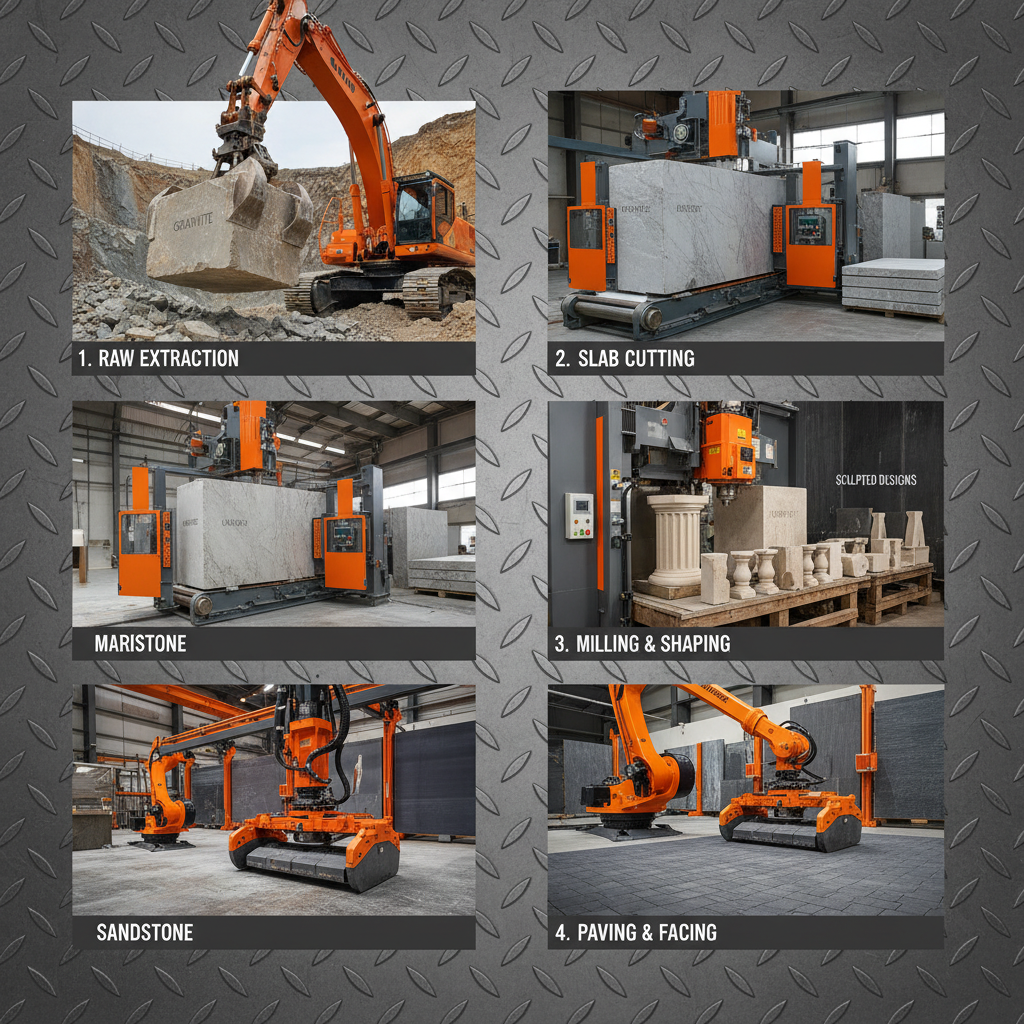
In the realm of modern architecture, building stone veneers have emerged as a transformative solution for achieving high-end aesthetic appeal without the structural burden of traditional full-bed masonry. By utilizing thin layers of natural stone, designers and homeowners can mimic the timeless look of solid stone walls while significantly reducing material waste and installation time.
The global shift toward sustainable construction and rapid urban development has placed a premium on materials that offer both longevity and versatility. Building stone veneers address these needs by providing a lightweight alternative that can be applied to various substrates, including concrete, wood framing, and existing brick, making them ideal for both new constructions and extensive renovations.
Understanding the technical nuances of different stone types—from ledgerstone to mosaics—allows stakeholders to maximize the ROI of their projects. Whether it is enhancing the curb appeal of a residential property or adding a sophisticated touch to a commercial facade, these veneers bridge the gap between raw geological beauty and precise engineering.
The Global Market Dynamics of Building Stone Veneers
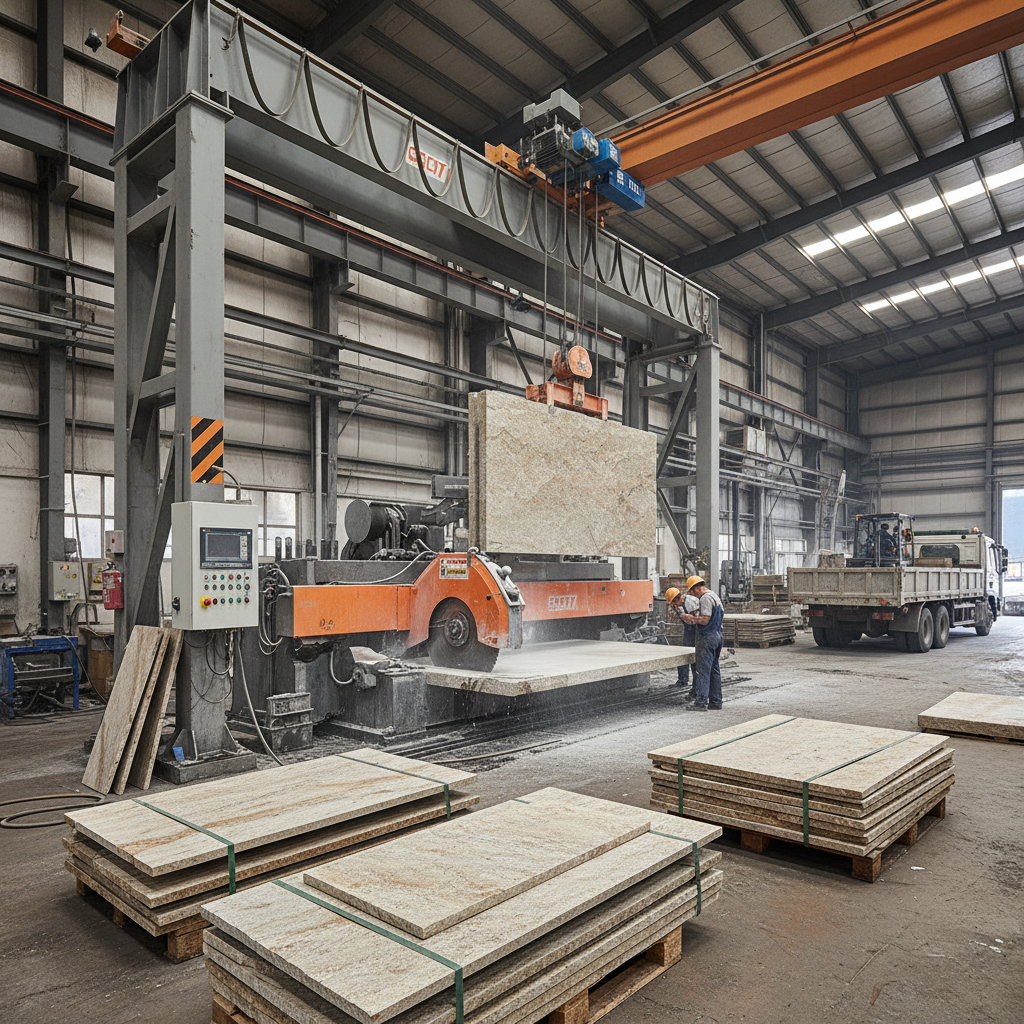
The global demand for building stone veneers has seen a steady climb as urbanization accelerates across Asia and North America. According to industry trends aligned with ISO standards for building materials, the move toward "lightweighting" structures is no longer just a preference but a necessity for reducing the carbon footprint of transportation and logistics.
Many developers are now facing the challenge of replicating traditional European or Colonial stone architecture within tight budget constraints and strict building codes. The adoption of stone veneers allows for the realization of these aesthetic goals while adhering to modern safety regulations and seismic requirements.
Defining Building Stone Veneers in Modern Construction
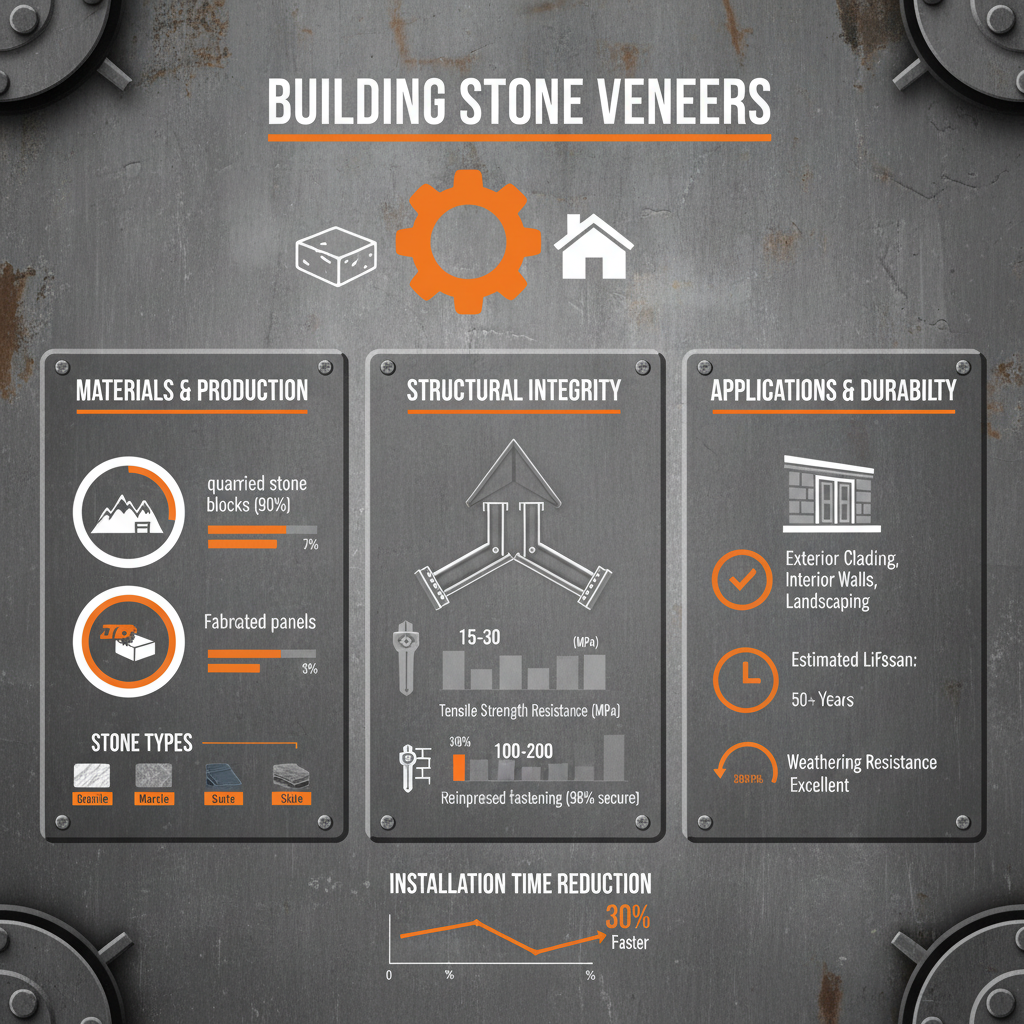
At its core, building stone veneers are thin slices of natural stone—typically ranging from 1 to 2 inches in thickness—that are adhered to a structural wall. Unlike traditional full-bed stone, which acts as a load-bearing element, veneers serve as a decorative skin. This distinction is critical because it separates the aesthetic function of the wall from its structural integrity, allowing for greater architectural freedom.
In the context of modern industry, these materials are essential for meeting the humanitarian need for rapid, high-quality housing and commercial infrastructure. By reducing the amount of raw stone quarried and transported, the industry moves closer to a circular economy, optimizing the use of geological resources while providing durable protection for buildings.
Whether utilizing Glued Stacked Stone or Back Cement Ledgestone, the primary goal is to provide a breathable, weather-resistant layer that enhances the thermal properties of a building. This fusion of natural beauty and industrial precision makes stone veneers a cornerstone of contemporary cladding strategies.
Core Components of Quality Stone Veneers
The durability of building stone veneers is primarily determined by the mineral composition of the source rock. High-quality quartzites and granites offer superior resistance to freeze-thaw cycles, ensuring that the facade does not crack or spall when exposed to harsh winter climates.
Scalability in application is another key factor. Because these veneers are lightweight, they can be applied to interior accent walls or expansive exterior envelopes without requiring the massive reinforced footings that solid stone would demand, effectively lowering the overall project cost.
Finally, the adhesive chemistry used in "Glued Stacked Stone" variants plays a pivotal role. Modern polymers ensure a permanent bond between the stone and the substrate, preventing delamination and ensuring that the installation remains secure for decades, regardless of the substrate's expansion and contraction.
Performance Metrics and Comparative Efficiency
When evaluating the efficiency of different installation methods for building stone veneers, professionals look at labor hours versus the final visual impact. Mechanical fastening systems offer speed for high-rise applications, while mortar-set methods provide a more traditional, seamless look for residential luxury homes.
The following data illustrates the relative performance of various veneer styles across key industry metrics, highlighting why certain materials are preferred for specific environmental conditions.
Comparative Performance of Building Stone Veneers Styles
Global Applications and Versatile Use Cases
In the luxury residential sector of North America, building stone veneers are frequently used to create stunning fireplace surrounds and outdoor kitchen areas. The ability to use "Free Form Stone" allows architects to create an organic, rustic look that blends seamlessly with the natural landscape, increasing the property's perceived value.
Beyond residential use, these materials are deployed in commercial zones to create prestige facades for corporate headquarters and hotels. In urban centers where space is limited and building loads are strictly monitored, the lightweight nature of stone veneers allows for a high-end stone exterior without requiring massive structural reinforcements.
Long-Term Value and Sustainable Benefits
The long-term value of investing in building stone veneers lies in their exceptional durability and low maintenance. Unlike synthetic sidings or paint, natural stone does not peel, fade, or rot, ensuring that the building maintains its aesthetic integrity for decades. This longevity reduces the total cost of ownership and minimizes the need for frequent renovations.
From a sustainability perspective, the use of veneers significantly reduces the energy required for quarrying and transport. Because the material is thinner, fewer trucks are needed to move the same surface area of stone, directly lowering the CO2 emissions associated with the supply chain.
Moreover, the psychological impact of natural stone cannot be overstated. Biophilic design—incorporating natural elements into the built environment—has been proven to reduce stress and increase well-being for occupants, adding a layer of intangible value to every project.
Future Innovations in Stone Veneer Technology
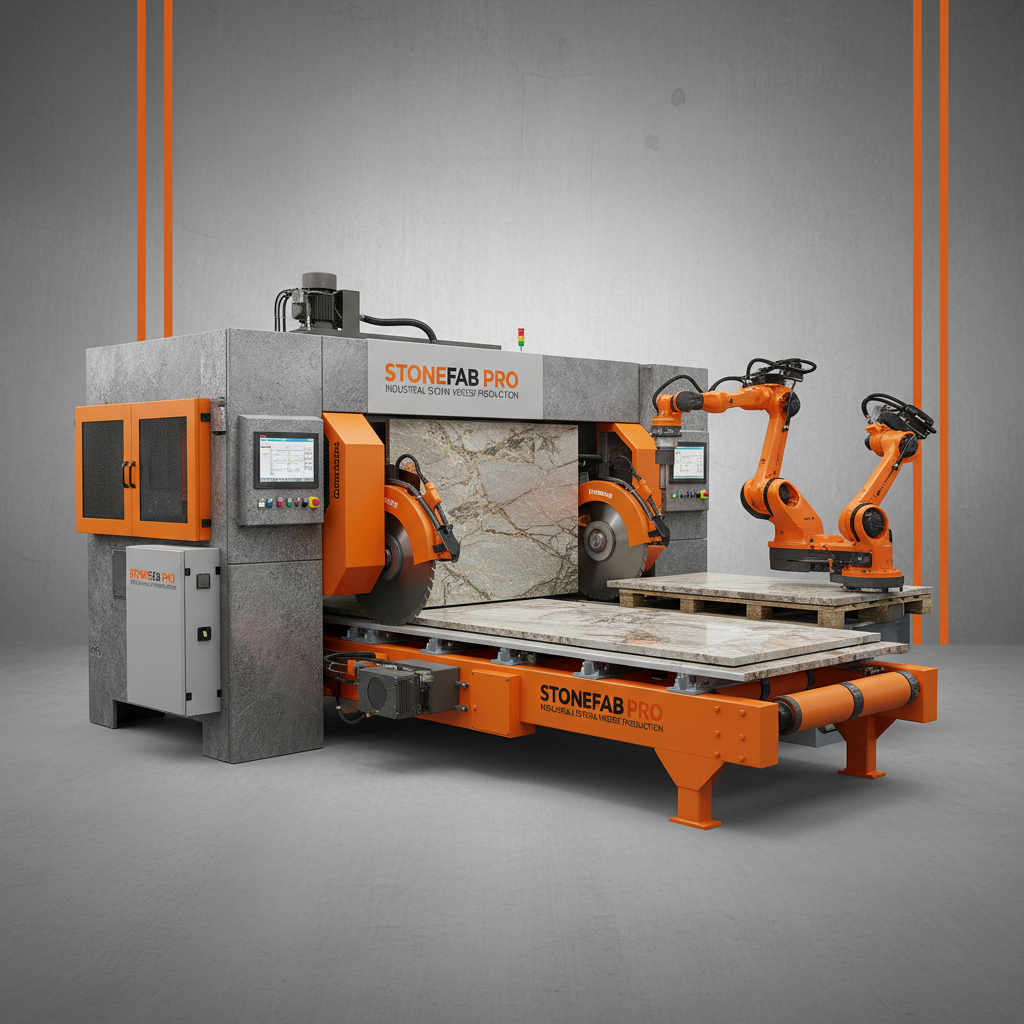
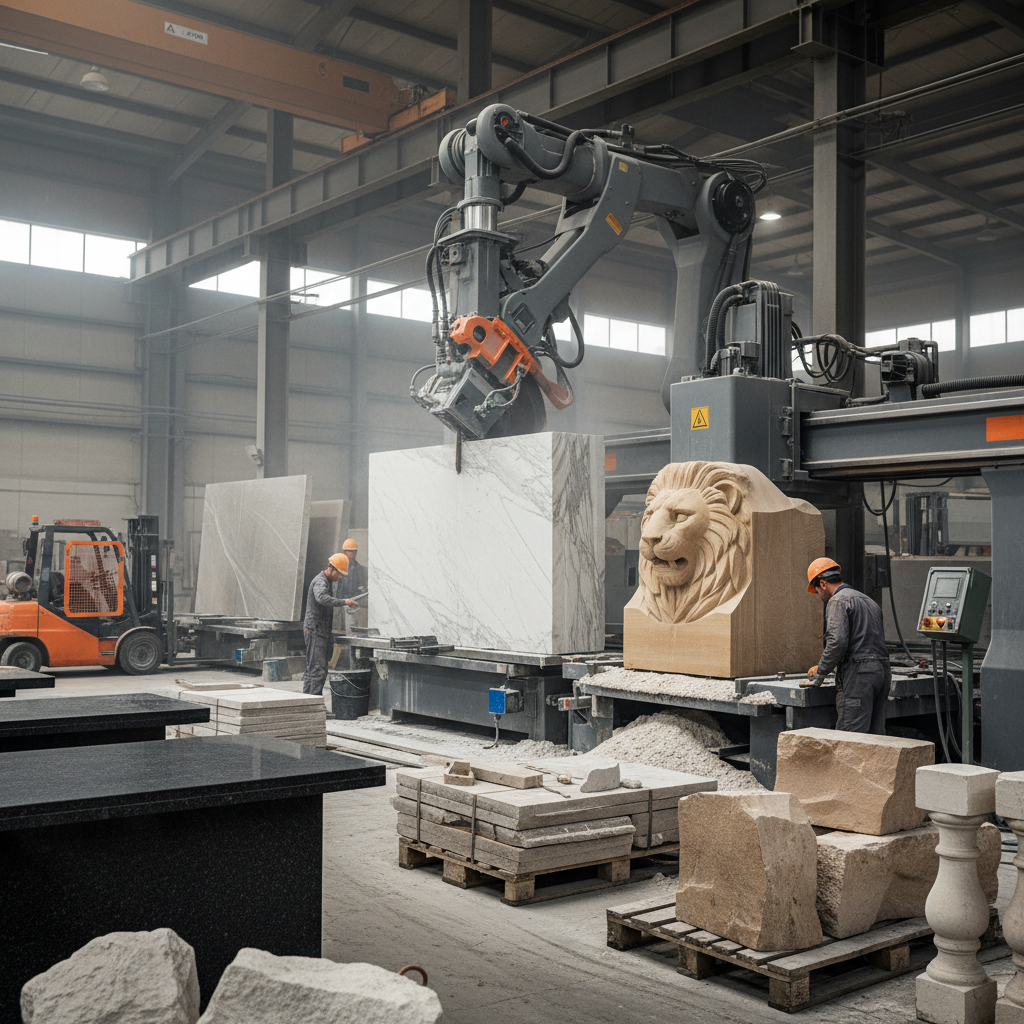
The future of building stone veneers is being shaped by digital fabrication and automation. CNC milling and water-jet cutting are now allowing for "precision-fit" veneers that snap together with minimal mortar, further reducing installation time and material waste while ensuring perfect alignment.
Sustainability is also driving the development of "green" adhesives and recycled substrates. We are seeing a move toward bio-based resins that provide the same bonding strength as synthetic polymers but are fully biodegradable, aligning the stone industry with global net-zero carbon targets.
Additionally, the integration of smart sensors within the veneer layer is an emerging trend. These sensors can monitor moisture levels behind the stone, alerting building managers to potential leaks before they cause structural damage, thus merging traditional masonry with the Internet of Things (IoT).
Analysis of Future Innovations in Building Stone Veneers
| Innovation Type |
Primary Benefit |
Implementation Ease |
Eco-Impact Score |
| CNC Precision Cutting |
Zero-Gap Fitting |
High |
8/10 |
| Bio-Based Adhesives |
Non-Toxic Bonding |
Medium |
10/10 |
| IoT Moisture Sensors |
Preventative Maintenance |
Low |
7/10 |
| 3D Printed Stone Mix |
Custom Geometry |
Low |
9/10 |
| Ultra-Thin Slicing |
Minimum Weight |
High |
8/10 |
| Recycled Aggregate Core |
Waste Reduction |
Medium |
10/10 |
FAQS
Building stone veneers are thin slices of natural stone designed for aesthetic purposes, requiring no structural support from the stone itself. Full-bed stone is thick, heavy, and often serves as a load-bearing wall. Veneers are significantly faster to install, cost less in labor and materials, and can be applied to existing walls without needing a reinforced concrete footing.
Yes, they are ideal for interiors. They are commonly used for accent walls, fireplace surrounds, and bathroom features. Because they are lightweight, they can be adhered directly to drywall or cement board using high-strength adhesives, providing a luxurious stone look without the need for structural modification to the interior framing.
When installed correctly with a proper moisture barrier and high-quality adhesive, natural stone veneers can last for decades, often the entire lifetime of the building. Unlike synthetic materials, they do not degrade under UV exposure and are highly resistant to wear and tear, making them a permanent upgrade to any property.
Absolutely. They require significantly less raw material from quarries, which preserves natural landscapes. Furthermore, their reduced weight leads to lower carbon emissions during transportation and requires less energy-intensive foundation work during construction, making them a much more sustainable choice for green building projects.
While some DIY enthusiasts take on small projects, professional installation is highly recommended. A professional ensures the correct moisture barrier is used and the adhesive is applied evenly to prevent future delamination. Proper cutting and fitting are also essential to achieve a natural, seamless look that increases the home's value.
For high-moisture areas, dense stones like quartzite or granite veneers are best because they have low porosity and resist water absorption. It is also crucial to use a high-grade sealant and a waterproof substrate to ensure that moisture does not penetrate behind the veneer, preventing mold and ensuring long-term adhesion.
Conclusion
In summary, building stone veneers represent the perfect intersection of geological beauty and modern engineering. By offering a lightweight, durable, and sustainable alternative to traditional masonry, they empower architects and homeowners to elevate their spaces without compromising on structural efficiency or budget. From the technical precision of CNC cutting to the timeless appeal of natural ledgerstone, these materials provide unmatched long-term value and aesthetic flexibility.
As the construction industry continues to pivot toward greener practices and smarter materials, the role of stone veneers will only grow. For those looking to enhance their property's value and durability, transitioning to high-quality stone cladding is a strategic investment in both form and function. We invite you to explore our comprehensive range of stone solutions to find the perfect match for your next project. Visit our website: www.sonmacistone.com