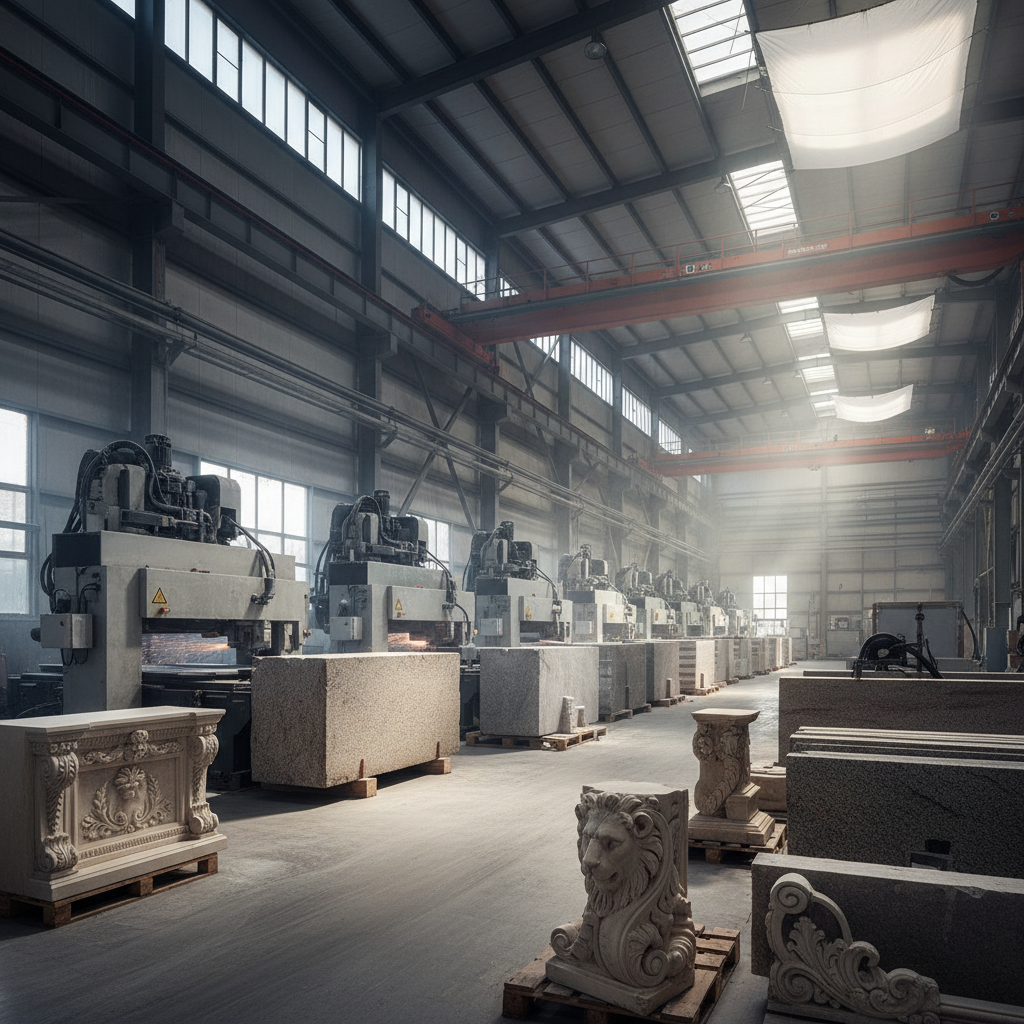
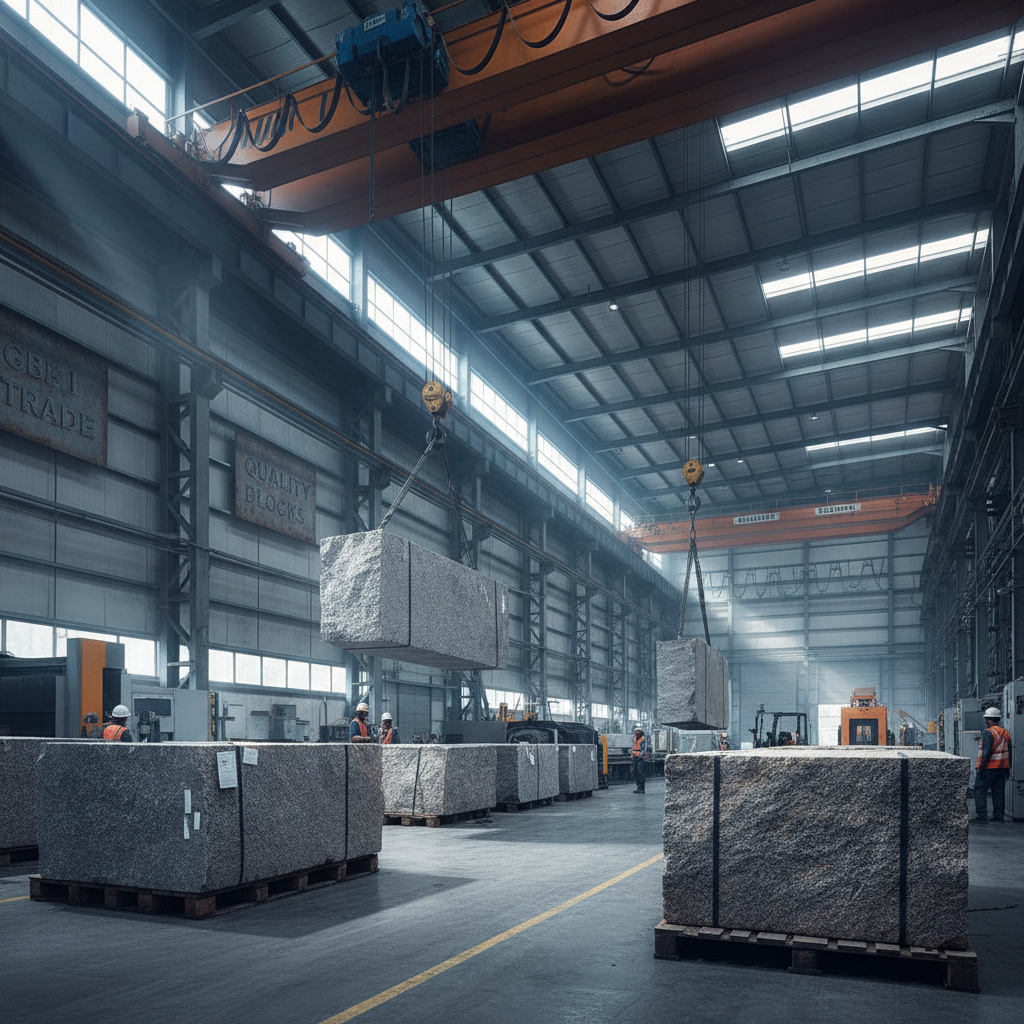
Building stone has been a fundamental material in construction for millennia, shaping civilizations and providing the foundations for our built environment. From the monumental structures of ancient Egypt to the modern skyscrapers that define our cities, the enduring strength and aesthetic appeal of stone remain unmatched. Globally, the demand for building stone continues to grow, fueled by urbanization, infrastructure development, and a renewed appreciation for natural materials. Understanding its properties, applications, and future trends is crucial for architects, engineers, contractors, and anyone involved in the construction industry. building stone isn’t just a material; it’s a legacy.
The construction industry is increasingly focused on sustainability and durability, driving demand for materials that minimize environmental impact and offer long-term performance. Building stone, sourced responsibly, offers both. However, challenges remain in terms of quarrying practices, transportation costs, and the need for skilled labor to work with this material effectively. Addressing these challenges is paramount to ensuring the continued relevance and responsible use of building stone in the 21st century. I've seen too many projects cut corners on material quality and pay for it down the line – with costly repairs and compromised structural integrity.
Simply put, building stone refers to any naturally occurring rock that's been selected and shaped for use in construction. It’s not just granite and marble; limestone, sandstone, slate, and travertine are all common types, each with unique characteristics and applications. In a world scrambling for sustainable solutions, the longevity of stone – structures built centuries ago still standing – speaks volumes. It’s about creating something that lasts, something that doesn’t need replacing every few decades, something that connects us to the past while building for the future.
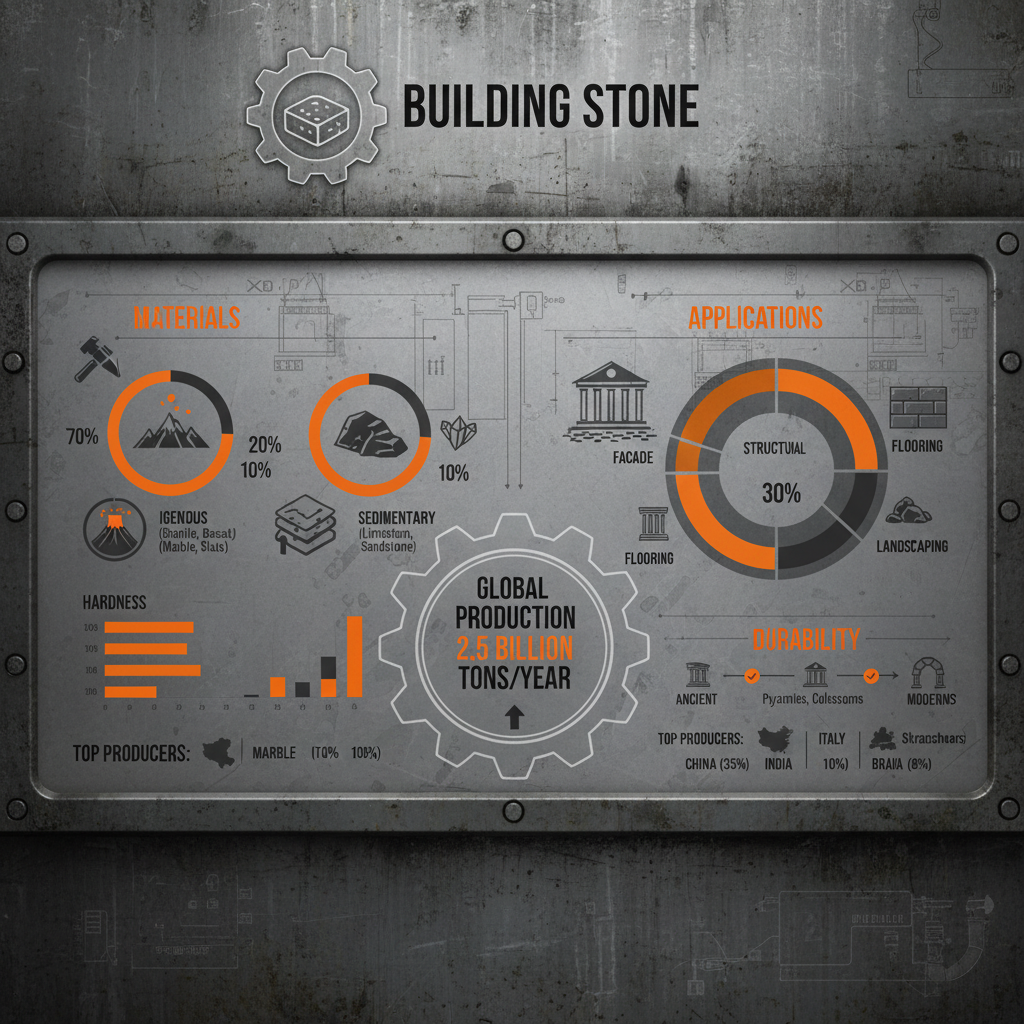
The use of building stone is deeply interwoven with the historical and economic development of societies worldwide. According to the United Nations Commodity Trade Statistics Database, global stone exports reached billions of dollars annually, demonstrating consistent demand. China, Italy, and Brazil are major players in the production and trade of building stone, influencing global market trends. From ancient monuments to modern infrastructure, stone's enduring presence highlights its critical role in shaping our world. I've walked through quarries across the globe, and the sheer scale of operations – and the impact they have on local economies – is often underestimated.
A key challenge facing the building stone industry is balancing economic growth with environmental sustainability. Concerns surrounding quarrying practices, transportation emissions, and the preservation of natural landscapes are driving a need for more responsible and eco-friendly approaches. The ISO 14001 standard for environmental management systems is increasingly adopted by stone producers seeking to demonstrate their commitment to sustainability. We need to move towards smarter quarrying, reduced waste, and a circular economy model for building stone.
Building stone finds diverse applications across the globe. In Europe, it’s integral to the restoration of historic buildings and the construction of new architectural landmarks. Italy, renowned for its marble quarries, continues to be a major supplier for prestigious projects worldwide. In the Middle East, sandstone and limestone are favored for their ability to withstand extreme temperatures. The Pyramids of Giza are prime examples of stones amazing durability.
In North America, granite and limestone are commonly used for commercial buildings, paving, and landscaping. The use of local stone sources is gaining traction, reducing transportation costs and environmental impact. I’ve seen a growing trend towards incorporating stone veneer into modern homes, offering the aesthetic appeal of natural stone at a lower cost.
The benefits of using building stone extend beyond its aesthetic appeal and durability. It offers excellent thermal mass, helping to regulate indoor temperatures and reduce energy consumption. Stone is naturally fire-resistant, providing a significant safety advantage in construction. Its longevity minimizes life-cycle costs, making it a sound investment in the long run.
From an environmental perspective, building stone is a relatively sustainable material, especially when sourced responsibly. It requires less energy to produce than many alternatives like concrete and steel, and it doesn’t emit harmful volatile organic compounds (VOCs). Utilizing locally sourced stone minimizes transportation emissions and supports local economies. That’s a win-win in my book.
Beyond the practical benefits, there’s an emotional connection to building with stone. It evokes a sense of permanence, solidity, and timelessness. A stone building feels substantial, grounded, and connected to the natural world. That feeling of quality and craftsmanship is something that resonates with people on a deep level.
The future of building stone is likely to be shaped by several key trends. Advancements in quarrying technology, such as robotic cutting and precision extraction, will improve efficiency and reduce waste. The development of new stone composites, combining the aesthetic appeal of natural stone with the lightweight properties of other materials, will expand its applications.
Digital fabrication techniques, like CNC machining and waterjet cutting, will enable more complex and customized stone designs. The integration of building information modeling (BIM) will streamline the design and construction process, ensuring greater accuracy and efficiency. I predict we’ll see a rise in ‘smart stone’ – materials incorporating sensors for monitoring structural health and environmental conditions.
Sustainability will remain a driving force, with increased demand for responsibly sourced stone and eco-friendly processing methods. The focus will shift towards circular economy models, promoting the reuse and recycling of stone materials. Expect to see more emphasis on life-cycle assessments, evaluating the environmental impact of building stone from quarry to disposal.
| Quarrying Method | Environmental Impact | Processing Efficiency | Material Waste Reduction |
|---|---|---|---|
| Traditional Blasting | High – noise pollution, dust, habitat disruption | Low – imprecise, requires significant cleanup | High – substantial material loss |
| Diamond Wire Sawing | Moderate – reduced noise and dust, localized impact | Medium – more precise than blasting, but still requires cleanup | Moderate – less waste than blasting, but still some material loss |
| Robotic Precision Cutting | Low – minimized environmental disruption, precise cuts | High – maximizes material utilization, reduces waste | Low – minimal material loss, optimized cutting patterns |
| Waterjet Cutting | Low – minimal environmental impact, water recycling possible | High – enables complex designs, precise cuts | Low – minimal material waste |
| CNC Machining | Moderate – energy consumption, dust generation | High – precise and repeatable results | Moderate – can optimize cutting paths to reduce waste |
| 3D Printing with Stone Composites | Low – reduced material waste, localized production | High – allows for highly customized designs | Very Low – uses only the necessary material |
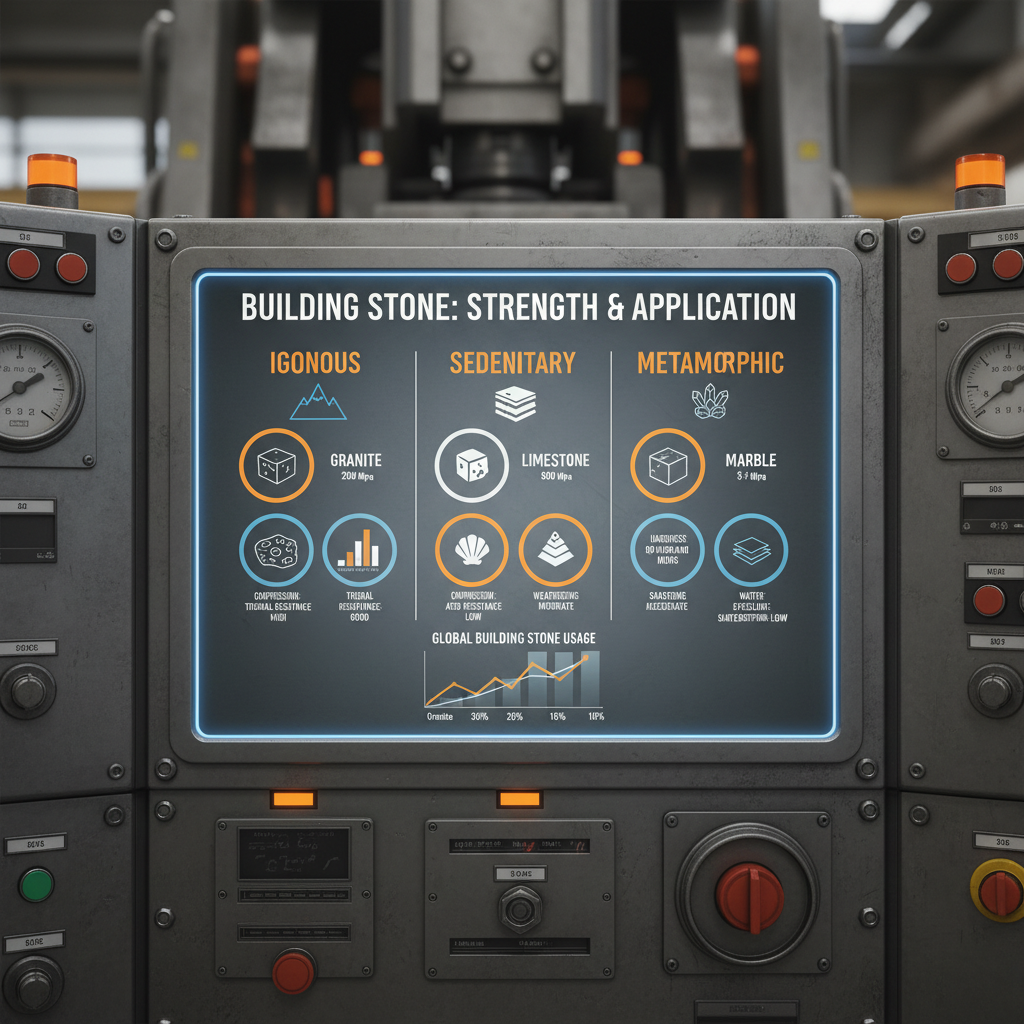
Granite is an igneous rock known for its durability and resistance to weathering, making it excellent for high-traffic areas and countertops. Marble is a metamorphic rock prized for its beauty and polish, often used in sculptures and interior designs. Limestone is a sedimentary rock that’s more porous and softer, ideal for facades and landscaping, but requires more maintenance to prevent erosion.
Coastal environments pose unique challenges due to salt spray and high humidity. You’ll need a stone with low porosity and high resistance to salt corrosion. Granite, certain types of sandstone, and some limestones treated with a sealant are good choices. Avoid stones that are prone to flaking or cracking when exposed to saltwater. Regular cleaning and maintenance are crucial in these environments.
Buildings constructed with building stone can have lifespans of centuries, even millennia, with proper maintenance. The durability of the stone itself, coupled with sound construction practices, contributes to this longevity. Many historic structures built with stone are still standing today, demonstrating its enduring resilience. Regular inspections and timely repairs are key to maximizing its lifespan.
Look for suppliers that adhere to responsible quarrying practices and have certifications like ISO 14001. Ask about the origin of the stone and ensure it’s not sourced from environmentally sensitive areas. Support local suppliers to reduce transportation emissions. Choose stones with minimal processing and avoid materials treated with harmful chemicals. Transparency in the supply chain is essential.
Regular cleaning to remove dirt, grime, and pollutants is essential. Sealing porous stones helps to prevent water absorption and staining. Inspect for cracks or damage and repair them promptly. Avoid using harsh chemicals that can erode the stone surface. Professional cleaning and restoration services may be required for more extensive maintenance tasks.
While the initial cost of building stone may be higher than some alternatives, its longevity and minimal maintenance requirements often result in lower life-cycle costs. Stone’s durability reduces the need for frequent repairs or replacements. Its thermal mass can lower energy consumption, further reducing operating expenses. When factoring in long-term value, building stone is frequently a cost-effective choice.
Building stone represents more than just a construction material; it embodies history, durability, and sustainability. Its inherent properties, diverse applications, and growing emphasis on responsible sourcing position it as a crucial element in the future of the built environment. From ancient landmarks to modern marvels, stone continues to shape our world and offer a lasting legacy for generations to come.
As we move towards a more sustainable and resilient future, the demand for building stone is poised to grow. Embracing innovation in quarrying techniques, exploring new composite materials, and prioritizing environmental stewardship will be essential for unlocking its full potential. I encourage architects, engineers, and builders to consider the enduring benefits of building stone and incorporate it into their projects – not just for its beauty, but for its lasting value. Visit our website to learn more about our range of building stone products and services.