Stone building material. It's more than just rocks, folks. After years walking job sites, feeling the weight of these materials, seeing what holds up and what doesn’t, you start to appreciate the fundamentals. It’s about longevity, yes, but also about the quiet confidence a solid stone foundation gives you. We're talking about structures meant to last – generations, not decades. It’s the backbone of civilizations, really, and it’s still incredibly relevant today. The demand is steady, driven by everything from sustainable building practices to a renewed appreciation for natural aesthetics.
There's a lot of talk about newer materials, and I’m not against progress. But you quickly learn that chasing every trend comes with trade-offs. Stone has a proven track record. It’s naturally resilient, requires minimal maintenance when properly sourced and installed, and frankly, offers a visual appeal that synthetic materials struggle to replicate. From soaring cathedrals to humble farmhouses, stone has always represented permanence and quality. We’re seeing a resurgence in its use because people are demanding that quality again.
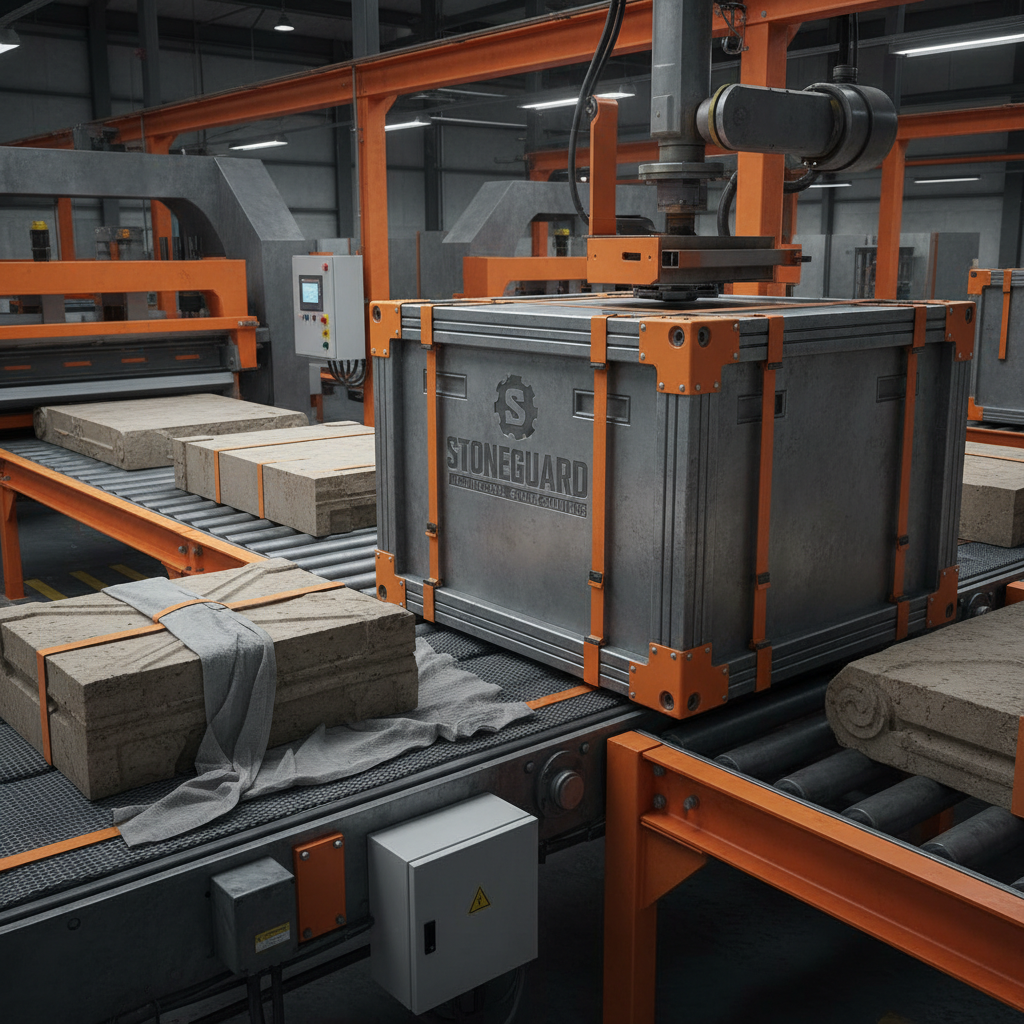
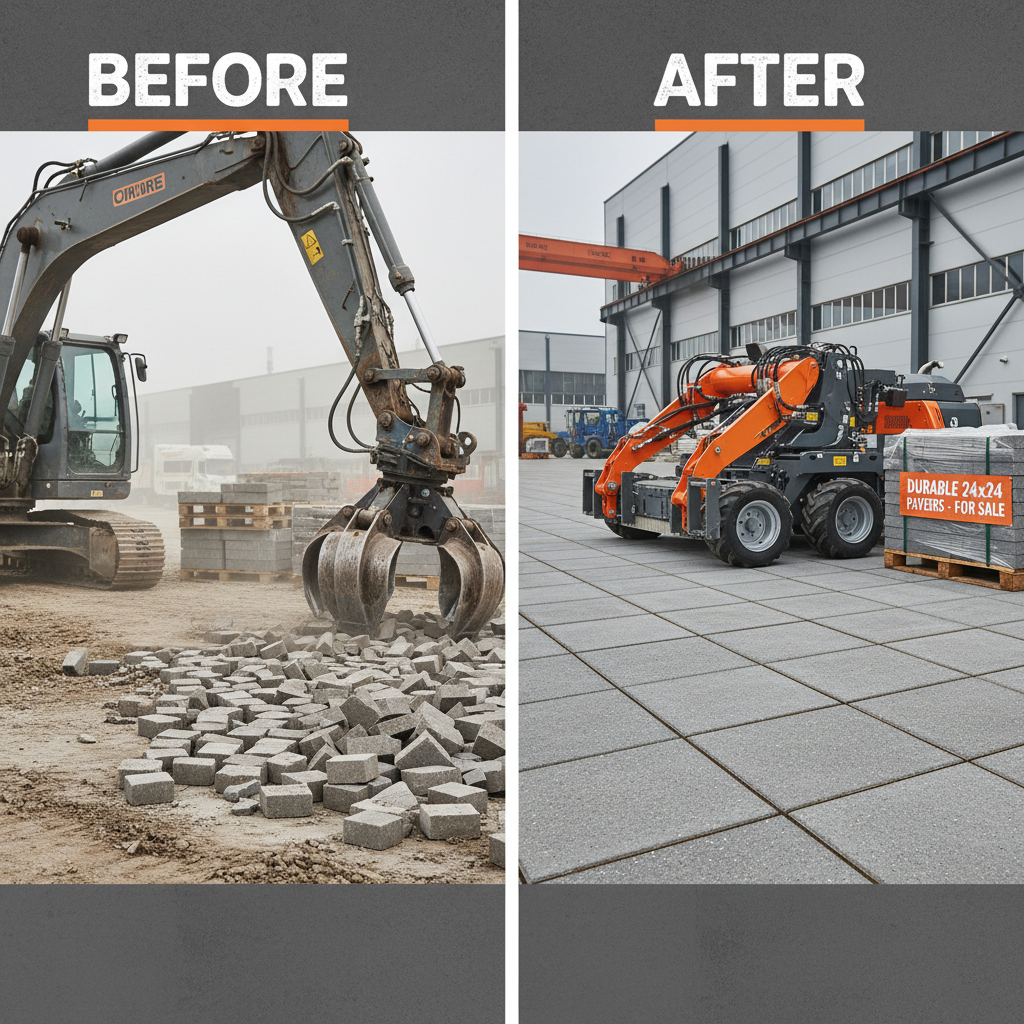
And it's not just about traditional builds anymore. Advances in quarrying, cutting, and finishing technologies mean stone is now far more versatile and accessible than ever before. We can tailor it to fit modern designs, incorporate it into hybrid structures, and even use it in innovative applications like green walls and permeable paving. Stone building material isn't a relic of the past; it’s a continuously evolving solution for the challenges of the present.
The Enduring Legacy of stone building material
Stone has been the bedrock of construction for millennia. From the pyramids of Egypt to the Roman aqueducts, its inherent strength and beauty have been recognized and utilized across cultures and throughout history. It’s not a fad; it’s a fundamental building block. I’ve seen structures built with stone standing strong for centuries, while newer materials show their age after just a few decades. That kind of reliability is priceless.
What's fascinating is how stone’s legacy continues to inform modern construction. We’re not just replicating ancient techniques; we’re building upon them, leveraging new technologies to enhance the material’s potential. The understanding of geological formations, quarrying methods, and stone preservation has evolved significantly, allowing us to create increasingly sophisticated and sustainable structures.
Understanding Stone Types and Their Applications
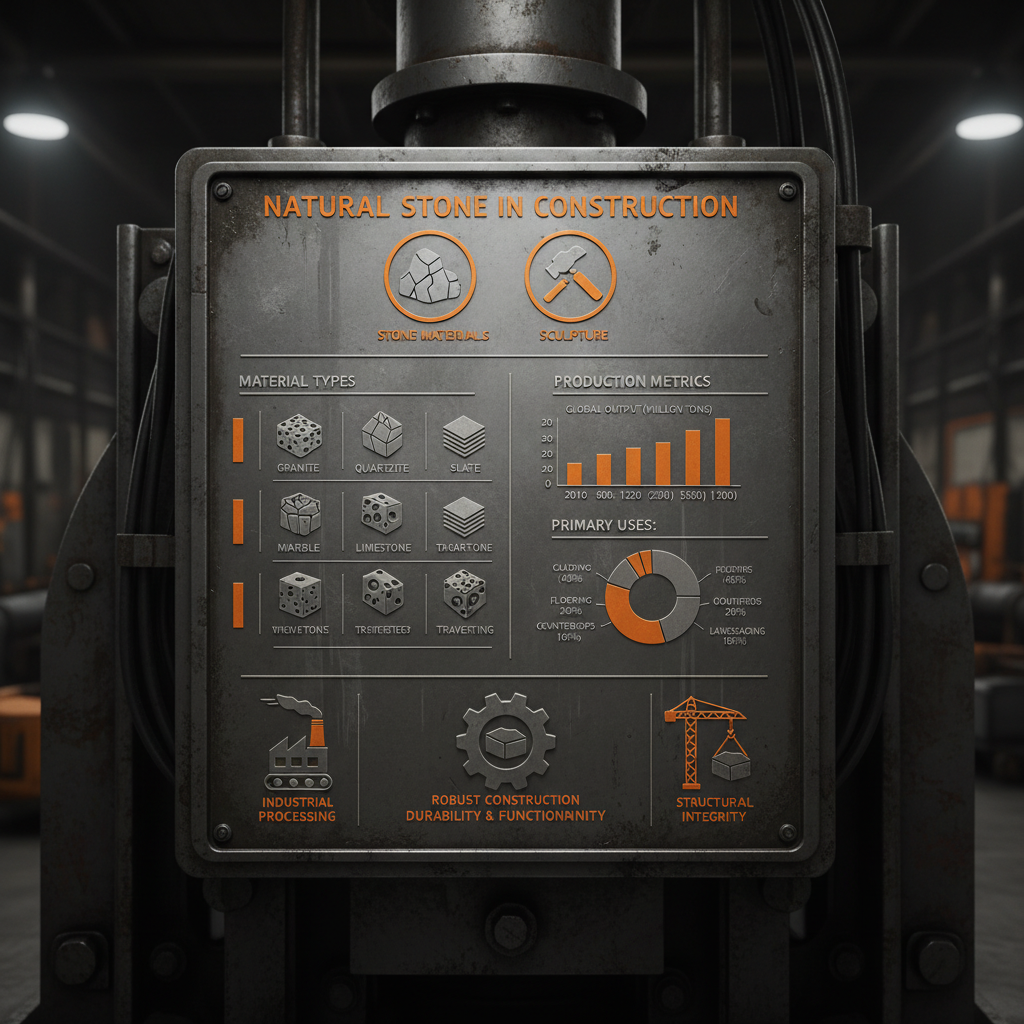
You can’t just say “stone.” There's granite, limestone, sandstone, slate, marble… each with unique properties and ideal uses. Granite is incredibly hard and durable, perfect for foundations and high-traffic areas. Limestone is more porous and easier to carve, making it excellent for decorative elements. Sandstone offers a beautiful, textured look and is often used for facades. Knowing the difference is crucial. I've seen projects fail because the wrong stone was chosen for the application – it’s a costly mistake.
The source of the stone matters too. Local stone often offers cost savings in transportation and is better adapted to the regional climate. But sometimes, you need to look further afield for a specific color or texture. Sourcing responsibly is also becoming increasingly important, ensuring that quarries are operated sustainably and with minimal environmental impact.
Properly assessing the stone’s composition and structural integrity is paramount. We use laboratory testing to verify its strength, porosity, and resistance to weathering. It’s not glamorous work, but it’s essential for ensuring a safe and durable building.
The Key Component: Durability and Longevity
Durability. That’s the core benefit of stone. It’s naturally resistant to fire, pests, and extreme weather conditions. Unlike wood, it doesn’t rot or decay. Unlike steel, it doesn’t rust. And unlike many modern materials, it doesn’t degrade significantly over time. I've walked through buildings centuries old that are still structurally sound, built entirely of stone. That's a testament to its inherent strength.
However, durability isn't just about the stone itself. It’s about proper installation and maintenance. A poorly constructed stone wall will fail, regardless of the stone's quality. Proper foundation work, appropriate mortar mixes, and regular inspections are crucial for ensuring long-term performance. I always tell the crews: “You’re not just laying stones; you’re building a legacy.”
And it’s not just about physical durability. Stone also offers excellent thermal mass, meaning it can absorb and retain heat, helping to regulate indoor temperatures and reduce energy consumption. This is becoming increasingly important as we strive for more sustainable building practices.
Cost-Benefit Analysis of stone building material
Let's be honest, stone isn’t the cheapest building material upfront. It usually has a higher initial cost compared to wood or vinyl siding. But if you’re looking at the long game, the cost-benefit ratio is incredibly favorable. Think about the reduced maintenance, the extended lifespan, and the increased property value. I've seen homeowners recoup their investment in stone upgrades when they sell their properties.
You also have to factor in the hidden costs of cheaper materials – the constant repairs, the frequent replacements, the potential for mold and mildew. Stone eliminates many of those headaches and saves you money in the long run. It’s an investment in quality and peace of mind.
Stone Building Material: Lifecycle Cost Comparison
Global Applications and Regional Styles
Stone building material is ubiquitous. You see it everywhere, but the ways it’s used are incredibly diverse. In Italy, you have the rustic charm of Tuscan stone villas. In England, the stately grandeur of Cotswold stone cottages. In Japan, the minimalist elegance of stone gardens and temples. Each region has its own unique traditions and techniques.
I’ve worked on projects in the Middle East where stone was used to create intricate geometric patterns and provide natural cooling in the harsh desert climate. I’ve also seen it used in modern skyscrapers as a cladding material, adding a touch of natural beauty to the urban landscape. The adaptability of stone is remarkable.
Sustainable Practices in Stone Quarrying and Use
Sustainability is a big concern these days, and rightfully so. Stone quarrying can have a significant environmental impact if not done responsibly. That's why it’s crucial to choose suppliers who prioritize sustainable practices – minimizing waste, restoring quarry sites, and reducing carbon emissions.
Using locally sourced stone reduces transportation costs and emissions. Reclaiming and repurposing existing stone is another great way to reduce environmental impact. And designing buildings with passive solar principles, leveraging stone's thermal mass, can significantly reduce energy consumption.
We are seeing more focus on water conservation in quarrying operations and the use of renewable energy sources to power processing facilities. It's a continuous process of improvement, but the industry is making strides towards greater sustainability.
Future Trends and Innovations in Stone Construction
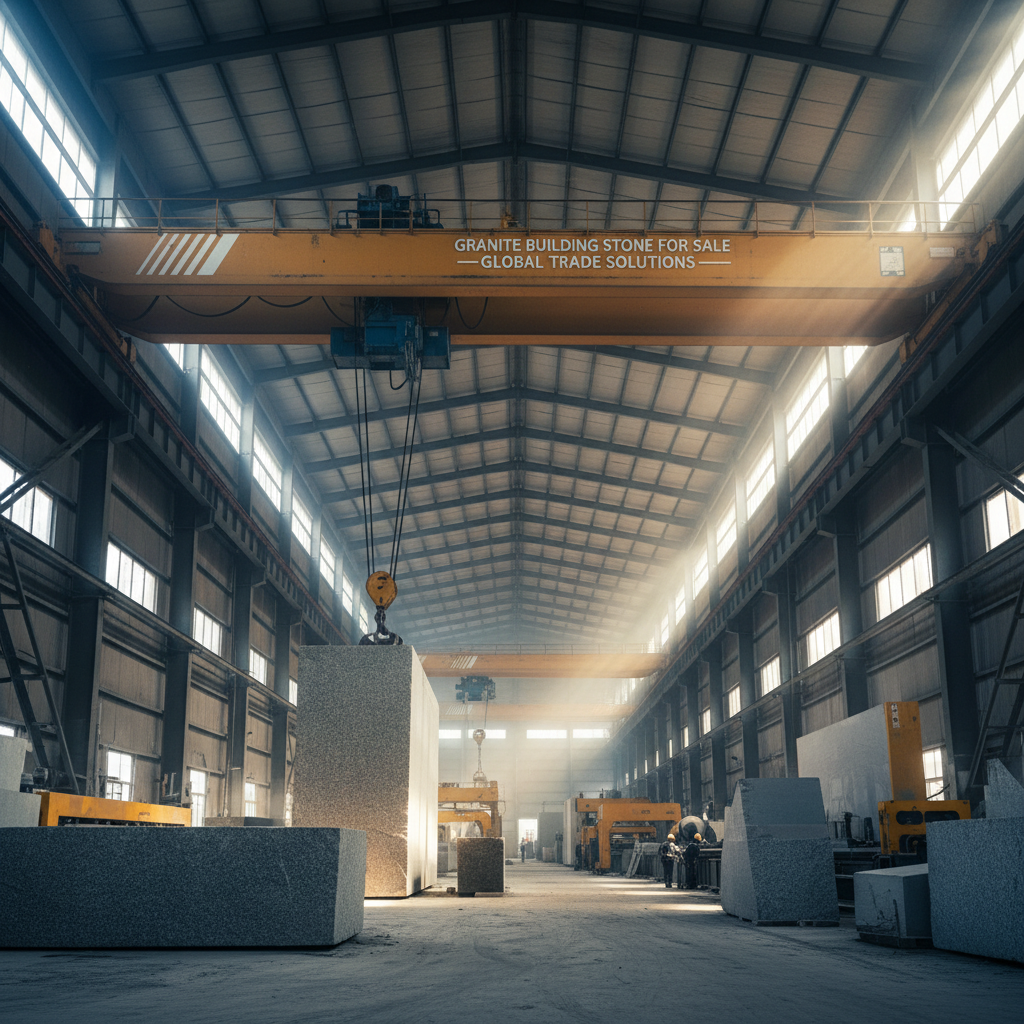
The future of stone building material is exciting. We’re seeing advancements in stone cutting and shaping technologies, like waterjet cutting and CNC machining, that allow for greater precision and design flexibility. Lightweight stone composites are also emerging, offering the aesthetic appeal of stone with reduced weight and installation costs.
Digital modeling and Building Information Modeling (BIM) are becoming increasingly prevalent, allowing architects and engineers to visualize and optimize stone structures before construction begins. And there's a growing interest in integrating stone with other sustainable building materials, like timber and straw bale, to create high-performance, eco-friendly buildings.
I think we’ll also see more emphasis on the circular economy, with increased efforts to recycle and reuse stone waste. It’s about minimizing our environmental footprint and creating a more sustainable built environment.
Analysis of Factors Influencing Stone Building Material Adoption
| Project Type |
Cost Consideration |
Sustainability Impact |
Regional Availability |
| Residential Construction |
Moderate - Initial cost higher, long-term savings. |
High - Durable, low maintenance, natural material. |
Variable - Dependent on local quarry availability. |
| Commercial Buildings |
High - Often prioritized for prestige and longevity. |
Moderate - Potential for sustainable sourcing and thermal mass. |
Moderate - Supply chains generally well-established. |
| Historical Restoration |
Very High - Authenticity demands matching original materials. |
High - Preserves historical character and reduces waste. |
Critical - Sourcing original stone or close matches is essential. |
| Infrastructure Projects |
Moderate - Longevity and low maintenance reduce lifecycle costs. |
Moderate - Durable and resistant to weathering. |
Variable - Access to quarries and transportation logistics. |
| Landscaping & Exterior Design |
Low to Moderate - Often used for accent features and pathways. |
High - Natural aesthetic, permeable paving options. |
High - Wide range of stone types readily available. |
| Green Building Initiatives |
Moderate - Initial cost offset by long-term benefits. |
Very High - Sustainable sourcing, thermal mass, low embodied energy. |
Moderate - Emphasis on local sourcing and recycled content. |
FAQS
One of the biggest challenges is weight and handling. Stone is heavy, requiring specialized equipment and skilled labor. Another challenge is achieving consistent color and texture, as natural stone varies. Proper planning, careful sourcing, and experienced masons are key to overcoming these hurdles. Also, understanding local building codes related to stone construction is vital.
Stone generally has a lower embodied energy than concrete, meaning it takes less energy to extract and process. Concrete production releases significant amounts of CO2. However, transportation of stone can contribute to its carbon footprint, so local sourcing is preferred. Stone is also a naturally durable material, reducing the need for frequent replacements, unlike concrete which can crack and deteriorate.
Stone buildings require relatively little maintenance. Regular cleaning to remove dirt and algae is important. Periodic inspections to check for cracks or damaged mortar are also necessary. Repointing mortar joints every 20-30 years can help prevent water infiltration. Proper sealing can also protect the stone from staining and weathering.
Yes, stone can be used effectively in seismic zones. Properly engineered stone structures are incredibly resilient to earthquakes. The weight and rigidity of stone provide inherent stability. Reinforcing the structure with steel and employing flexible mortar joints can further enhance its seismic performance. Local building codes will dictate specific requirements.
Look for a mason with significant experience specifically in stone construction – not just bricklaying. Check their portfolio for examples of similar projects. Ask for references and verify their licensing and insurance. A good mason will be knowledgeable about different stone types, proper installation techniques, and local building codes.
Generally, yes. Different stone types perform better in different climates. For example, granite is highly resistant to freeze-thaw cycles, making it ideal for colder regions. Limestone is more susceptible to weathering in harsh climates and may require more protection. Proper stone selection and detailing are crucial for ensuring long-term performance in any climate.
Conclusion
Stone building material remains a cornerstone of durable, sustainable, and aesthetically pleasing construction. It’s a material steeped in history, yet constantly evolving with new technologies and applications. From its inherent strength and longevity to its versatility and timeless beauty, stone continues to offer a compelling alternative to modern building materials. Understanding its properties, responsible sourcing, and proper installation are essential for unlocking its full potential.
Looking ahead, we’ll see greater emphasis on sustainable quarrying practices, innovative stone composites, and the integration of stone with other eco-friendly materials. The demand for durable, long-lasting structures will continue to drive the use of stone, and its enduring legacy will undoubtedly shape the built environment for generations to come. To learn more about utilizing stone for your next project, visit our website: stone building material.